

The nature of being a Top 25 team in college basketball suggests that you are one of the best squads in the country and have far more strengths than weaknesses.
That makes picking out weaknesses for the country’s ranked teams a particularly difficult task, so it may be better to look at these as more of early-season concerns than glaring holes. The good news is that it’s only November, so there is plenty of time to get these issues sorted out before March.
With that in mind, here is a look at the biggest area of concern for each Top 25 team in the current Associated Press Poll.
No. 25 Arkansas: Rebounding
1 of 25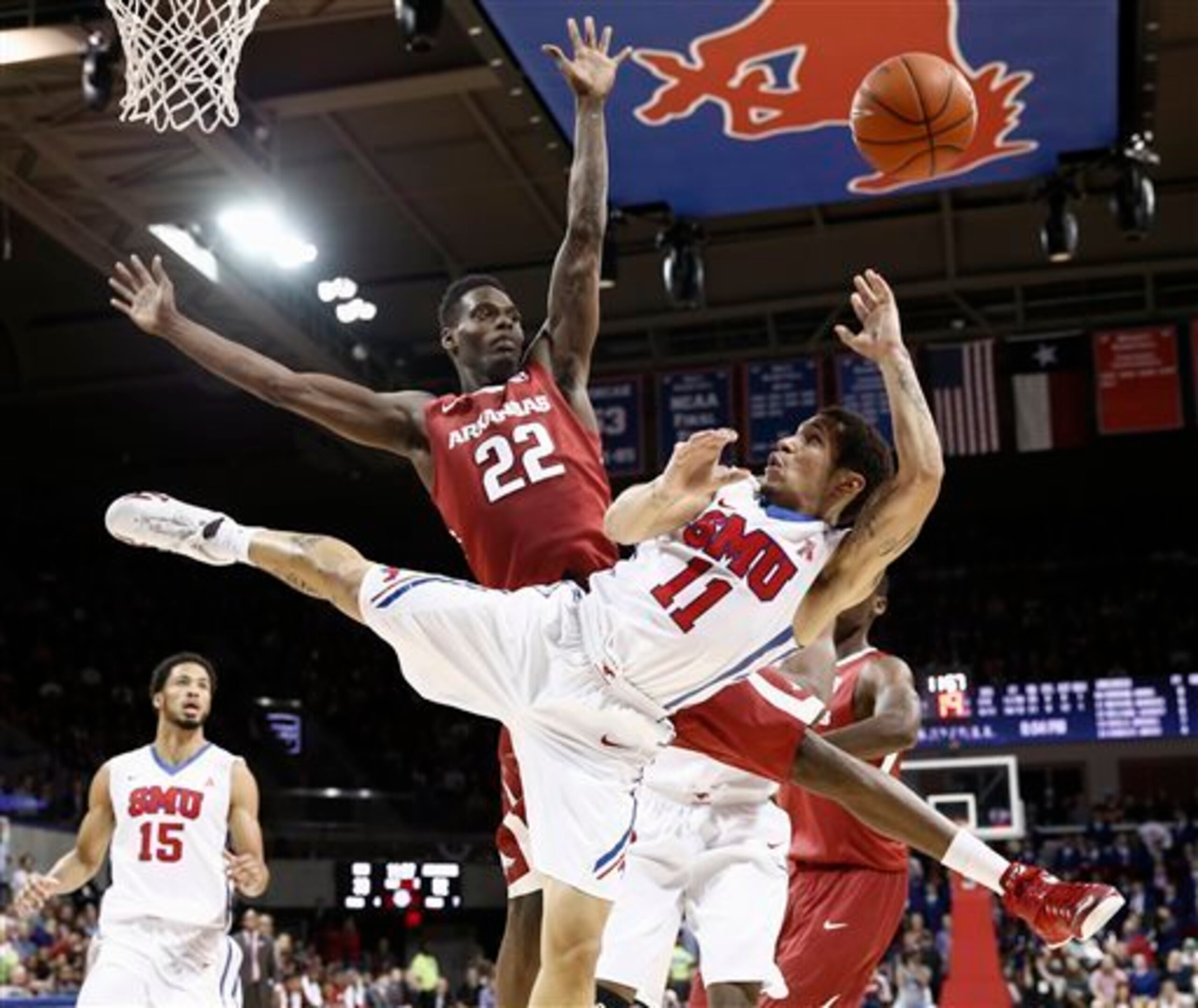
The rumors are true—there is basketball in the SEC outside of Kentucky and Florida.
Arkansas was an abysmal 301st in Division I in rebounding a season ago, and it will have to make do without Coty Clarke in 2014-15. That could hurt the efforts on the boards even further.
Thus far, the Razorbacks are 218th in the nation in total rebounding per game in the early going and were outrebounded by Alabama State of all teams by a 38-27 margin. If the Razorbacks had trouble on the boards with Alabama State, best of luck dealing with Kentucky’s team of rotating NBA bigs in conference play.
No. 24 Connecticut: Frontcourt Depth
2 of 25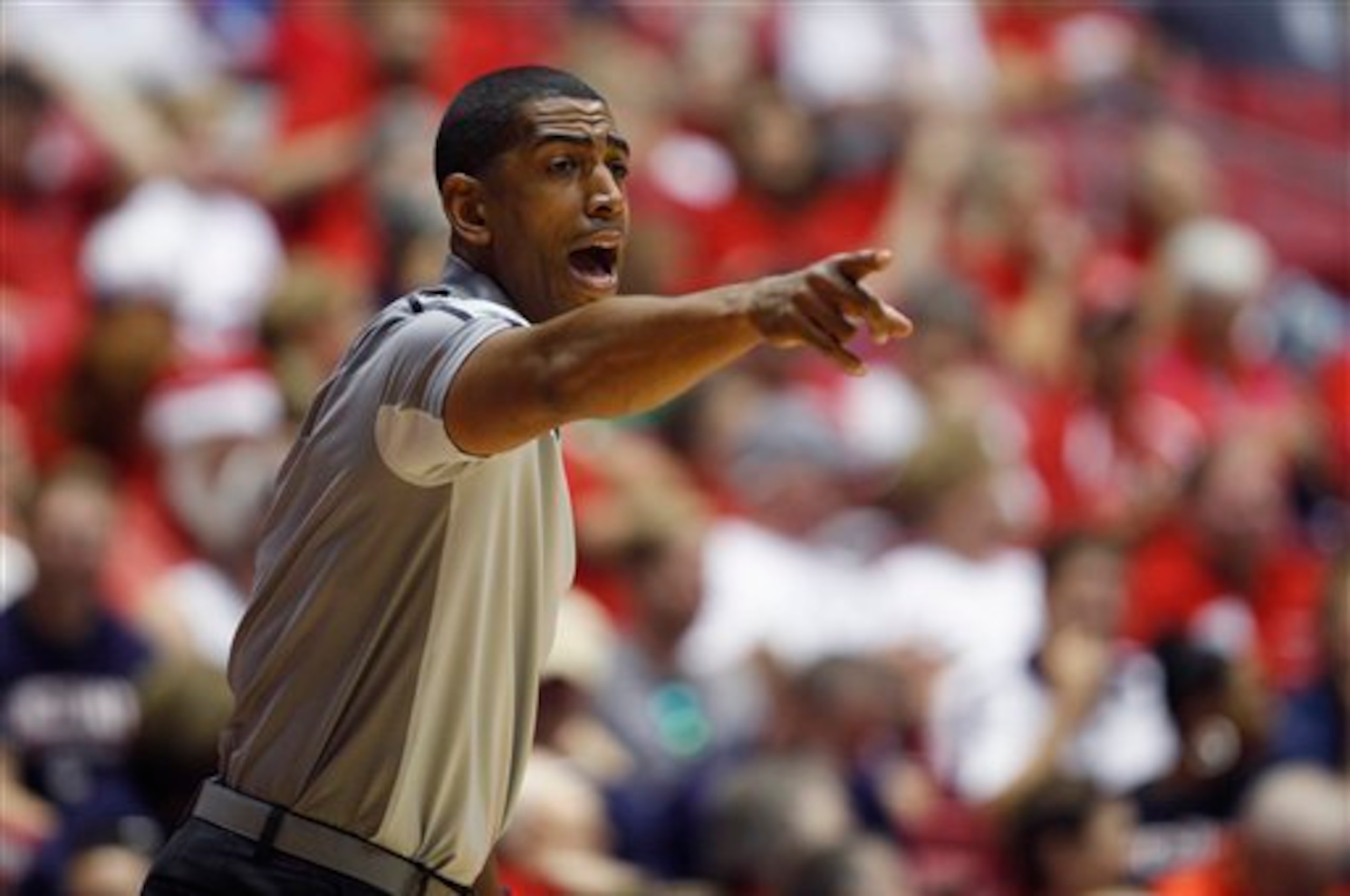
The defending national champions took the college basketball world by storm in March with ball-pressure defense, and Ryan Boatright is back to lead the efforts again this season.
If there is one concern for Connecticut, it is frontcourt depth, especially because it could play four guards/small forwards at once in certain lineups. Amida Brimah could take another step forward, and Phil Nolan is now a junior and should provide some upperclassman leadership.
Other than Brimah and Nolan, the Huskies could get some contributions from Kentan Facey and perhaps Rakim Lubin, but the frontcourt is far less important to Connecticut’s ultimate success than the backcourt.
No. 23 Creighton: Defense
3 of 25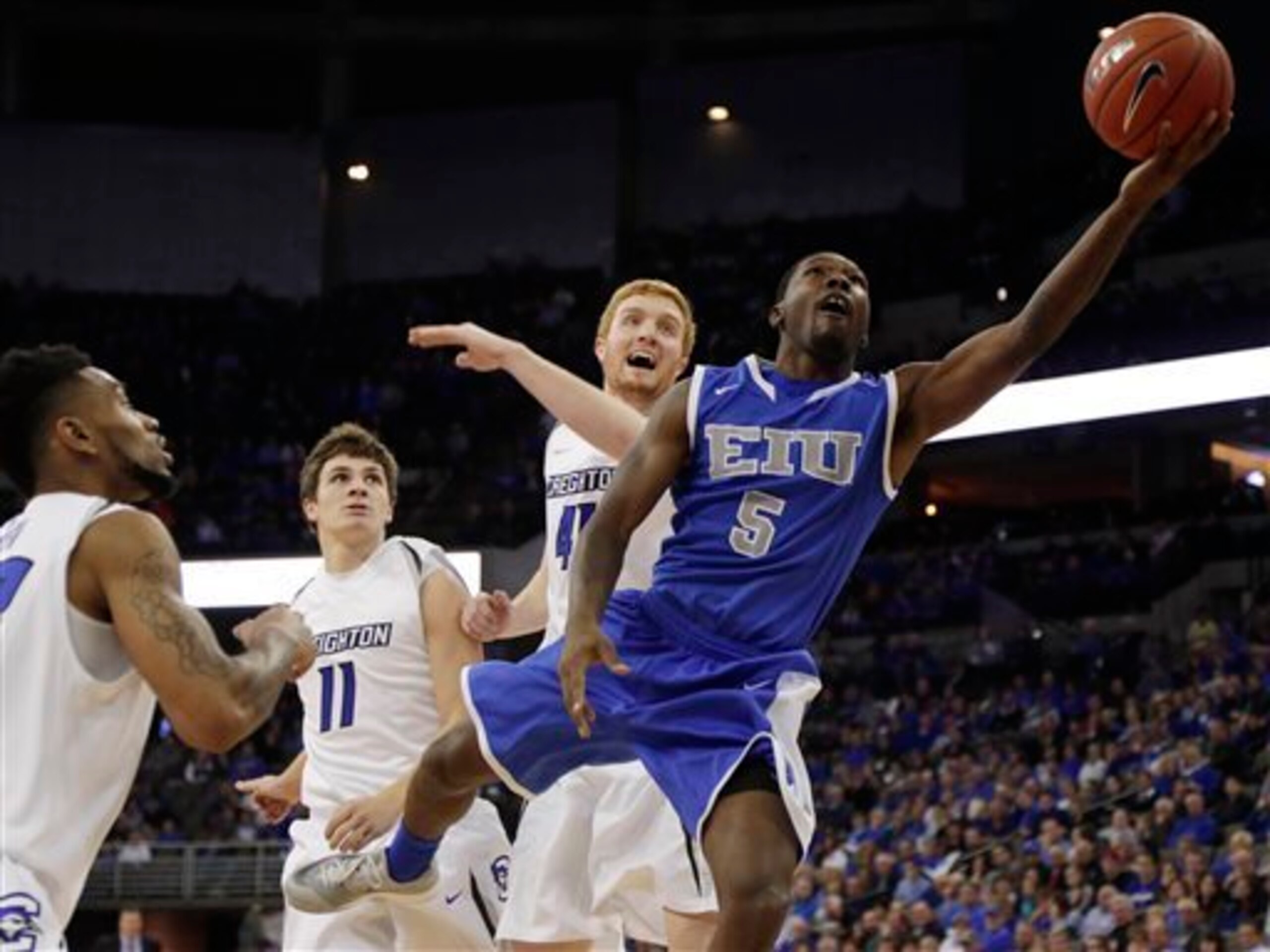
Creighton checks in at No. 87 in Ken Pomeroy’s pace-adjusted defensive efficiency rankings, which is certainly not an impressive number for a Top 25 team.
The basic statistics don’t paint a pretty picture for Creighton either. The Bluejays are 93rd in the country in points allowed per game, 282nd in blocks per game and 134th in steals per game and don’t have the athletes to really unleash a high-pressure defensive set.
Fortunately for Creighton, it has an efficient offense and enough weapons on the floor that it can survive a mediocre defensive effort. Defense has never been the Bluejays’ forte, but they need to improve on that end if they hope to advance deep into the tournament.

No. 22 UCLA: Depth
4 of 25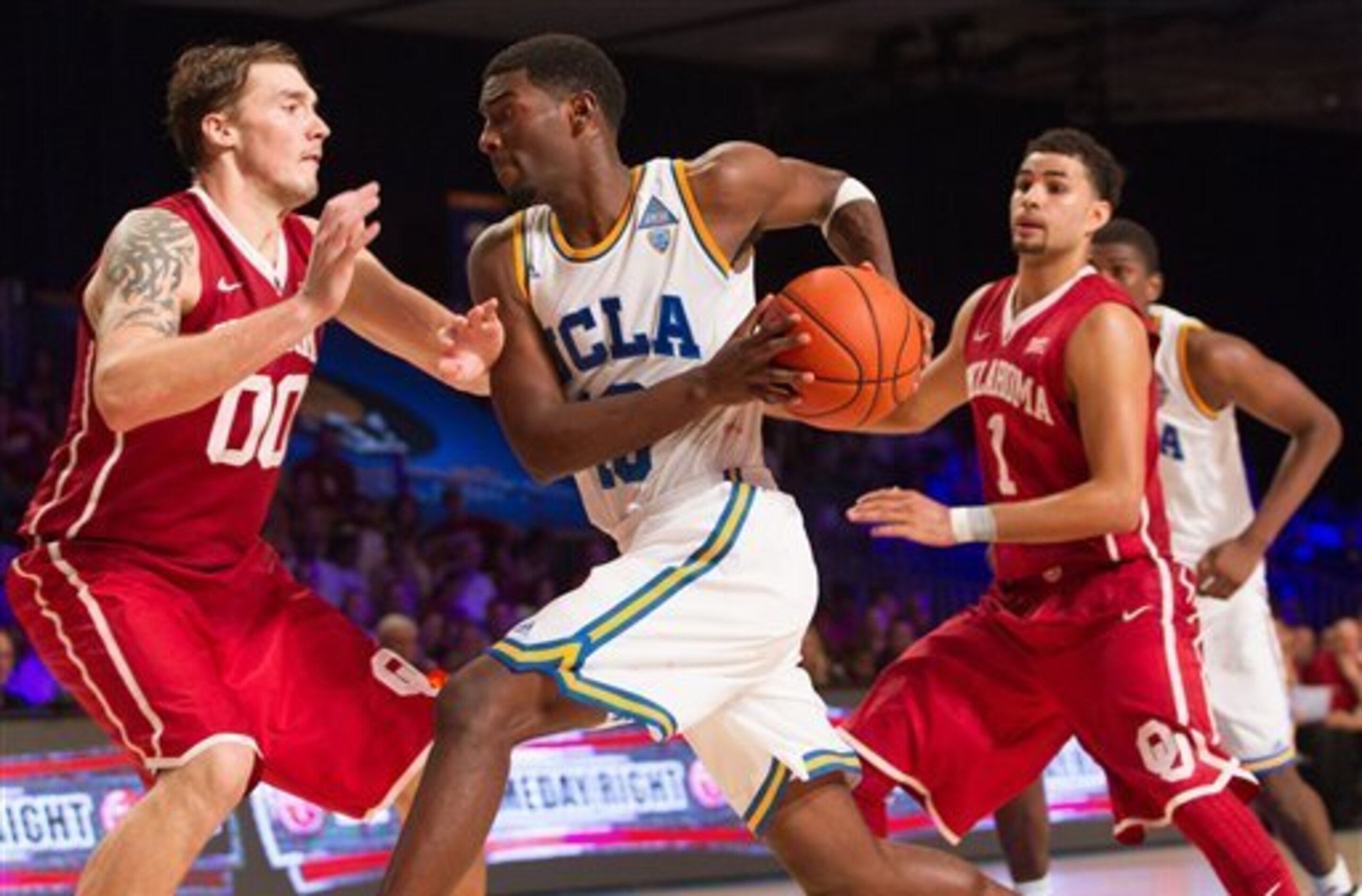
It is safe to say that UCLA lost plenty of firepower in the offseason.
Kyle Anderson, Jordan Adams and Zach LaVine all left early for the NBA, Colorado State transfer Jon Octeus was denied admission to the school, and Jonah Bolden was ruled academically ineligible.
It’s tough to replace three superstar players when expected roster players can’t even make it on the floor. As a result, five players are averaging 24 or more minutes a game in the early going, while the next highest is averaging less than 16.
The Bruins are going to be very reliant on their starting five this season, which could make the second half of the long schedule a problem.
No. 21 West Virginia: Departures
5 of 25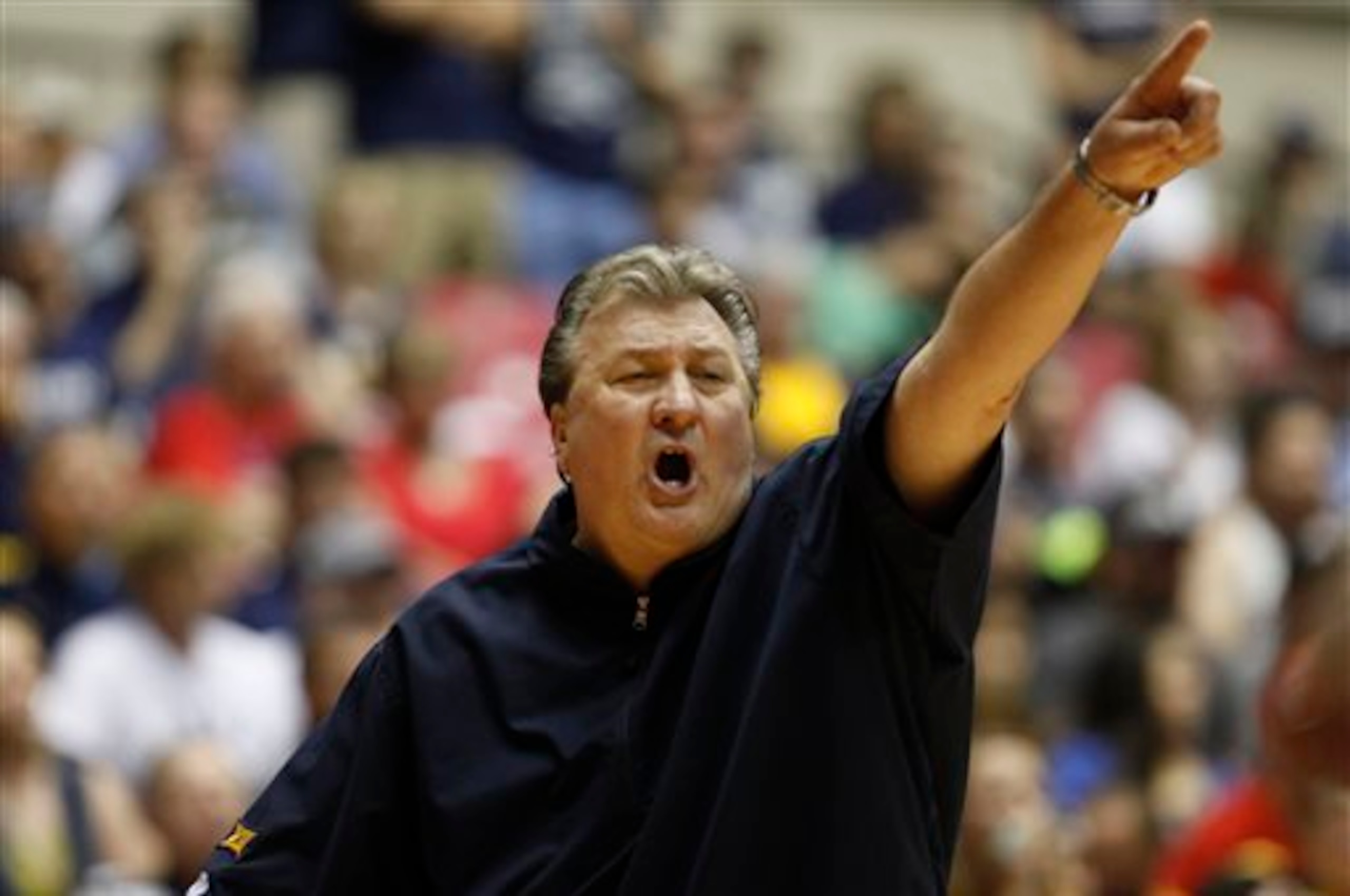
A number of teams lost plenty of talent in the offseason, but West Virginia was hit particularly hard by departures.
The Mountaineers lost three of their top five scorers from a season ago, as guard Eron Harris transferred to Michigan State, Remi Dibo elected to play professionally overseas, and Terry Henderson went to North Carolina State. That is plenty of talent that West Virginia has to replace on a night-to-night basis.
Thus far, West Virginia has replaced those three guys by committee, with 10 guys averaging between 12 and 29 minutes a night.
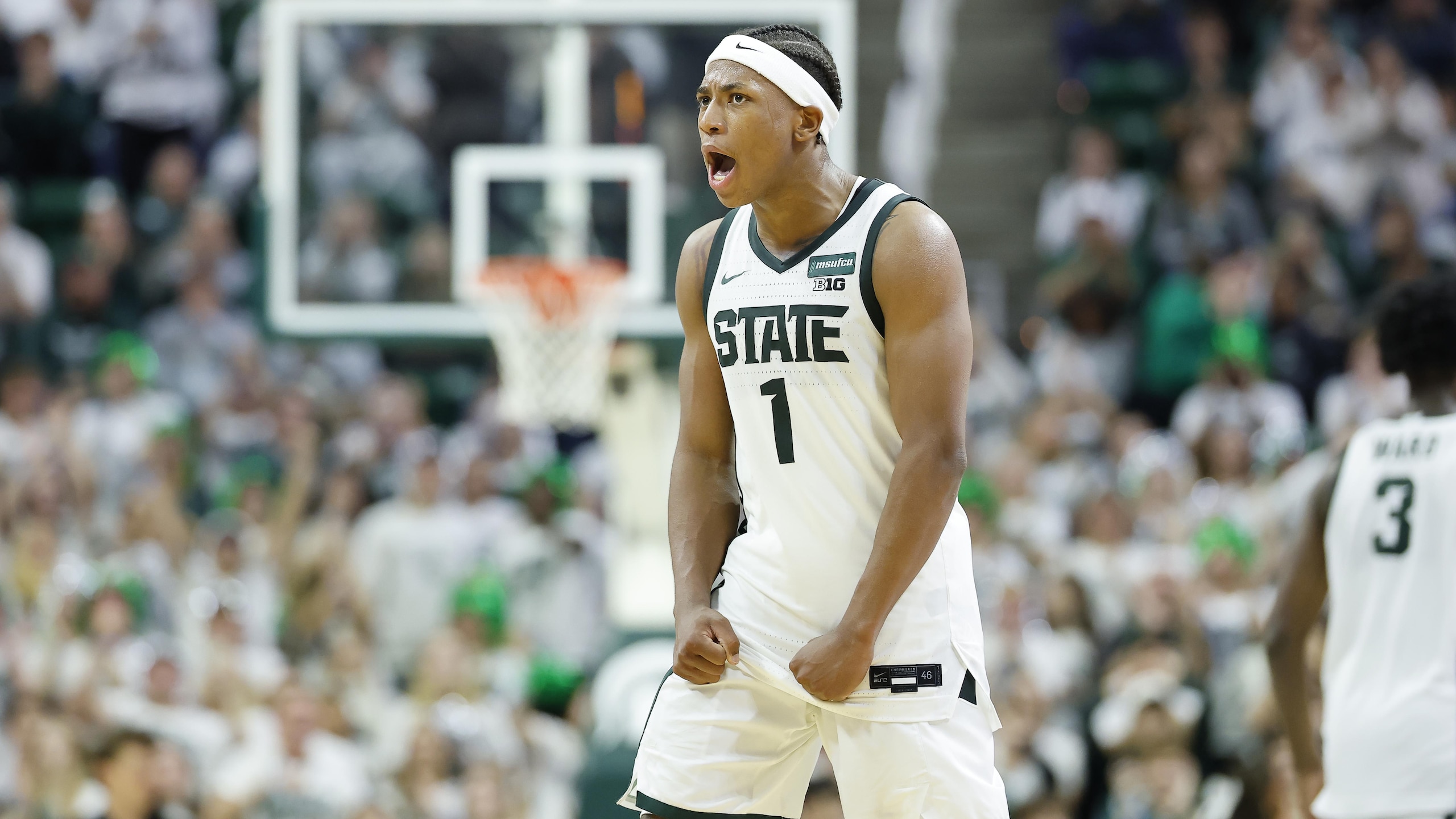
No. 20 Michigan State: Lack of Go-to Presence
6 of 25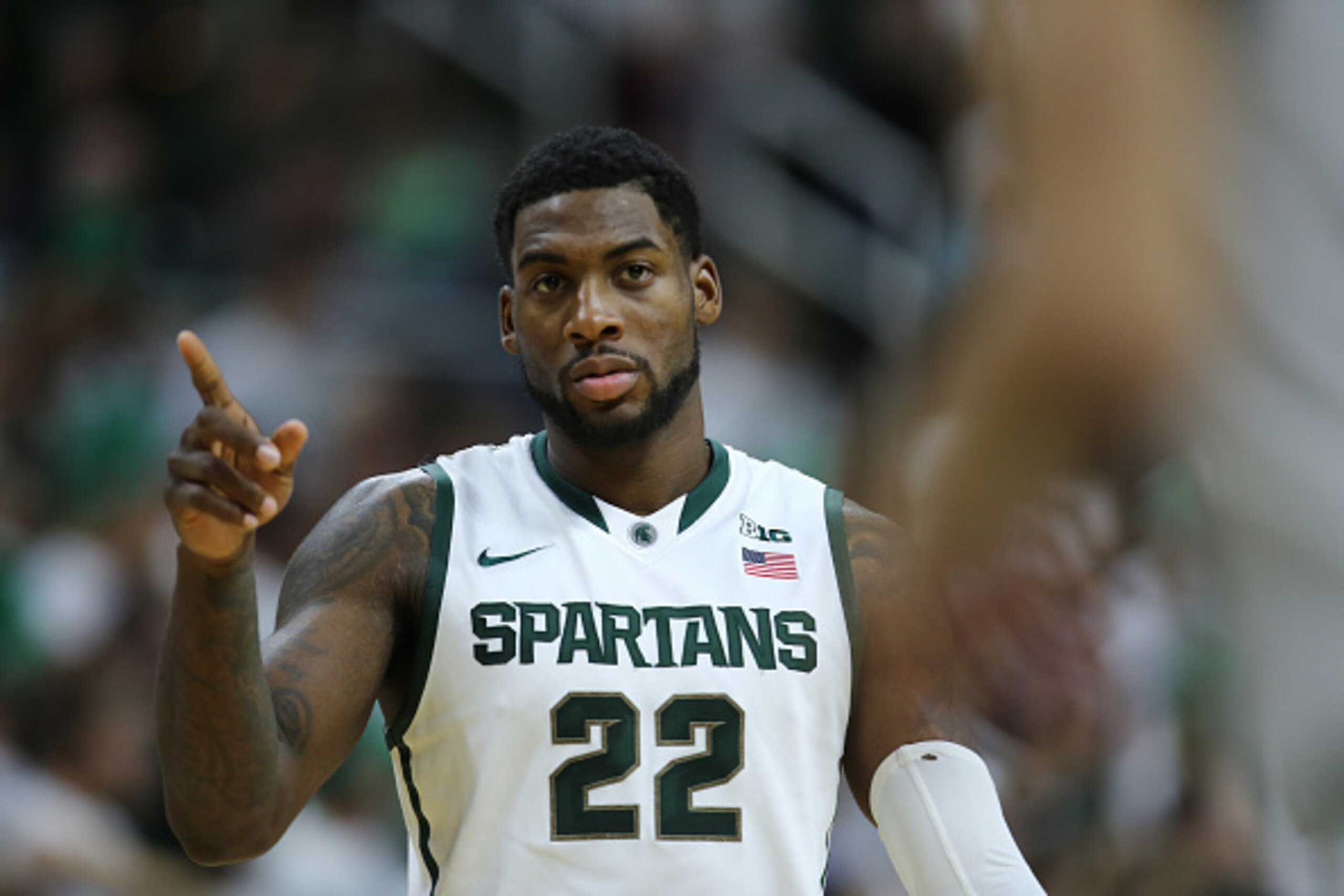
Speaking of teams that lost plenty of talent, Michigan State saw Keith Appling, Adreian Payne and Gary Harris leave East Lansing. Tom Izzo may be a basketball wizard, but he may not have a go-to option in his lineup this season.
Branden Dawson has always had the potential to be a star, but he has never fully lived up to the hype.
Travis Trice, Denzel Valentine and Matt Costello have been role players their entire careers, although to Trice’s credit, he has put up impressive numbers in the early going. One of these players will need to establish himself as the go-to guy before Big Ten play begins if the Spartans want to take home the conference crown.
No. 19 Michigan: Frontcourt
7 of 25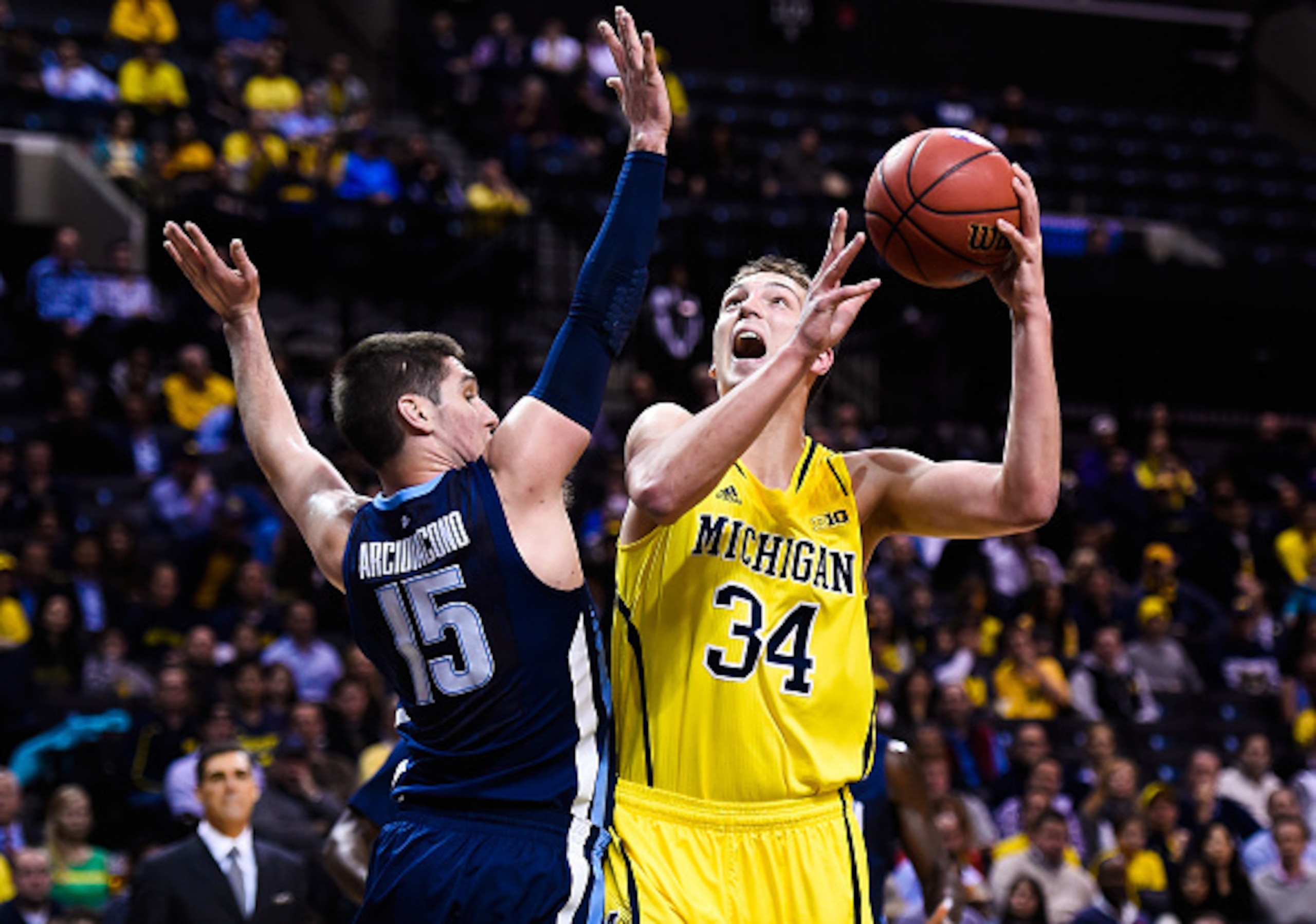
Michigan has three potential superstars on the roster in Caris LeVert, Derrick Walton Jr. and Zak Irvin, but they are all guards/small forwards.
The Wolverines have some question marks along the frontcourt and will need players like Ricky Doyle and Mark Donnal to exceed expectations. The Big Ten is arguably the country’s most physically grueling league, and that could be a problem when Michigan finds itself in slower half-court games.
There is a reason Michigan is 232nd in the country in rebounding thus far. It needs more production up front.
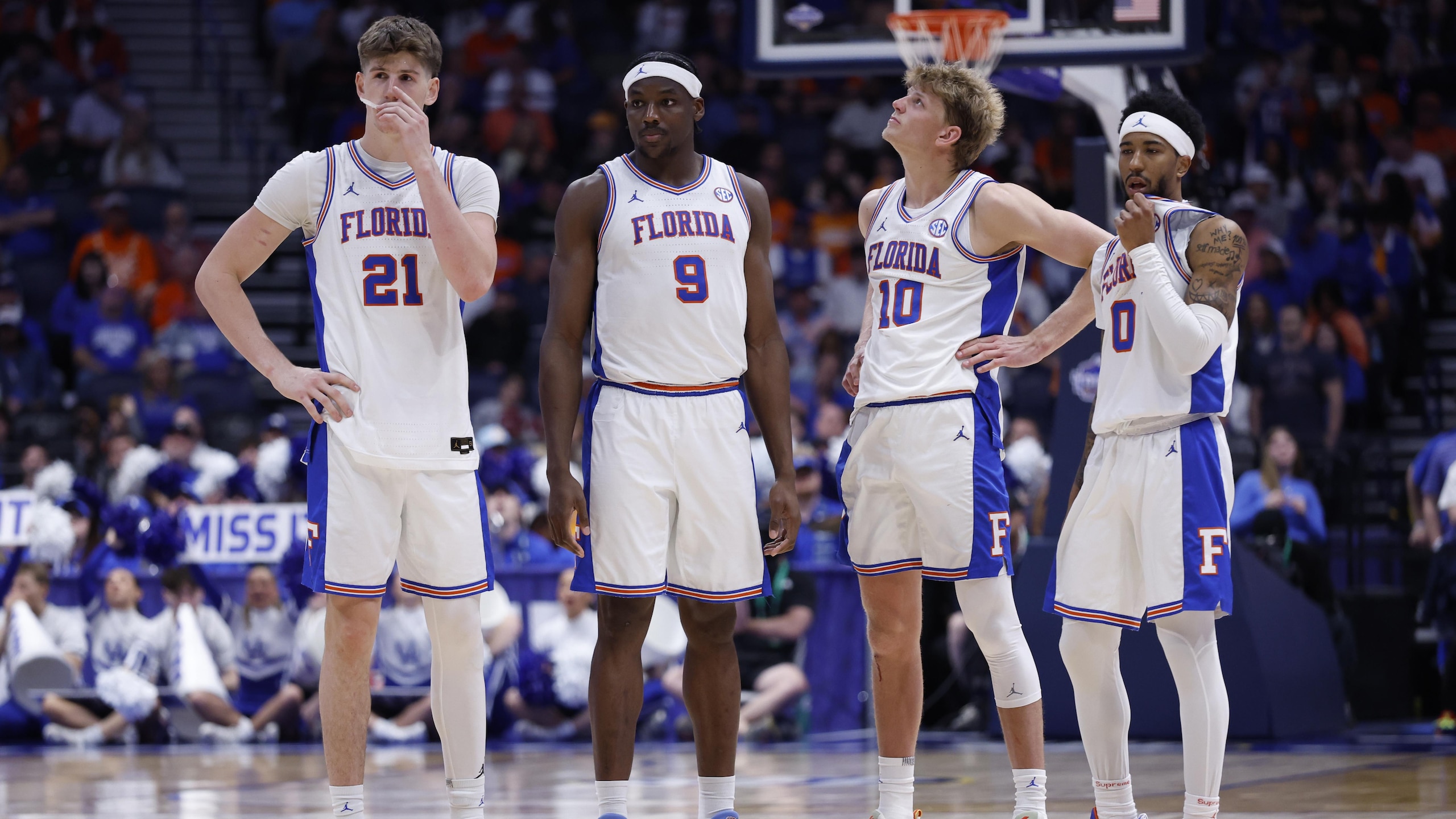
No. 18 Florida: Health
8 of 25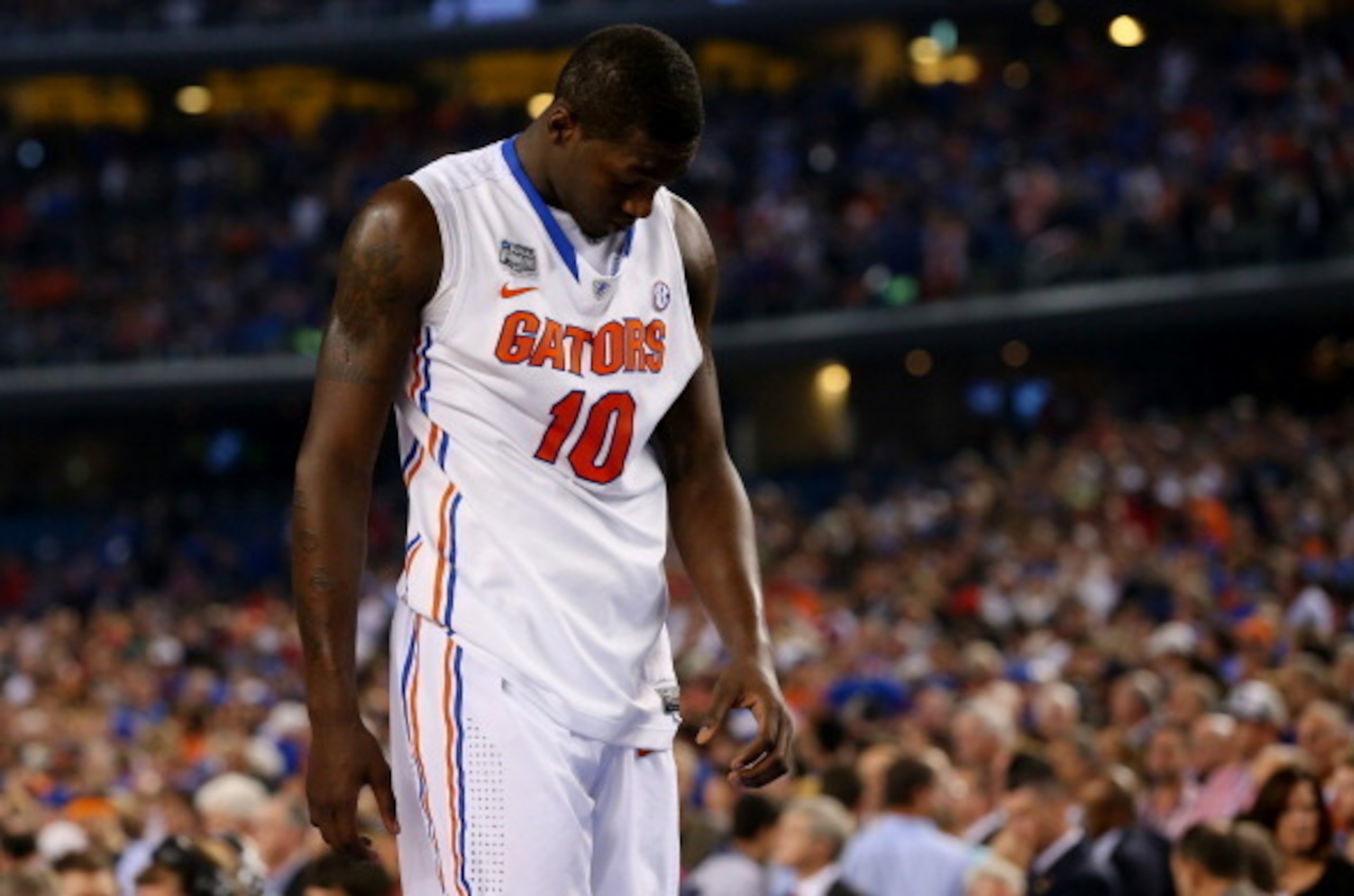
Florida got Dorian Finney-Smith and Eli Carter back against Georgetown on Wednesday, but health has been a real concern already for the Gators.
Projected starter Carter hurt his foot in practice, and there was legitimate fear that it could have been a season-ending Lisfranc injury, and Finney-Smith is still working his way back into the lineup from a hairline fracture.
The Gators lost the vast majority of their Elite Eight team from a season ago, and a spate of injuries to 40 percent of their starting lineup is not how they wanted to start the 2014-15 campaign.
No. 17 Miami: Inexperience
9 of 25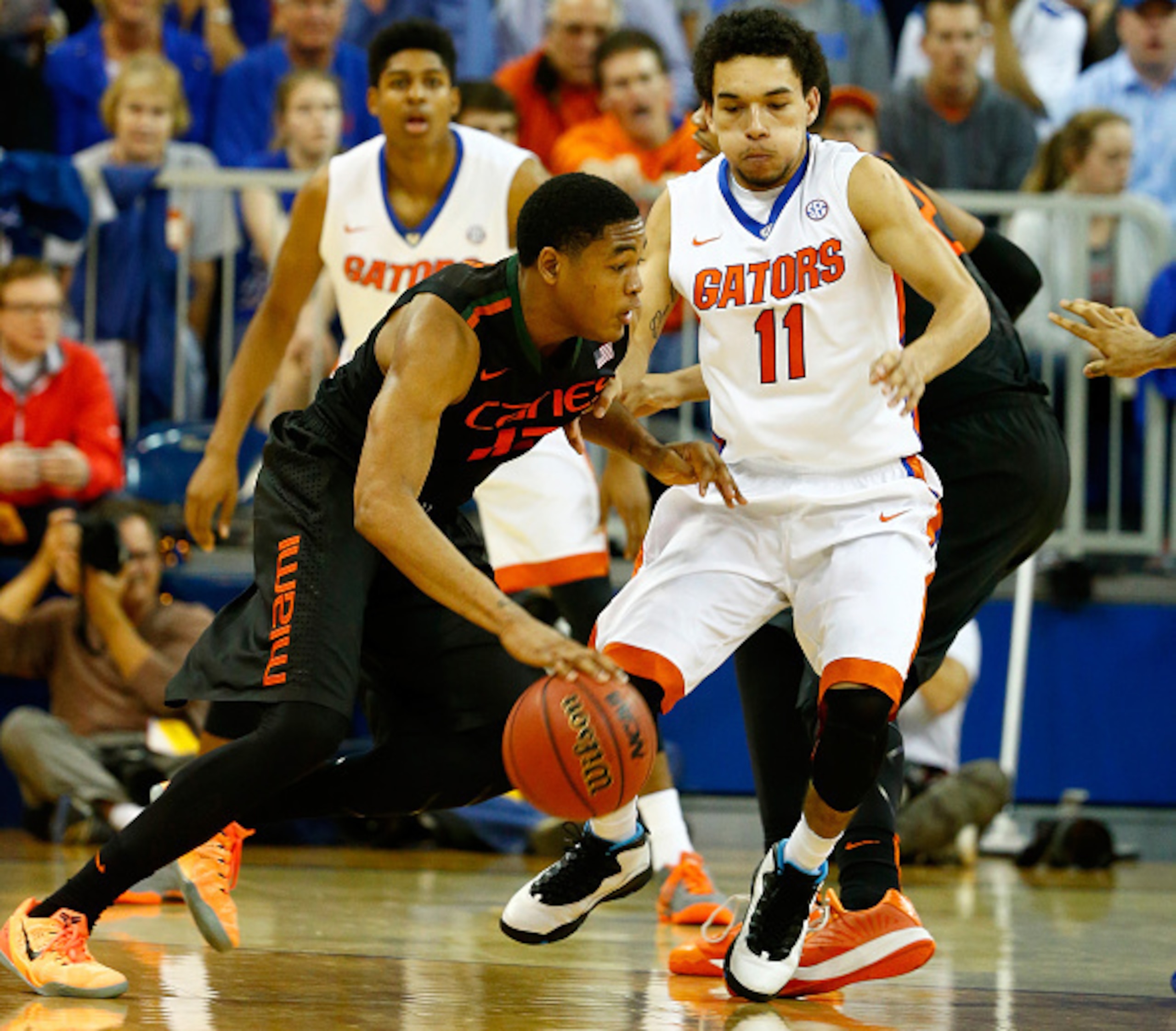
The Miami Hurricanes have nine new players this season, and only one member of the squad remains from the team that won the ACC championship in 2012-13 (Tonye Jekiri). In fact, the Hurricanes only get 19.3 percent of their scoring back from last season.
What’s more, only two of those nine new players are transfers who were around the program last year.
Thus far, Miami’s inexperienced players have thrived with six wins to start the season, including one over Florida. However, the real question is how Miami’s fresh faces will react when ACC play begins and Duke, North Carolina, Louisville and Syracuse are on the opposite bench.
No. 16 Ohio State: Proven Interior Depth
10 of 25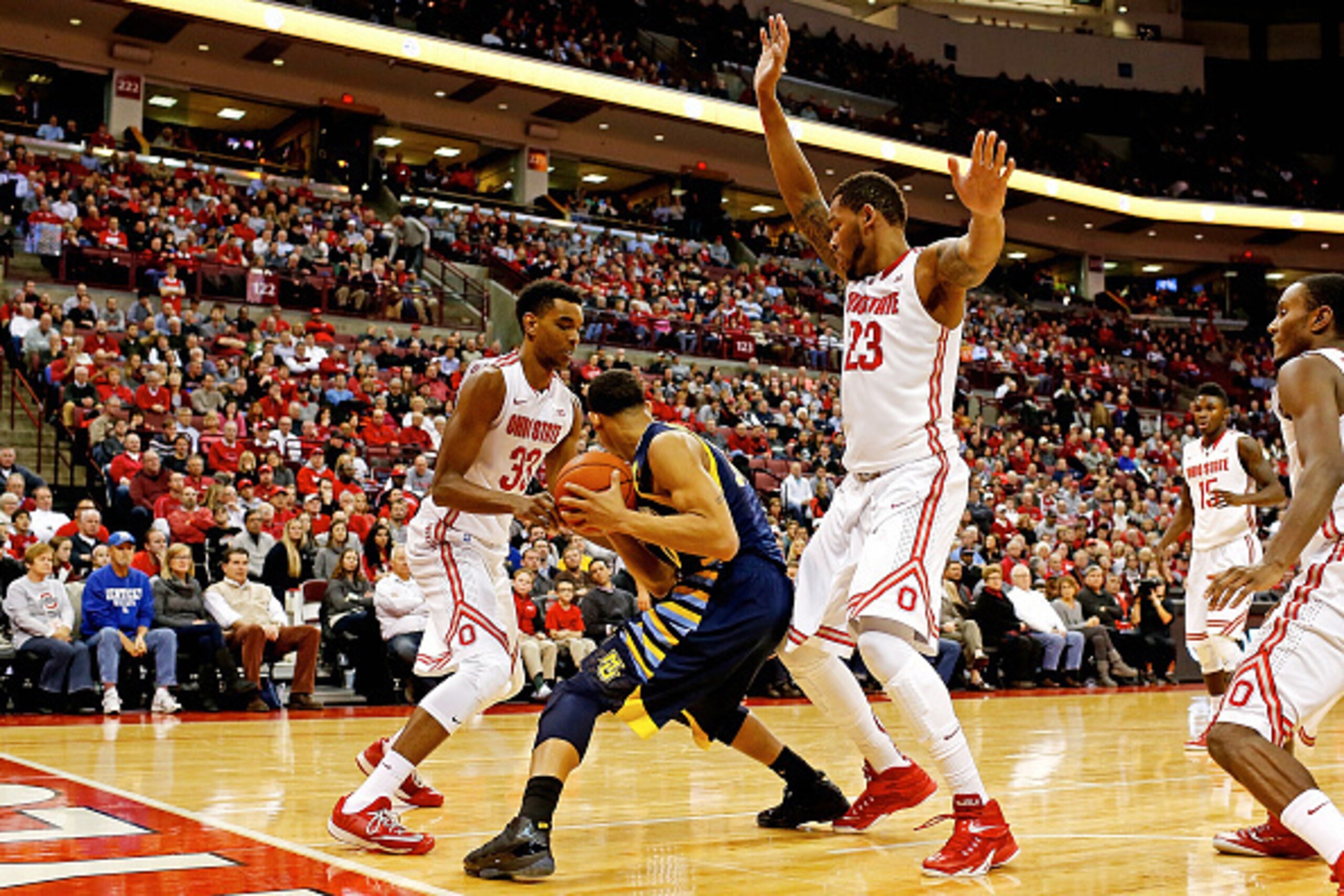
Ohio State is loaded with athletic guards and wing players who can get out in transition and apply pressure defense all season. Shannon Scott wouldn’t have racked up 16 assists in one game if that wasn’t the case.
However, if there is one issue with the Buckeyes, it is their proven interior depth. Anthony Lee is a transfer from Temple, and Amir Williams and Trey McDonald are seniors, and all have the potential to be solid contributors. However, Williams has yet to live up to the hype that surrounded his recruiting in four seasons, and McDonald is more of a role player.
Lee is the big man with the highest ceiling, and he is a double-double threat every time he walks on the floor, but he is yet to prove it at a Big Ten level.
Thus far, Ohio State has struggled to keep opponents off the offensive glass, even in blowout wins.
No. 15 San Diego State: Lack of Go-to Option
11 of 25
Xavier Thames was the clear No. 1 option for San Diego State last season, but he is no longer on campus.
The Aztecs have one of the most suffocating defenses in the country, but their offense has looked lost at times down the stretch without Thames. The ball movement has been stagnant (270th in the country in assists per game), and the quality of shots have been lackluster at best (189th in field-goal percentage).
All of those problems reared their ugly head again against Arizona in the final minutes Wednesday night.
ESPN’s Myron Medcalf pointed out that there have been some turnover issues as well, which is likely because of hesitation on the offensive end without a go-to option.
No. 14 VCU: Rim Protection
12 of 25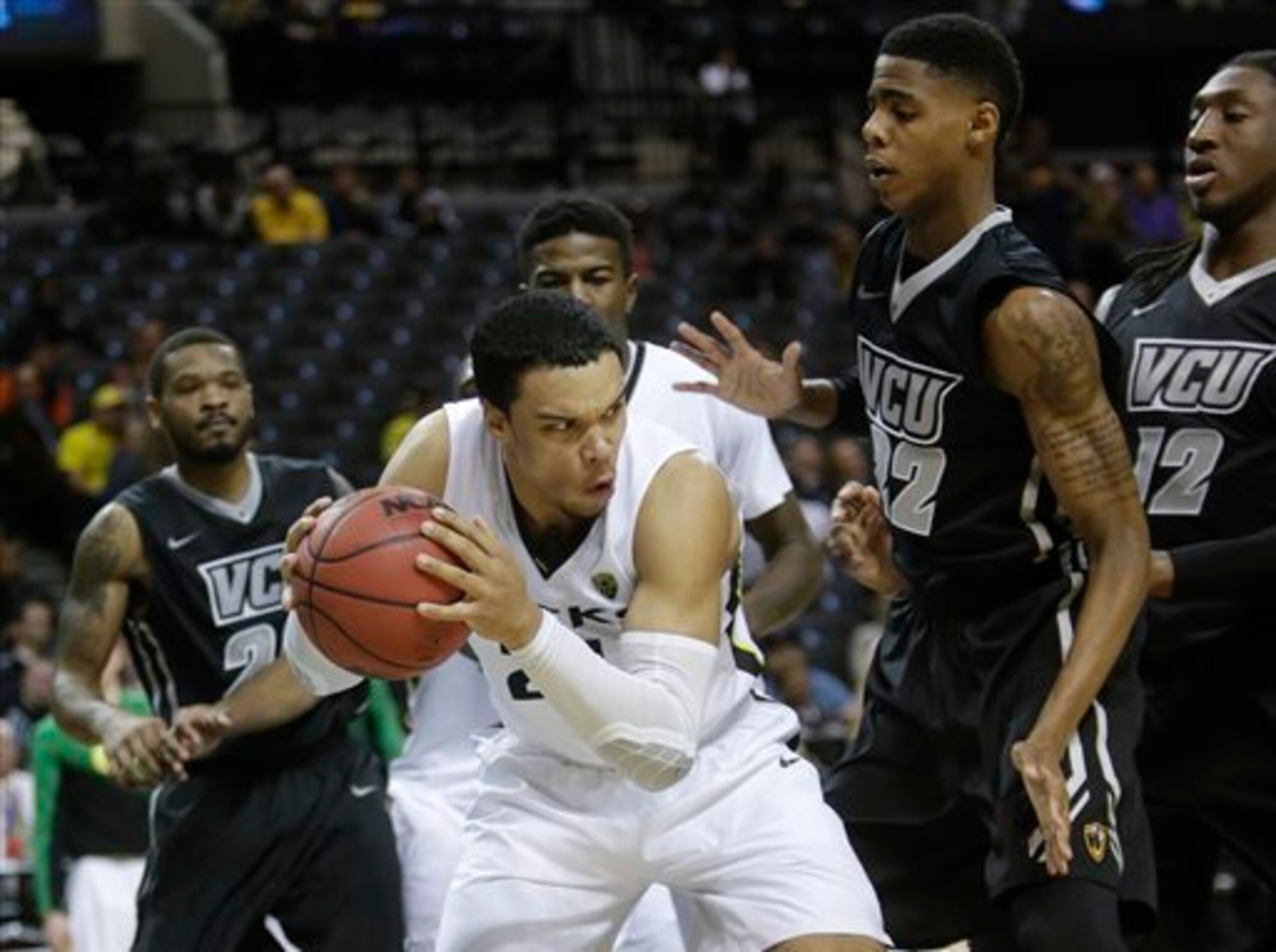
Few teams in the country, if any, can pressure the ball like VCU with a litany of guards and a havoc-creating system.
However, if there is a weakness on the defense, it is the rim protection. The Rams are 148th in the country in blocks per game, 255th in points allowed per game (although, that is partially because of their uptempo style of play) and 191st in defensive rebounds per game.
There is not a single player on the roster listed at 6’9” or taller, and Treveon Graham is leading the way on the boards with 6.6 rebounds a game. VCU will need better defensive production at the rim this season if it wants to reach the Sweet 16.
No. 13 Iowa State: Depth
13 of 25
In terms of a starting five (or even top six), Iowa State can match nearly anyone in the country. Georges Niang is a superstar, Bryce Dejean-Jones is a formidable running mate, and the top six options are all averaging 9.5 points a game or more.
However, after the top six players (who all average 25.5 minutes a game or more), there is a significant drop-off. Sherron Dorsey-Walker is seventh on the team in minutes per game, and he is averaging a measly two points a night.
It will be difficult for Iowa State to compete with Kansas in the Big 12 with only six contributors.
No. 12 Villanova: Perimeter Shooting
14 of 25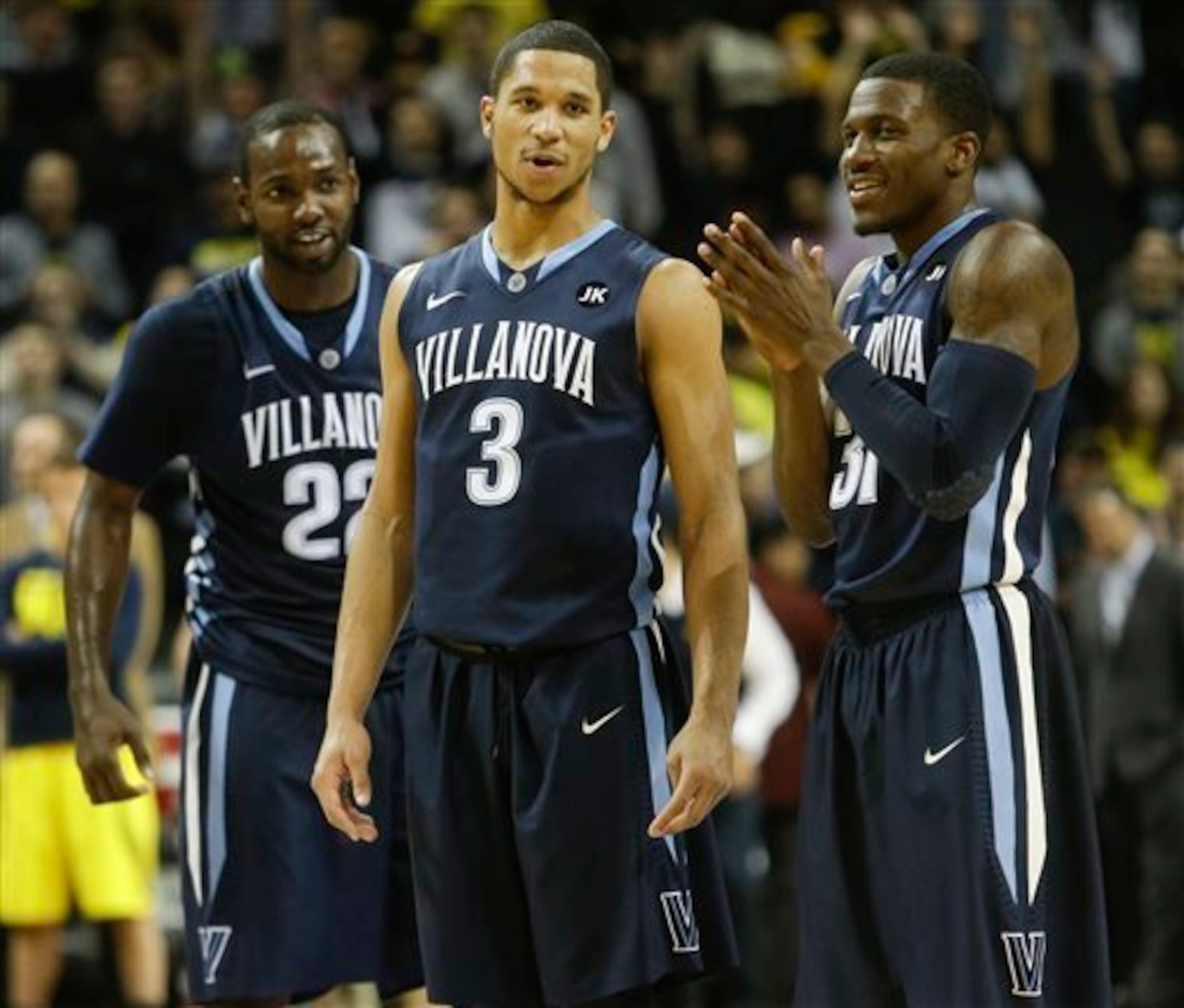
Shot selection was a serious issue for Villanova down the stretch against Michigan when the Wolverines went on a 23-5 run to get back in the game, and it almost cost the Wildcats the win.
As a team, Villanova is shooting an abysmal 28.9 percent from three-point range on the season, and its 30 percent performance against Michigan was actually a step up in efficiency from downtown.
That is a problem for Villanova considering it has already attempted 114 three-pointers on the season in five games. If the Wildcats are going to keep firing, they need to start hitting those shots at a more consistent clip.
No. 11 Kansas: Shooting
15 of 25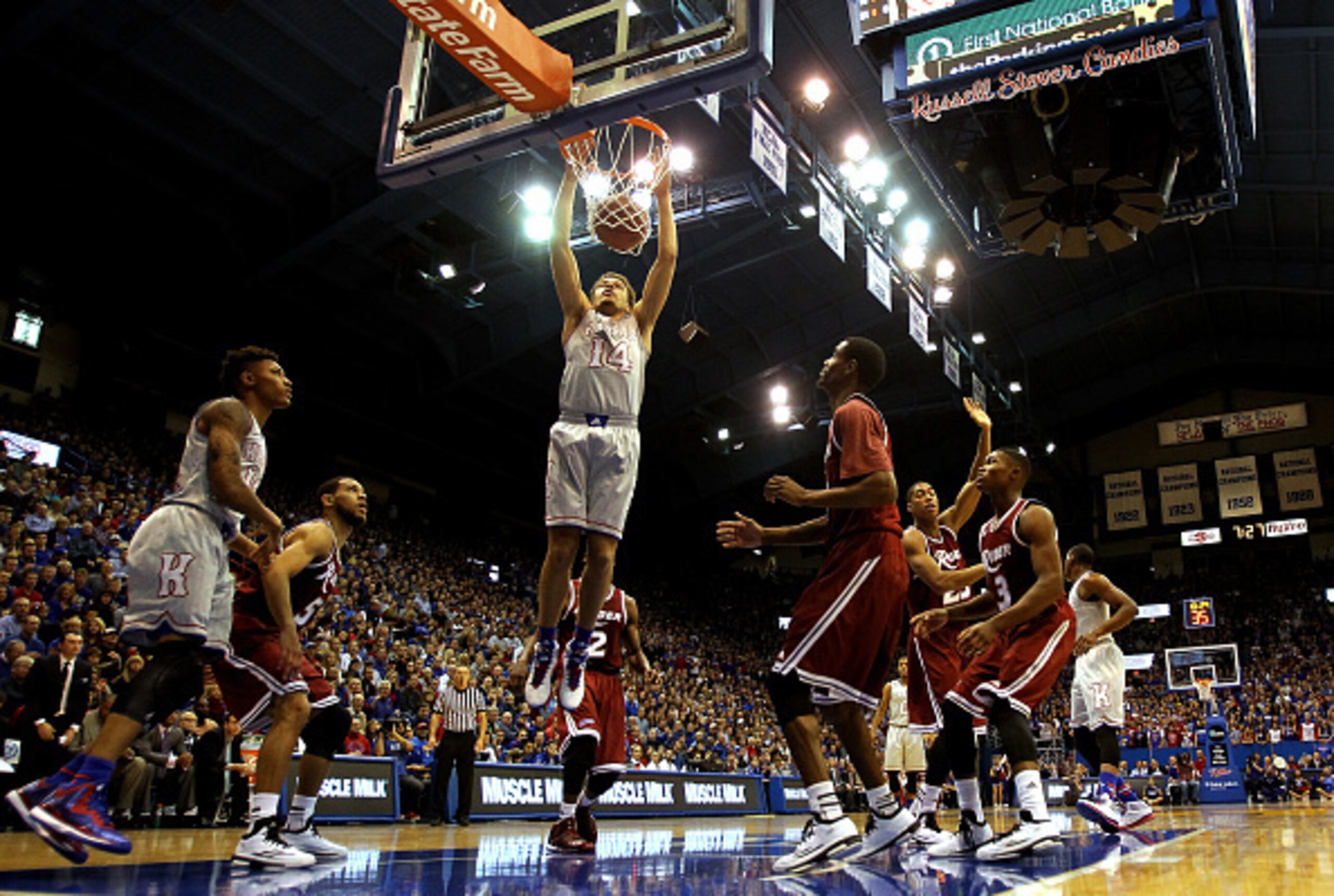
Some of Kansas’ numbers are admittedly thrown off by the terrible performance in the Kentucky game, but that exacerbated the shooting weakness on this team.
The Jayhawks are a frightening 266th in the nation in field-goal percentage in the early going and have shot 26.2 percent from three-point range. If a national title is the goal, those numbers need to improve in the very near future.
Perhaps Cliff Alexander and Kelly Oubre Jr. should see more minutes (both are averaging fewer than 15 minutes a night) in an effort to bolster the offense. Something needs to be done, although life will be much easier the rest of the way against any opponent not named Kentucky.
No. 10 Gonzaga: Health
16 of 25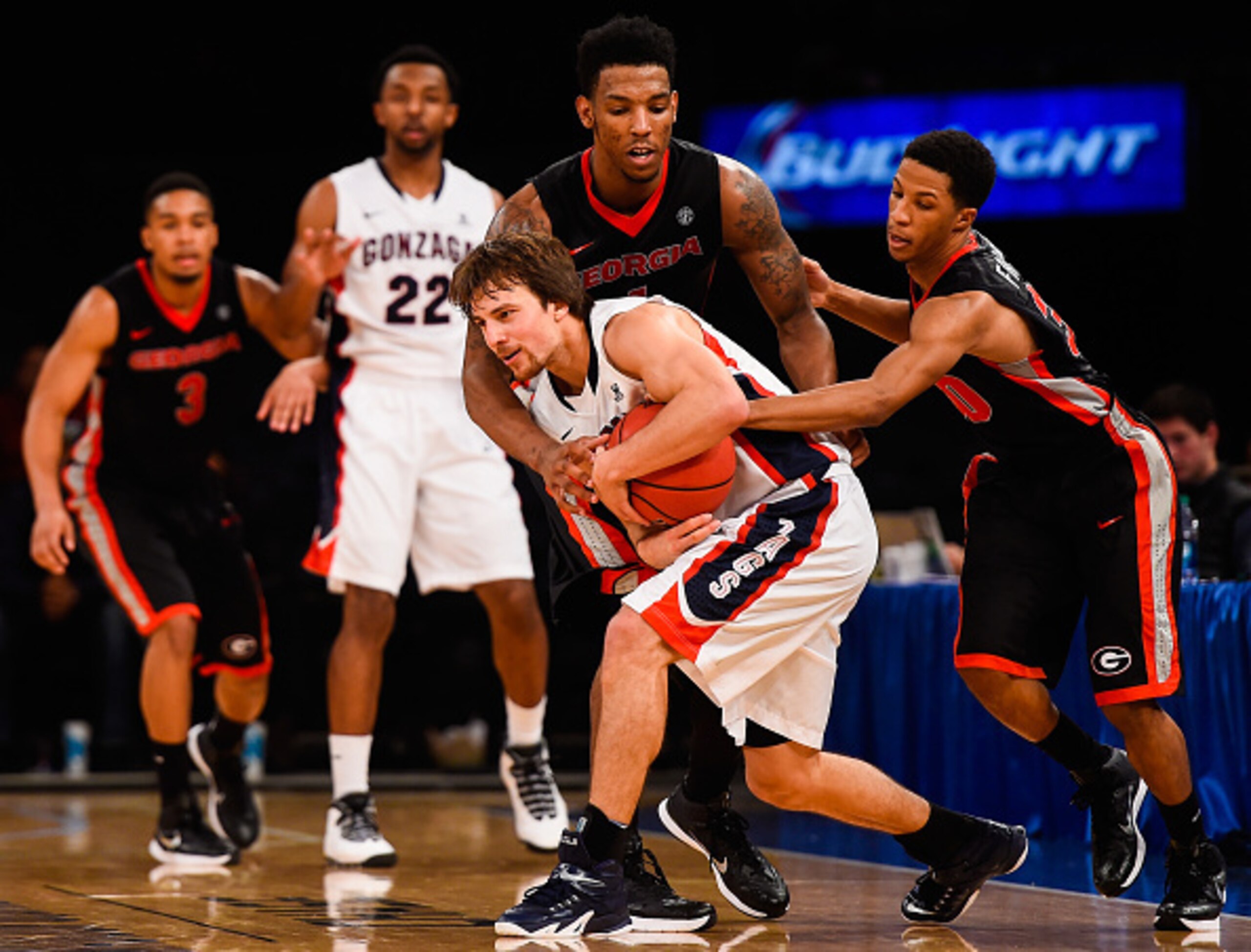
This may not be entirely fair, but this team is loaded and has very few weaknesses. However, 1and Kevin Pangos have battled injuries throughout their careers.
The only way Gonzaga will deliver on its vast potential this season is if its impressive backcourt combination stays healthy throughout the season. The Bulldogs are talented enough to earn a favorable seed come March Madness and will be dangerous when they get there with seven guys averaging at least nine points a game, a number of three-point threats on the floor and a solid defense.
All that needs to happen is a healthy season.
No. 9 Wichita State: Proven Frontcourt Contributors
17 of 25
Even casual college basketball fans know the names of the Wichita State guards at this point.
Ron Baker is the scorer, Fred VanVleet is the general in charge of running the show and setting up his teammates (all while scoring for himself), and Tekele Cotton is the athletic wing player who is a ball hawk on the defensive end.
However, the frontcourt will be very inexperienced this season and needs to find a way to make up for the loss of Cleanthony Early. Much of that responsibility will fall on the shoulders of Shaquille Morris and Rashard Kelly.
How they respond could be the difference between a Final Four run and a disappointing finish.
No. 8 Virginia: Coming from Behind
18 of 25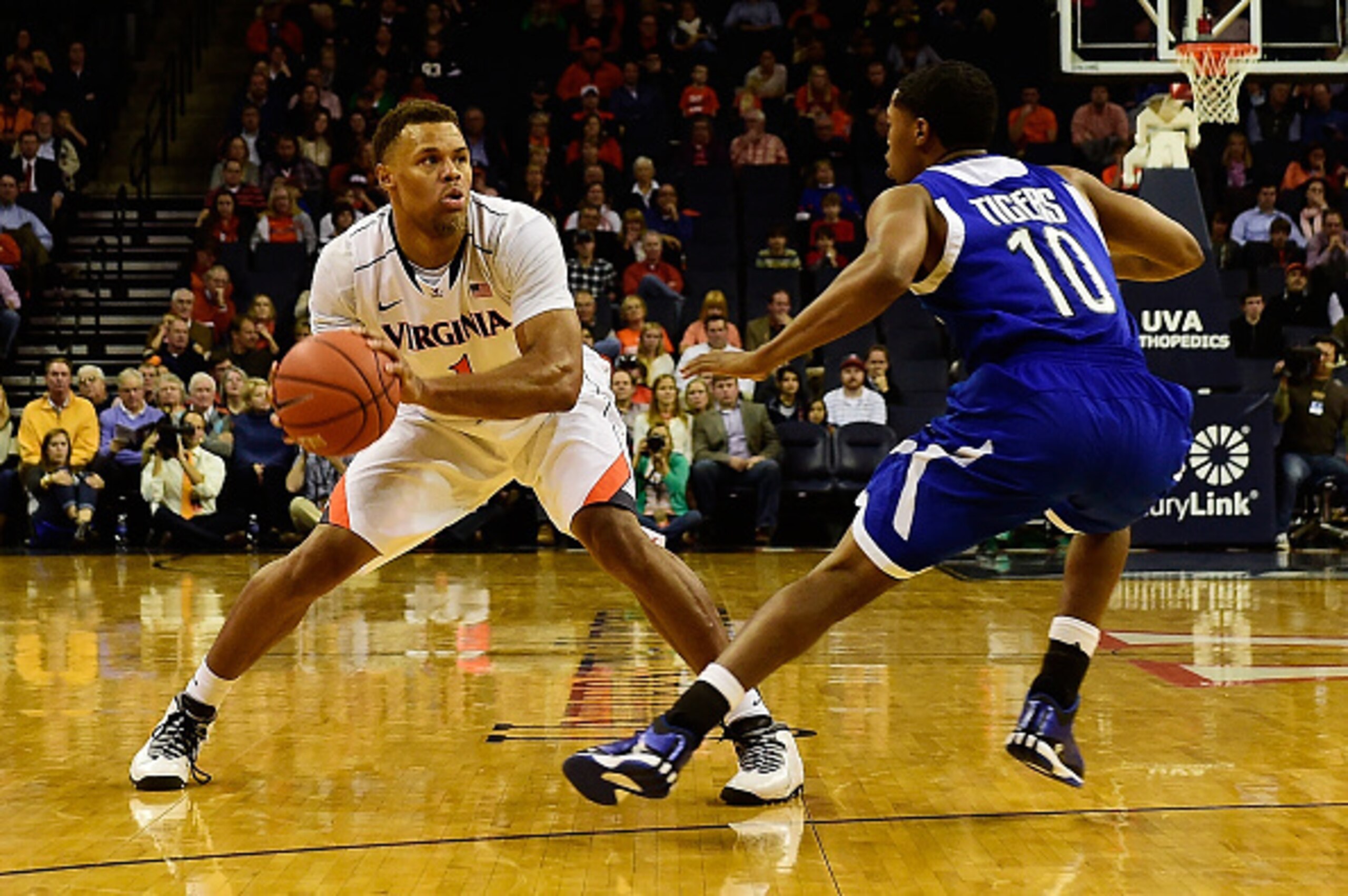
This is something of a stretch, but Virginia is not stylistically built to overcome a large deficit. That means if an opponent gets out to a fast start, it immediately puts the Cavaliers in a compromising position.
Joe Harris and Akil Mitchell are no longer around, which makes coming back from early holes even more difficult. Harris was second in school history in three-point shooting percentage, and Mitchell was one of the team’s best defenders.
The Cavaliers are simply more comfortable slowing down the pace and playing in a controlled game. Sometimes that means taking the air out of the ball, but that can frustrate an opponent and force mistakes.
However, that style doesn’t work if they are losing early.
No. 7 Texas: Perimeter Shooting
19 of 25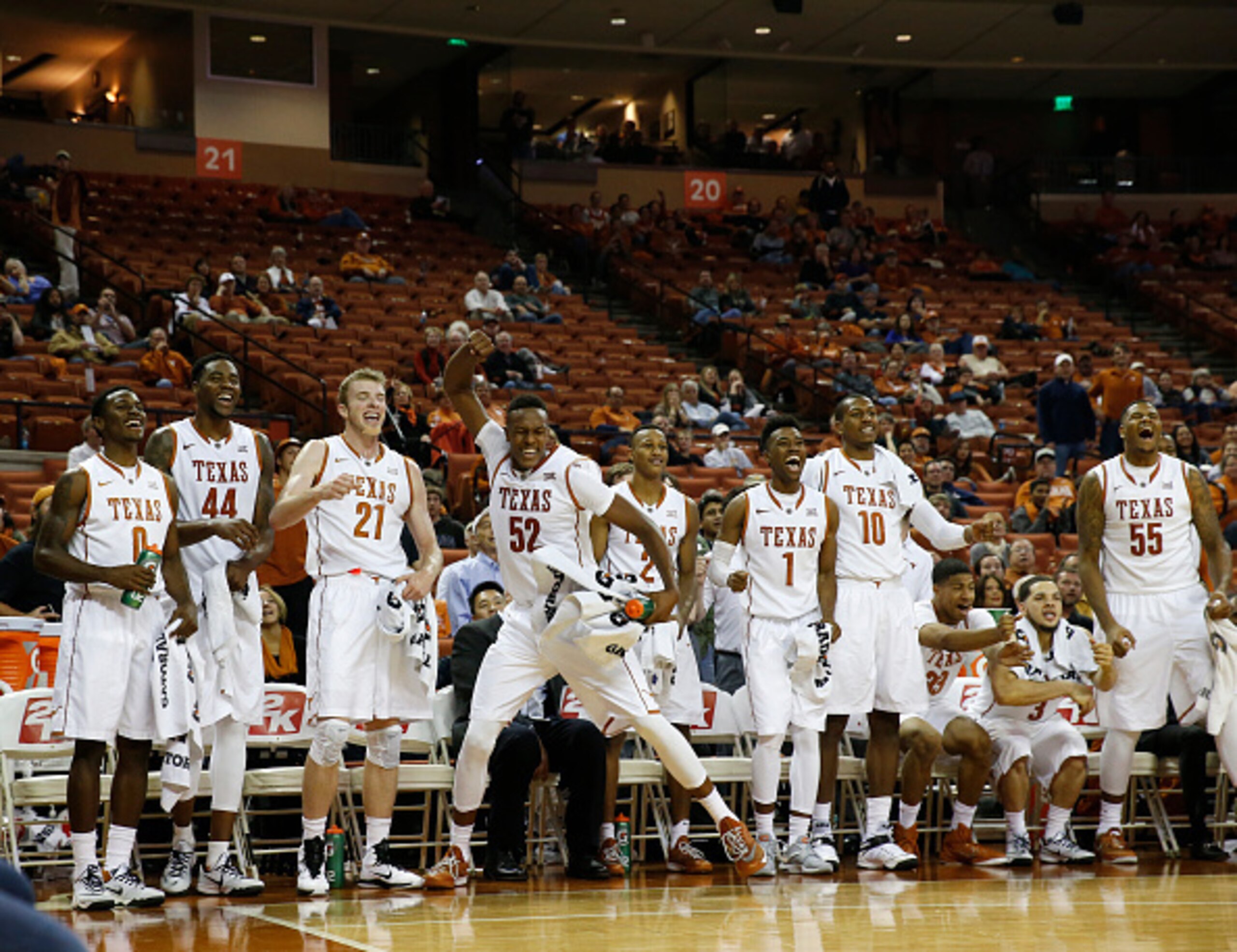
Texas is loaded with big men.
The Longhorns are 12th in the nation in rebounds per game, and having Myles Turner, Prince Ibeh, Cameron Ridley, Connor Lammert and Jonathan Holmes as potential contributors certainly helps those numbers. What’s more, they all make Texas a serious threat around the rim and in the paint on the offensive end.
With so many big men, it is natural to question where the outside scoring will come from. Granted, Turner and Holmes are capable perimeter shooters, but it becomes easy for the opposing defense to collapse in the paint and cut off penetration and post-ups without guards who can consistently space the floor with an outside shot.
No. 6 Louisville: Half-Court Offense
20 of 25
Louisville has the potential to be a machine on the defensive end, especially with Montrezl Harrell flying around and swatting shots left and right.
However, the offense may be an issue if the Cardinals only managed to score 45 points at home against a 2-3 Cleveland State squad. Louisville shot 31.9 percent from the field, 15 percent from downtown and 46.2 percent from the free-throw line during the game, which are not exactly eye-popping numbers for a Top 10 squad.
With games against Ohio State, Kentucky and the loaded ACC coming up, the Cardinals could have a problem on the offensive side. They don’t have much longer to figure it out.
No. 5 North Carolina: Three-Point Shooting/Rebounding
21 of 25
This was just going to be perimeter shooting, but then North Carolina played Butler on Wednesday afternoon.
The Bulldogs outrebounded the Tar Heels by 17 boards and snagged a ridiculous 29 offensive rebounds on the game. Rebounding wasn’t much of an issue for North Carolina in the first three games, but those were largely against lackluster competition at best. The Bulldogs just embarrassed North Carolina in the rebounding department.
The perimeter shooting wasn’t much better, and North Carolina finished 4-of-16 from downtown.
The Tar Heels are shooting a lowly 27.3 percent on the season from three-point range, which is even worse than the 33.6 percent mark from a season ago. That 33.6 percent mark would have been much worse without Marcus Paige hitting 38.9 percent and serving as the one perimeter threat on the roster.
Perhaps the young players like Justin Jackson, Theo Pinson and Joel Berry will help these two weaknesses over the course of the season. That certainly wasn’t the case on Wednesday.
No. 4 Duke: Interior Depth
22 of 25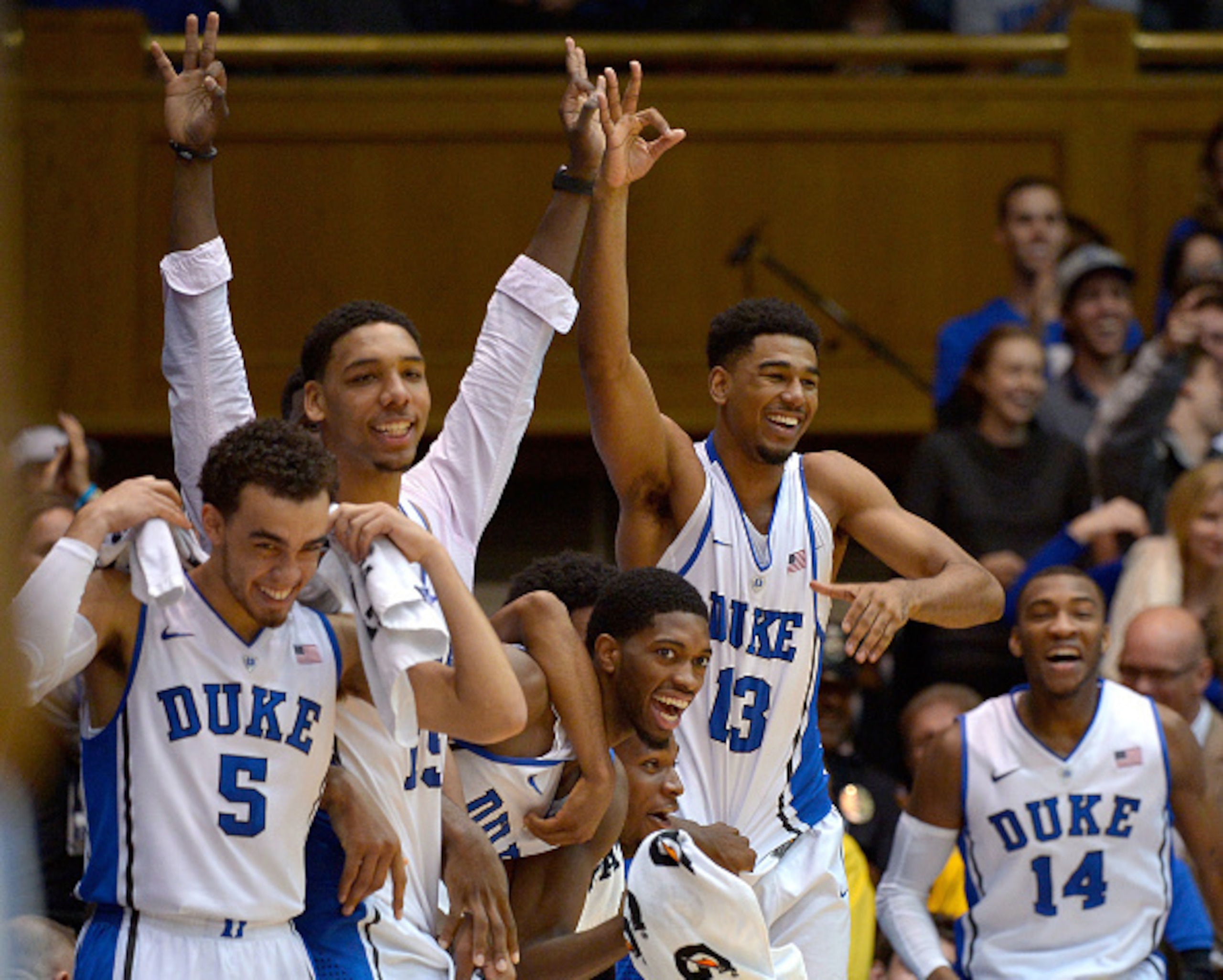
In my opinion, Duke is the second-best team in the country with a complete roster that features threats down low, on the wing and at point guard. There may not actually be any weaknesses, but if forced to choose one, it is interior depth.
Jahlil Okafor is a superstar already, and Amile Jefferson is a budding contributor who helped turn Duke’s season around after early struggles in ACC play in 2013-14. However, after Okafor and Jefferson, there really isn’t much in terms of interior players.
It is difficult to imagine the Blue Devils relying on Marshall Plumlee too significantly this season (although he can come in and at least protect the rim), so Mike Krzyzewski may have to turn to some small-ball lineups around Okafor at times.
No. 3 Arizona: Rebounding
23 of 25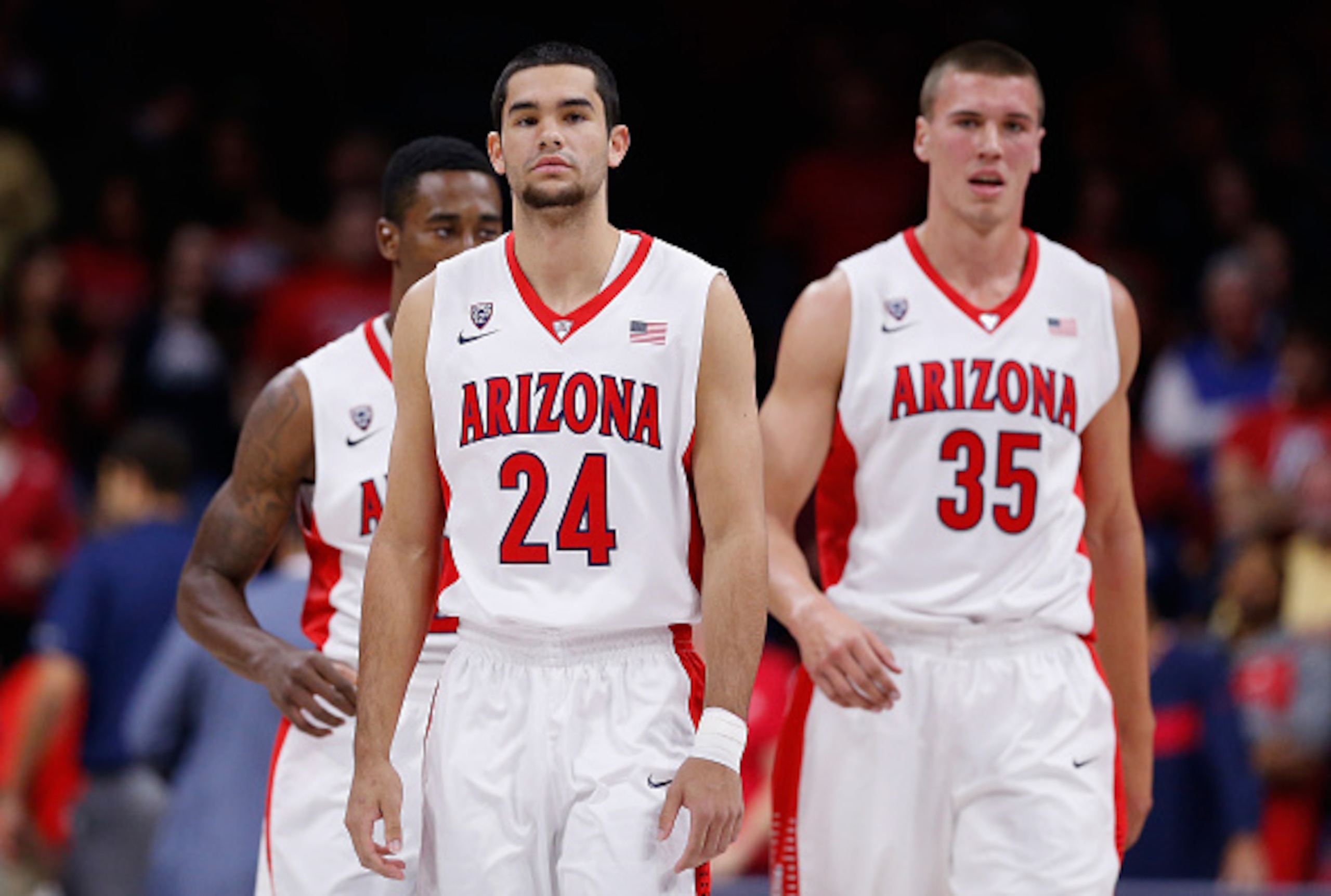
Arizona is on the short list of national title contenders this season, but the rebounding has been lackluster at best in the early going.
In fact, the Wildcats were 222nd in the nation in rebounds per game coming into Wednesday’s contest against San Diego State and didn’t feature a single individual player averaging more than 6.4 boards a night.
Medcalf also noted that Arizona simply isn’t grabbing offensive rebounds like it did a season ago, either.
The personnel is still there to compete on the boards, especially with Kaleb Tarczewski and Rondae Hollis-Jefferson, but the Wildcats have to show it on the court.
No. 2 Wisconsin: Depth
24 of 25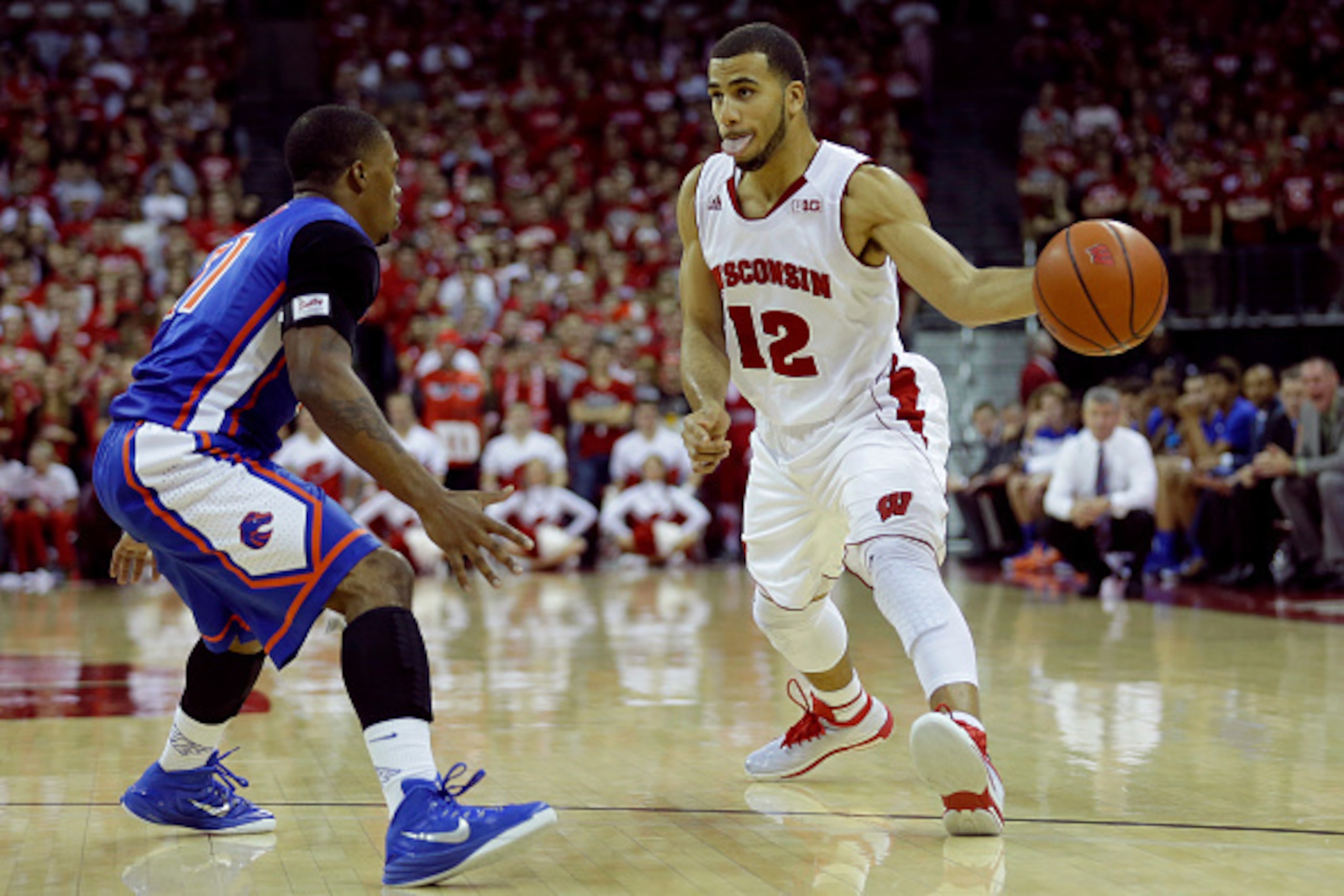
Wisconsin reached the Final Four a season ago and was an Aaron Harrison three-pointer away from playing for the national title. While that was a heartbreaking loss, the good news for the Badgers was that they returned the vast majority of their contributors.
Frank Kaminsky is the leader, but Sam Dekker, Traevon Jackson, Josh Gasser and Nigel Hayes are all legitimate contributors who have the Badgers thinking title. Throw in Bronson Koenig, and Wisconsin could be set.
The only real concern is who comes in outside of these top six players.
Thus far, it has been Duje Dukan and Vitto Brown, but it remains to be seen just how formidable this Wisconsin bench will be against the elite competition it will face later in the season. The answer could be the difference between a Big Ten title and deep run in March or more disappointment.
No. 1 Kentucky: The Hype
25 of 25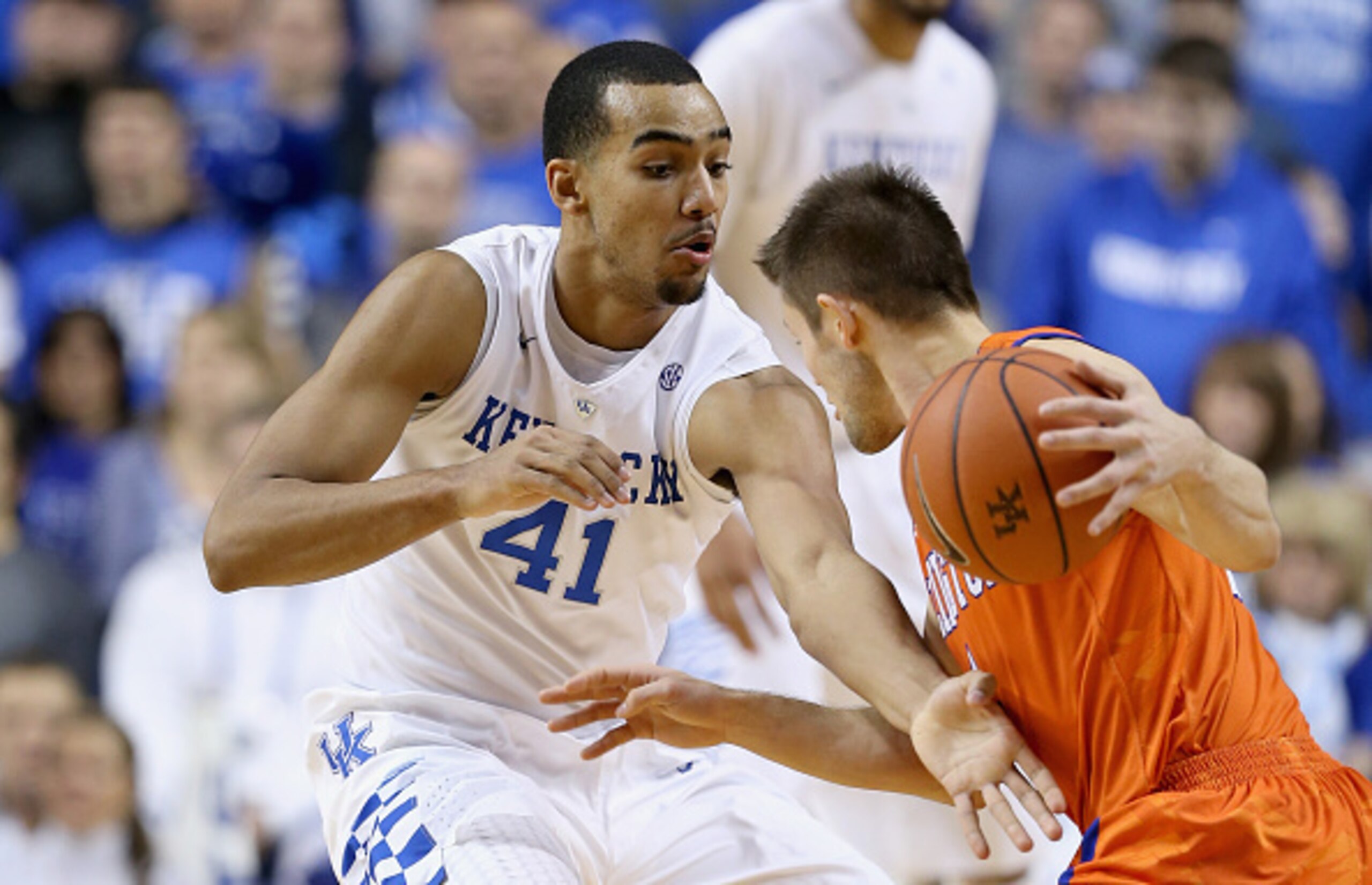
Stay with me here.
This Kentucky team has no discernible weaknesses, but there is such an incredible amount of hype that anything short of beating the Philadelphia 76ers after an undefeated season and national championship will be seen as a disappointment by some.
The Wildcats did nothing to quiet that hype when they eviscerated Kansas right off the bat, and the talk that the second-best team in the nation is the Wildcats’ second platoon isn’t that far off.
The only real concern is if that hype and pressure finally get to such a young team. Eventually, the games will be tighter, especially in March, and all of the hype only adds to the pressure that is already in place.
If the Wildcats start to press and force the issue, we could see an upset in the NCAA tournament.
Any statistics used are from before Wednesday night’s games unless otherwise stated. Ken Pomeroy’s numbers can be found here.


.jpg?w=2560 "Reported Details of Seahawks-K9 Split ⛓️💥")