Do We Have a New Class of Elite NBA Teams?
So much of what happens in the NBA unfolds between blinks of eyes: the dishes, drives and dunks that keep us glued to flat screens, teeming with awe and yawping always for more.
But a changing of the guard—on a macro, league-wide level—is different. Sometimes, it can take years for a specific player or team to make the leap from fame-poised to powerhouse.
This naturally invites the question: With so many upstart teams tethered atop the standings, are we witnessing the emergence of a new cream of the NBA crop?
TOP NEWS
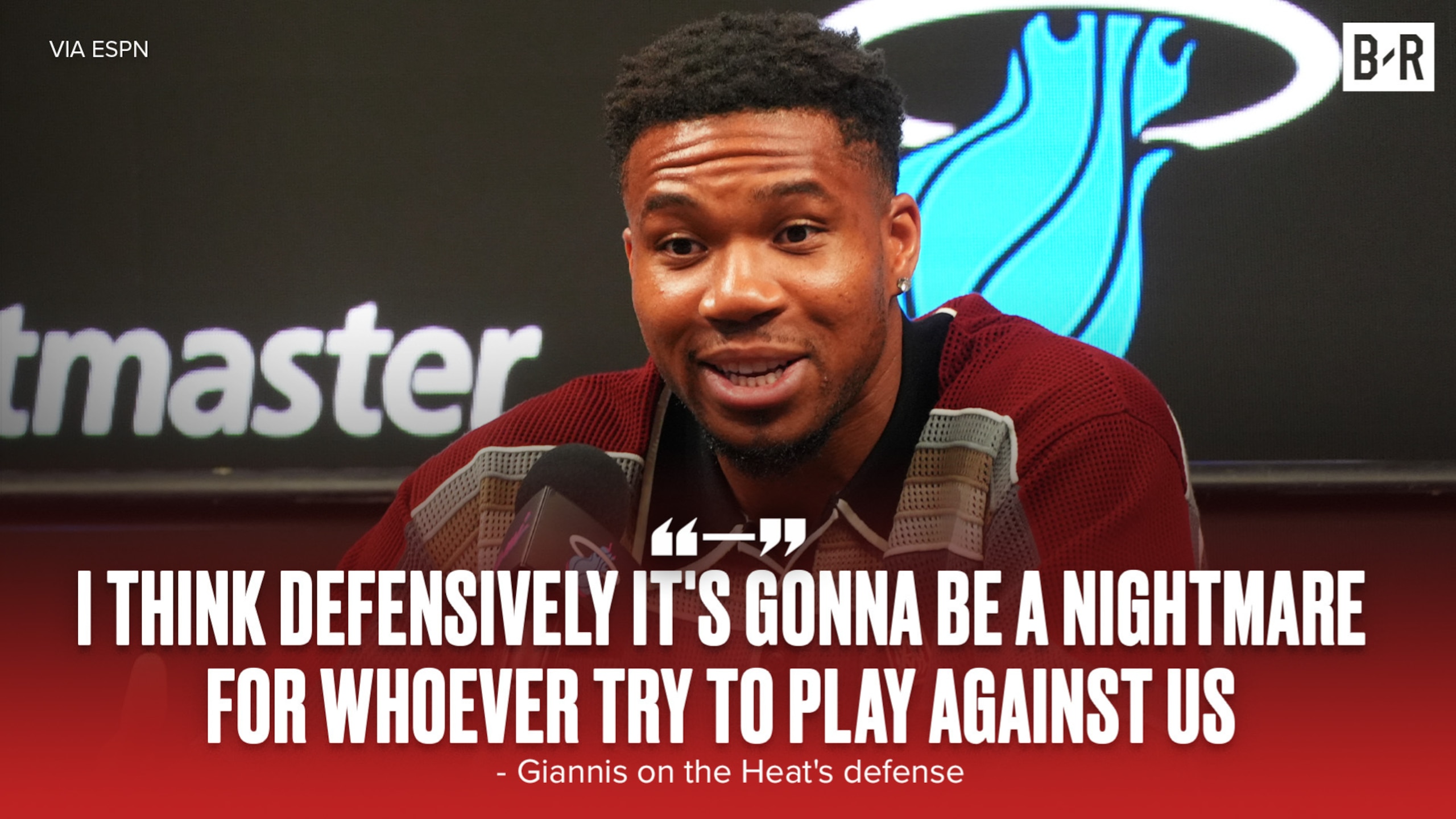
Giannis' Warning to NBA ⚠️

NBA Power Rankings Entering Preseason 🔢
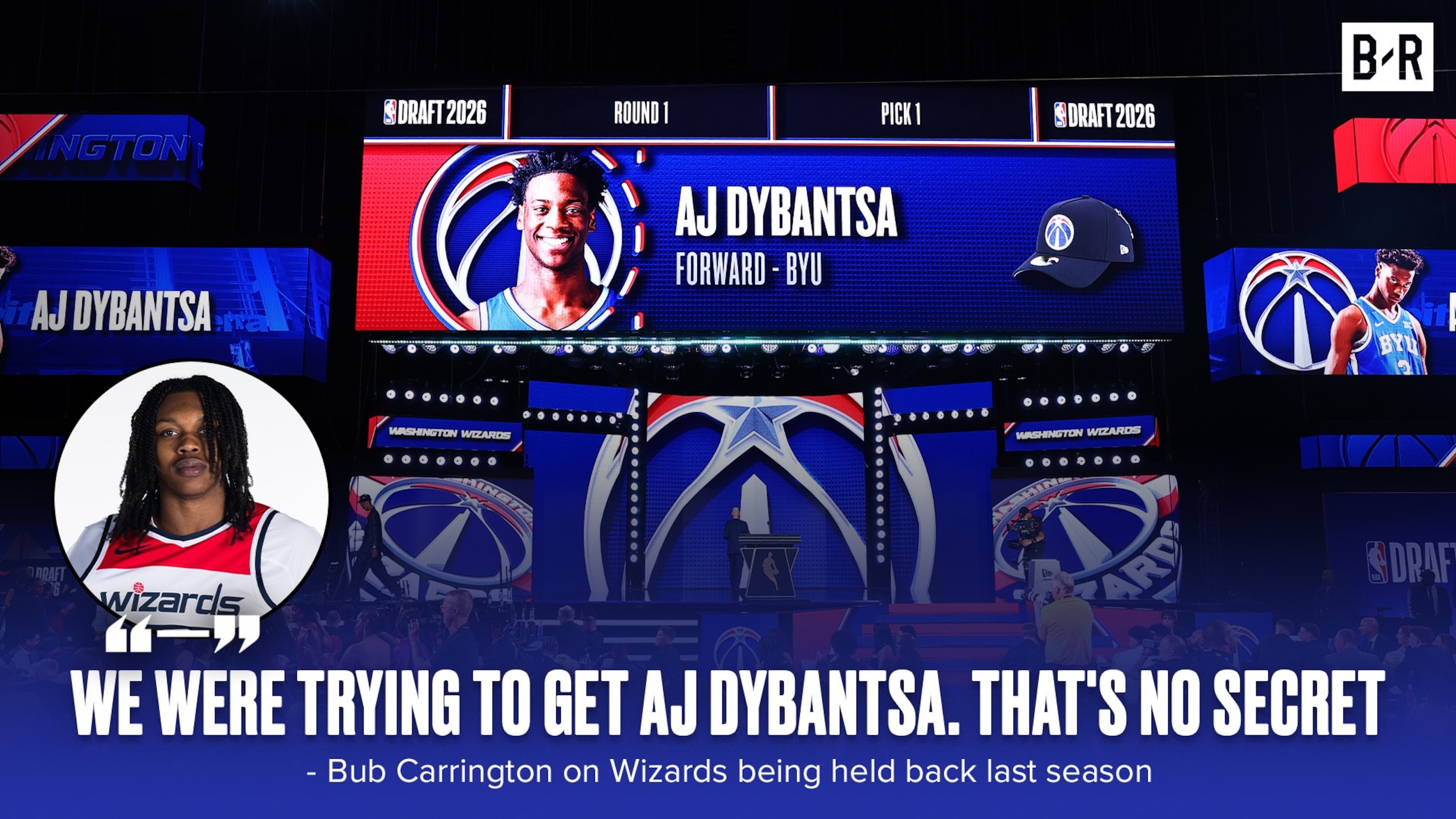
Wizards Guard Admits Tanking 😨
To be sure, using a fortnight of games to project long-term trends probably isn't a wise endeavor. Still, it doesn’t take an expert hardwood historian to see that things in the Association ain’t what they used to be.
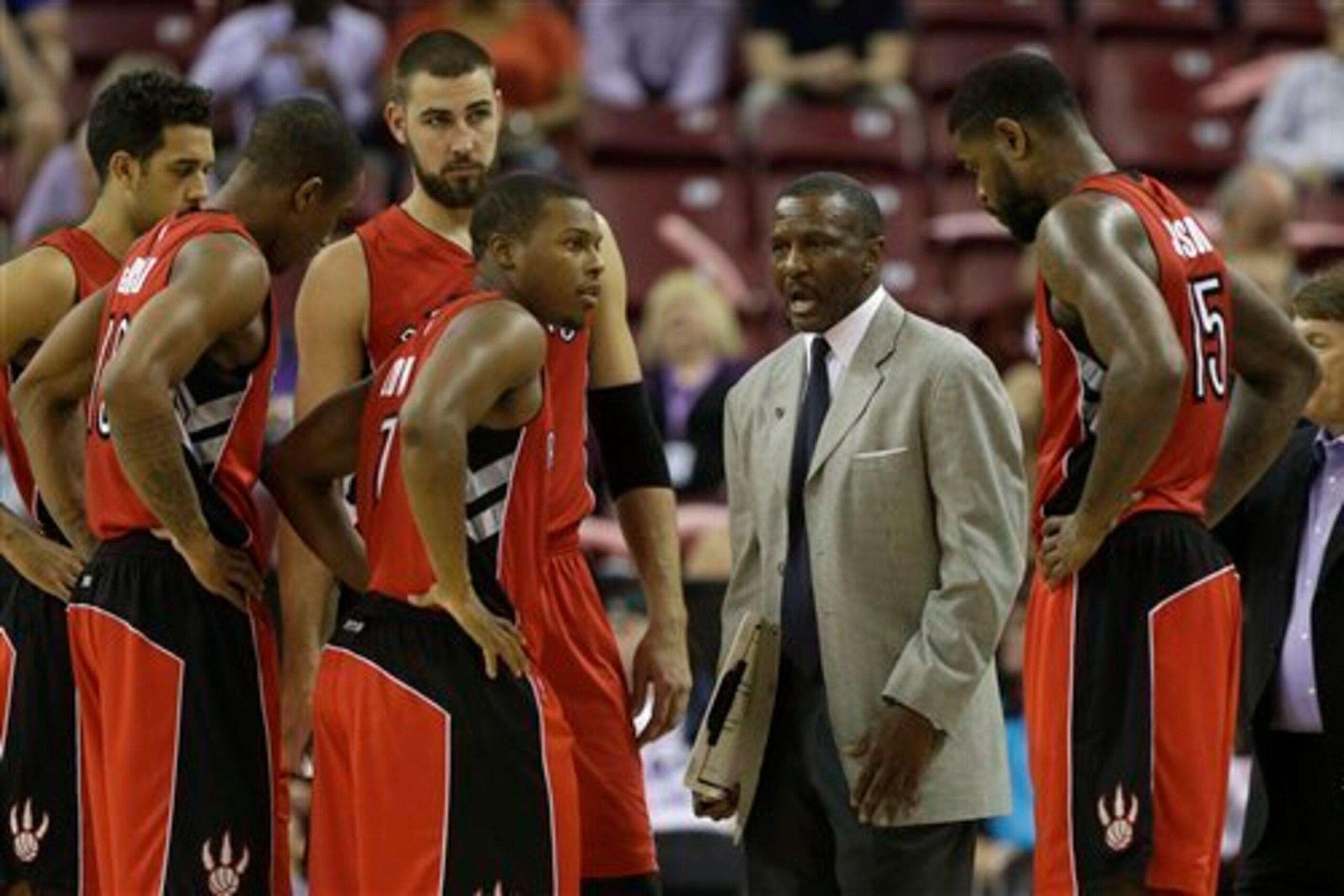
The Toronto Raptors? Those expansion also-rans with one trip past the first round in their near-20-year history? The best record in the East.
The Washington Wizards? Woeful save for a lone championship almost four decades ago? Another Eastern Conference upstart with NBA Finals designs.
The New Orleans Pelicans? A team whose genealogy is more complex than a Habsburg duke’s? They might soon boast the best player on the planet.
The Cleveland Cavaliers? Their most memorable moment was clip No. 1 on the Michael Jordan highlight reel. Until a trio of tantalizing talents came to turn the city’s heart from charred to charmed.
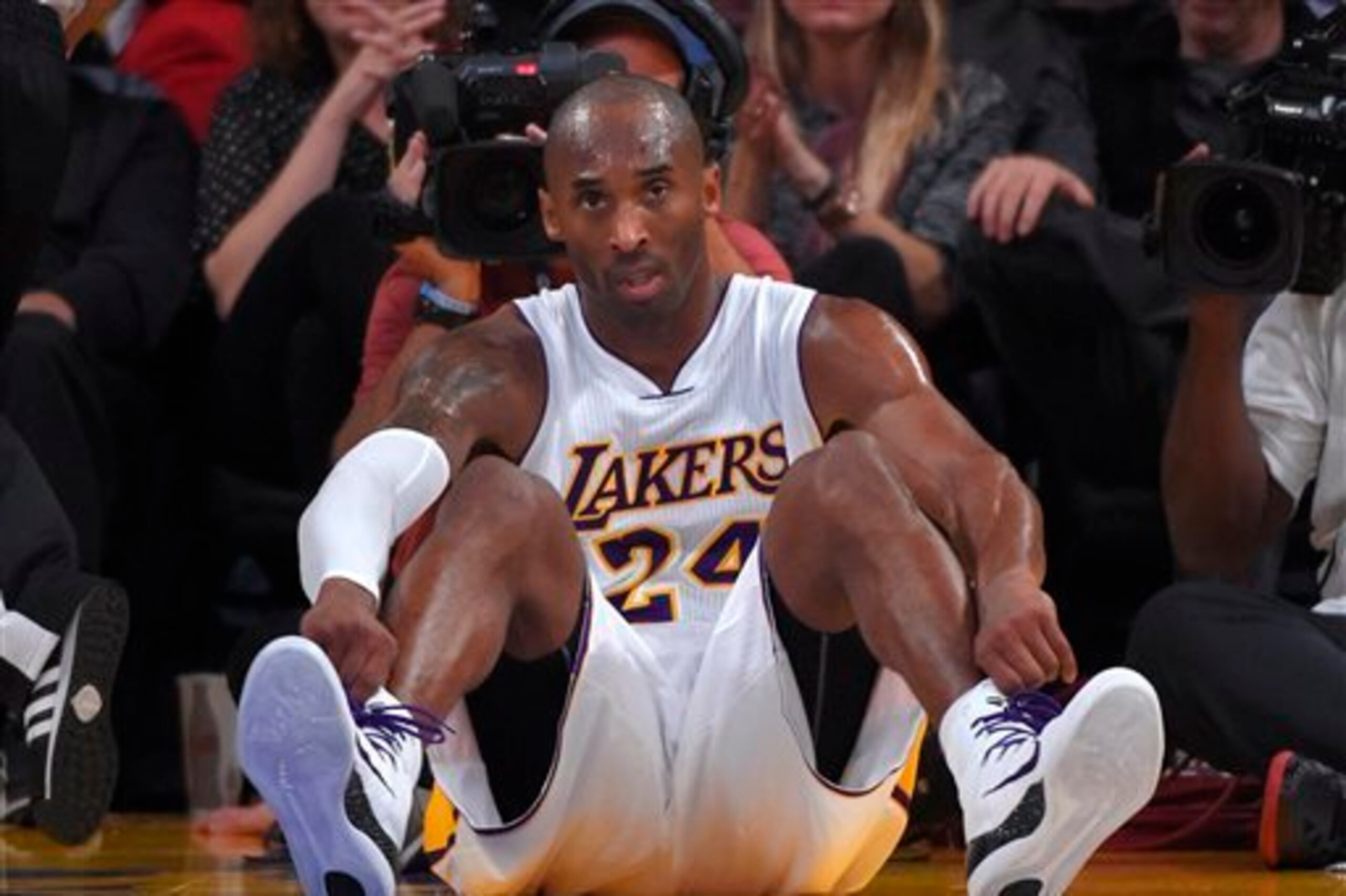
All the while, the league’s flagship franchises—the Boston Celtics and Los Angeles Lakers—toil away in futility, feted only by the peace of a ping pong ball’s bounce.
To chalk such an about-face up to any one factor would be a fool’s errand. In today’s NBA, there are almost as many “rebuilding models” as there are exemplars of the term. SB Nation’s Tom Ziller underscored precisely this point in a Golden State Warriors-centric column penned back in October:
"The NBA, however, is no longer run by the laws of normalcy. In some ways, every champion since the Mavericks in 2011 has flouted the extant laws of how to win in basketball. In an age of super teams, Dallas rode Dirk Nowitzki and a brilliant defense to glory. The Heat went back-to-back with a bizarre menage of stars and old dudes. The 2013-14 Spurs are the heroes of oddity, with a wunderkind wing incapable of smiling (Kawhi), an ancient oak around which everything revolves (Duncan), a bevy of crafty and quick guards (Parker, Manu, Danny Green) and the single most idiosyncratic player in the league.
"
The Oklahoma City Thunder didn’t get to where they are (injury curse notwithstanding) by carbon-copying someone else’s blueprint. Similarly, Sacramento’s early success this season isn’t by dint of front office rote—quite the contrary, actually.
The question is whether what we’re seeing really is a semi-permanent power ranking coup or merely a strange interlude between epochs of legacy dominance.
Of all the factors behind the NBA’s recent role reversal, one seems particularly pertinent:
| Team | All-Time Record | 2014-15 Record | # of Self-Selected Top 10 Picks | |
| Cleveland | 1623-1946 | 5-4 | 3 | |
| Golden State | 2458-2862 | 8-2 | 2 | |
| New Orleans | 458-519 | 5-4 | 2 | |
| Sacramento | 2408-2807 | 6-4 | 2 | |
| Toronto | 637-883 | 8-2 | 3 | |
| Washington | 1924-2372 | 7-2 | 2 |
The league has long vindicated the value of retaining one’s high draft picks—to say nothing of making the right ones. In this respect, all of these teams have managed to put their first, and arguably most important, foot forward.
Whether these players will chose to stay in what have traditionally been second-tier markets—media- and winning-wise—is another question entirely.
The good news: Thanks to the NBA’s new $2.4 billion television deal, traditionally stingy teams can afford to take bigger roster risks. That, coupled with the somewhat nebulous nature of today’s marketing landscape, puts the league’s small-market teams on a much more even playing field.
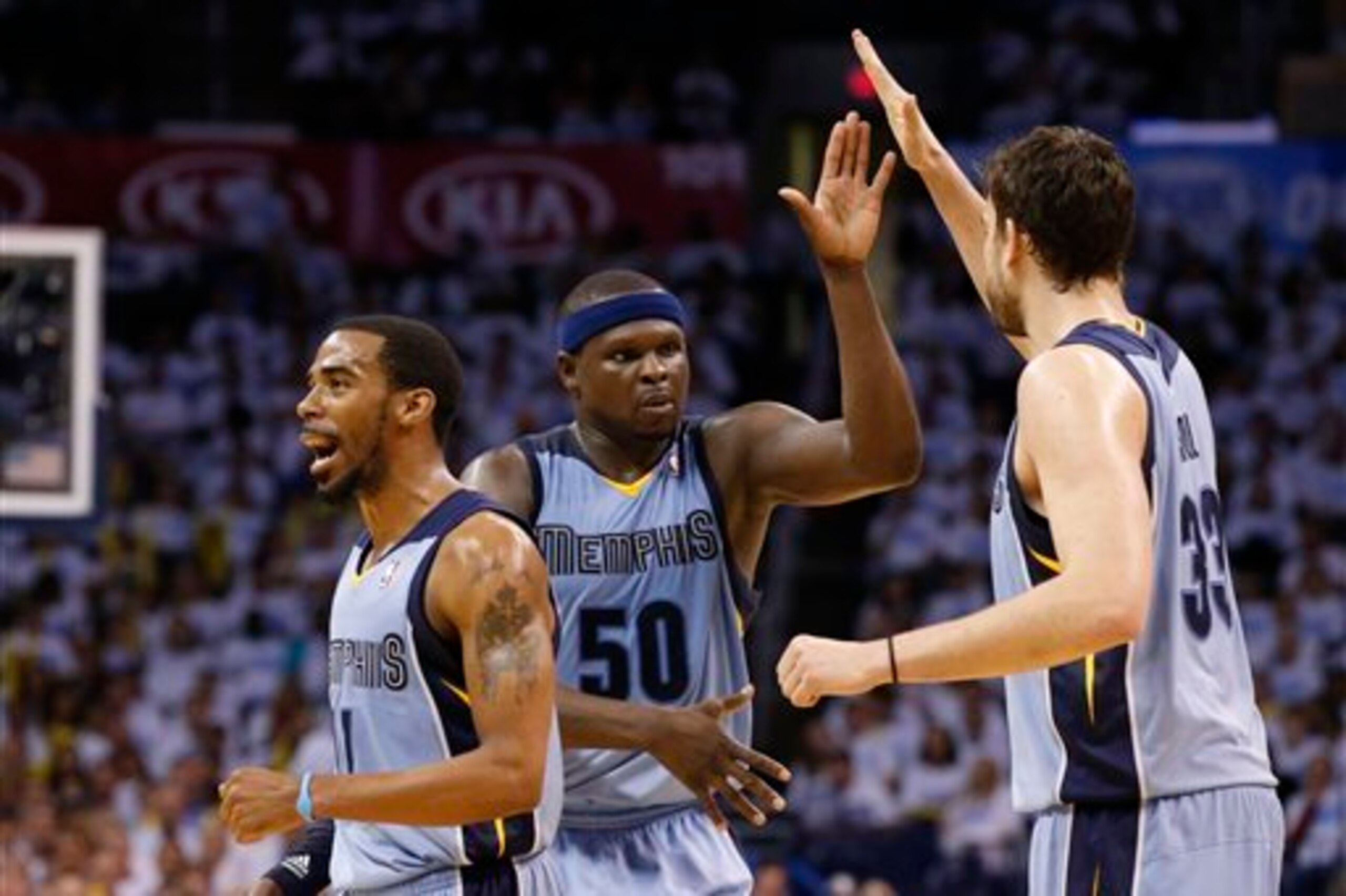
“Small market” is itself a complicated concept, of course. The San Francisco Bay Area is not to the Warriors what western Tennessee is to the Memphis Grizzlies.
What’s become increasingly clear, however, is that sheer city size alone is not the guarantor of hierarchy it once was.
In fact, there’s a case to be made it never was. Just ask the New York Knicks, who, despite the city's place at the nexus point of global wealth and power, have mustered only a pair of titles over six-plus decades of sub-.500 NBA basketball.
Sometimes a team’s path to promise is the product of pure luck. Other times, it’s steady, heady leadership that carries the day. No two front office philosophies are ever the same.
In the case of the Kings, years of rebuilding—a polite way to describe the current strategy of the Philadelphia 76ers—has taken a backseat to another, much more primal push: urgency.
Here’s Kings coach Mike Malone in a recent interview with The Sacramento Bee’s Jason Jones:
"To have an owner like Vivek is great because he’s passionate, he’s competitive and wants it really, really bad. So when he comes out and says it is about wins and losses, you love that because you have an owner that isn’t taking the five-, six-year plan like other teams in the NBA. He wants to win as fast as possible.
On one hand, I love that, but on the other hand, when I look at this team, where we are and who we’re playing against, it’s not going to happen overnight.
"
As promising as the Kings’ 6-4 start has been, it’s probably a bit early to group them in with the Warriors and the Raptors of the upstart world. Still, such undiluted passion only bodes well for a franchise not exactly accustomed to championship expectations.
At the end of the day, it’s banners—not populations or cosmopolitan pedigree—that determine a team’s place in the historical pantheon.
In that sense, it’ll take years before the league’s insurgent forces fight their way to more rarefied rungs.
As a sign of things to come, though, the NBA’s recent inversion—where down is up and up flounders in the unfamiliar—is nothing if not encouraging.
All team records are current through Monday, Nov. 17.
.jpg?w=2560 "Every Trade's Best Trade Asset 🔁")
.jpg?w=2560 "Insiders: Cowboys Overpaid for Porter")
.jpg?w=2560 "Top NFL Trade Targets")