
1 Thing We Learned About Each Top 25 College Basketball Team in Opening Games
The 2014-15 college basketball season is still a newborn baby, but we've learned at least one thing about each AP Top 25 team after just five days of action.
For instance, we've learned that Ryan Boatright actually does possess the ability to join Kemba Walker and Shabazz Napier on the list of recent Connecticut guards who can take over a game whenever they so choose.
We learned that Kevin Pangos and Briante Weber are among the best players in the country, mid-major or not.
And we learned that Quinn Cook had something to prove to everyone who wrote or said that he didn't deserve to be a starter.
Most important of all, though, we learned that TaShawn Thomas will play this season for an Oklahoma team that now needs to be taken seriously as a Final Four candidate.
What did you learn about your favorite Top 25 team?
25. Utah Utes
1 of 25
What We Learned: Jakob Poeltl is a difference maker
Utah has a pair of excellent scorers in Delon Wright and Jordan Loveridge, as well as a very good shooting guard in Brandon Taylor.
But what the Utes lacked last season was a real inside presence. Dallin Bachynski only averaged 18.0 minutes per game last season while serving as a good-not-great scorer and rebounder.
Enter 7'0" freshman from Austria, Jakob Poeltl.
In the season opener against Ball State, Poeltl had 18 points and 10 rebounds in 25 minutes. In Tuesday afternoon's game against San Diego State, he was double-teamed in the post on a regular basis and still finished the game with an impressive 12 rebounds, four points and seven blocks. And there were at least another seven shots that he altered.
Wright, Loveridge and Taylor struggled mightily against a very defensive-minded Aztecs team. With two minutes remaining in the game, they had a total of five points on 22 combined field-goal attempts. Don't expect to see anything like that again this season.
But even on a night when their stars couldn't get anything going, the Utes still had a chance to win the game because of Poeltl's rebounding and defense in the paint.
And, really, the same was true against Ball State. It wasn't until the final eight minutes that Wright really started showing up in the box score, but it was a solid game from Poeltl that kept Utah in the lead until Wright was able to put the game away.
Watch out for the Hack-a-Poeltl strategy, though. The big man shot just 10 of 22 from the free-throw line in the first two games.
24. Michigan Wolverines
2 of 25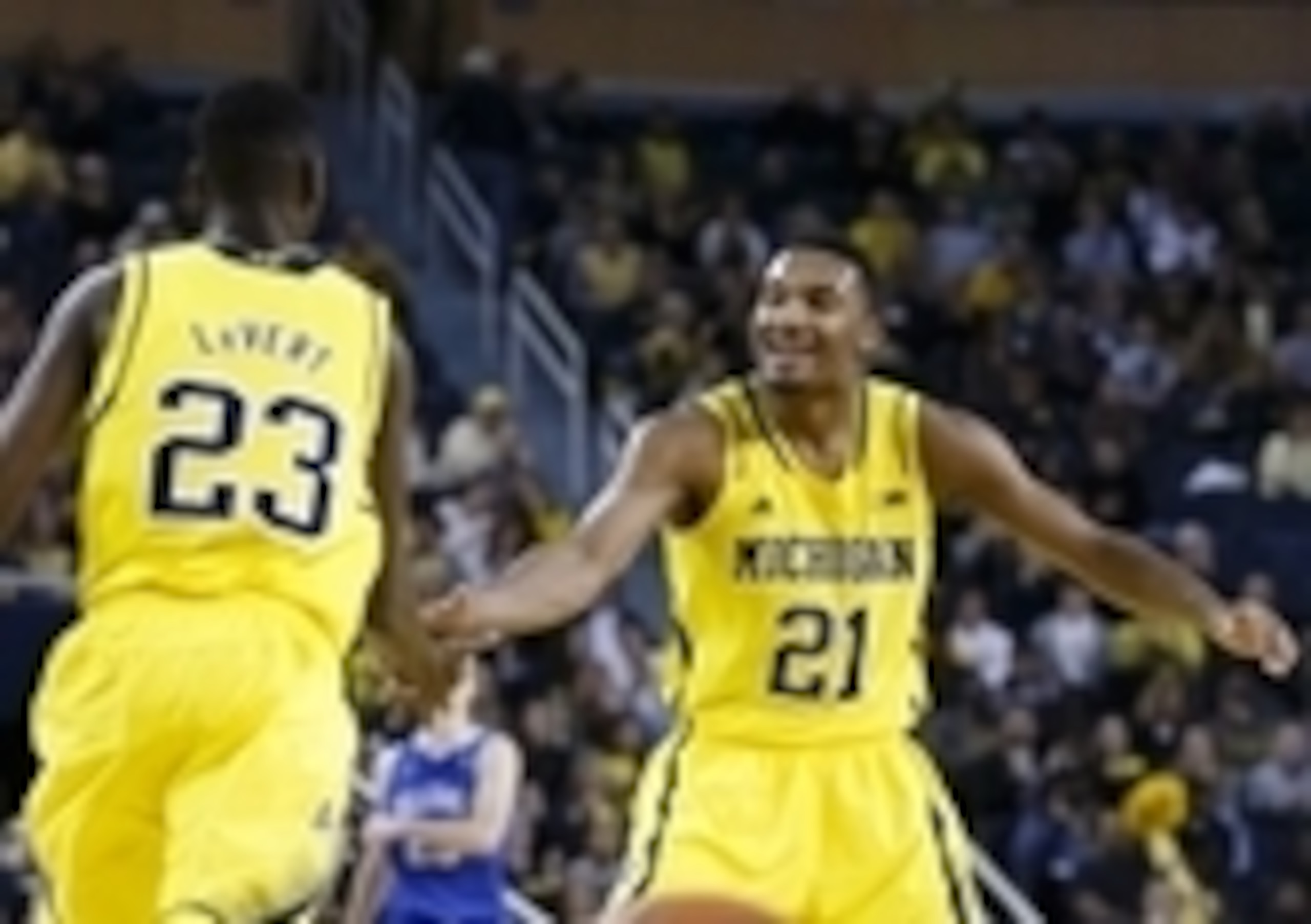
What We Learned: Zak Irvin is for real
Plenty of us speculated that Zak Irvin would have a breakout season. He was No. 1 on my list of "T.J. Warren All-Stars," and he was No. 1 on the "Deshaun Thomas All-Stars" list that Bleacher Report's C.J. Moore compiled.
Long story short, no one expected him to have another 6.7-points-per-game type of season.
But Nik Stauskas himself came out and cautioned about expecting Irvin to be the next Stauskas.
Through two games, though, it's looking like Irvin might be able to fill those shoes. The sophomore shooting guard is averaging 22.0 points per game. He is 7 of 11 from three-point range.
Irvin probably won't match Stauskas' 3.3 assists per game from last season, but he could well outscore the 2014 NBA lottery pick.
23. Syracuse Orange
3 of 25
What We Learned: Rakeem Christmas is a monster
Could Rakeem Christmas be this year's Frank Kaminsky?
No, he's not a three-point shooter, but Syracuse's big man did virtually nothing for the past three seasons before exploding for 36 points and 25 rebounds in the first two games of this year.
Christmas has always been a competent rebounder and an efficient scorer, but the 5.8 PPG and 5.1 RPG he posted last season were both career highs. Seeing him suddenly break out for 18.0 PPG and 12.5 RPG as a senior was completely unexpected.
The scary thing is that Christmas' calling card to this stage in his career has been shot-blocking, but he only blocked a total of three shots in his first two games.
The scoring is bound to decline, but if he can average somewhere in the vicinity of 8.5 points, 7.5 rebounds and 3.5 blocks per game, it would be more than we were expecting.
He and freshman Chris McCullough (29 points, 15 rebounds, four blocks) could be an incredible one-two punch in the paint with Tyler Roberson, B.J. Johnson and Michael Gbinije free to do some frontcourt damage as well.
The big frontcourt test could come on Friday if Syracuse faces Texas in the 2K Sports Classic.
.jpg?w=2560 "Chargers Mack")
.jpg?w=2560 "Green Bay Steelers Football")
22. SMU Mustangs
4 of 25
What We Learned: Markus Kennedy is sorely missed
The blowout loss to Gonzaga was disheartening, but the blowout win over Lamar wasn't any more promising, as the Mustangs gave up 20 offensive rebounds to a team that won four games last season.
Ben Moore is doing a fantastic job in the paint, averaging 16.5 points, 8.5 rebounds and 2.0 blocks per game. However, this just isn't the same team with Markus Kennedy missing at least the first semester due to academic ineligibility.
Maybe things won't seem so bad once Nic Moore starts taking over games, but SMU needs to figure out who its go-to players are going to be. Keith Frazier needs to be a more assertive shooter, and Yanick Moreira needs to be a more aggressive rebounder if this team expects to win games without Kennedy.
21. Nebraska Cornhuskers
5 of 25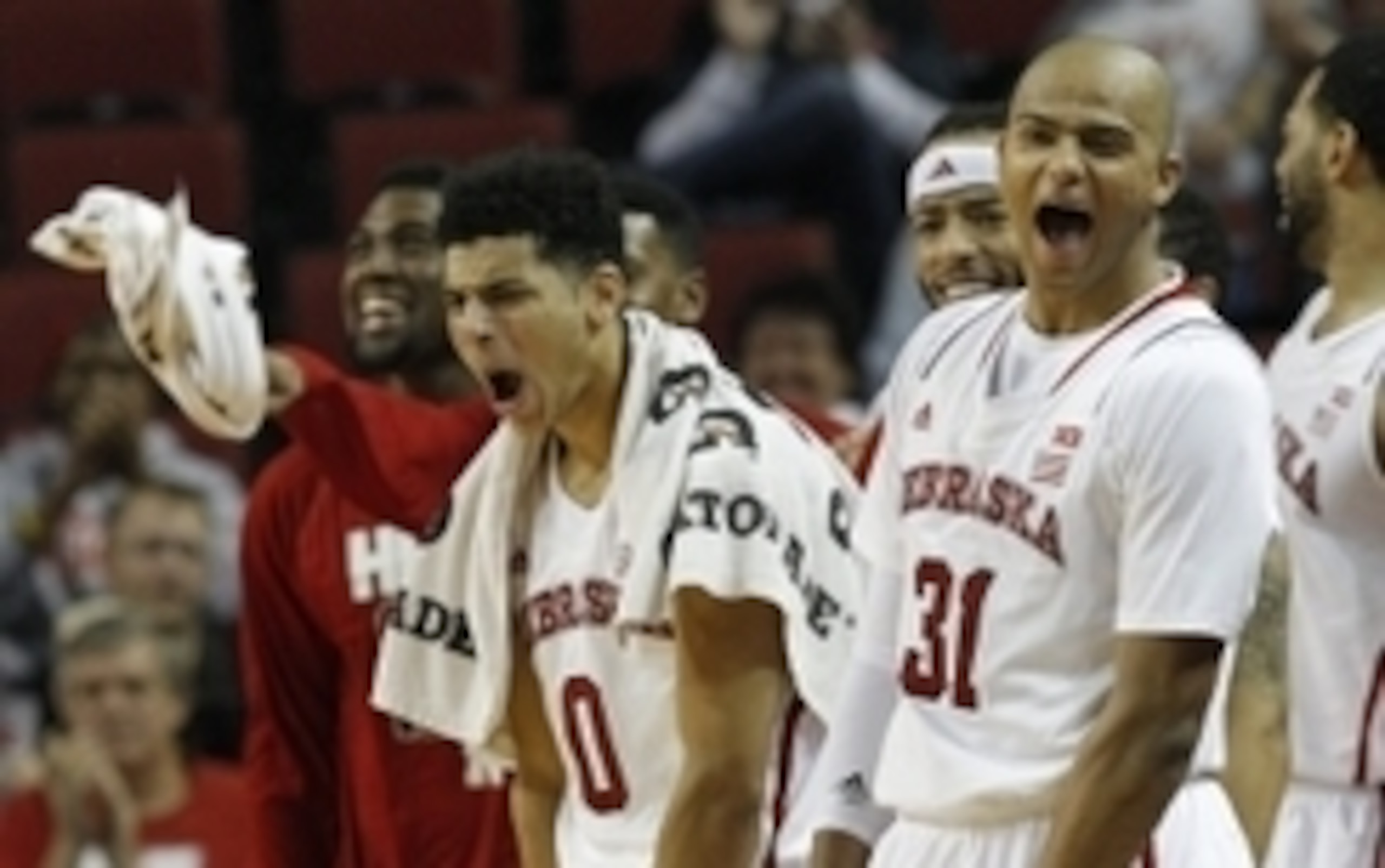
What We Learned: Not a whole lot
A lot of ranked teams padded their win column with early cupcakes, but no team did it quite as egregiously as Nebraska, scheduling games against Northern Kentucky and Central Arkansas.
This is only Northern Kentucky's third season as a D-I basketball team. The Norse were projected (ESPN Insider required) to finish in the bottom half of a weak Atlantic Sun conference. They scored all of 31 points against Wisconsin.
Just to make sure we got the picture, the Cornhuskers' second game came against a Central Arkansas team that legitimately might be the worst team in the country. Northern Kentucky is in its third season as a D-I program, but Central Arkansas is only in its fifth season.
If we learned anything from the games, it wasn't good for Nebraska.
Despite playing two poor teams, the Cornhuskers committed 25 turnovers and just barely out-rebounded them by a 73-71 margin.
Kudos to Terran Petteway for averaging 24.0 PPG in those games, but the Huskers could have a rude awakening waiting for them in Rhode Island on Saturday.
20. Ohio State Buckeyes
6 of 25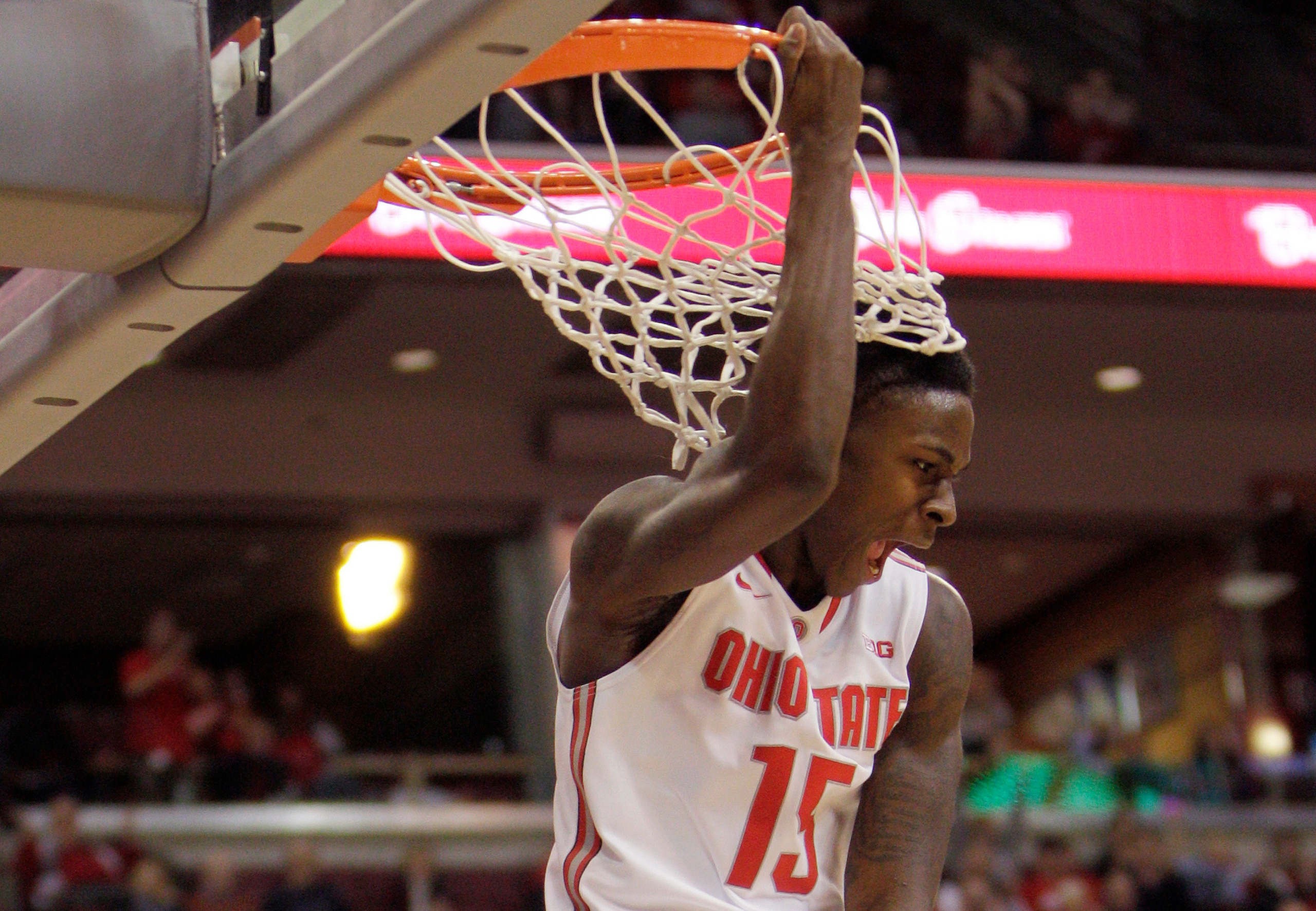
What We Learned: Kam Williams could be a star
Ohio State struggled to score last season.
Part of that is because the Buckeyes were trying to adjust to life after Deshaun Thomas, but the biggest thing is that the team simply didn't have any shooters. Sam Thompson led the team in three-point percentage at 35.5.
Everyone pontificated about super frosh D'Angelo Russell being the team's savior en route to being named the Big Ten Freshman of the Year. He's been pretty good thus far, but it might be redshirt freshman Kam Williams who actually plays the biggest part this season.
Williams missed last season after mononucleosis kept him from practicing all summer and caused him to lose too much weight and strength to realistically compete at the collegiate level. But he has come out firing after spending the 2013-14 season on the end of the bench.
He's still starting games on the bench, but he has scored 27 points and made 5 of 8 three-pointers in just 31 minutes of action. Once he replaces Marc Loving in the starting lineup, a three-headed backcourt of Williams, Russell and Shannon Scott could be a nightmare for every team Ohio State plays this season.
19. Michigan State Spartans
7 of 25
What We Learned: Travis Trice can ball
Last year, we got a couple of glimpses into what Travis Trice can do—most notably, his 19-point game in the NCAA tournament against Delaware.
Now that he's one of the team's only options, though, he has blossomed into a legit Big Ten Player of the Year candidate.
Trice has had an injury-plagued career, but he's averaging 34 minutes per game so far this season. With that playing time, he has totaled 40 points, 13 assists and 11 rebounds.
The Spartans have stumbled out of the gate, but thanks to Trice's surge to serious offensive relevance, they'll be in pretty good shape once Denzel Valentine and Bryn Forbes start doing what we already know they're capable of doing.
18. Oklahoma Sooners
8 of 25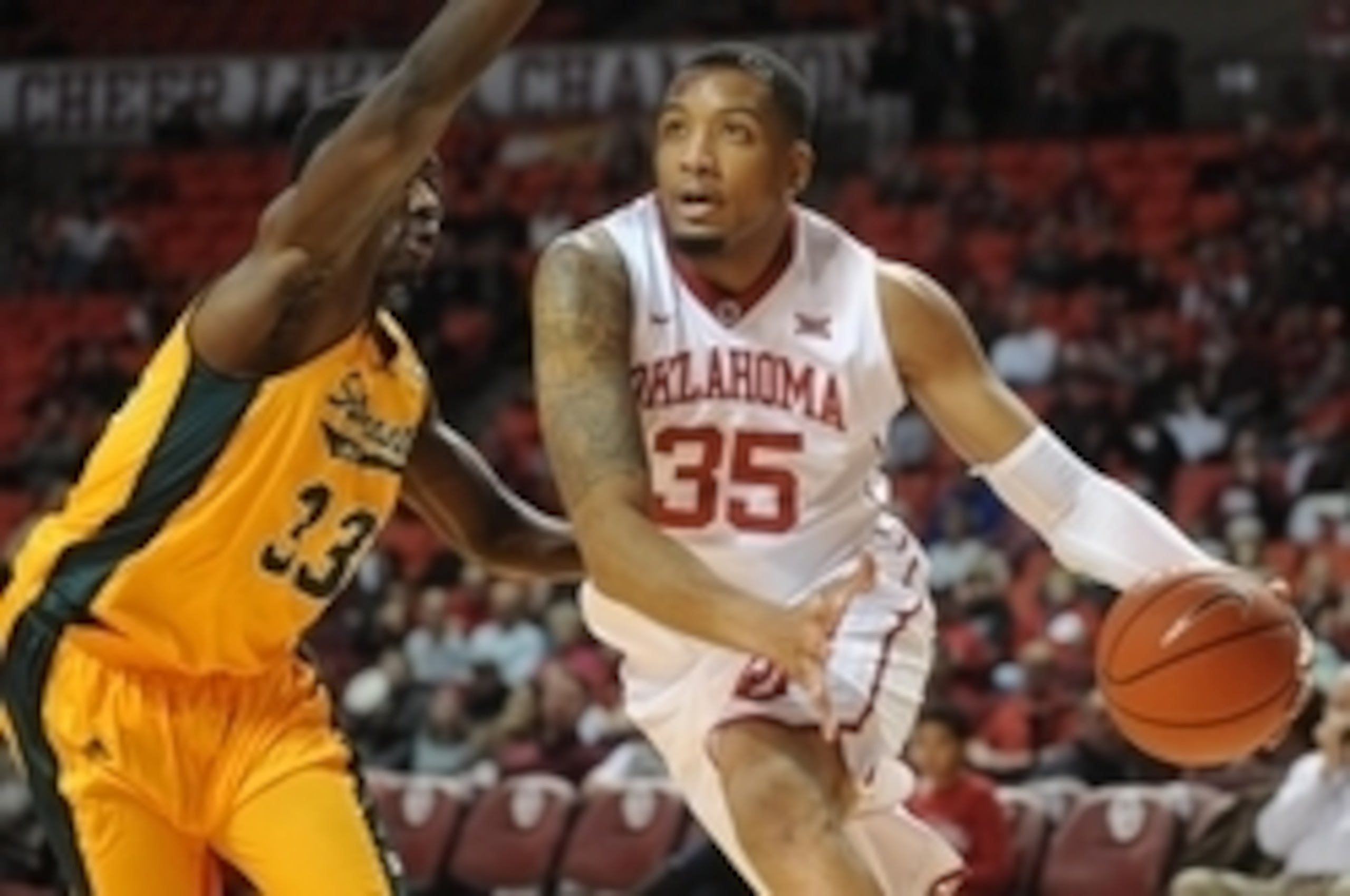
What We Learned: TaShawn Thomas will play
Right before Pittsburgh's first game of the season, the Panthers were dealt a huge blow with the news that Durand Johnson has been suspended for the entire year.
Fulfilling Newton's third law of motion, the Oklahoma Sooners benefited from the equal but opposite reaction of news breaking right before the start of their season that TaShawn Thomas is immediately eligible to play after transferring from Houston six months ago.
Thomas was an absolute monster for the Cougars last season, leading the team in points, rebounds, steals and blocks. He is a massive addition for a team that would have otherwise been hurting in the frontcourt.
His debut—23 minutes, four points, three rebounds and four turnovers—was nothing special by any means, but his presence on the team is going to pay huge dividends in the long run.
We were also reminded that Buddy Hield is one of the best shooters that no one is paying attention to, as he made each and every one of his seven three-point attempts in the only game Oklahoma has played to date.
17. Connecticut Huskies
9 of 25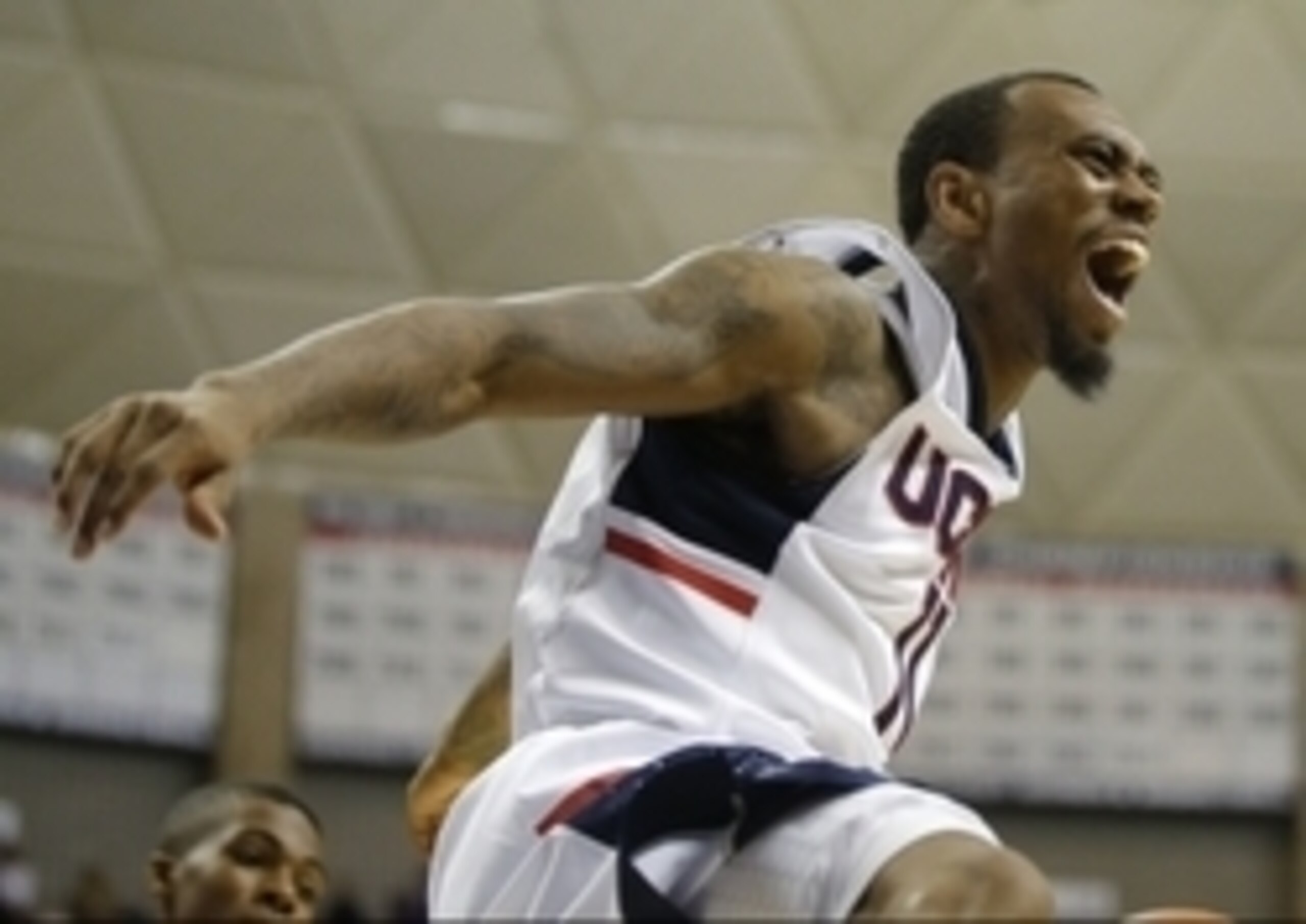
What We Learned: Ryan Boatright has the killer gene
You were probably expecting us to go the negative route after the defending national champions nearly messed around and lost to a below-average team from the Northeast Conference.
However, Rodney Purvis and Omar Calhoun didn't play in the game, and Phil Nolan barely even saw the court while dealing with foul trouble. What the Huskies put on the court is far from a finished product.
So it's a good thing that—for a sixth consecutive season—they have a combo guard who can single-handedly take over any game.
Ryan Boatright had a game that would make Shabazz Napier proud. Boatright shot 3 of 6 from three-point range and 7 of 7 from the free-throw line, finishing the night with 24 points, eight rebounds, five assists and four steals.
Perhaps just as promising as the incredible night from their senior guard was the effort from their sophomore center. Amida Brimah—who frequently dealt with foul trouble last season and rarely asserted himself on the offensive end of the court—played 28 minutes, scoring 12 points and blocking five shots while committing just two fouls.
If those two players can continue to put up numbers like those once everyone is eligible and healthy enough to play, it won't be long before we have to think about Connecticut's chances of repeating as champs.
16. San Diego State Aztecs
10 of 25
What We Learned: Might have best D in country
San Diego State opened its season against two of the most dynamic duos west of the Mississippi River—Stephan Hicks and Stephen Maxwell at Cal-State Northridge and Delon Wright and Jordan Loveridge at Utah.
Maxwell and Hicks eventually scored 31 points, but not until the game was well in hand. San Diego State held a 20-point halftime lead against the Matadors and held the Steph brothers to just eight points.
The Aztecs did an even more incredible job against Utah, holding Loveridge and Wright to just two points for the first 38 minutes.
Not only did they hold great scorers in check, but they had 24 steals between the two games.
San Diego State's offense is about where we expected it to be without Xavier Thames, but that'll balance out as Angelo Chol and Dwayne Polee become more assertive. Until then, the defense will be more than enough to keep the Aztecs in any game.
15. VCU Rams
11 of 25
What We Learned: No big man, no problem
The Rams don't have a single player taller than 6'6" in their starting lineup. Their "center" is 6'6" Mo Alie-Cox, and he hasn't made a field goal yet this season.
Thus far, it hasn't mattered.
In the season opener, Briante Weber was suspended and JeQuan Lewis played just five minutes before suffering a scary injury. They still beat up on Tennessee.
In the second game, they took everything Toledo had to offer and still won by nine points, thanks in large part to Weber's 18 points, nine steals, eight rebounds and seven assists.
Melvin Johnson is averaging 22.5 PPG. Treveon Graham has 18.5 PPG of his own.
VCU barely won the rebounding battle in each game, but averaging 13 steals per game goes a long way toward helping make up for those lost inches.
We'll see how long they go with Alie-Cox in the lineup before giving freshmen Terry Larrier and Michael Gilmore an extended audition, but this is a very exciting team to watch regardless of who the fifth starter is.
14. Iowa State Cyclones
12 of 25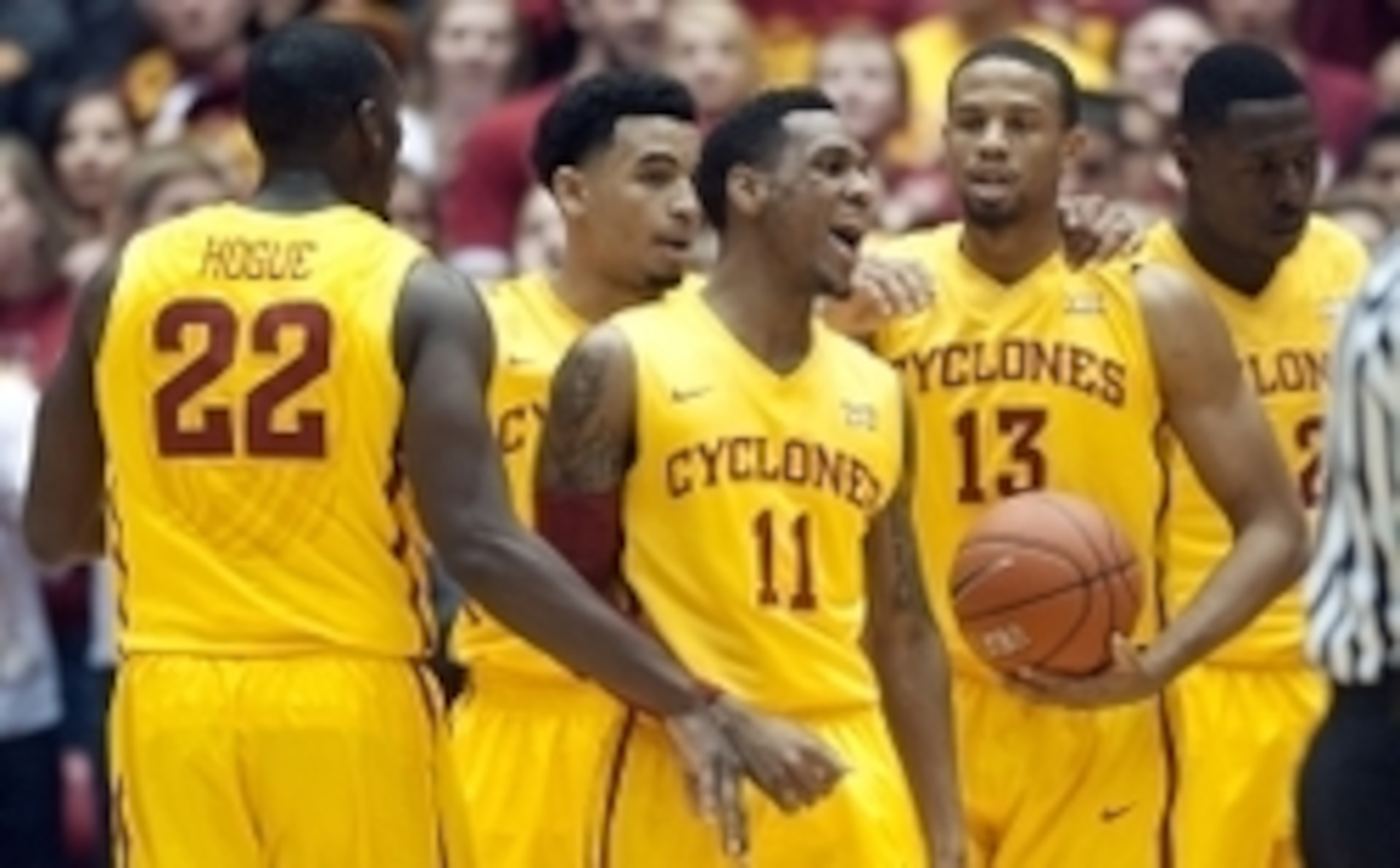
What We Learned: Big 12 coaches are terrible prognosticators
The Big 12 coaches projected Iowa State to finish in fifth place in the conference.
Quite a long way to go before things like that are decided, but it didn't make sense at the time, and it still doesn't make sense today.
Kansas and Texas in the top two spots is perfectly fine, but giving those teams 78 and 74 votes, respectively, while only giving 51 votes to Iowa State was ridiculous.
Despite playing without Matt Thomas, Abdel Nader and Jameel McKay—Thomas and Nader will be back for the next game, McKay is out until December 20—the Cyclones averaged 87.0 points per game against teams that are way more respectable than most of the teams the other ranked squads played to open the season.
All five starters scored in double figures in both games.
The defense may be problematic at times, but Iowa State has the offensive firepower to simply outscore opponents on a regular basis. And it's only going to get better when the full nine-man rotation is eligible to play.
13. Gonzaga Bulldogs
13 of 25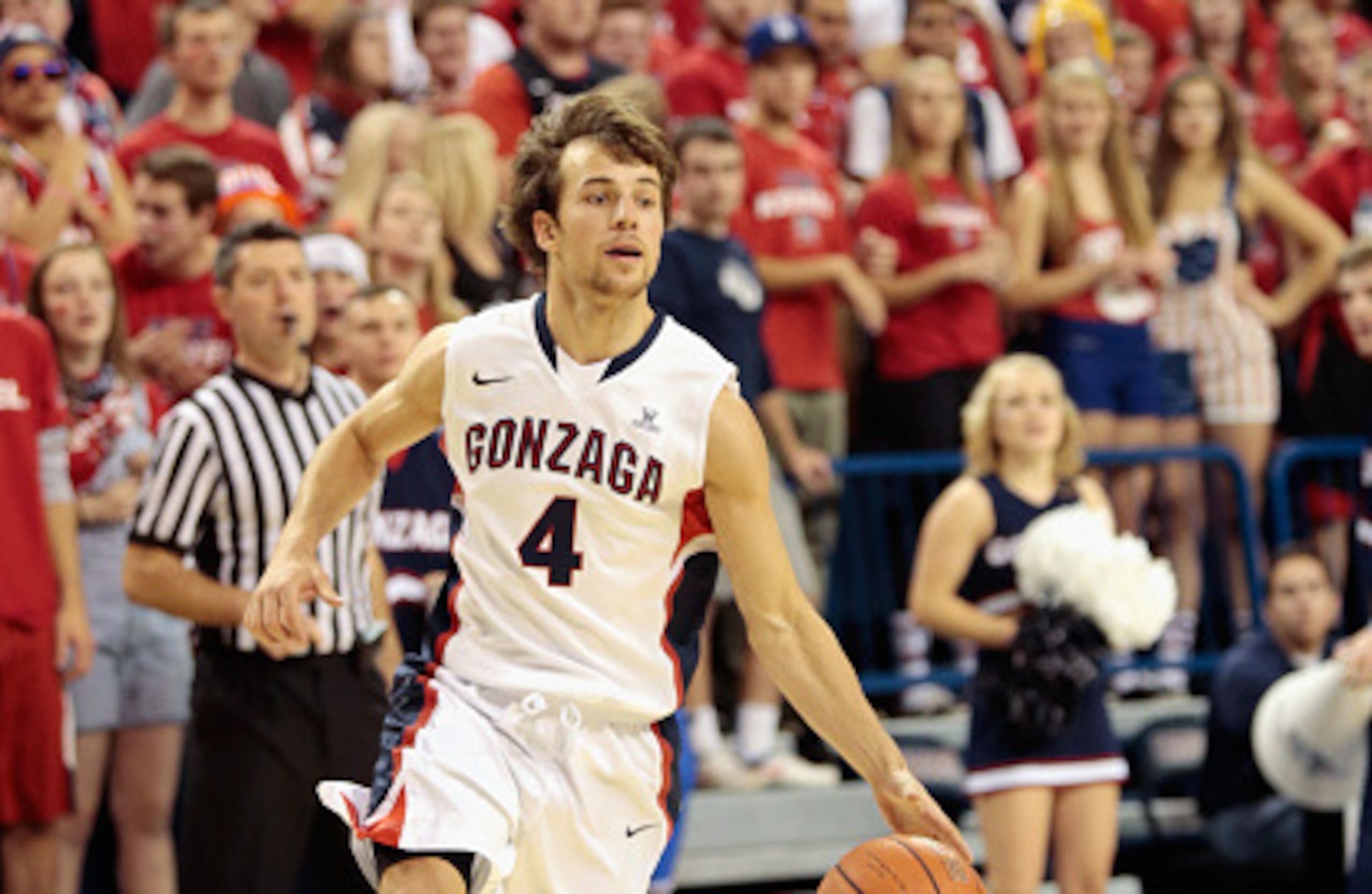
What We Learned: Kevin Pangos is a serious All-American candidate
How's this for a stat line through two games:
Thirty-three points, 10 assists, five rebounds, four steals, zero turnovers.
Kevin Pangos has always been a good scorer with a strong number of assists, limited turnovers and above-average defense, but he has kicked it up a notch this year.
It's hardly a surprising development, though. He has a better supporting cast than he did in 2013-14—a season that he spent in pain on a daily basis. Pangos was a popular pick for preseason West Coast Conference Player of the Year.
But at what point do we elevate him from WCC good to Wooden Award good? How many more stellar performances before we're all checking Gonzaga box scores just to see how well he played?
Basically, will he get the Adam Morrison treatment?
Pangos isn't going to put up the 28.1 points per game that Morrison did in 2005-06, but what if Pangos posts the type of numbers that Delon Wright did last year for Utah—with the major difference being that Pangos does it for a title contender rather than a team that misses the tournament?
There's a lot of season to go, but Pangos is certainly off to a great start.
12. Villanova Wildcats
14 of 25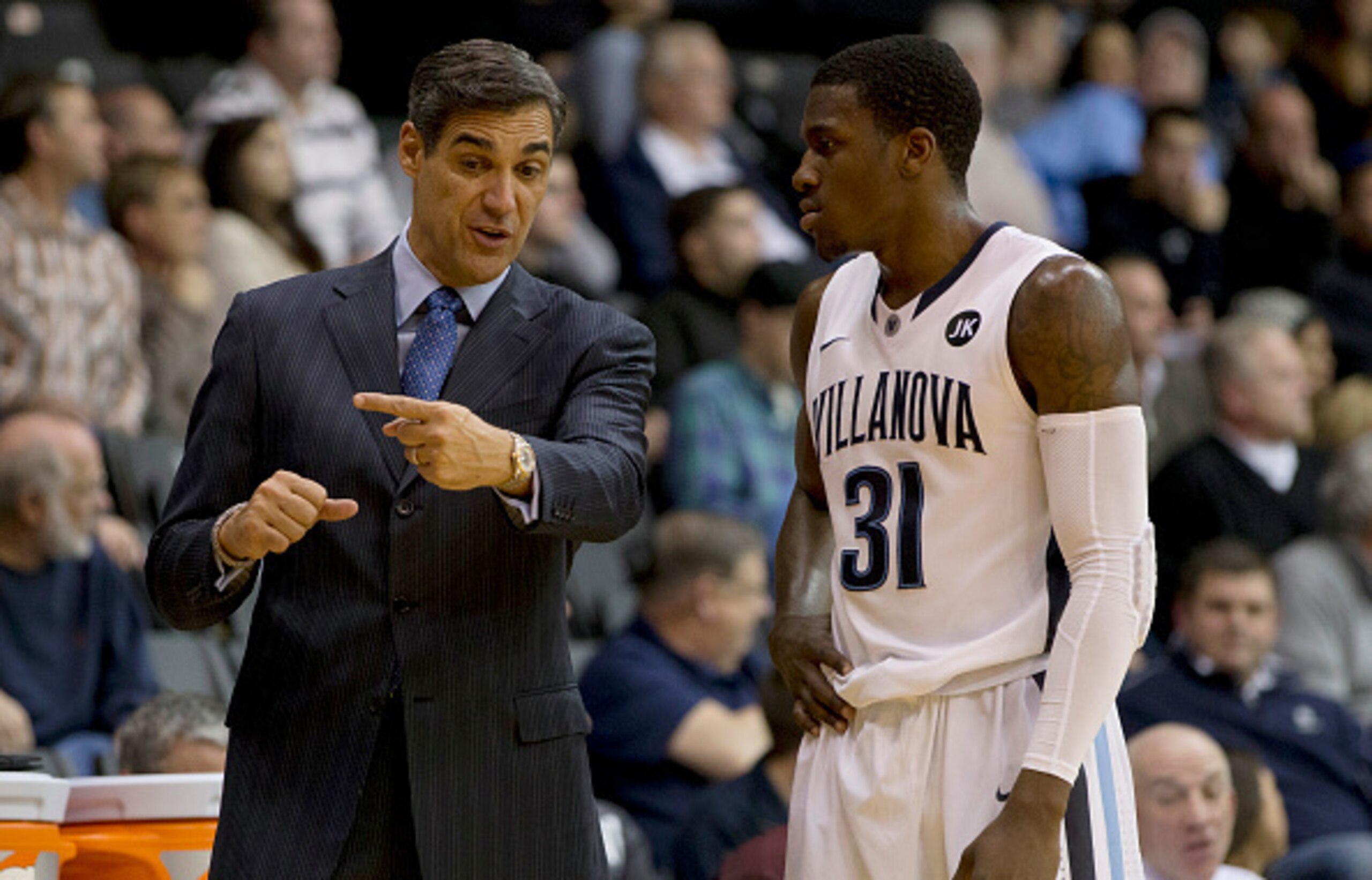
What We Learned: We underrated Dylan Ennis all summer
After a very good freshman season as the sixth man, most people expected Josh Hart to earn a starting job this year for Villanova.
However, he's still the sixth man, as Dylan Ennis won the gig vacated by James Bell when he graduated.
So far, so good for the older brother of the Syracuse point guard who set the world on fire last year.
In a close win over Lehigh on opening night, Ennis led the way with 19 points, five assists, five rebounds and just one turnover. In the blowout win over Maryland-Eastern Shore, he had 10 points and five rebounds in just 21 minutes of action.
The key for Ennis is the three-point stroke. He didn't play last season until the Battle 4 Atlantis, but he shot 8 of 12 from behind the arc during that three-day stretch. After that tournament, though, he shot 17 of 71 and had trouble getting involved in close, important games.
Ennis is 5 of 13 to open this season. If he can keep converting on those shots, he and Ryan Arcidiacono could have a bit of a Shabazz Napier and Ryan Boatright backcourt vibe as guards who are perfectly capable of finishing a game with either seven assists or seven three-pointers.
11. Wichita State Shockers
15 of 25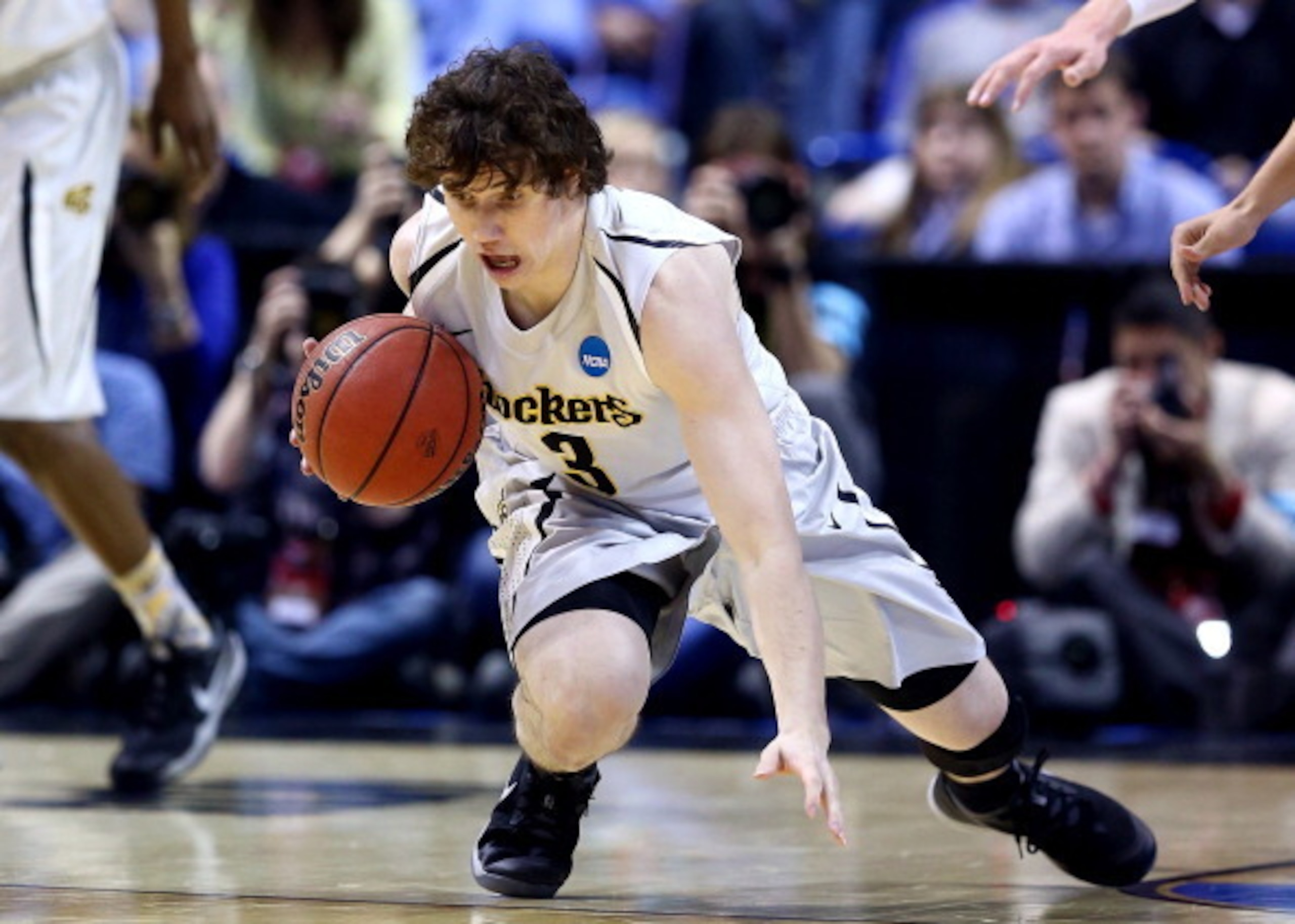
What We Learned: Still looking for replacement for Cleanthony Early
Wichita State's "big three" is great. Ron Baker, Fred VanVleet and Tekele Cotton combined to average 35.0 points per game last year, and they'll likely increase that number to at least 45.0 PPG this season. The fourth starter for the Shockers—Darius Carter—is playing pretty well in the post, but not yet quite as well as I expected.
But the fifth starter—the job that used to belong to Cleanthony Early—is still very much a work in progress.
Evan Wessel started both games for the Shockers, but he has scored just two points on four field-goal attempts. Freshman Shaquille Morris has scored 15 points with seven rebounds and two blocked shots off the bench and could be the answer in the near future, but we're talking about trying to replace a man who averaged 16.8 PPG last season.
Thanks to good defense, it hasn't been a problem yet. Both New Mexico State and Memphis are still finding their way after losing so much from their 2013-14 rosters, and the Shockers held them to 54 and 56 points, respectively, forcing a total of 44 turnovers between the two games.
Eventually, though, they'll need another scorer. It will be interesting to see who steps up to fill that role in Wichita State's upcoming games against Tulsa, Utah, Saint Louis and Seton Hall.
10. Texas Longhorns
16 of 25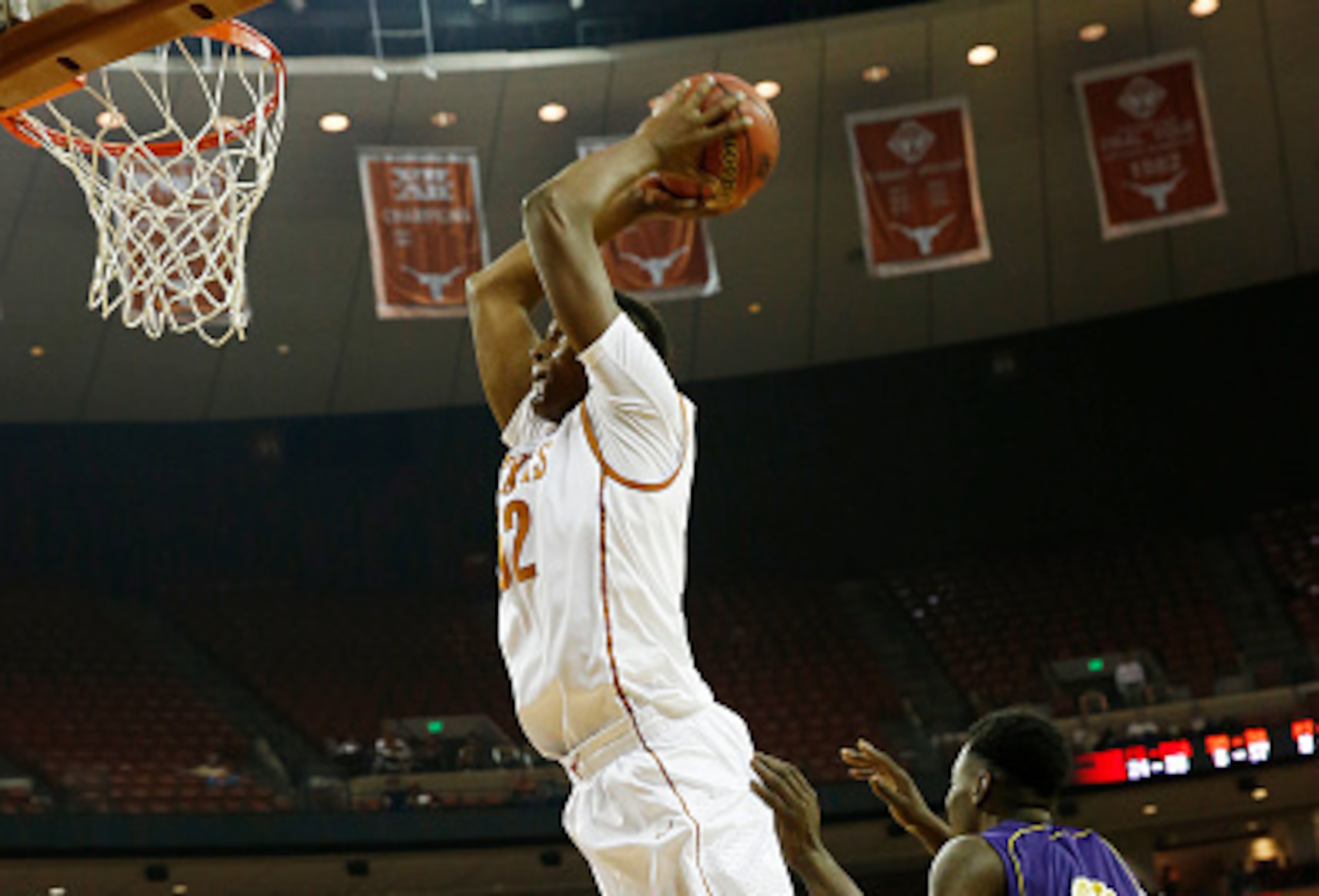
What We Learned: Myles Turner is at least as good as advertised
After Myles Turner made his decision in late April to play for Texas, the Longhorns instantly became a legitimate contender for a national championship.
A McDonald's All-American and unanimously one of the 10 best incoming players in the country, Turner was billed as a skilled big man who will block some shots and drain some three-pointers.
The long-range shot isn't there yet—Turner has missed both of his three-point attempts—but that's the only thing that hasn't gone well.
He came off the bench in both opening games, but Turner played a total of 40 minutes, scoring 25 points with 13 rebounds and eight blocked shots.
On a deep and talented roster, he might not put up outrageous per-game numbers, but early returns are that his per-40-minutes figures will rank among the best freshmen in the country.
9. Virginia Cavaliers
17 of 25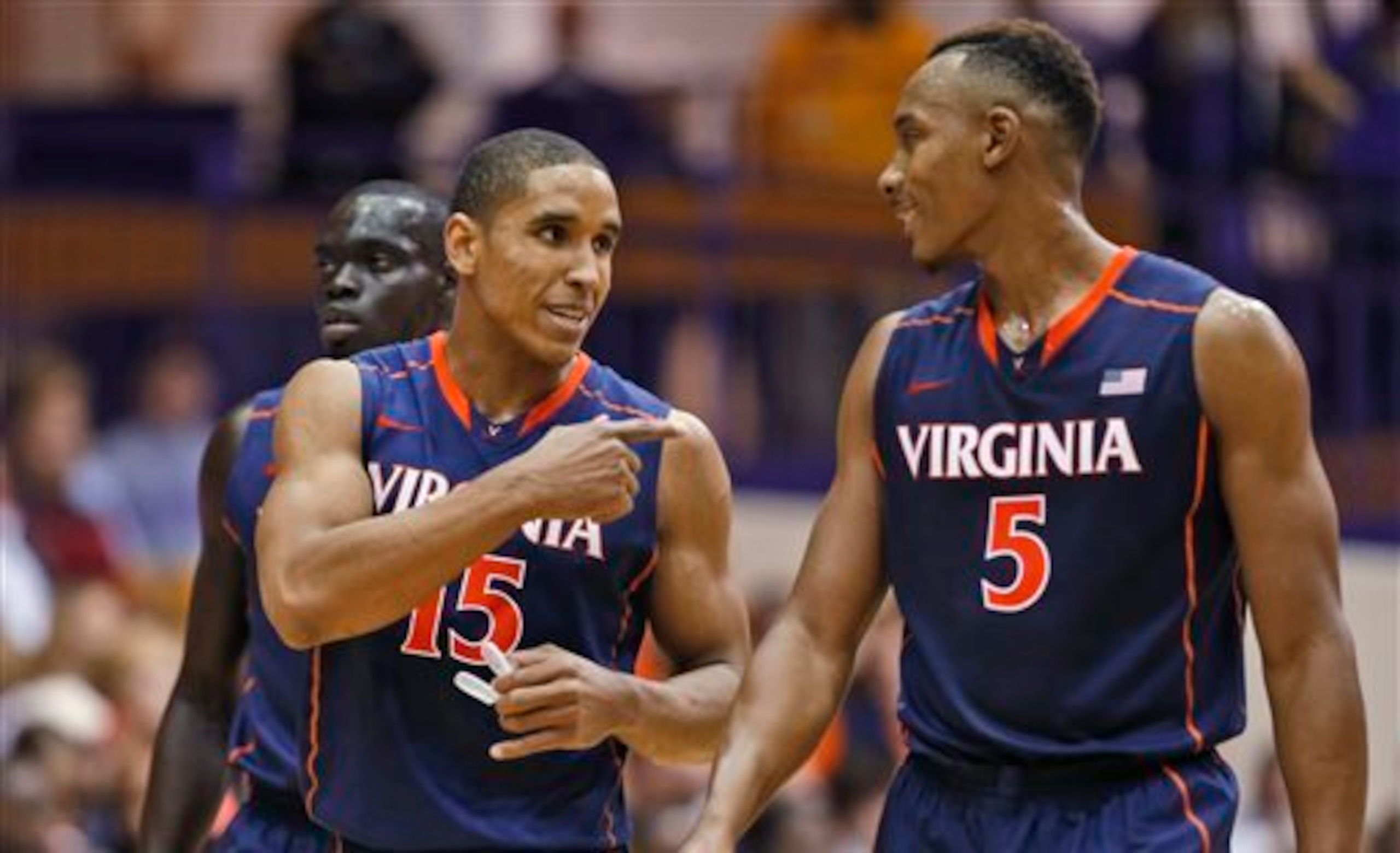
What We Learned: Defense is better than ever
Since Tony Bennett's arrival in Charlottesville, Virginia's defense has been incredible. In two of the past three seasons, the Cavaliers ranked in the top six in the nation in adjusted defensive efficiency, according to KenPom.com (subscription required).
However, they weren't so much a turnover-forcing defense as they were a team that forced difficult shots and dominated the defensive glass.
Until now.
Virginia didn't force many turnovers against South Carolina State on Tuesday evening but did average 10.0 steals per game on opening weekend against James Madison and Norfolk State.
In fact, between those two games, Virginia forced 31 turnovers while holding its opponents to just 27 made field goals.
Time will tell how well the defense sans Akil Mitchell does against ACC competition, but we suspect the Cavaliers will be among the best in the nation in points allowed per game once again this season.
8. Florida Gators
18 of 25
What We Learned: Jon Horford can shoot
In 890 career minutes at Michigan, Jon Horford attempted two three-pointers and missed them both.
In two games with Florida, he has attempted eight and sank four of them.
Could he be the missing link for the Gators?
We're not going to read too much into the loss to Miami. Angel Rodriguez did one heck of a Stephen Curry impression in the final 10 minutes of a game that Florida played without Dorian Finney-Smith or Chris Walker and still had a chance to win at the buzzer.
Rather, let's take note of how impressive Horford and Eli Carter have been as transfers from whom we really weren't sure what to expect.
Once Walker is eligible and Finney-Smith is healthy, Florida is going to have one heck of a seven-man rotation.
7. Louisville Cardinals
19 of 25
What We Learned: Defense is still in the Cards
Not only was Russ Smith a great scorer, but he was one of the best defenders in the country. Smith tallied a total of 244 steals in his final three years at Louisville.
But the Cardinals are still forcing turnovers left and right without him.
Through two games against Minnesota and Jacksonville State, Louisville is averaging 11.5 steals per game and forcing 19.0 turnovers per game. Chris Jones and Terry Rozier have combined for 14 steals while committing just eight turnovers of their own.
Even when they aren't forcing turnovers, they're forcing bad shots. Opponents are shooting just 20.4 percent (9 of 44) from three-point range.
All this without Montrezl Harrell recording a single block.
Not a single possession will come easily against Louisville this year.
6. North Carolina Tar Heels
20 of 25
What We Learned: Still can't shoot three-pointers
Last year, North Carolina was one of the worst three-point shooting teams in the country. The Tar Heels shot just 33.6 percent and made 4.2 triples per game—they ranked 347th in the nation in the latter category.
Marcus Paige was a great individual shooter (86 of 221, 38.9 percent), but the rest of the team was a disaster from long range.
Thus far, it's an even sadder state of affairs.
Paige is still shooting it pretty well. Through two games, he has made four out of eight three-point attempts.
The rest of the team is a combined 2 of 19.
It hasn't much mattered yet, as Brice Johnson and Kennedy Meeks have combined for a just-plain-silly 66 points and 37 rebounds in 83 minutes of action in the paint, but poor three-point shooting from Justin Jackson and J.P. Tokoto could be a problem down the road.
5. Kansas Jayhawks
21 of 25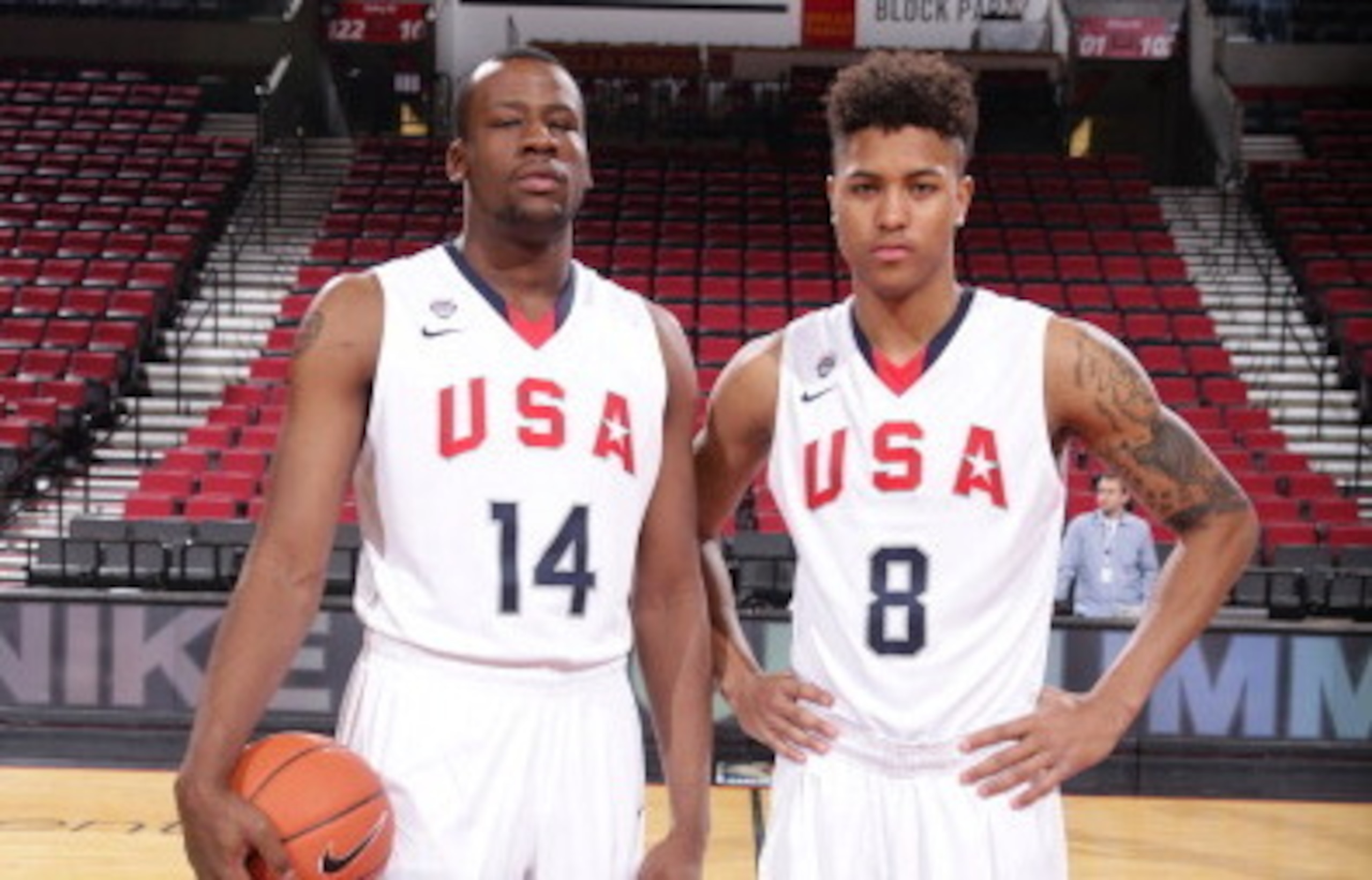
What We Learned: Not all freshmen are created equal
Even before Kansas was slaughtered by Kentucky on Tuesday night, there was cause for concern.
In the season opener against a UC Santa Barbara team that is Alan Williams and not much else (sorry, Gauchos fans), the Jayhawks were really pushed to the brink on their home court. They committed 16 turnovers while allowing Williams to put up 22 points, 13 rebounds and four blocks.
Phenom freshman Cliff Alexander played just 12 minutes. Kelly Oubre got even less playing time. And the forward who started ahead of them both (Jamari Traylor) scored just two points in 29 minutes.
The margin of the loss to Kentucky was surprising, but the loss itself was not. If the Jayhawks couldn't handle a team with one big man, how did they expect to beat six big men?
Despite the blowout, Alexander managed eight points and eight rebounds. Oubre had six points and four boards.
But they've got a long way to go.
In last year's Champions Classic, Andrew Wiggins had 22 points and Wayne Selden Jr. had 15 in a 94-point effort against Duke. Joel Embiid only had two points—as he didn't really blossom until after the first month of the season—but he had seven rebounds, five assists and a blocked shot.
Until these freshmen fulfill lofty expectations and start playing about 85 percent as well as last year's freshmen, it could be a long season.
4. Duke Blue Devils
22 of 25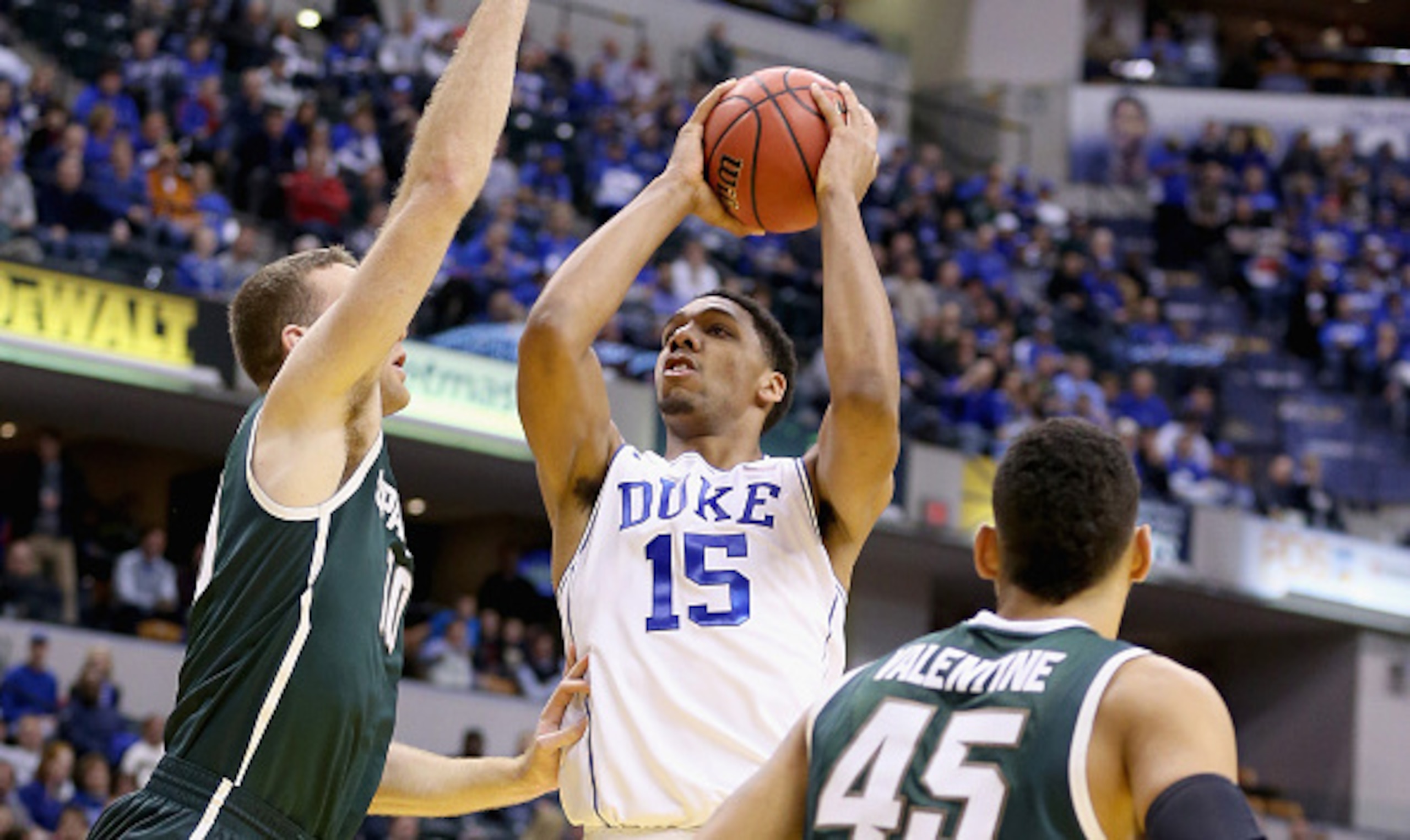
What We Learned: The hype was real
Jahlil Okafor has made 25 of 30 field-goal attempts, scoring a total of 53 points through three games.
Tyus Jones has 16 assists against just three turnovers, and the pass-first point guard has even drained 5 of 10 three-point attempts.
Justise Winslow—who was one of the least talked about McDonald's All-Americans in the country—is averaging 16.0 points and looks like he could legitimately be the best player on this team.
Grayson Allen barely saw the court against Michigan State, but he played very well off the bench in the first two games for the Blue Devils.
And that's only the freshman class.
Quinn Cook is playing like a man motivated from seven months of hearing people say he shouldn't be a starter. Amile Jefferson is playing well in the paint. Rasheed Sulaimon and Matt Jones have played well off the bench.
Interior defense is still a problem—opponents have made 62 of 119 two-point attempts against Duke—but that should improve a bit as Okafor plays more minutes and learns how to defend without fouling.
3. Wisconsin Badgers
23 of 25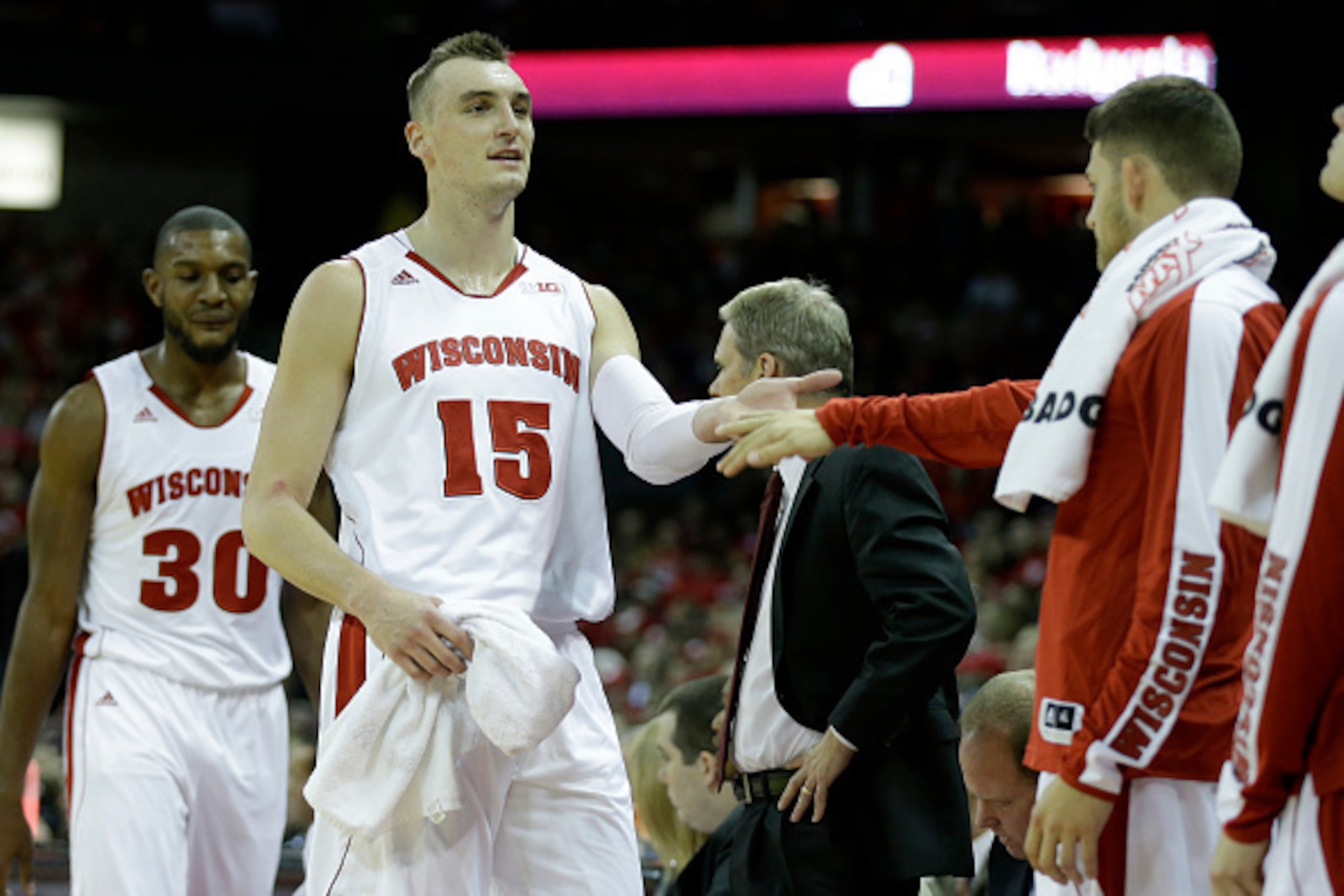
What We Learned: The bench is very shallow
In big wins over Northern Kentucky and Chattanooga that were never remotely in doubt, Wisconsin's starting five looked pretty great.
Frank Kaminsky recorded a pair of double-doubles. Sam Dekker averaged 16.5 points. Nigel Hayes put up a total of 21 points and 23 rebounds. Traevon Jackson didn't commit a single turnover in 51 minutes. Josh Gasser made three of his four three-point attempts.
But it was surprising how little the bench did in these blowout victories.
Vitto Brown had some decent showings as the first forward off the bench with Duje Dukan bizarrely suspended for the first two games. But Bronson Koenig surprisingly scored just five points in 47 minutes, and sophomore guard Zak Showalter was the only other player to even score a point.
The Badgers have a starting five that ranks among the best in the nation, but this team is more at risk to fatigue and injury than most highly ranked teams.
We'll keep an eye on things over the next couple weeks to see if Brown remains a viable reserve or if someone else rises up as a legitimate backup.
2. Arizona Wildcats
24 of 25
What We Learned: Brandon Ashley is healthy
Brandon Ashley missed the final two months of the 2013-14 season after breaking a bone in his foot.
In early June, Rob Dauster of NBC Sports reported that Ashley was recovering slowly from the injury, leading to speculation that he might not be at full health early in the season.
Through two games, though, Ashley has played more minutes than any other Wildcat. He's averaging 17.0 points, has made 13 of his 16 field-goal attempts and even tallied a pair of steals in each game.
In case you've forgotten, Arizona was undefeated when Ashley suffered the broken foot in February. The Wildcats never totally looked the same without him. Now that he's back, they're looking pretty good.
A bonus thing we "learned" is that Rondae Hollis-Jefferson is still a bad, bad man. Coming off the bench in each game, Hollis-Jefferson tallied 29 points, 12 rebounds, four assists, four steals and two blocks in 43 minutes.
However, the jump shot isn't there yet. He's 11-of-16 shooting from the field, but 10 of those buckets came on either layups or dunks. He only made one of the six shots that he attempted to actually throw into the hoop.
Once he starts hitting the shots he worked on all summer, Arizona could be unstoppable.
1. Kentucky Wildcats
25 of 25
What We Learned: Can't define a team by one half
Buffalo 38, Kentucky 33.
Everywhere you looked, people were making jokes or legitimately freaking out about Kentucky maybe not being as good as we thought because of one half of basketball.
I'd be willing to bet that 98 percent of those people didn't even watch the first half and merely saw the score, because those 20 minutes were more a testament to the tenacity of a team coached by Bobby Hurley than they were a statement about the struggles of Kentucky.
The Wildcats made some errors and missed some open looks, but the Bulls gave 110 percent for as long as they physically could before Kentucky's deeper-than-an-ocean rotation beat them into submission.
Instead of learning that one half of one basketball game doesn't mean anything, we all went to the complete opposite extreme on Tuesday night when Kentucky blocked Kansas into oblivion, practically handing Kentucky the 2015 NCAA title.
Between those two games, what we learned about the Wildcats is that they are exceptionally talented and more athletic than any team in the country—but they aren't flawless.
They might go 40-0. They might. But let's give it another few games before we fire up that T-shirt printing press.
Kerry Miller covers college basketball for Bleacher Report. You can follow him on Twitter @kerrancejames.
.jpg?w=2560 "Top NFL Trade Targets")