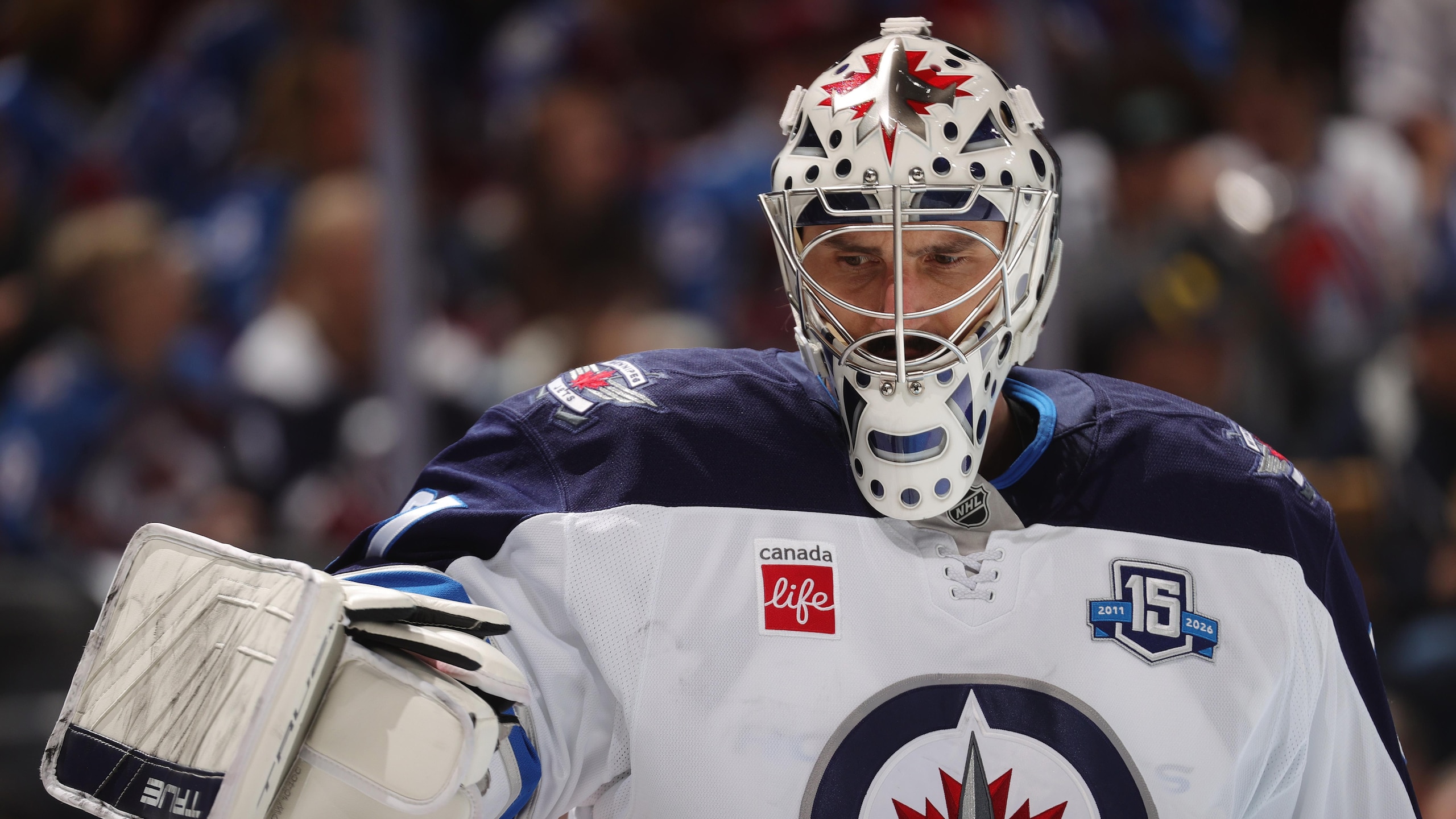
There was some debate at the time of the 2012 NBA draft as to how much upside Thomas Robinson offered, but I'm not sure anyone had him pegged as a bust clinging to an eight-minute-per-game role three years later. And on his third team no less.
What happened?
Robinson was a monster his final year at Kansas, having averaged 17.7 points and 11.8 rebounds on 50.5 percent shooting. Athletic, energetic, gradually on the rise—he possessed qualities that typically lead to NBA success.
TOP NEWS
Jaylen Brown Calls Out Tatum 🧢
LeBron on President Trump's Criticism
Knicks Staff Didn't Get Rings 🤔
Unfortunately, his strengths from college haven't held strong enough in the pros, while his weaknesses never improved and have ultimately weighed on his effectiveness.
Offensively, it just hasn't happened.
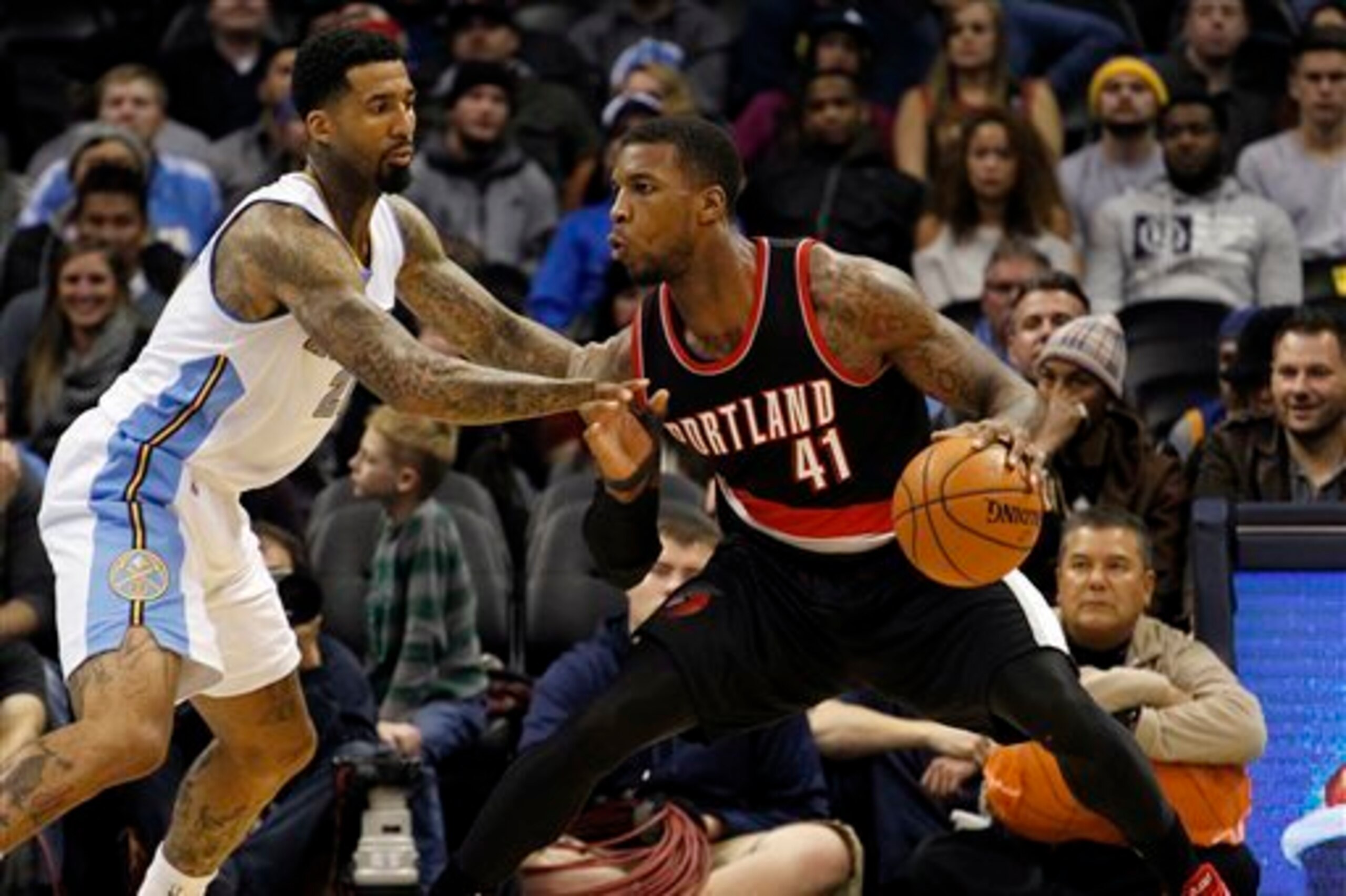
Despite shooting a mediocre 35 percent on jumpers the year before was drafted, it seemed reasonable to think Robinson's stroke would eventually come around. He had taken nearly four times as many jumpers that season, per DraftExpress' Walker Beeken, and his free-throw percentage spiked to 68.2 percent from 51 percent.
But since then, his shooting stroke has actually regressed in a league that practically requires its forwards to carry a threatening jumper in their arsenal.
On 147 mid-range attempts since being drafted, Robinson is shooting 29.9 percent, per NBA.com.
Robinson hasn't quite given off the impression he's much of a back-to-the-basket scorer either.
Actually, he doesn't really appear to have any go-to route for offense at all. And that really crushes his ceiling while limiting his purpose on the floor.
The Portland Trail Blazers even chose not to pick up his option for next season.
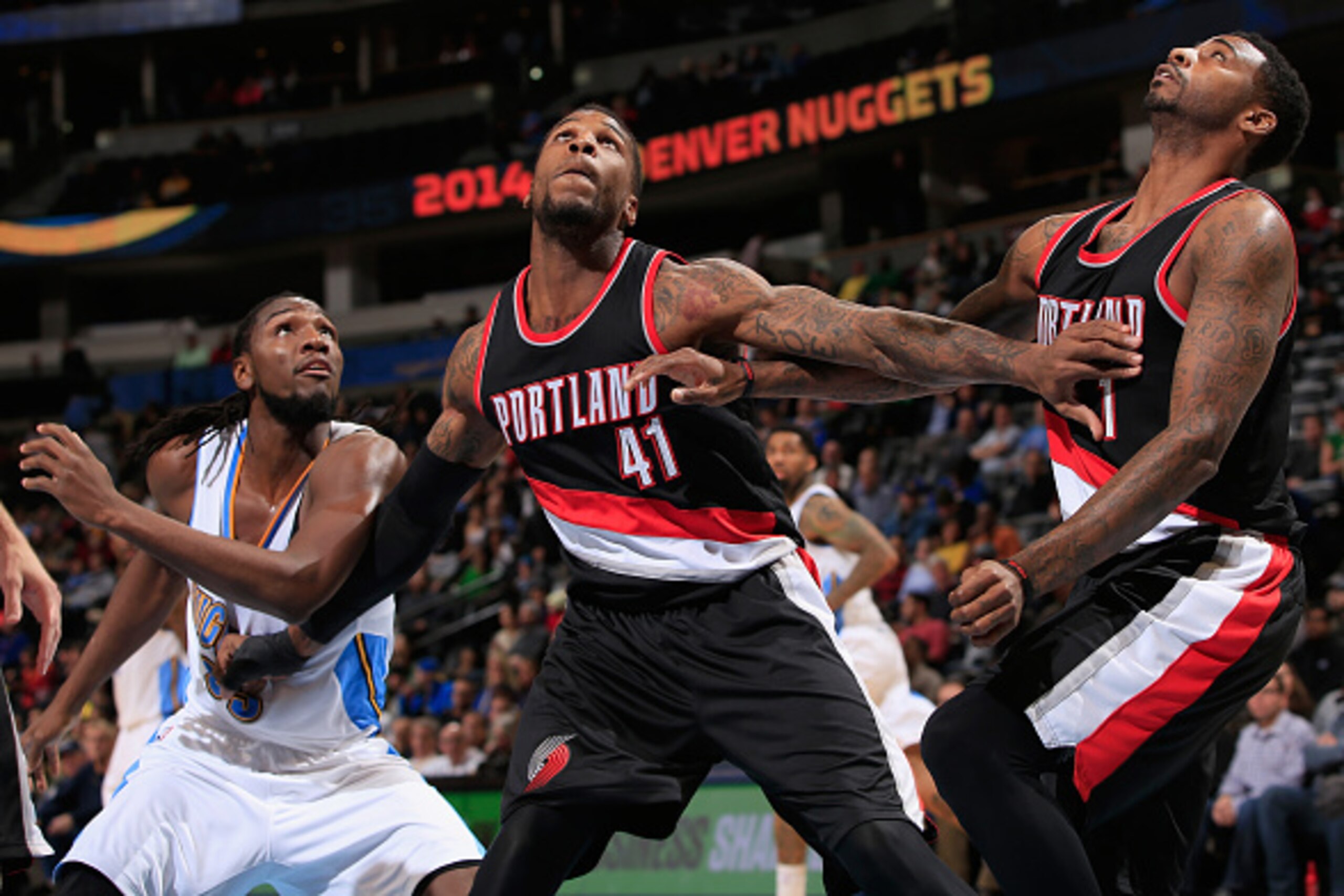
At this stage, Robinson's margin for error is tiny. If he wants to generate some interest on the free-agent market next summer, he'll have to make something happen in the limited minutes that come his way the rest of the season.
And it's a possible feat, as long as he recognizes his limitations and milks his strengths for all their worth.
For the most part, those strengths center on his blend of physical tools—6'9" size, 7'3.5" length—and explosiveness, which at the of the day, fuels most of his production and activity.
Robinson's ball skills might not have developed and led to a minimal offensive impact, but his presence under the boards has been pretty steady over the years.
In 147 games, he's got a strong 18.05 percent rebounding percentage. This season, it's at 23.5 percent, and though he's only played 55 total minutes, that number actually ranks fourth in the NBA.
But the activity shouldn't stop at rebounding. Apparently, based on his career 13.5-minute-per-game average, pulling in boards in limited action isn't enough.
Tip-ins, tap-backs, rejections, deflections, buckets off running the floor—these are the types of plays that need to become Robinson's bread and butter. They're the types of plays powered by energy and athleticism, something Robinson offers a ton of.
“[Coaches] just want to see me do that over and over,” Robinson said of being a "spark off the bench," per Jabari Young of CSNNW.com. “Every time I touch the floor, just go like a wild animal pretty much and be a dog, so that’s what I have to do.”
It's time to forget about the No. 5 overall label attached to Robinson's name, along with the offensive production expected to follow it.
Robinson's value now comes in the form of activity—not necessarily points.
His best shot at turning his career around is really as a specialist contributor—a forward who specializes in making plays without needing the ball in his hands. Because it just doesn't look like he's got much to offer with it.
Robinson will have to accept his new NBA purpose, which is to focus solely on injecting the lineup with baseline-to-baseline energy.
When that motor is revved, he's capable of making special plays above the rim. Hopefully Robinson gets the chance to continue making them and ultimately restore some of his lost credibility.