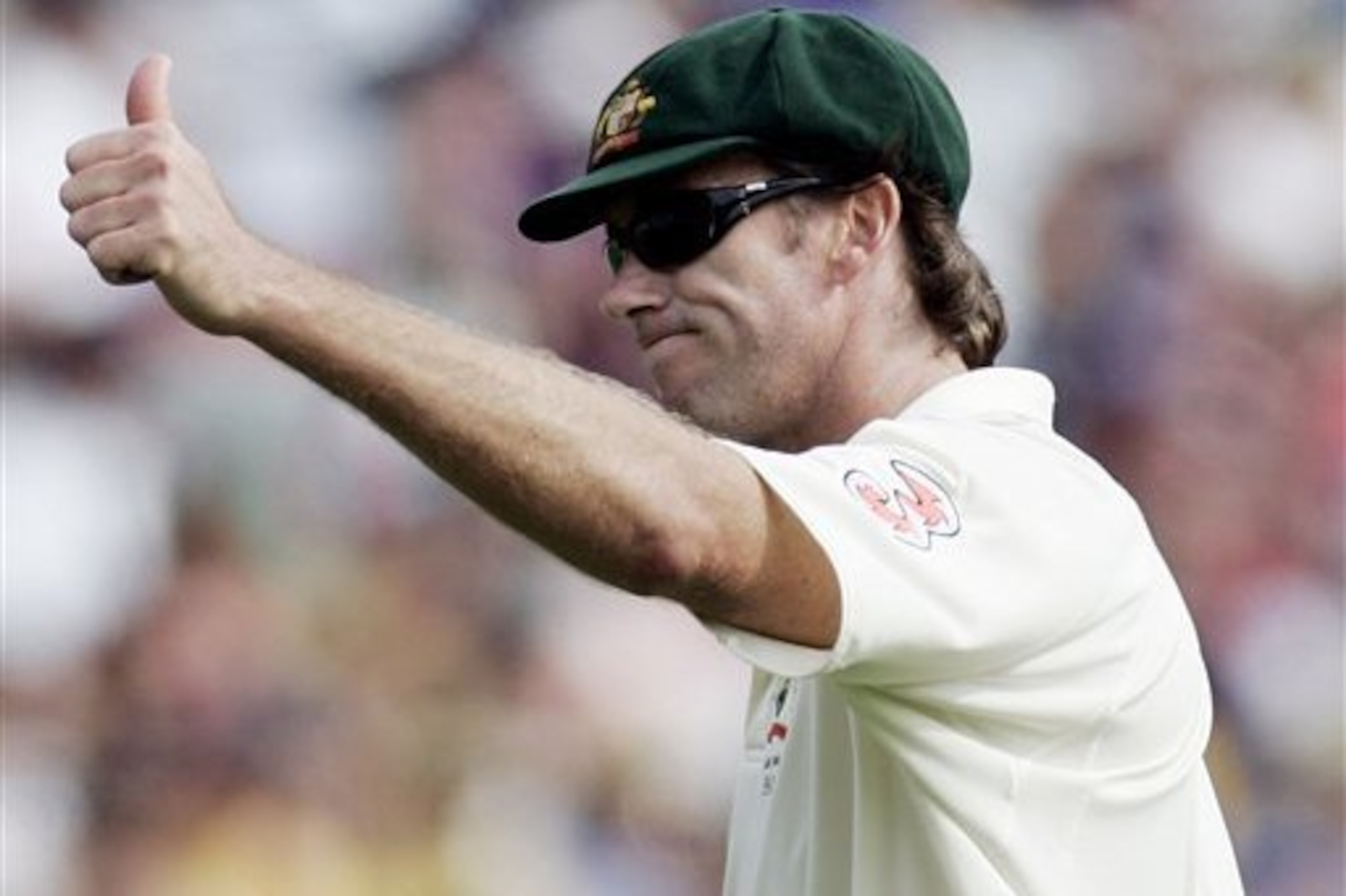

Glenn McGrath and 10 of Cricket's Greatest Metronomic Bowlers
The absolute definition of a metronomic bowler is Glenn McGrath. The Australian gave a hint of what was to come 21 years ago this week when he made his Test debut against New Zealand. Pigeon picked up two wickets in the Kiwis' first innings, while going for a miserly 2.35 runs per over.
McGrath's controlled run-up and perfectly grooved action eventually carried him to 949 international wickets during a stellar 14-year career.
While the Australian was the poster boy for the age-old virtues of line and length, he wasn't the only player to benefit from accuracy.
Here are the top 10 modern-day metronomes who have reaped the rewards of consistently putting the ball in the right place.
Statistics courtesy of ESPNCricinfo.com and Howstat.com.
Criteria
1 of 12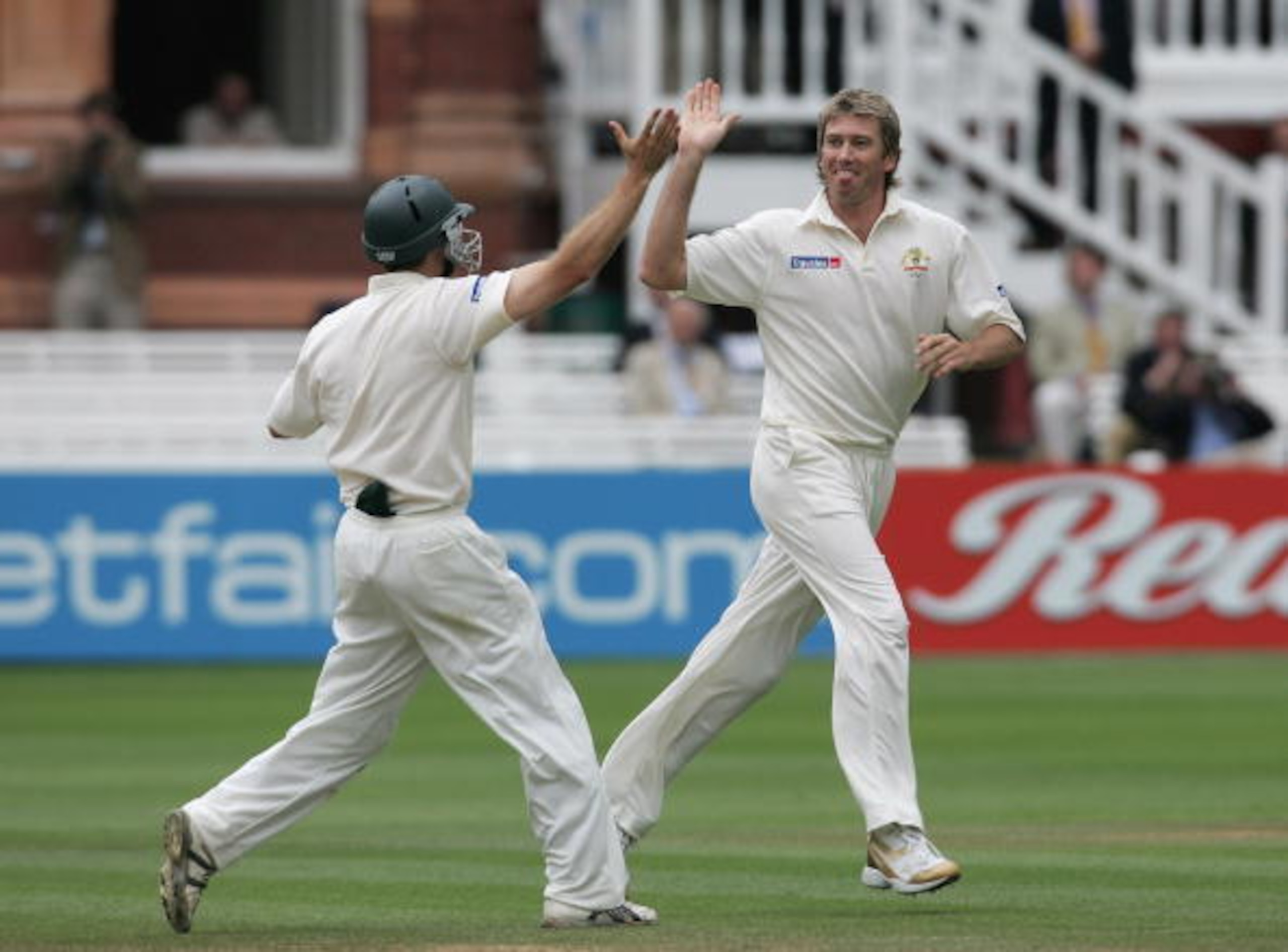
Metronomic is defined in the Merriam-Webster dictionary as “mechanically regular (as in action or tempo).”
In relation to our list, that means bowlers with a solid, repetitive action, who value accuracy as much as pace or swing.
Our list is dominated by seam rather swing bowlers. Bowlers searching for movement through the air tend to vary their line and length more than seamers focused on clipping the top of off stump.
With that in mind, it's perhaps unsurprising that there's a dearth of Asian metronomes. Unresponsive subcontinental pitches aren't generally conducive to seam-bowling.
The final 10 have all played within the last 30 years and fit the criteria of being “mechanically accurate in action.”
Honourable Mentions
2 of 12
There are any number of county trundlers who could have sneaked into our list. The likes of Warwickshire's Tim Munton and Lancashire's Peter Martin and Ian Austin lacked paced but enjoyed lengthy careers thanks to their metronomic accuracy.
Further afield, Ryan Harris and Peter Siddle have been models of consistency in recent years. As has South Africa's Vernon Philander. They all offer something more than just line and length, though.
Perhaps the most likely candidate for inclusion would have been Mohammed Asif. The Pakistani seamer rarely topped 80mph on the speed gun, but his nagging accuracy made him a very tricky proposition when conditions were in his favour.
His conviction for match-fixing has barred him from this list.
10. Shane Watson
3 of 12
Shane Watson started his career as an all-rounder who could bowl quickly but somewhat erratically. The Queenslander's fragile frame couldn't cope with the rigours of fast bowling, so he re-invented himself as a naggingly accurate medium-fast bowler.
In his last 20 Test appearances, Watson has taken just 13 wickets at an average of 48.92. His economy rate is a miserly 2.31 runs per over, though, highlighting how his role has changed.
Watson is now used to keep an end tidy while Mitchell Johnson, Ryan Harris and Peter Siddle take a blow. A case in point was the 2013 Ashes series in England where Watson went for just 2.09 runs per over.
.jpg?w=2560 "Chargers Mack")
.jpg?w=2560 "Green Bay Steelers Football")

9. Terry Alderman
4 of 12Sporting a rictus grin whenever he bowled, Terry Alderman looked a little like Batman's arch-nemesis, The Joker. The Australian seamer proved no laughing matter for a procession of England batsmen during the 1981 and 1989 Ashes series, though.
In 12 Test appearances on English soil, Alderman took an astonishing 83 wickets at an average of just 19.34. The Western Australian was tormenter-in-chief to poor Graham Gooch, dismissing him seven times.
Rumour has it that Gooch once recorded a telephone answering machine message that went, “I'm not here right now. I'm probably out...lbw to Terry Alderman," per the Independent.
8. Stuart Clark
5 of 12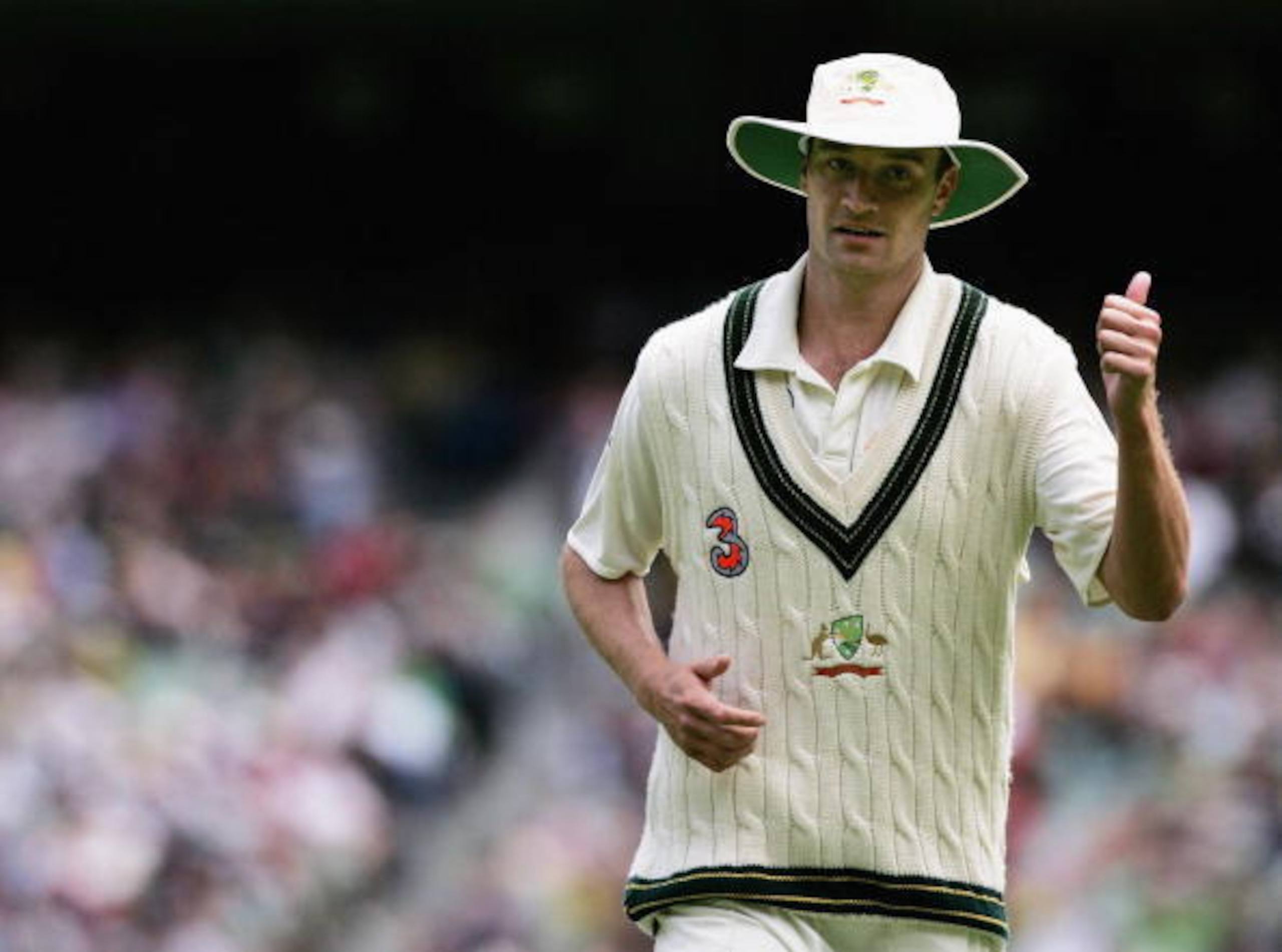
The leading wicket-taker in Australia's 5-0 Ashes thrashing of England in 2006/07 wasn't Shane Warne. It wasn't Brett Lee. It wasn't even Glenn McGrath. Instead it was McGrath clone Stuart Clark who led the way with 26 scalps at an average of 17.03 and a miserly economy rate of 2.27.
Like McGrath, Clark wasn't especially quick, he just did the basics very, very well. Bowl a fraction short of a length, just outside off stump and let the ball and English carelessness do the rest.
Clark was a late arrival to Test cricket, making his five-day debut at the age of 30. The New South Welshman made the most of his late opportunity and collected 94 wickets at 23.86 in a 24-Test career.
7. Angus Fraser
6 of 12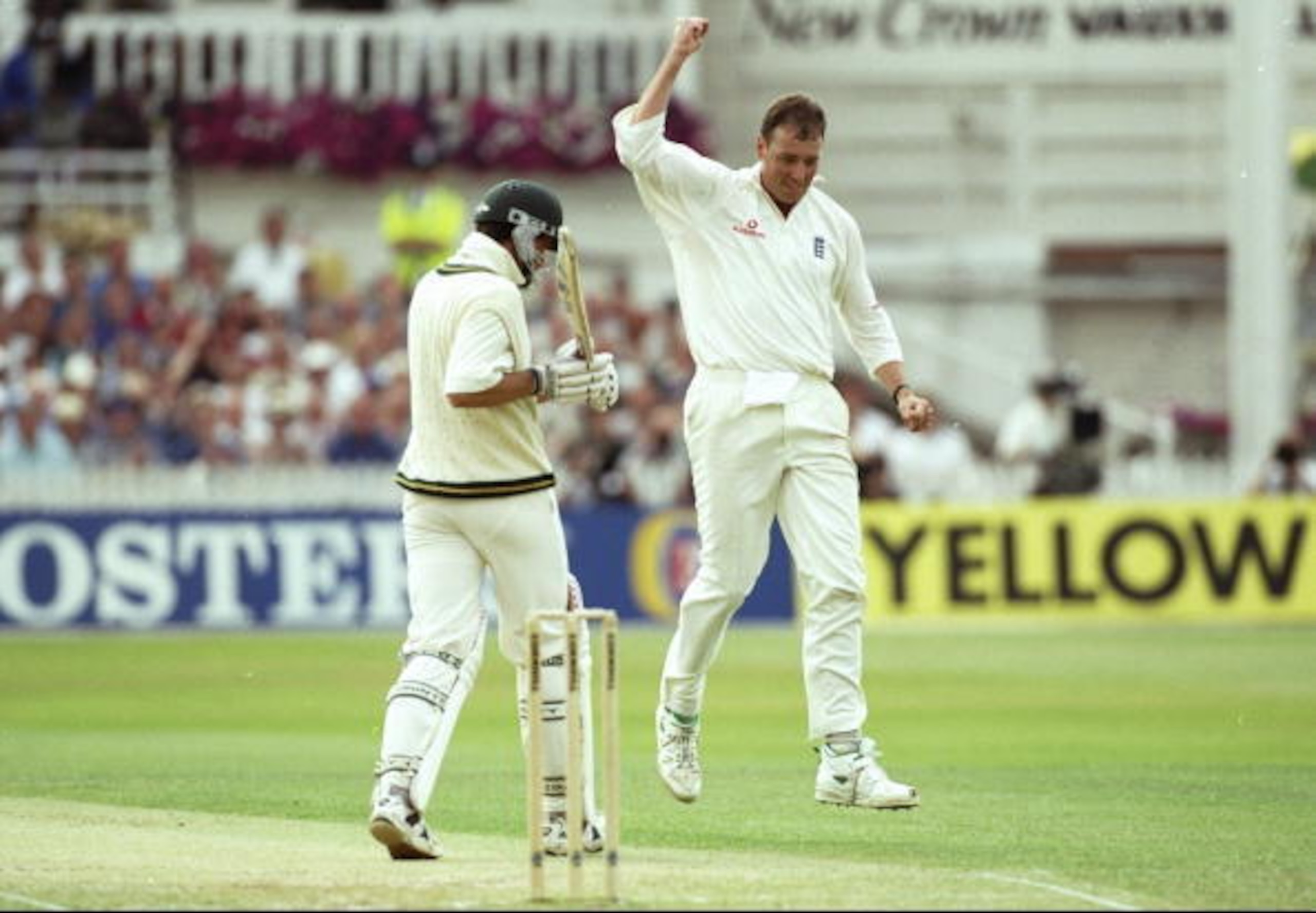
The 1990s were a largely forgettable decade for followers of the England cricket team. The one shining light throughout those often torrid years was the form of Angus Fraser.
More St. Bernard than whippet, the Middlesex man relied on the old fashioned virtues of hitting the seam on a good line and length for international success. That simple recipe worked exceedingly well, when he was fit and in favour.
Sadly that wasn't as often as he and England fans would have liked. In a nine-year Test career, Fraser won just 46 caps. He excelled in those limited appearances, though, bagging 177 victims at 27.32.
6. Anil Kumble
7 of 12It's not just seam-bowlers that are metronomic. The odd spinner fits into the category, too. None more so than Anil Kumble.
The Indian didn't have a huge spinning leg-break like Shane Warne but made up for it with unerring accuracy. Bowling at a brisk pace for a spinner, batsmen found it extremely difficult to score off Kumble.
His mix of fast leggies and top spinners brought him 619 Test wickets at an average of 29.65, with an economy rate of 2.69.
5. Joel Garner
8 of 12He may not have been as quick as Michael Holding or as terrifying as Colin Croft but for pure thoroughbred wicket-taking, Joel Garner was hard to beat.
Using every inch of his giant frame, the great West Indian consistently found an awkward length which combined with his extra bounce made him fiendishly difficult to face. When he tired of bowling that ideal length he could produce a perfect yorker almost at will.
No lesser judge than Geoffrey Boycott rated the Barbadian as one of the greatest bowlers he batted against. A haul of 259 Test wickets at an average of 20.97 and an economy rate of 2.47 confirms Boycott's view.
4. Shaun Pollock
9 of 12In Shaun Pollock, South Africa found the perfect foil for the out-and-out pace of Allan Donald. No slouch himself, Pollock's accurate, wicket-to-wicket style helped the Proteas to become one of the most consistent teams in world cricket.
Pollock's method of bowling extremely straight on a nagging length sounds easy but is fiendishly difficult to achieve.
Nowhere were those virtues more on show than against Australia in 1997. Pollock routed a high-class Aussie line-up on a largely blameless Adelaide pitch to pick up a career-best seven for 87.
In a 13-year Test career, Pollock claimed 421 wickets at 23.11, with an economy rate of 2.39 runs per over.
3. Sir Richard Hadlee
10 of 12The first player to take 400 Test wickets, Sir Richard Hadlee is one of the most accurate bowlers the game has ever seen.
Capable of moving the ball on even the most turgid of surfaces, the New Zealander was always a handful. Constantly challenging the batsmen, the new ball was never wasted in Hadlee's hands.
With a short run and a repetitive, economical action, Hadlee combined supreme control with pace to trouble even the best batsmen.
New Zealand's greatest ever player saved his best work for the cousins across the Tasman Sea. In 23 matches against the Aussies, Hadlee took 130 wickets at an average of just 20.57.
His metronomic style was almost as successful against the mighty West Indians. A total of 51 wickets at 22.04 in 10 matches against the world's best side was a fine return.
Hadlee will go down as an all-time great of the game.
2. Sir Curtly Ambrose
11 of 12Sir Curtly Ambrose was arguably the most dangerous fast bowler of the 1990s. Boasting express pace, disconcerting bounce and the fiercest glare in world cricket, Ambrose could be a terrifying proposition.
The most important ingredient in the Antiguan's hugely successful career was his relentless accuracy. Consistently bowling just short of a driveable length, Ambrose offered the batsmen hardly anything to hit. Did he ever bowl a half-volley?
Former West Indies wicketkeeper Jeffrey Dujon saw many of the great fast bowlers at close quarters. He rated Ambrose as one of the best.
Dujon told Wisden (via ESPNCricinfo.com), “He is mature beyond his years, has pace, accuracy, heart and determination, plus, importantly, real pride in economical figures.”
When on a roll he could devastate a batting line-up in the space of just a few overs. England and Australia can certainly testify.
1. Glenn McGrath
12 of 12
With an action so smooth and repetitive it could have been crafted by a Swiss watchmaker, Glenn McGrath was the premier pace man of the 2000s.
Other bowlers were quicker and plenty could swing it more than McGrath but none posed such consistent a wicket-taking threat.
That was largely down to a combination of unbelievable accuracy and disconcerting bounce. If there was any assistance on offer from the pitch, McGrath could be relied upon to find it.
The method was simple but devastatingly effective. He told ESPNCricinfo.com:
"I only looked to get a batsman out one of three ways: bowled, lbw or caught behind. I thought it is pointless bowling middle stump because it would take all my slips out and it makes it easy for batsmen to score runs on the leg side. So off stump, or just outside, was where I wanted to bowl.
"
The New South Welshman often produced his best against the best. No bowler dismissed Brian Lara more than McGrath. There's no greater compliment than that.




.jpg?w=2560 "MHJ's Potential Trade Value 📉")