

5 Ways England Can Improve in ODIs Before the World Cup
With 100 days to go until the ICC World Cup in February, England still have a lot to learn. The team travel to Sri Lanka for seven ODIs before a triangular series against Australia and India.
They currently sit fifth in the ICC ODI World Rankings and have struggled to assert themselves in the format.
Home ODI series losses to India and Sri Lanka showed just how far England are lagging behind the world leaders in ODI cricket.
While others have pushed boundaries with innovation and imagination, they have obstinately stuck to a tired and predictable game-plan.
Despite this, captain Alastair Cook told the ECB website that “Having reached the ICC Champions Trophy final in 2013, we firmly believe we are capable of mounting a strong challenge next year.”
If England are going to pose a serious threat to the likes of Australia, South Africa, India and Sri Lanka they must learn to adapt their game.
Here are five ways the England team can improve before the World Cup.
Spin Bowling
1 of 5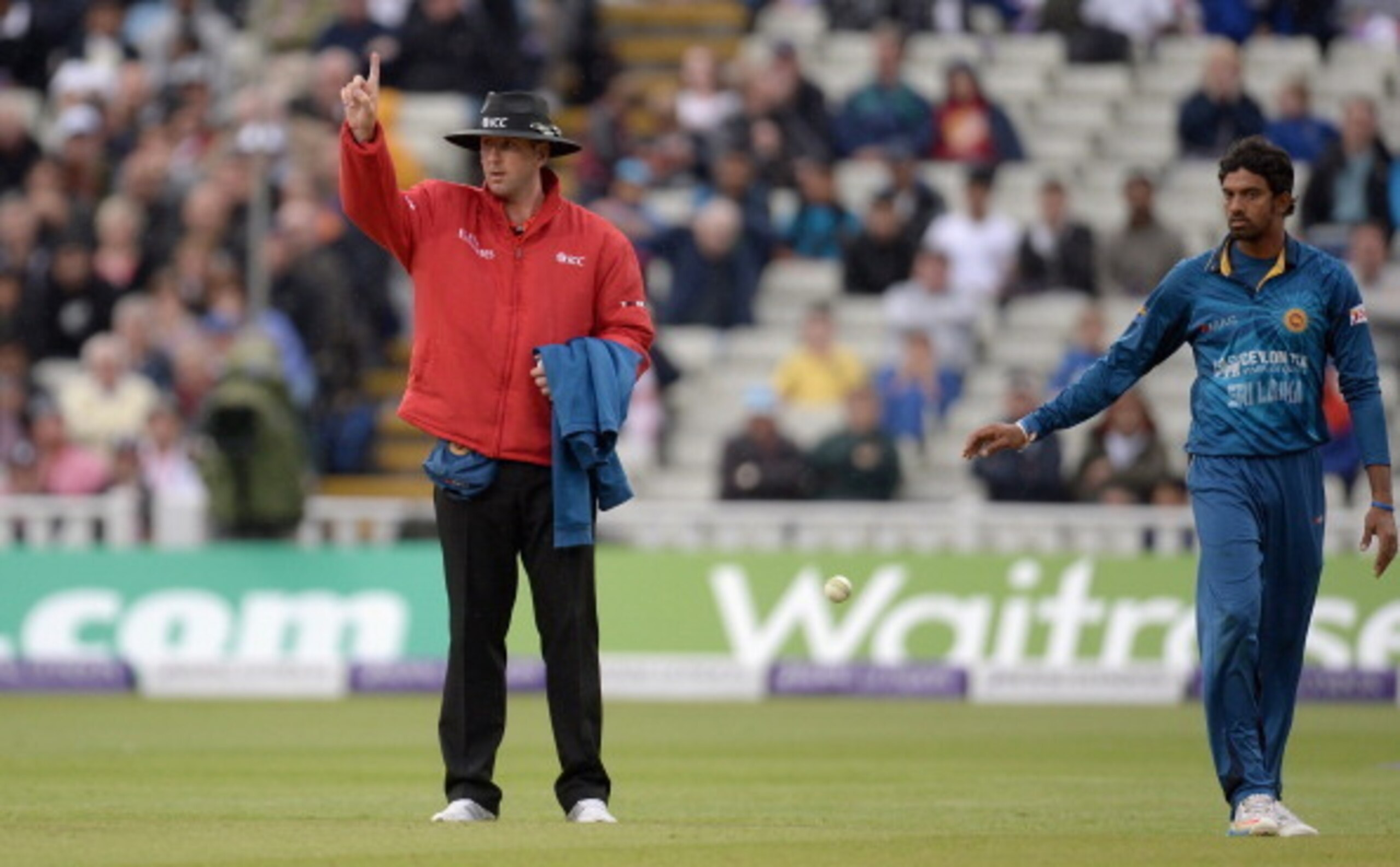
A good ODI team manages spin well.
They know how to manoeuvre the field, find the gaps and not get bogged-down when batting. They also know how to utilise their spin bowlers effectively to dry-up runs and increase pressure.
England have continually struggled with spin bowling—whether it is facing it with the bat or bowling it.
During the summer, Cook’s side allowed the visiting spinners to gain a foothold and dictate a rhythm.
England need to develop a definitive plan to combat spin bowling. Intelligent footwork and wrist movement can manipulate the field and maintain a good run-rate.
While England are not blessed with world-class spinners, the way they use what they do have is important.
On slow pitches especially, James Tredwell will need support from Moeen Ali and Joe Root. If used properly, they can ease the burden on the fast bowlers and give Cook another option.
The Batting Powerplay
2 of 5
The batting powerplay has long been England’s Achilles' heel.
England have historically preferred a “solid base” to an explosive start. Far too often has the opening 10 overs been consumed by steady accumulation.
“Wickets in hand” has become a motto for an over-cautious style.
A balance needs to be struck. Alex Hales has earned his place at the top of the order alongside Cook, and if confidence and form dovetail then a “solid base” can be combined with an explosive start.
So often the failure of the top order has coincided with lower order collapse. The eased fielding restrictions of the second powerplay tends to inspire an array of needlessly extravagant shots and a tumble of wickets, rather than a surge in run-rate.
If powerplay tactics are outlined clearly, England’s undoubtedly talented batting line-up can deliver.
Field Settings
3 of 5
One of the most recent features of short format cricket is the vast improvement of fielding. With this upsurge in quality has come more inventive field settings and out-of-the-box thinking.
This aspect is largely down to the will of the captain, and Cook could do worse than learn from some of his colleagues.
Indian captain MS Dhoni constantly shifts field placements and employs innovative positions. This has the effect of forcing the batsman to constantly rethink their shot selection and placement.
George Bailey, Australia’s captain, has also been at the forefront of this trend. He does not wait and hope for a wicket: intelligent, researched field settings are combined with on-field spontaneity to produce a unique strand of captaincy.
Cook has always been a conservative captain, but with research and a bolder strategy England can move away from the predictable norm they have slipped into.
.jpg?w=2560 "Chargers Mack")
.jpg?w=2560 "Green Bay Steelers Football")

All-Rounders
4 of 5
All-rounders knit a team together. They are vital components in any form of cricket and can make the difference.
Simply having five preordained bowlers who will bowl 10 overs regardless of the match situation is outdated.
Increasingly, the need for quality second-string bowlers is becoming crucial.
If a batsman takes a particular liking to one bowler then an alternative bowling option is important. Without one, the under-pressure bowler will be forced to continue and could concede game-altering runs.
The best sides chop-and-change their bowling options. All-rounders give the captain this flexibility.
As such, the importance of Ravi Bopara could be great over the winter. On lifeless pitches he provides an option for the captain—an assortment of cutters and slower balls can be effective.
Chris Jordan and Chris Woakes both have a lot to prove and, if picked, must be capable of bowling their overs.
Overall Strategy
5 of 5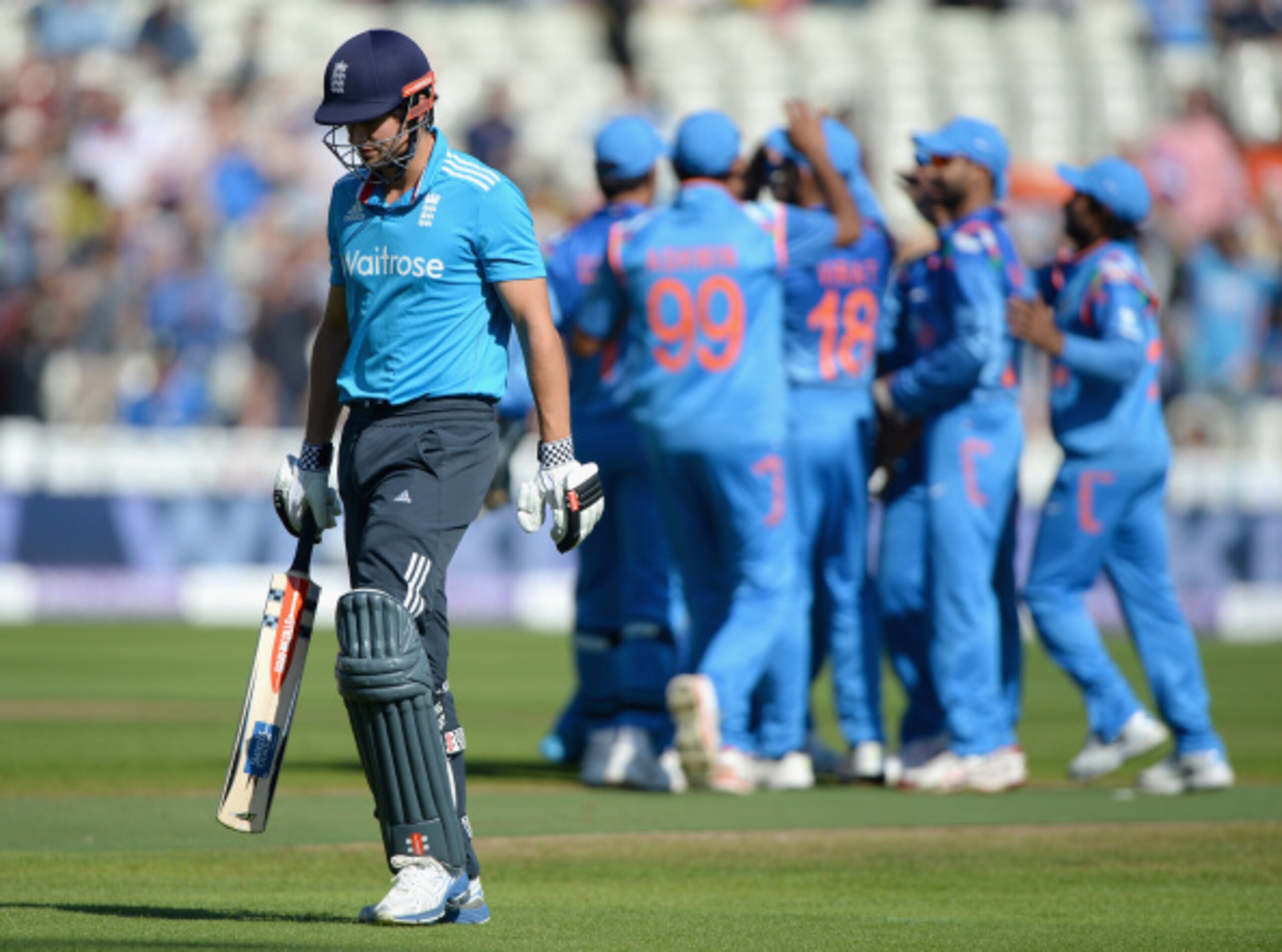
As has been noted before by Bleacher Report’s Freddie Wilde, England still treat ODIs as short Test matches, while the rest of the world consider them long T20s.
This is a major distinction. The four teams that are above England in the rankings are there for a reason.
The modern game demands ingenuity and forward-thinking, but England have been stuck in the past.
England simply must learn to adapt. Adapt their thinking. Adapt their style.
If England are going to challenge for the World Cup, they need to move with the times.


.jpg?w=2560 "Top NFL Trade Targets")