NCAA Emails Reveal Organization Questioned Own Authority in Penn State Case
Internal emails have shined a light on how the NCAA viewed their approach to the Jerry Sandusky abuse scandal at Penn State.
Tuesday, Nov. 11
New Emails Further Detail NCAA's Thoughts on Penn State Punishment
TOP NEWS
Jaylen Brown Calls Out Tatum 🧢
LeBron on President Trump's Criticism
Bears' Santos Wanted to Kick 58-Yarder
Tim Gilbert of Onward State provided more details on the NCAA's thoughts regarding potential punishment for Penn State during the Jerry Sandusky scandal:
"Though many of the emails in the filing describe normal organizational business, one email seems peculiar. After agreeing with Gene Marsh, who acted as something of a liaison between the NCAA and Penn State at the time, that Penn State should not be sanctioned, Director of Committees on Infractions Shep Cooper wrote on July 4, 2012:
“FWIW, I agree. However, the new NCAA leadership is very image conscience and if they conclude that pursuing allegations against PSU would enhance the Association’s standing with the public, then an infractions case could follow. I know that Mark Emmert has made statements to the press indicating that he thinks it could fall into some sort of LOIC case. ‘Shooting road kill’ is an apt analogy.’”
Marsh responded “they should leave this one alone,” and continued to make arguments on behalf of Penn State to the NCAA. His advice was ignored two weeks later.
“It is fair that PSU would pay a heavy price. It is not fair that folks on the NCAA board would try to reform college athletics through one case,” Marsh wrote. “It’s starting to feel like that…How many institutions represented on the NCAA board could stand scrutiny on whether athletics is the tail wagging the dog?”
"
Saturday, Nov. 8
Internal NCAA emails show the governing body of college sports was unsure how far its jurisdiction extended while deciding on punishment for the Jerry Sandusky abuse scandal at Penn State. It even went as far as "bluffing" during discussions with the school.
Kevin Horne of Onward State, a student-run Penn State blog, examined the recently released details and found an exchange that illustrated the lack of certainty as the sides sought a final decision.
Former NCAA vice president of enforcement Julie Roe talked about a discussion with the current association president, Mark Emmert. She states they agreed the approach they were using toward Penn State might not hold up over time.
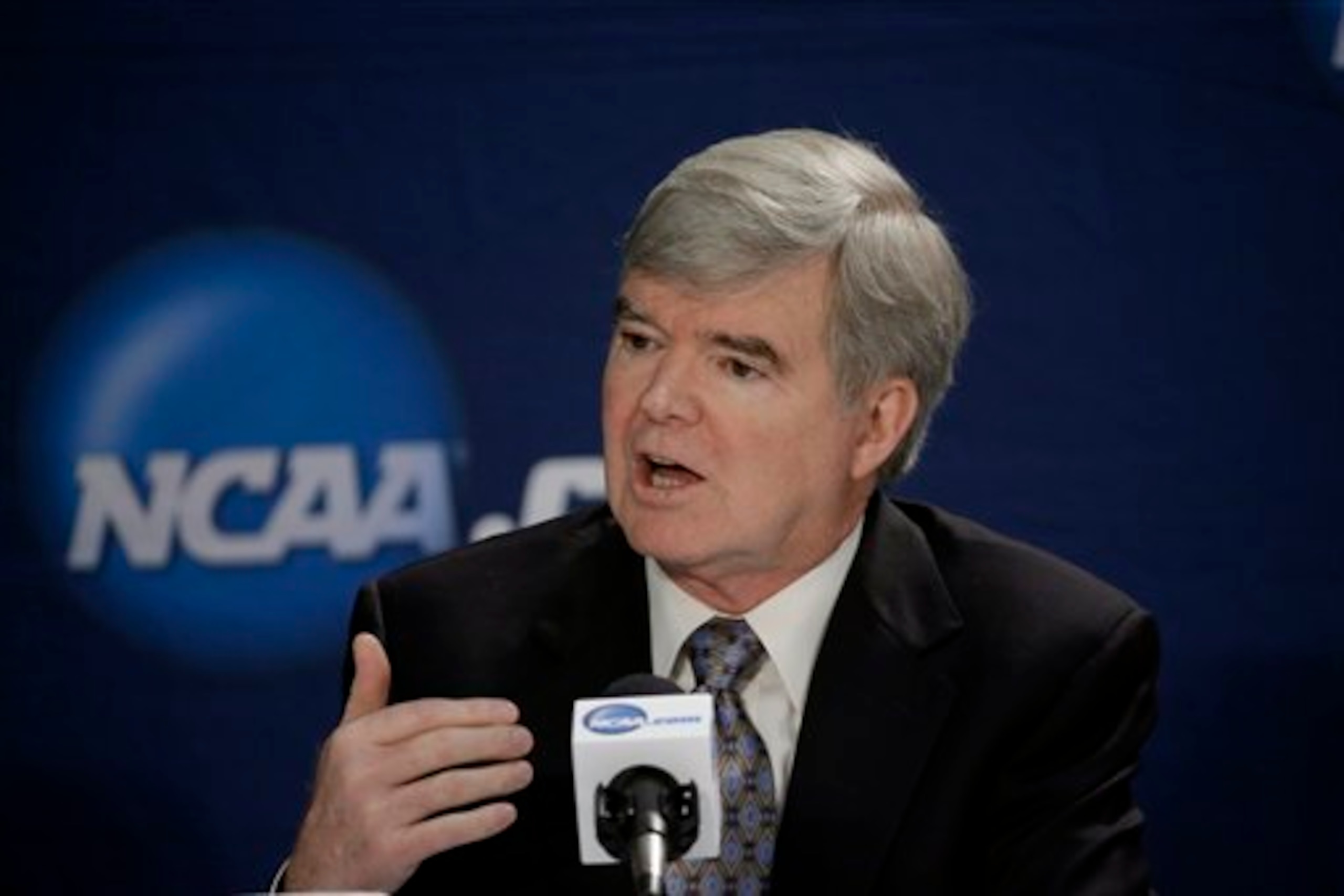
"We could try to assert jurisdiction on this issue and may be successful but it'd be a stretch," she wrote in an email. "I characterized our approach to PSU as a bluff when talking to Mark [Emmert] yesterday afternoon after the call. He basically agreed [because] if we make this an enforcement issue, we may win the immediate battle but lose the war when the COI [Committee on Infractions] has to rule."
NCAA vice president of academic and membership affairs Kevin Lennon also questioned the organization's ability to rule. He made an interesting comment about using the school's desire to move forward in its favor.
"I know we are banking on the fact the school is so embarrassed they will do anything, but I am not sure about that, and no confidence conference or other members will agree to that," he wrote. "This will force the jurisdictional issue that we really don't have a great answer to that one…"
Another section of the email exchange discusses whether Penn State gained a competitive advantage in recruiting because the situation didn't come into public focus earlier. There was no consensus on that front, either.
The NCAA provided a statement on the release of emails:
"Debate and thorough consideration is central in any organization, and that clearly is reflected in the selectively released emails. The national office staff routinely provides information and counsel to the membership on tough issues. The NCAA carefully examined its authority and responsibility to act in response to the athletics department’s role detailed in the Freeh report. Ultimately, advised by all information gathered the Executive Committee determined to act and move forward with the Consent Decree.
"
Despite the remaining question marks, the NCAA moved forward with its unprecedented sanctions on the Penn State football program. The wide-ranging penalties included an extended postseason bowl ban, the elimination of scholarships and a fine.
In September, Josh Moyer of ESPN.com reported the postseason ban was lifted and all scholarships would be restored ahead of next season.
Acting without confirmation of authority and using the school's negative position in order to enforce the decision is sure to raise further questions about the effectiveness of the NCAA. It's an organization that has faced mounting criticism in recent years due to its handling of student-athlete issues.