ACC Basketball Power Rankings: Who Reigns America's Deepest Conference?
Undoubtedly the most competitive conference in the country, the ACC fields some of the best programs in college basketball today with the likes of Duke, North Carolina and Louisville. With the season just about to get underway, here is a look at which team is most likely to conquer this nightmarish conference this season.
The ranking is based on the teams' projected rosters, which include returning players and incoming freshmen and transfers, as well as coaching staffs and performances from the previous season.
Will the Blue Devils and Tar Heels dominate like people expect them to? Or will a few other programs catch people by surprise, like the Virginia Cavaliers did last season? In a conference filled with challenges, just how much would it take for one program to claim supremacy?
Check out where your favorite ACC school ranks here.
15. Virginia Tech
1 of 15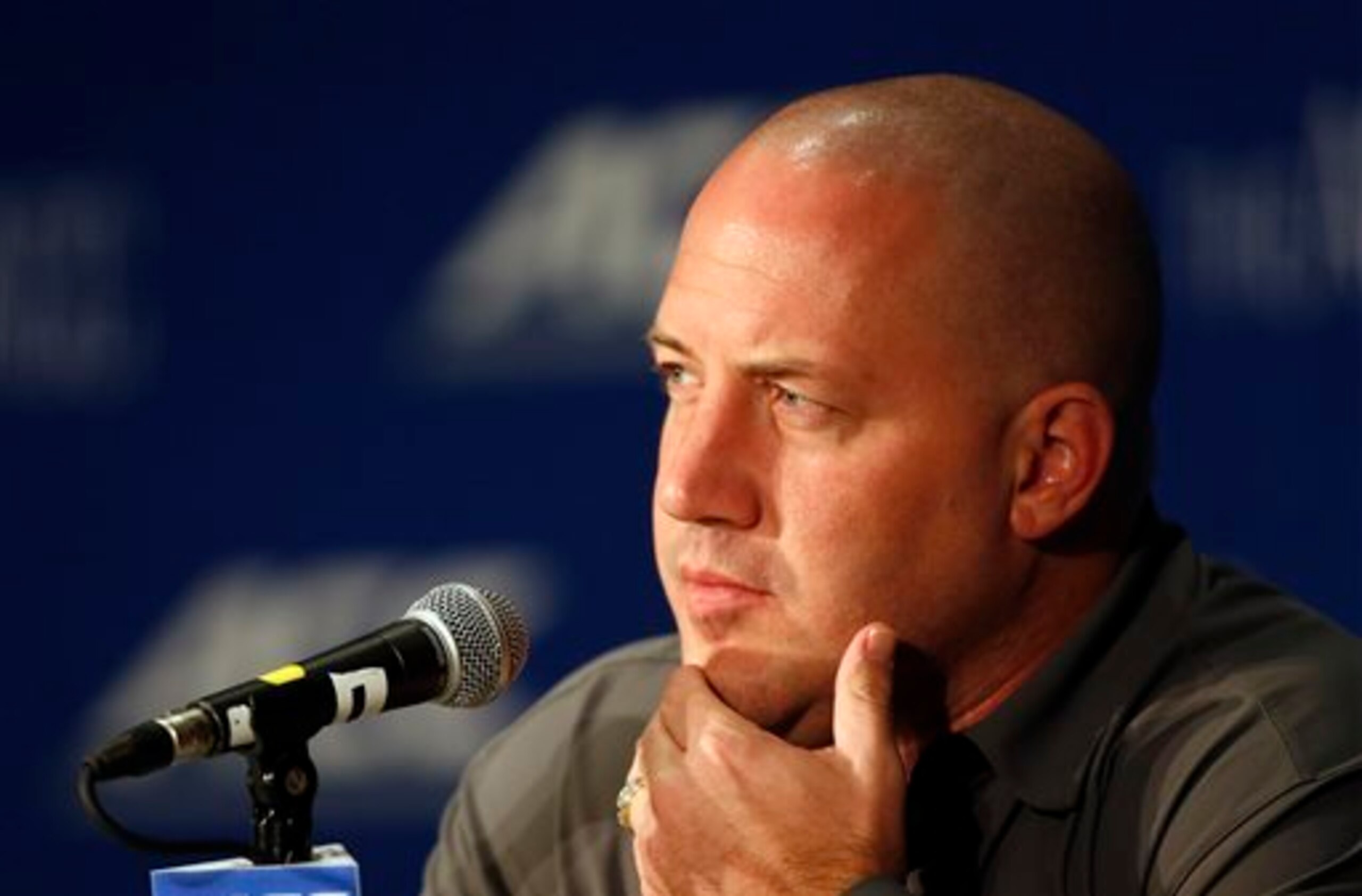
Like many other teams in the ACC, Virginia Tech realized the increase in conference strength and decided to bring in a new coach to help the program adapt to it—so in came Buzz Williams.
To turn around a team that finished 9-22 overall and 2-16 in the conference last year is no easy task, however. Don’t expect Williams to be that immediate savior for the Hokies.
What Williams does have, however, is a reputation for making something out of nothing. Just look at some of the teams he had at Marquette in the previous years.
Look for him to do the same with the promising freshmen Ahmed Hill, Justin Bibbs and Jalen Hudson.
Virginia Tech should also take advantage of its easy nonconference schedule as a building block to find the positives of this year’s team—because once conference play rolls around, the Hokies could become the bottom-feeder of the ACC again (like they were last season).
14. Boston College
2 of 15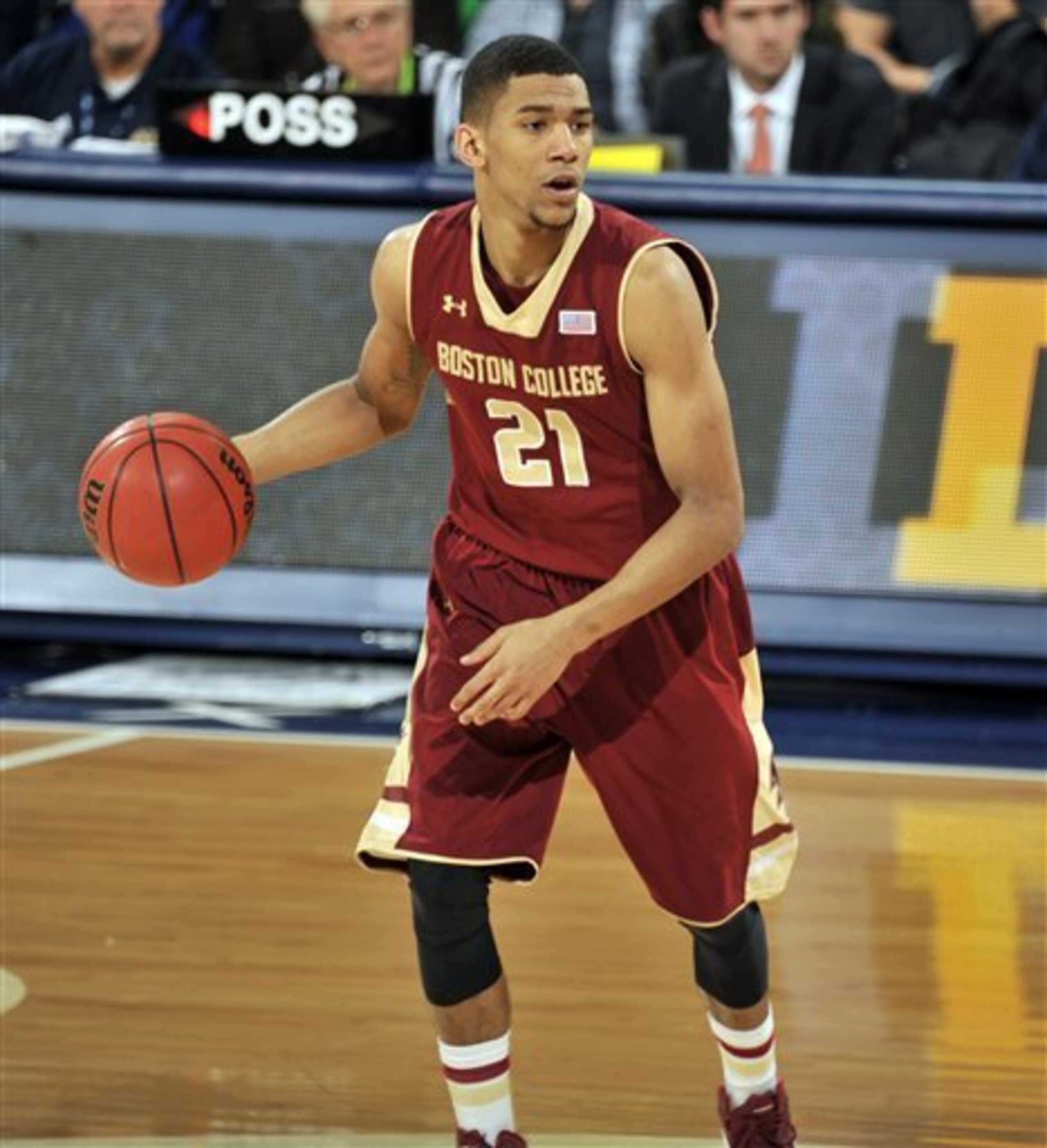
New head coach Jim Christian has his work cut out for him as he inherits an Eagles team that finished second-to-last in the ACC last year (8-24, 4-14 ACC).
The good news for him is that guard Olivier Hanlan, who was ranked as the 38th best player in the nation by ESPN, is back for his junior year. The bad news, however, is that BC will be without forward and post-threat Ryan Anderson (14.3 PPG, 7.3 RPG), a three-year starter who transferred at the conclusion of last season.
A change won’t happen overnight for BC, but Christian said the team has bought into his philosophy so far, and that’s all anyone can ask for at this moment.
13. Georgia Tech
3 of 15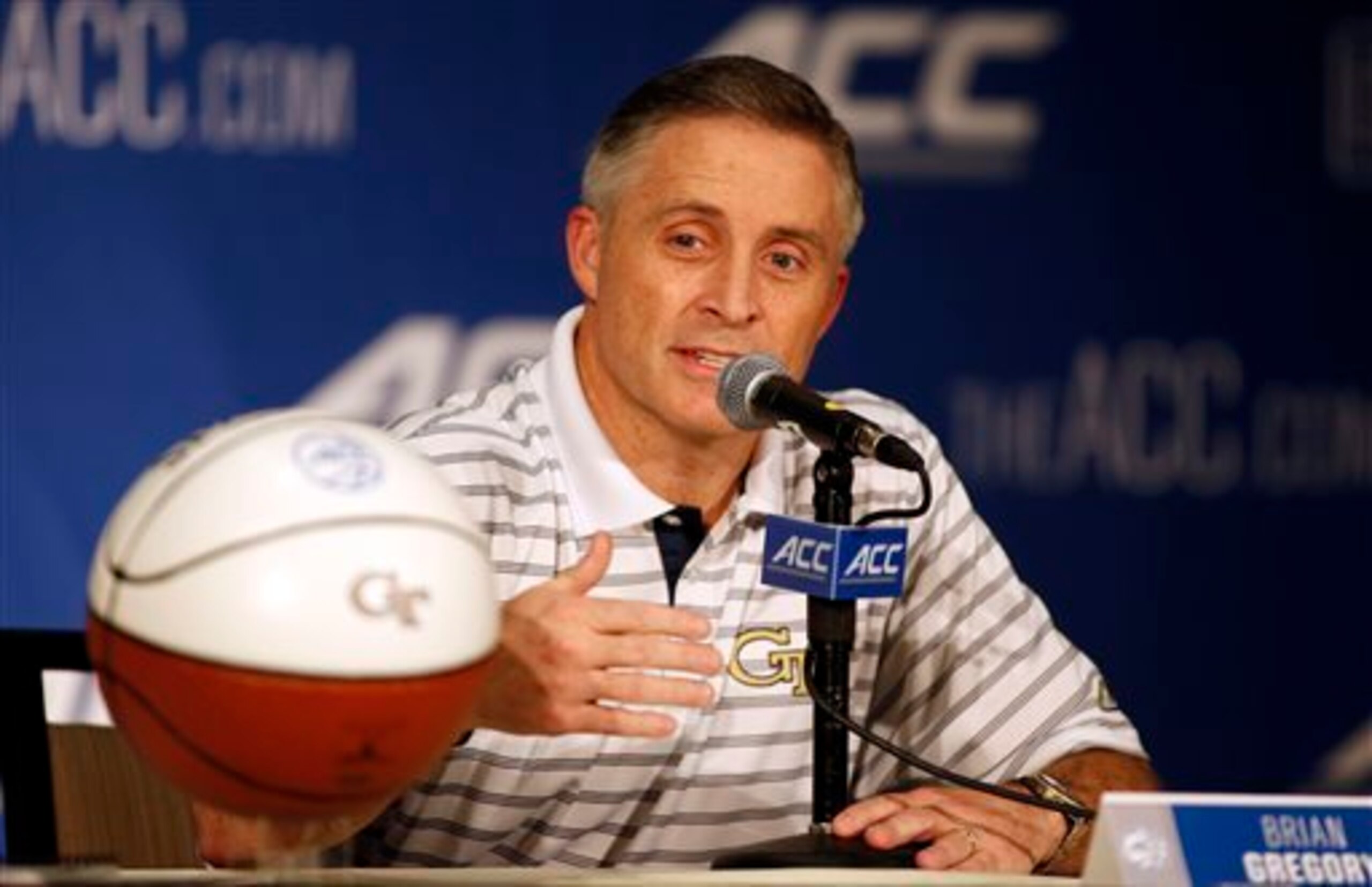
The Yellow Jackets are facing some key departures this season in Trae Golden (13.3 PPG), Robert Carter Jr. (11.4 PPG, 8.4 RPG) and Daniel Miller (10.9 PPG, 7.8 RPG), but head coach Brian Gregory hopes that Charles Mitchell and Demarco Cox (two transfers) can fill in the gaps.
During the Blue-Gold scrimmage game last week, Mitchell and Cox showed Gregory and Georgia Tech fans just what they can bring to the table.
Mitchell registered a double-double with 18 points and 11 rebounds, while Cox scored 25 points and grabbed nine rebounds.
While those are some obvious bright spots on the team, the Yellow Jackets do need their veterans—such as Marcus Georges-Hunt, Chris Bolden and Corey Heyward—to step up as well.
Otherwise, don’t expect Georgia Tech to be able to hang with the big boys of the conference.
.jpg?w=2560 "Chargers Mack")
.jpg?w=2560 "Green Bay Steelers Football")
12. Wake Forest
4 of 15
Wake Forest made a great hire by inserting Conference USA’s Coach of the Year, Danny Manning, as the new head coach of the Demon Deacons. But it could take some time for them to see the results that Manning put up while he was at Tulsa.
The juniors will be the focal point for the team this year, as Codi Miller-McIntyre (12.6 PPG) and Devin Thomas (11.1 PPG, 7.5 RPG)—two of the top scores from last season—are expected to lead the charge again.
However, finding support from the rest of the team could be somewhat of a challenge for Manning, as the Deacons feature zero other returning players who averaged more than five points or five rebounds per game last season.
Perhaps the future could be brighter for the Demon Deacons once Manning gets settled in, but for now, don’t expect them to be much of a threat in the ACC.
11. Clemson
5 of 15
Clemson fared surprisingly well last season (23-13, 10-8 ACC) with the influx of elite programs into the ACC. But the main reason for the Tigers’ success during that run was the play of K.J. McDaniels, who was eventually named to the All-ACC first team.
With McDaniels now in the NBA, head coach Brad Brownell is looking for a new leader for his team. He has all the returning players from last season to point to.
First in line would be senior Rod Hall, who averaged 9.7 PPG and 4.0 APG. But you can expect junior center Landry Nnoko (6.5 PPG, 6.2 RPG) to be inserted into that role as well.
Many questioned Clemson’s decision to offer Brownell a six-year extension during the offseason, but if the Tigers can put up a similar performance as to last season, then the money could be justified as well-spent.
10. Miami
6 of 15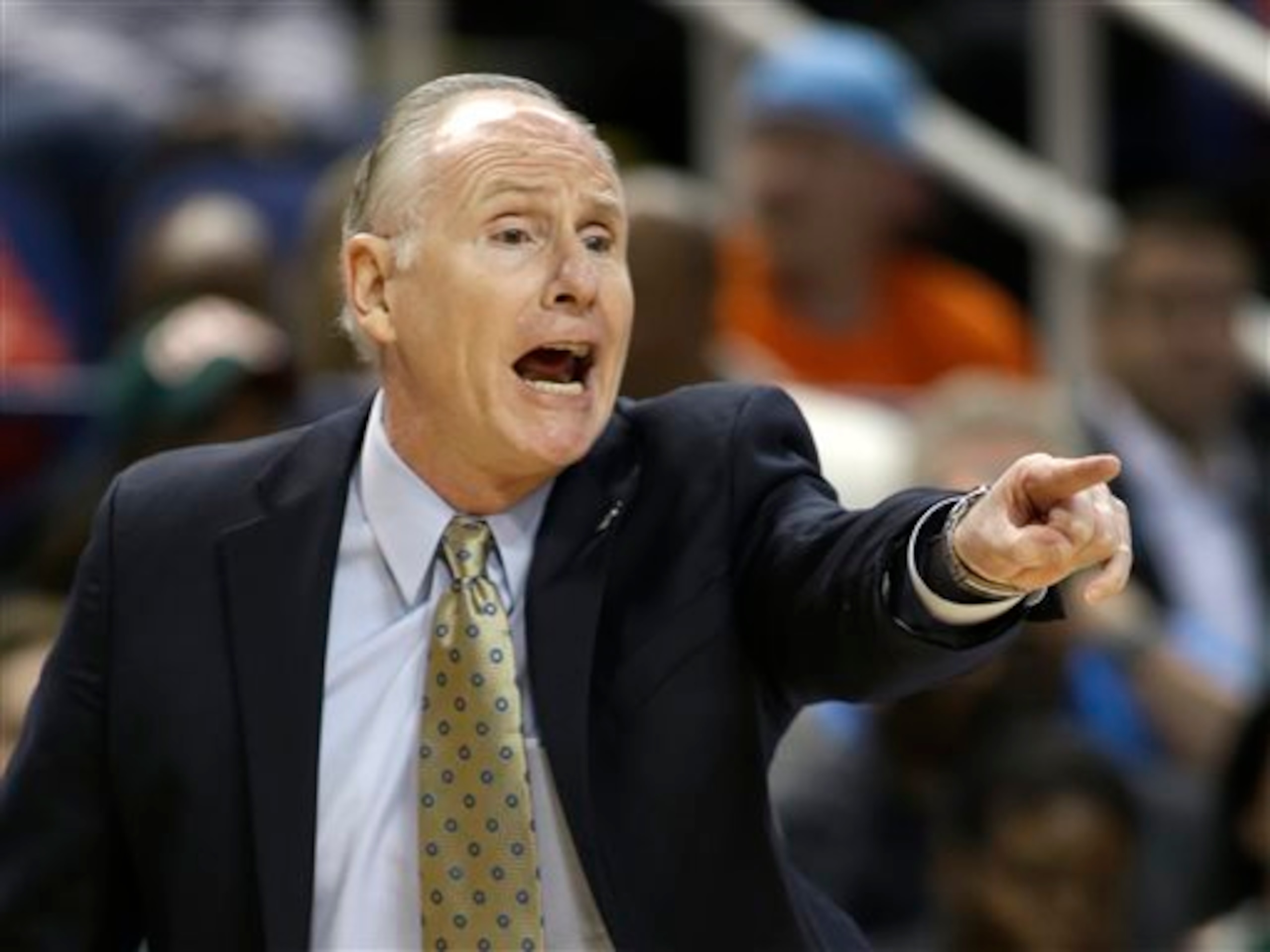
This will be a transition year for head coach Jim Larranaga and the Hurricanes, who are dealing with the departures of guards Rion Brown (15.5 PPG, 5.8 RPG) and Garrius Adams (10.2 PPG, 4.8 RPG)—two of their leading scorers from last season.
The Hurricanes will return only two players from last season (when they went 17-16 and 7-11 in the ACC). But a couple of transfers, named Angel Rodriguez and Sheldon McClellan, who sat out last season can, perhaps, ease that blow in the backcourt.
Rodriguez, who averaged 11.4 PPG and 5.2 APG for Kansas State in the 2012-13 season en route to an All-Big 12 honor, is on the watch list for the 2015 Bob Cousy award. McClellan posted 13.5 PPG and for Texas in 2012-13.
Look for Miami to finish the season in a fashion similar to last year, hovering around .500.
9. NC State
7 of 15
It’s safe to say that T.J. Warren single-handedly brought NC State into the NCAA tournament last season with his 24.8 PPG. But what happens when you take those numbers away?
That’s the question head coach Mark Gottfried needs to figure out for this season—but luckily for him, replacing his former star player may not be as difficult as it sounds.
Having a talented incoming class is the first way to solve that problem, as Abdul-Malik Abu, Caleb Martin and Cody Martin can easily become some of the key players for the Wolfpack this season.
Another option would be to turn to the transfer Trevor Lacey, who sat out last season after averaging 11.3 PPG, 3.8 RPG and 3.2 APG for Alabama the year before.
If all of these pieces can gel together, Gottfried has a chance to extend his NCAA tournament appearance streak to four seasons. If not, it’ll be mediocrity again for the Wolfpack in the ACC.
8. Notre Dame
8 of 15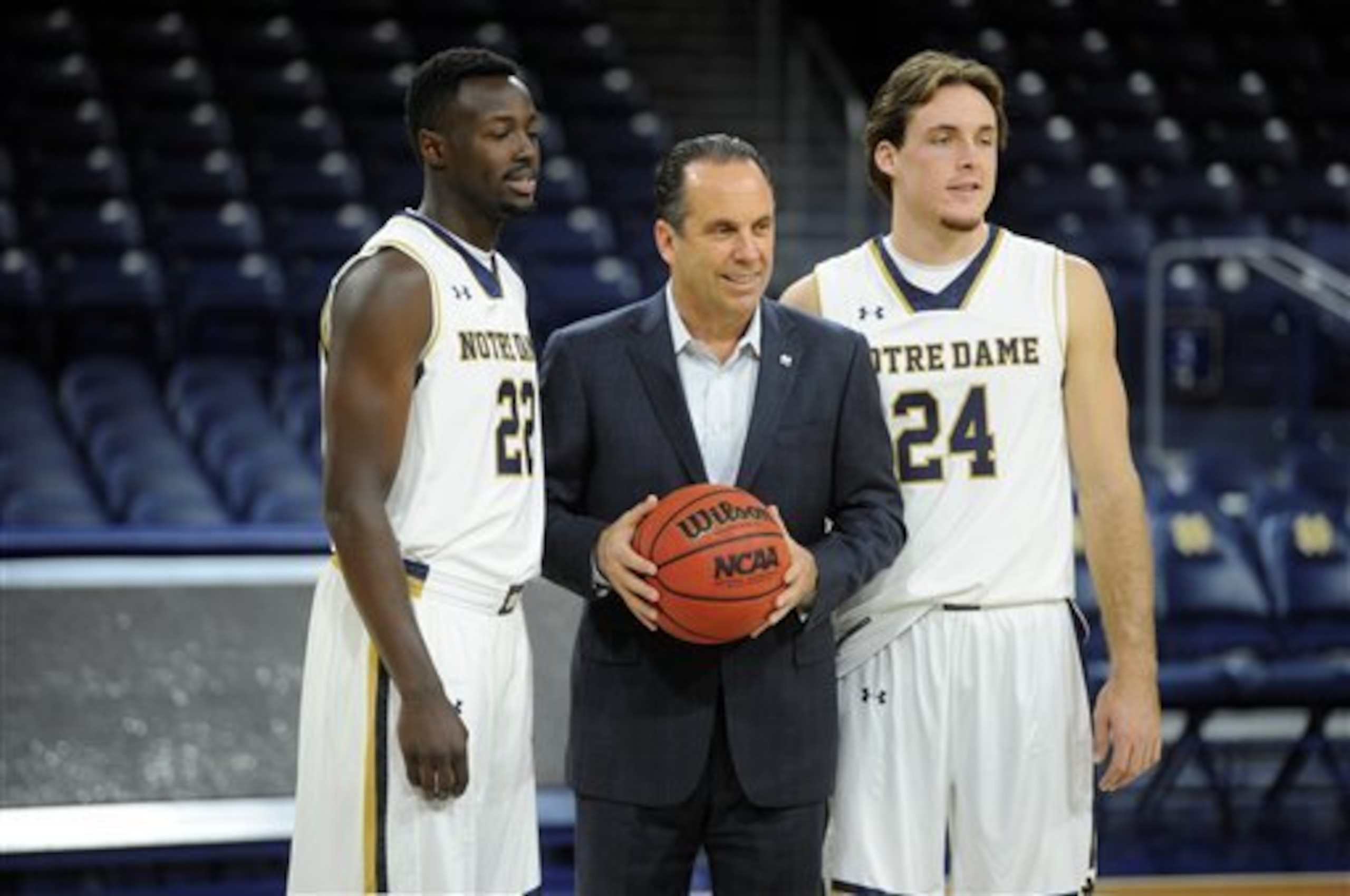
A 6-12 finish in the conference is by no means how Notre Dame envisioned its inaugural season in the ACC, but the team can point to the loss of Jerian Grant (due to academic suspension) as an excuse.
Well, Grant is back now and has been selected to the preseason All-ACC team. Meanwhile, the Irish are picked to finish seventh in the conference.
So, how can head coach Mike Brey make sure these selections will turn out to be accurate at the end of the season? Well, he can do it by finding a capable supporting cast to surround Grant.
Eric Atkins (13.9 PPG, 4.9 RPG) and Garrick Sherman (13.5 PPG, 7.3 RPG) are gone, but senior Pat Connaughton (who averaged 13.8 PPG and 7.1 RPG last season) can be considered as a legitimate No. 2 option on offense.
The problem however, is that two options are not enough to contend in the ACC. So, unless anyone else can step up for the Irish, a middle finish sounds about right for them this season.
7. Florida State
9 of 15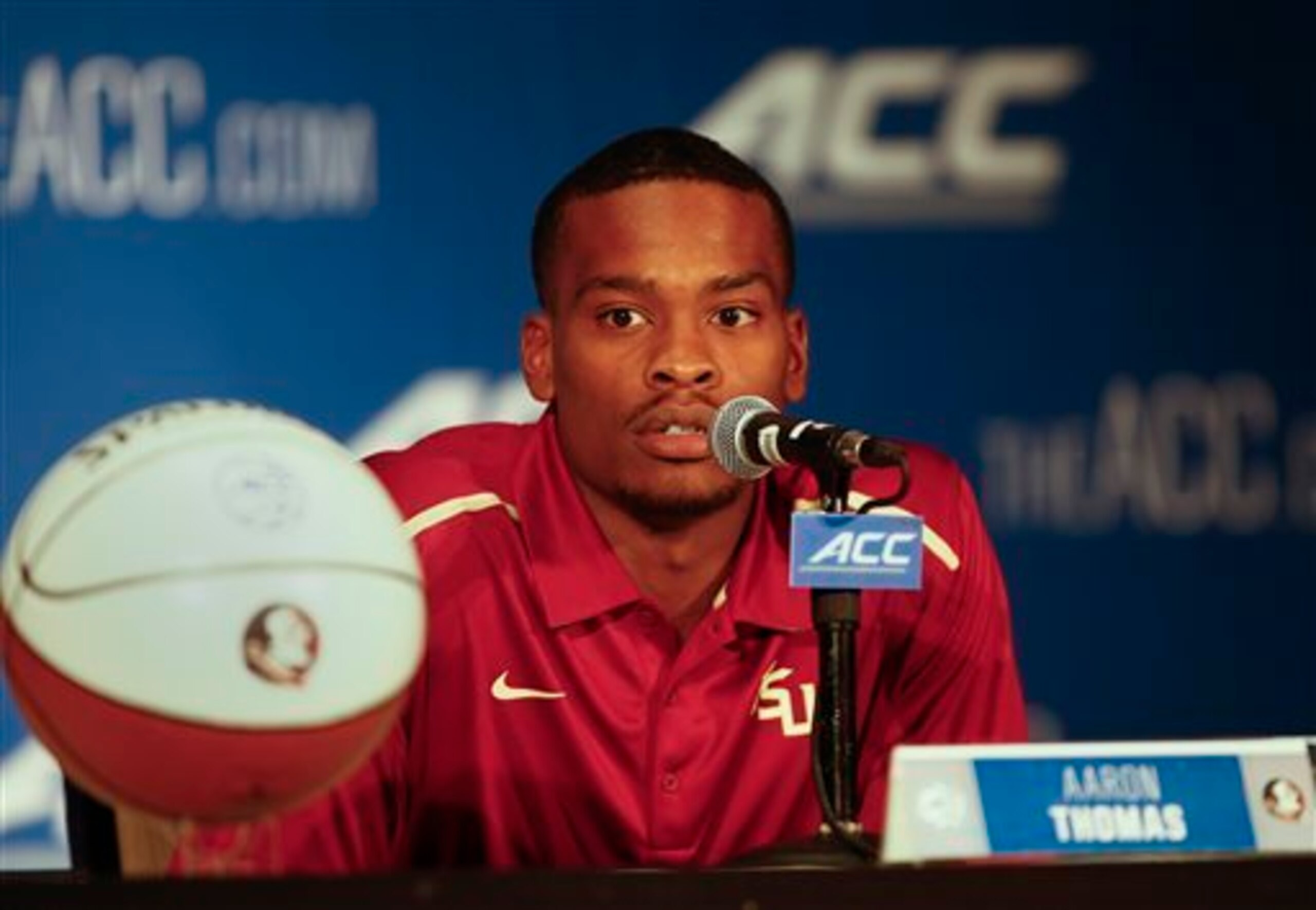
The Seminoles will miss a pair of 13 PPG-players in Okaro White and Ian Miller, but they will also see juniors Aaron Thomas (14.5 PPG, 4.2 RPG), Devon Bookert (8.5 PPG, 43.1 percent from three-point range) and Montay Brandon (7.7 PPG, 4.9 RPG) return to the court.
That trio of guards gives head coach Leonard Hamilton more than enough to compete in the ACC, but the true strength in Florida State perhaps lies in its size.
With three seven-footers and all but one player standing above 6’3”, the Seminoles will be one of the better defensive teams in the conference and will have the potential to be a good rebounding team as well.
Florida State has one of the better upsides among the teams in the ACC, but it’s just a matter of if it can reach its full potential or not. As of now, this team is most likely going to be hanging around the middle of the pack in the conference.
6. Pittsburgh
10 of 15
For the Panthers, the obvious challenges this season will be how they can deal with the losses of Lamar Patterson (17.1 PPG, 4.9 RPG) and Talib Zanna (13.0 PPG, 8.6 RPG). However, Jamie Dixon does not lack the talent to replace them this season, as he has a healthy Durand Johnson and a more experienced roster.
The Panthers will also have three returning starters in Cameron Wright, James Robinson and Michael Young, and the time they have already spent playing together can serve as an advantage in an ACC conference that features many teams going through transition periods or showcasing fresh talents.
Expect the Panthers to suffer a slight drop from last year’s performance, but, nevertheless, remain in the top half of the conference.
5. Syracuse
11 of 15
It hasn’t always been the case for Syracuse, but with the program’s success as of late, the Orange are becoming a revolving door for young talents (like many other elite programs in college basketball).
Jim Boeheim has to deal with the losses of C.J. Fair (16.5 PPG, 6.4 RPG), Tyler Ennis (12.9 PPG, 5.5 APG) and Jerami Grant (12.1 PPG, 6.8 RPG) this season, but he will also welcome a couple of new faces in Chris McCullough and Kaleb Joseph.
The drop in talent will be inevitable, but Boeheim has always been capable of working with what he has. The role players will still be there in Trevor Cooney and Rakeem Christmas, while the zone defense will still be as stymieing as ever. So the main concern for the Orange this season will be how they can get their offense.
Last year’s team can be considered (somewhat) overachievers, so a drop in the conference can be expected for Syracuse this year.
4. Virginia
12 of 15
The Cavaliers caught everyone by surprise last season when they took home both of the ACC crowns. However, don’t expect that to be the same case again this year, now that they are on everyone’s radar.
The key losses for head coach Tony Bennett are Joe Harris (12.0 PPG) and Akil Mitchell (6.8 PPG, 7.0 RPG). However, he did manage to hold onto a couple of important pieces from last year’s team in Malcolm Brogdon and London Perrantes.
Brogdon was named to the preseason All-ACC team, while Perrantes will provide valuable experience along with the likes of Anthony Gill and Justin Anderson from a team that went to the Sweet 16 last season.
The defense will be the bread and butter for the Cavaliers again this year—and as long as they can keep the game within reach, don’t count them out of any contest.
Virginia is likely to be an ACC contender again this year, but it just doesn’t seem to have enough talent when it is compared to the likes of Duke, UNC and Louisville.
3. Louisville
13 of 15
As if the scene in the ACC wasn’t chaotic enough to begin with, here comes Louisville to crash the party.
The Cardinals ran the table in the subpar American Athletic Conference last season by sweeping both titles. However, the team has always been made to compete in the ACC, and it will begin that journey this season.
Of course, Rick Pitino will be without two of his most valuable players (Russ Smith and Luke Hancock) from that 2012-13 title run, but Montrezl Harrell is back for his junior year. A matured sophomore class with Chris Jones and Terry Rozier is expected to improve as well.
Finally, add in an experienced Wayne Blackshear and a load of talent in the freshmen class to provide depth and Louisville is as good a team as any other in the country.
The difference-maker for the Cardinals' hopes of winning and contending the ACC could be how well they handle the tough conference schedule for the first time. So, for now, give the edge to Duke and UNC for their experience in the ACC.
2. North Carolina
14 of 15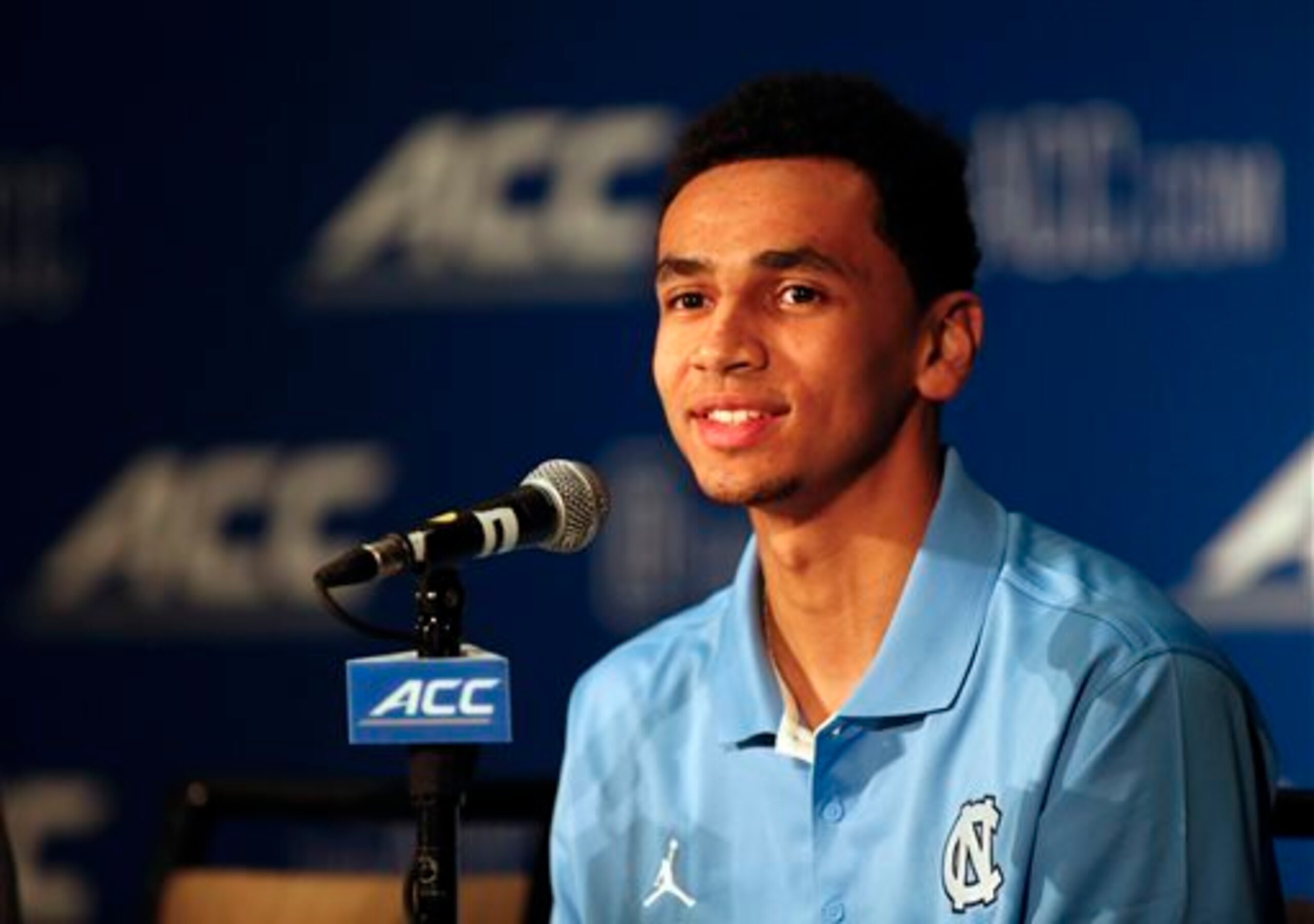
When you have one of the best players in the country in Marcus Paige, you are in a pretty good position to win a lot of games.
Paige is a preseason All-American (and is likely to remain one by the end of the season), so the only concern is about how head coach Roy Williams will play him.
But to be quite honest, it won’t really matter. Paige will be UNC’s best player, no matter where he is situated.
What Williams really needs to figure out is how to provide Paige with the support he needs in order to turn UNC into a title contender again. Luckily for him, his loaded freshman class of Justin Jackson, Joel Berry and Theo Pinson can give him plenty of answers.
Add in a matured and improved frontcourt anchored by Brice Johnson and Kennedy Meeks and UNC has one of, if not the most well-rounded roster in the country.
It’s quite a toss-up between UNC and Duke as to which school will finish atop the ACC, but the Tar Heels fall slightly short of the Blue Devils in the overall talent area.
1. Duke
15 of 15
When you bring in a new class of talents like Coach K did this past year, it’s hard to pick against the Blue Devils as the early favorites in the ACC.
However, winning the ACC won’t be done on paper, as UNC and Louisville will give Duke a good run for its money. But with Jahlil Okafor, Tyus Jones and Justise Winslow at Coach K’s disposal, I do like the Blue Devils’ chances every time they take the court.
Add in a good mix of veterans, like Quinn Cook and Rasheed Sulaimon, and it’s almost a perfect recipe for success.
The ACC is undoubtedly the most competitive conference in college basketball, but Duke is most likely to reign supreme because of its talents and Coach K’s leadership.
.jpg?w=2560 "Top NFL Trade Targets")