
Brazilian Grand Prix 2014: 10 Key Facts About Interlagos Circuit
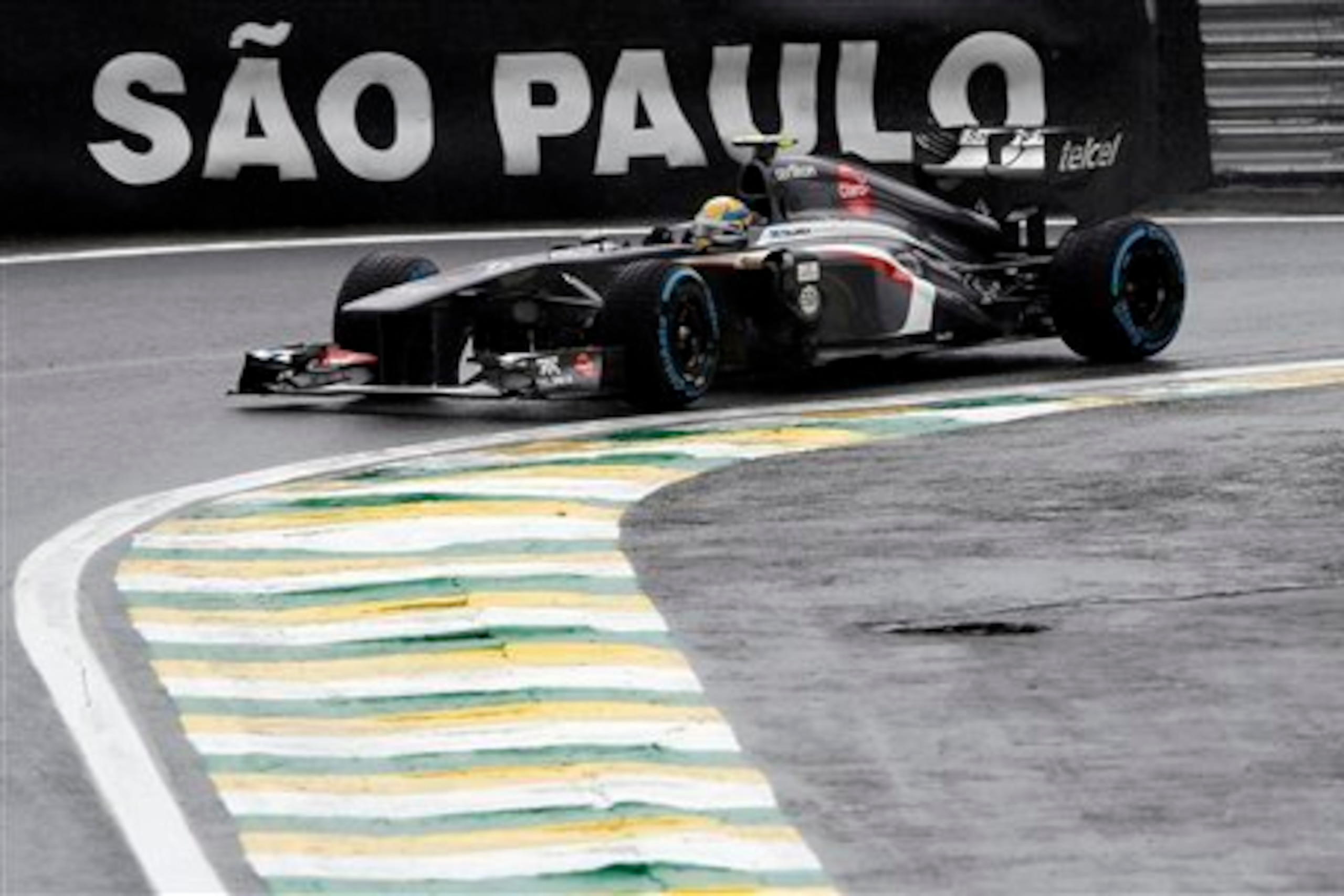
The 2014 Brazilian Grand Prix will be the 32nd time the Formula One world championship visits the Autodromo Jose Carlos Pace—better known as Interlagos—in Sao Paulo.
Mercedes has already won the constructors' championship and one of their drivers will win the drivers' title—but which one?
The second-last race of the season will not decide the championship, but it does provide an opportunity for Lewis Hamilton to extend his lead or for Nico Rosberg to grab some momentum heading into the final race in Abu Dhabi. Either way, it should be exciting.
To help get you ready for the race, here are 10 key facts about Interla...er...Autodromo Jose Carlos Pace.
What's in a Name?
1 of 10First, let's sort out this name issue. Pretty much everybody calls the circuit Interlagos, the original name and a reference to the surrounding neighbourhood which lies between two of Sao Paulo's reservoirs.
Even the circuit's own website has the name Interlagos above Jose Carlos Pace's. The name, like that of the famous Swiss resort town Interlaken, means "between the lakes."
And what about Jose Carlos Pace? He was an F1 driver from Sao Paulo, who started 72 races between 1972 and 1977. He won one race—the 1975 Brazilian Grand Prix at the circuit that now bears his name.
Pace was killed in a plane crash in 1977, two weeks before the U.S. Grand Prix West, and the Sao Paulo circuit was later renamed in his honour.
Race Distance and Fastest Lap
2 of 10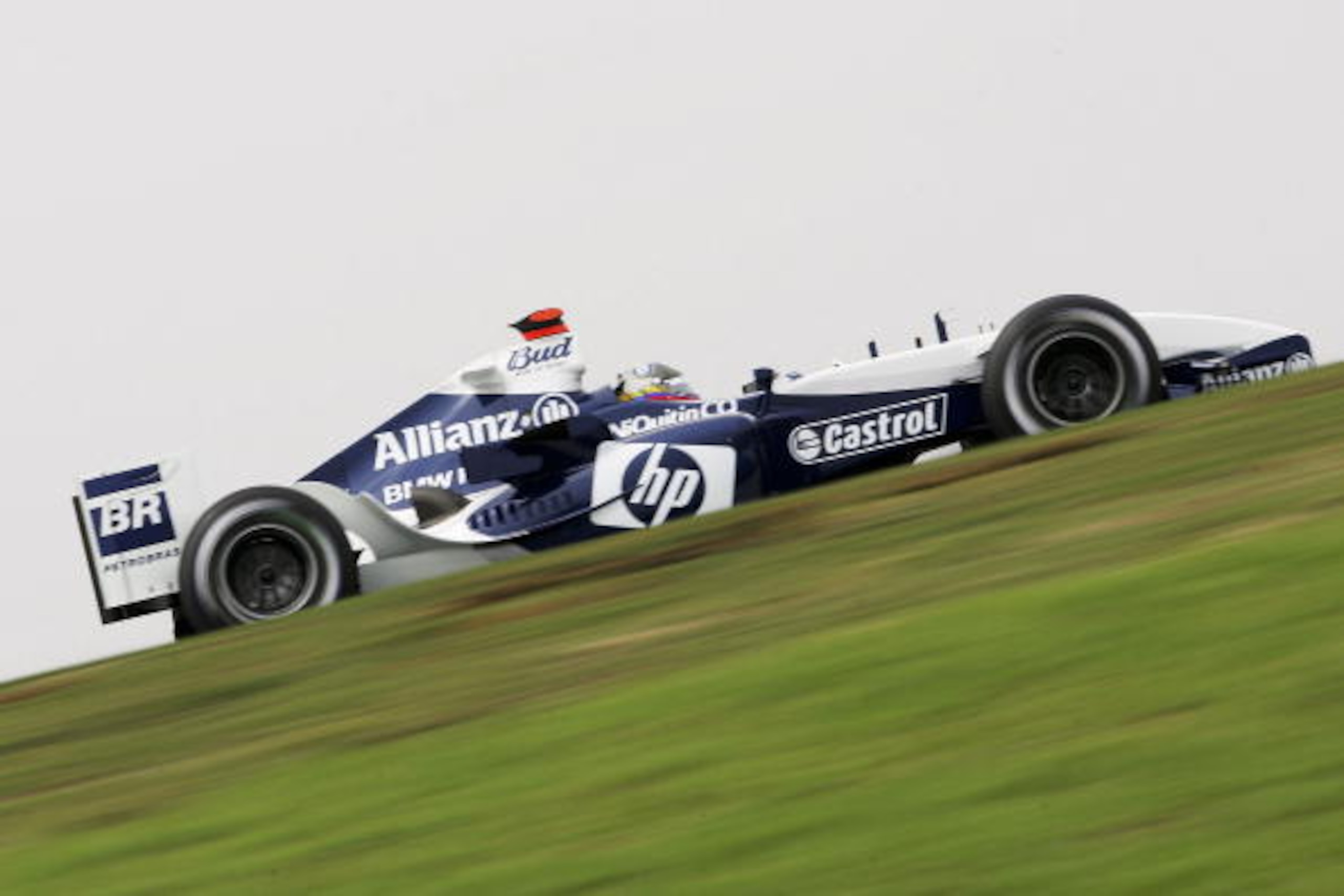
The race this weekend will consist of 71 laps of the Interlagos circuit, for a total of 305.909 kilometres, per the official F1 website.
The lap record of 1 minute 11.473 seconds, which should not be in danger on Sunday, was set by Juan Pablo Montoya in 2004—his first of back-to-back victories in Brazil.
Counterclockwise
3 of 10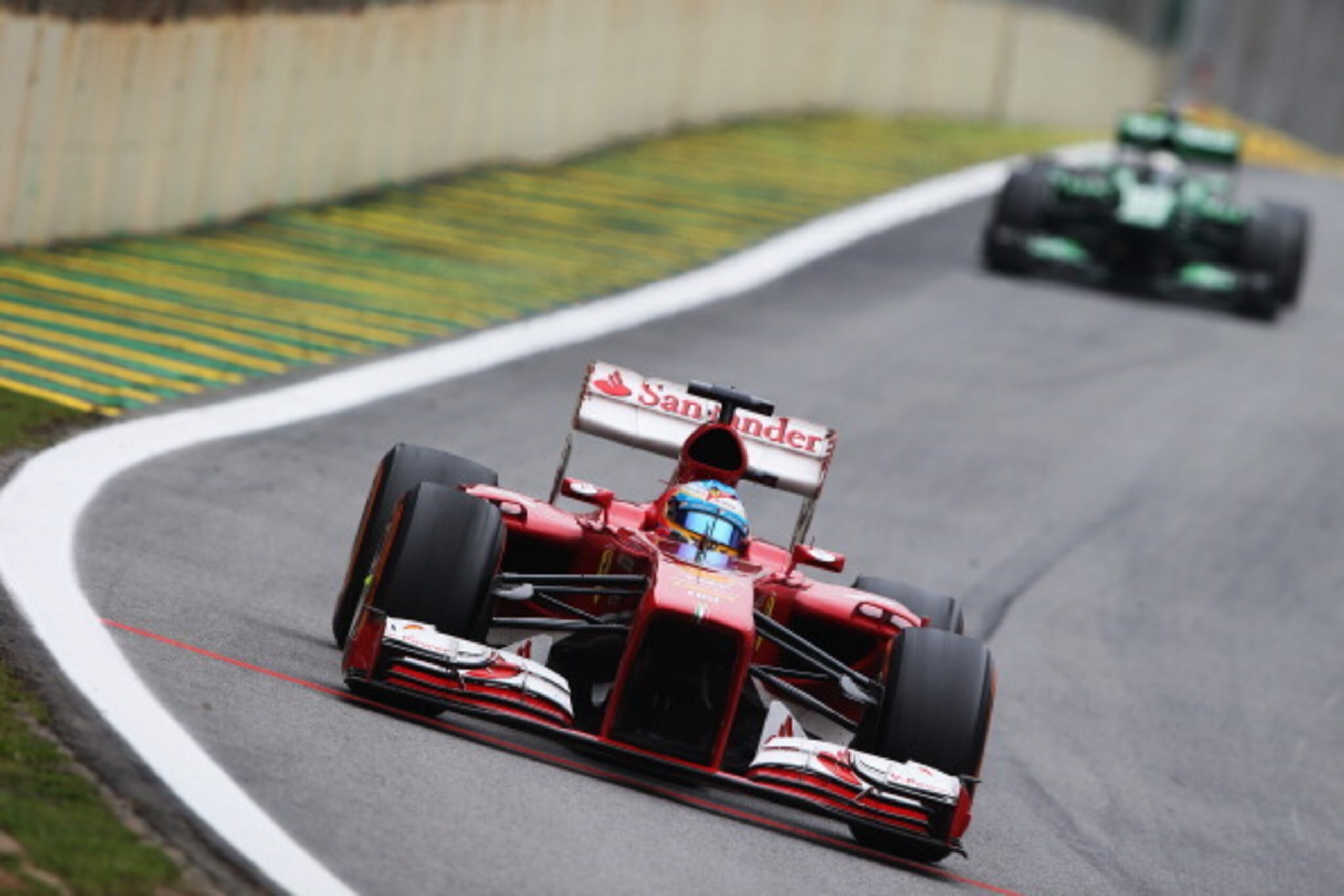
Counterclockwise circuits used to be something of a rarity. Interlagos, Imola and Kyalami are the only counterclockwise circuits to host more than 10 grands prix (the old Jacarepagua circuit in Rio de Janeiro hosted 10).
Many new Hermann Tilke-designed circuits, though, have taken what was once a fun anomaly and made it a standard part of the calendar. On this year's schedule, the Marina Bay Street Circuit in Singapore, Circuit of the Americas in Austin and Yas Marina Circuit in Abu Dhabi are all counterclockwise, as are other Tilke creations Korea International and Istanbul Park, which have recently dropped off the calendar.
.jpg?w=2560 "Chargers Mack")
.jpg?w=2560 "Green Bay Steelers Football")
Most Successful Drivers
4 of 10
The most successful driver at Interlagos is (unsurprisingly) Michael Schumacher. The German won four times at the circuit, in 1994, 1995, 2000 and 2002.
Alain Prost actually has more Brazilian Grand Prix victories—six—but five of them came at the Jacarepagua circuit in Rio de Janeiro, which hosted the race in 1978 and from 1981 to 1989.
No other driver has more than two wins at Interlagos.
Most Successful Teams
5 of 10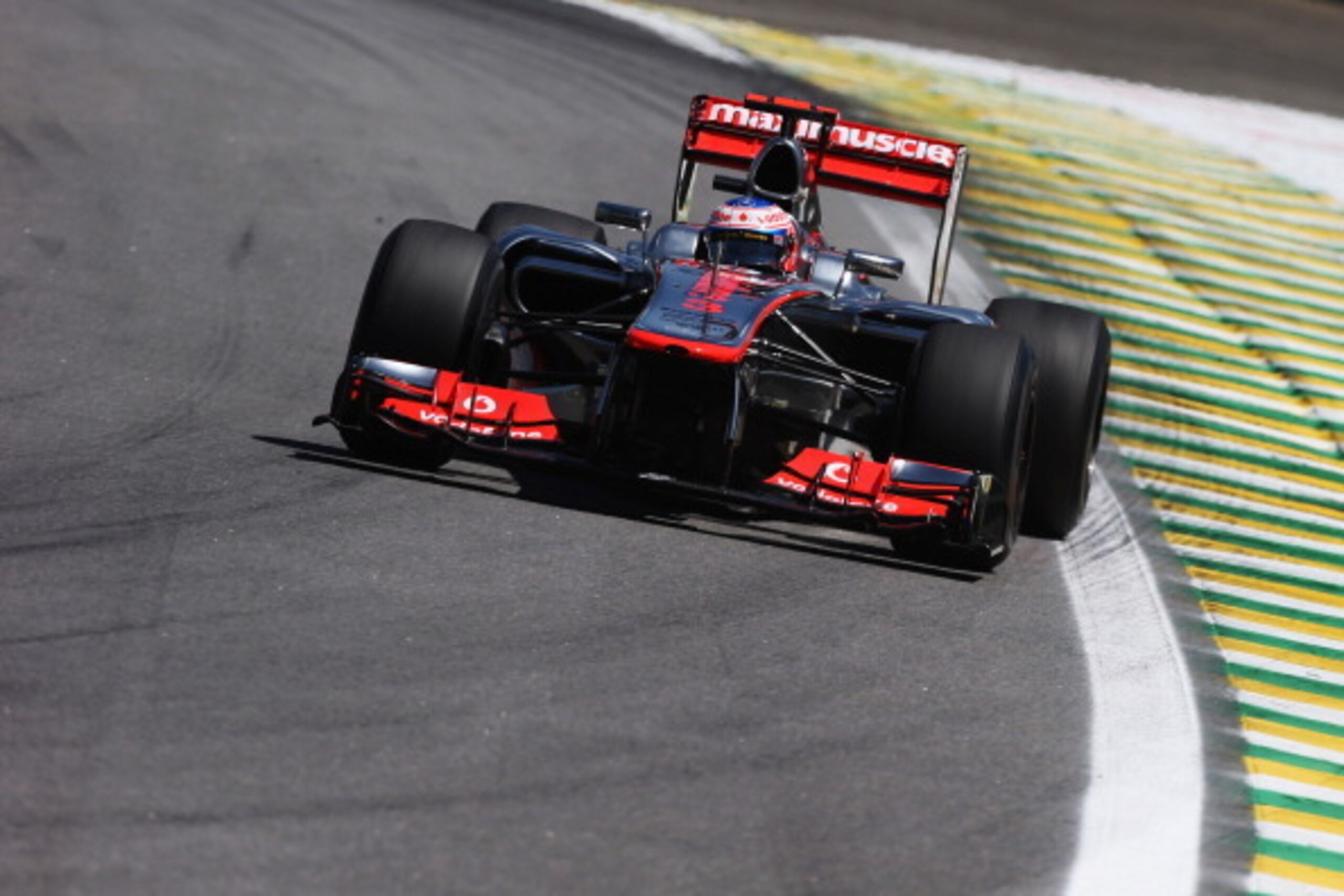
McLaren and Ferrari both have eight victories at the Sao Paulo track with McLaren's Jenson Button the only non-Red Bull winner in the last five races. Ferrari has not won in Brazil since 2008, when Felipe Massa won the race but lost the championship to Lewis Hamilton on the last lap.
Williams and Red Bull are next, with four wins apiece. Aside from Button's 2012 victory, Sebastian Vettel and Mark Webber have each won two of the last five Brazilian races for Red Bull.
Mercedes have never won in Brazil, so this year could be their first.
Home Winners
6 of 10
Four different Brazilian drivers have won grands prix at Interlagos. Pace has already been mentioned, but Emerson Fittipaldi, Ayrton Senna and Felipe Massa each won twice at the circuit.
Senna's victory in 1991—his first at home—is particularly noteworthy. A failing gearbox late in the race left him stuck in sixth gear, per the BBC's Lee McKenzie. By the end of the race, Senna was so exhausted that he was pulled from his car, barely able to stand, despite the thunderous cheers of the Brazilian fans.
Nelson Piquet also won two Brazilian Grands Prix, but they were both in Rio.
Short and Fast
7 of 10The Interlagos circuit is just 4.309 kilometres long. Among current F1 circuits, only Monaco is shorter, but the Brazilian track is much faster than the narrow streets of Monaco. Sebastian Vettel averaged 198.202 kph in his 2013 victory. By comparison, Nico Rosberg averaged 113.378 kph to win in Monaco last season.
Interlagos used to be much longer, though. Until 1980, it was nearly eight kilometres in length. When the race returned from Rio de Janeiro in 1990, the circuit was shortened to its present length.
The Importance of Qualifying
8 of 10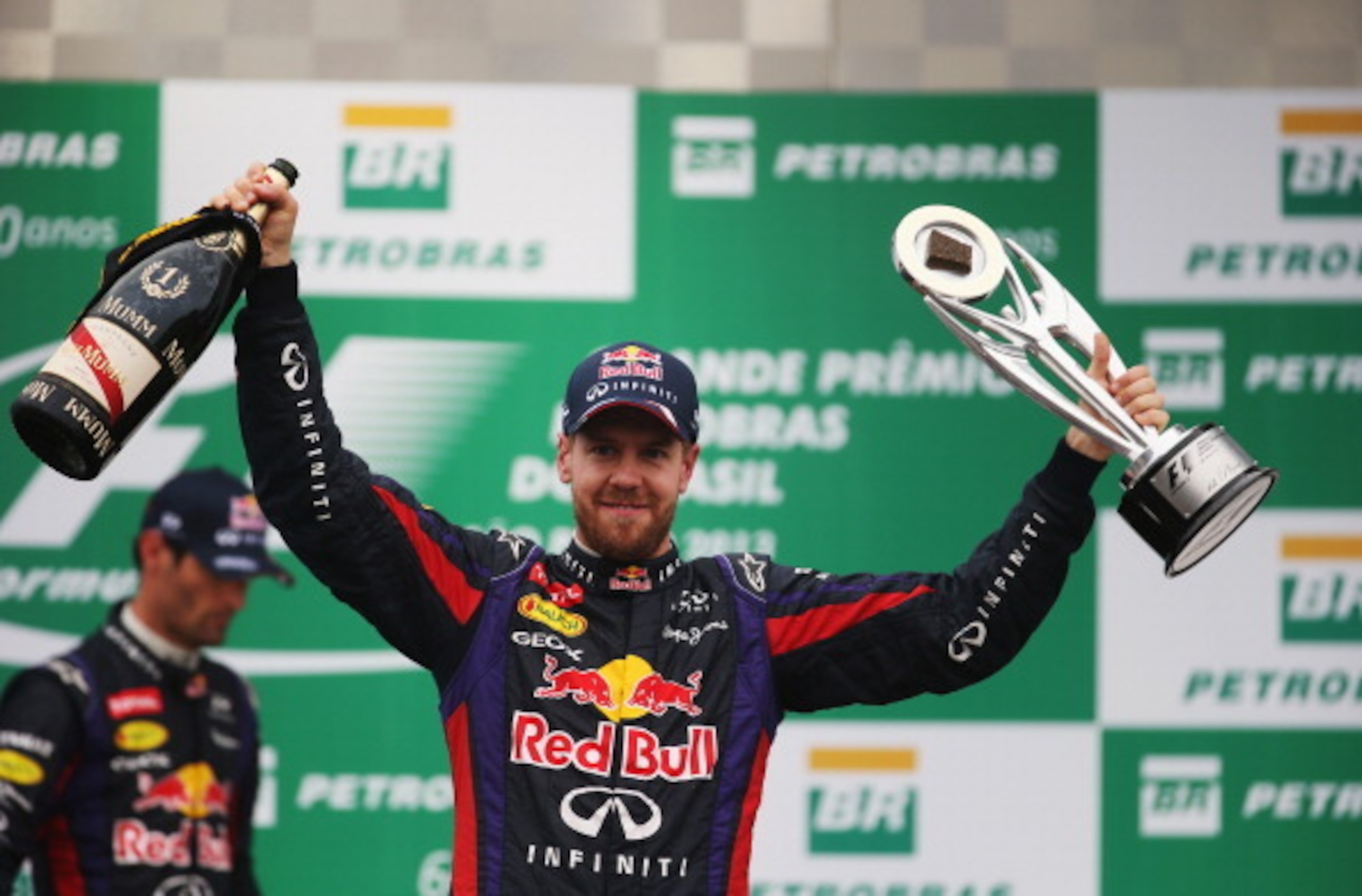
Qualifying on pole is not essential at Interlagos, where there are several opportunities to pass. Only three of the last 10 winners started from the front of the grid.
At the same time, no one has won from further back than third on the grid in the last 10 years.
Weather
9 of 10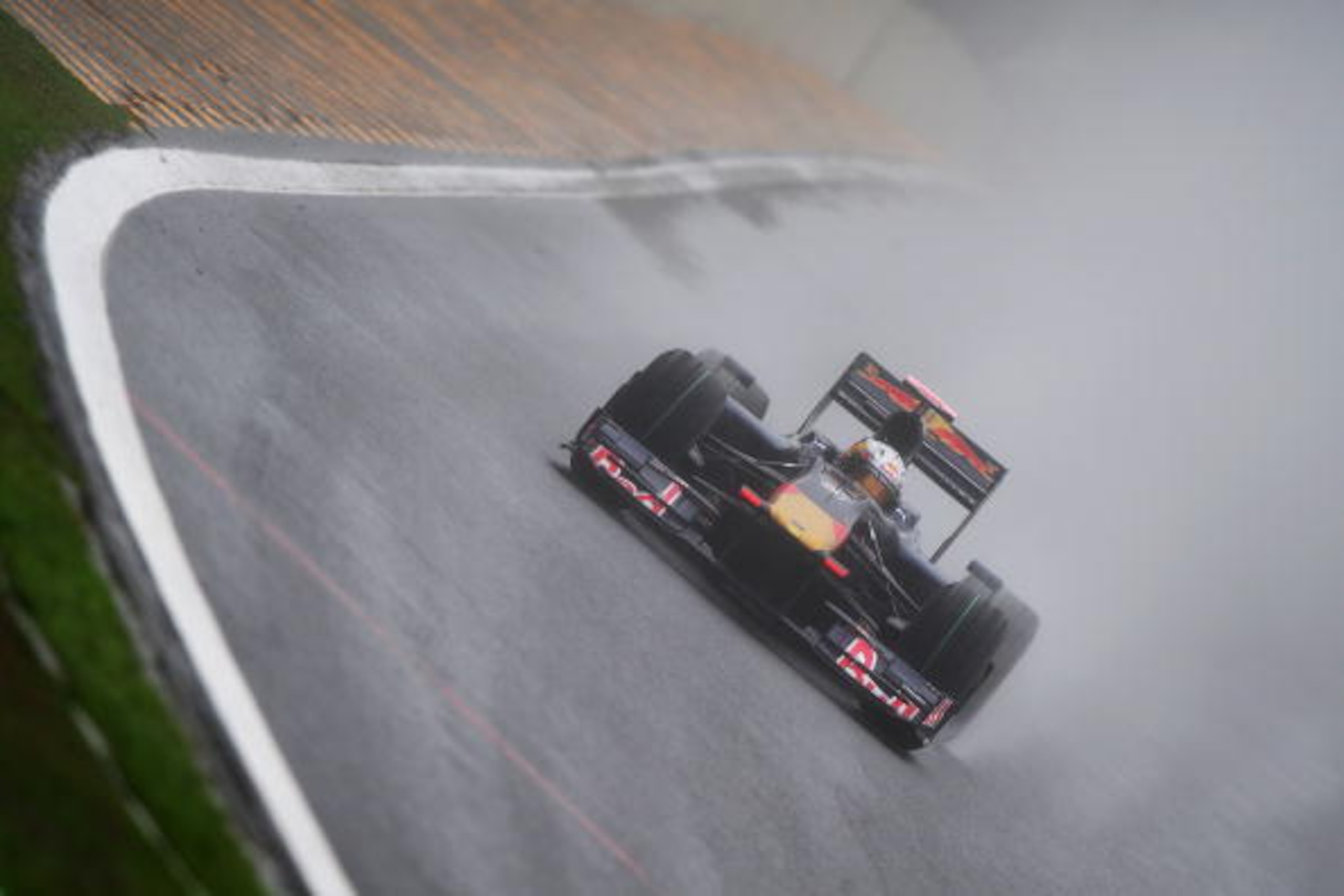
The Interlagos track is notorious for its changeable conditions. In 2003, for example, a downpour caused havoc as water running across the track claimed several cars, including reigning world champion Michael Schumacher.
Before the 2001 race, Sao Paulo native Rubens Barrichello famously said he would rely on his grandmother to predict the weather for him. According to Crash.net, he said, "A lot of factors have to be taken into account, from how practice goes on Friday and Saturday to the best set-up choice, and to what my Granny Isaura predicts for the weather. I trust her much more than the weather forecast, as she lives here!"
The current BBC forecast shows a chance of rain for all three days in Sao Paulo this weekend.
All Alone in South America
10 of 10
South America has produced several great drivers, from Juan Manuel Fangio to Emerson Fittipaldi to Ayrton Senna and beyond. However, since the demise of the Argentine Grand Prix after the 1998 season, Interlagos has been the sole venue for F1 on the continent.
There has been talk of Argentina making a return to the calendar, but F1 CEO Bernie Ecclestone has said, per the Financial Times' Robert Orr, "We are always open to doing something with Argentina. When we meet some serious people, it will happen."
Until that time comes—if it ever does—the Brazilian Grand Prix remains the lone South American race.
Follow me on Twitter for updates when I publish a new article and for other (mostly) F1-related news and banter:


.jpg?w=2560 "MHJ's Potential Trade Value 📉")