5 Stats That Should Make the Pittsburgh Penguins Worried Moving Forward
With an impressive record of 8-2-1 so far in the 2014-15 regular season, the Pittsburgh Penguins are once again in first place in the Metropolitan Division and near the top of seemingly every power rankings list.
However, there are always areas of concern that must be addressed. As the Pens continue to adapt to head coach Mike Johnston's system, it will be important to ensure that uncorrected flaws early in the season don't lead to failures in the postseason.
As the Pens continue their march through the busiest month of the season—with 16 games in the 30 days of November—let's take a look at five stats that need to be addressed moving forward.
Blocked Shots
1 of 5
With the organization's new emphasis on Corsi percentage stats, which measure shot differential for each player when they are on the ice, you would think that the Penguins would be among the league leaders in blocked shots. But it hasn't turned out that way this season.
After finishing in the middle of the pack last season, the Pens are 24th out of 30 teams in blocked shots so far, despite allowing almost the exact same number of shots per game this season (28.5) as last season (28.8).
Although the Pens are allowing fewer goals per game (2.09) than last season (2.49), they must be able to keep teams from getting pucks to the front of the net at the rate that they have been able to so far if they hope to make a deep run in the playoffs.
Takeaways
2 of 5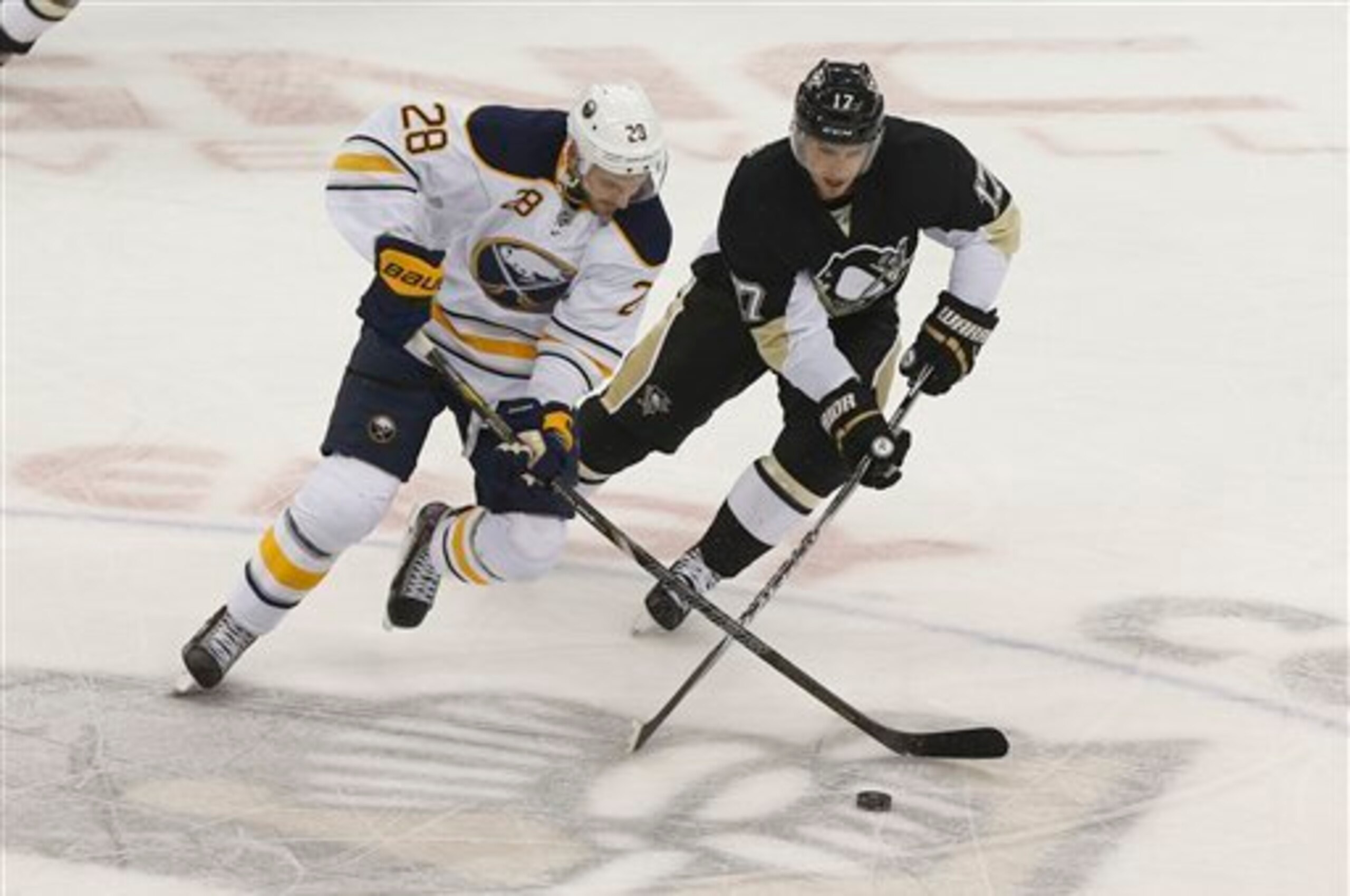
As the name implies, a puck-possession system is designed to minimize giveaways and maximize takeaways. While the Penguins have been successful at the first part, they have not been as successful at the second.
Blessed with a wealth of mobile defensemen and the best group of centers in the NHL, the Pens have the fourth fewest giveaways in the league with 60. However, they have just 72 takeaways, which puts them in the bottom third of the league.
Having struggled with turnovers against the Columbus Blue Jackets and the New York Rangers in the playoffs, the Pens know all too well they need to win the turnover battle.
If they are going to get back to being a Stanley Cup contender, they will need to find a way to force more turnovers and turn them into scoring chances.
Penalty Minutes
3 of 5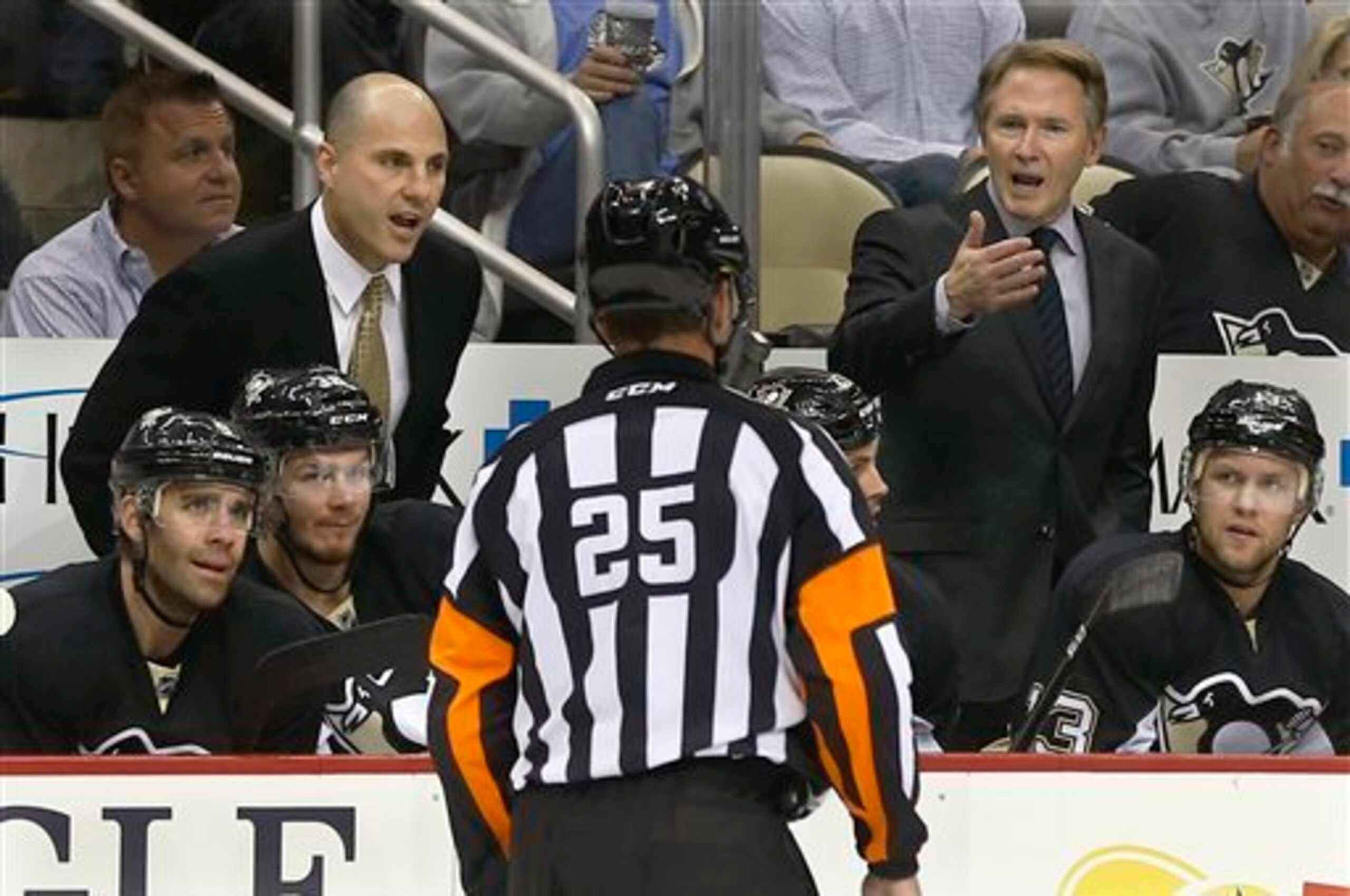
While general manager Jim Rutherford accomplished his stated goal of making the Penguins a grittier and more physical team, it seems as though they haven't found a away to avoid taking unnecessary and inopportune penalties.
So far this season, the Pens have averaged 12.8 penalty minutes per game (10th most in the league), and they are second in the league in most penalties taken in the third period with 17.
While some of those have occurred in games that were out of reach, the Pens must find a way to spend more time on the power play and less on the penalty kill, which is something they were unable to do in the postseason against the Blue Jackets and Rangers.


Shots Taken
4 of 5
Under Dan Bylsma, the Penguins were often accused of passing up good shooting opportunities in order to look for the perfect one. As a result, they were often outshot by their opponents, especially bigger and more physical teams like the Boston Bruins and Rangers.
This year, the Pens have emphasized getting the puck to the net. Still, they have only managed a small uptick in their average shots per game from 29.9 to 30.5, and they have been outshot in four of their last seven games.
Having been outshot in two of their three losses this season, it's important that the Pens remain focused on keeping it simple instead of reverting to their old habits of over-passing and relying solely on the quality of scoring chances instead of the quantity to win games.
Winning Percentage When Scoring First
5 of 5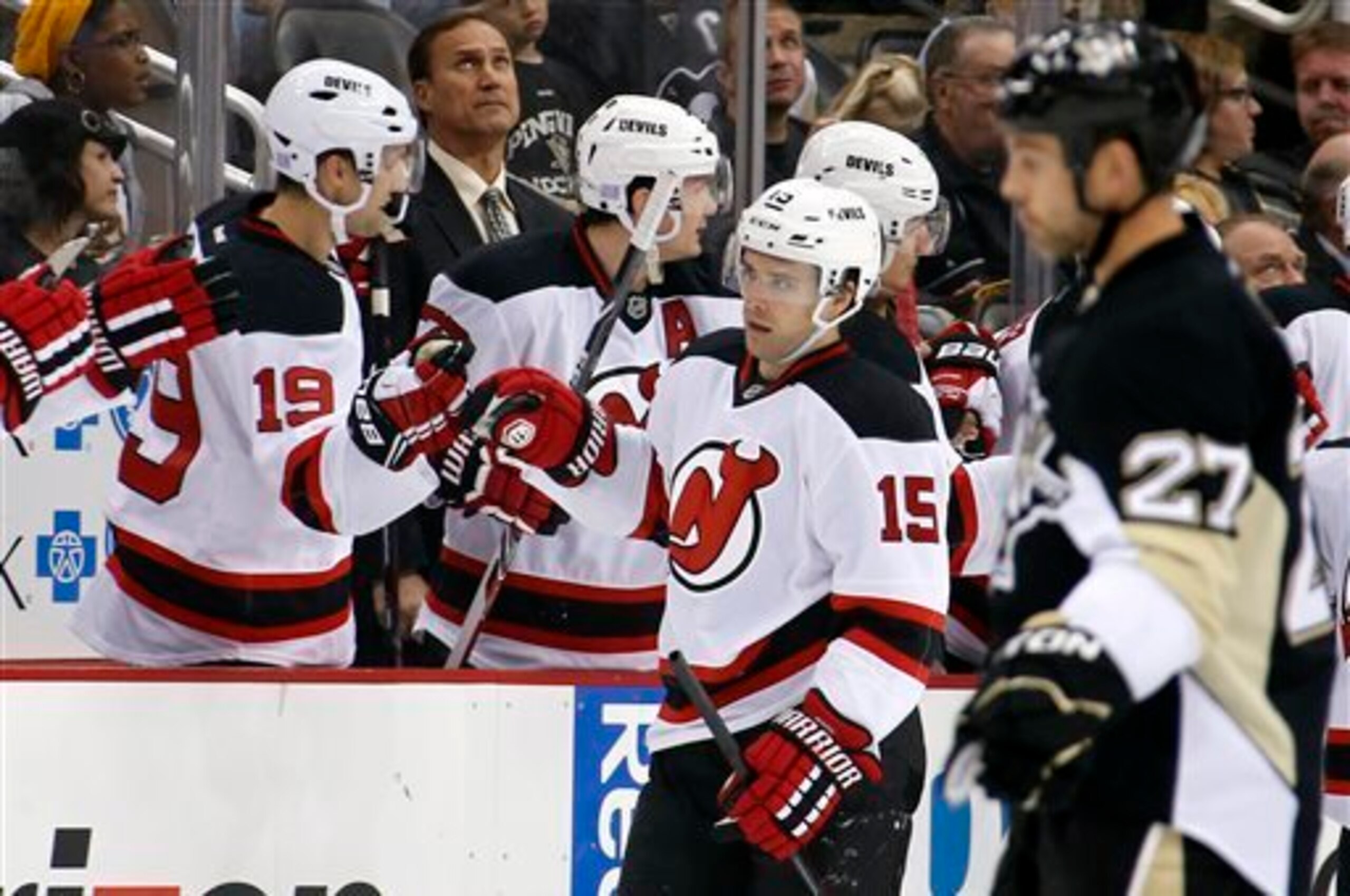
While the 2013-14 Penguins had their flaws, one area that they excelled in was their ability to turn an early lead into a win. That's something that this year's team hasn't mastered yet.
So far this season, the Pens are in the middle of the pack with a .667 winning percentage when scoring first. This comes after posting a league-leading .841 winning percentage when scoring first last season.
While the Pens remain the highest scoring team in the league with a 4.09 goals-per-game average, they have to do a better job of playing with a lead—something they failed to do in all three of their losses so far this season.


.jpg?w=2560 "Every Trade's Best Trade Asset 🔁")
.jpg?w=2560 "Insiders: Cowboys Overpaid for Porter")
.jpg?w=2560 "Top NFL Trade Targets")