Roy Keane's new autobiography, titled The Second Half, is crammed with potentially controversial tidbits from the Premier League great's career.
Some of the most interesting passages centre on Manchester United managers of times gone by, as Sir Alex Ferguson and David Moyes enter the firing line of a man whose bite is as fearsome as his beard.
While these topics were expected to be covered, details of a player having a heart-attack during his time with Sunderland ranks among the more shocking revelations, especially as Keane admits to being "glad" about the situation that unfolded.


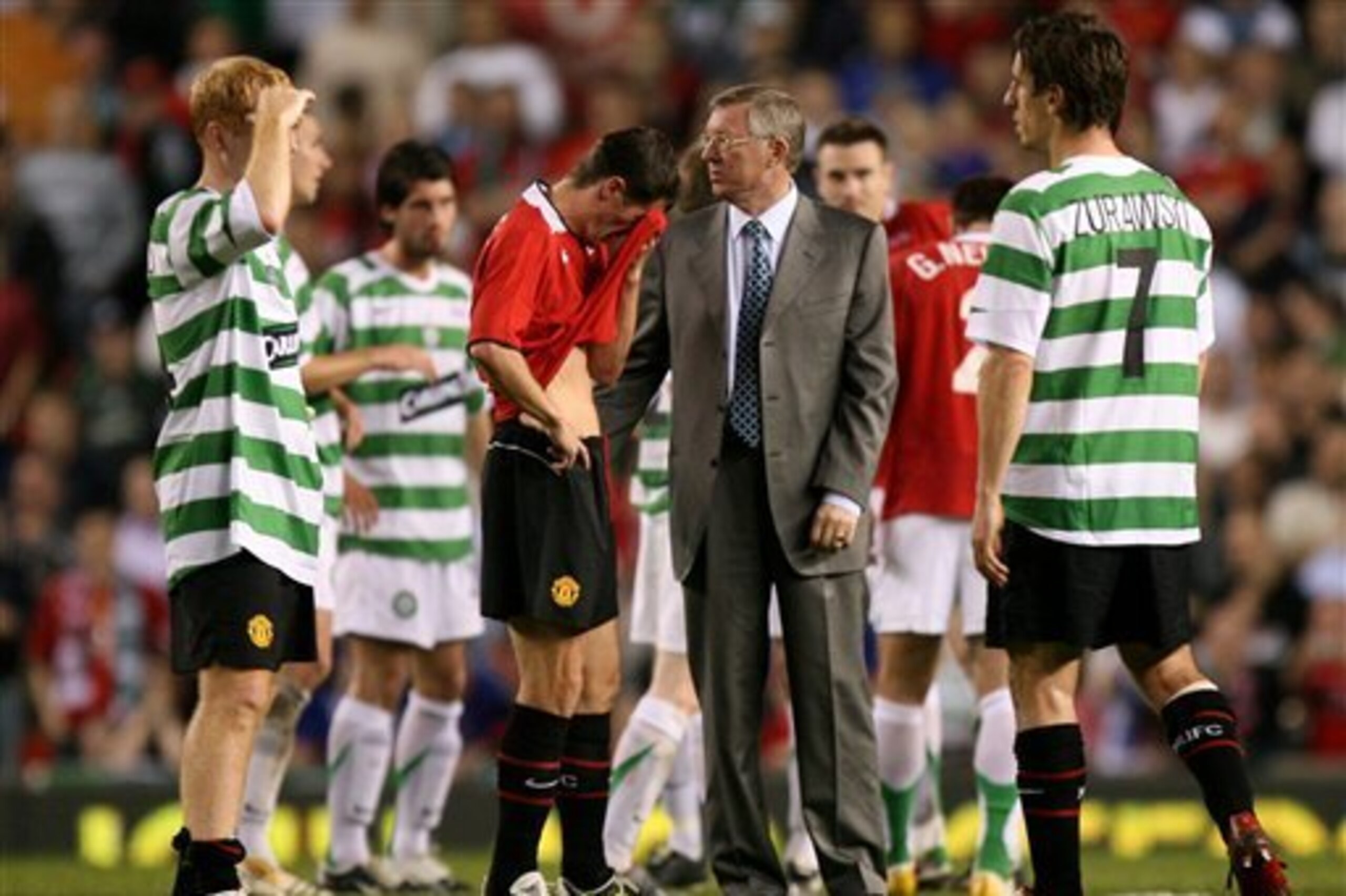
Firstly, his discussion of Ferguson was always going to be a headline maker. The midfielder left United unceremoniously and received a battering from the Scot in his own autobiography. Keane details the haste with which he was pushed through the door at Old Trafford after his relationship with the boss and many squad members had broken down in 2005, reported by David McDonnell of the Mirror:
"The manager was there, in his office. David Gill was there too. I went ‘So, what’s up?’ And the manager said ‘Look, Roy, I think we’ve come to the end’. As simple as that. Then David Gill said ‘And while we’re at it, we’ve prepared a statement.’ They had it all ready. It was another little hand grenade they threw at me. Not an hour later, or two hours after the severance negotiations – it was already written.
"
Ian Ladyman of the Daily Mail also tweeted another comment on Ferguson:
Perhaps predictably after his criticism of current United players during his ITV punditry days, Keane also leapt to the defence of Moyes, whose ill-fated tenure led the club to their lowest Premier League ranking of seventh. Moyes was replaced by Louis van Gaal during the summer, but Keane believes the squad have to take a look at themselves for their alleged lack of commitment, per McDonnell:
"I look at the current players, and they should have been doing a lot better. It might be argued that it was up to the manager to motivate them. But not liking a manager, for whatever reason, can never be an excuse for not going out and doing your best.
"

Keane concludes that Moyes "can't have had a strong dressing-room: he had a weak dressing room," shifting most of the blame onto many individuals who are still at the club. While Van Gaal worked avidly to switch the United squad up during the summer, it still faces one of its most difficult tasks in recent memory when trying to regain a place in the Champions League.
In other parts of Keane's book, it is even suggested that David Beckham, one of United's most iconic No. 7s, nearly didn't receive the shirt once Eric Cantona retired. Keane suggests Ferguson didn't want the emerging star to take on the mantle, per James Andrew of the Daily Mail:
"The manager pulled me into his office and said that he wanted me to wear the '7'. I said, 'No, I'm not that bothered.' And he said, 'I know Becks will f****** want it and I don't want him to have it.'
"

While this kind of tattle is par for the course in an autobiography, Keane's comments on Clive Clarke's heart attack are unspeakably abhorrent, even for an individual who is defined by his combativeness and "hard man" image.
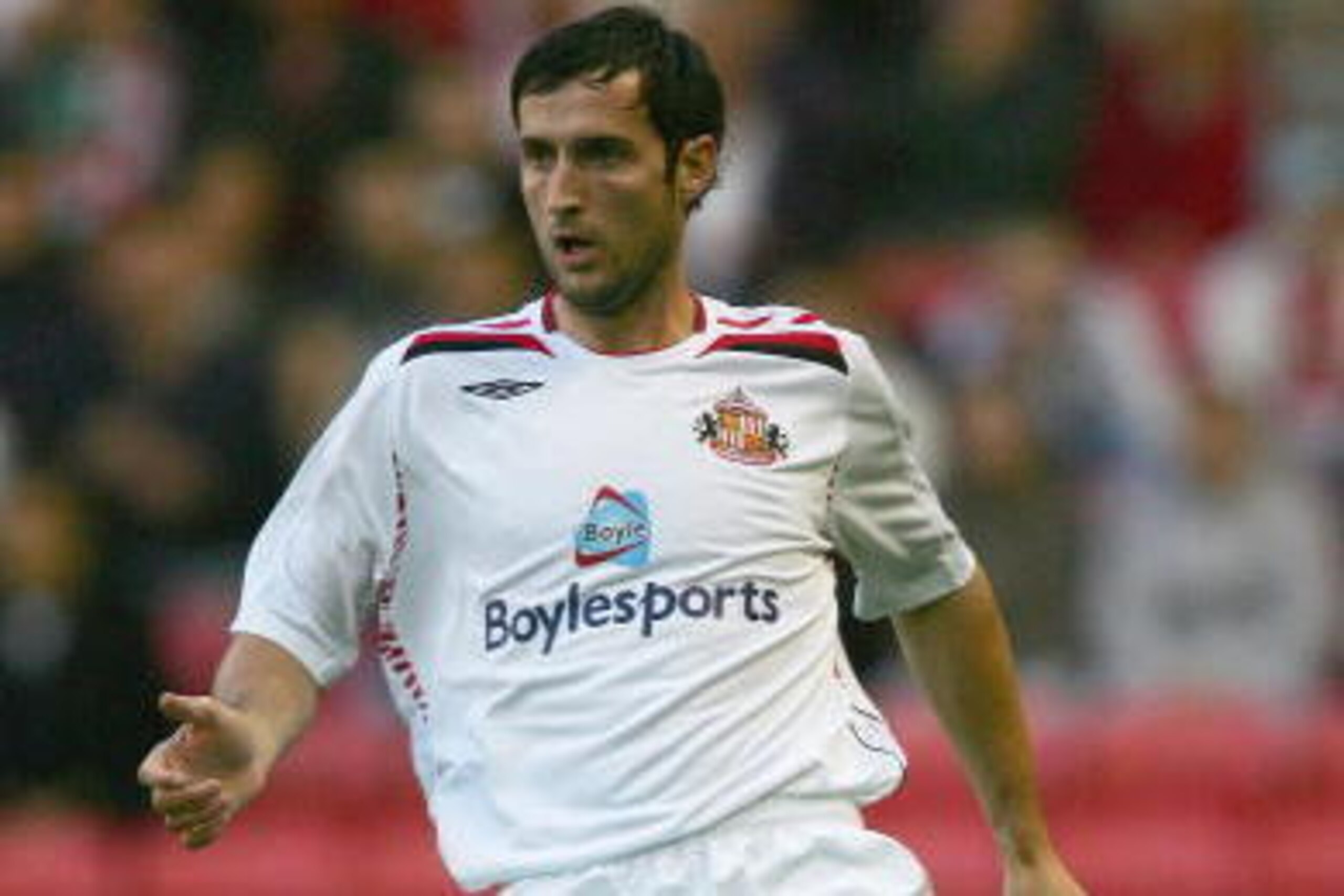
Clarke briefly played under Keane at Sunderland, but was on loan at Leicester when he collapsed during a League Cup tie with Nottingham Forest in 2007. The game was abandoned at half-time, while across the country, Clarke's parent club were getting whooped 3-0 by Luton Town.
Keane admits to feeling a sense of relief that Clarke's heart attack took place due to it overshadowing the Black Cats' poor result, reported by McDonnell:
"The news came through to us after the game. The madness of football: we'd been beaten 3-0 by Luton, a shocking result, but at the press conference after the game I said that football results really didn't matter and I mentioned that Clive Clarke had had a heart attack. And I had the evil thought 'I'm glad he had it tonight'. Because it would deflect from our woeful performance. That was the world I was in.
"
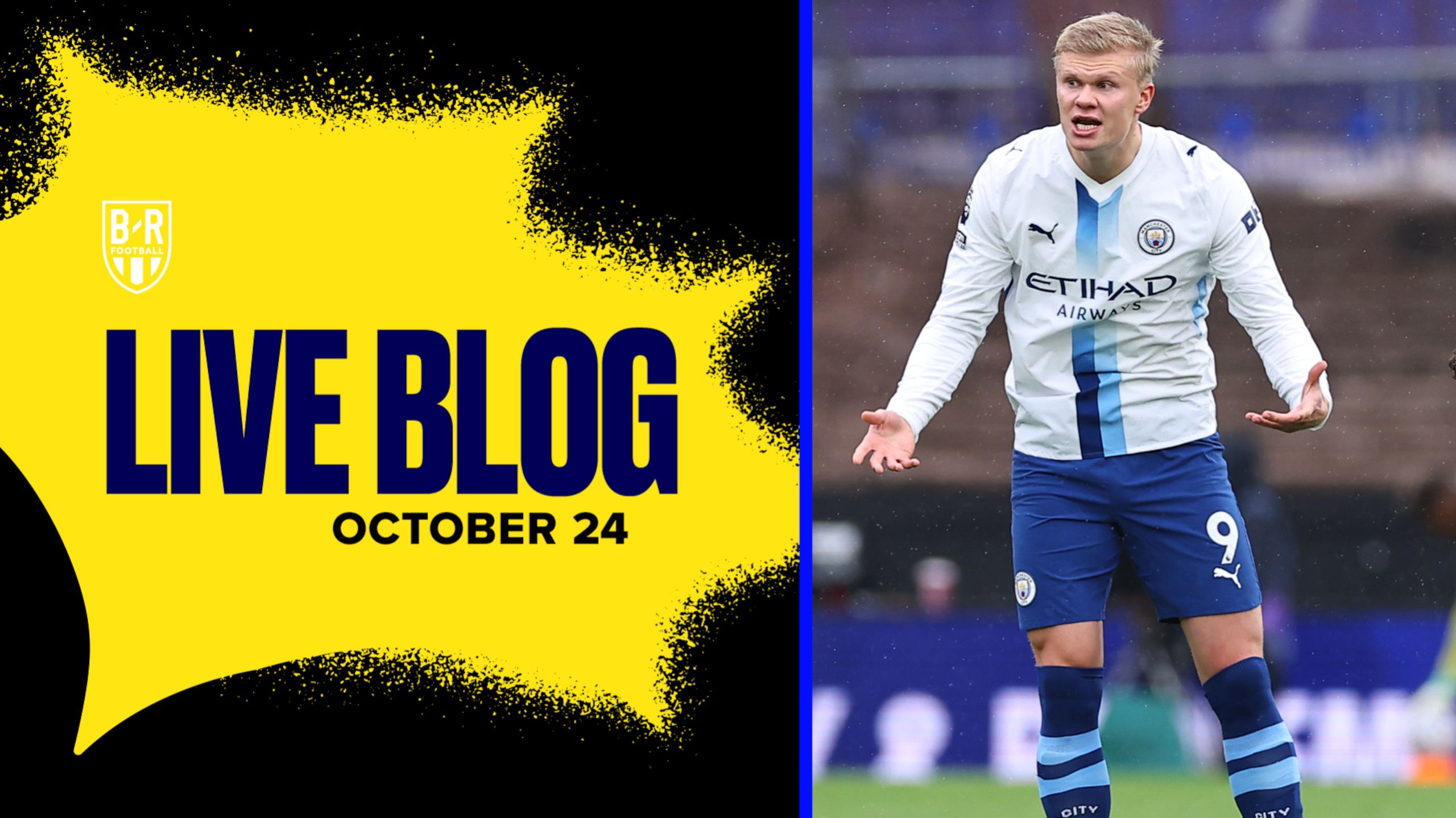
Other key instances from the book focus on Keane's infamous spat with Alf-Inge Haaland. Having previously injured Keane in 1997—before shouting at the midfielder that he was faking it—Haaland was later on the end of a tackle that would be considered borderline assault by today's standards.
Four years after mocking Keane, Haaland was sent spiralling to the ground in a studs-up, knee-high challenge that Keane isn't bothered about, per Squawka:
Keane has always split opinions across the footballing spectrum. Commendable as a leader on the pitch, his ruthless attitude is sure to offend many throughout the book. He is a man who doesn't feel remorse. Despite being a legendary captain for United, Keane's reputation isn't likely to improve alongside his latest set of career stories.
It will be interesting to see how those mentioned publicly react to a book which prides itself on brutal honesty. But then, that's the influence of a man whose entire career was defined by a fiery passion that often over spilled. Safe to say, if you didn't love Keane before this release, you probably won't now.
.jpg?w=2560 "NFL Paris Football")
.jpg?w=2560 "Seahawks Chiefs Football")