NFL Players Are Human Beings, Not Gods; Let's Treat Them That Way
It seemed like the avalanche of horrible NFL news would never stop. Brutal, depressing words and images flowed from every television, computer and device for hours into days into weeks on end.
The very foundations of the NFL were shaken. Commissioner Roger Goodell's credibility was blown, some fans were talking boycott and major sponsors like Anheuser-Busch expressed concern that bad news has "overshadowed" the NFL, per David Leon Moore of USA Today.
That's exactly how it feels: NFL football, once a blessed Sunday escape from our daily grind, is now a misery engine pumping distress and debate into every spare moment of our lives. Following the NFL has become an exhausting slog through all the murkiest corners of our society, and the only people more sick of it than the media are the fans.

.jpg?w=2560 "Texans-Mixon Released Football")
.jpg?w=2560 "Rams Eagles Football")
With Ray Rice suspended indefinitely by the league, Adrian Peterson placed on the Exempt/Commissioner's Permission List and Greg Hardy agreeing to do the same, per Bleacher Report's Jason Cole, the league has contained its three biggest wildfires.
OK. Now, take a deep breath.
Look around.
The sun came up this morning. Buses still came to pick up the kids for school. Bacon still tastes good, coffee is still hot and your boss still expects an honest day's work out of you.
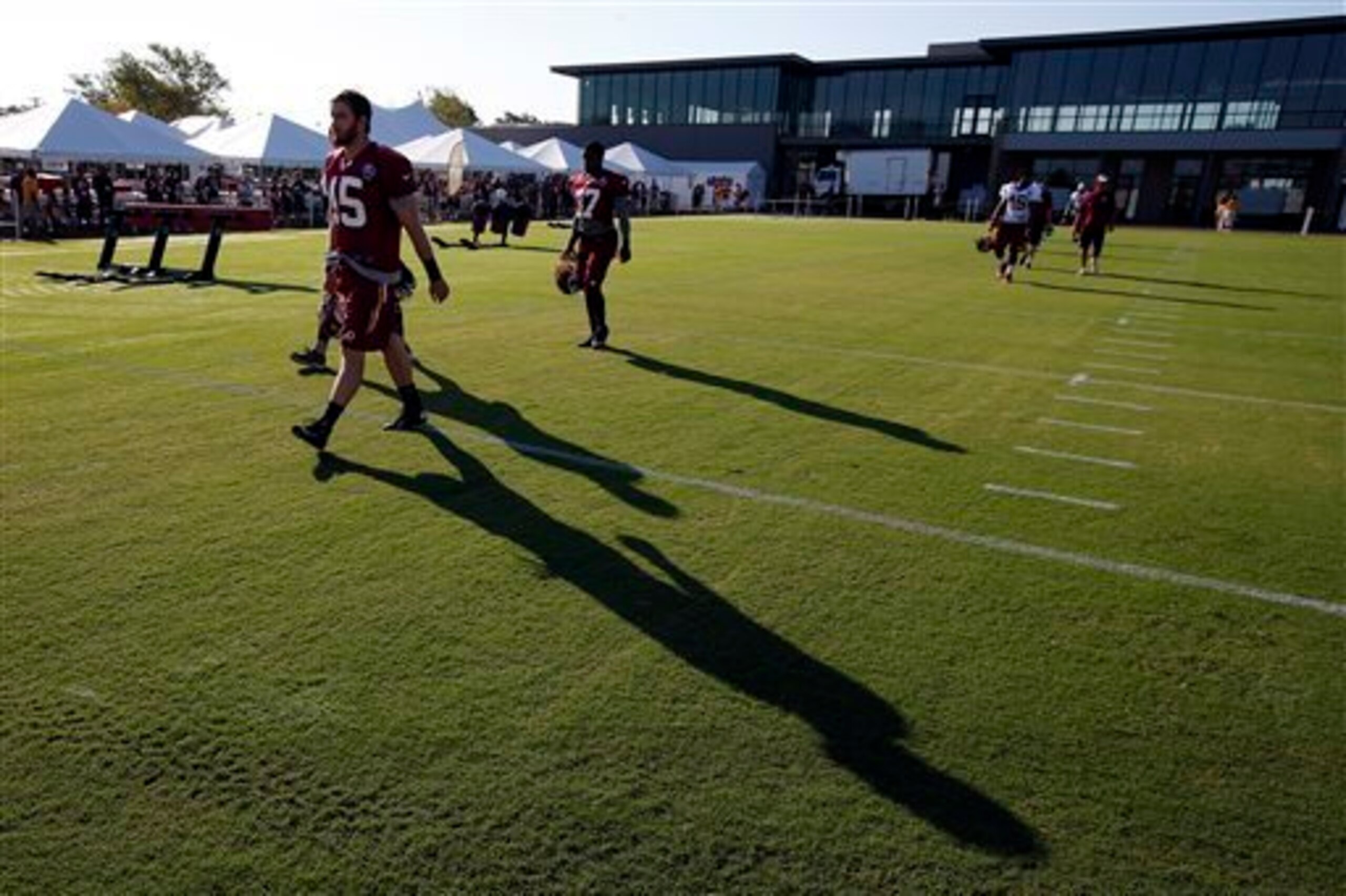
Around the NFL, security guards and cafeteria workers, media reps and quality control assistants, players, coaches and executives showed up for work too. They've got a water cooler and a coffeepot, emails to check and meetings to go to, and their jobs don't stop for these scandals any more than yours.
Whether Goodell deftly navigates the NFL through this storm or is relieved of duty won't make a bit of difference to us fans. We'll still passionately follow our favorite teams and players, even if we no longer count Rice, Peterson or Hardy among them.
In a way, Goodell did his job too well. The NFL has been inextricably woven into the fabric of American life. It's no longer what the menfolk do after church on Sunday, nor a flimsy excuse to go out to the bar.
With three game days a week, a four-month season stretched nearly year-round and a TV friendly product marketed to people of all ages, races, genders and creeds, the NFL reflects American society more than any sport ever has.
Now, Goodell and the NFL have reaped what they sowed: a huge, passionate fanbase whose passions go beyond wins and losses. As Goodell, the Baltimore Ravens, Minnesota Vikings and Carolina Panthers have discovered, when you extend your fanbase to all of humanity, you have to accept the humanity of those fans.
But that sword cuts both ways.
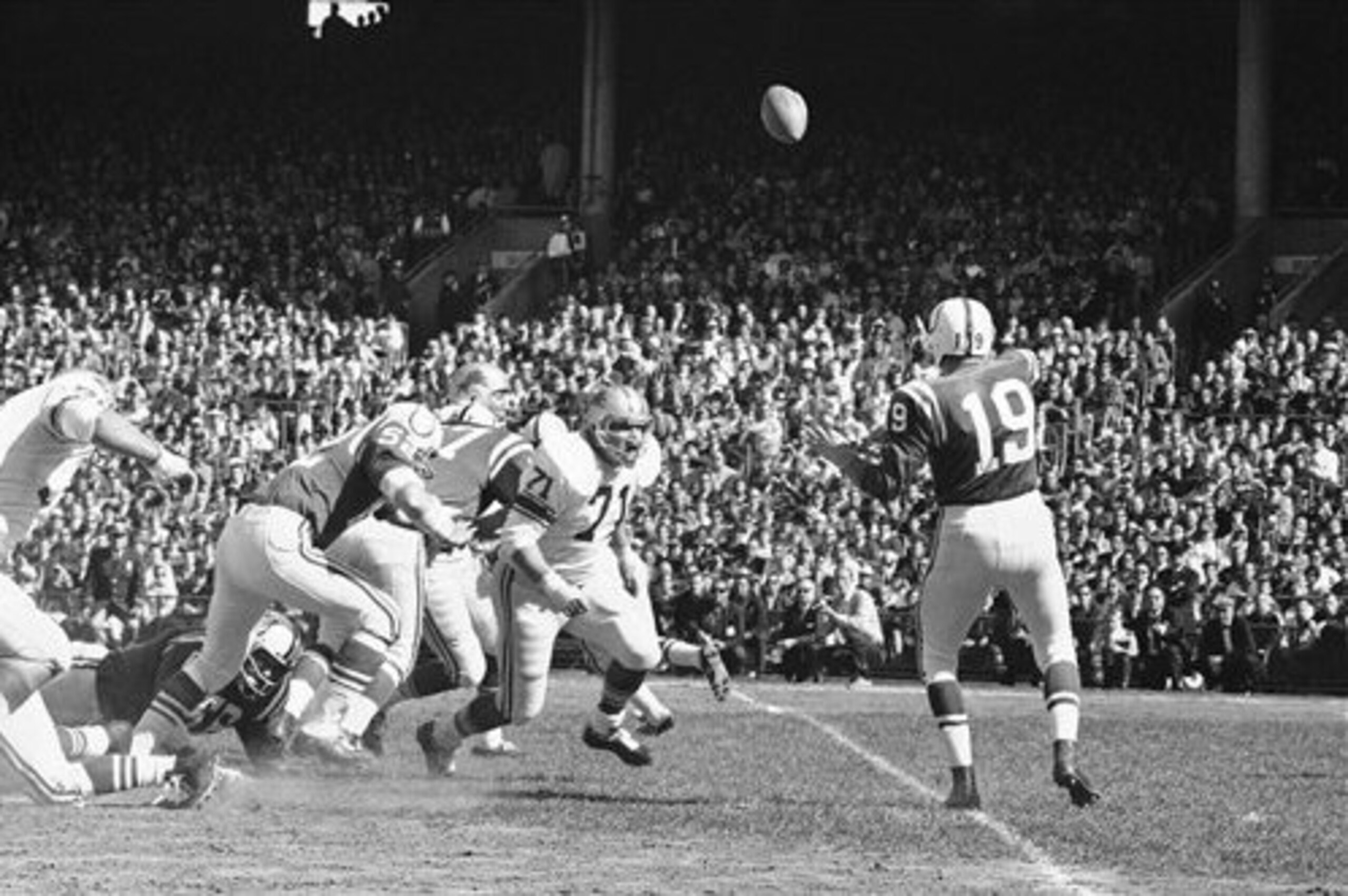
NFL players used to be little more than a number on the back of a jersey and a face on a cereal box. With writers like Grantland Rice weaving epic tapestries around box scores and yes-sir, no-sir, gosh-darn quotes, we daydreamed our gridiron heroes and goats into idols and gods.
In the age of always-on, always-everywhere cameras and Internet, though, we can't expect players to be avatars of virtue. From high school on, hordes of grown-ups scrutinize everything these players do; we measure them not against their peers, but against our ideals.
Peyton Manning was groomed to be not just the next John Unitas, but the next "Johnny U": a paragon of quarterback virtue, on and off the field. A walking, talking, commercial-making manifestation of everything NFL Films told us a franchise signal-caller is supposed to be.
Yet, even he has had his human moments.
On the field, players do things it seems no mortal could. Off the field, though, they're just as human as everybody else. Not only are they flawed as people (everyone is), but they have their own thoughts, dreams, attitudes and feelings toward football, work, family and life.
When we carve them on imaginary Mount Rushmores, when we elevate them into gods, we rob them of their personhood—and give them that much farther to fall.
When we deify athletes, it's like any other faith: Information that shakes our faith shakes our whole identity, so we work overtime to protect it. Whether we plug our ears and close our eyes and insist it's not true, defend anything our heroes do as being OK, or simply give them a pass not given to anyone else in American society, we ignore that unwelcome information.
We can't do that anymore.
NFL players are human beings. They do incredible things, inspiring us to cheer and yell and stand and applaud and scream at the TV and spend all of our money supporting them, but they're human beings. They come in all different sizes, shapes and colors, from many different walks of life. They have their own prejudices, vices and foibles.
Because it takes a vanishingly rare level of focus to reach the NFL, more than a few are driven by demons, haunted by trauma or are otherwise imbalanced.
This doesn't mean we can forgive players like Peterson when they break the social compact and commit reprehensible crimes. Just the opposite: Players (and other NFL employees) should have to face the same music anyone else does in the same situation.
It's time to extend a hand to these players and help them down off the pedestals we put them on.
We need to stop savaging the personalities of college kids who weren't born fitting our John-Wayne-as-John-Unitas ideal. We need to stop hyperventilating whenever a player likes to party, or uses Twitter to say dumb stuff.
A lot of 21-year-old bros are drunk-riding inflatable swans without climbing to the top of their corporate ladder. Roddy White might not be great at my job, but he's a lot better than I am at his.
Instead of spending most of Randy Moss' career being angry he didn't work as hard as Jerry Rice, we could have appreciated his talent for what it was—and learned he wasn't a slacker at all, per Dennis Waszak Jr. of the Fitchburg Sentinel and Enterprise, but a brilliantly gifted young man struggling with, and "angry" at, the game he was born to play.
Football may not be an escape from our society, but now it's an important reflection thereof. Racism, sexism, domestic violence, child abuse, and sexuality and gender politics: The NFL has turned our attention to all of these important issues, broke the ice on a lot of hard conversations and made America just a little bit more enlightened.
Now, it's time to return the favor. Getting to know NFL players, coaches and staff as people and accepting them for who they are will make our fan experience richer and better—and the grace we extend them just might stop a few from falling.
Now, who's ready for some football?
.jpg?w=2560 "Commanders Eagles Football")



.jpg?w=2560 "Mahomes' Wife Trolls Kubiak 💀")