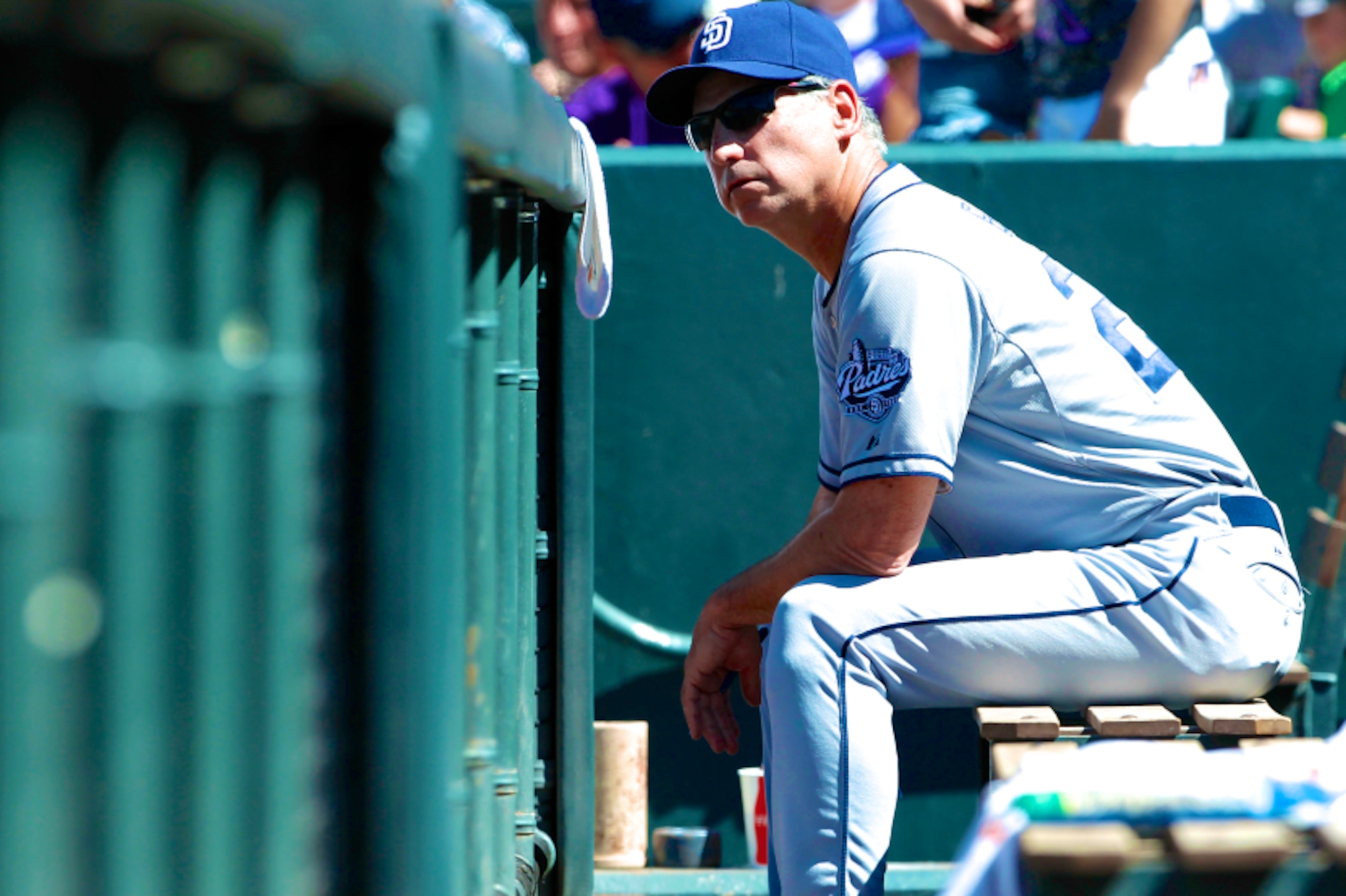

Inside the Locker Room of an MLB Team with Nothing to Play For
The best thing about being on a winning team is that it distracts you from how much you want to kill your teammates.
Look, I've heard a lot of coaches' speeches in my day, from how we were like a band of brothers, to how we were a family, to how we were solders in the trenches trying to kill the enemy and bring glory to our tribe. Play for pride. Play for honor. Heck, even the base and selfish-sounding "play for money."
In a job where just about anything goes as long as the results are there come the end of the season, anything that might spur on a player to victory is fair game.
TOP NEWS

Realistic Offseason Trade Ideas 💡

Players Who Were Worse Than You Think in 2026 ⚾
Latest Free Agent Rumors 👂
Unfortunately, brothers fight. Families feud. Soldiers desert if they know they're facing a losing cause. And getting pounded by the media is no way to incentivize a warrior to bring honor to his tribe. The one steady, sure thing you can count on during a 162-game marathon season, however, is that it will see more losers than winners.
That means, for every "go forth and conquer" speech, it's good policy to have a "so you got conquered" speech on standby.
When I came up to the Padres for the first time in 2008, the team was awful. We weren't brothers, warriors or family. We were losers, and the atmosphere that swirls around a bunch of losers can be downright toxic.

Oh, don't get me wrong: We wanted to win. Winning was, and is, just plain better than losing. But we were so far out of contention for anything other than losing 100 games that we'd become numb to losing. Win or lose, it was mostly shrug-worthy.
On most teams, when you win, you come into a clubhouse of roaring music (the clubhouse attendant has it playing to greet you; the victory jam, it's called). When you lose, the clubhouse is dead silent like a funeral, with all players expected to keep an atmosphere of quiet out of reverence for the loss.
It's considered professional to sulk—even if you just sat in the bullpen and in no way contributed—because it supposedly gives the appearance of caring. When September came for that Padres team, the sulking went out the window.
Professional quiet time was something you did only when winning and losing meant something. Being mathematically eliminated meant the rest of the games were, at least from that team's perspective, irrelevant. The end result: Even when we sucked, the music still played. Screw it.
I don't mean to sound crass. There were guys on the squad who cared about winning and losing despite the absolute math of it all. They can be found on every team, every season, and you can typically break them up into three categories: veterans, impending free agents and rookie call-ups.
I once heard baseball manager Joe Maddon say that there are five steps in the evolution of big league players.
Step one: You're just happy you've made it to the big leagues.
Step two: You're focused on trying to prove you can stick.
Step three: You've proved you can stick, and now you want to prove to the world how good you are.
Step four: You've proved to everyone what you can do, and you want to make as much money as possible.
The final step, five, is best summarized as: You just want to win—period.
Veteran players have the career accolades and the money. What matters to them now is winning something that crowns their careers. In short, legacy.

Trevor Hoffman was the undisputed veteran lord of the Padres when I was there. While he was relentlessly positive, you could tell he was frustrated to be part of a losing effort. He said all the right things and made all the right moves, but there was a distance there.
He'd been a part of something bigger before and knew the clock was ticking on his career, yet he was stuck with us. All he could do was sit and watch us wide-eyed inept misfits play out what was already decided a few months ago.
Looking back, I'm sad we weren't a better club because Hoffman was such a remarkable person and player. I'm sure there was a lot more there for rookies like me to glean, but there wasn't much reason for him to get involved. The course was already charted before I got there. Because the team sucked, there wasn't much reason for him or the other veterans to shepherd it.
That's not to say there weren't players who wanted control of the social dynamic. Whenever there is a gap, someone will step in and fill it—usually the second category of caring player: the impending free agents.
They actually do have something to play for—their next contracts. That makes them invested. Sometimes, it makes them too invested to the point where they start to push other players along who are fed up with the whole season.
Think about it: If watching a season sputter and die two months before September isn't bad enough, mix in some guys who are all about the great things they're doing, prodding the others who are frustrated. Even if it's meant to be encouraging, it still comes off as talking down to the incapable, which in turn feels like having your face rubbed in failure.
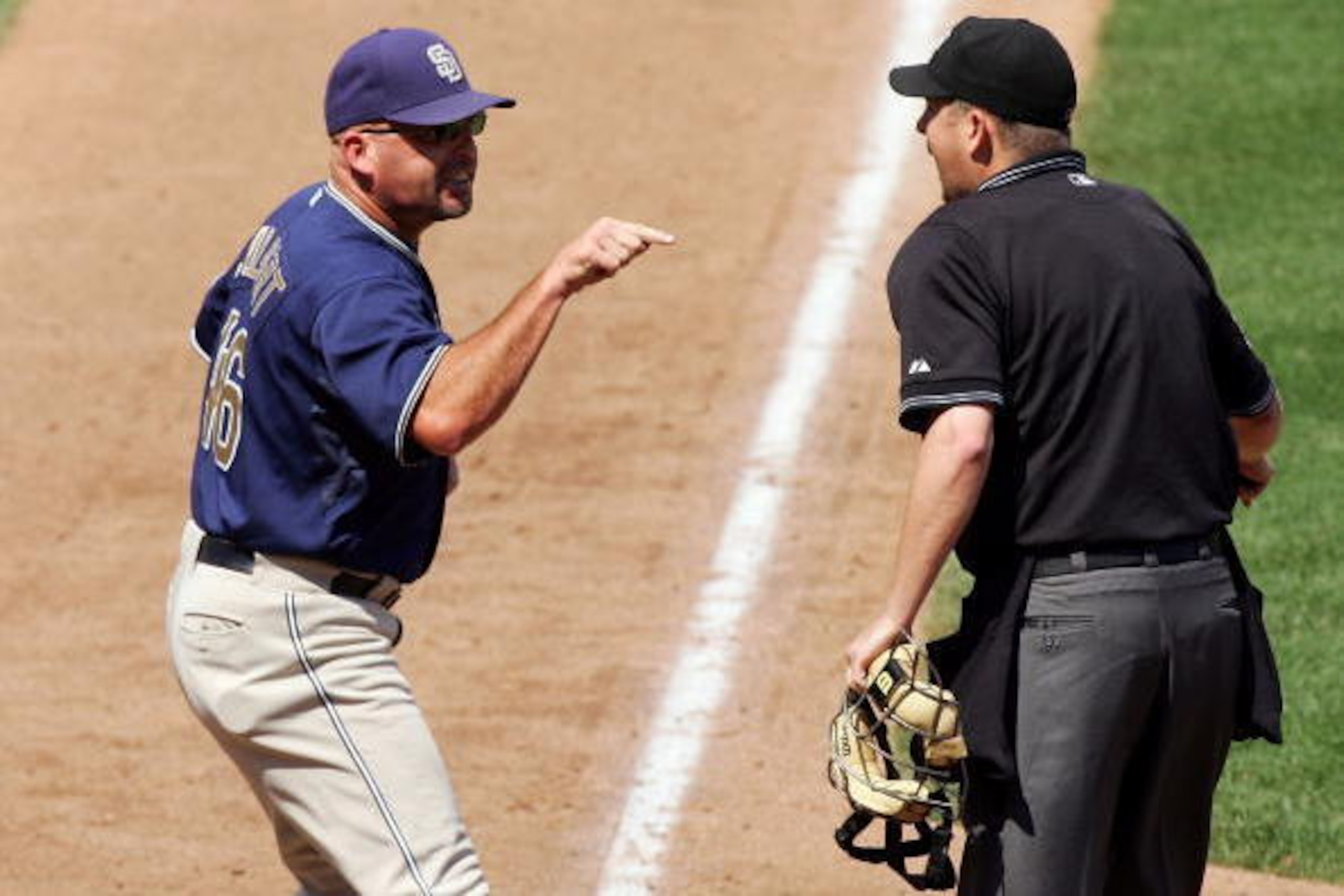
Pathetic, huh? You'd think that a group of men who grew up in a "survival of the fittest" environment would understand that there will be winners and losers even among teammates. And because the entire industry is "what have you done lately," they'd understand those winners will get rewarded—but they don't understand.
Wanting to be the best is, by nature, an "us versus them" approach. It's a separator of talent and ideals about how talent should behave. It works when the team has a chance at being the best. Sometimes, it can even settle for being really good.
But if a team can't be the best and is full of players who can't even so much as contribute to being good—sputtering and wallowing in their failures—well, that's when the rift forms and differing but tolerable personalities become outright enemies.
And this, believe it or not, leads us into the third category of player, the ones that get caught in the crossfire: the rookie call-up.
Among a bad team full of broken focus, disengaged veterans and self-interested free agents is a minefield for clueless "just happy to be there" rookies.
A veteran is not happy about being on another losing squad when he knows he's only got so much life left in the game. Contrast that with rookies who are glad they've made it, and everything they do is a first-time, never-been-done-before experience they want to celebrate.
"Act like you've been here before, rook!" But how can you when you never have?
For the free-agent player already mired in class warfare, rookies become pawns. If there is one thing baseball loves, it's unwritten rules, that age-old baseball mantra of "playing the game the right way."
Impending free agents get to tell young rookies how to play the game the right way because they're currently successful. Veterans get to tell rookies how to play the game the right way because they were successful enough to become veterans. So do coaches, general managers and everyone else who has more time than you, which, for the record, is everyone!
Furthermore, you, young rookie, represent the future of the organization. A loss of playing time, a possible replacement, forced retirement; it's not so much that they hate you, per se, as much as they hate the concept of you!
Good luck with that.
Yes, when you're a losing team in September, there are lots of things that suck. The stadiums are at a fourth of their usual capacity and bereft of any electricity or intensity. The media beats you like a dead horse and then beats you into dead-horse paste. Fans boo you, mock you and even cheer for the other squad.
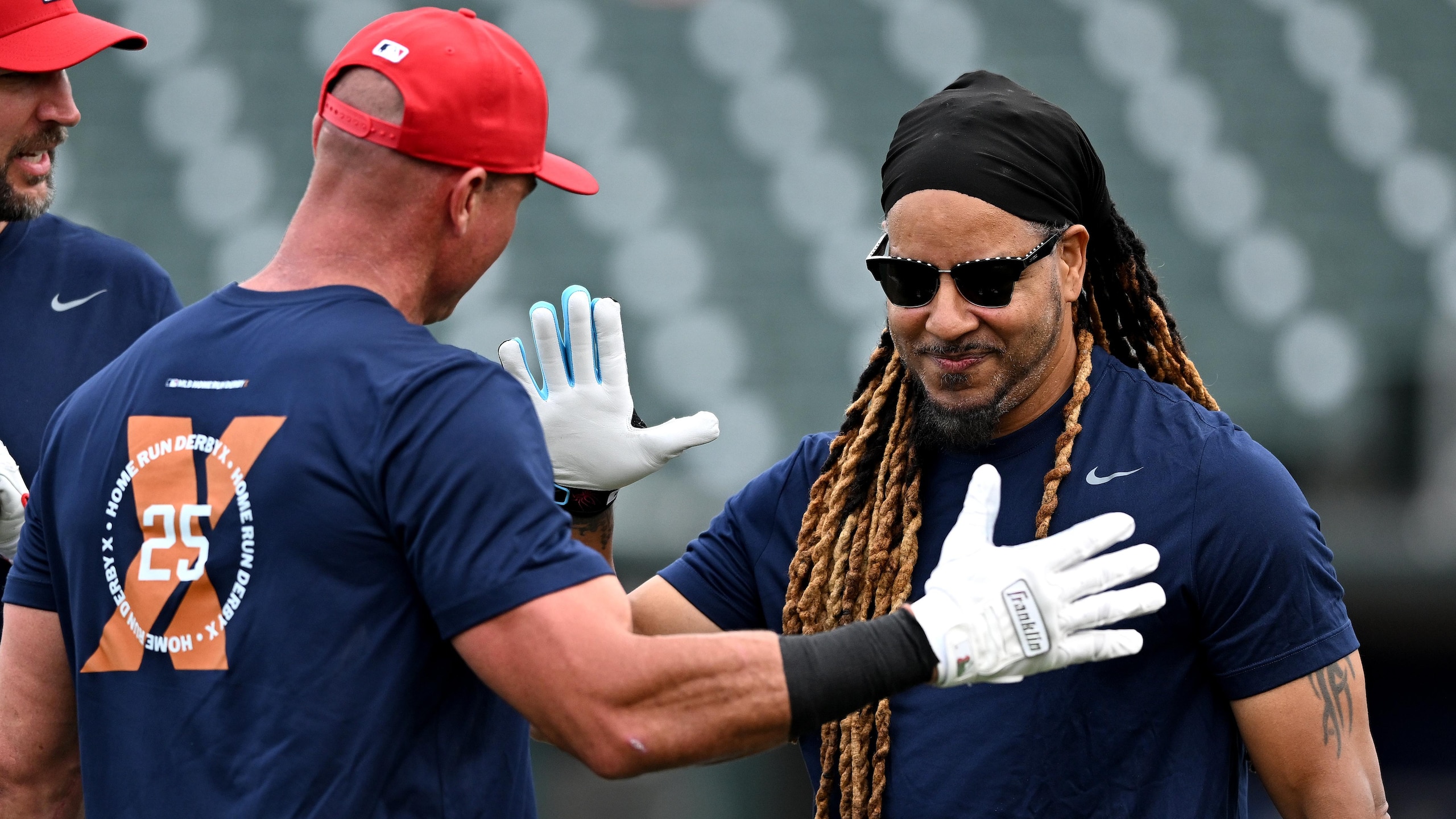
As a matter of fact, when I was with the Padres that 2008 season, Manny Ramirez had just gone to the Dodgers. When Manny's Dodgers came to Petco Park, there were more fans in the stands that night than in all the nights I'd been with the big club—all of them wearing Dodgers blue and chanting Manny's name! Talk about adding insult to injury; I gave up a home run to Manny, and the fans cheered for him as he circled me around the bases.
Then, instead of mourning another butt-kicking, one of the impending free agents got me drunk on imported sake that, in turn, one of the veterans brought into the clubhouse postgame as part of the catered sushi spread he paid for.
Yet after they saw me drunk, they were upset I didn't take the loss more seriously.
It just goes to show you that no matter how bad the atmosphere gets for a losing squad on the outside, it's much worse on the inside. In fact, as I look back over my career, nothing made me want to win more than knowing how bad it can get when we don't.
Actually, I'm surprised that hasn't been turned into a speech. I guess saying, "win, because if you lose, you'll be a backstabbing, selfish, disconnected mess in September," just doesn't have the same ring to it.

.jpg?w=2560 "Injury-stricken Seahawks signing veteran RB")
.jpg?w=2560 "2 NFL Officials Suspended")


.jpg?w=2560 "Mahomes' Wife Trolls Kubiak 💀")

.jpg?w=2560 "Viral Rams Coach Vid 🖕")