

Baseball Hall of Fame 2014: Predicting Best Moments from Cooperstown Ceremony
After last year's debacle, which featured no players voted into Cooperstown by the Baseball Writers Association of America, the 2014 Hall of Fame class is a fantastic way to apologize with Greg Maddux, Tom Glavine and Frank Thomas all elected in their first year of eligibility.
In addition to those three all-time great players, the Veterans Committee voted legendary managers Tony La Russa, Joe Torre and Bobby Cox into the Hall of Fame.
This has the potential to be one of the great induction ceremonies ever because of the different personalities that will take the stage on Sunday afternoon in Cooperstown, New York. While everything will be worth watching, these are the moments we expect to be talking about when it's over.

Tony La Russa Opening Up
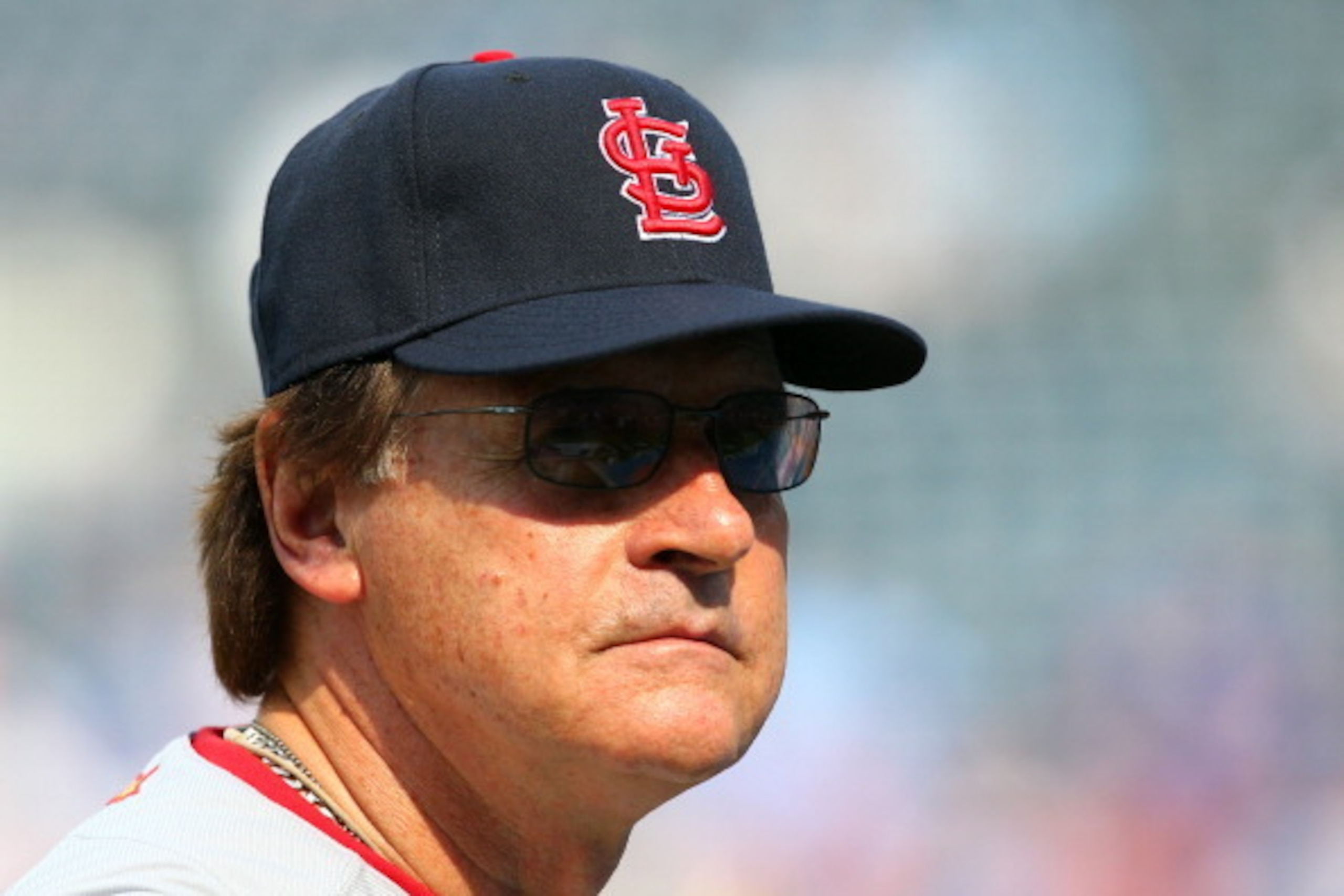
If you know anything about Tony La Russa's managerial career, he was a very intense, passionate and innovative mind who didn't like to say anything to anyone.
His tactics were so legendary they became the subject of a great book written by Buzz Bissinger called 3 Nights in August. It was all about how La Russa goes about preparing for a series, in this case against the Chicago Cubs, and how that strategy manifested itself during games.
Not known for showing emotion on the field, La Russa has opened up a little bit in the lead up to the Hall of Fame ceremony. He told reporters this week, via Barry Bloom of MLB.com, that success is all about having guts:
"I just believe that champions I've studied, whether they're teams or individuals, you have to go out to make things happen. On the offensive side, you're much better trying to push to make things happen. No guts, no glory. But it really is the bigger point. If you want to chase the dream, you've got to have the guts to chase it.
"
The baseball world was long fascinated by La Russa, to the point that his bullpen tactics from the 1980s and early 1990s are commonplace in today's game. Some might argue that's not a good thing, but his teams won three World Series titles, and he was a four-time Manager of the Year.
Even if we don't get the full insight into what La Russa was thinking while sitting in the dugout watching a game unfold, it will be fascinating to get some knowledge of how he developed the style that made him so successful.
Frank Thomas' Moment in the Spotlight
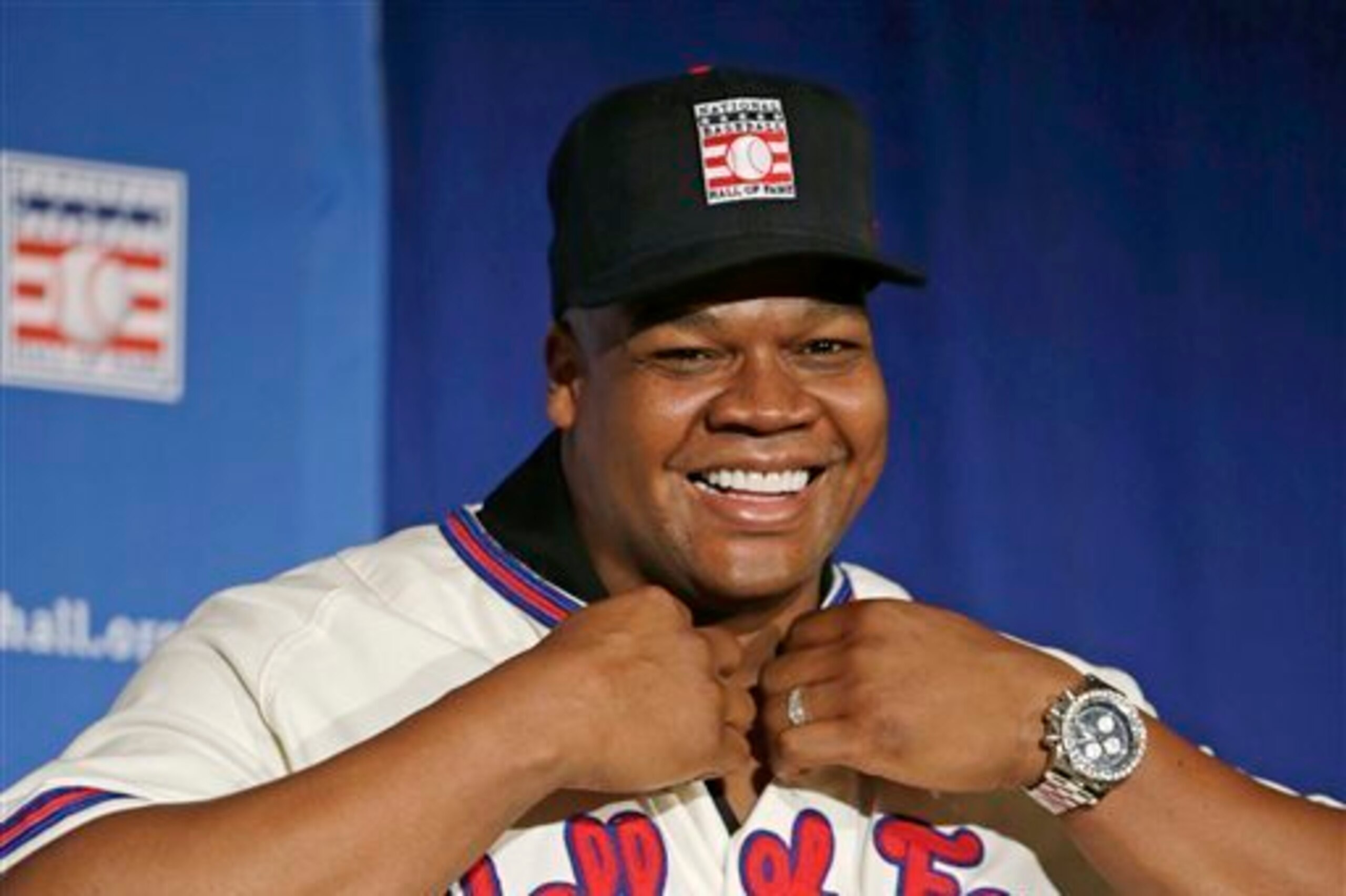
It's hard to say that one of the best hitters of his generation and a two-time American League Most Valuable Player never got the credit he deserved, but Frank Thomas had the misfortune of bad timing when it came to the postseason.
When Thomas came up in 1990, the White Sox were one of the best teams in baseball, winning 94 games that season and finishing second in the American League West. Unfortunately, that was at a time when only the two division winners made the playoffs.
Thomas won his first MVP award in 1993 when the White Sox made the playoffs, but he ran into a Toronto team that was on its way to winning a second consecutive World Series. His second MVP came in the strike-shortened 1994 season and, after that, Cleveland would rule the newly created American League Central the rest of the decade.
The Big Hurt was still on Chicago's roster when the White Sox won the 2005 World Series, but he was 37 years old, had the worst year of his career up to that point (.219/.315/.590) and didn't play in that postseason.
Despite that bit of bad luck, Paul Sullivan of the Chicago Tribune (subscription required) had a great piece with quotes from former teammates about the kind of player and person Thomas was. One player who raved about the big first baseman was Mike Cameron, who came in with the White Sox in the mid-'90s:
"Coming to spring training, we were staying in a hotel and he was staying in a big house, and he'd invite us over. You don't ever see stuff like that. He was already a star when I got to the big leagues, and to be able to hang with him, and for Frank to share his insights on how to approach the game, it couldn't have been a better way for me to start a career.
"
In the last 25 years, there have been better hitters and better power hitters, but few players were able to combine both skills as well as Thomas. His .419 career on-base percentage is 19th and .555 slugging percentage is 22nd (slightly ahead of Hank Aaron) in baseball history, per BaseballReference.com.
Now, after being overshadowed by more dynamic and charismatic players throughout his career, Thomas will get his well-deserved shining moment in the spotlight.
The Atlanta Reunion
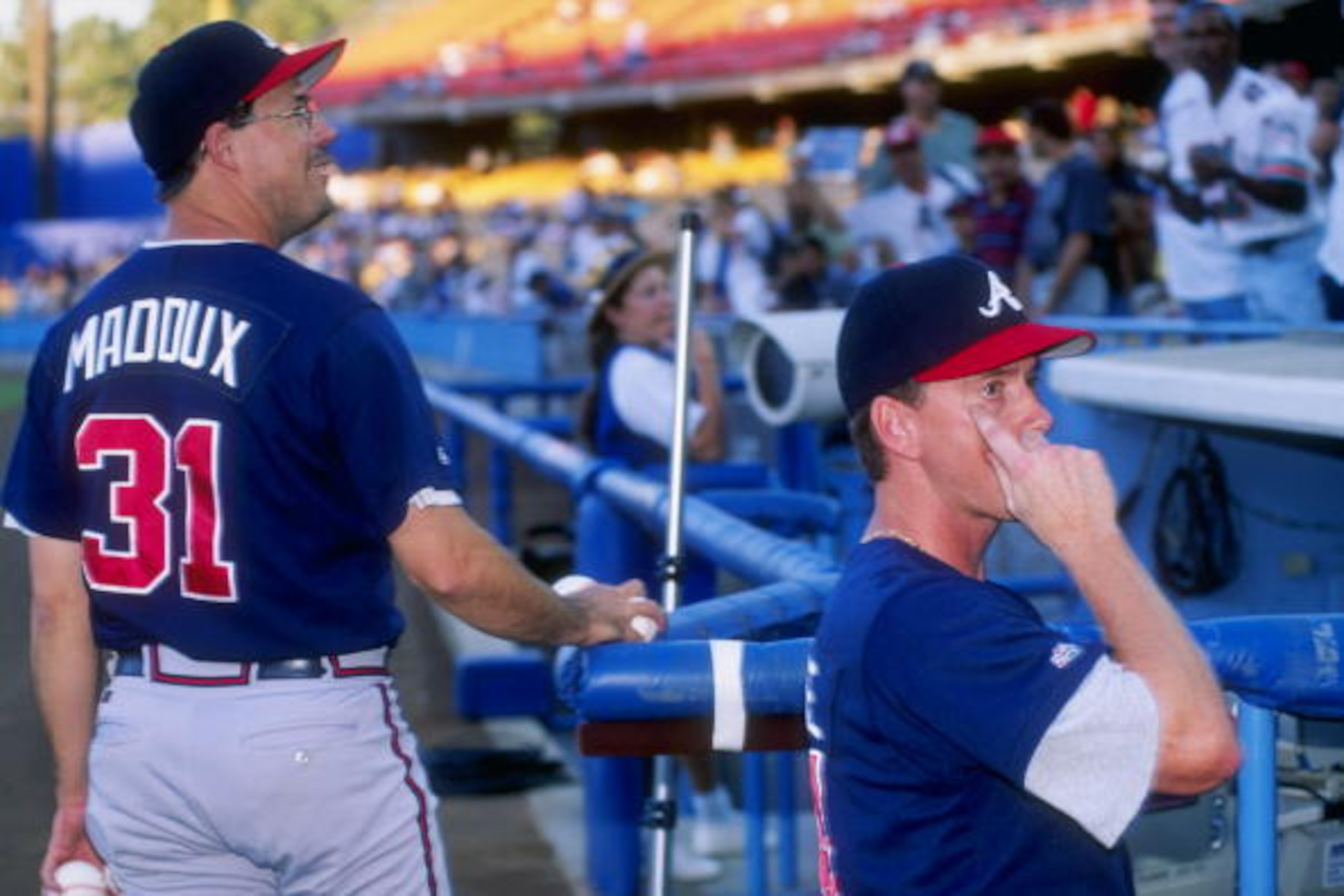
As great as the whole ceremony promises to be, there's no doubt that everyone wants to see the reunion of three staples in Atlanta Braves history: Tom Glavine, Greg Maddux and Bobby Cox. The only way it could be better is if John Smoltz, the other member of that mid-'90s Big Three, was also being inducted this weekend.
While Smoltz will have to wait at least one more year to get his call to Cooperstown, Maddux and Glavine will join forces for the first time since Glavine left Atlanta following the 2002 season.
Maddux and Glavine are the first legendary starting pitchers from the "steroid era" to get inducted into the Hall of Fame.
Maddux, in particular, retired from the game as one of the best pitchers in history. "The Professor" is the only pitcher in MLB history with 300 wins, 3,000 strikeouts and less than 1,000 walks, per BaseballReference.com.
His speech should also be one of the most interesting to hear. There are legendary stories about how much of a prankster Maddux was when he didn't pitch, which flies in the face of what you'd think someone with a nickname like "The Professor" would be like.
Glavine's status in baseball history isn't as lofty as Maddux's, but it's important to remember that the southpaw was named MVP of the only World Series Atlanta won during that great run of division titles. He shut down a powerful Cleveland lineup in 1995 that included Kenny Lofton, Albert Belle, Manny Ramirez and Jim Thome with two runs allowed on four hits and 11 strikeouts in 14 innings.
Cox was the figure in the middle of Atlanta's success during the 1990s and 2000s. He wasn't the revered tactician La Russa was during their time in the dugout, but he always had a presence about him that kept the Braves where they needed to be.
There will always be a stigma that hangs over those Atlanta teams from the '90s, with people believing the Braves should have won more titles. They got one, which is more than a lot of players and teams can claim.
If you want to talk sports, hit me up on Twitter.
.jpg?w=2560 "Commanders Cowboys Football")
.jpg?w=2560 "49ers LB Suspended for Headbutt")
.jpg?w=2560 "AD Trolls Bears WR on IG 😂")