

HBO Special Shows Glimpse of Academics in College Athletics, Not the Whole Story
College athletics is a unique marriage of academics and sports.
Especially so, major college football and men's basketball feel like semi-professional sports stuck in an academic arena.
HBO's Real Sports special on that marriage, which aired Tuesday night and was titled "Gaming the System," meant to pull back the proverbial curtain on the NCAA's efforts to improve academic performance and graduation rates among student-athletes.
Surprise, surprise, but HBO found instances where certain schools—Memphis, North Carolina and Oklahoma were spotlighted—supposedly steered an athlete through college or otherwise made up classes and grades. The goal of doing so, according to HBO, was to meet previously set standards by the NCAA (the Academic Progress Rate) and avoid punishment in the form of either scholarship reductions or postseason bans.
In a post-practice media session on Tuesday, Oklahoma coach Bob Stoops said that he never got a call from HBO. Neither did former center Gabe Ikard, named the Capital One Academic All-American of the Year last December, or former fullback Trey Millard. Coincidentally, Ikard and Millard were awarded postgraduate scholarships on Tuesday.
"Listen to Gabe Ikard, who just won a scholastic scholarship and was up for the scholastic Heisman, who is a multidisciplinary studies [major] and is going to be doctor when he's finished," Stoops said.
"And Trey Millard, one of my other captains who graduated in three or three and a half years... who has postgraduate scholarships as a psychology major," Stoops continued. "[It's] not all bad."
Yet HBO centered part of its story on former Sooner Eric Mensik, who said that he failed a calculus class and switched majors as a result. Did Mensik get the degree he wanted? No, but it all looks the same as long as the diploma is handed out.
Therein lies a fundamental problem. As Stoops pointed out, a kid who fails a more difficult major like finance or chemistry counts against the school the same way as a kid who simply doesn't care about his physical education major.
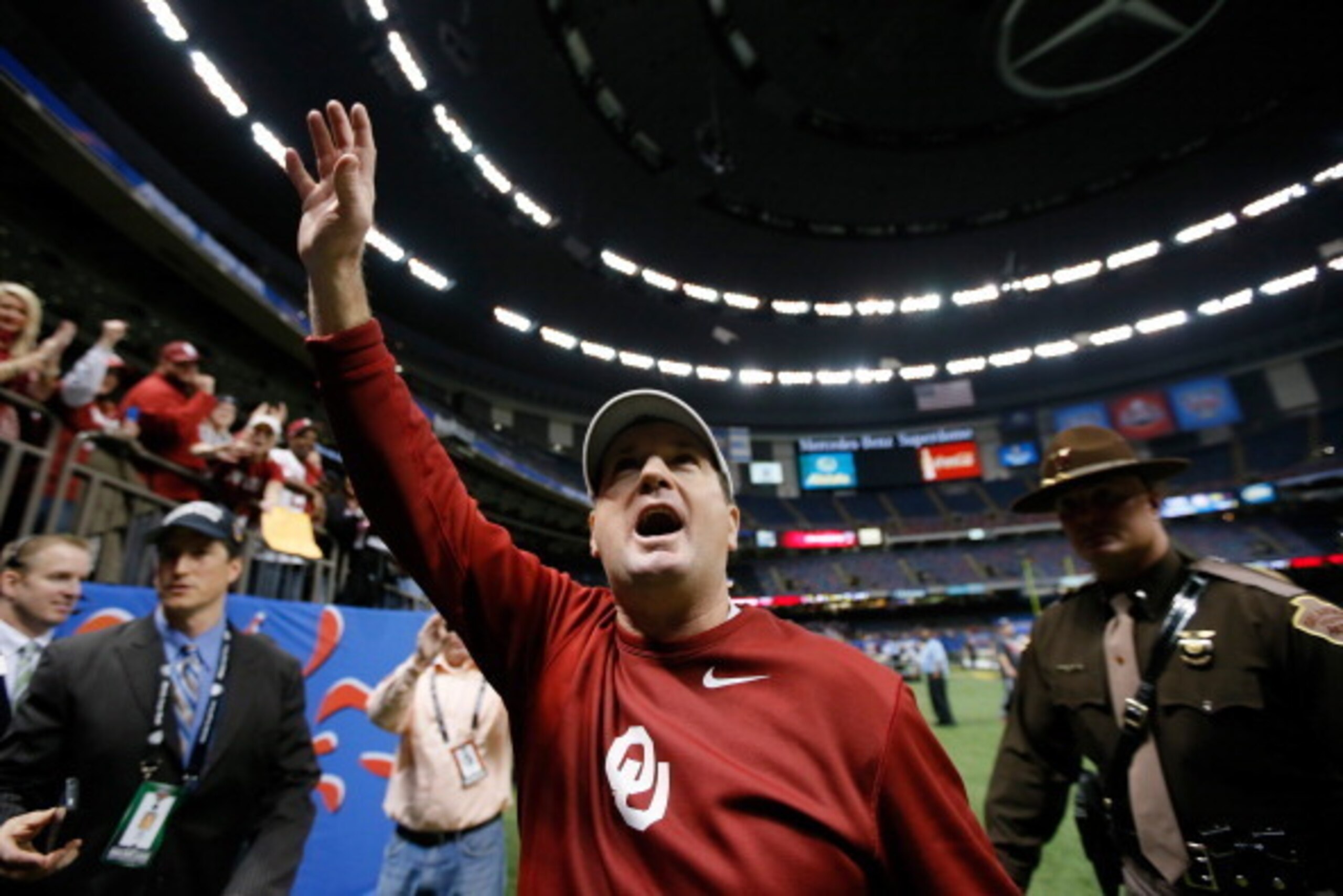
"[In] our whole student body, there are multidisciplinary studies [majors]," Stoops explained. "At the end of the day, if you want to be a finance major and you fail calculus, you're going to have to find something else to do. That’s just the real world, right?
"Depending on where you're strongest, you have to gravitate to something you can succeed in. It's either that or fail."
That's true. There is a level of individual responsibility for the student. There's also an equally fair question of whether athletics gets in the way, or if certain majors are feasible as a student-athlete.
HBO's special may not have been shocking, but it did further push the narrative that student-athletes are more athlete-students.
As long as a football player stays eligible—even if it's with a bare-minimum GPA—and graduates, it counts as a success story on the NCAA stat sheet. Since being a student-athlete is time consuming, it's easy to cut corners or modify a major to make that happen.
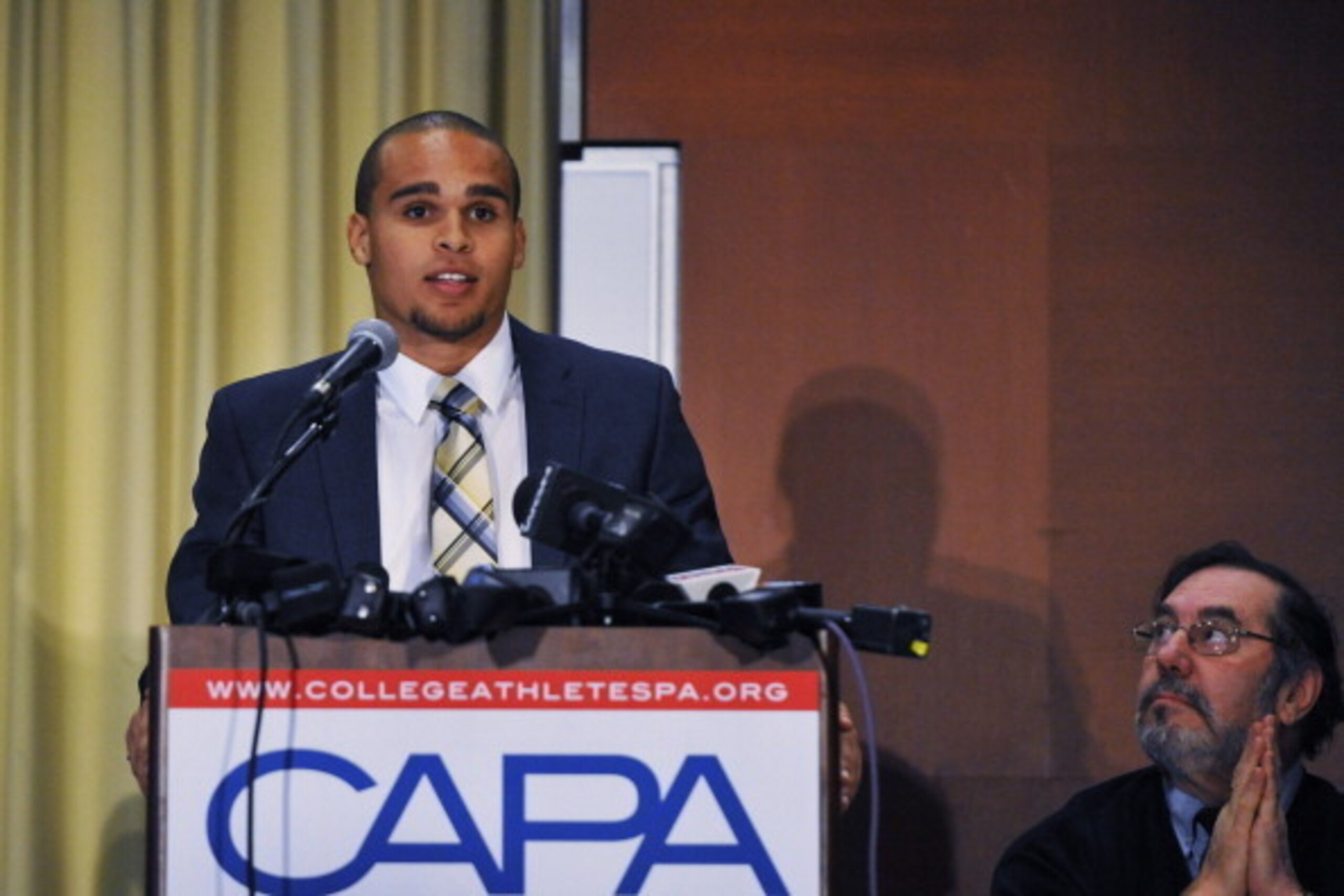
Northwestern quarterback Kain Colter, for example, testified in a February College Athletes Players Association hearing that football obligations conflicted with his pre-med track—the reason he went to Northwestern.
"What classes you can take, what major you can participate in, it's all based on football and your schedule," Colter said via Kevin Trahan of USA Today.
There's also the matter of whether college athletics are taking advantage of undereducated prospects. This is something that John Hoover of the Tulsa World and Allen Kenny of Blatant Homerism ponder.
Former Memphis defensive lineman Dasmine Cathey told HBO that he could barely read. Even though that's more of an indictment of our nation's school system, from elementary to high school, Memphis took him anyway.
Why? Because they could under NCAA rules and Cathey could help the football team.
Taking an undereducated player isn't a university's "fault"—it is technically an opportunity for the player to benefit himself—but it is a situation that can breed academic fraud. That's something Stoops wouldn't directly address.
If a program is bending the rules by changing grades or "suggesting" a major because a certain player is behind academically, who is that really helping?
That's just one question of many that plagues major college athletics, and one that HBO couldn't possibly answer in one part of an episode.
And it's one that won't be answered for some time.
Ben Kercheval is a lead writer for college football at Bleacher Report. All quotes obtained firsthand unless noted otherwise.


.jpg?w=2560 "Commanders OL HEATED After Tie ▶️")
.jpg?w=2560 "WWE Raw Live Grades 🔠")
.jpg?w=2560 "49ers LB Suspended for Headbutt")
.jpg?w=2560 "Harbaugh's Jameis Comps 🤨")