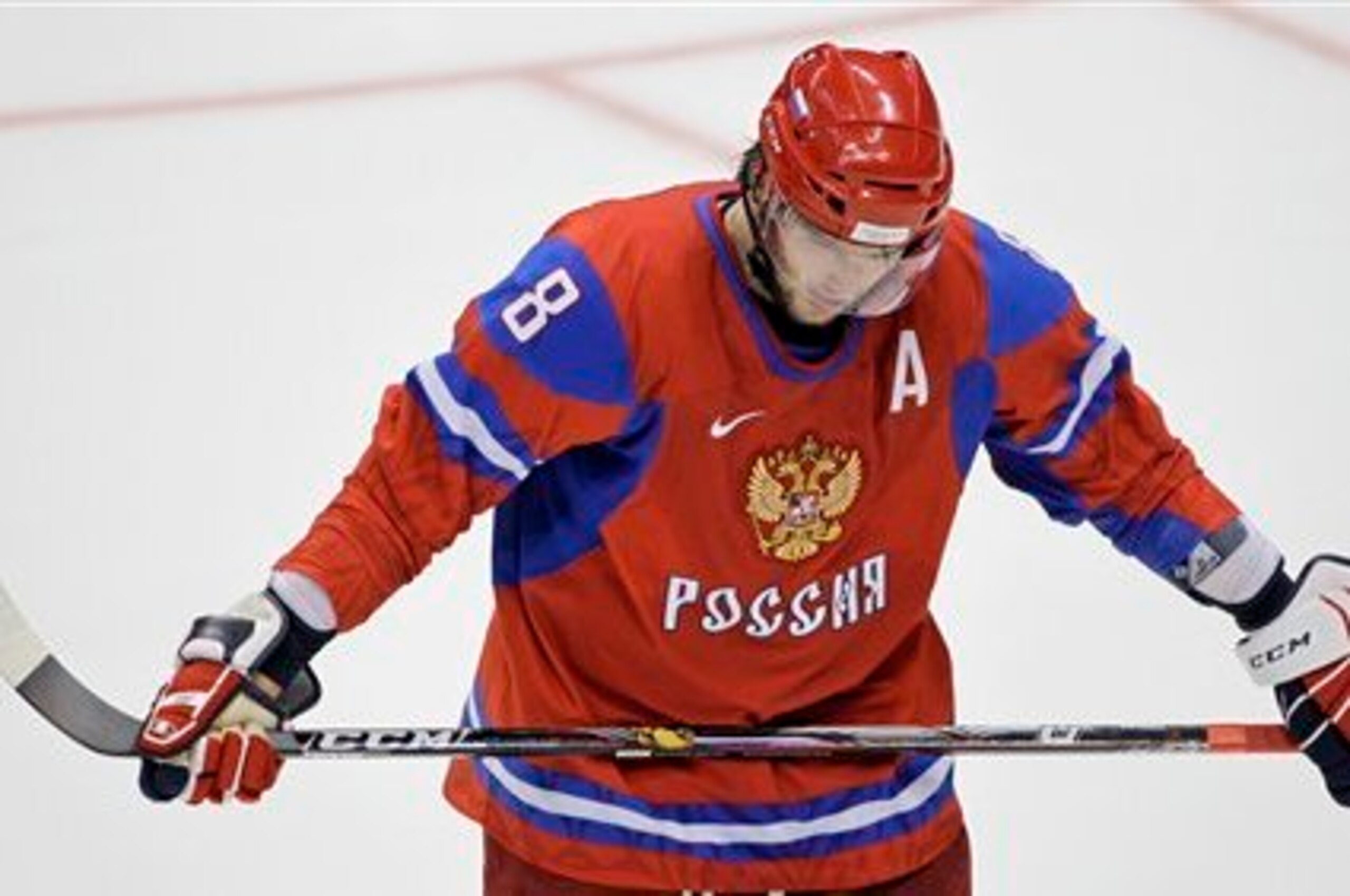

The Greatest Strength of Each Sochi-Bound Washington Capital
The 2014 Winter Olympic Games are less than two weeks away, which means hockey’s brightest stars will soon be departing for Sochi.
While the Washington Capitals won’t be sending nearly as many participants as, say, the Chicago Blackhawks, Detroit Red Wings or Los Angeles Kings, Adam Oates’ three representatives will be counted upon to play big roles on their respective national teams.
All three are completely different players, with unique abilities and varying expectations lying before them in Russia, but each is more than capable of making a difference in what could be the last Olympics featuring NHL players for some time.
Heading into one of the most star-studded international hockey tournaments in history, here’s a look at the greatest strength of each Washington Capital that will be taking the ice in Sochi.
John Carlson: Mobility
1 of 3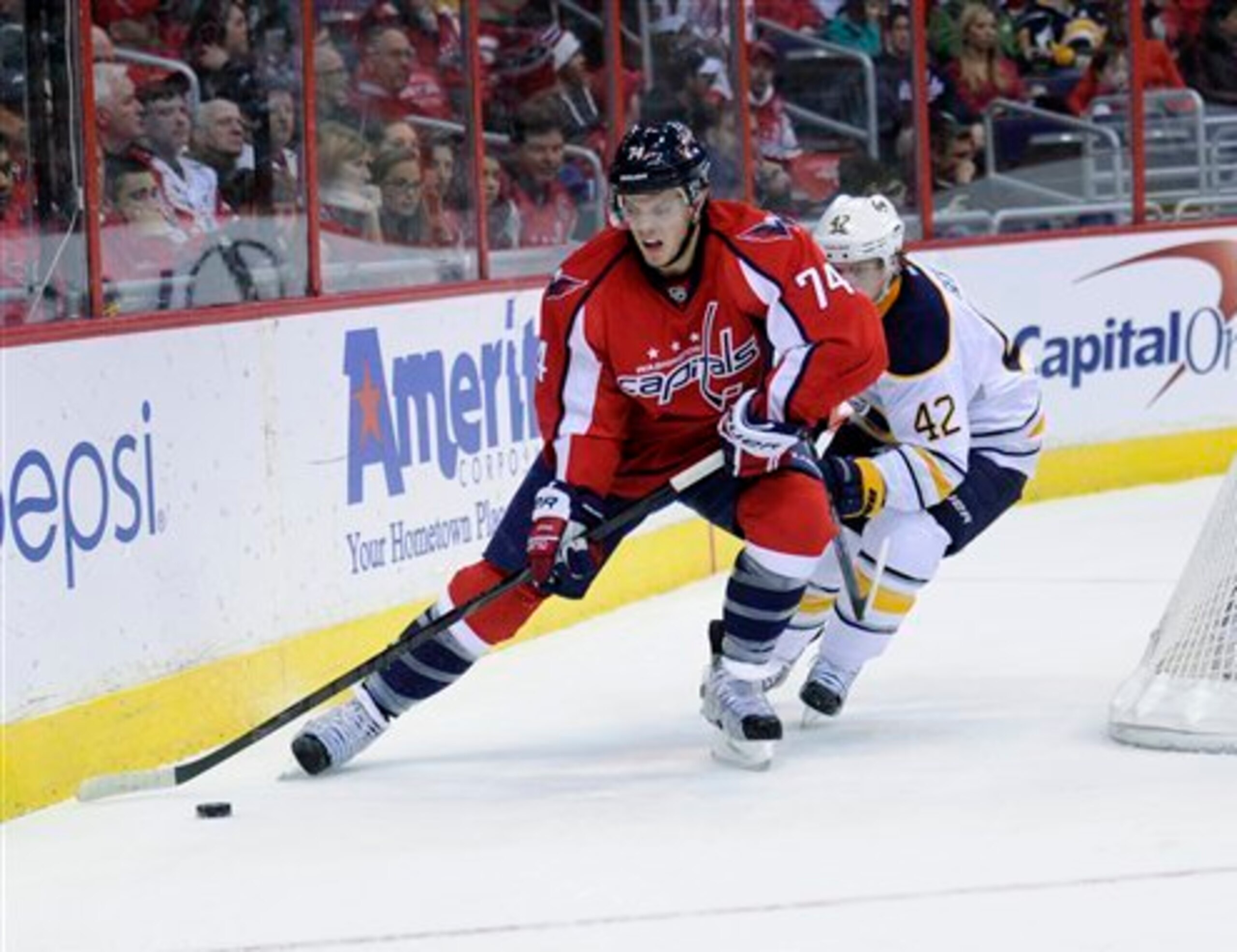
After regularly icing teams led by veterans, the Americans decided to go with a much younger defensive corps this time around, and one of the more intriguing names on the roster is John Carlson.
A former All-Rookie team selection and World Junior Championship hero, Carlson’s offensive exploits are well-documented, but what’s often overlooked is how well the 24-year-old moves for a 6’3” rearguard.
Yes, Carlson’s blessed with a bomb of a shot, which is why he’s become one of the game’s most dangerous defensemen from the point, but his ability to both jump into the play offensively, as well as make up for any miscues with his speed and agility, make him a very valuable member of the team.
This season, Carlson’s supplanted Mike Green as Oates’ most trusted option from the back end, and given how reliable he’s been in D.C., the United States will probably use him within the team’s top six.
With size, skill and tenacity already a part of the package, Carlson’s mobility is what makes him an especially difficult matchup for opposing teams.
Alex Ovechkin: Offensive Instincts
2 of 3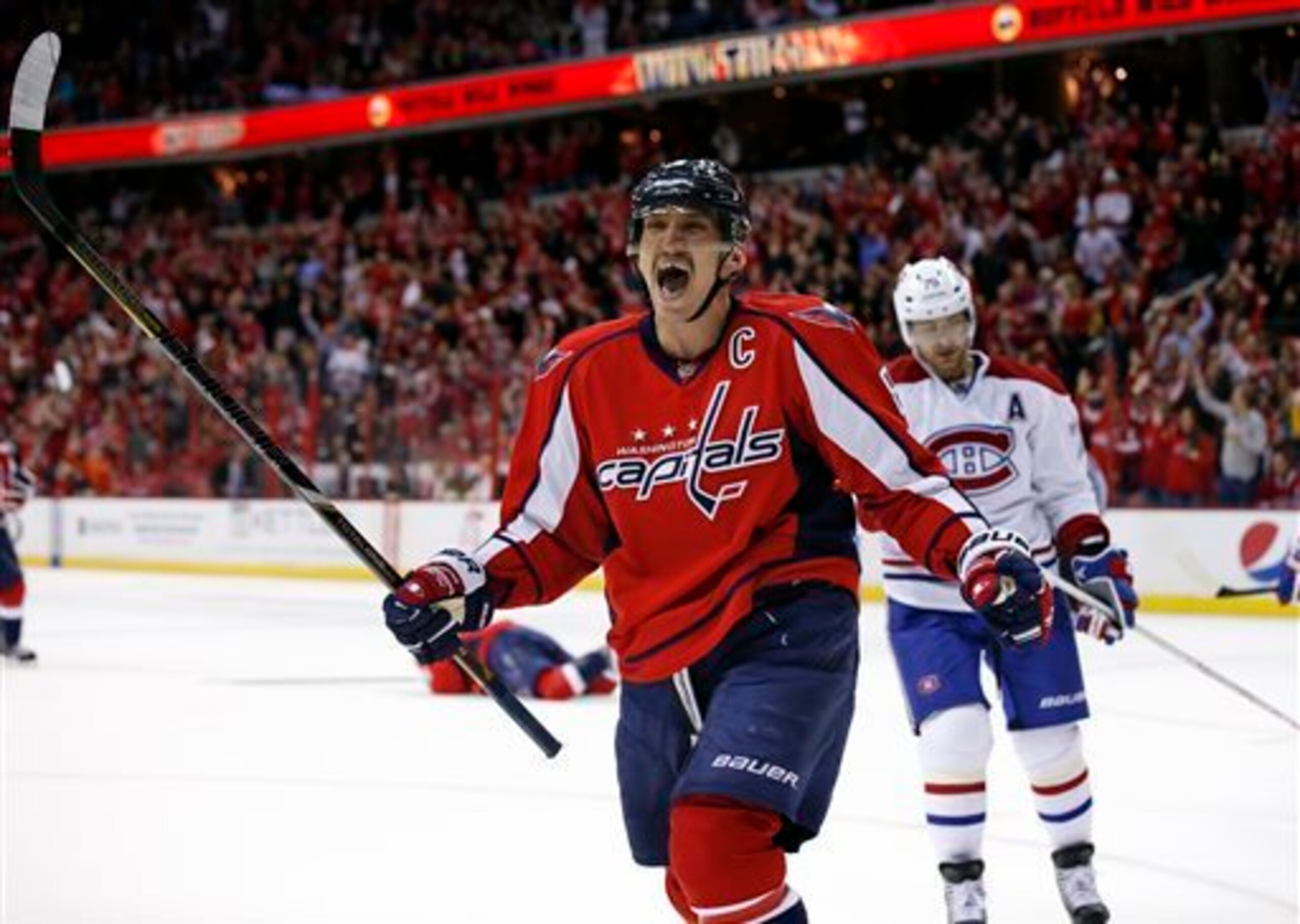
One could make an argument for Alex Ovechkin having the game’s most dangerous shot, and with all due respect to Steven Stamkos, they’d have my support.
However, the one attribute that’s made Ovechkin the greatest scorer of his generation is the sixth sense he possesses in the offensive zone.
Earlier in his career, the Russian superstar would beat teams with his shot, speed and general ferocity while on the attack, but since the last Olympics, Ovechkin’s had to become less predictable.
As a result, we now see less of the highlight-reel end-to-end rushes that were a staple during the first five seasons of his career and more of Ovechkin waiting in the weeds for an opportunity to unleash one of his trademark bullets.
Not many guys could flourish while switching positions after seven NHL seasons, but Ovechkin’s done just that, and the primary reason behind that is his ability to read plays and identify chances to score around the net.
Nicklas Backstrom: Vision
3 of 3
The Washington Capitals went into the 2006 NHL draft with the intention of acquiring a potential setup man for Ovechkin, who had already established himself as the team’s franchise player.
George McPhee accomplished that mission by selecting Nicklas Backstrom at No. 4, and since then, the Swedish pivot has become one of the game’s most productive centers.
Though his touch, passing and puck protection all fall into the category of being elite, Backstrom’s most distinguishing skill is his vision in the offensive zone.
As discussed earlier, Ovechkin’s success caused opposing defenses to key in on the Russian sniper, which means that Backstrom’s windows to feed the captain have gradually closed over the course of the last seven seasons.
Nonetheless, Backstrom continues to find ways to get the puck to his winger in scoring areas, and he’ll be expected to do the same with Sweden.
In 2010, Backstrom led the Swedes in scoring, and with much of the national team’s core aging, the 26-year-old is going to have to be at his best.


.png?w=2560 "Nikishin Landing Spots")
.jpg?w=2560 "49ers Giants Football")
.jpg?w=2560 "Rams troll Giants on social media")

.jpg?w=2560 "WWE Raw Live Grades 🔠")
.png?w=2560 "Davante's MONSTER MNF 🤯")

.png?w=2560 "McVay's Funny Travel Quote 🤣")