


Zinedine Zidane’s heabutt on Marco Materazzi in extra time of the 2006 FIFA World Cup Final between France and Italy is one of the most iconic scenes in World Cup history.
Now infamous, it is one of a collection of moments that define the biggest match in world football.
In this case, it also was the final memory in the career of one of the best players to ever play the game.
110 minutes into the match at the Olympiastadion in Berlin, after giving France the lead with a seventh-minute penalty, Zidane headbutted Materazzi after a brief exchange of words.
The image of that moment will forever live in the memory of football fans.
Here are some other iconic World Cup moments.
Battiston Collision
1 of 8We're sticking with a French theme to start things off.
Les Bleus found themselves on the end of major injustice in the semi-final of the 1982 World Cup in Spain, when Patrick Battiston collided with West Germany goalkeeper Harald Schumacher.
The Frenchman was running onto a through ball from Michel Platini when Schumacher flattened him, knocking him unconscious.
Battiston was later revealed to have lost three teeth and damaged his vertebrae, which contributed towards him later slipping into a coma.
The game finished 3-3, but the Germans won 5-4 on penalties.
Battiston and Schumacher’s collision made the game memorable, but for the wrong reasons. However, it was an exceptional match in its own right.
Baggio's Penalty Miss
2 of 8As with Battiston’s injury, iconic World Cup memories are not always happy.
The image of Roberto Baggio’s face moments after missing the crucial final penalty against Brazil in the final of the 1994 World Cup is perhaps the most poignant in that category.
After finishing 0-0 in extra time, a supposedly unfit Baggio stepped forward to take the Azzurri’s final spot-kick, having already seen Franco Baresi and Daniele Massaro miss.
Despite finishing the tournament as the second-highest scorer and arguably being the main reason that Italy even reached the final, Baggio’s skied effort remains the enduring memory of that match.
Tardelli's Scream
3 of 8A happier memory for Italians will be Marco Tardelli’s goal against West Germany in the final of the 1982 World Cup.
Perhaps a bit of what goes around comes around for Harald Schumacher, after his foul on Battiston went completely unpunished earlier in the tournament.
1-0 up after 69 minutes, Italy came forward in the 69th minute, and Tardelli eventually got his shot off before reeling away in celebration.
The “Tardelli cry,” as it became known, is one of the most iconic goal celebrations ever seen, certainly one of the most emotive in the history of calcio.
Italy went on to complete a 3-1 win over the Germans, lifting a third World Cup.

Gazza's Tears
4 of 8Except for the obvious 1966 triumph, Italia '90 is probably the most memorable World Cup campaign for English football fans.
The team were playing some excellent football, and Paul Gascoigne, a Tottenham Hotspur player at the time, was particularly talismanic.
Going into England’s semi-final against West Germany, Gazza was on a yellow card, thanks to his earlier booking against Belgium in the second round.
Following a foul on Thomas Berthold, he received another yellow card meaning that he would miss the final should England make it.
They did not, but the raw image of Gascoigne bursting into tears became one of the most memorable in English football history following the Germans’ 4-3 penalty victory.
The Cruyff Turn
5 of 8One of the most iconic moves in football, not just in World Cup history, was first introduced to the global game via television at the 1974 tournament in West Germany.
The Cruyff Turn is now one of the most commonly known tricks in the game; it is also the best-known universally.
It cannot be ascertained whether Johan Cruyff was demonstrating the skill with Ajax and then Barcelona prior to the competition in 1974, but the Dutchman revealed it to the world during the Netherlands’ Group 3 clash with Sweden.
Despite the relative unimportance of the match (a goalless draw), the majority of world football fans will remember it as the moment that the Cruyff Turn was born.
1966
6 of 8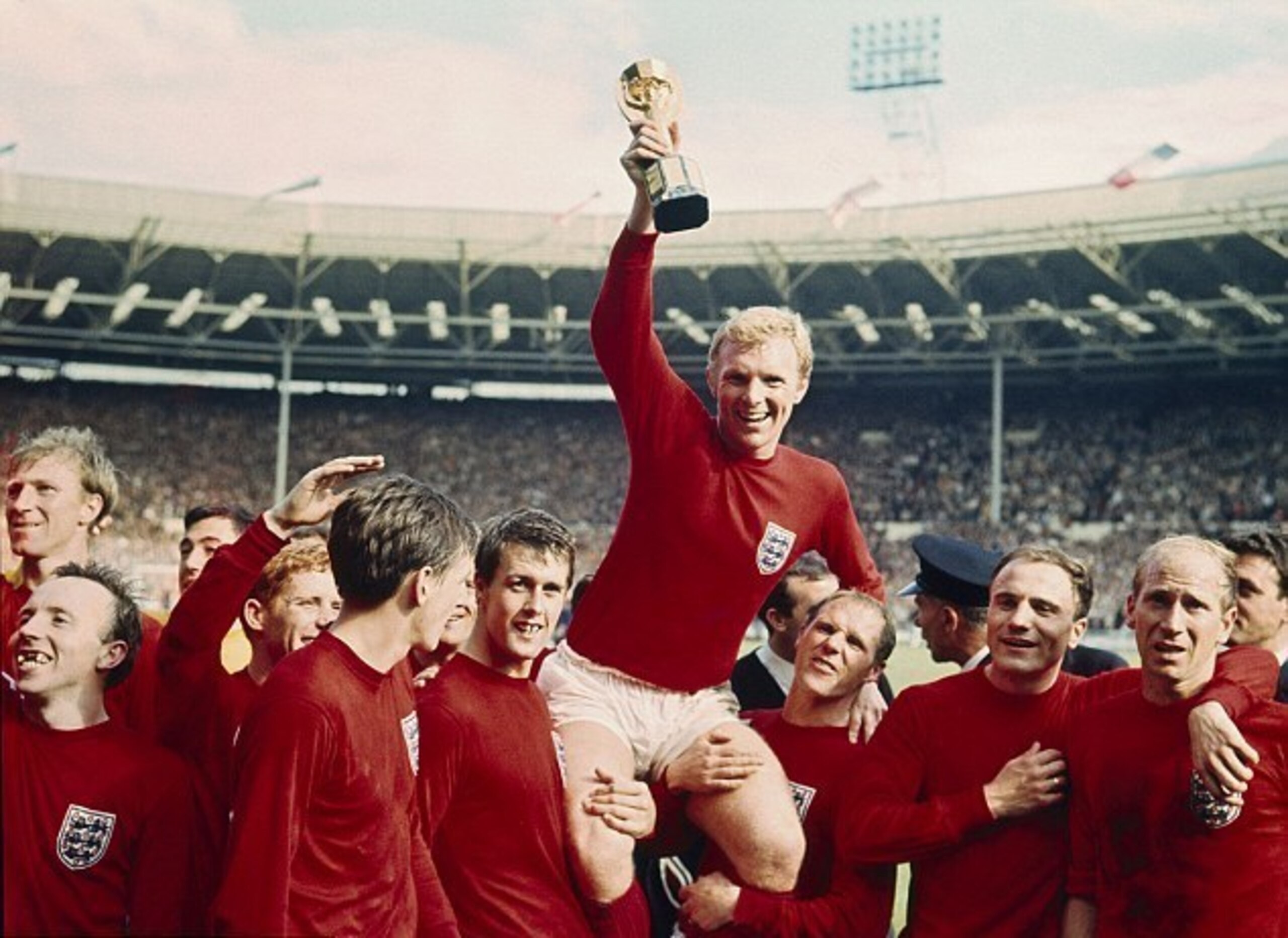
The 1966 World Cup is famous for a number of reasons to English football fans, not least the fact that the Three Lions won the tournament.
Geoff Hurst’s famous goal (was it or was it not?) is perhaps the overriding memory of the success, but the game also spawned one of the most famous lines of football commentary in the history of the game.
“Some people are on the pitch, they think it’s all over!” cried BBC commentator Kenneth Wolstenholme as Hurst bore down on goal at 3-2. “It is now! It’s four!”
The picture of Bobby Moore being held aloft by his teammates with one arm raised, holding the Jules Rimet trophy, is another iconic memory of the event.
Pele 1958 & 1970
7 of 8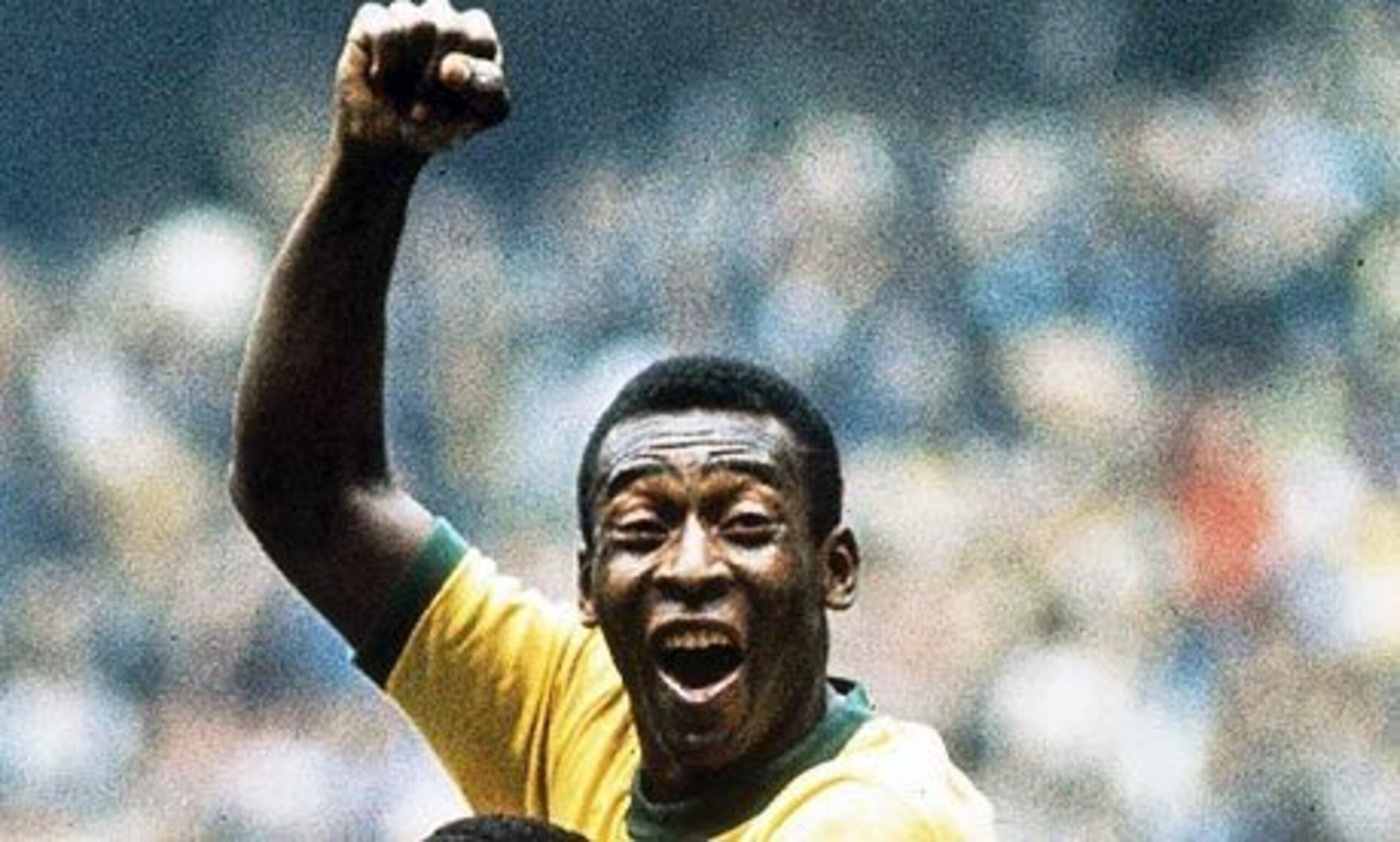
No collection of iconic World Cup moments would be complete without mentioning legendary Brazilian footballer Pele.
At the 1958 World Cup in Sweden, Pele emerged as a 17-year-old prodigy. After scoring against Wales in the quarterfinals, he netted a hat-trick in the semi-finals against France before "that" goal in the final against the hosts.
That tournament was the birth of the player who until recently has been the one against whom all others are measured, the benchmark of iconic footballers.
However, Pele has been involved in more than just one iconic World Cup moment.
At the 1970 World Cup in Mexico, the pinnacle for arguably the greatest team to ever play at the tournament, Pele contributed to what is considered one of Brazil’s (and football’s) most iconic goals ever.
And he did not even take star billing.
Carlos Alberto put the finishing touch on a flowing move that demonstrated impeccable team work and brilliantly simple but effective passing.
Pele provided the assist for Alberto as the Selecao side boasting the likes of Jairzinho, Rivelino, Gerson and Tostao beat Italy 4-1 to lift a third trophy.
Diego Maradona 1986 & 1994
8 of 8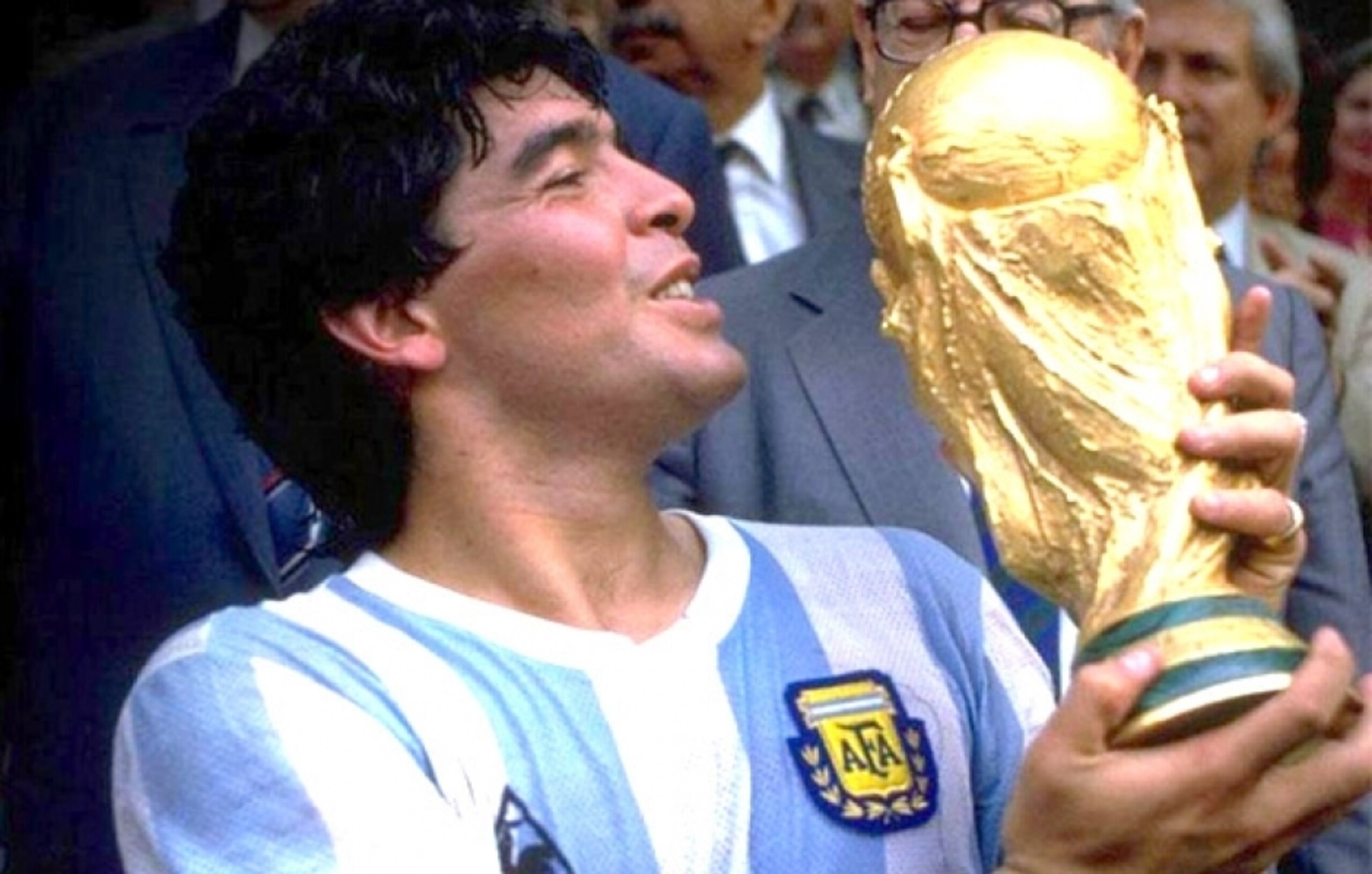
Few, if any, are capable of usurping Pele in terms of importance and iconic moments in football.
But one man who can claim to have arguably contributed more iconic moments in World Cup history than the Brazilian is Diego Maradona.
Like some of the moments already mentioned in this piece, not all of the Argentine’s iconic moments are good. In fact, more will be remembered for the wrong reasons.
But that is part of Maradona’s appeal. For everything outrageous and borderline-dishonest that he did, he produced a moment of pure magic that ranks among football’s greatest-ever memories.
In 1986 at the Mexico World Cup, El Pibe de Oro contributed two such iconic moments in one match.
Against Bobby Robson’s England side in the quarter-final, the “Hand of God” goal became infamous.
But it was followed by a virtuoso effort to secure Argentina’s eventual 2-1 victory that perhaps eclipses it as the most iconic of Maradona’s goals. That second goal is largely regarded as one of, if not the best in the game’s history.
The third iconic moment provided by Maradona was less savoury.
In the 1994 group stage against Greece in the United States, the Argentine’s goal was overshadowed by the revelation of his ephedrine use (the goal celebration was later known as the “ephedrine scream”).
The goal would prove to be his last in an Argentina shirt, and Maradona would never play for the national team again after being banned for the incident.
It is a massively iconic image, but for all the wrong reasons.

.jpg?w=2560 "Chiefs, Steelers Eye WR Trades")






.jpg?w=2560 "Raiders Sticking with Cousins")