
Report: Doctors Provided Derek Boogaard with over 100 Prescriptions
Derek Boogaard only played one season for the New York Rangers, but in that short span, the "Boogie Man" quickly became a favorite of the Garden faithful.
His tragic death last year at the age of 28 shook the league and opened many tough questions regarding the role of prescription painkillers in sports.
John Branch of The New York Times released a disturbing report today that has begun to shed some light on the circumstances regarding Boogaard's addiction and, ultimately, death at the hands of prescription drugs.


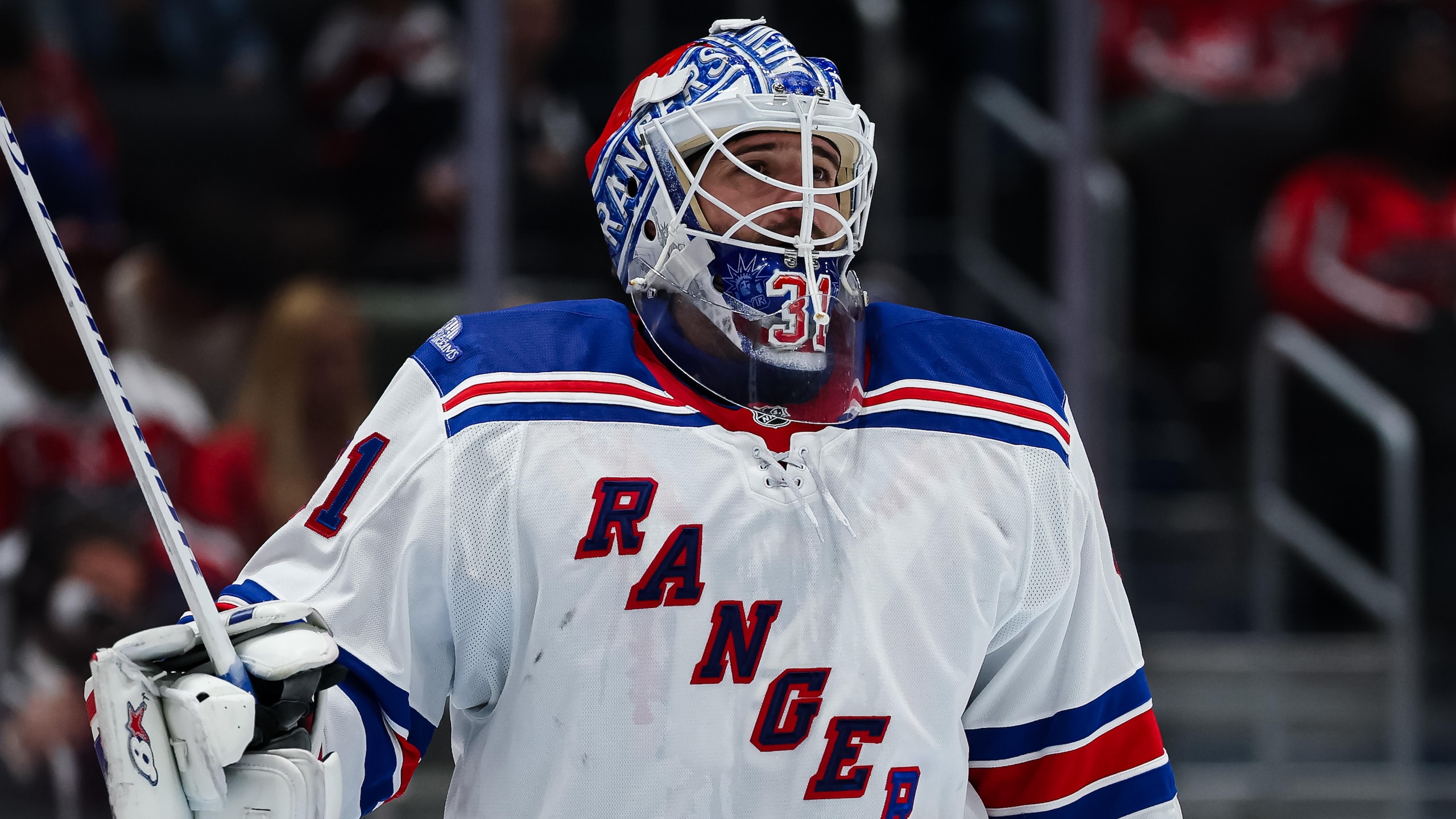
According to the report, which was largely compiled through documents that Boogaard's father provided, the rugged enforcer received over 100 prescriptions for painkillers in his last three seasons of play. This time was split between the Minnesota Wild and New York Rangers.
The report's findings are disturbing and indicate that there is a lot of blame to go around and still many tough questions that the NHL and the teams involved cannot ignore.
Amongst the report's disturbing findings are that Boogaard received over 25 prescriptions for the painkillers oxycodone and hydrocodone during one six-month stretch between October 2008 and April 2009. This totaled 622 pills that mainly doctors working for the Minnesota Wild were responsible for prescribing, but also an unnamed NHL club.
Boogaard entered into the NHL's substance abuse program in September 2009. By this point, the league was well aware of his substance-abuse history.
In 2010, he left the Minnesota Wild, signing a four-year, $6.5 million contract with the New York Rangers. While in New York, the drug flow never abated, as the report states that team doctors provided Boogaard with prescription painkillers and sleeping aids at an alarming rate.
It is astounding that a player with a known substance-abuse problem could have such easy access to prescription drugs. It is a horrible failure on behalf of both the league and the associated teams, and there needs to be accountability.
The report cites the drug Ambien, a prescription sleeping aid that Boogaard had abused in the past, and states that team doctors gave him 10 prescriptions for the drug in his lone Rangers season.
It also points out a disturbing lack of oversight, claiming that Boogaard was often able to simply send text messages to team doctors requesting prescriptions.
The report is careful to point out, though, that it is unclear whether team doctors communicated with each other. This begs the question of whether or not individual doctors were even aware what each other was prescribing. It also doesn't discount the illegal acquisition of prescription drugs that also played a part in Boogaard's death.
However, if team doctors are not communicating, this also raises many disturbing questions.
This story is very alarming and makes you wonder how many players are going through the same situation that led to the death of Derek Boogaard. It shows that the NHL must get very serious, very quickly about this problem. If not, we could have more tragedies on our hands.

.jpg?w=2560 "NHL Trade Grades Connor Hellebuyck")
.jpg?w=2560 "Mahomes Told Teammate to Leave Meeting")
.jpg?w=2560 "🚨 Week 8 AP Top 25 Poll")




.jpg?w=2560 "Updates from EVERY NFL Game 🏈")
.jpg?w=2560 "Baker Gets Glove From Rays 🧤")