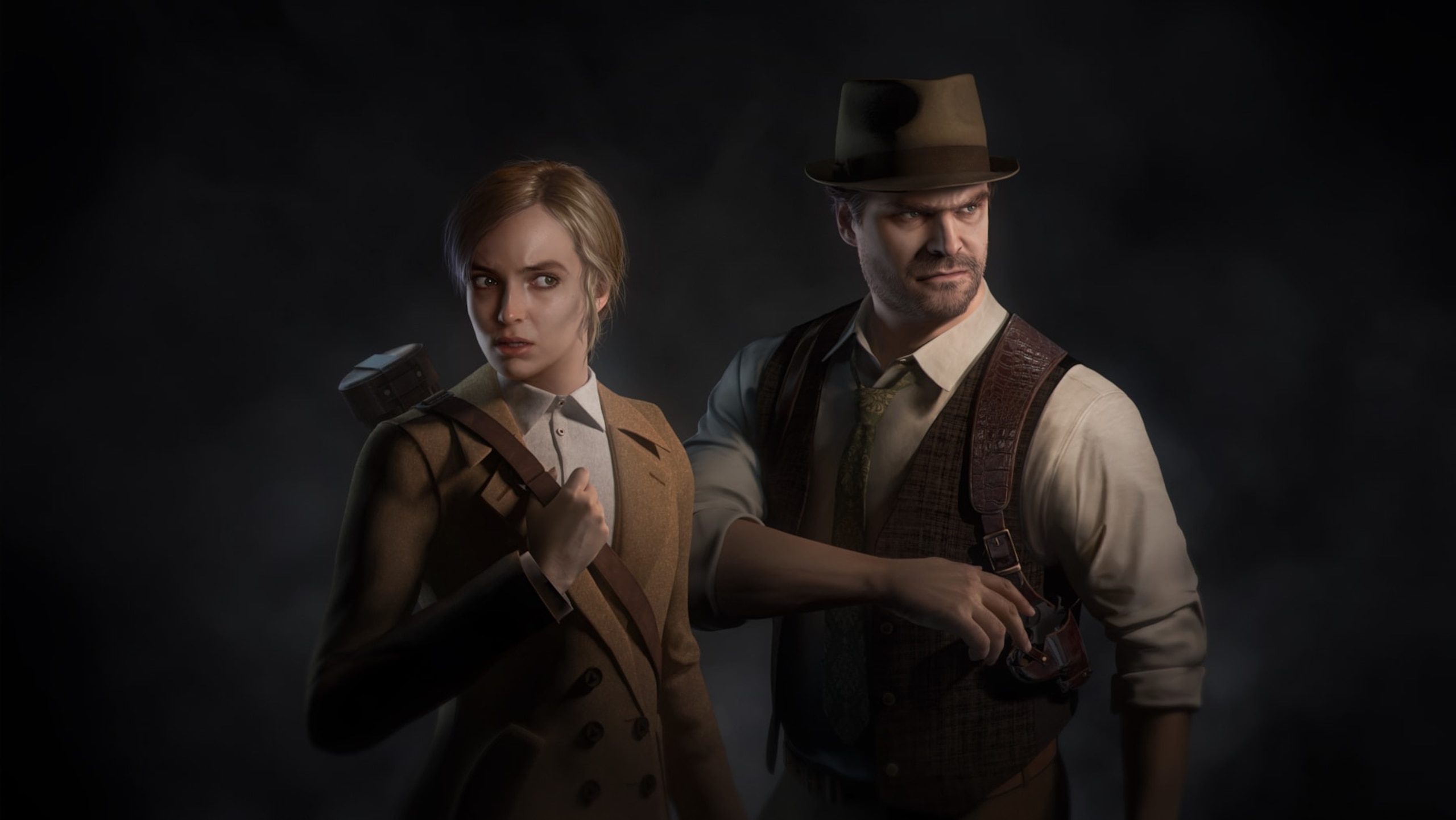

Alone in the Dark Review: Gameplay Impressions, Videos and Top Features
Alone in the Dark from developer Pieces Interactive seeks to be the latest classic brought forward to modern times successfully.
A reimagining of the survival horror hit from 1992, Alone in the Dark keeps the spirit of what made the first game so beloved—players are lonely in a stunning setting, vulnerable and besieged by the unknown.
A revival of Alone in the Dark has always been one of those consistent wishlist items, even if the later games in the series aren't held in high regard. So it's understandable that this game heads to release with rather large hype.
TOP NEWS

New NFL contenders starting to emerge after Week 4

Deion Playbook Found at Hotel
.jpg?w=2560 "Cardinals Giants Football")
NFL investigating 2 referees for separate viral exchanges
But to match recent renaissance tales of remakes in the Resident Evil and even Dead Space series, among others, Alone in the Dark needs to fully embrace next-generation technology to find that proper ambiance and immersion that puts it on those levels.
Graphics and Gameplay
Even in 1992, the original Alone in the Dark had the perfect blend of locale, themes and production to keep a player's palms sweaty.
How could it not? Set in the 1920s with a dash of noir and overarching Lovecraftian horror, the recipe paired beautifully with the limits of the technology at the time.
Thankfully, this reimagining captures the same essence while properly leaning into the power, backing the effort with engrossing visuals and—perhaps more importantly—stunning sound design.
Derceto Manor very much has a case of "it's a character in its own right" going on, thankfully. It's claustrophobic and creepy. The love and care put into keeping the world grounded with stunning 1920s detail is a treat.
Part of the terror, or at least unease, comes from the excellent sound design. The voice acting is amazing as expected (it's Jodie Comer and David Harbour in the leads, after all), but it's the little creaks that hint at the manor being a living thing, the bird calls from just outside the windows, the muttered, tension-filled comments from the player's character, these things seal the deal. Pair that with a stunning, jazzy-but-horrific jump-scare soundtrack and the marriage is captivating.
Those characters look good with solid facial animations and overall movements, though more of the spotlight understandably goes to some of the many varied and sometimes horrific enemies encountered.
It's not too much of a spoiler to reveal that players will visit non-manor areas like... well, spoilers. But the tonal shift can be massive and is always pleasing. Players use a talisman to travel, so to speak, and the shakeup to the usual setting is never not interesting.
The game plays with this in excellent ways, like the characters and player getting a little flash of visited areas via the talisman flickering onto the screen while exploring the manor. That it's wrapped in some phenomenal lighting, shadow and reflective work makes it all the better.
As such, exploration is a treat. A tension-laced treat, but a treat nonetheless and the game rewards it, too (more on that in a bit). There's more to explore than it seems at first pass, which is a nice bonus.
Along the way, players will encounter puzzles, some of which are mandatory. But they never felt too difficult and if they are, options exist to ease the burden.
Make no mistake—this isn't a combat-focused game. To say the action with guns and melees is passable isn't an insult, more so a tip of the 20s-styled detective hat in the way it compliments the rest of the package.
Guns feel good to use and there are some typical expectations it hits on well enough. Case in point, melee weapons break easily and there are elements of stealth, with the player able to throw objects that distract enemies.
Ammo feels like it is supposed to be scarce, yet players who check every nook and cranny of an environment might end up just fine.
It's a case of managing expectations when it comes to combat. Gamers have been pretty spoiled over the last few years in the genre with, say, Dead Space's stunning dismemberment via futuristic technology. But Alone in the Dark holds its own through a smart blend of design and leaning into the technological limitations of the setting.
More importantly, the setting that oozes engrossing detail—such as carefully-voice-acted journal entries—is the highlight.
Story and More
Players assume the role of Emily Hartwood and/ or private investigator Edward Carnby in journeying to Derceto Manor in search of Emily's uncle.
But that's where Alone in the Dark really plays with the merging of narrative and video game mechanisms.
The game's path will change depending on which character the player selects. This can lead to different, unique dialogue and cutscenes along the way.
Notably, exploration can play into endings and subsequent playthroughs. Finding and collecting "Lagniappes" that carry over to a second or further playthroughs can have a compounding effect on the game's events.
Along the way, the game weaves lots of narrative and little bits and pieces of world details in areas and items discovered. It makes for a strong bit of environmental storytelling, with the "Lagniappes" just another reason to spend a lot of time combing places with a careful eye.
Even despite the subject matter and residing in a bit of a niche genre, Alone in the Dark does a good job of making itself accessible to as many players as possible.
The best example is the presence of a modern or old-school mode, with the latter going out of its way to leave players to their own devices when it comes to puzzles.
Impressively, the game doesn't force players into a one-or-the-other decision. Players can dive in and individually tweak the various help systems, such as text highlighting that reveals which parts of sentences are important to puzzle solutions.
Conclusion
Alone in the Dark might share a namesake with a classic from long ago, but this modern reimagining stands on its own just fine.
Like some of the other genre heavyweights of the last few years, Alone in the Dark is engrossing in a strange way that just doesn't let go once it gets a hold.
Modern designs such as difficult-as-wanted sliders with mechanics and characters that encourage multiple playthroughs marry incredibly well to the creepy setting and tale.
So much so, while Alone in the Dark is fittingly a sleeper hit that will sneak up on the market and stand the test of time, it's also going to have players excited for what might come next and in what settings.
.jpg?w=2560 "Hill Injury Update Football")
.jpg?w=2560 "Titans Giants Football")
.jpg?w=2560 "Tyreek makes another cryptic post amid Chiefs rumors")



