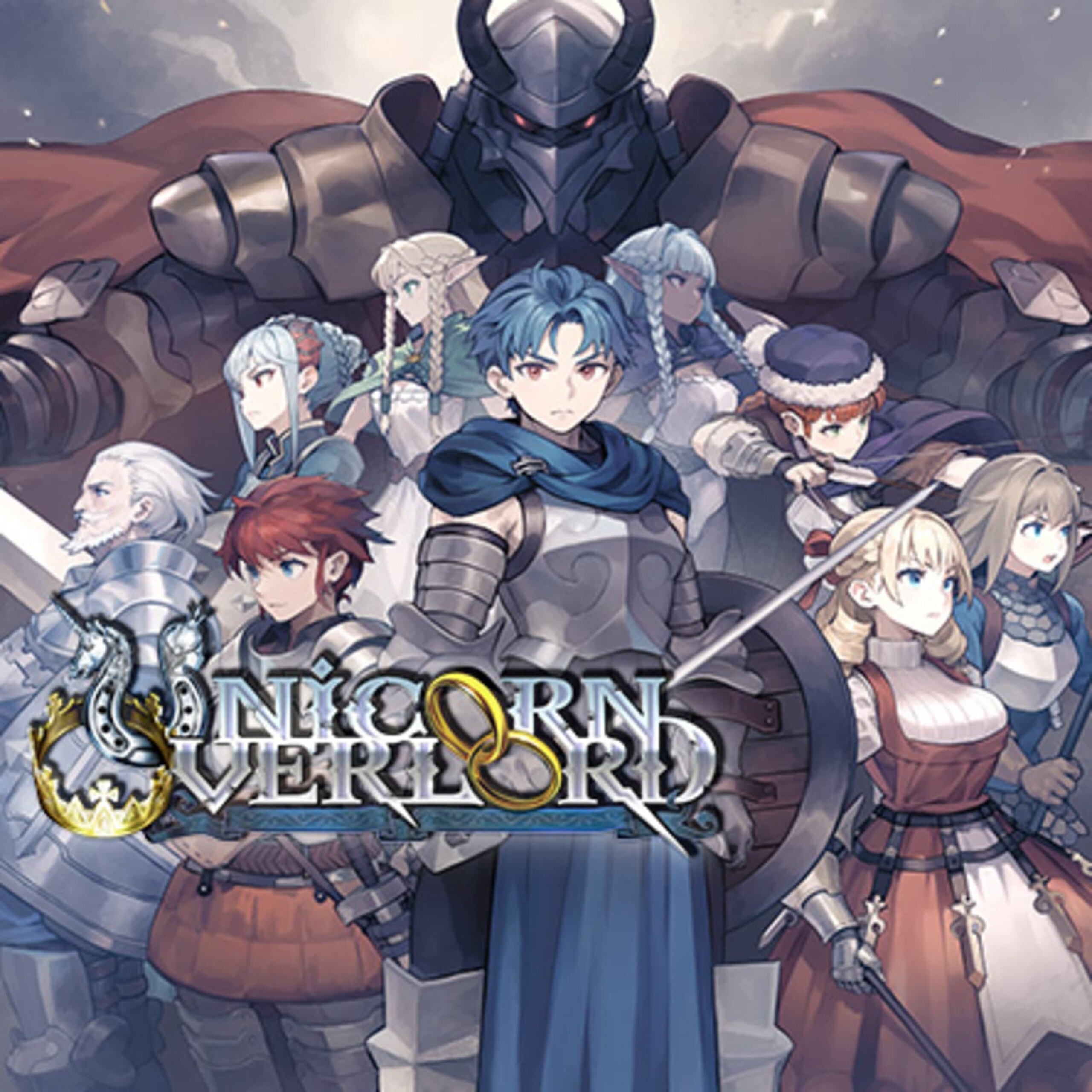

Unicorn Overlord Review: Gameplay Impressions, Videos and Top Features
At first pass, Unicorn Overlord from developer Vanillaware and publisher Atlus has the look of a classic tactical fantasy RPG.
Promising deep layers of systems to gameplay underneath the incredible-looking offering, it has a serious chance to be one of the modern greats in a strategy RPG genre that doesn't get nearly as many releases as other beloved categories.
Of course, going up against the likes of Fire Emblem and all-time heavyweights like Final Fantasy Tactics is no easy task.
TOP NEWS

New NFL contenders starting to emerge after Week 4
.jpg?w=2560 "Cardinals Giants Football")
NFL investigating 2 referees for separate viral exchanges

Deion Playbook Found at Hotel
But right from the opening minutes, Unicorn Overlord feels like a game set to contend in more than just 2024 Game of the Year competitions.
Graphics and Gameplay
The continent of Fevrith and the characters it houses is stunning in an artistic way that only the likes of Octopath Traveler have managed to capture in recent years.
Players navigate a healthy dose of overworld exploration via 2-D sprite art that is bold, colorful, and pops off the screen at every turn. Regions vary and are packed with detail, sure, but what's really impressive is the depth in a 2-D environment—a forest behind the character, for example, stretches to the horizon.
Little presentation decisions, like how the camera zooms in to depict a battle, are savvy, too. And within those battles or character screens, each model is super-detailed. A fitting soundtrack pulses in the background, adding the proper tension or levity, while the sounds of battle themselves provide the necessary emphasis.
It's an overall seriously gorgeous presentation design and one of those art styles that flirts with a label such as transcendent because of the way it manages to look classical, like games of old, yet unique and inspired enough to stand the test of time.
A special shoutout goes to the design of the user interface (UI), which might sound silly. But it's a stunning feat at what a breeze it is to find what you want, when you want, with all of it understandable and learnable despite the staggering number of systems in play at all times.
While exploring the overworld, players enter towns to use standard pitstops like blacksmiths and shops. Story progression, side quests and even optional battles are possible in those spaces, too.
Battle itself flows from preparatory stages, meaning gear, leveling and character behavior. Then, actual overarching unit movement before zooming in on standard battles.
Like in other classic tactical RPG offerings, that actual unit positioning in the environment offers bonuses or debuffs to abilities and stats. Think, height advantage, etc.
Once unit positioning has concluded, in battle itself, things unfold in real time with six characters per party (earning a currency called Honor allows the party size to go from two to six). Once an actual battle starts, players can only watch the results of their decisions play out on the screen.
What's interesting is that while a battle unfolds on a 3x2 grid, the entire six-member squad takes on the attributes of the assigned "leader" of the group. If a unit that can fly takes the lead, the entire squad can then take flight over environmental obstacles, for example. Even that small detail creates droves of depth to how players strategize on a battle-to-battle basis.
Valor is the key resource, earned by completing battles. It governs how many units the player can deploy and enables special skills, so balancing it is of the utmost importance.
Different character classes fall into the expected (and welcome) tropes. Some units are only effective at close range, so positioning long-range units to cover for them (and shield users to protect them) while they get into position is a standard example of class mixtures and gameplay strategy that hardly skims the surface.
There's a strength-weaknesses balance here, of course, with calvary strong against magic users, etc. And there's a stamina system to manage, too, as depleting leaves a unit vulnerable to attacks.
And no, the depth to strategy doesn't stop there. Each unit has a "Tactics" ability to manage, too and a variety of ways players can tell the unit to actually use it.
It's important to note that while players don't actually "control" the battles once they start, there's still a blitz-feeling pace to gameplay. Things happen fast and it's very easy to lose hours engrossed in acting as an overseeing field general.
Story and More
Unicorn Overlord's overarching story isn't going to wow most players.
Prince Alain, exiled as a child, acquires the Ring of the Unicorn and winds up leading the Liberation Army. The nefarious General Valmore overthrew a handful of nations and swept them all into one big Zenoiran Empire, which happens to now need liberating.
Effectively, Alain's (and the player's) task is to travel around rallying up support for his cause. It's extremely cut and dry and what one might come up with if asked to think of a standard medieval RPG storyline. But in a way, it sort of needs to be that basic because the player can encounter and recruit so many different kinds of side characters.
Those characters and the relationships crafted are real highlights of the tale. So, too, is smart narrative storytelling in the sense even busywork-feeling tasks like helping a town rebuild smartly play into the story itself. More noticeable, though, will be the areas where enemy units will chase the player down until they liberate the area, which is quite the motivator to tackle tasks, indeed.
Town exploration features side quests and relationship story beats with other characters, so they are far from simple vendor hubs.
The development of relationships is meaningful in that it not only creates the standard attachment to units in a Fire Emblem-ish way but colorizes the already-detailed world with necessary depth.
Did we mention depth and attachment to characters? Beyond all that's listed above, each unit, besides its specific class, has a trio of equipment slots and even a leveling-up plan that players can prioritize. So not only are players setting a unit's position, rules of engagement within a bigger party and possibly learning more about them outside of combat, they're equipping them and dictating just how they level up, too.
There's also an archive that is one of the best in gaming to date, so much so it feels like its own Wikipedia of the game. Whether it's character backstory, overall story beats or some other obscure info about the game, it's there in the archive.
Not to be undersold is a brilliant onboarding process, too. The game lets players get a sneak peek at an all-out battle with all systems go, then strips it down to barebones over a few tutorial missions that do a good job of explaining everything.
Beyond that, there's a robust set of options tucked into the menus, including three difficulty settings, so players can choose just how much they want to encounter a challenge, or even increase it as they improve.
Conclusion
In some ways, Unicorn Overlord is a greatest hits of all the best SRPGs considered classics.
But in its own way—and this is the most important takeaway here—Unicorn Overlord is one of the best tactical RPGs ever.
No hyperbole here. It sounds bold or a product of the honeymoon phase, but it's a case of feat atop of feat. The game is gorgeous, boasts a masterful UI and a wealth of depth rarely seen and the way it all moves in concert is something anyone with a shred of an interest should want to experience for themselves.
An example of the genre at its finest, Unicorn Overlord is a dark-horse Game of the Year contender that easily stands next to some of the juggernauts that paved the way for it.
.jpg?w=2560 "Hill Injury Update Football")
.jpg?w=2560 "Titans Giants Football")
.jpg?w=2560 "Tyreek makes another cryptic post amid Chiefs rumors")


.jpg?w=2560 "Greenlaw Talks Payton Exchange")
