

Voting for awards is not always a straightforward process. While some NFL seasons produce a clear-cut MVP winner, many years include two or three logical candidates for the prestigious award.
The reality is that, short of the 1982 season, basically every AP MVP recipient is still defensible today.
Hindsight, however, brings up a debate on several outcomes.
While the choices are subjective, they are based on a player's individual production and perceived impact. Modern views, such as per-play efficiency, are a factor as well—and certainly help describe why a certain player didn't win an MVP at the time, too.
All MVP winners are according to the Associated Press, which is considered the NFL's highest honor.
1971: Alan Page over Roger Staubach
1 of 6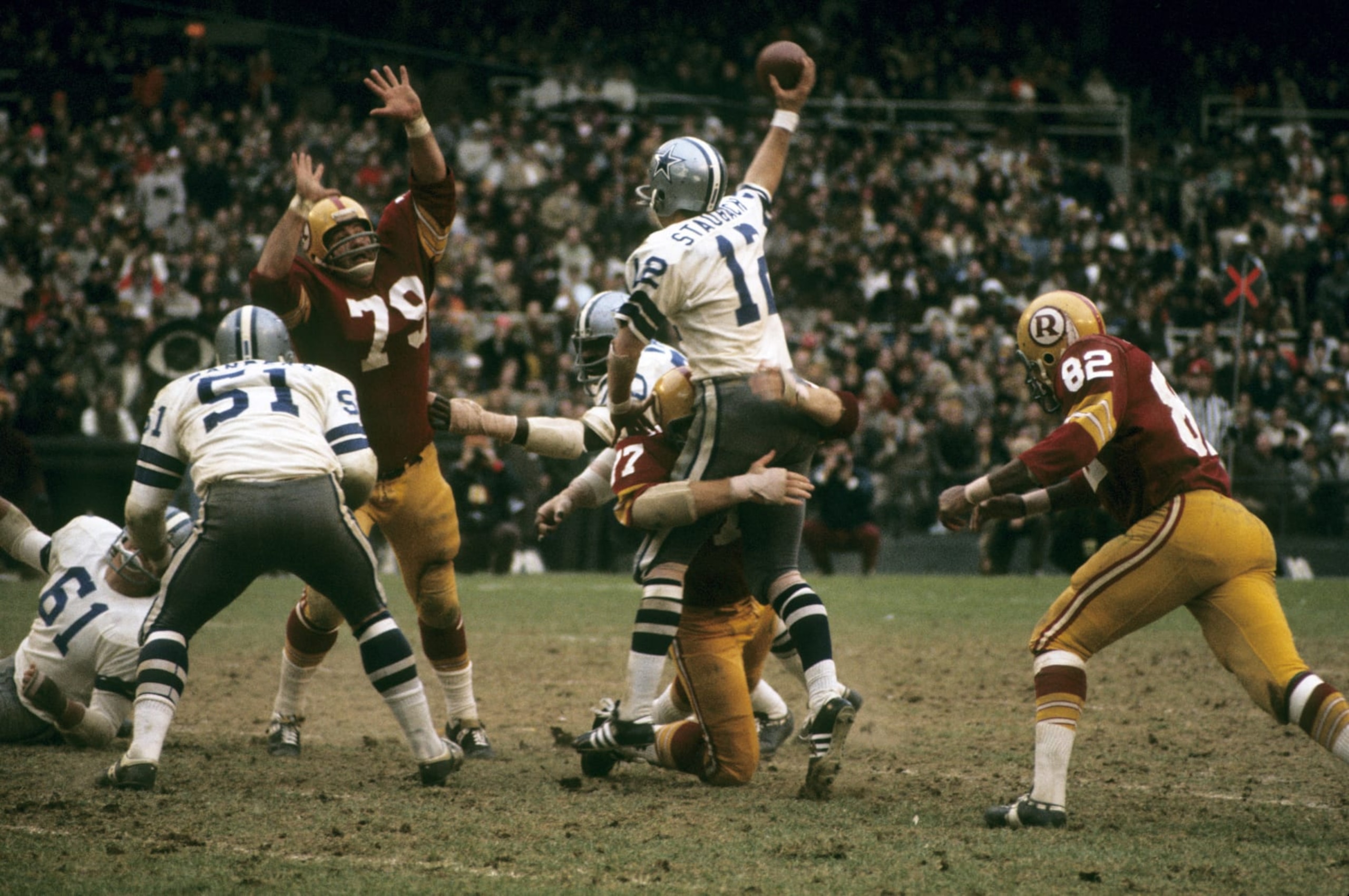
The problem for a young Roger Staubach in MVP voting was that Dallas Cowboys coach Tom Landry had flipped between him and Craig Morton early in 1971.
That's also sort of the appeal, too.
Once the Cowboys bailed on the rotation—one that even included every-other-play switches—they thrived. Staubach started the last seven games of the regular season, and Dallas went undefeated in that stretch.
Staubach ended the season with 1,882 passing yards and 15 scores to four interceptions, adding 343 rushing yards at a sterling 8.4 clip and two more touchdowns. He propelled the Cowboys past a Washington squad that owned a two-game advantage in the NFC East through seven weeks.
(AP voting happens before the playoffs, but I certainly have to note Dallas won the Super Bowl. Staubach was the game MVP, too.)
Alan Page, a leading piece of the Minnesota Vikings' "Purple People Eaters" defensive line, earned the MVP with nine sacks and three fumble recoveries. The future Hall of Famer was an incredible player, but Staubach sparked the Cowboys' run.
1982: Mark Moseley over Dan Fouts
2 of 6
Look, I love kickers. Finding an elite specialist can mean not worrying about the position for a decade or more.
But they probably should never win a regular-season MVP.
Nevertheless, that's what happened in the strike-shortened 1982 campaign. Washington's Mark Moseley put together a tremendous year, hitting 20-of-21 field goals in nine appearances. I could understand if Moseley had drilled a bunch of game-winners, but he made a typical two. He also missed three of his 19 extra-point attempts.
Voters chose Moseley over San Diego Chargers quarterback Dan Fouts, who paced the NFL in both passing yards (2,883) and yards per attempt (8.7). He also shared the league-best mark of touchdown passes with 17.
Fouts won AP Offensive Player of the Year but finished behind Moseley in the unique MVP results.
1987: John Elway over Jerry Rice
3 of 6
Something about the strike-altered years, apparently.
Denver Broncos quarterback John Elway landed the honor, and it wasn't undeserved. He posted an 8-3-1 record with 3,198 yards and 19 touchdowns to 12 picks as the Broncos won the AFC West. Fine season.
Jerry Rice, meanwhile, enjoyed a ridiculous year for the San Francisco 49ers. The legendary wide receiver caught 65 passes for 1,078 yards and shattered an NFL record with 22 touchdowns. Not only was 18 the previous mark, Rice racked up his number in 12 games compared to Mark Clayton's 15 outings on the Miami Dolphins in 1984.
Similar to Fouts in 1982, the consolation prize—AP Offensive Player of the Year—belonged to Rice.
But there should be an MVP in Rice's decorated trophy case, too.
.jpg?w=2560 "Chiefs Giants Football")

.jpg?w=2560 "Steelers Buccaneers Football")
1990: Joe Montana over Randall Cunningham
4 of 6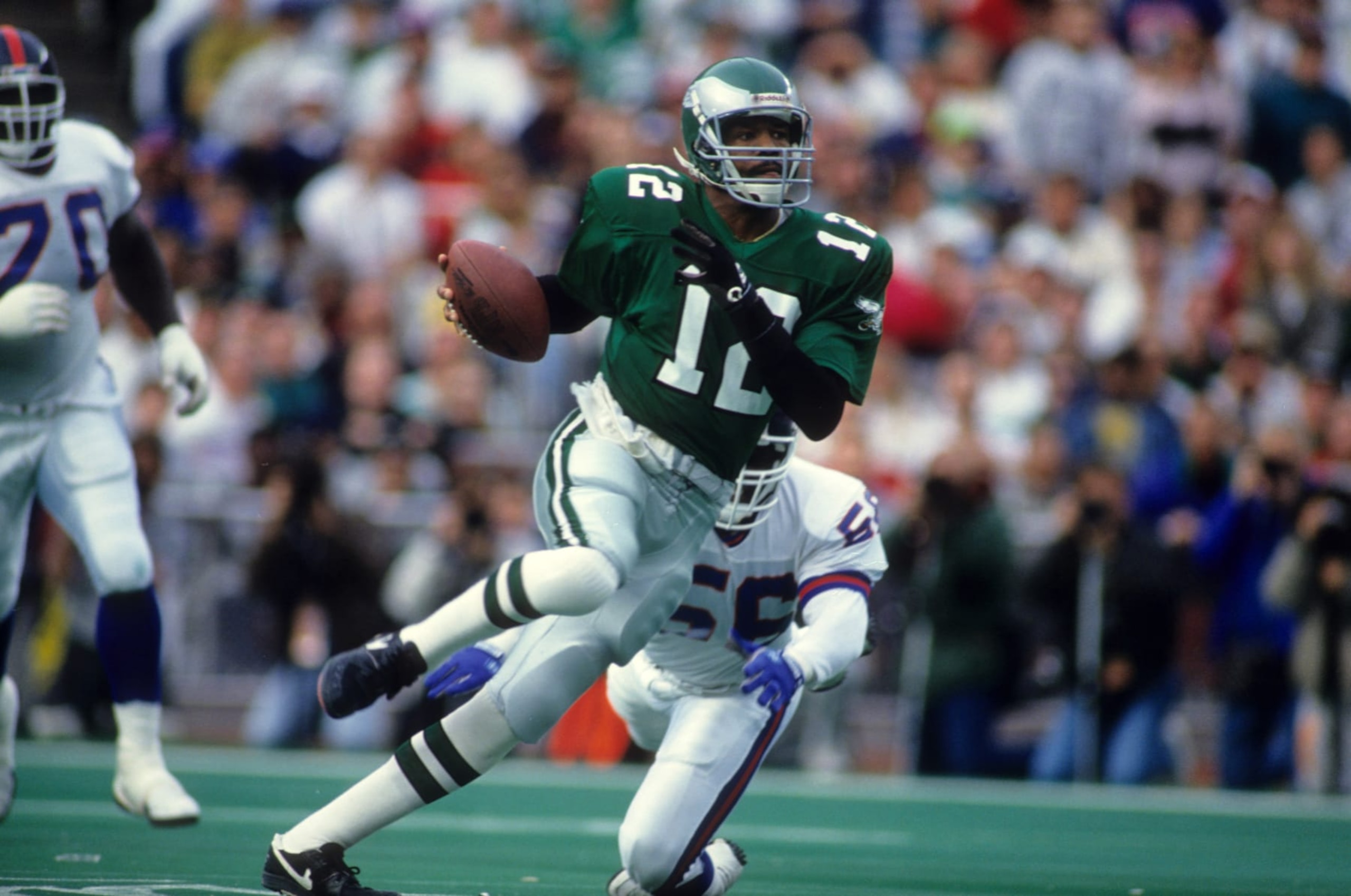
One of the first dual-threat QBs in NFL history, Randall Cunningham fell frustratingly short of the award he deserved in 1990.
San Francisco quarterback Joe Montana secured his back-to-back MVP, receiving 26 first-place nods to Cunningham's 18. The simple version is some voters preferred the 49ers' team success—and Montana's traditional style, it's only fair to say—over Cunningham's versatility.
Montana passed for 3,944 yards and 26 touchdowns to 16 interceptions, chipping in 162 yards and a score on the ground. San Francisco notched an NFC-best 14-2 record.
Cunningham, meanwhile, threw for 3,466 yards and 30 scores to 13 interceptions, trailing Montana's 7.6 yards per attempt by only a tenth. Most notably, Cunningham scampered for 942 yards and five touchdowns while guiding the 10-6 Philadelphia Eagles to the playoffs.
Cunningham ended his career as three-time MVP runner-up.
2008: Peyton Manning over Drew Brees
5 of 6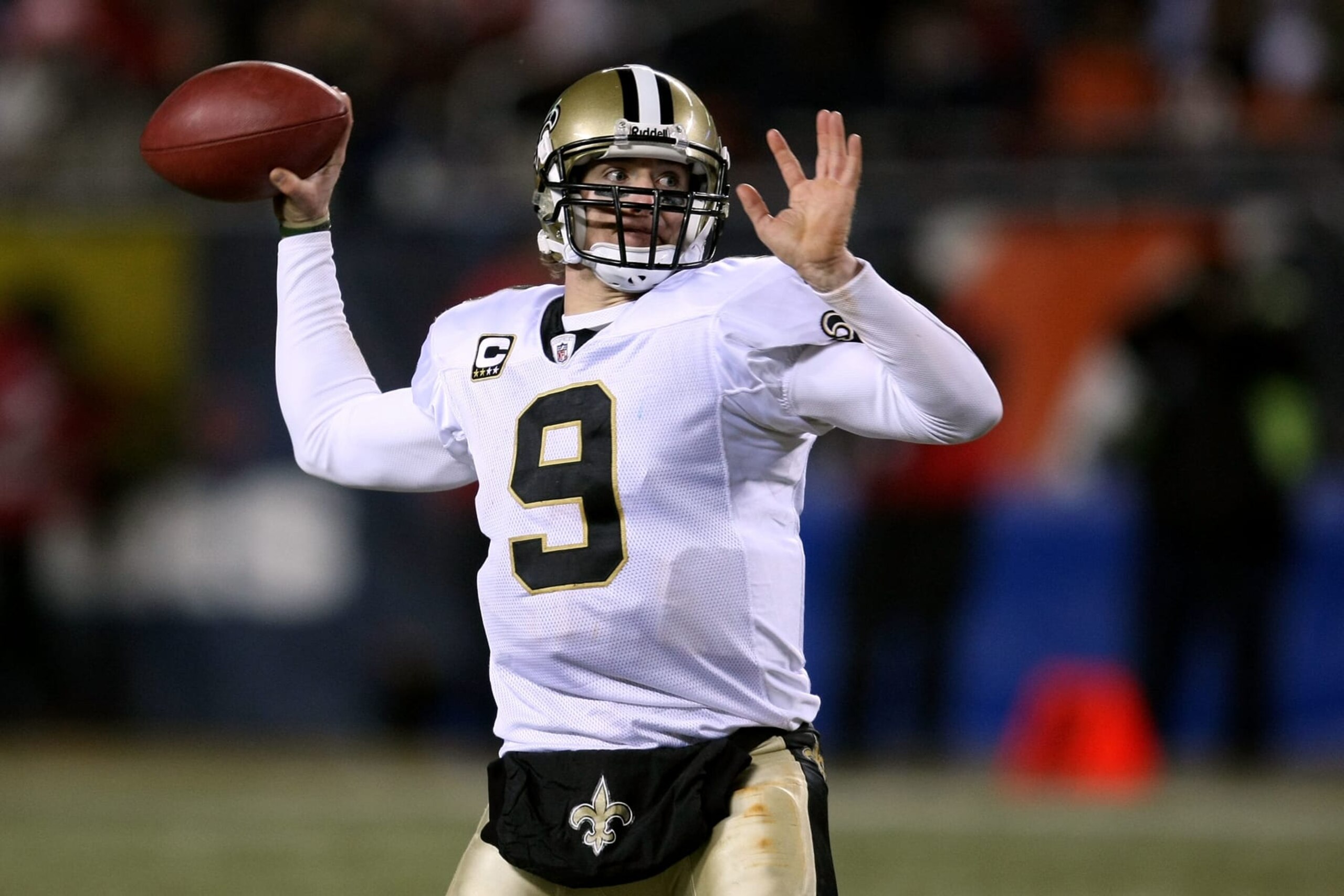
If you didn't know already, it may be growing clear that MVP voters tend to favor team success over individual stardom. While I don't entirely agree with the trend, it's not an utterly ridiculous one, either.
Point being: I understand why Peyton Manning landed the award in 2009. He oversaw a 12-4 Indianapolis Colts team and soared into the playoffs on a nine-game winning streak. Drew Brees and the New Orleans Saints, on the other hand, finished 8-8 and didn't make the postseason.
The numbers aren't so kind, though.
Manning passed for 4,002 yards at 7.2 yards per attempt—his worst average in a half-decade—with 27 touchdowns to 12 interceptions. Indianapolis ended 12th in yards per play and 13th in scoring offense.
Brees captained the Saints' league-leading offense with only the second 5,000-yard season in history and tossed 34 touchdowns.
Seven other players received at least won MVP vote behind Manning. Somehow, Brees garnered zero of them yet still brought home AP Offensive Player of the Year.
2014: Aaron Rodgers over J.J. Watt
6 of 6
Rounding out the list is Aaron Rodgers, a worthy MVP recipient for his 4,381 yards and 38 touchdowns to five interceptions in 2014. He added 269 rushing yards and two scores for the 12-4 and NFC-North winning Green Bay Packers.
If there was ever a season for a defender to win, however, it should've happened in this year.
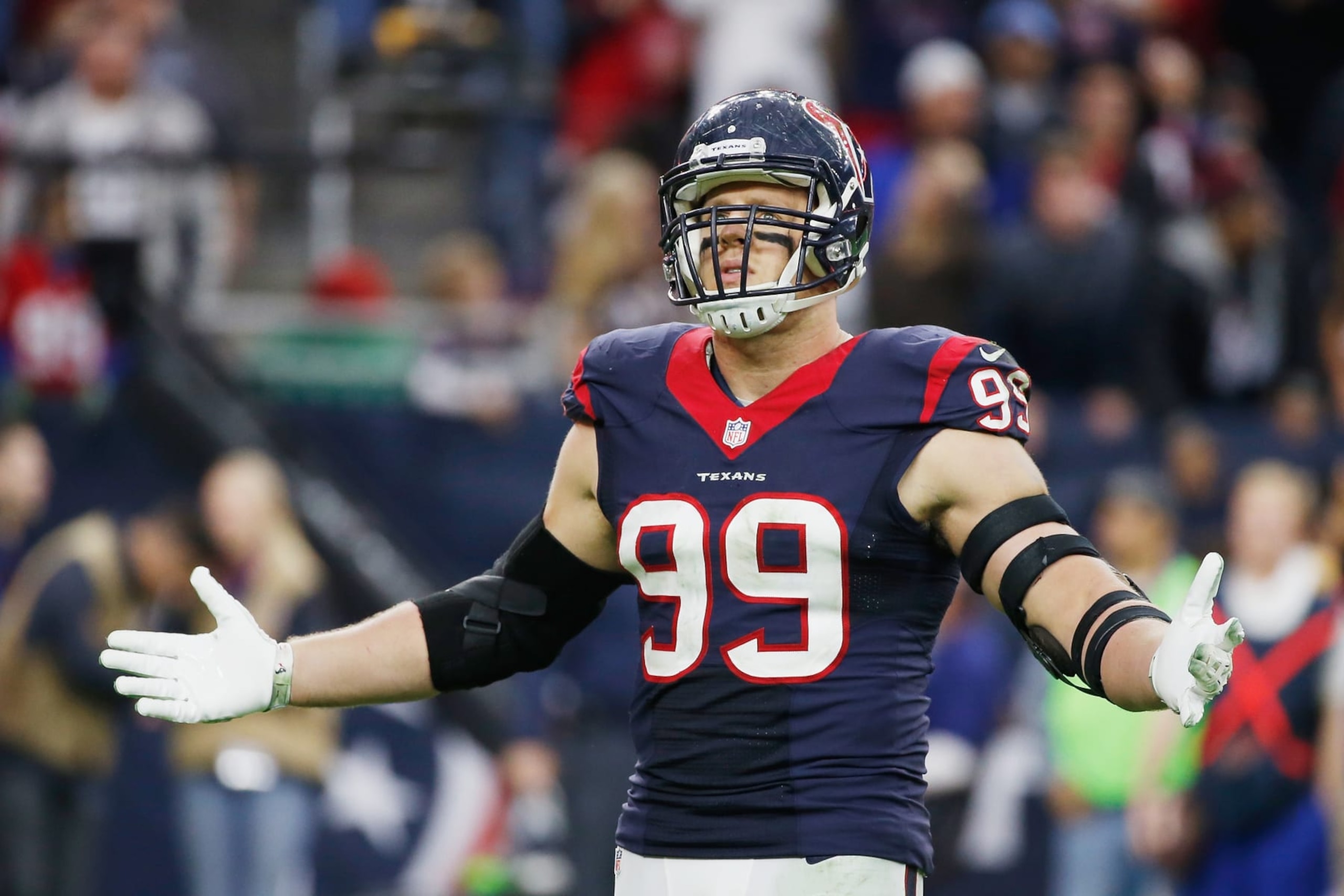
Peak-prime J.J. Watt racked up 78 tackles with 29 for loss, including 20.5 sacks and 51 quarterback hits. He recovered five fumbles (and forced four), nabbed one interception, scored two defensive touchdowns and tallied one safety. Watt also broke up 10 passes.
As if that's not enough, the Houston Texans successfully used him as a goal-line tight end. Watt caught three touchdown passes—which matched star wideout Andre Johnson's total that season.
Watt pulled in his second of three AP Defensive Player of the Year honors but fully deserved an MVP.
.jpg?w=2560 "🚨 Week 8 AP Top 25 Poll")

.jpg?w=2560 "Updates from EVERY NFL Game 🏈")
