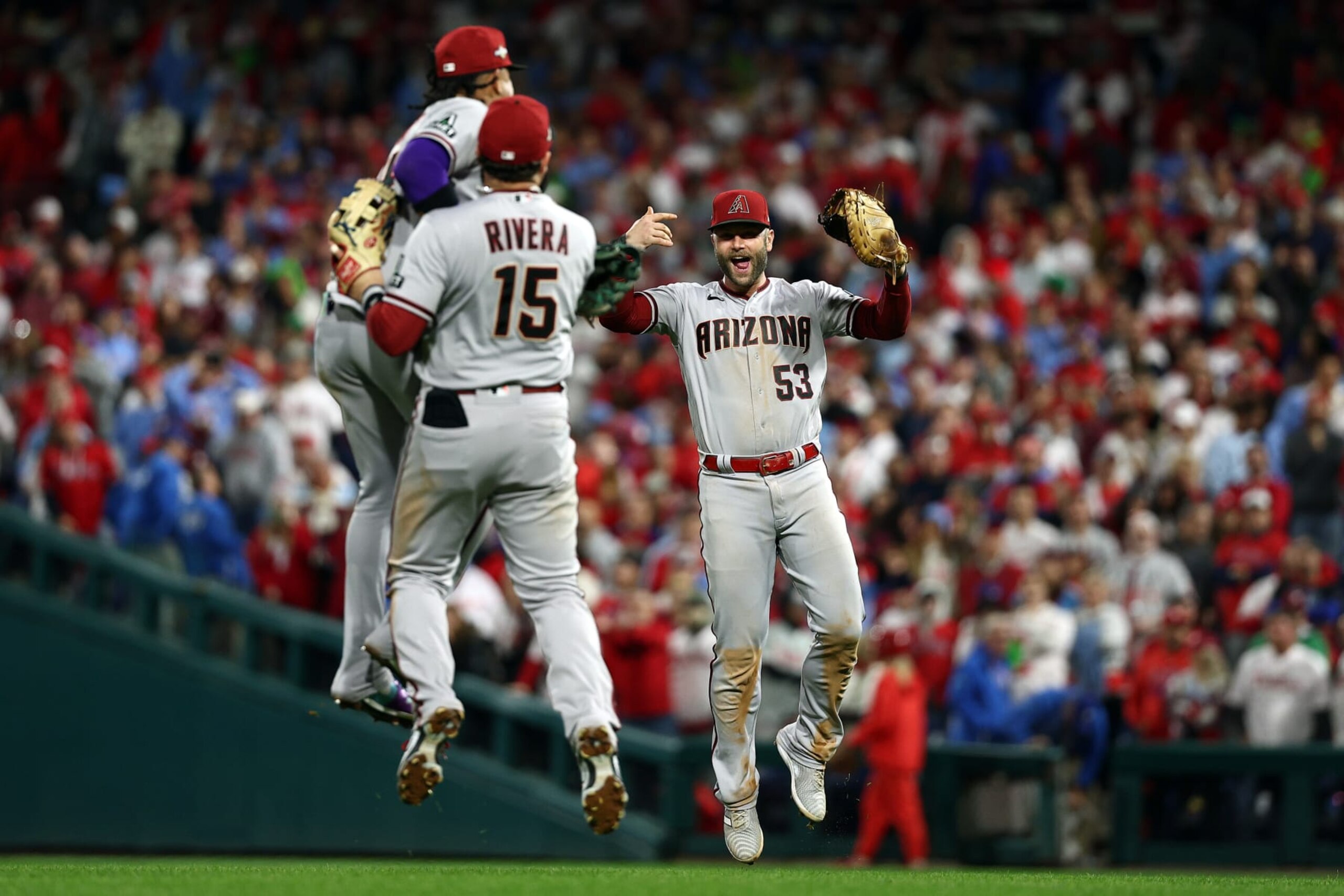

The 2023 Diamondbacks and the Most Improbable World Series Teams in Recent Memory

To call the 2023 Arizona Diamondbacks a long shot to reach the World Series would be putting it mildly.
With an 84-78 record during the regular season, they were the No. 2 wild-card team in the National League, and their odds (+3000) to win the World Series when the playoffs began were the second worst behind only the Miami Marlins (+3300).
However, after a pair of series sweeps against the Milwaukee Brewers in the NL Wild Card Series and the Los Angeles Dodgers in the NLDS, they toppled the reigning NL pennant-winning Philadelphia Phillies in seven games in the NLCS to punch their ticket to the Fall Classic.
Whether or not they come out on top against the Texas Rangers, they are already one of the most unlikely World Series teams in recent memory.
Ahead, we've ranked the 10 most improbable World Series participants since 2000.
10. 2015 New York Mets
1 of 10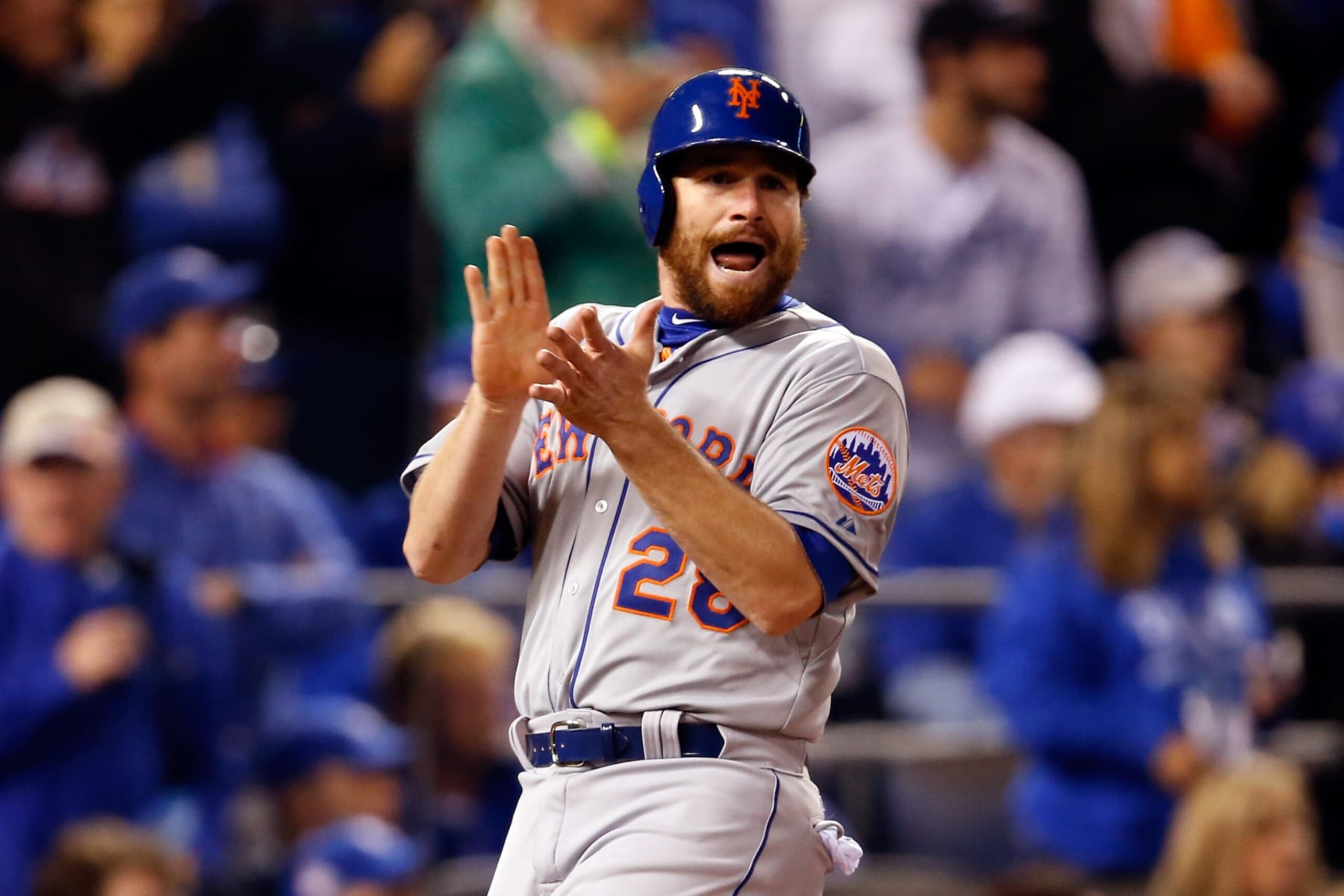
Record: 90-72 (first in NL East)
Run Differential: +70
WS Result: Lost vs. Kansas City Royals (4-1)
Top 5 WAR Leaders
1. RHP Jacob deGrom (5.1)
2. OF Curtis Granderson (5.1)
3. RHP Matt Harvey (4.9)
4. RHP Jeurys Familia (2.9)
5. 1B Lucas Duda (2.8)
After a six straight losing seasons, the New York Mets returned to relevance in a big way during the 2015 season behind the young pitching trio of Jacob deGrom, Matt Harvey and Noah Syndergaard.
Their 90 wins were enough to win a lackluster NL East race, and they survived a five-game series against the Los Angeles Dodgers in the NLDS before sweeping the Chicago Cubs in the NLCS. Daniel Murphy was the hero in that pennant-clinching series, going 9-for-17 with four home runs in four games.
While the starting rotation was a clear strength, the offense was middle-of-the-road at best, and the only consistent threats were Curtis Granderson (127 OPS+, 26 HR, 70 RBI), Lucas Duda (130 OPS+, 27 HR, 73 RBI) and trade deadline pickup Yoenis Cespedes (155 OPS+, 17 HR, 44 RBI). In the end, the Kansas City Royals pitching staff got the better of them in a five-game World Series rout.
What looked like the first step toward perennial contention behind their young starters turned out to be their peak. They lost in the Wild Card Game the following year before going five straight seasons without a playoff berth.
9. 2002 Anaheim Angels
2 of 10
Record: 99-63 (second in AL West)
Run Differential: +207
WS Result: Won vs. San Francisco Giants (4-3)
WAR Leaders
1. OF Darin Erstad (6.3)
2. SS David Eckstein (5.2)
3. OF Garret Anderson (5.1)
4. LHP Jarrod Washburn (4.5)
5. 2B Adam Kennedy (4.5)
The 2002 World Series marked the first time that two wild-card teams advanced to the Fall Classic, and while the San Francisco Giants were led by superstar Barry Bonds, the Anaheim Angels were a far bigger surprise despite a 99-win regular season.
They had plenty of offensive weapons, including rising star Troy Glaus who had a 30-homer, 111-RBI regular season and went on to win World Series MVP honors, but the starting rotation was lacking in frontline-caliber arms.
Veterans Jarrod Washburn (18-6, 3.15 ERA, 206.0 IP), Ramon Ortiz (15-9, 3.77 ERA, 217.1 IP) and Kevin Appier (14-12, 3.92 ERA, 188.1 IP) were the team's top pitchers during the regular season, but it was rookies John Lackey and Francisco Rodriguez who made a splash in October.
After besting the New York Yankees in the ALDS and the Minnesota Twins in the ALCS, they fell behind 3-2 in the World Series. They trailed 5-0 going into the bottom of the seventh in Game 6 before mounting a memorable comeback, and a 4-1 victory in Game 7 behind a strong start from Lackey made them champions.
8. 2019 Washington Nationals
3 of 10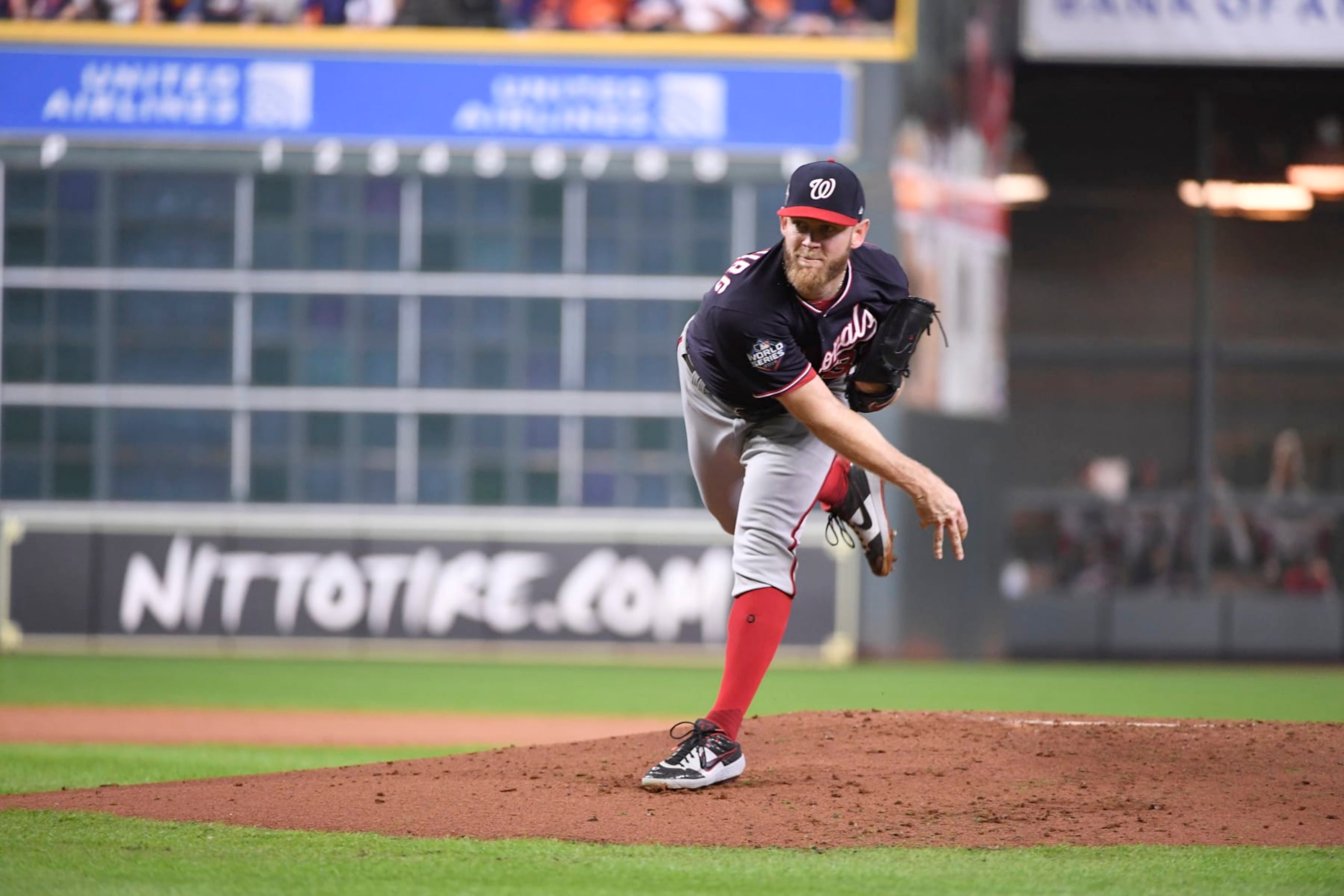
Record: 93-69 (second in NL East)
Run Differential: +149
WS Result: Won vs. Houston Astros (4-3)
WAR Leaders
1. 3B Anthony Rendon (7.1)
2. RHP Stephen Strasburg (5.9)
3. RHP Max Scherzer (5.2)
4. OF Juan Soto (5.0)
5. LHP Patrick Corbin (4.8)
The 2019 Washington Nationals went 19-31 over their first 50 games, falling 10 games back in the NL East standings before the first two months of the season were even in the books.
An 18-8 month of June brought them back from the brink, and they went on to post a 46-27 record after the All-Star break, but it was still hard to picture a title run based on where they started the year.
Nevertheless, they knocked out the Milwaukee Brewers in the Wild Card Game, survived a five-game NLDS against the Los Angeles Dodgers, and swept the St. Louis Cardinals to advance to the World Series.
Behind strong starts from eventual World Series MVP Stephen Strasburg in Game 2 (6.0 IP, 7 H, 2 ER) and Game 6 (8.1 IP, 5 H, 2 ER) and some offensive heroics from veteran Howie Kendrick, they bested a 107-win Houston Astros team to hoist the trophy.

7. 2010 San Francisco Giants
4 of 10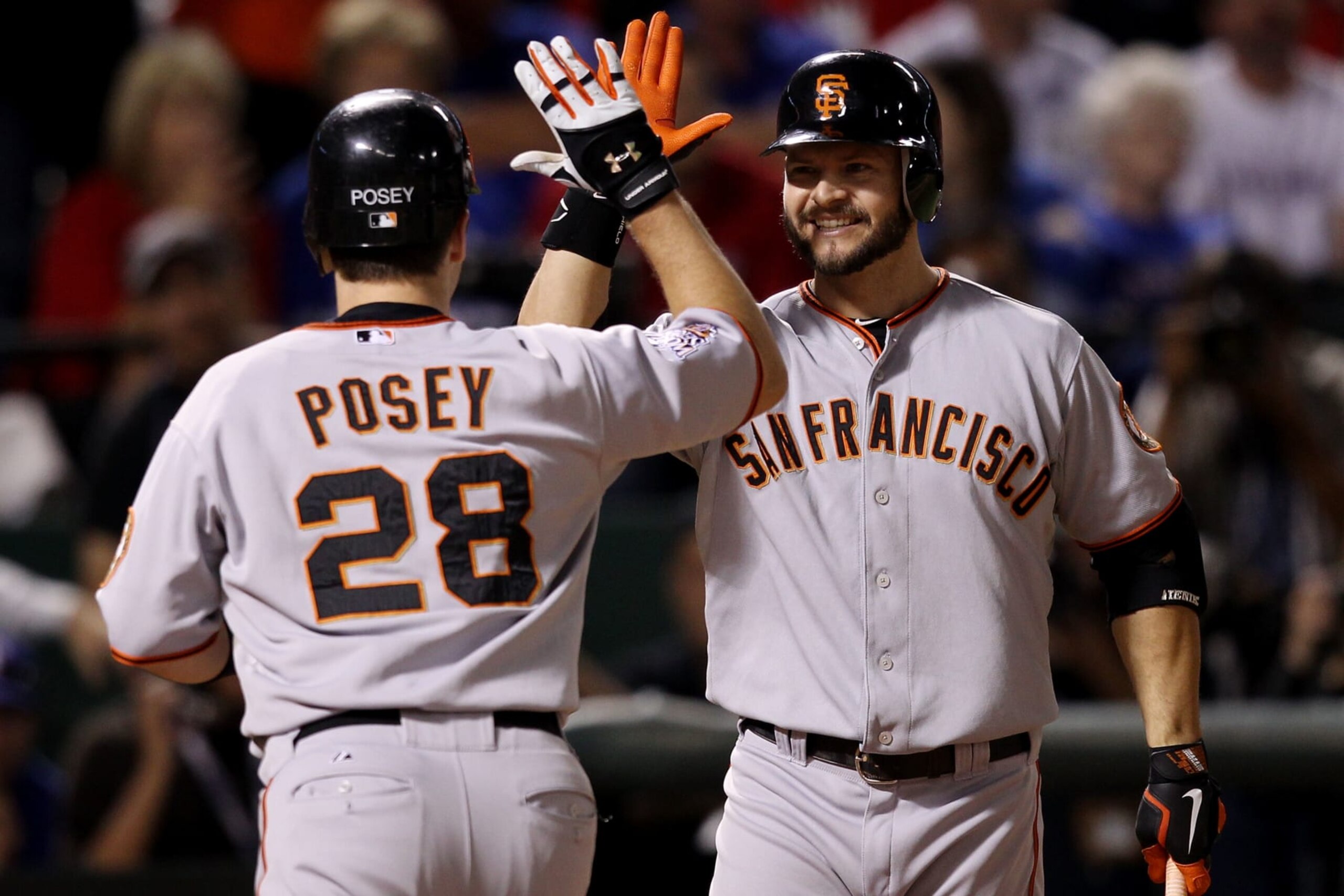
Record: 92-70 (first in NL West)
Run Differential: +114
WS Result: Won vs. Texas Rangers (4-1)
WAR Leaders
1. 1B Aubrey Huff (5.7)
2. OF Andres Torres (5.3)
3. RHP Matt Cain (4.1)
4. C Buster Posey (3.9)
5. RHP Tim Lincecum (3.3)
Entering the 2010 season, the San Francisco Giants were still retooling the roster in a post-Barry Bonds world. They had won 88 games the year prior, but that had been preceded by four straight losing seasons and they were still lacking a new face of the franchise.
The strength of the team was a trio of homegrown starting pitchers in Tim Lincecum, Matt Cain and Madison Bumgarner, and they had been joined by another rising superstar behind the plate named Buster Posey who immediately became the team's best offensive player en route to NL Rookie of the Year honors.
While that young core looked like the foundation of a promising future, they were by no means World Series favorites even after winning the NL West title, and their NLCS victory over a stacked Philadelphia Phillies team that had reached the World Series the year prior represented a major upset.
They didn't stop there, knocking off the Texas Rangers in five games in the World Series to kick off a run of three titles in five years that is the closest thing we've seen to a dynasty since the New York Yankees teams of the late 1990s.
6. 2003 Florida Marlins
5 of 10
Record: 91-71 (second in NL East)
Run Differential: +59
WS Result: Won vs. New York Yankees (4-2)
WAR Leaders
1. C Iván Rodríguez (4.5)
2. 2B Luis Castillo (4.4)
3. LHP Dontrelle Willis (3.9)
4. LHP Mark Redman (3.9)
5. RHP Josh Beckett (3.8)
The 2003 season was just the second time in 11 years as a franchise that the Marlins reached the postseason, and unlike their previous trip to the Fall Classic with a roster assembled almost entirely via free agency and the trade market, their roster was loaded with young talent.
Catcher Iván Rodríguez was a huge offseason addition and necessary veteran voice in the clubhouse, but pitchers Josh Beckett (23), Brad Penny (25) and Dontrelle Willis (21) were all still establishing themselves in the majors, while a 20-year-old Miguel Cabrera joined the MLB roster in June was hitting cleanup by season's end.
After knocking off the San Francisco Giants in the NLDS, they won a thrilling seven-game series over the Chicago Cubs in the NLCS that provided the infamous Steven Bartman incident at Wrigley Field.
That earned them a date with the heavily favored New York Yankees in the World Series, and they took down Goliath in six games. Budding ace Josh Beckett twirled a five-hit shutout at Yankee Stadium in the Game 6 clincher.
5. 2006 St. Louis Cardinals
6 of 10
Record: 83-78 (first in NL Central)
Run Differential: +19
WS Result: Won vs. Detroit Tigers (4-1)
WAR Leaders
1. 1B Albert Pujols (8.5)
2. 3B Scott Rolen (5.9)
3. RHP Chris Carpenter (5.1)
4. OF Chris Duncan (1.8)
5. SS David Eckstein (1.7)
The St. Louis Cardinals won the NL pennant in 2004, and they returned to the NLCS following a 100-win regular season the following year, so it's not like they snuck up on anyone during the 2006 season.
That said, their 83-78 record was far and away the worst of any division winner, and the fact that they even made the playoffs was more a reflection of how bad the rest of the NL Central was than anything else.
They had future Hall of Famer Albert Pujols in the middle of the lineup and bona fide ace Chris Carpenter anchoring the starting rotation, but it was soft-tossing veteran Jeff Suppan who won NLCS MVP and scrappy shortstop David Eckstein who claimed World Series MVP honors.
The Tigers made eight errors in five games during the World Series, and the Cardinals offense handed a young Justin Verlander the loss in Game 1 and Game 5 on their way to perhaps the most improbable title run in franchise history.
4. 2008 Tampa Bay Rays
7 of 10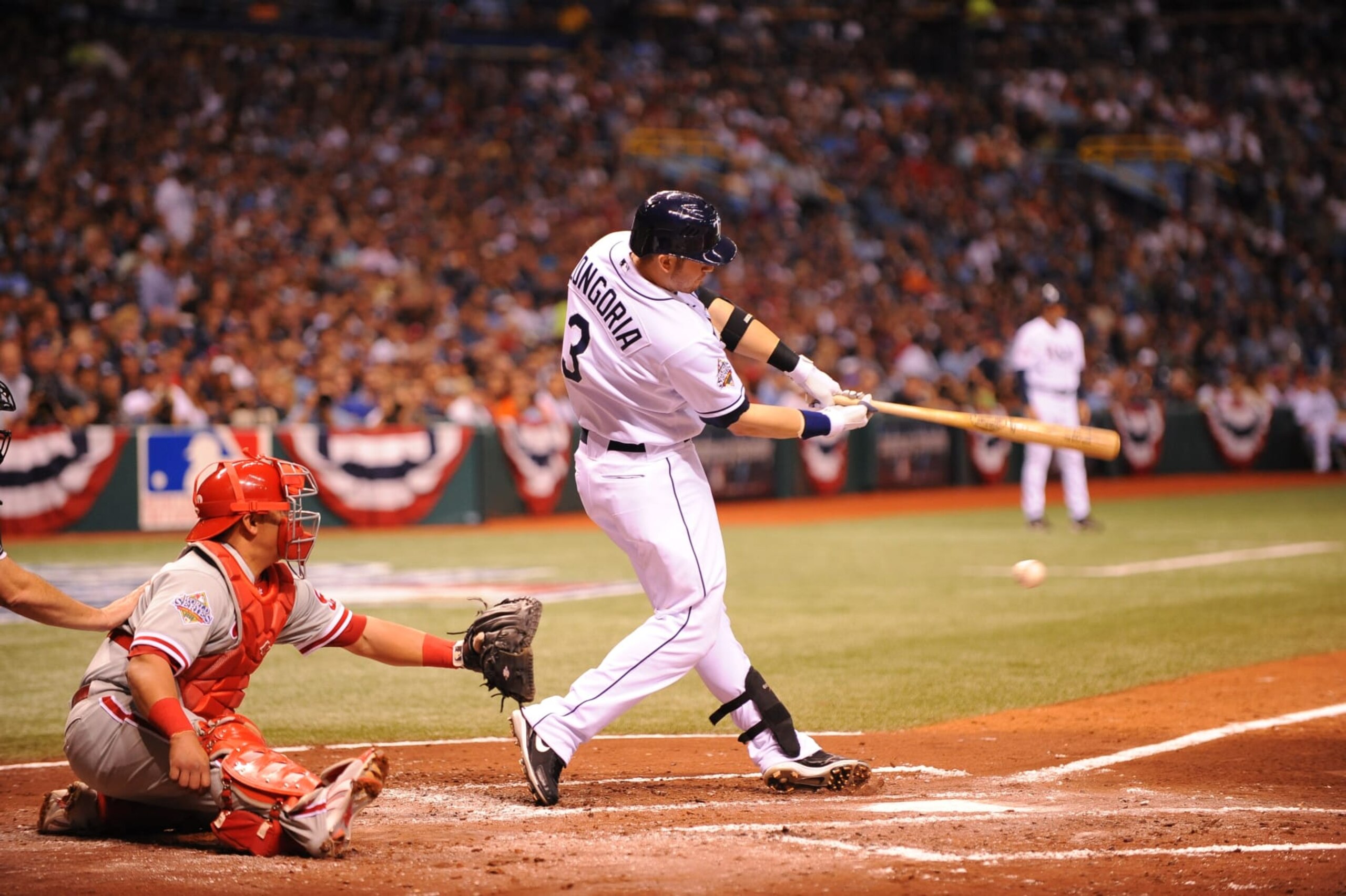
Record: 97-65 (first in AL East)
Run Differential: +103
WS Result: Lost vs. Philadelphia Phillies (4-1)
WAR Leaders
1. 1B Carlos Pena (5.1)
2. 3B Evan Longoria (4.8)
3. RHP James Shields (3.9)
4. LHP Scott Kazmir (3.9)
5. RHP Matt Garza (3.4)
The Tampa Bay Devil Rays went 645-972 (.399) over their first 10 years as a franchise, failing to win more than 70 games in a season even once during that decade-long span.
For the 2008 season, they rebranded as the Tampa Bay Rays and immediately reached a previously uncharted level of success, adding a staggering 31 wins to their 66-96 finish the previous year to win the AL East title a year after finishing in the cellar.
Slugger Carlos Pena (129 OPS+, 31 HR, 102 RBI) and AL Rookie of the Year Evan Longoria (127 OPS+, 27 HR, 85 RBI) led the way offensively, while the five-man rotation of James Shields, Scott Kazmir, Matt Garza, Andy Sonnanstine and Edwin Jackson were all between the age of 24 and 26.
They eliminated the Chicago White Sox in four games in the ALDS and came out on top in a seven-game series against the division-rival Boston Red Sox in the ALCS before getting bested by Cole Hamels and the Philadelphia Phillies in five games in the World Series.
3. 2007 Colorado Rockies
8 of 10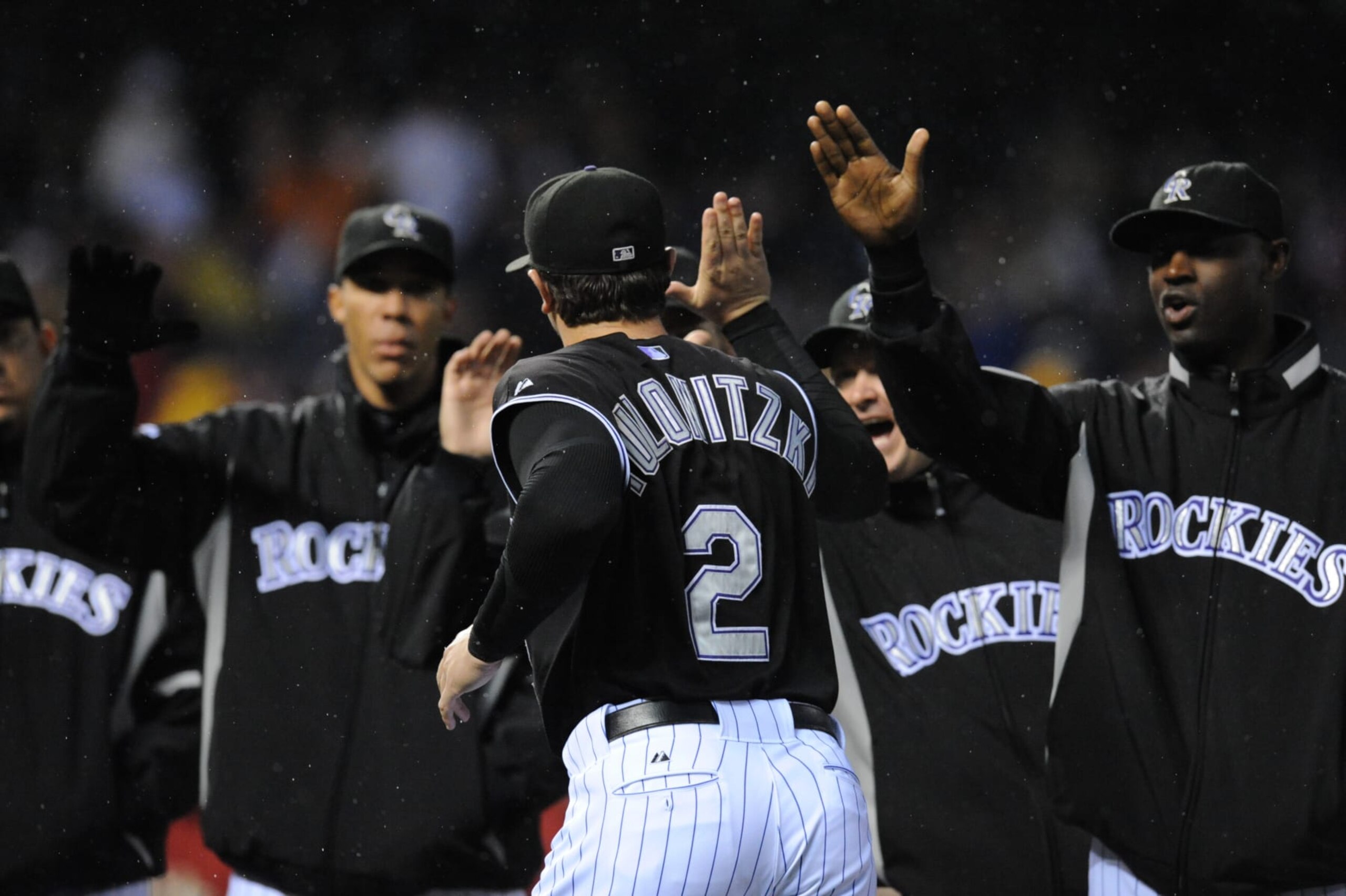
Record: 90-73 (second in NL West)
Run Differential: +102
WS Result: Lost vs. Boston Red Sox (4-0)
WAR Leaders
1. SS Troy Tulowitzki (6.8)
2. OF Matt Holliday (6.0)
3. 1B Todd Helton (4.5)
4. LHP Jeff Francis (3.9)
5. 2B Kaz Matsui (3.4)
The 2007 Colorado Rockies were 76-72 sitting in fourth place in the NL West standings on Sept. 15 when they ripped off one of the most impressive season-ending hot streaks in MLB history.
They went 13-1 over their final 14 games to force a Game 163 with the San Diego Padres which they won in dramatic fashion with a three-run bottom of the 13th inning to counter a two-run top of the 13th.
They stayed hot in the postseason, sweeping the Philadelphia Phillies in the NLDS and the Arizona Diamondbacks in the NLCS before running into a buzz saw in the World Series when the Boston Red Sox turned the tables and swept them in four games.
Still, for a team that was a complete afterthought in mid-September and that relied on a rotation of Jeff Francis, Ubaldo Jiménez, Josh Fogg and Aaron Cook in October, reaching the World Series was a monumental accomplishment.
2. 2014 Kansas City Royals
9 of 10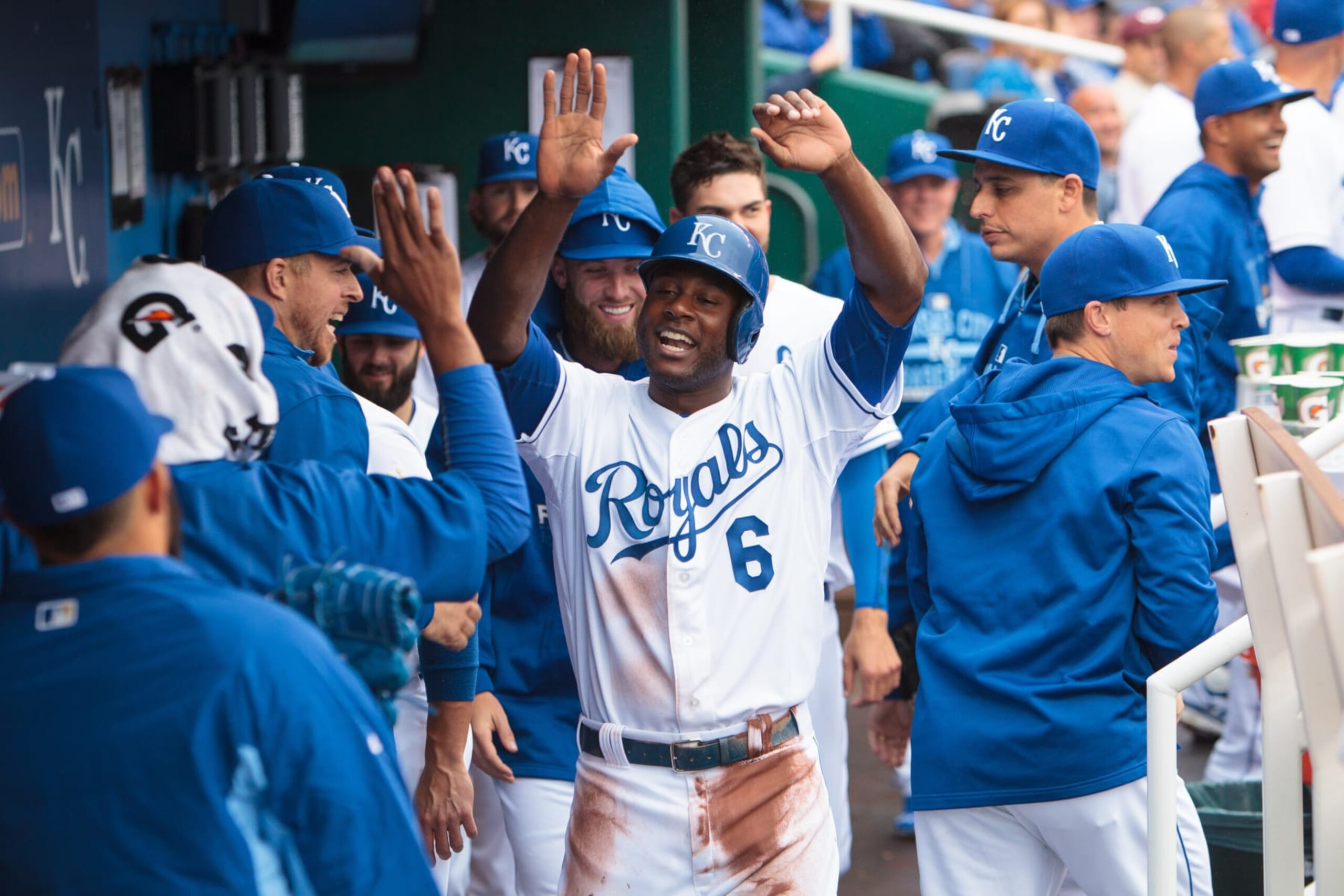
Record: 89-73 (second in AL Central)
Run Differential: +27
WS Result: Lost to San Francisco Giants (4-3)
WAR Leaders
1. OF Alex Gordon (6.1)
2. OF Lorenzo Cain (4.4)
3. RHP Wade Davis (3.8)
4. LHP Danny Duffy (3.8)
5. RHP James Shields (3.7)
Fun fact: The 2014 Kansas City Royals are the most recent team to fail to hit 100 home runs as a team during the regular season.
They also entered the season facing a 29-year postseason drought, yet somehow they made it all the way to the Fall Classic, and while they ultimately came up short in seven games against the San Francisco Giants it laid the groundwork for a title run the following year.
The Royals succeeded with a unique combination of speed on the base paths, terrific all-around defense and elite relief pitching, shortening games with Kelvin Herrera (70 G, 20 HLD, 1.41 ERA, 7.6 K/9), Wade Davis (71 G, 33 HLD, 1.00 ERA, 13.6 K/9) and Greg Holland (65 G, 46 SV, 1.44 ERA, 13.0 K/9) in the late innings.
They beat the Oakland Athletics in 12 innings in the AL Wild Card Game, swept the Los Angeles Angels in the ALDS in what still stands as Mike Trout's only postseason appearance, and swept the Baltimore Orioles in the ALCS before running into one of the greatest individual World Series performances in history from Madison Bumgarner.
1. 2023 Arizona Diamondbacks
10 of 10
Record: 84-78 (2nd in NL West)
Run Differential: -15
WS Result: TBD
WAR Leaders
1. OF Corbin Carroll (5.4)
2. 2B Ketel Marte (4.9)
3. RHP Zac Gallen (4.4)
4. C Gabriel Moreno (4.3)
5. RHP Merrill Kelly (3.9)
Only 11 teams in MLB history have even reached the postseason with a negative run differential, and four of those came during the 2020 campaign when the schedule was shortened and the postseason field was expanded.
The 1987 Minnesota Twins were the only team on that list to reach the World Series until this year's Arizona Diamondbacks squad rattled off their unlikely run through the Milwaukee Brewers, Los Angeles Dodgers and Philadelphia Phillies.
They have managed to navigate really only having two true starting pitchers, with rookie Brandon Pfaadt logging 16.2 total innings across four starts as the third guy and Joe Mantiply serving as an opener in a pair of all-hands-on-deck bullpen games.
Whether that precarious situation holds up remains to be seen, but they are already the most unlikely pennant winner in recent memory.



.jpg?w=2560 "Malik Beasley Negotiating Plea Deal (AP)")
.jpg?w=2560 "Aikman Blasts Cowboys WR 🫣")

.jpg?w=2560 "Jonathan Taylor Landing Spots")