

When the regular portion of the 2023 Major League Baseball season concluded last Sunday, exactly 2,430 games' worth of data went into the books.
What better way to use this data than for reviewing and grading the new rules?
Between four on-field changes that literally made it a whole new ballgame and another that overhauled the general landscape of the season, we're specifically talking about these five things:
- Pitch timer
- Bigger bases
- Limits on pitcher disengagements
- Shift ban
- Balanced schedule
What were these meant to do? What worked? What didn't work?
It was primarily these three questions that informed the grades, though the general impact of them was also considered. The bigger the change and the better the outcome, the more likely a rule was to get an A.
The Balanced Schedule
1 of 5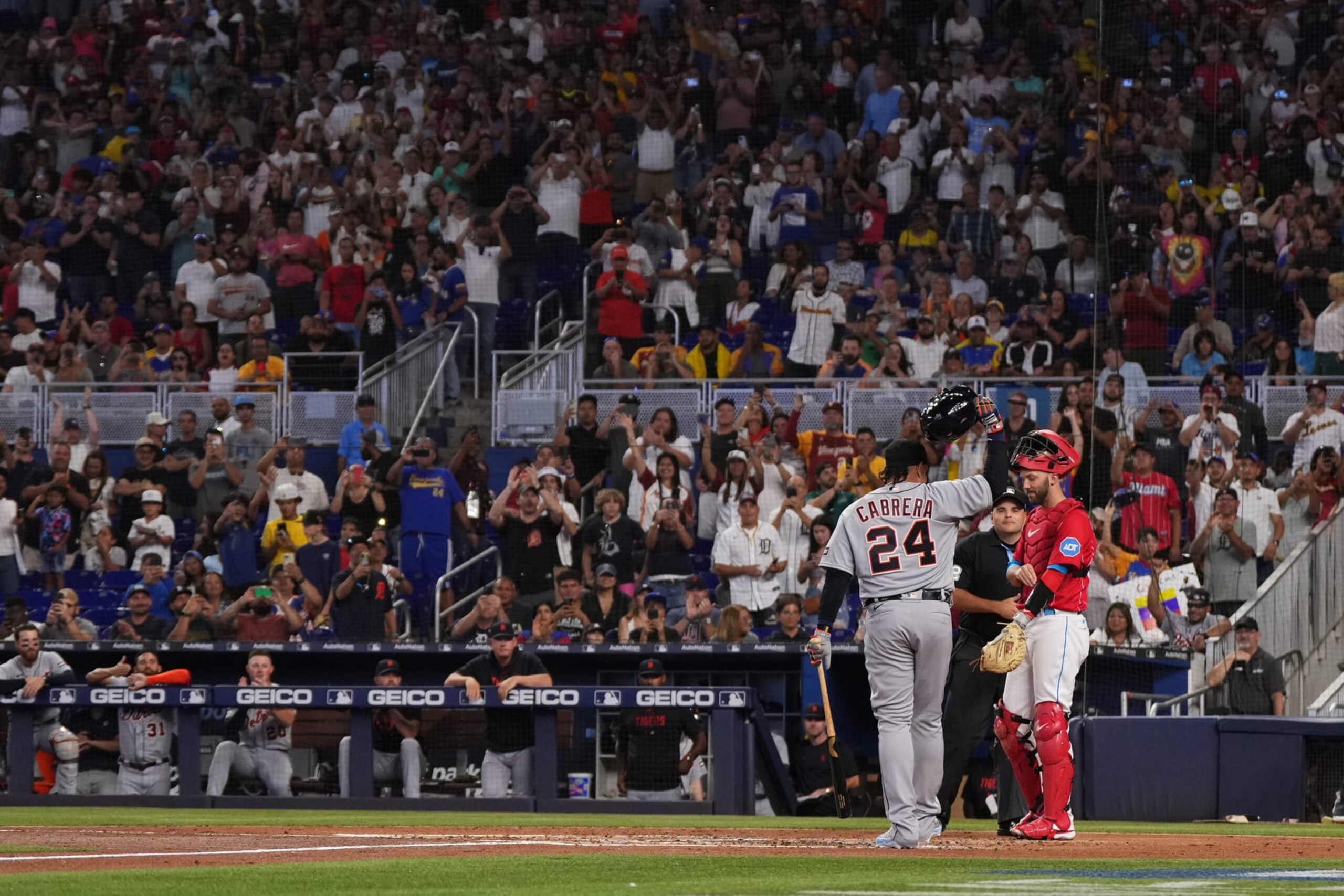
What Was It Meant to Do?
The balanced schedule brought about a seismic shift, as it promised that every team would play at least one series against all the others for the first time in MLB history.
The supposed benefits were twofold. One, it would ensure that certain playoff contenders didn't benefit too much from playing in a weak division. And two, it would expose more fans in more cities to teams and players that otherwise might not have come to town.
What Worked?
The league sure seems to have had the right idea in thinking that fans would dig a little more variety.
Even if it's not the reason, the balanced schedule is surely a reason that attendance was up this year. The average turnout increased 9.6 percent from 2022 to 29,114 fans per game, marking the league's best draw since 2016.
There were also some cool moments throughout the year that might not have happened without the balanced schedule. For example, the returns of prodigal sons Mookie Betts to Boston and Miguel Cabrera to Miami.
What Didn't Work?
Ask the Seattle Mariners, and they might say the balanced schedule didn't do them any good. Though they ultimately won more games and had a better record (33-19) within a tougher division than the Minnesota Twins (29-23), they still missed out on the playoffs.
Also, the standard deviation of winning percentages reveals that MLB's competitive balance is getting better but still not what it was in the late 2000s and early-to-mid 2010s. That's hardly all the balanced schedule's fault, but it wasn't a magic bullet either.
Grade: B
The Shift Ban
2 of 5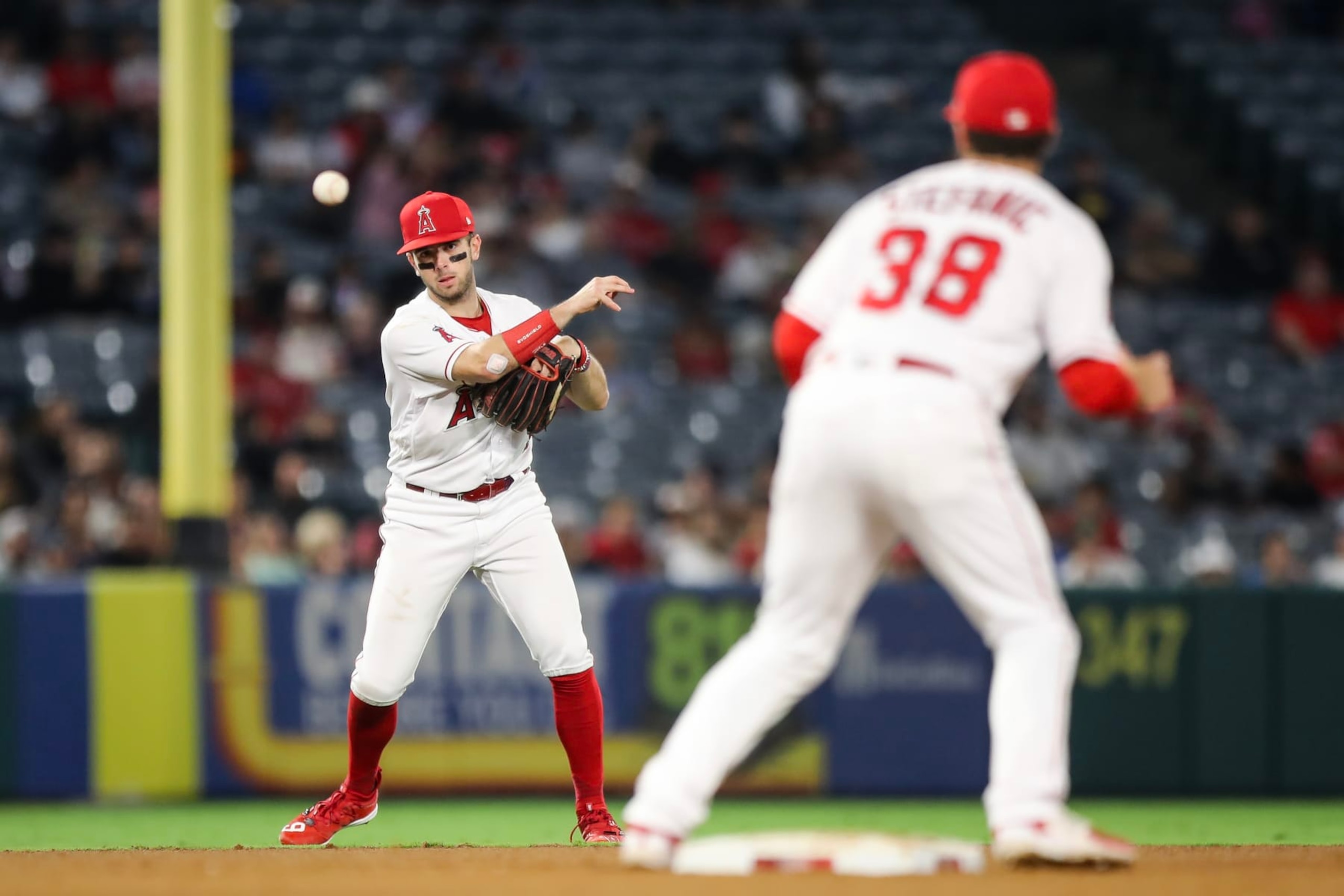
What Was It Meant to Do?
When Statcast first tracked defensive shifts in 2015, they occurred just under 10 percent of the time. By 2022, the rate had more than tripled to 33.8 percent. The result was one of the worst league-wide batting averages in history and the boring-ification of infield defense.
Hence why MLB stepped in and made it so that teams must have four players on the infield at all times, with at least two on either side of second base. This way, hits and fun defensive plays would hopefully become prevalent again.
What Worked?
At least where hits are concerned, nobody can say the shift ban didn't work as intended. The league's batting average from .243 to .248 from 2022 to 2023, and it wasn't solely because there were more home runs.
Both the general BABIP (batting average on balls in play) and the BABIP on ground balls increased from 2022 to 2023, with left-handed batters especially reaping the benefits of the latter. They hit just .147 on pulled grounders in '22. This year, they hit .180 on them.
Whether the shift ban made infield defense more exciting is harder to quantify, but there's some evidence that's the case. Of the six best defensive seasons by second basemen over the last two seasons according to Outs Above Average, five occurred in 2023.
What Didn't Work?
Though standard infield alignments did make a comeback in 2023, they still weren't as common as they were in the early days of Statcast. A ban on shifts isn't a ban on shading, after all, so there were still instances of batters hitting balls right at well-placed fielders.
Still, this is more of a nitpick than an actual complaint. The shift ban mostly delivered on its promises and the entertainment value of games was better for it.
Grade: A
Limits on Disengagements
3 of 5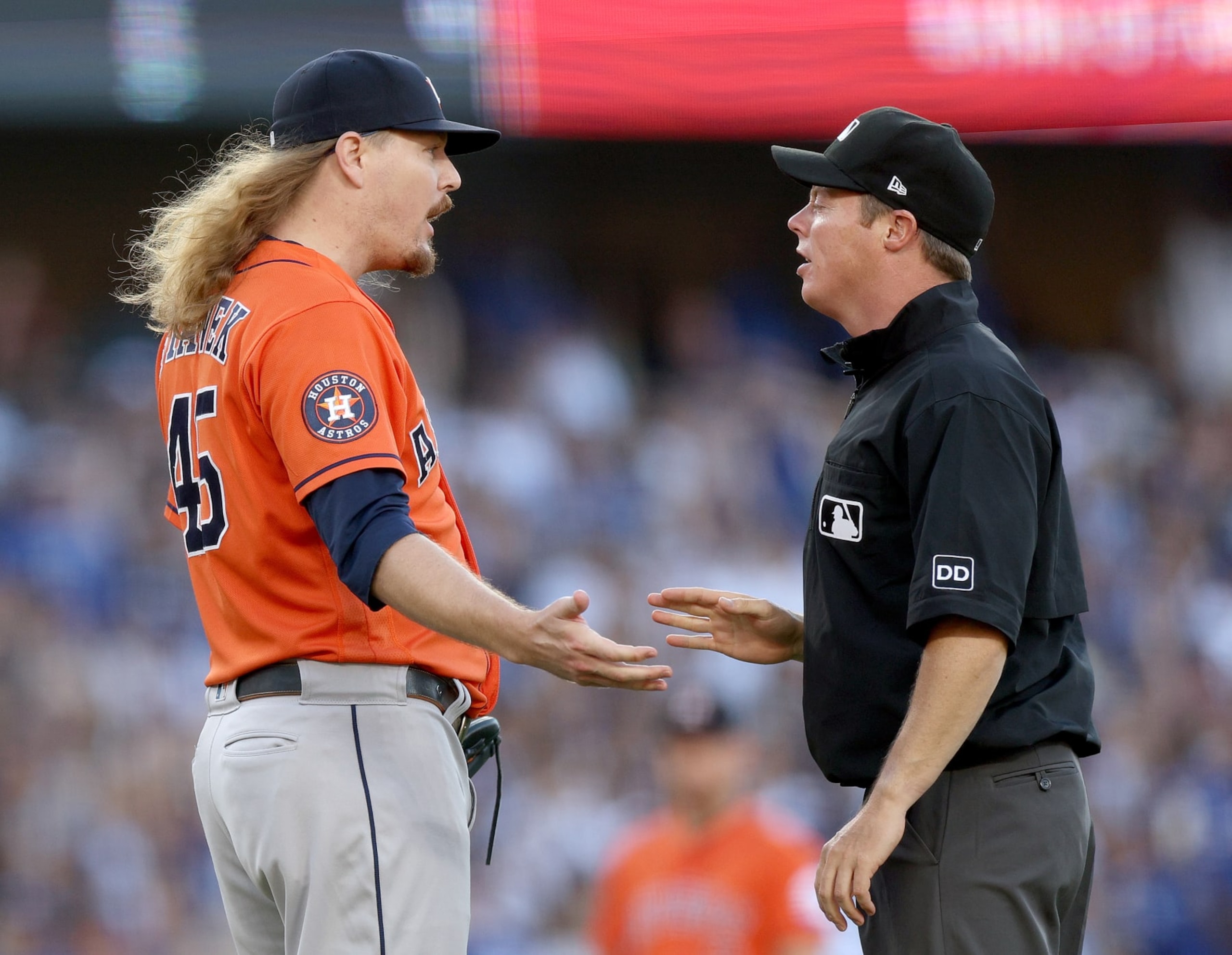
What Was It Meant to Do?
Under this rule, pitchers would be allowed no more than two disengagements from the rubber per plate appearance, be it to simply reset or to attempt a pickoff move.
This was partly meant to prevent pitchers from working around the pitch timer, which resets every time a disengagement happens. But it was also MLB throwing a bone to baserunners, who would hopefully be more willing to take chances on the basepaths.
What Worked?
This had the potential to be a nightmare, but it really wasn't. There were only 26 disengagement violations all year, making them less common than Nolan Gorman home runs.
There's also something to be said of how the limits on disengagements heightened the risk just as much as the reward in the risk-reward calculation for baserunners. There were 290 pickoffs by pitchers this year, the most since 2018.
And as Twins fans are sure to agree right now, pickoffs are just plain fun.
What Didn't Work?
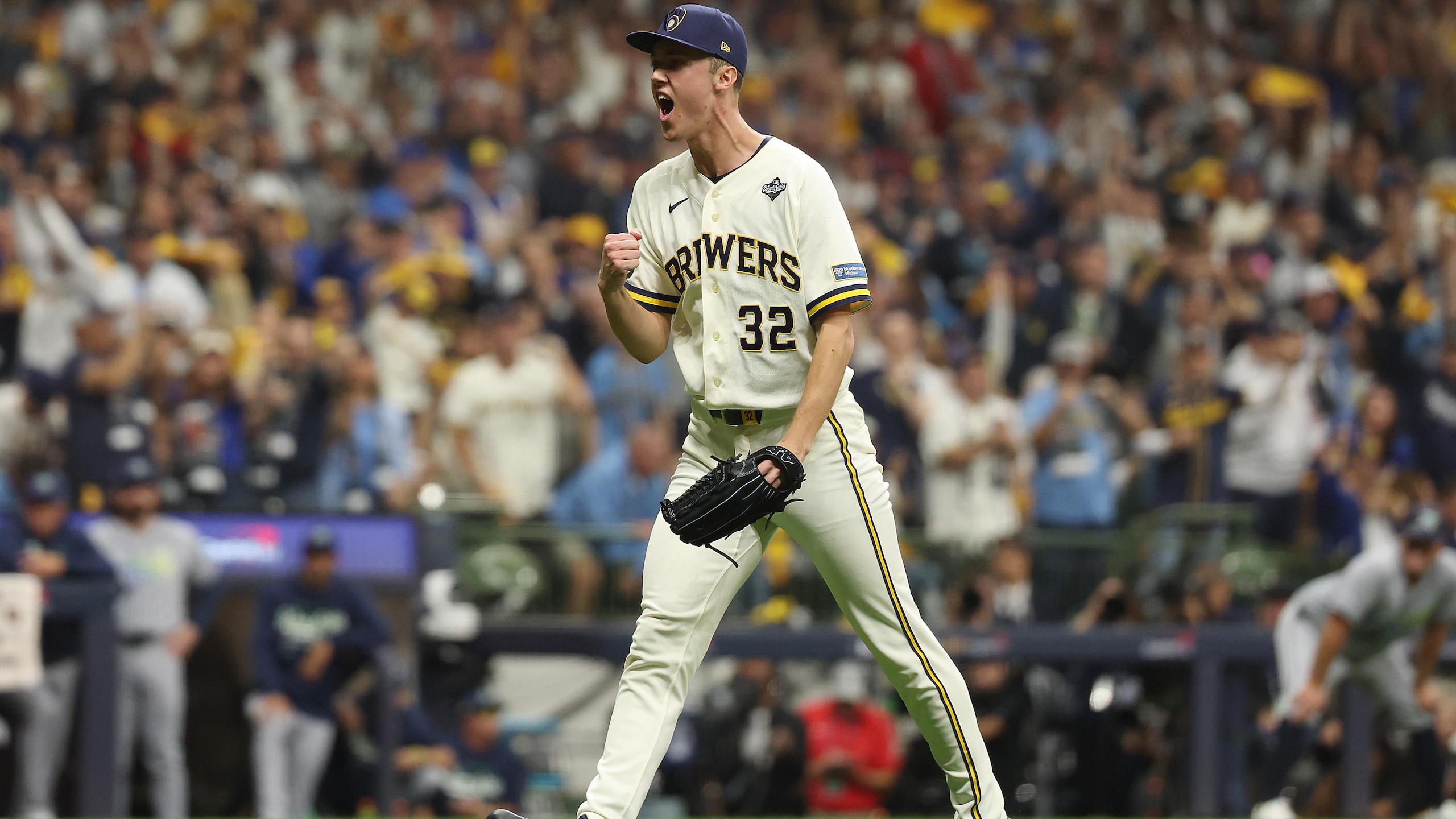
One might say there were no unintended consequences here, but that wouldn't totally be true. Though heightened enforcement was also a factor, the disengagement rule also played a role in this year's dramatic increase in balks. The 208 balks were the most since 1998.
Yet this, too, is a nitpick. The only real issue with the disengagement limits is that, in the scheme of things, neither the concept nor the associated outcomes are all that interesting.
Grade: C


The Bigger Bases
4 of 5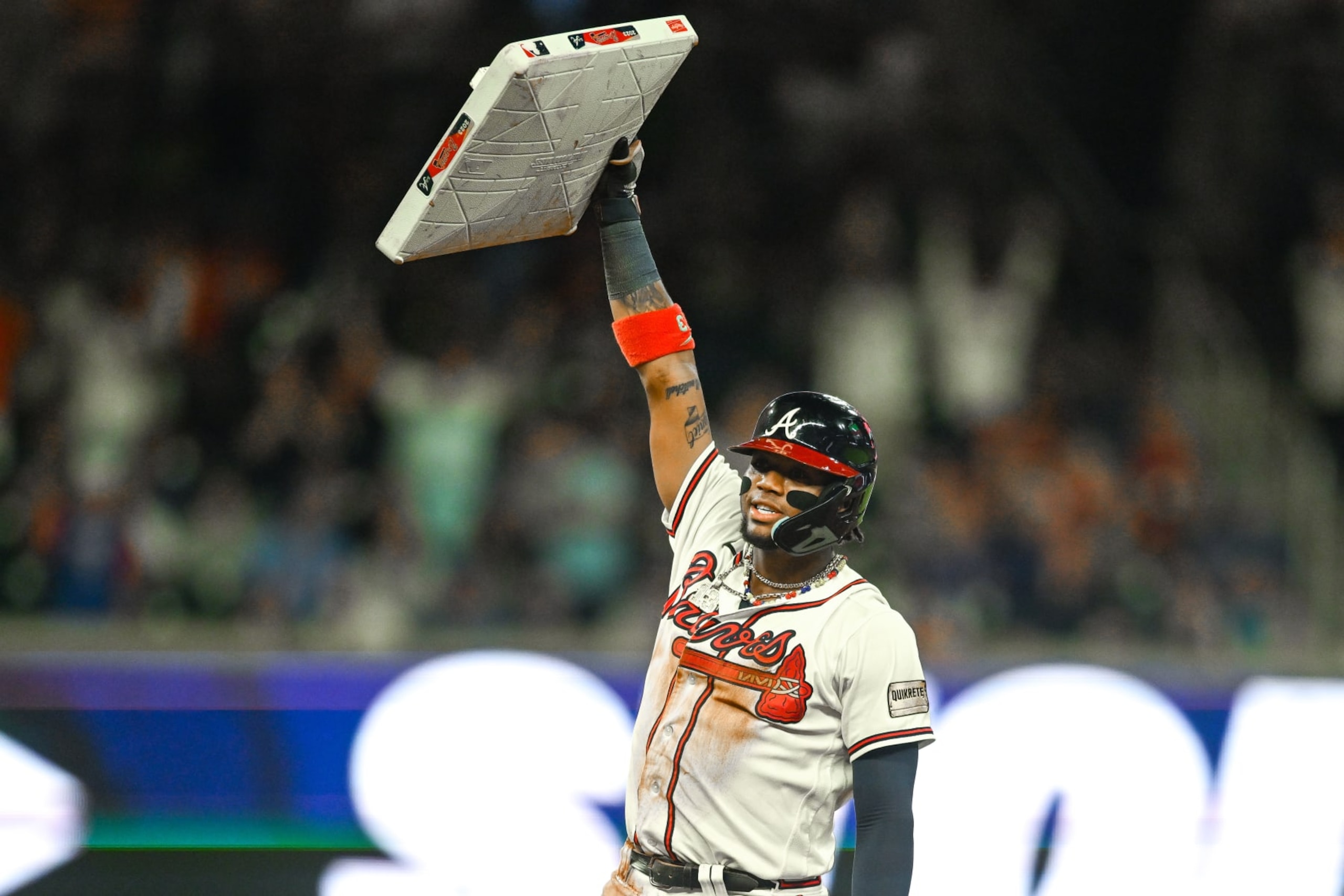
What Was It Meant to Do?
Because players are bigger, stronger and faster than they used to be, MLB's decision to increase the size of the bases from 15 to 18 inches on each side was perhaps overdue.
This was partially a safety measure, but nobody ever made any secret that the goal was also to create more action on the bases. In tandem with the disengagement limitations, the bigger bases would hopefully revive the lost art of the stolen base.
What Worked?
Goodness, was the lost art of the stolen base ever revived. There were 0.72 stolen bases per team game this season, the highest rate since 1997.
There was no shortage of guys getting in on the fun, as 51 different players stole at least 20 bases for the first time since 1989. Esteury Ruiz and Ronald Acuña Jr. became the first to swipe more than 65 bags since Juan Pierre in 2010.
Whether the bigger bases made the game safer is harder to quantify, but there was a decrease in time spent on the injured list among second basemen. According to Spotrac, they spent 1,170 days on the IL in 2023 compared to 1,271 in 2022.
What Didn't Work?
If there's any complaint to make about this year's stolen base-friendly environment, it's that stealing bases became too easy. The success rate this year was 80.2 percent, by far the highest in MLB history.
This is a little more than a nitpick, as the ease with which stolen bases are now possible is could eventually water down the experience of watching one happen. Yet if the question is whether the station-to-station style of offense that was the norm prior to 2023 is missed, the answer is no.
Grade: B
The Pitch Timer
5 of 5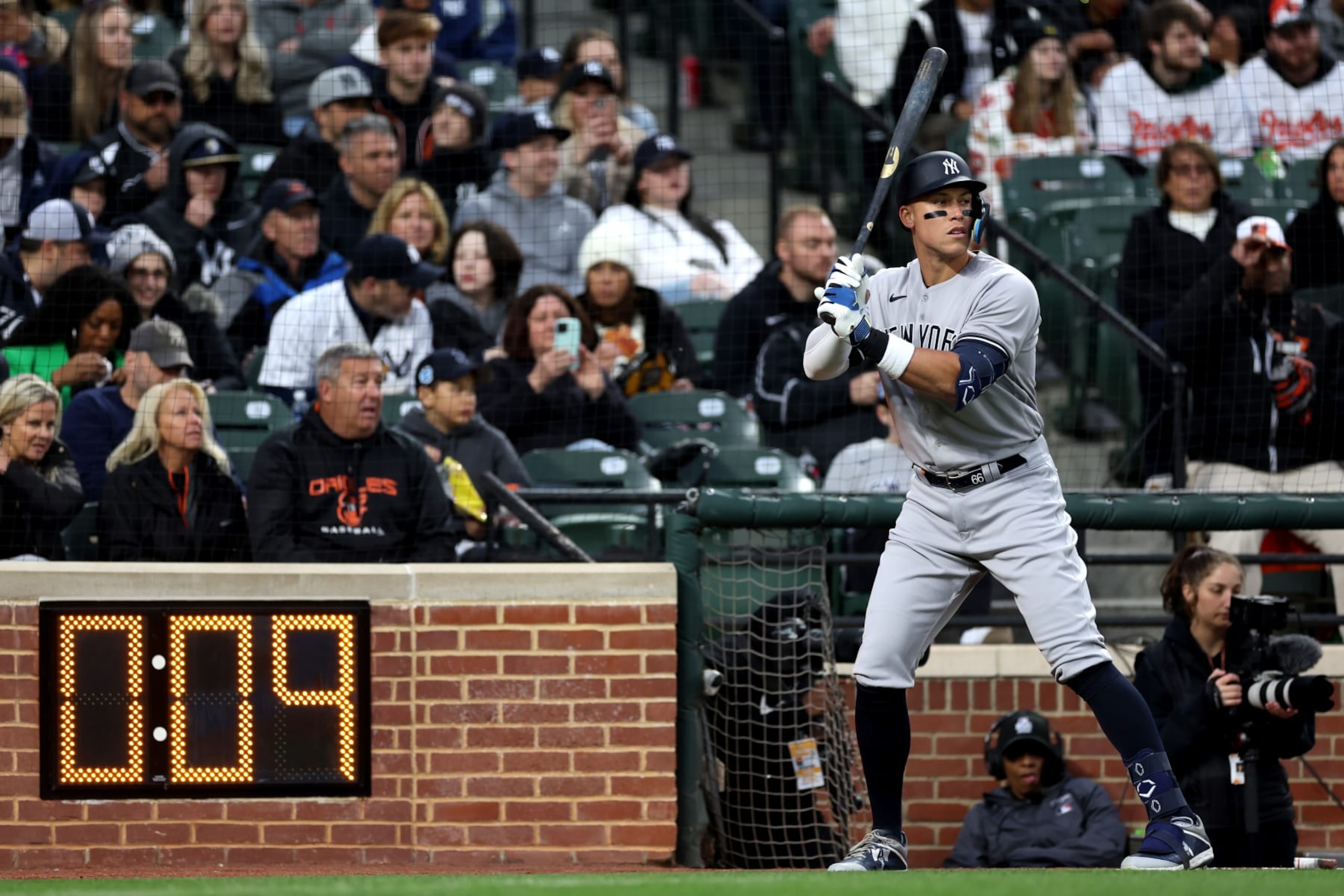
What Was It Meant to Do?
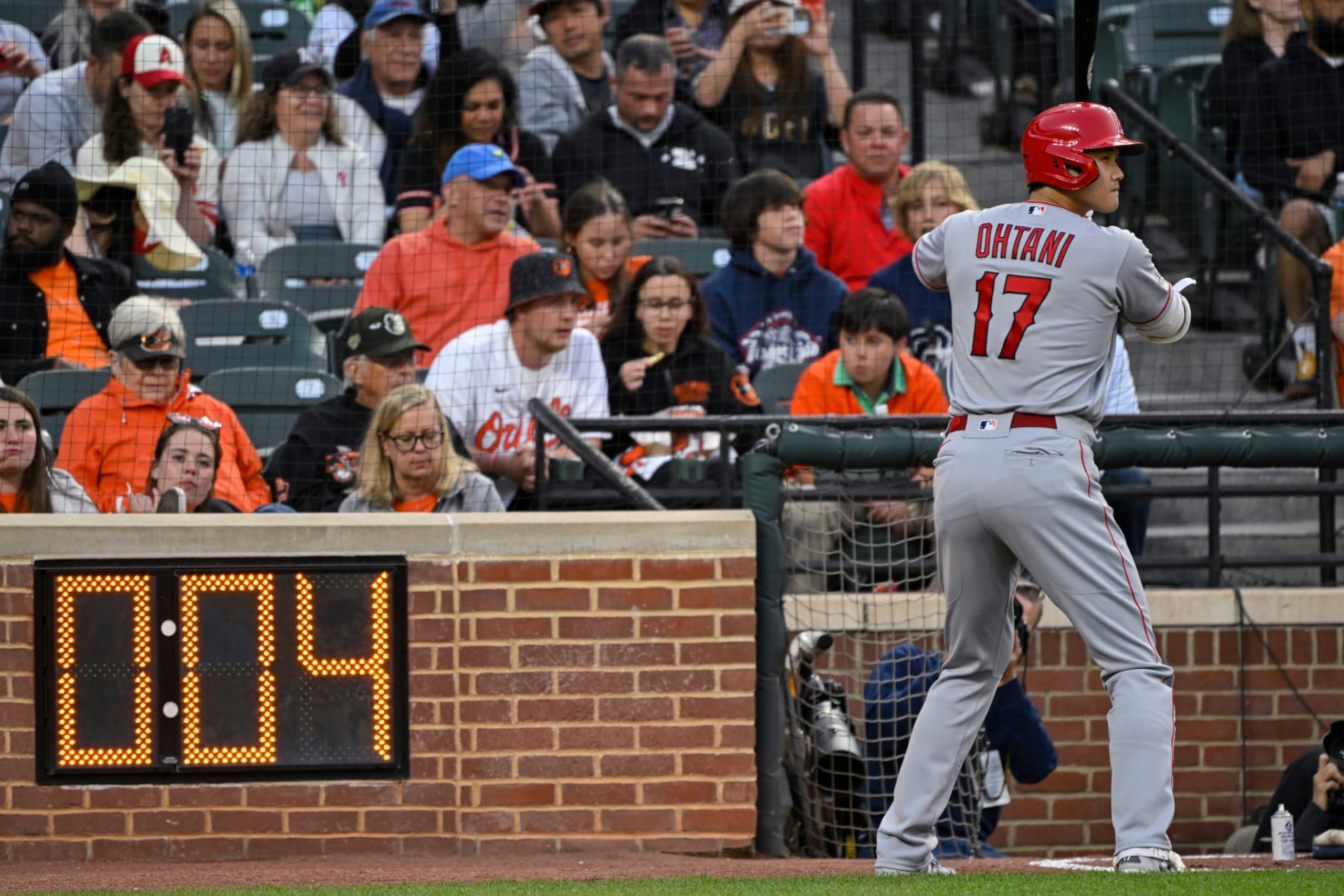
Over time, that baseball was the only sport without any kind of time restraints went from being a charm to being more like a burden. The average time of game in 2022 was over an hour longer than it was 100 years earlier in 1922.
Thus, the pitch timer. With this, there would be 30 seconds between batters and set limits between pitches: 15 seconds with the bases empty, and 20 second with the bases occupied.
What Worked?
There was never any way that the pitch timer wasn't going to reduce game times, and the early estimates proved to be right on the money. Spring training games were reduced by an average of 26 minutes, with regular season games just missing that mark at 24 minutes.
Whether this was for the better or for the worse is ultimately a matter of opinion. Knowing that some wanted the pitch timer to get tweaked for the playoffs, even players might be willing to make the case for the latter.
Everyone else, though, pretty much ate it up. The pitch timer was likely another reason for this year's attendance increase, and television viewership was up as well. It's as if people are drawn to forms of entertainment that don't threaten to waste their time.
What Didn't Work?
The timer violations were inevitable and certainly awkward at first, but at least they became less common as the year went along. Whereas there were 203 violations by pitchers in the season's first month, there were only 76 in the last month.
A bigger, more ominous question was whether the pitch timer was hazardous for pitchers. Anecdotally, the fear of injuries was real. Statistically, maybe not. Per Spotrac's data, pitchers spent almost exactly as many days on the IL in 2023 (30,741) as they did in 2022 (30,738).
Grade: A
Stats courtesy of Baseball Reference, FanGraphs and Baseball Savant.



.jpg?w=2560 "Malik Beasley Negotiating Plea Deal (AP)")
.jpg?w=2560 "Aikman Blasts Cowboys WR 🫣")

.jpg?w=2560 "Jonathan Taylor Landing Spots")