
The NBA's new collective bargaining agreement (CBA) has gotten a bad rap, at least on Twitter, where Golden State Warriors fans feel persecuted, and the players obviously took a "raw deal"—or something to that effect.
In reality, the new CBA is complex, with wins for the league and the National Basketball Players Association (NBPA). Most importantly, both sides avoided a work stoppage. But where fans seem to be most concerned is with terms like "hard cap," "aprons" and "frozen draft picks."
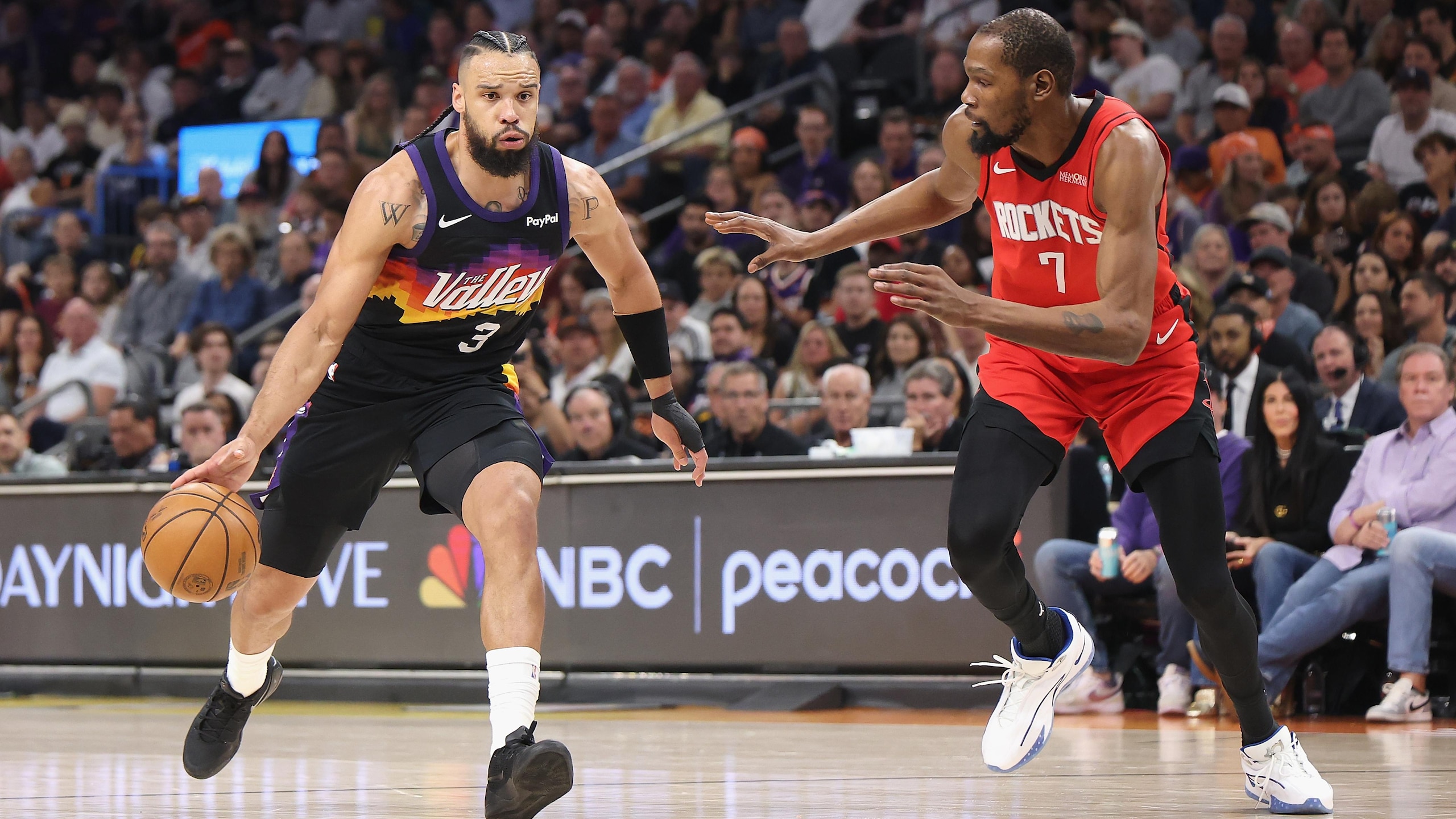
Yes, the new deal has punitive language to prevent teams like the LA Clippers and Warriors from overspending—to give the other 28(ish) teams an even playing field. In practice, the rules may hurt more than just the top-two spenders.
Which teams face the most significant obstacles with the new rules? And did the players take a terrible deal?
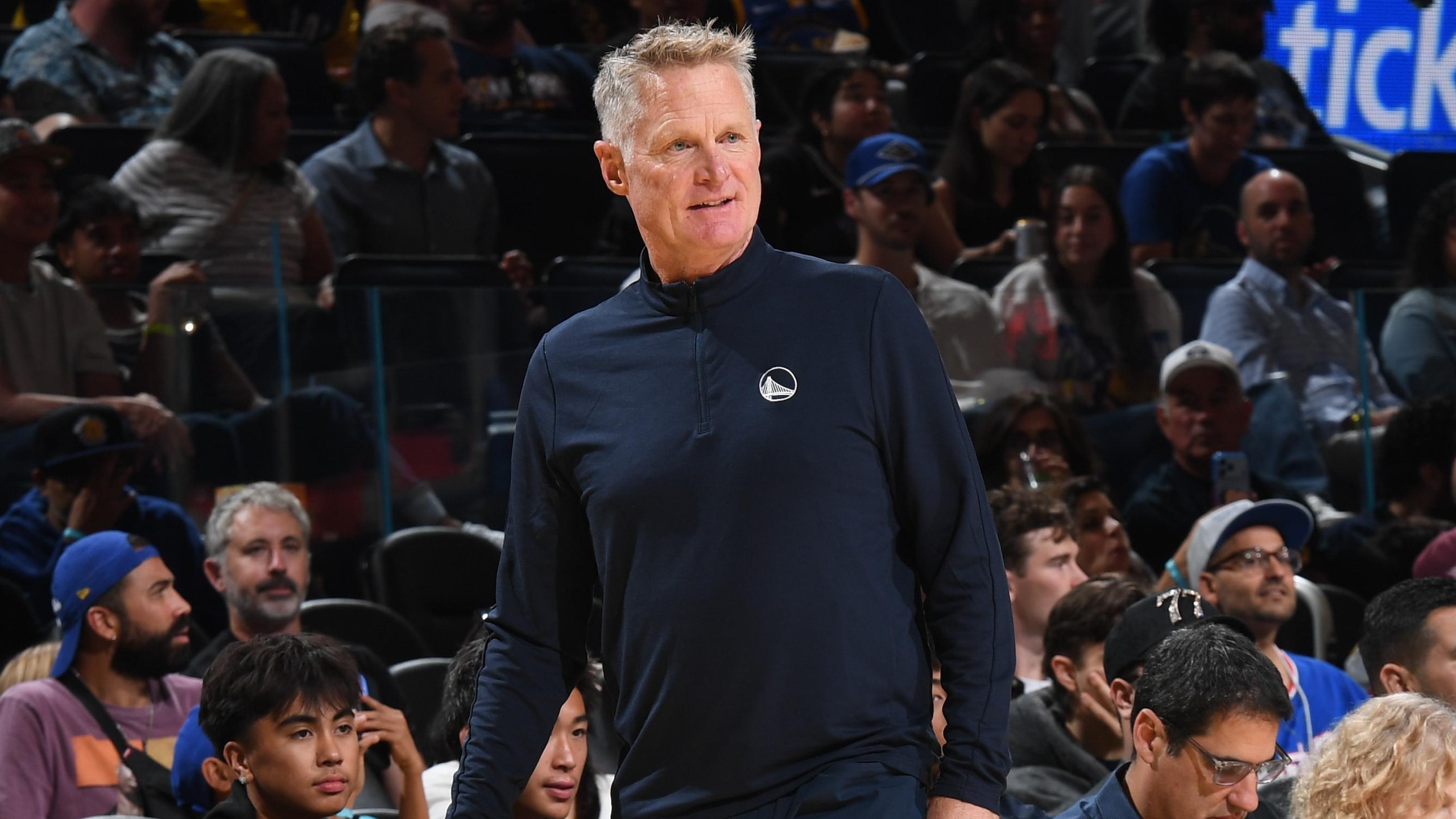
Warriors Need a Different Approach

The apparent target of the new CBA, the Warriors will end up with a team salary against that tax at $188.4 million with a $163.2 million repeater tax penalty. The previous rules expected teams to go over the tax responsibly, and the Warriors were Exhibit A of how the system didn't provide enough of a deterrent to spending.
Warriors fans aren't going to agree with the above, but it's factual from the league's point of view. And since Warriors fans don't write the CBA, the rules did make life a bit more painful for the team.
The Warriors' $213.2 million projected salary (assuming Draymond Green opts in) will come with a $254.6 million penalty. The team won't have the taxpayer mid-level exception, which was used last year to bring on Donte DiVincenzo.
Should the franchise intend to extend Klay Thompson and Green at similar rates, the Warriors will get into the harsher punishments that start after the 2023-24 campaign, including stricter trade rules, the inability to trade cash, aggregate or sign-and-trade players.
If Golden State is above that second apron for the 2024-25 season, they're looking at a frozen draft pick seven years later that can't be traded and will fall to the end of the first round.
It's a lot, Warriors fans are the most prominent critics of the new CBA, but the franchise must manage its money more diligently moving forward. If the goal is to keep the group together, that probably means paying Thompson and Green on longer deals at lower dollars (like Green at $100 million over five). That would save massive luxury taxes and help the team normalize its books while expecting three years of production over five years of payments.
Golden State can and will adapt. Perhaps the franchise trades Jordan Poole to adjust more quickly, and that may fall in line with some fans who want him gone anyway after his underwhelming postseason.
Clippers Aren't Committed, Yet
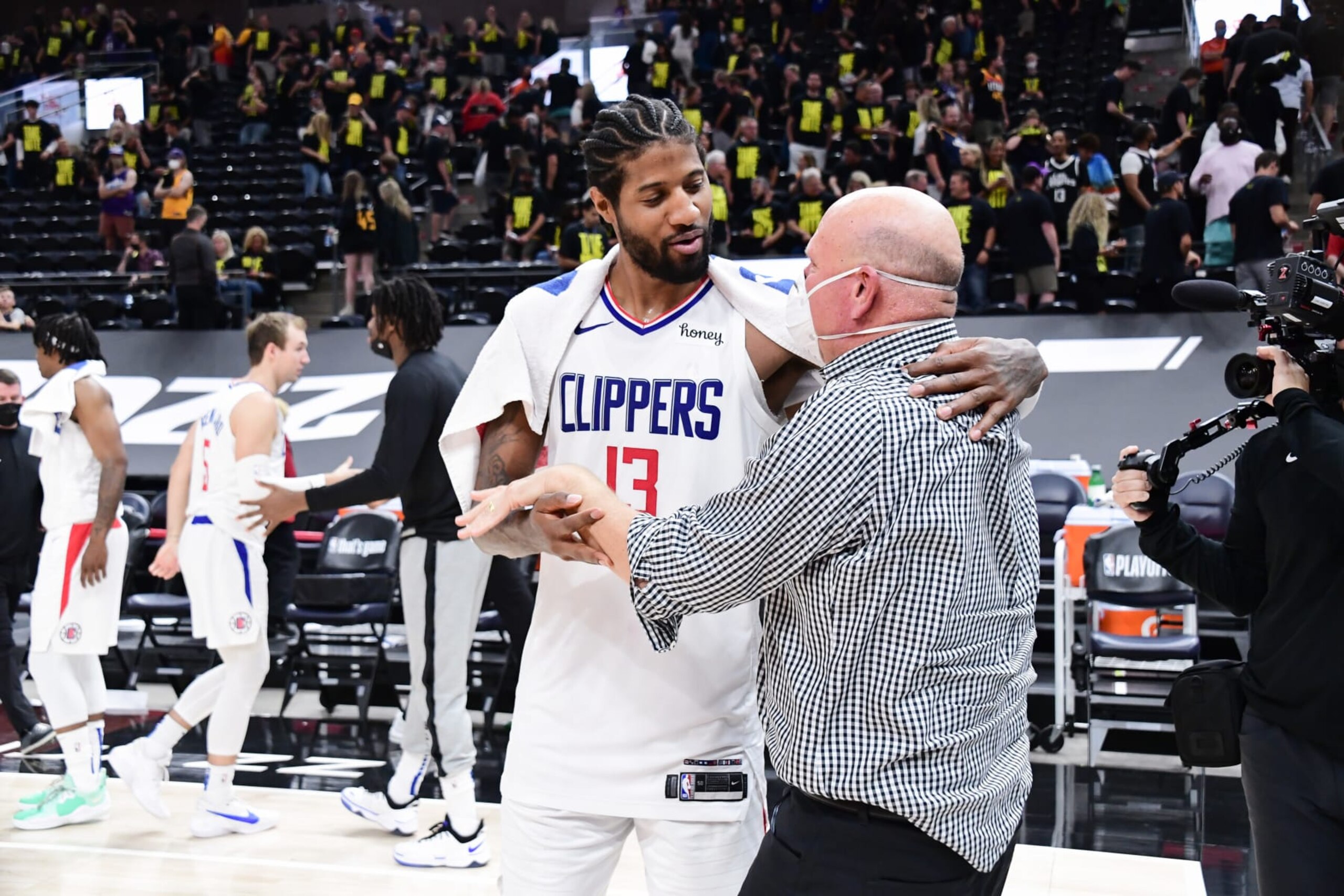
The story is similar with the Clippers, who had a higher payroll last season than the Warriors at $191.2 million, though their tax bill was just $140.3 million. LA will be a repeat offender through 2023-24, so they're on the same track as Golden State—but with fewer long-term commitments.
Both Paul George and Kawhi Leonard are heading into the final years of their deals, though both have player options for 2024-25 and are extension eligible this summer.
The Clippers have to decide if it's time to double down on a solid product that seems to come up short each postseason because of injury.
The team can go in another direction, with the financial sanity within the new rules, or continue to spend and deal with the consequences. Team governor Steve Ballmer may not care about luxury tax payments.
Still, as the new trade rules restrict the team to 110 percent matching this season and then 100 percent maximum (and no aggregation in trade) in future years, the Clippers' existing method of roster building will need to change.
Hawks Need To Trade Out of Salary
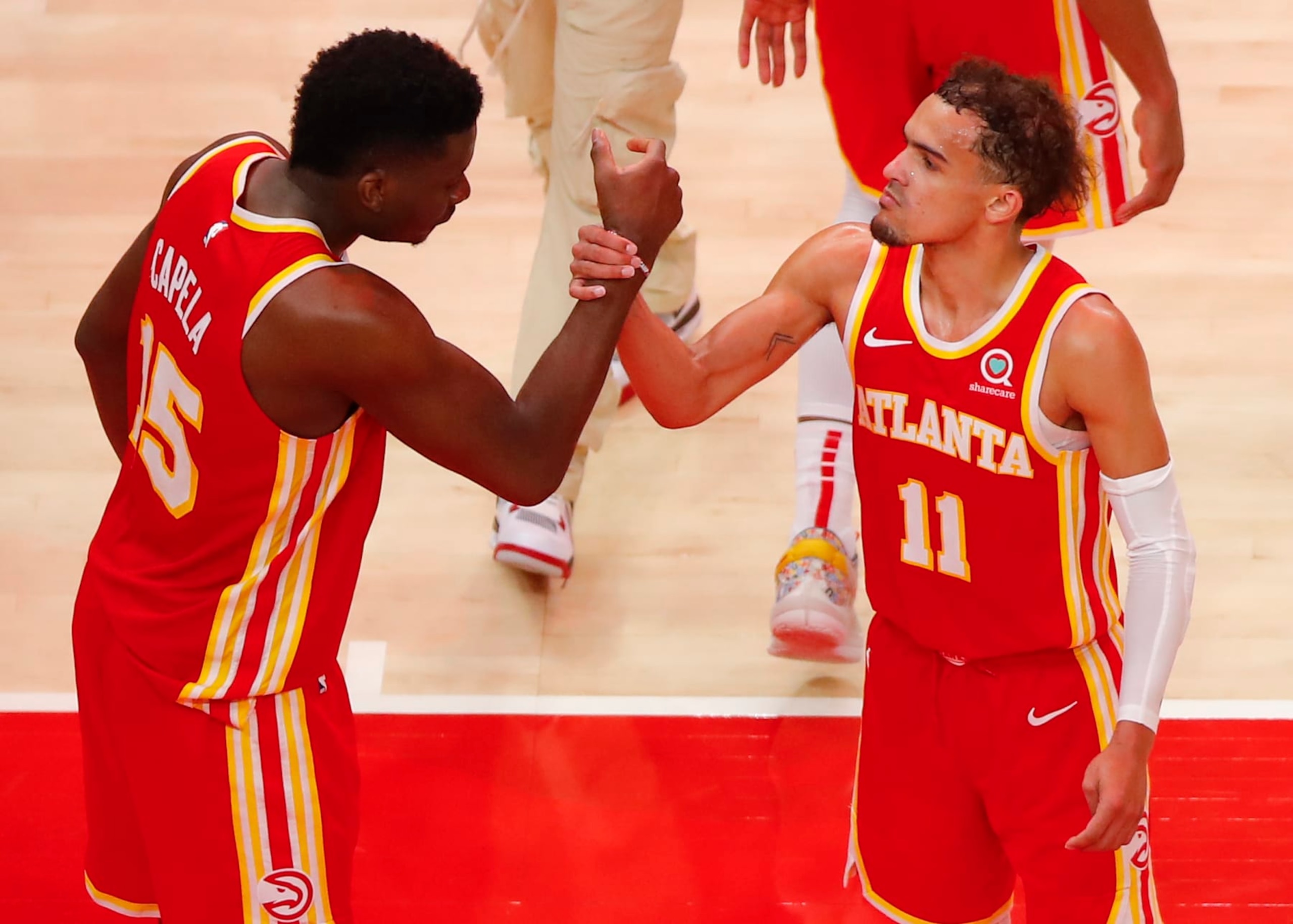
The Atlanta Hawks didn't pay the tax for 2022-23, but the team is immediately in financial jeopardy with the new rules. After trading for Dejounte Murray and giving Bogdan Bogdanović an extension, the team is committed to $143 million with its six most expensive players.
The rest of the roster (once fleshed out to at least 14 players) pushes that total to about $172 million, which is $10 million over the tax with a $16.4 million penalty. The Hawks benefit from lighter tax rules for relatively light offenders. Still, the team also has three players with unlikely incentives (De'Andre Hunter, Clint Capela and Murray) that could push that higher.
With those incentives, the Hawks project to be over the first apron (reducing trade salary matching to 110 percent this season) and within $3.1 million of the second. And if the team recommits to Murray, who is expecting a new, larger contract starting in 2024-25, along with Onyeka Okongwu and Saddiq Bey, both extension eligible—Atlanta will be above the aprons for the foreseeable future.
Starting with 2024-25, teams over the first apron won't be able to use traded player exceptions, which are like trade gift cards that last a calendar year. For instance, the Portland Trail Blazers traded CJ McCollum to the New Orleans Pelicans, generating a trade exception they used the following summer to acquire Jerami Grant from the Detroit Pistons.
That possibility goes away for the Hawks and others over the first apron after this coming season.
Their payroll is too high for a first- or second-round playoff team. Atlanta's payroll would be too high under the previous rules as a second-or-third-tier contender, but now with such heavy penalties, something has to give. That may mean a John Collins trade if one surfaces. Or, at worst, it may mean they don't extend Murray—which could lead to trading him for value before losing him outright.
Pelicans Have Some Time, But Not Much
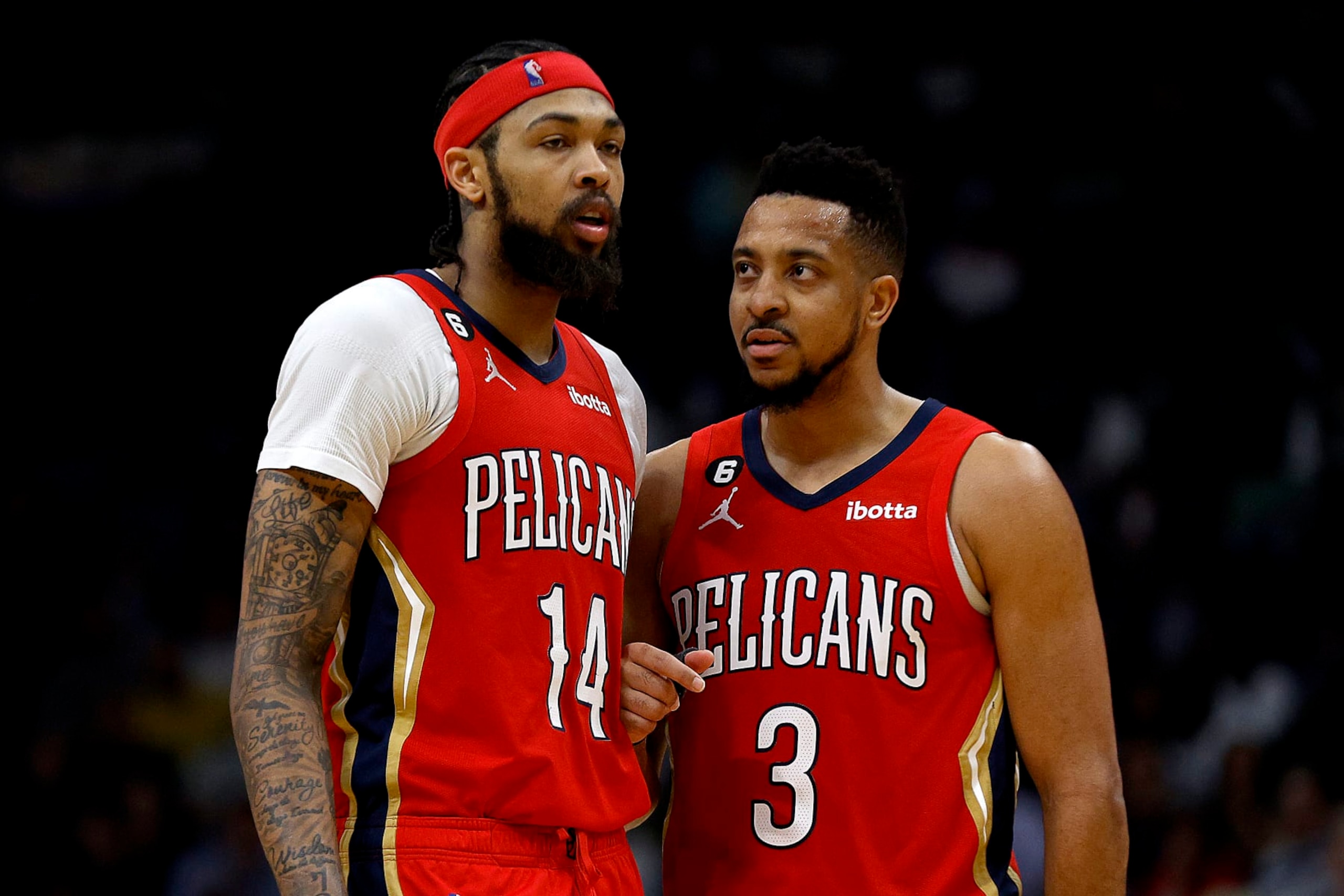
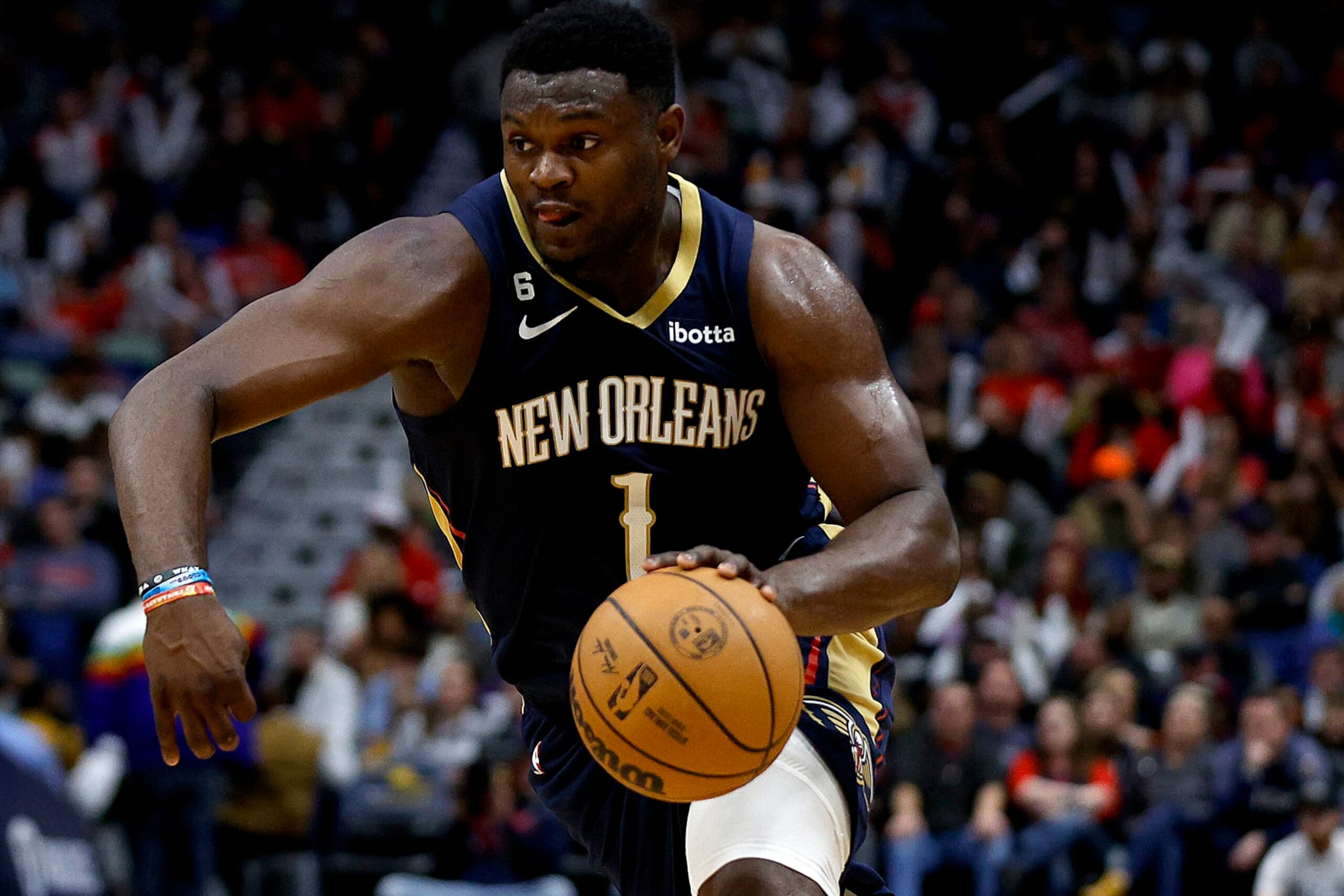
The New Orleans Pelicans are heavily invested in an exciting young core that needs Zion Williamson to stay healthy for a solid postseason run. The team has drafted and traded well, with Brandon Ingram and Williamson with All-Stars on their resumes.
And this season, the franchise should be able to stay under the luxury tax completely. The challenge is when Ingram's contract comes up after 2024-25. Or Jonas Valančiūnas after this coming season, and others like Herbert Jones and Trey Murphy III.
The numbers add up quickly, and there's "a zero percent chance," per a Pelicans team source, that the franchise can keep this group together as is, perhaps as early as 2024-25, but certainly by 2025-26.
Based on market size and income level, they're not positioned to lose, say, $100 million a year (along with extreme punishments like frozen draft picks). That speaks to the core issue that the NBA wants individual teams to be profitable each year, within reason.
Sources say the Milwaukee Bucks, a team in a smaller market like the Pelicans, have lost money through the most recent seasons as a contender built around Giannis Antetokounmpo. That's the price the franchise was willing to pay to win and try to defend its title.
But most teams don't get to that level, despite budget (see the Clippers above), and the NBA wants investors to bring money into the league to benefit all parties, including the players.
If the Pelicans can avoid running at a loss with a $178 million payroll for 2025-26 without luxury taxes, they should be on an even playing field with 29 other teams roughly in the same range. If a few can pay $400+ million without consequence, the system is not equitable.
The argument "billionaires should just spend to win" only goes so far when the NBA is looking for quality investors who don't want to hemorrhage money year after year because, in 10 seasons, they may be able to sell at a profit. Investors want into teams, which hasn't always been the case (and wasn't close to the same level before the 2011 CBA).
With all that in mind, the Pelicans may need to start thinking about moving off McCollum sooner than they would have under previous rules.
Miami a Victim of Its Own Success
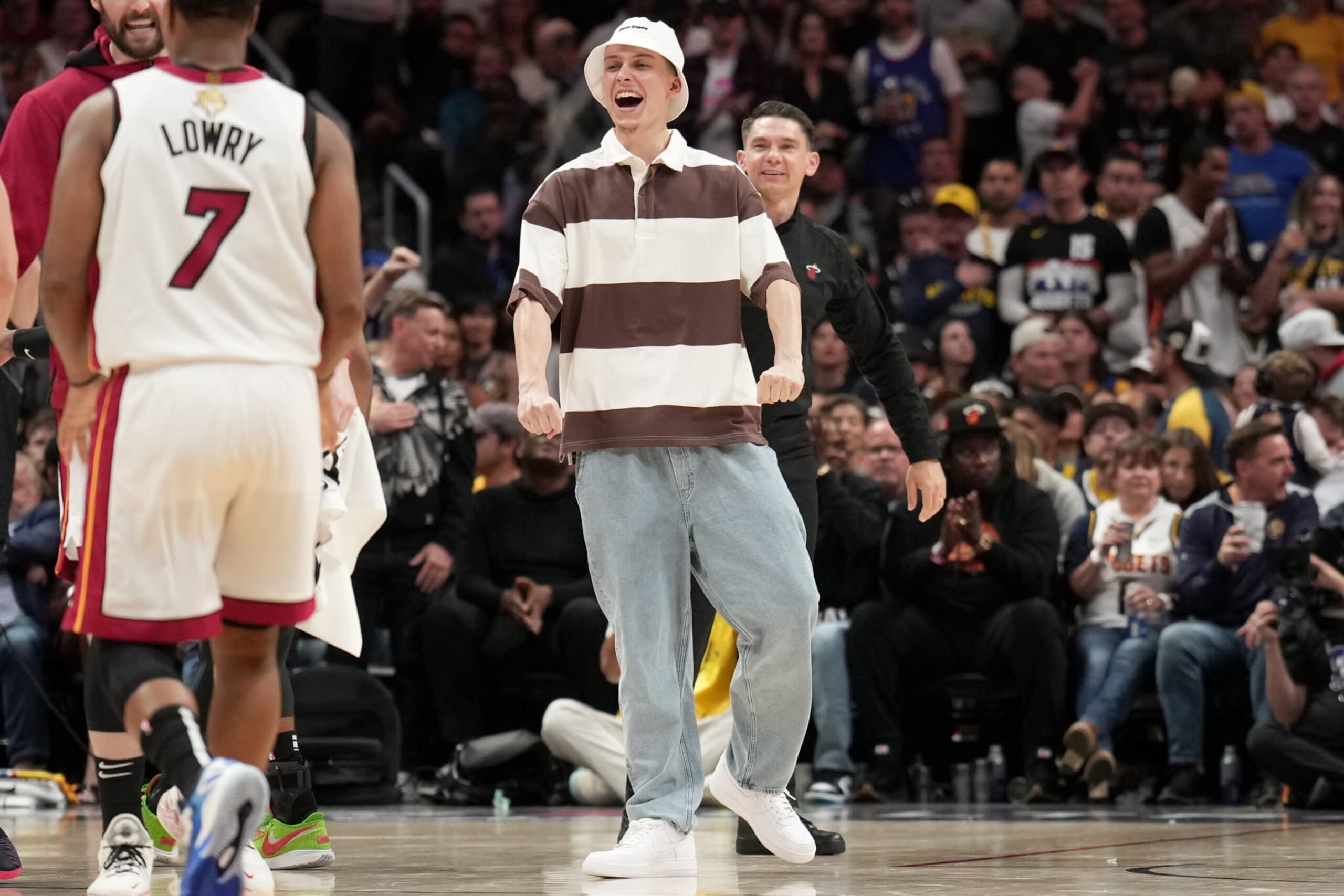
The Miami Heat are contending for a title with one of its best players (on paper) injured. Meanwhile, Gabe Vincent and Max Strus have become significant contributors and must be paid accordingly this offseason.
That may mean trading Tyler Herro and his $27 million salary for 2023-24 or Kyle Lowry ($29.7 million), Duncan Robinson ($18.2 million) or Victor Oladipo ($9.5 million).
The Heat may not realistically want to keep this group together as is, given the penalties. Under the 2017 CBA, a team might try for a year or two (like the Bucks), but don't expect Miami to have the same roster next season, even if it wins the title.
Did the Players Get a Raw Deal?
The players get roughly 50 percent of the NBA's annual basketball-related income (technically 49-51 percent). They get that amount, period. The system changes only determine who is spending that money and how.
If anything, the players get a raise by including team and league licensing revenue into BRI. The NBA is also optimistic that the in-season tournament will draw additional income.
The NBPA agreed to a deal that avoided a work stoppage and increased its revenue stream. That, in and of itself, is a win. Trade restrictions were loosened, and extension rules improved.
There are areas to quibble, like team's new ability to use the non-taxpayer mid-level exception in trade (starting in 2024-25) that could lead to teams spending less on free agency. But that may be more of a leverage issue in specific cases. With the players as a whole getting half of BRI, the money is still flowing to the players one way or another.
Nine teams were in the luxury tax for 2022-23, and six would be in the "second apron territory" if the $17.5 million line above the tax threshold were in place. If the new rules help 24 teams at the expense of six—and the league negotiators, 30 teams, and the NBPA signed off—then maybe there's more to the deal than credited.
No system is perfect, but perfect should not be the enemy of good. Individual players in individual situations may face challenges, like Green with the Warriors. But on the whole, the league and players got a deal done—a good deal.
*Email Eric Pincus at eric.pincus@gmail.com and follow him on Twitter @EricPincus.
.png?w=2560 "B/R CFB Top 25 After Week 7 🔢")

.jpg?w=2560 "AEW WrestleDream Live Grades 🔠")
.jpg?w=2560 "Ex-NFLer BLASTS Fitzpatrick🤬")
.jpg?w=2560 "Myles Garrett Got Warning 👀")