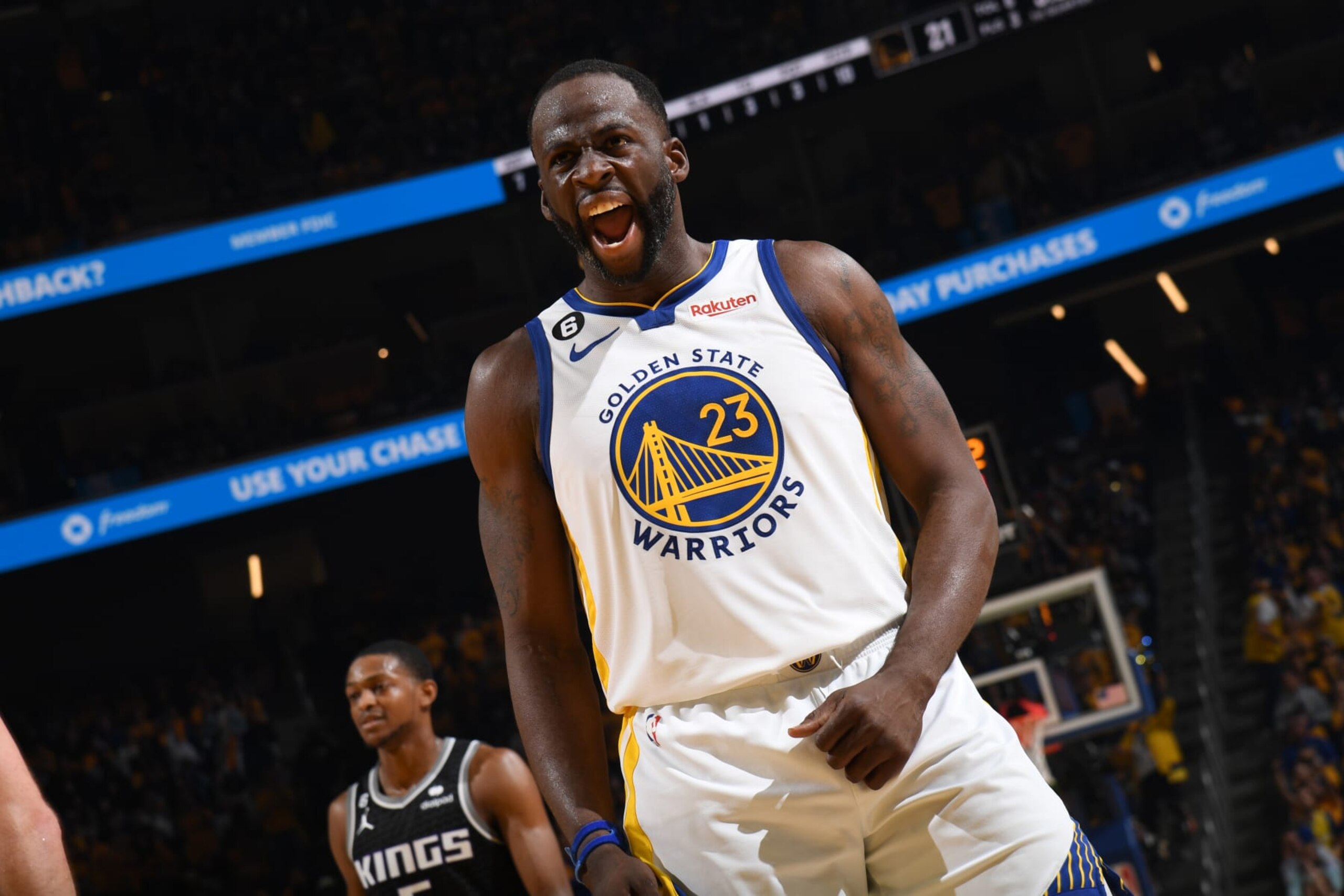


The NBA playoffs are a cutthroat enterprise where champions often define themselves by being the best at seeking out and exploiting an opponent's flaws. That ruthless reality only results in a ring if the eventual title-winner also minimizes its own glaring weaknesses.
Through the first week or so of the 2023 NBA playoffs, we've already seen several title hopefuls struggle to overcome issues that hampered them during the regular season.
That isn't to say that every X-factor holding back a possible champion was foreseeable. While injuries are inevitable in the playoffs, there's no guarantee who it'll be. That's why, unfortunately, we have to cite injury in one particular case. Otherwise, we have strategic shortcomings and critical personnel problems to discuss.
The teams featured here entered the playoffs with at least an outside shot of emerging from the fray as champions. They're still in the fight, and some have even looked as good as advertised. All of them, though, have revealed a specific frailty that their opponents will continue to attack unless they rectify it.
Milwaukee Bucks: Health
1 of 5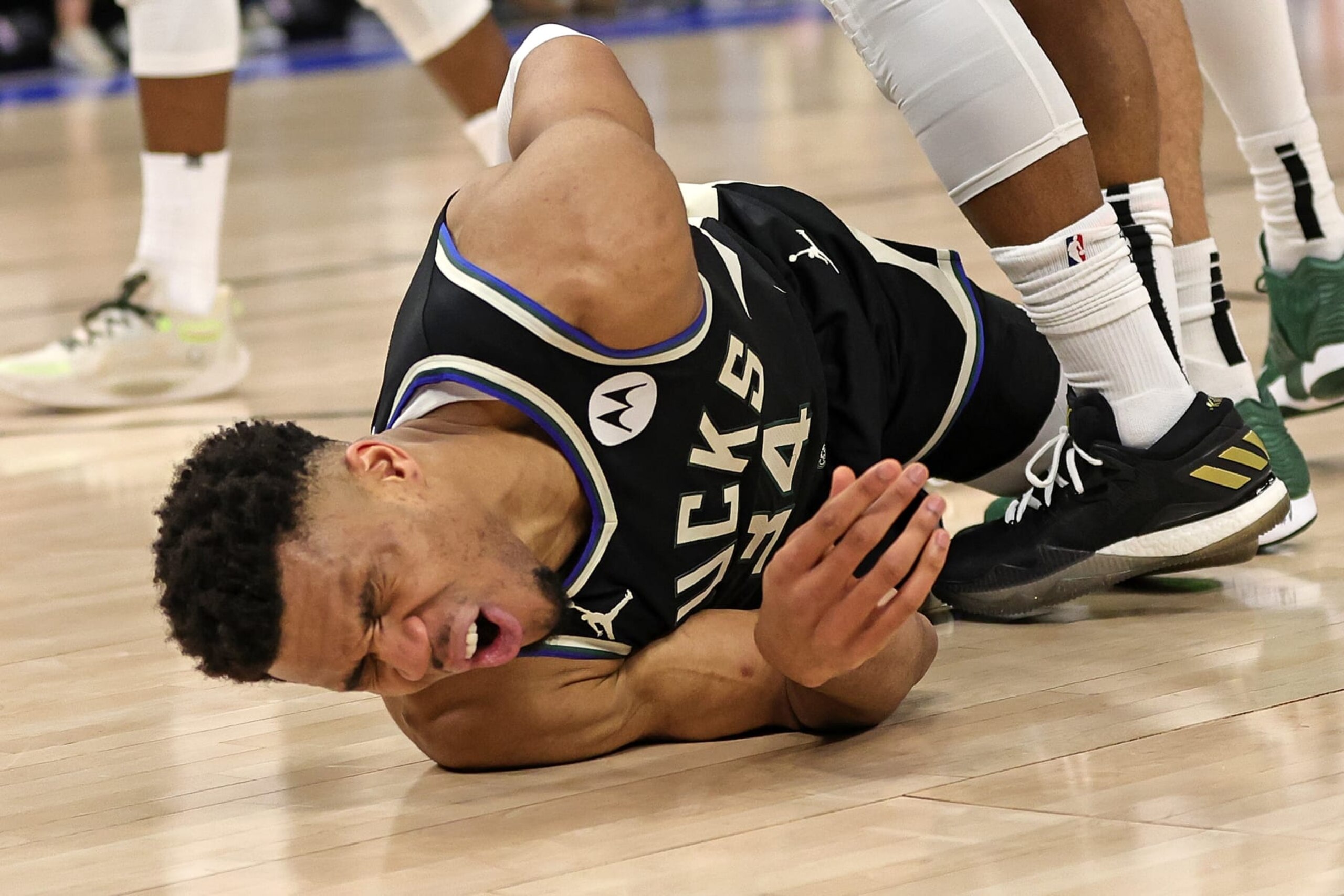
Scan across NBA history, and you'll find virtually every team's run to the title had something to do with injuries. Whether the eventual champion benefited from good health luck of its own or saw a threatening challenger weakened by a critical injury, the last team standing tends to be the team healthy enough to actually stand.
That brings us to the top-seeded Milwaukee Bucks, who face the prospect of a first-round elimination because Giannis Antetokounmpo, the former Finals MVP and reputed postseason world-destroyer, has missed the better part of three games with a back injury.
Antetokounmpo's departure 11 minutes into Game 1 after an ugly fall had everything to do with the eighth-seeded Miami Heat stealing that contest in Milwaukee. His continued unavailability was an undeniable factor in the Heat also securing a Game 3 win, and though he finished with a triple-double in Game 4, Antetokounmpo visibly grimaced throughout the contest and couldn't keep pace with Jimmy Butler's 56-point explosion.
As a result, the Bucks are on the brink of elimination at the hands of a No. 8 seed.
Miami deserves credit for capitalizing. It uncharacteristically shot the lights out in Game 1 (15-of-25 from deep) and continued the trend by drilling 16 of its 33 three-point attempts in Game 3. Butler has more than lived up to his own reputation as a postseason level-raiser, and the Heat's loss of Tyler Herro to a broken hand means they won't be sending the Bucks any sympathy cards.
Milwaukee may well right itself and win the series. But back injuries tend to linger, and the Bucks' shaky depth is at least as significant of a story as the Heat's surprisingly hot shooting.
If Antetokounmpo can't get right and stay right, a Milwaukee team that entered the playoffs with a terrific shot to win its second title since 2021 may not be a contender at all.
Phoenix Suns: Lack of Depth
2 of 5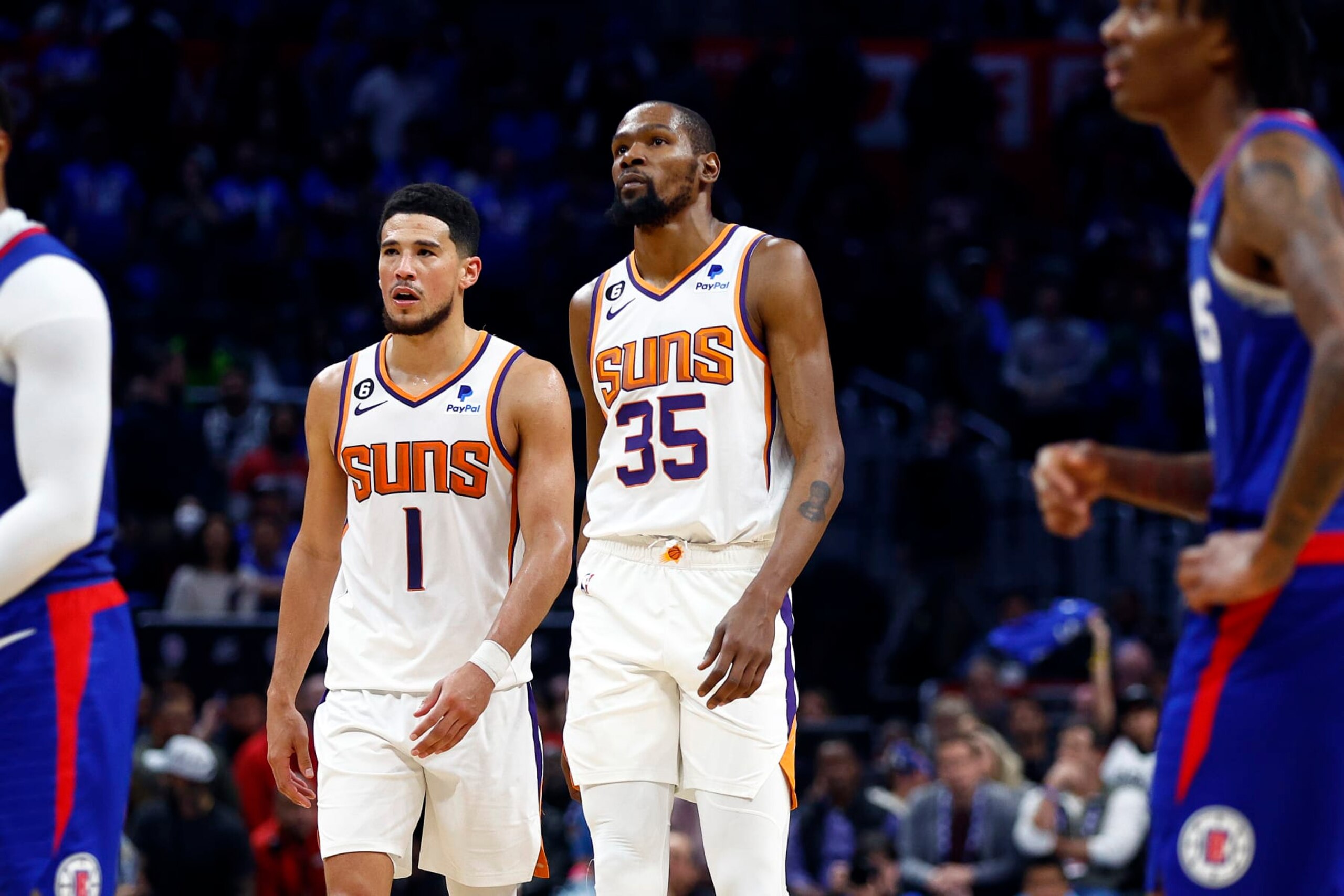
It's a good thing the Phoenix Suns are making quick work of a Los Angeles Clippers team that has had more bad health luck than anyone else in these playoffs. Up 3-1 and likely to close the series out as early as Tuesday night, the Suns' best players will need as much time as possible before the Western Conference Semifinals to rest up.
Through four games, Kevin Durant (43.8 minutes), Devin Booker (43.5) and Chris Paul (38.8) are averaging red-flag levels of playing time. Stars always stay on the floor longer in the playoffs—Durant has averaged over 42.0 minutes per game in 11 different series throughout his career—but given KD's struggles to stay healthy in each of the last three seasons and Paul's history of postseason breakdowns, this is not a sustainable model.
Unfortunately, it's been necessary. Outside of Phoenix's starters, no one has made consistent contributions to the cause.
Josh Okogie leads Suns reserves with only 16.8 minutes per game, and his 20.0 percent three-point shooting makes it too easy for opposing defenses to ignore him, putting further offensive strain on his star teammates. Landry Shamet and Bismack Biyombo were the only other reserves to see action in each of the first four games of the series against Los Angeles. The former is shooting 18.2 percent from the field, while the latter is averaging more fouls than made field goals.
Stars should shoulder the heaviest loads when the games matter most, but Phoenix can't keep weighing down its best players with such crushing minute totals. The competition will only get fiercer the further the Suns advance, so the urgency to find support players capable of chipping in will continue to grow.
Cleveland Cavaliers: Offensive Ineptitude
3 of 5
Don't sell the New York Knicks defense short. They've held the Cleveland Cavaliers under 100 points three times in four first-round games and have thoroughly flummoxed an offense that ranked seventh in the league during the regular season. No team has a lower postseason offensive rating than the Cavs. Credit where it's due.
But the Cavs aren't just failing to score because the Knicks are playing hard and paying attention to detail. Much of the offensive anemia stems from a more troubling reality: Cleveland's personnel cannot punish the Knicks in what should theoretically be "advantage" situations.
Throughout the series, New York has been aggressive in sending multiple bodies at Donovan Mitchell and Darius Garland, forcing the ball out of their hands, often to Even Mobley around the foul line. From there, many teams feast offensively in a downhill, 4-on-3 scenario. But Mobley's processing has been a half-step slow in space, he's struggled mightily to finish against Mitchell Robinson, and worst of all, the Knicks can pull in an extra defender because they aren't concerned with the likes of Isaac Okoro beating them from deep.
The Cavs have had a hole at small forward all year, and they're paying for failing to fill it. Too often, Cleveland has three non-spacers on the floor around Mitchell and Garland.
As great as those two guards can be, the lack of capable offensive support around them, particularly at the 3, is devastating.

Golden State Warriors: Self-Inflicted Wounds
4 of 5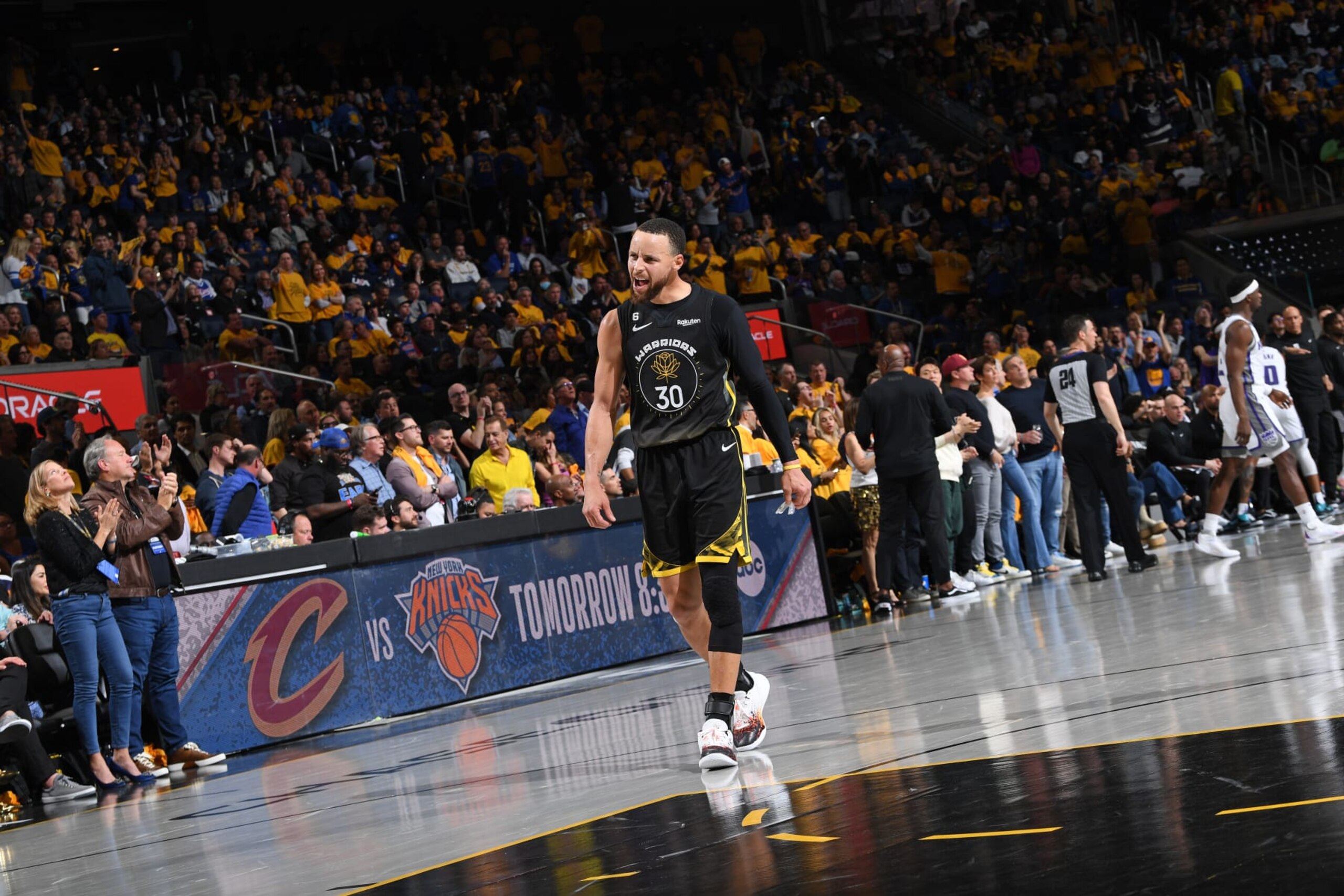
The Golden State Warriors evened things up with the Sacramento Kings by doing what they've done all year: dominating at home to take Games 3 and 4 after dropping Games 1 and 2 in Sacramento. But the defending champs had to lean on their success in familiar confines because another season-long trend tossed them down a 2-0 hole in the first place.
In their two series-opening losses at Sacramento, the Warriors turned the ball over 37 times and committed 51 personal fouls. While those numbers shouldn't come as a surprise from the team that ranked 29th in the league in turnover rate and whose opponents shot 412 more free throws than they did over the course of the season, the consequences are far more severe now than they were from October to mid-April.
Golden State posted higher effective field-goal percentages than the Kings in Games 1 and 2, and it lost twice anyway. That's proof that the Dubs' star power, experience, adaptability and championship pedigree don't matter if they can't avoid shooting themselves in the foot with mistakes you'd associate with a less seasoned team like, well, the Kings.
The Warriors can no longer claim that they'll address these issues when the games matter enough to command their full attention. The time to quit flinging the ball all over the gym and engaging in serial undisciplined hacking has arrived, particularly on the road.
If the Warriors can't fix two of their most conspicuous flaws, they will head home early and face the potential dismantling of a dynasty this offseason. And they'll have only themselves to blame.
Denver Nuggets: Rim Protection
5 of 5
All season, we worried that Nikola Jokić's undeniable offensive brilliance wouldn't be enough to offset the damage done by a Denver Nuggets defense that allowed opponents to feast at the rim.
During the year, the Nuggets ranked in the middle of the pack in opponent rim attempt frequency but settled in at second-to-last in opponent accuracy on those close-range looks. Jokić's limited mobility in space and struggles to prevent layups when in drop coverage against the pick-and-roll resulted in Denver allowing a ridiculous 70.6 percent hit rate at the basket. That was the main reason why the Nuggets ranked 15th with a 55.2 location-based opponent effective field-goal percentage, a measure of what the other team "should" shoot based on the types of looks surrendered by the defense.
While the Nuggets have held the Minnesota Timberwolves to a relatively lower 61.9 percent on shots at the rim, they're also allowing a larger share of attempts from that high-value area through their first four postseason tilts. The result is an opponent location-based effective field-goal percentage of 55.3 percent, one-tenth of a percentage point worse than what they permitted during the regular season.
Denver is more consistently varying its coverages against the Wolves, and we're dealing in small samples compared to the full 82-game season. But it's alarming to note that a Minnesota team with serious offensive limitations (Rudy Gobert's nonexistent range and Jaden McDaniels' absence) is basically exposing the same issue that made top-seeded Denver an iffy pick to make it out of the West.
Stats courtesy of NBA.com, Basketball Reference and Cleaning the Glass. Salary info via Spotrac.
Grant Hughes covers the NBA for Bleacher Report. Follow him on Twitter (@gt_hughes), and subscribe to the Hardwood Knocks podcast, where he appears with Bleacher Report's Dan Favale.
.jpg?w=2560 "Trevon Diggs Cut by Seahawks")
.jpg?w=2560 "Grading SmackDown 🔠")