
The men's NCAA tournament is a great time for learning fun facts about schools you otherwise might not know anything about.
Like, there's a Southeast Missouri State? The team nickname of Grand Canyon is the Antelopes? There's a first-round matchup between Paladins and Cavaliers and another one between Trojans and Spartans? And did you know all five D-I schools beginning with "K"—Kansas, Kansas State, Kennesaw State, Kent State and Kentucky—all made the tournament this year? Fascinating.
But the tournament is also a wonderful showcase for the vast majority of players we've been talking about all season. Guys such as Purdue's Zach Edey, Indiana's Trayce Jackson-Davis and Alabama's Brandon Miller will appear in this ranking of the tournament's 25 best players.
Take a break from searching for this year's Cinderellas and instead (re)acquaint yourself with this season's Prince Charmings.
Rankings are based on a combination of individual dominance, importance to team and team potential. It's not intended to be a ranking of candidates to be named Most Outstanding Player, although the majority of these guys would also appear on that list.
Honorable mentions, in alphabetical order: RaeQuan Battle (Montana State), Jordan Brown (Louisiana), Gradey Dick (Kansas), Tosan Evbuomwan (Princeton), Bryce Hopkins (Providence), Keyontae Johnson (Kansas State), Ryan Kalkbrenner (Creighton), Mike Miles Jr. (TCU), Ajay Mitchell (UC Santa Barbara), Kris Murray (Iowa), Terquavion Smith (NC State), Isaiah Wong (Miami)
Make your picks: Play the NCAA March Madness Men's Bracket Challenge and Tournament Run.
Nos. 25-22: Malique Jacobs, Ray Harrison, Tucker DeVries and Max Abmas
1 of 8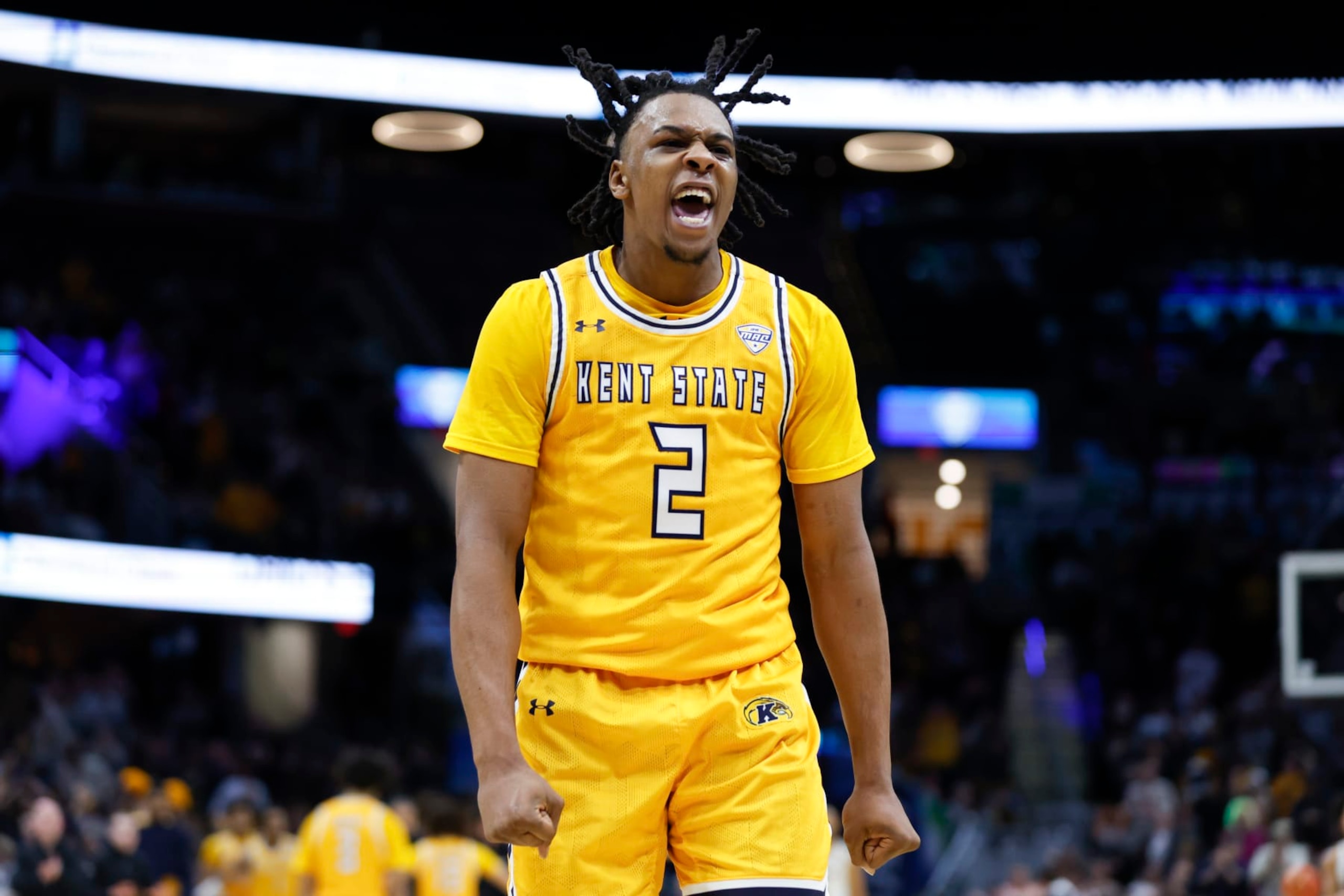
We're going strictly with non-power conference guys in the Nos. 25-21 range. Got to spread some love to the guys who might make you fall in love with a Cinderella team, even if they weren't even considered as top-25 players during the regular season.
No. 25: Malique Jacobs, Kent State
13.0 PPG, 5.2 RPG, 3.6 APG, 2.7 SPG
Jacobs isn't quite leading the nation in steals, but if Kent State goes on a three-game run, he could get there. He is the star defender of an excellent defense that is sure to cause problems for Indiana's backcourt in the first round. His numbers are darn near identical to what Jevon Carter did as a junior for "Press Virginia" in 2016-17 (13.5 PPG, 5.0 RPG, 3.7 APG, 2.5 SPG).
No. 24: Ray Harrison, Grand Canyon
17.7 PPG, 4.0 RPG, 3.6 APG
Grand Canyon had to win four games in five days to secure the WAC title, and Harrison put up a 30 burger in both the first and last game for the Lopes. He also had eight rebounds and eight assists in the championship game. And he's been doing this for a while, averaging at least 17 points per game for three consecutive seasons. Now is his chance to enter the spotlight, if he can lead GCU to a first-round upset over what used to be everyone's favorite Cinderella: Gonzaga.
No. 23: Tucker DeVries, Drake
19.0 PPG, 5.6 RPG, 1.8 APG, 1.1 SPG, 38.7% 3PT
It's not quite the Greg and Doug McDermott combo that Creighton had in the early 2010s, but Darian and Tucker DeVries have formed quite the father-son tandem for Drake. Tucker, a sophomore, is the only non-senior in the Bulldogs' primary six-man rotation, but he is the clear MVP of the team. He has scored at least 20 points in 16 of the team's 33 games, including back-to-back 32-point performances in February. He could put on a show against a suspect Miami defense.
No. 22: Max Abmas, Oral Roberts
22.2 PPG, 4.0 APG, 4.4 RPG, 1.1 SPG, 37.7% 3PT
An oldie but a goodie. Abmas led Oral Roberts on its magical run to the Sweet 16 in 2021, and he's still doing his thing in Tulsa, Oklahoma. He started a bit slow this year against a tough nonconference schedule, but in 21 games played since Christmas, Abmas is averaging 24.0 points and shooting 39.3 percent from deep. He also has a pair of former SEC players by his side in Connor Vanover and Issac McBride, so Duke could be in serious trouble.
Nos. 21-19: Drew Pember, Boogie Ellis and Wade Taylor IV
2 of 8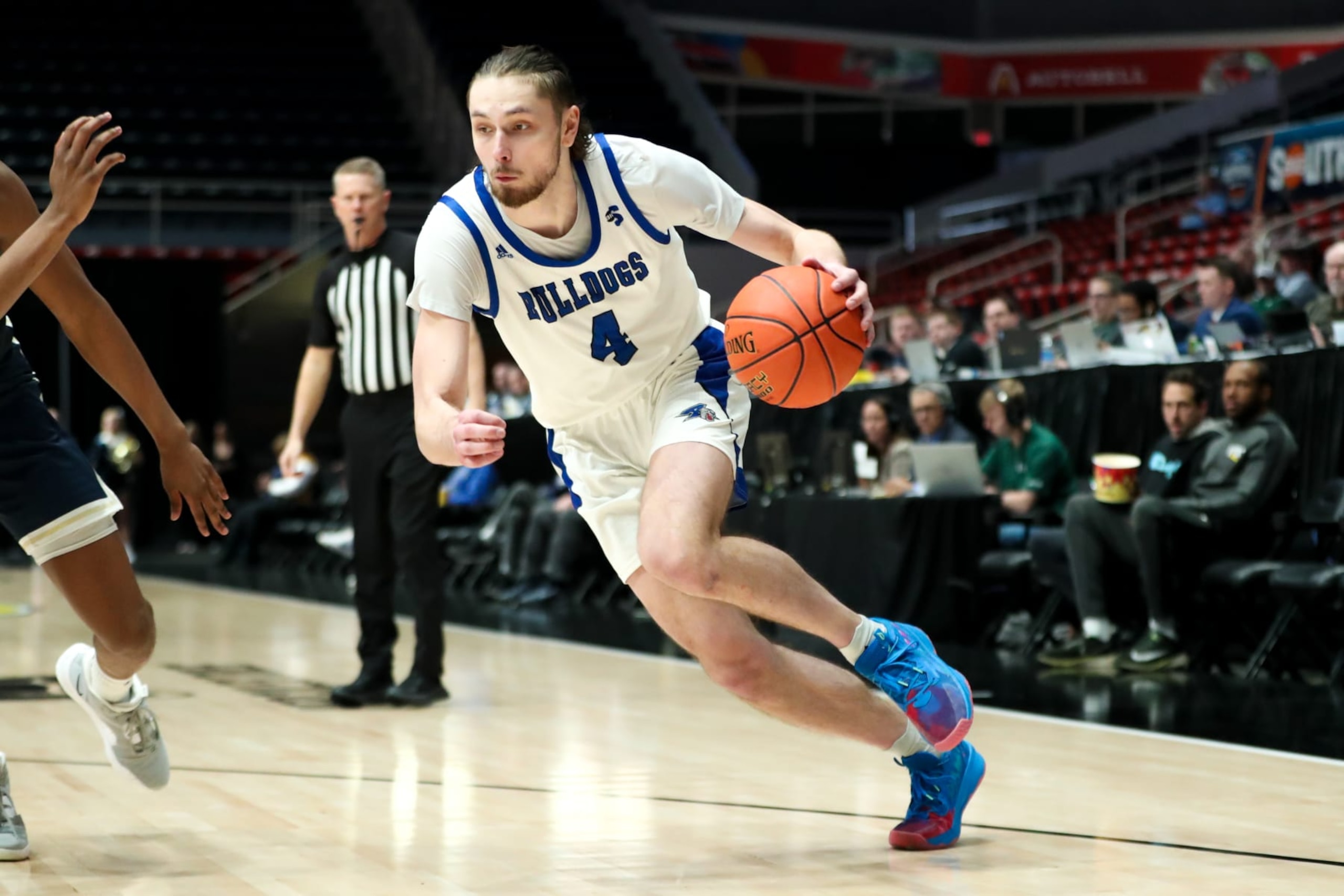
No. 21: Drew Pember, UNC-Asheville
21.2 PPG, 9.4 RPG, 2.3 BPG, 2.3 APG, 37.3% 3PT
Here's your fun fact of the day: Pember is just the fourth player* in the past three decades to record at least 50 made three-pointers and 75 blocks in the same season, joining Shane Battier, Jarrod Uthoff and Cameron Oliver on that list. UNC-Asheville's 6'11" center also averages a Tyler Hansbrough-like 9.2 free-throw attempts per game. A lot of people like UCLA to at least reach the Elite Eight, but the Bruins need to first figure out how to stop this star big man who twice scored at least 40 in a game this season.
*Oral Roberts' Connor Vanover is at 45 made threes and 109 blocks, so there could be a fifth member of that club soon.
No. 20: Boogie Ellis, USC
18.0 PPG, 3.7 RPG, 3.0 APG, 1.4 SPG, 39.2% 3PT
Ellis was a late arrival to the fringe of the All-American conversation, but few players were better over the past seven weeks. Since Jan. 26, the Trojans star averaged 22.2 points while shooting 41.4 percent from deep, eclipsing 30 on three occasions. We're not talking about games against the dregs of the Pac-12, either. Ellis had 31 in the win over UCLA and 35 in the close call against Arizona. He could carry this No. 10 seed to multiple wins.
No. 19: Wade Taylor IV, Texas A&M
16.5 PPG, 4.0 APG, 2.7 RPG, 1.8 SPG, 36.8% 3PT
Another late-season phenom for a team that surged up the projected seed list, Taylor averaged 20.5 points over his final 11 games, shooting 42.3 percent from distance. What makes him most dangerous, however, is his ability to both draw fouls and make the opposition pay doubly for them. Since early February, Taylor is averaging 8.4 free-throw attempts per game and sinking 91.3 percent of them.
Nos. 18-16: Keyonte George, Souley Boum and Kyle Filipowski
3 of 8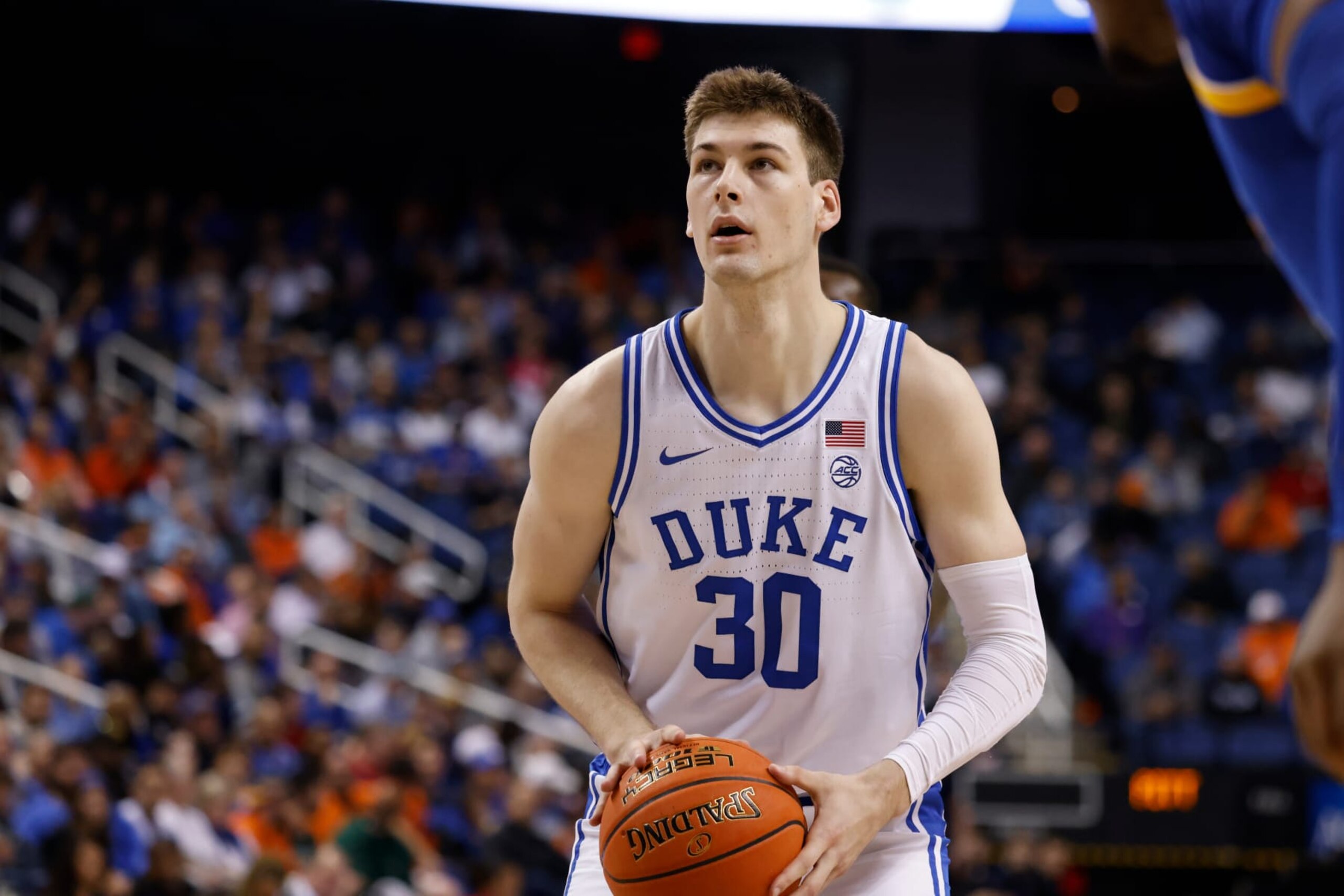
No. 18: Keyonte George, Baylor
15.8 PPG, 4.2 RPG, 2.8 APG, 1.1 SPG, 34.9% 3PT
There's some Jekyll and Hyde in George's game. He has a negative assist-to-turnover ratio and is much more of a volume scorer than an efficient one. But when he gets on a heater, look out. He's super talented freshman who can score from all three levels and who will likely be the reason Baylor either makes a nice run or bows out of the dance early.
No. 17: Souley Boum, Xavier
16.5 PPG, 4.4 APG, 4.3 RPG, 1.0 SPG, 42.5% 3PT
Want to know why the Big East championship game was such a dud? Boum was a bust on that night, going 0-of-9 from the field and scoring just one point. In the 11 games prior to that disaster, though, he was putting up 18.8 points per night and shooting 43.0 percent from the perimeter. The sixth-year senior has been the clear MVP for the Musketeers, whose tournament ceiling hinges on his ability to get and stay hot.
No. 16: Kyle Filipowski, Duke
15.4 PPG, 9.0 RPG, 1.6 APG, 1.2 SPG
Though he did have a scoreless game against Virginia in mid-February and a rebound-less game against Pitt in the ACC tournament, Filipowski has been Duke's most reliable asset. He had a double-double in each of his first three games and never really looked back, entering the NCAA tournament with 16 of them. And he made up for that one scoreless game by going for 20 points and 10 rebounds with three steals against UVA in the ACC championship.
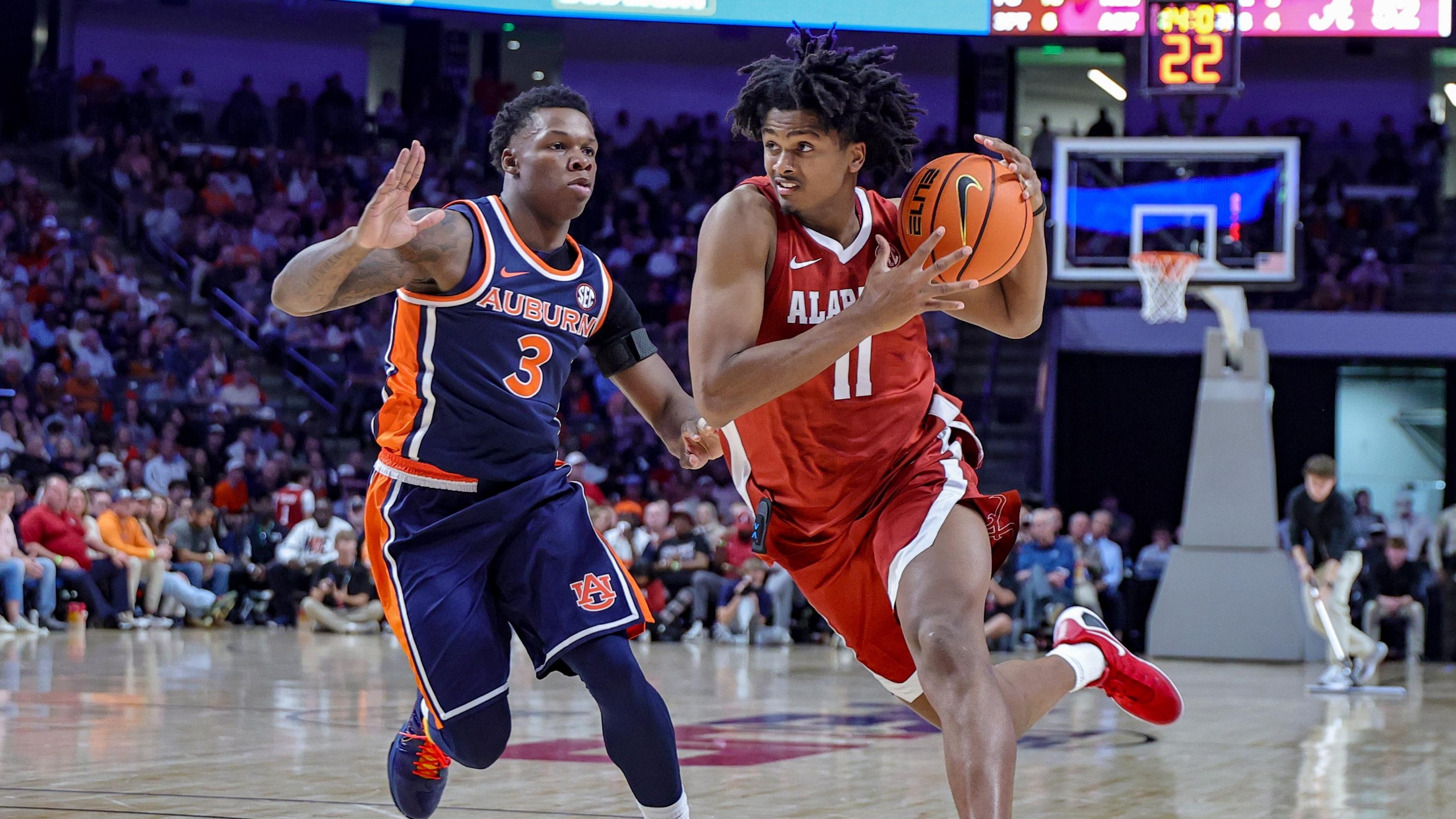
Nos. 15-13: Marcus Carr, Adama Sanogo and Kendric Davis
4 of 8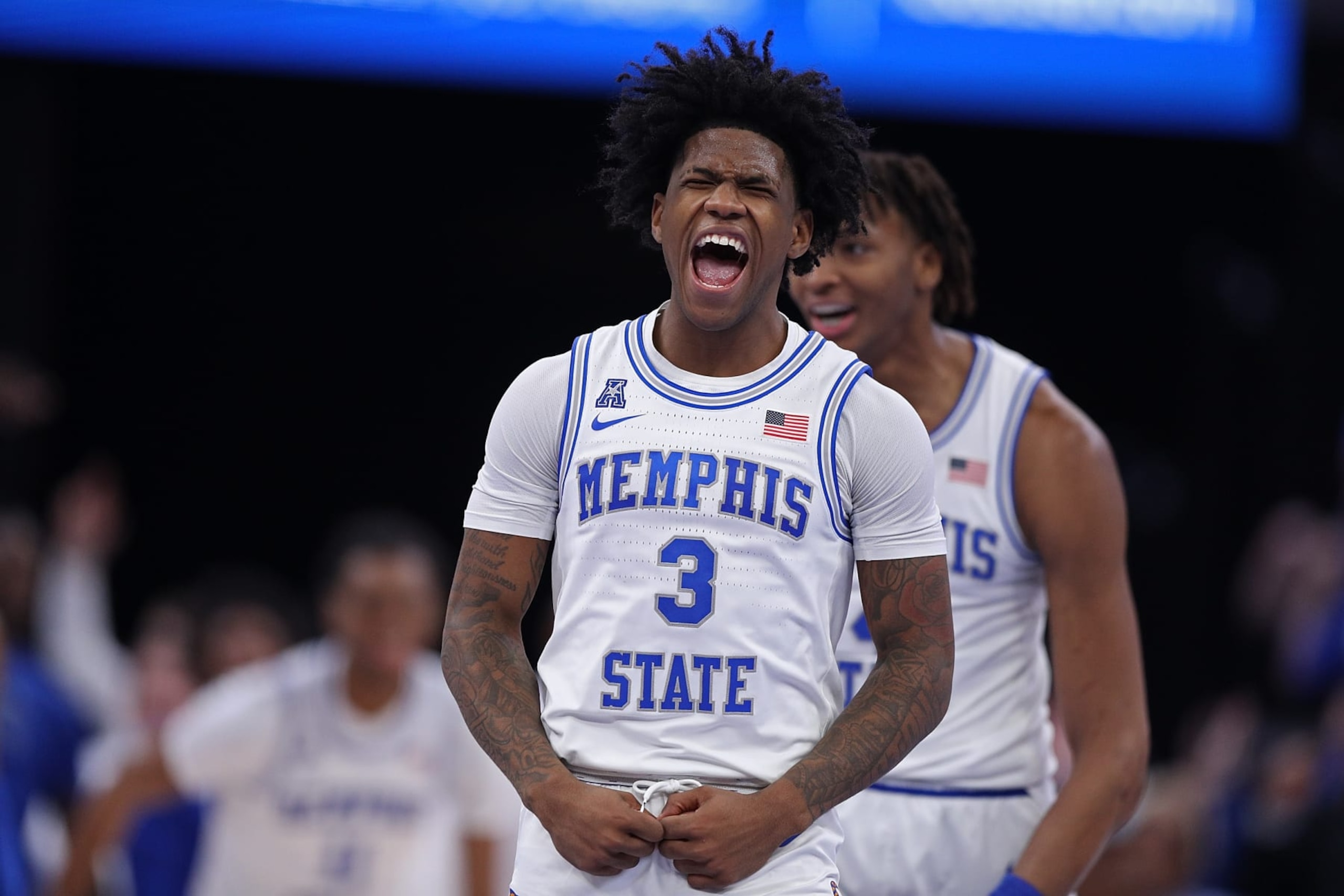
No. 15: Marcus Carr, Texas
15.9 PPG, 4.1 APG, 3.0 RPG, 1.8 SPG, 36.0% 3PT
In his first season after transferring from Minnesota to Texas, Carr was good but not the star that he was with the Golden Gophers. In year No. 2 with the Longhorns, though, Carr has rediscovered his mojo on both ends of the floor, leading one of the nation's best teams in points, assists and steals. His magnum opus was the game against Texas A&M-Commerce in which he made eight threes and scored 33 points—just in the first half. He never got that hot again, but Carr can sizzle.
No. 14: Adama Sanogo, Connecticut
17.0 PPG, 7.2 RPG, 1.3 APG, 37.0% 3PT
The allure of Connecticut as a Final Four team is its depth. Both Donovan Clingan and Joey Calcaterra can come off the bench and take over a game. Fellow reserves Nahiem Alleyne and Hassan Diarra also provide good value. The Huskies do have a star, though. Sanogo isn't the double-double machine that Zach Edey and Oscar Tshiebwe are, though that's partially because he only plays 26.6 minutes per night. On a per-40 basis, UConn's starting center averages north of 25 points and 10 rebounds.
No. 13: Kendric Davis, Memphis
22.1 PPG, 5.6 APG, 3.7 RPG, 2.0 SPG
Davis had some stellar seasons with SMU, but he saved his best for his super-senior year at Memphis. We'll see if he can maintain his averages through the tournament, but as things stand, he's the only player dating back to 2012-13 to average 22 points, five assists and two steals per game in a season. He topped 30 twice in the AAC tournament, so it's hard to imagine his scoring average dropping. We'll see about the steals, though.
Nos. 12-10: Markquis Nowell, Oscar Tshiebwe and Marcus Sasser
5 of 8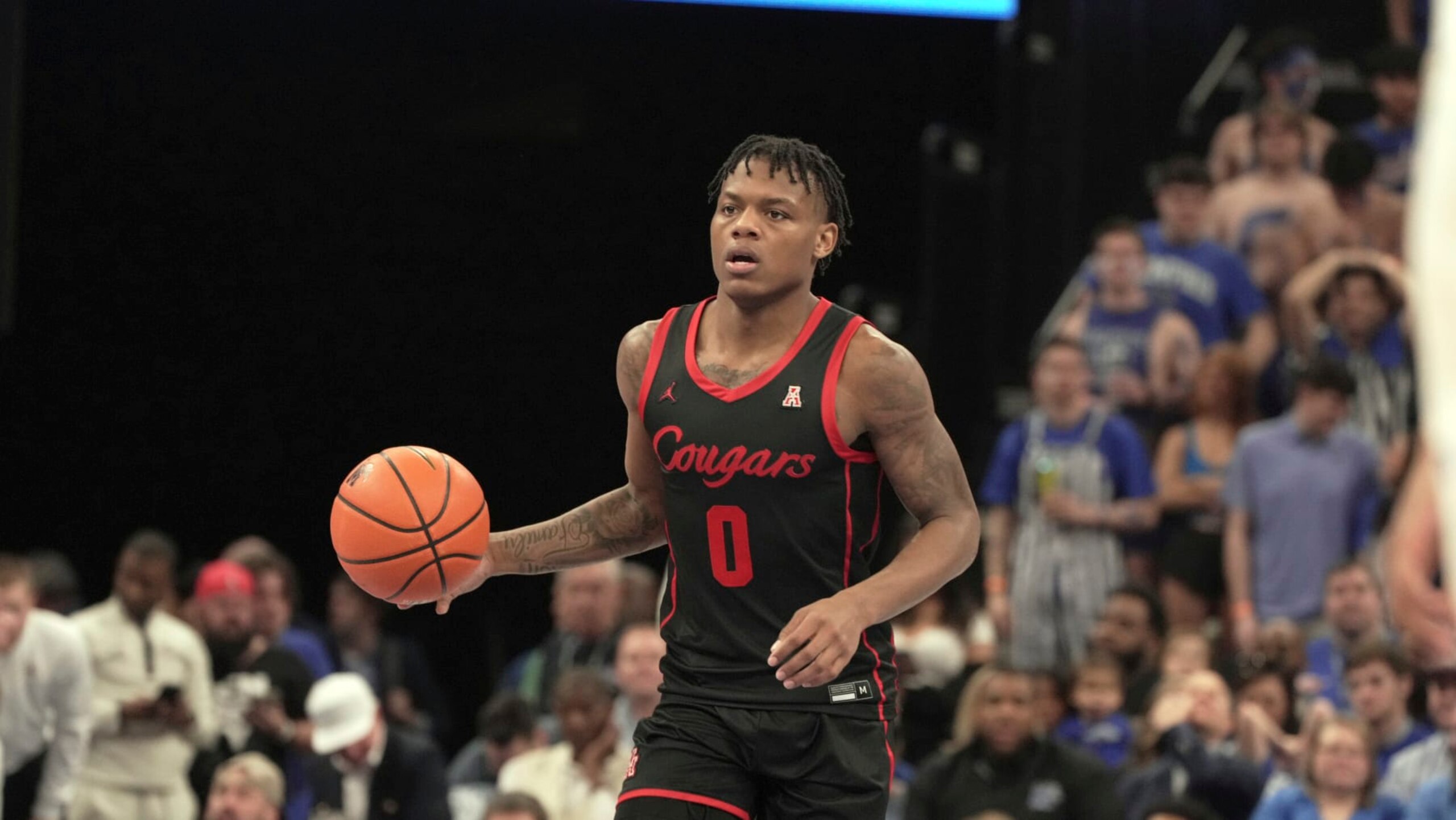
No. 12: Markquis Nowell, Kansas State
16.8 PPG, 7.6 APG, 3.5 RPG, 2.4 SPG, 34.6% 3PT
Between Nowell and Keyontae Johnson, it's hard to say who was actually Kansas State's MVP. We're going with Nowell, though, because averaging a combined 10 assists and steals per game in a major conference—let alone the indisputably best major conference—is just absurd. Even during Trae Young's magical season at Oklahoma in 2017-18, he ended up at 10.4 assists plus steals per game. When Nowell went for 91 points, 33 assists and 10 steals in his first three Big 12 games, it quickly became clear this team could do something special.
No. 11: Oscar Tshiebwe, Kentucky
16.5 PPG, 13.1 RPG, 1.6 APG, 1.6 SPG, 1.0 BPG
The notion of Tshiebwe as a plus defender was debunked in a big way this season, especially in the recent losses to Vanderbilt. But Big O still had a sensational campaign, racking up 19 double-doubles, including the outrageous 37-point, 24-rebound game against Georgia in mid-January. Tshiebwe wasn't quite as statistically dominant as he was in being named National Player of the Year in 2021-22, but he's still on a very short list of players to average at least 16 points and 13 rebounds per game in any season, let alone two in a row.
No. 10: Marcus Sasser, Houston
17.1 PPG, 3.2 APG, 2.8 RPG, 1.7 SPG, 38.3% 3PT
It's surprising that Sasser didn't get more love as a potential NPOY, given his indispensable impact on both ends of the floor for arguably the best team in the country. Maybe it's because Zach Edey ran away with NPOY before the debate ever began, or maybe it's because people weren't really paying attention to Houston in what was otherwise not a great AAC. But he is a premier, veteran guard who battled back from last year's season-ending foot injury to lead this team in this tournament. He might take over the whole thing. (Sasser did suffer an apparent groin injury in the AAC semifinal against Cincinnati and his availability for Houston's opener is unknown at this time.)
Nos. 9-7: Drew Timme, Azuolas Tubelis and Jaime Jaquez Jr.
6 of 8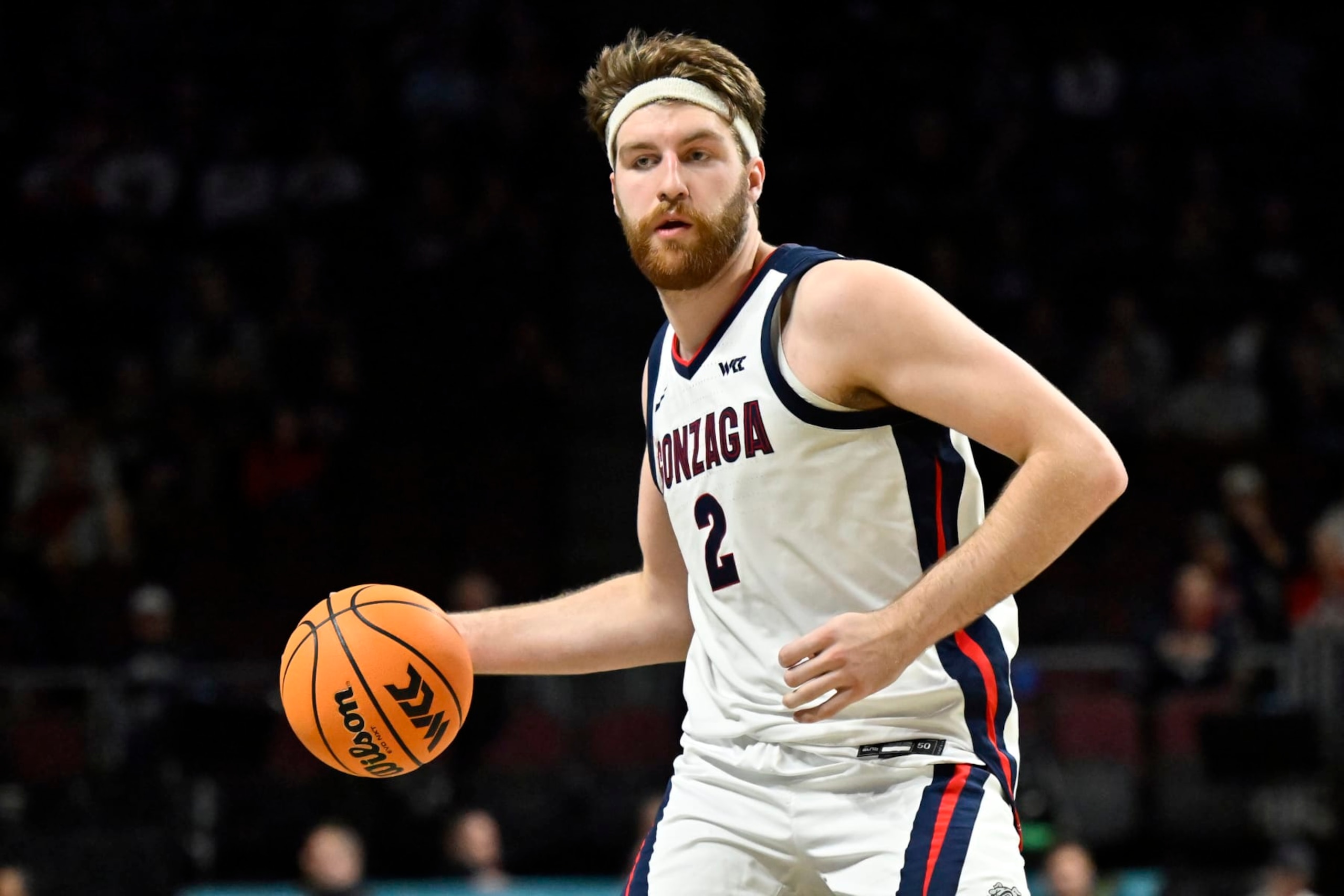
No. 9: Drew Timme, Gonzaga
20.9 PPG, 7.3 RPG, 3.2 APG
Timme is No. 9 in our rankings, but No. 1 in our hearts for his persona on and off the court. If you've got half an hour, CBS Sports' Matt Norlander wrote a fantastic, all-encompassing profile on Timme's past four years at Gonzaga. He's already the greatest Zag of all time (sorry, Adam Morrison, but it's true), and it's not outlandish to think he could go out with a bang by finally bringing that program a national championship. And if the Zags do win, it will absolutely be because of Timme, who is leading the team in points, rebounds and blocks and sitting just one assist behind Nolan Hickman for the team lead in dimes.
No. 8: Azuolas Tubelis, Arizona
19.8 PPG, 9.3 RPG, 2.0 APG, 1.1 SPG
You know how oftentimes Timme is the first man down the court on a Gonzaga fast break? Tubelis does the same thing at Arizona, and perhaps even better. In March, Tubelis is averaging 21.0 points and 10.2 rebounds. It has been more than two months since his last made three-pointer, so opponents probably don't need to concern themselves with his range anymore. Still, he has 14 double-doubles and has scored in double figures in all but one game.
No. 7: Jaime Jaquez Jr., UCLA
17.3 PPG, 8.1 RPG, 2.3 APG, 1.4 SPG, 31.3% 3PT
I love Tubelis, but Jaquez was named Pac-12 Player of the Year, so he gets the edge here. And, frankly, I probably would've had them in this order anyway, as Jaquez has been such a standout on both ends of the floor. UCLA darn near beat Arizona in the Pac-12 championship, holding the Wildcats to 61 points without Jaylen Clark, without Adem Bona and, by the end of the game, without a single player taller than 6'7" who hadn't fouled out. There's probably no better way to sum up Jaquez's value added, even on what was a brutal shooting night (5-of-18).
Nos. 6-4: Tyler Kolek, Jalen Wilson and Jalen Pickett
7 of 8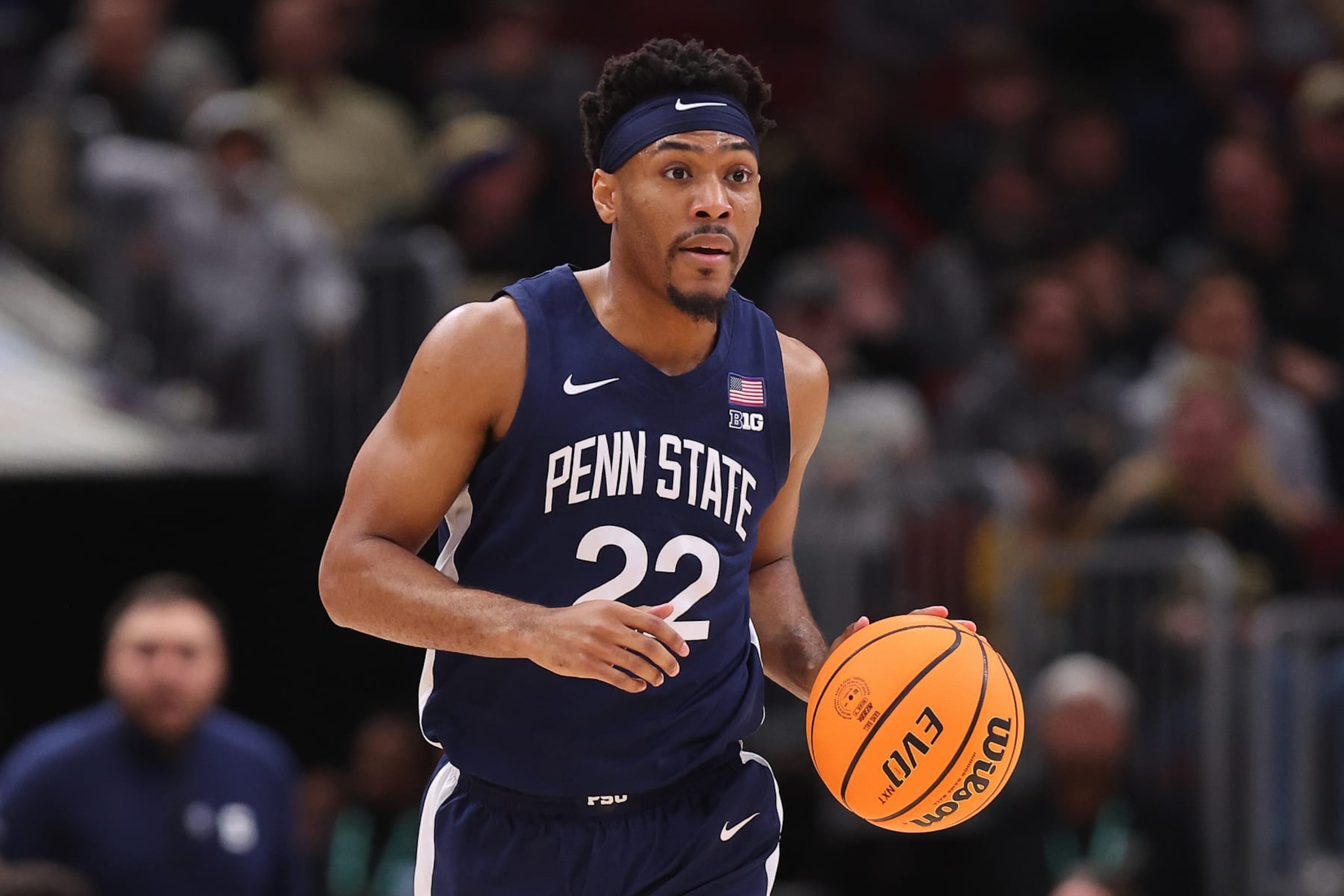
No. 6: Tyler Kolek, Marquette
13.3 PPG, 7.7 APG, 4.2 RPG, 1.8 SPG, 39.4% 3PT
I previously mentioned that Boogie Ellis and Wade Taylor IV had great finishes to the season, but no one in the country was better over the final two months than Marquette's point guard. Don't get me wrong: Kolek was super valuable in his first 18 games, too, averaging 9.0 PPG and 8.0 APG. He even went off for 29 points in the double-overtime loss to Providence. But over his final 16 games, he more than doubled that scoring average, putting up 18.1 points and 7.3 assists per game. He had four points-assists double-doubles, including three in a row to close out the regular season. Unbelievable stuff from a guy who couldn't buy a bucket in 2021-22.
No. 5: Jalen Wilson, Kansas
20.1 PPG, 8.4 RPG, 2.3 APG, 1.0 SPG, 33.8% 3PT
We've been saying for at least the past month that Kansas' NCAA tournament ceiling is pinned to point guard Dajuan Harris Jr. But Harris isn't the MVP of the Jayhawks; he's their most enigmatic player who always struggles in losses. The MVP is clearly Wilson, who just pours in quality performance after quality performance. He went for 21, 22, 23, 24 and 25 points (not in order, which would've been cool) in his last five games. Wilson has been the rock for Rock Chalk throughout a grueling schedule.
No. 4: Jalen Pickett, Penn State
17.9 PPG, 7.3 RPG, 6.7 APG, 1.0 SPG, 38.3% 3PT
Early in the season, Pickett was a liability from three-point range, hitting just 27.7 percent of those shots through his first 14 games. Since early January, though, he has shot 45.6 percent from the perimeter. He still prefers to set up his teammates to drain their three-pointers, but, goodness, Pickett has blossomed into Jalen Brunson 2.0. Except Pickett is arguably even more valuable than the 2018 NPOY was, because he averages more than twice as many rebounds per game.
Nos. 3-1: Brandon Miller, Trayce Jackson-Davis and Zach Edey
8 of 8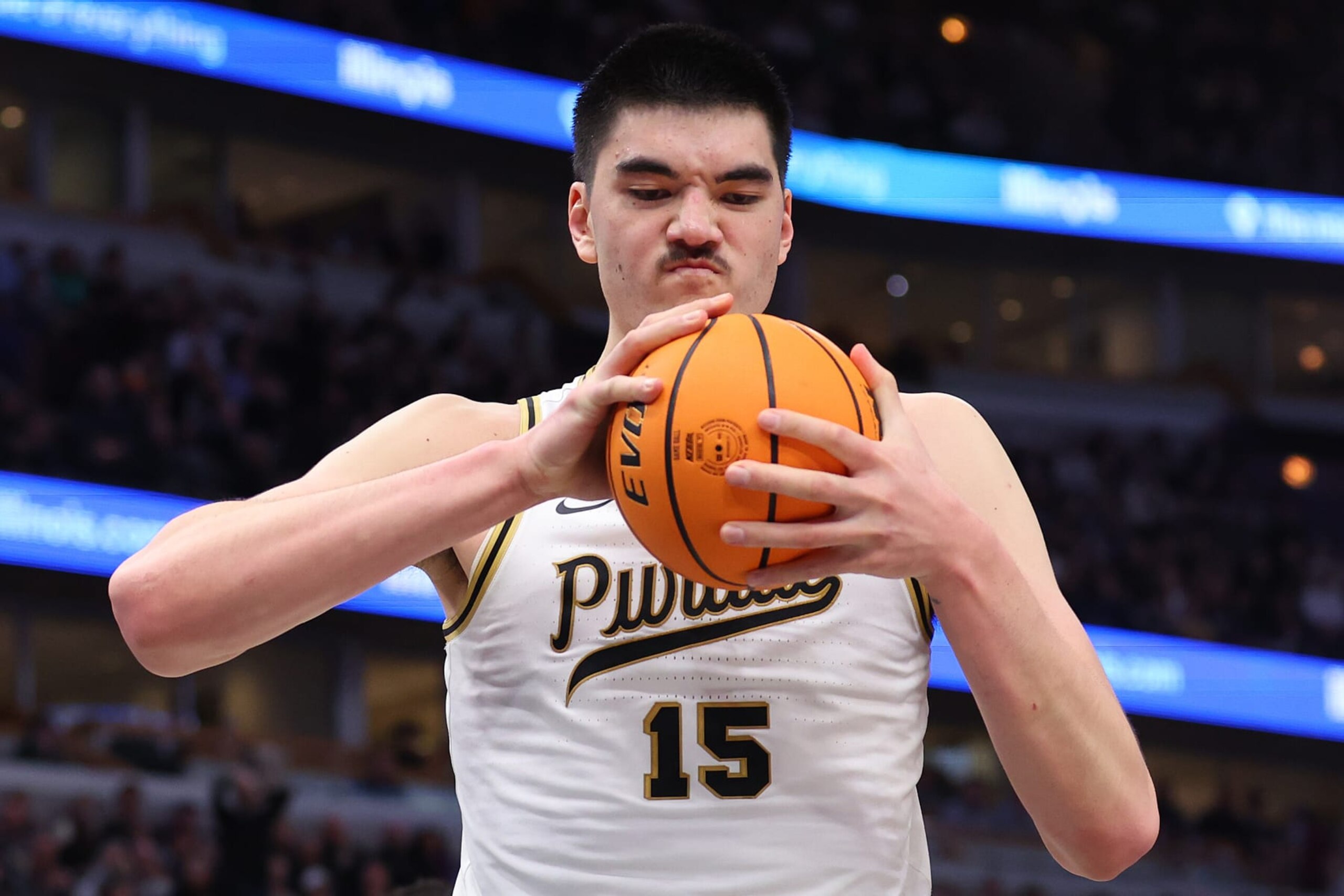
No. 3: Brandon Miller, Alabama
19.6 PPG, 8.3 RPG, 2.1 APG, 40.1% 3PT
Alabama sputtered to the end of the regular season, losing two of its final six games while narrowly surviving three others. But Miller never slowed down. And it was Miller who helped get the Crimson Tide back on the right track with 20.3 points, 11.0 rebounds and 4.3 assists per game en route to winning the SEC tournament. He was already having an incredible season, but if that was the beginning of his discovering an even higher gear, watch out.
No. 2: Trayce Jackson-Davis, Indiana
20.8 PPG, 10.9 RPG, 4.1 APG, 2.7 BPG
Real talk: Would Indiana have been even a .500 team without TJD? He had 218 more points, 188 more rebounds and 56 more blocks than his closest teammate, this despite missing three of the easiest games on Indiana's schedule where he could have really padded his stats in blowouts. I've probably brought this up a dozen times at this point, but it's still ridiculous: Jackson-Davis' season high in each category was 35 points, 24 rebounds, 10 assists, nine blocks and four steals. He scored in double figures in every game played and finished with 17 double-doubles. Just a tour de force through this entire season.
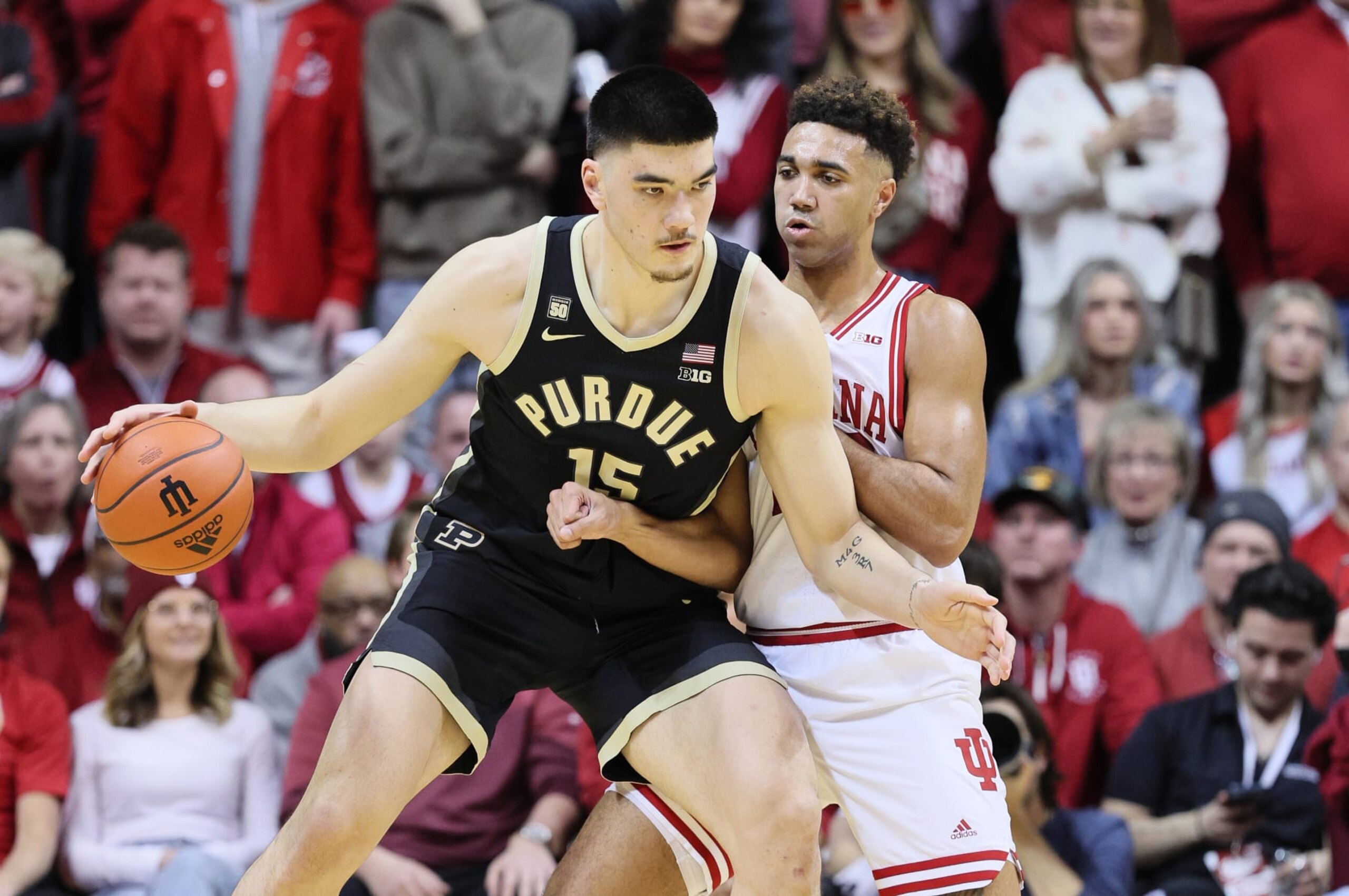
No. 1: Zach Edey, Purdue
22.3 PPG, 12.8 RPG, 2.1 BPG, 1.5 APG
Edey had another three double-doubles in leading Purdue to the Big Ten tournament title. Ho hum. He's now up to 26 double-doubles in 33 games played and has been named the KenPom game MVP a staggering 21 times. Since Pomeroy started tracking those in 2013, the record belongs to Stony Brook's Jameel Warney with 23 in 2015-16. If Purdue is going to live up to its No. 1 seed and reach the Final Four, Edey is going to break that record. And if Purdue makes it all the way to the title game, he might break the all-time record of 31 double-doubles in a single season, set by David Robinson and matched by Armando Bacot last year.

.jpg?w=2560 "Grading SmackDown 🔠")
.jpg?w=2560 "Reported Details of Seahawks-K9 Split")