
Men's NCAA Tournament 2023: Breaking Down Every Team's Chance to Win the Title

The beautiful part of the 2023 men's NCAA tournament is that every single team has a fair chance—and a dream.
For every top contender, there are multiple mid-major programs or bubble teams anxious to author the next Cinderella story. The oft-repeated phrase—survive and advance—is the truest outlook for March Madness.
The reality, though, is approximately one-half of the 68-team tournament must overcome nearly 40 years of data in order to win a national championship. As much as we'd love to dream of a double-digit seed cutting down the nets, there is no history to support that vision.
Now that the bracket is official, we're separating the NCAA-bound schools into tiers of how likely they are to win the championship.
Historical data is since 1985, when the field grew to 64 teams.
Make your picks: Play the NCAA March Madness Men's Bracket Challenge and Tournament Run.
Tier 6: A Wish and a Prayer
1 of 6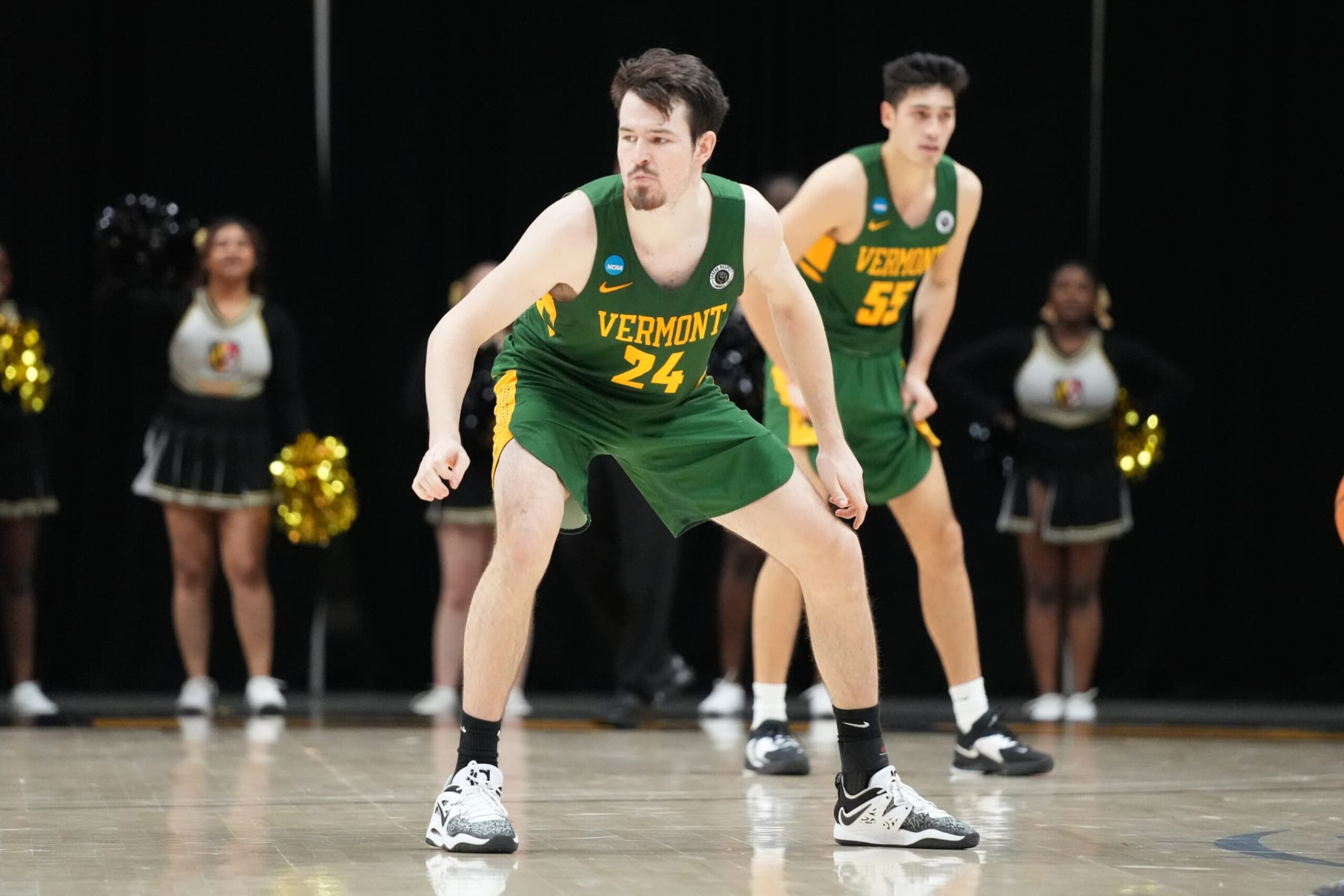
No. 16 Seeds: Fairleigh Dickinson, Howard, Northern Kentucky, Southeast Missouri State, Texas A&M-Corpus Christi, Texas Southern
Back in 2018, UMBC memorably became the first No. 16 seed to ever defeat a top-seeded opponent with a victory over Virginia. That, however, is the entire history of wins outside of play-in games for 16th seeds.
No. 15 Seeds: Colgate, Princeton, UNC Asheville, Vermont
Saint Peter's made history in 2022, setting a new standard for No. 15 seeds with a trip to the Elite Eight. Thanks to the Peacocks, we suddenly have to think for an extra moment about teams in this seed line. Still, one Elite Eight qualifier in the last 37 NCAA tournaments is an awfully low percentage.
No. 14 Seeds: Grand Canyon, Kennesaw State, Montana State, UC Santa Barbara
Not since 1997 has a No. 14 seed advanced to the Sweet 16, and that's as far as the seed has ever reached. After a four-year streak of a first-round victory ended in the 2016 tourney, only one 14th seed has an opening-round win.
No. 13 Seeds: Furman, Iona, Kent State, Louisiana
Although this upset isn't quite an annual occurrence, it's a regular threat. Each No. 13 seed lost in 2022, but two celebrated a first-round triumph in 2021. But, again, the ceiling is quickly reached. Never has a team from this seed line advanced to the Elite Eight in six chances, the most recent of which came in 2013.
No. 12 Seeds: Charleston, Drake, Oral Roberts, VCU
Two years ago, Oregon State joined 2002 Missouri as the lone 12th-seeded team to make the Elite Eight. Of note, though, both programs defeated an eighth-seeded opponent—which both upset a No. 1 seed—in the Sweet 16.
Tier 5: Cinderella Stories
2 of 6
No. 11 Seeds: Arizona State, Mississippi State, Nevada, North Carolina State, Pitt, Providence
We are officially in "well, it's possible!" conversations. Five programs have secured a trip to the Final Four as a No. 11 seed, although each one—most recently 2021 UCLA—all lost in the national semifinal. More than anything, it's important to know that an 11th seed has at least one first-round triumph in every men's tournament since 2005.
No. 10 Seeds: Boise State, Penn State, USC, Utah State
Given that a 10th seed meets a seventh seed in the opening round, the first matchup is basically an upset in numbers only. The teams are generally pretty evenly matched. Nevertheless, a No. 10 seed has featured in nine Elite Eight qualifiers and one—2016 Syracuse—in the Final Four. Last year, Miami reached the Elite Eight before falling to eventual champion Kansas.
No. 9 Seeds: Auburn, Florida Atlantic, Illinois, West Virginia
What a difference one seed makes. Only six ninth-seeded teams have defeated a top-seeded team in the second round, along with Kansas State beating UMBC in 2018. The matchup with a No. 1 seed is understandably and historically a nightmare. The lone No. 9 to reach the Final Four is 2013 Wichita State, and just three others have won in the Sweet 16.
Tier 4: Four-Leaf Rabbit Horseshoes
3 of 6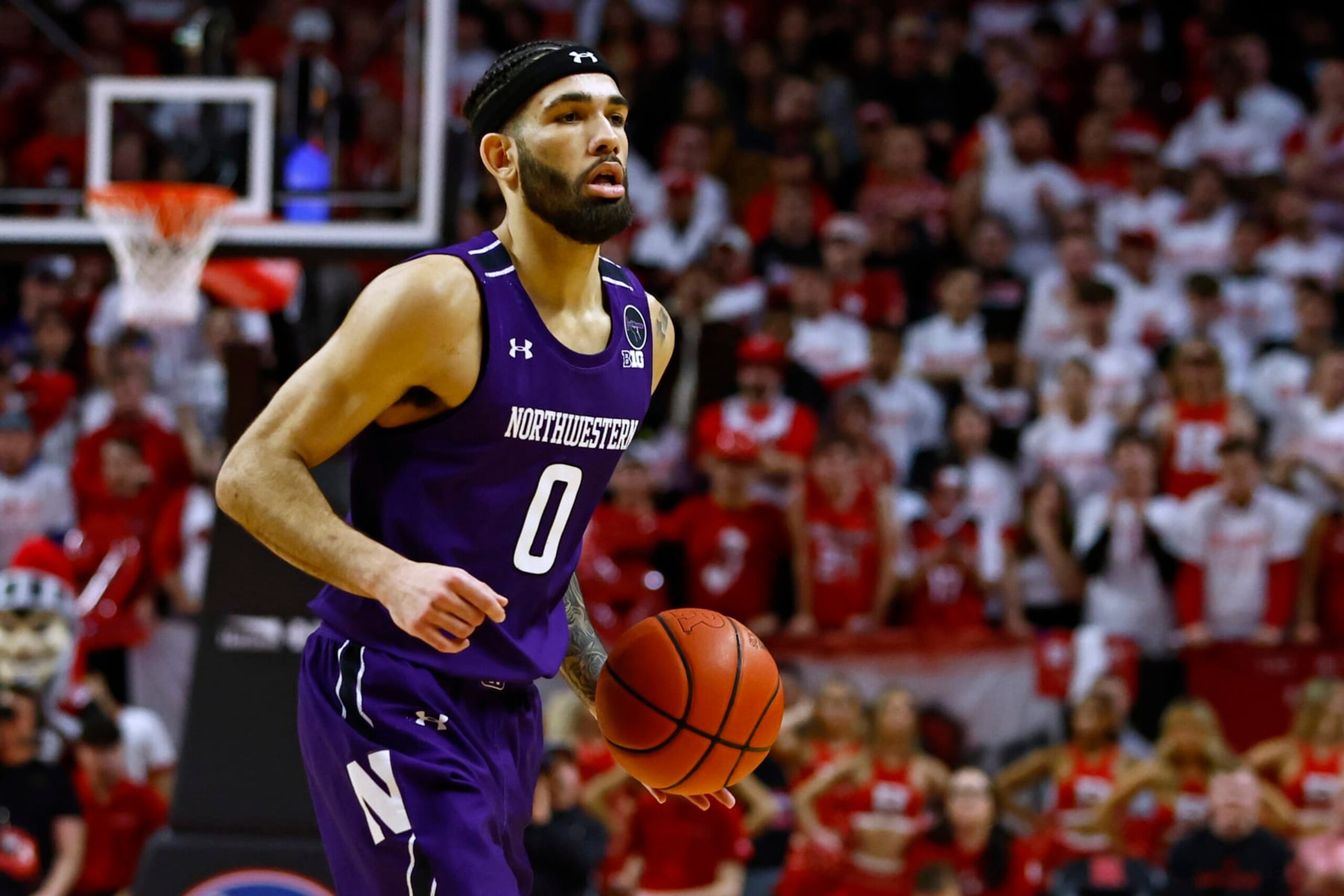
Generally speaking, any team seeded in the No. 5-8 seed range has a quality roster with a particular vulnerability that plagues the group. After all, they're not considered among the nation's elite for a reason. They'll need a friendly roll or two—maybe three—to actually win it all.
No. 7 Northwestern Wildcats
No. 7 Texas A&M Aggies
No. 8 Arkansas Razorbacks
These are defense-driven teams with the lovely juxtaposition of beating top teams and also losing head-scratching games. Northwestern ranks a disastrous 340th in field-goal percentage, while Texas A&M is 246th. Arkansas is 312th from the perimeter. But, hey, defense wins championships, right? Right?!
No. 7 Missouri Tigers
No. 8 Iowa Hawkeyes
Conversely, both Missouri and Iowa can score with anyone. The problem is neither one provides much resistance on the opposite end. As if Missouri ranking 295th in opponent effective field-goal percentage isn't bad enough, Iowa checks in 327th.
No. 4 Virginia Cavaliers
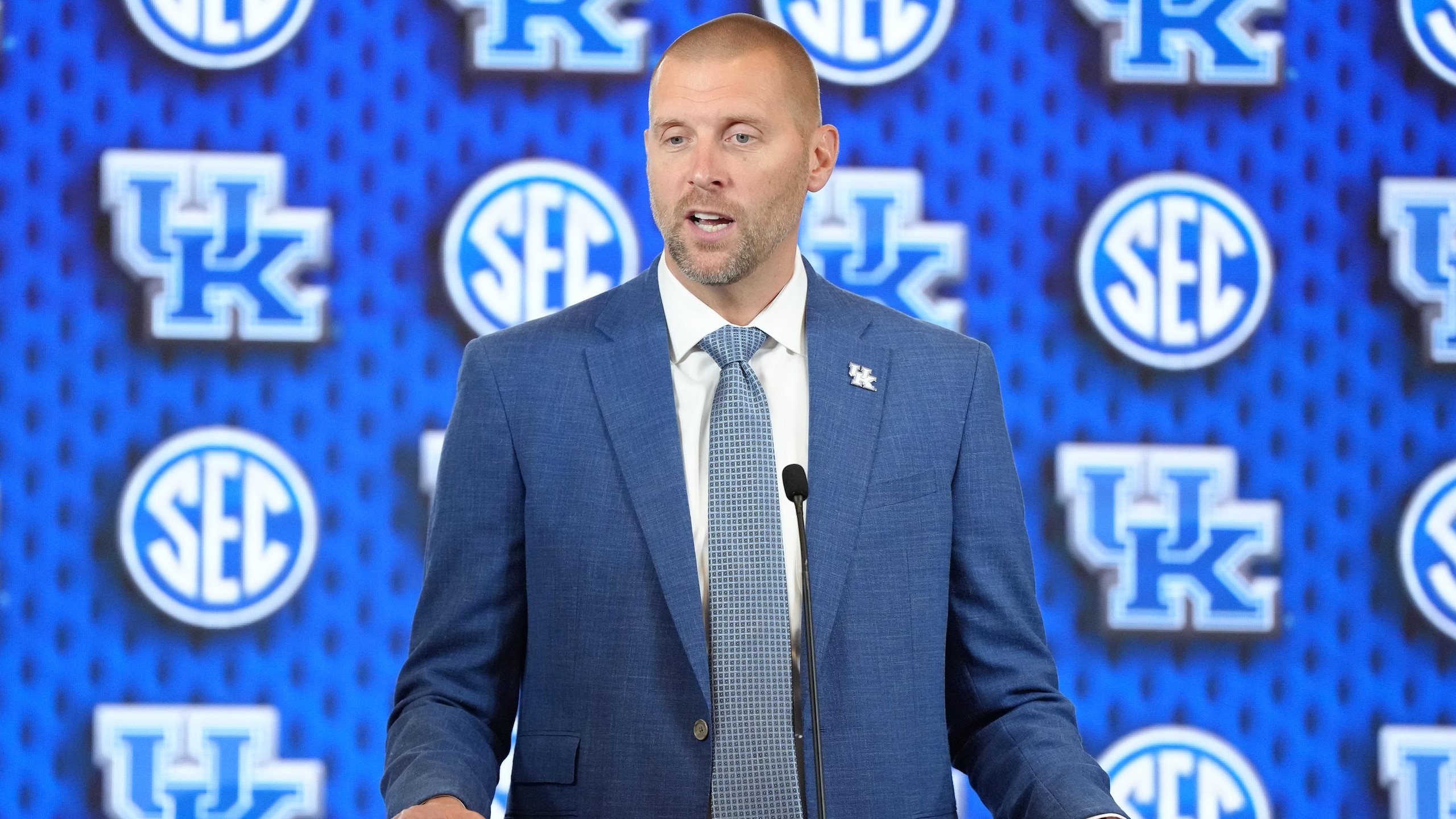
No. 6 Kentucky Wildcats
No. 7 Michigan State Spartans
Here's the "I just don't trust you" category. Virginia has a history of poor showings in March, and the Cavaliers have navigated a season loaded with tight finishes—even against bad competition. Kentucky lost twice to Vanderbilt in the last three games, among other ugly setbacks this season. I'm sorry, I can't get burned again. MSU has been a streaky group offensively for nearly two months.
Tier 3: In KenPom We Trust
4 of 6
Ken Pomeroy has created a well-respected statistical archive, and the value of those metrics is evident in the last 20 NCAA tourneys. The national champion has ranked no worse than 39th in KenPom's adjusted offensive efficiency and 22nd in adjusted defensive efficiency.
Each game in March Madness will continue to adjust those rankings, yes. But there are a few profiles worth exploring, relative to KenPom's historical trend.
No. 2 Texas Longhorns
No. 4 Tennessee Volunteers
No. 5 Saint Mary's Gaels
No. 6 Creighton Bluejays
Texas and Creighton fit within the parameters, while both Tennessee and Saint Mary's aren't far from leaving this territory. Tennessee is 49th on offense but boasts KenPom's second-rated defense, and Saint Mary's is 40th and ninth, respectively. Granted, we're not quick to believe in Texas' defense for six games, the Vols' inefficient three-point shooting or the Gaels' thin rotation that occasionally goes ice cold.
No. 4 Indiana Hoosiers
No. 5 Duke Blue Devils
No. 8 Maryland Terrapins
No. 8 Memphis Tigers
The defenses of Maryland (33rd), Memphis (35th) and Indiana (43rd) are in striking distance to squeeze into the trend, and all three of their offenses fit the criteria. Duke is barely outside the list as the No. 42 offense and No. 24 defense. The eye test is concerning for each squad, but the numbers clearly can work.
No. 2 Marquette Golden Eagles
No. 3 Baylor Bears
No. 3 Gonzaga Bulldogs
No. 3 Xavier Musketeers
No. 5 Miami Hurricanes
These programs are below the defensive cut line, ranking no higher than Marquette at 47. Look, these offenses are awesome. Baylor and Xavier have great perimeter groups, Marquette and Gonzaga thrive in the paint, and Miami has world-class bad-shot-maker Isaiah Wong. If you're simply watching for entertainment value, circle these programs.
Baylor, though, is allergic to defending the rim, while Marquette, Gonzaga and Xavier can be soft on the perimeter. Miami has a habit of imploding defensively—even in wins—during the last few regulation minutes. These are incredibly fun and highly concerning profiles.
No. 3 Kansas State Wildcats
No. 5 San Diego State Aztecs
No. 6 Iowa State Cyclones
No. 6 TCU Horned Frogs
Naturally, we're looking at the opposite story here. All four programs lean on their defense, which each enters the NCAA tournament with a top-20 ranking on KenPom.
Kansas State has a couple of standout scorers—Keyontae Johnson and Markquis Nowell—but sorely lacks depth and, like Iowa State, a consistent long-range punch. San Diego State is 340th in percentage of shot attempts at the rim, per Hoop-Math.com, and TCU ranks 343rd from the perimeter.
Tier 2: Top Contenders
5 of 6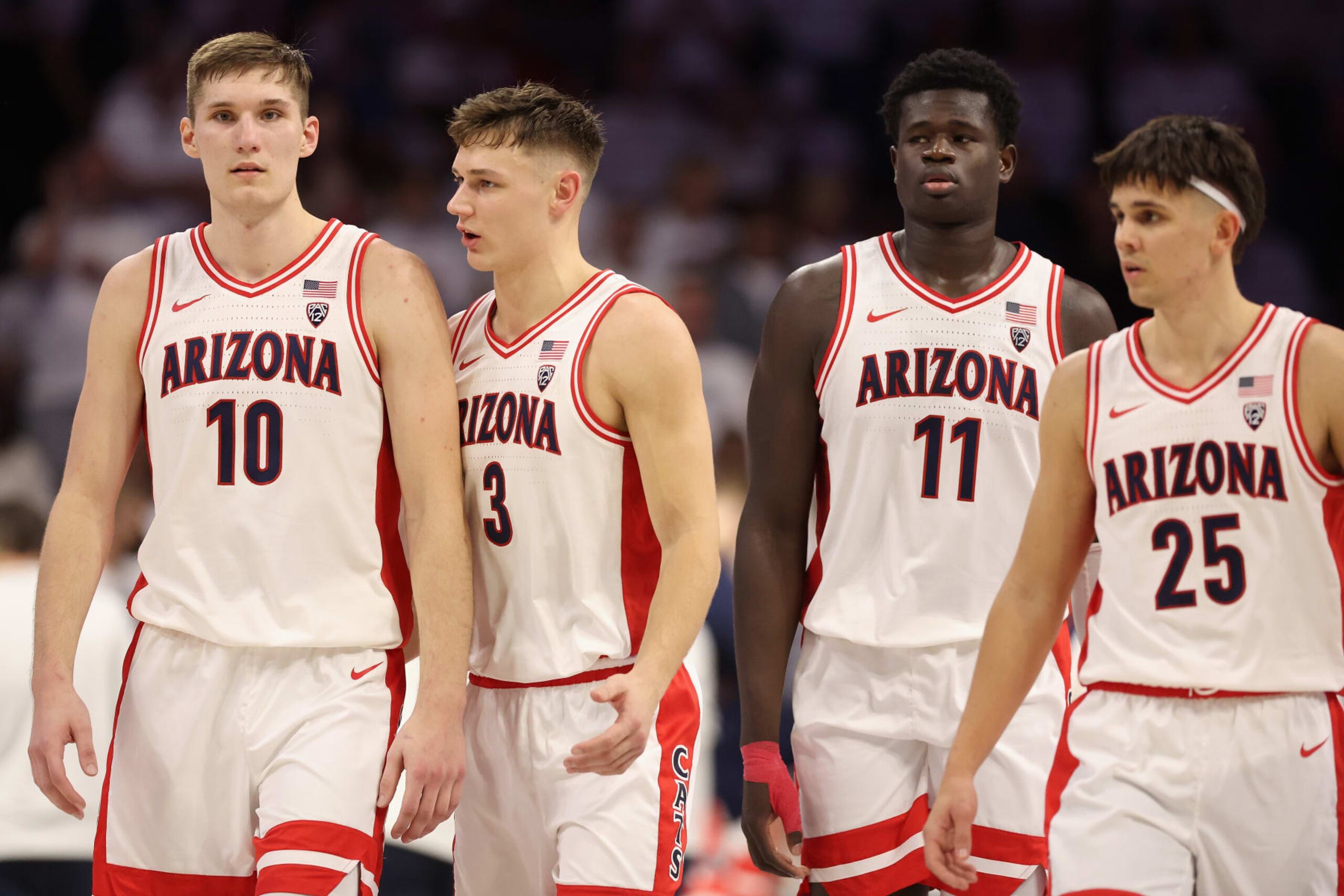
No. 2 Arizona Wildcats
Whether the defense can string together six quality games is a real concern, but this Arizona roster is stacked with scoring talent. Five players average 10-plus points, led by Azuolas Tubelis at 19.8 per game. Kerr Kriisa and Courtney Ramey both shoot 36-plus percent from the perimeter while attempting at least 6.6 triples per game apiece.
No. 4 Connecticut Huskies
After a sizzling 14-0 start, UConn endured a disgusting 2-6 stretch. Since then, however, the Huskies have reemerged as a rebounding powerhouse that creates a ton of second-chance opportunities. UConn is also among the better three-point defenses in the nation. Despite the low seed, relatively speaking, the Huskies are a real championship threat.
No. 1 Purdue Boilermakers
Honestly, there's a not-so-tough argument to knock the Boilers down one tier. Purdue hasn't looked as dangerous over the last month of the season; the complementary scorers behind All-American center Zach Edey have struggled lately. But if the December/January version of the Boilermakers reappears, it sure would feel foolish to have dismissed the Big Ten regular-season and tournament champs.
No. 2 UCLA Bruins
As much as my analytical brain struggles to handle UCLA's mid-range game, the Bruins keep winning. They've limited opponents to a measly 39.6 field-goal percentage since the beginning of February, riding that defense to a regular-season Pac-12 crown.
Tier 1: The Favorites
6 of 6
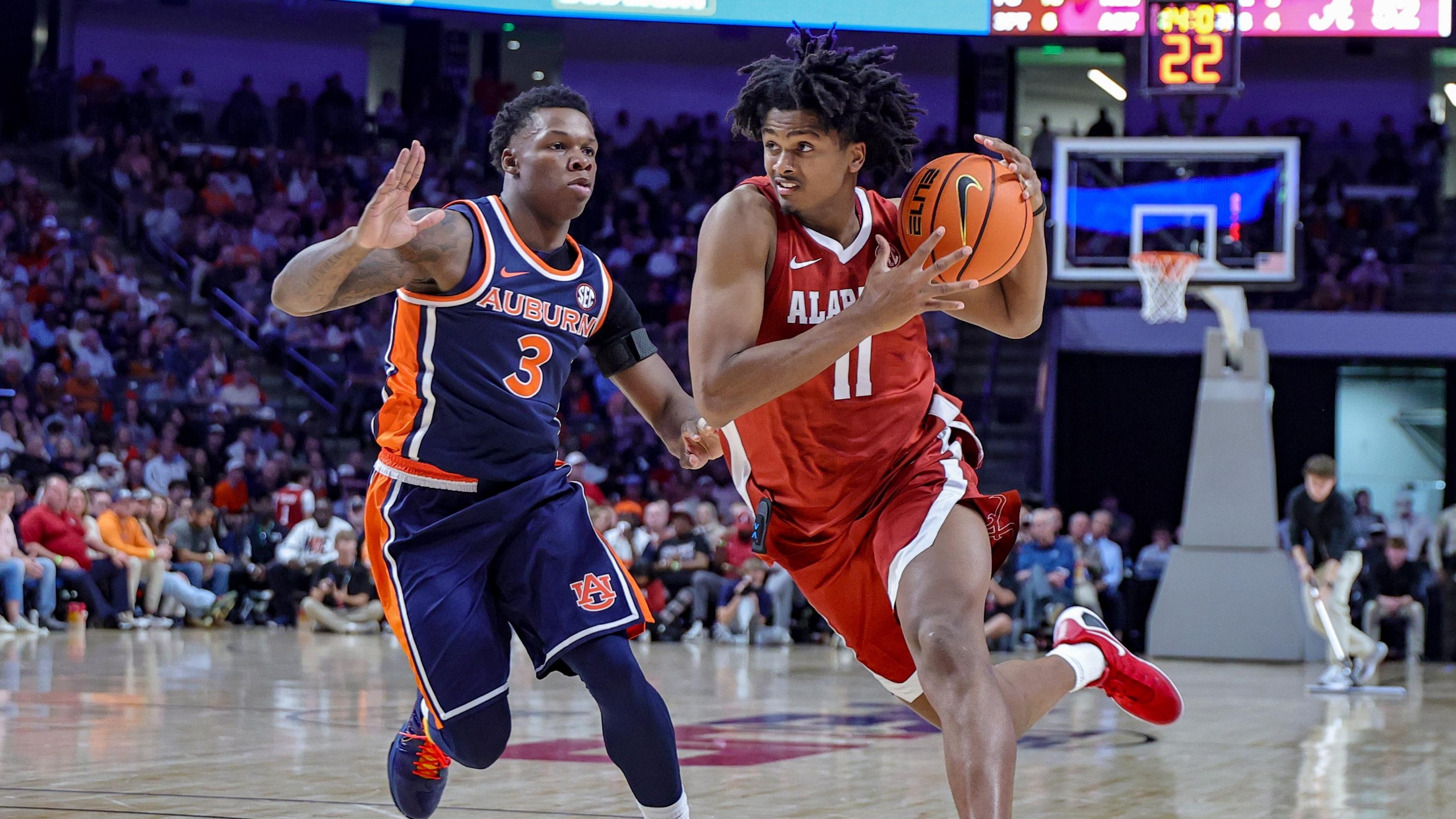
No. 1 Alabama Crimson Tide
All season, only five of Alabama's opponents have hit 45-plus percent of their attempts. This defense, in theory, will be terrific each night. Brandon Miller is the big topic on the team. Some believe he shouldn't be playing after police testified he dropped off a gun that was used in the shooting death of Jamea Jonae Harris in January, but he is still playing and is one of the nation's best players, and the Tide are a rebounding force alongside him. The concern is Bama's offense can be inefficient. Still, as long as they limit turnovers, tenacious defense and great rebounding is a title-caliber foundation.
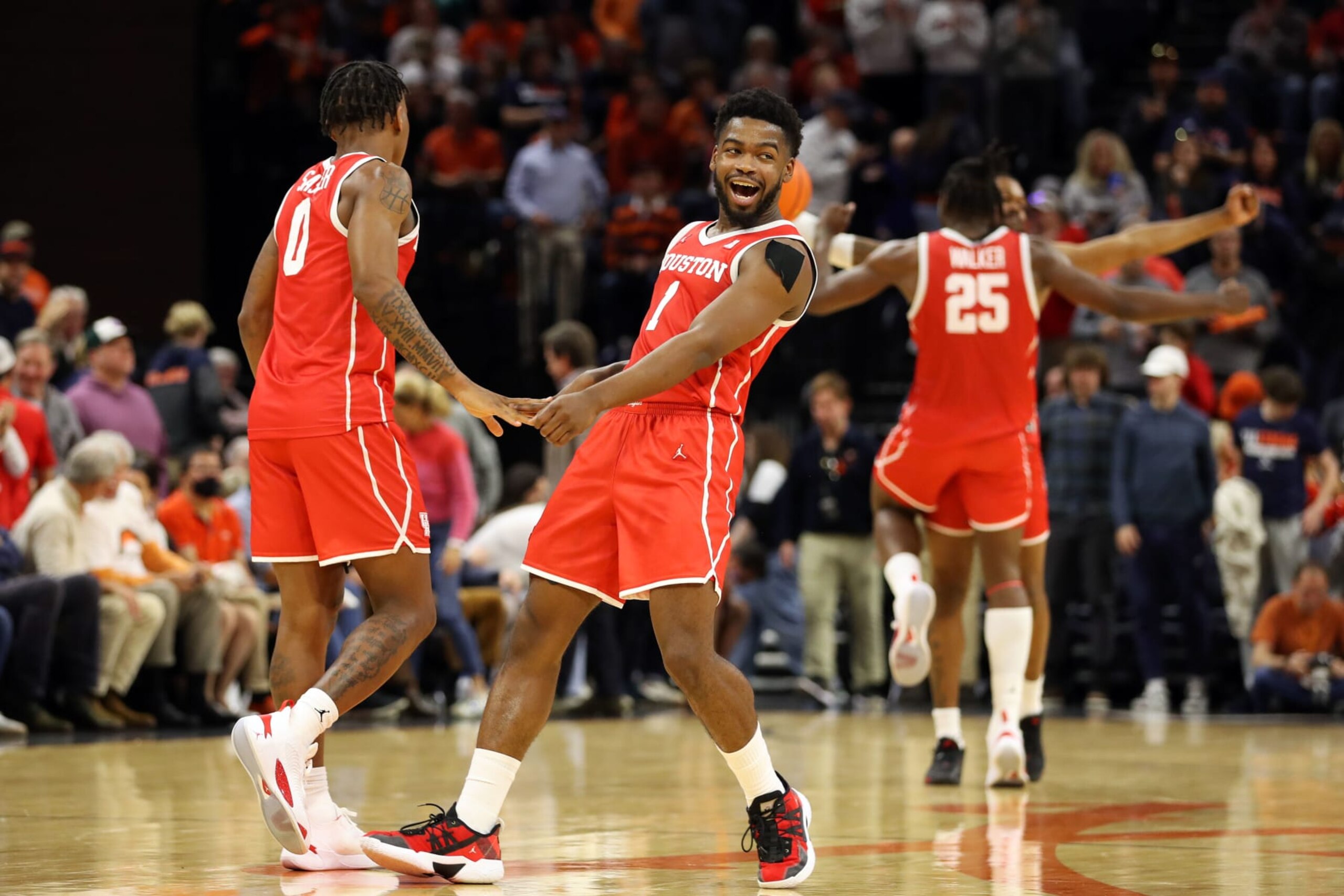
No. 1 Houston Cougars
Houston has an even higher total rebounding percentage than the Crimson Tide, and the Cougars are third nationally—one spot behind Bama—in opponent effective field-goal percentage. An officiating crew with a quick whistle could be a lurking issue for an exceptionally physical UH defense, but that might not ever appear. Houston, on paper, is a terrifying matchup.
No. 1 Kansas Jayhawks
One piece of history not in the Jayhawks' favor is that no defending champion since 2007 Florida has reached the Elite Eight. Kansas has played enough close games lately to have a modest level of concern, too. However, this is an unselfish group that ranks 15th nationally in assist percentage around All-American wing Jalen Wilson. For good measure, Dajuan Harris Jr. and Kevin McCullar Jr. are both outstanding defenders and will make life miserable in the backcourt.

.jpg?w=2560 "Grading SmackDown 🔠")

.jpg?w=2560 "Reported Details of Seahawks-K9 Split")