

It's hard to imagine now, but as recently as 1967, the NHL had only six teams. In the 56 years since, it's expanded more than 400 percent—adding 26 franchises to get to its current 32.
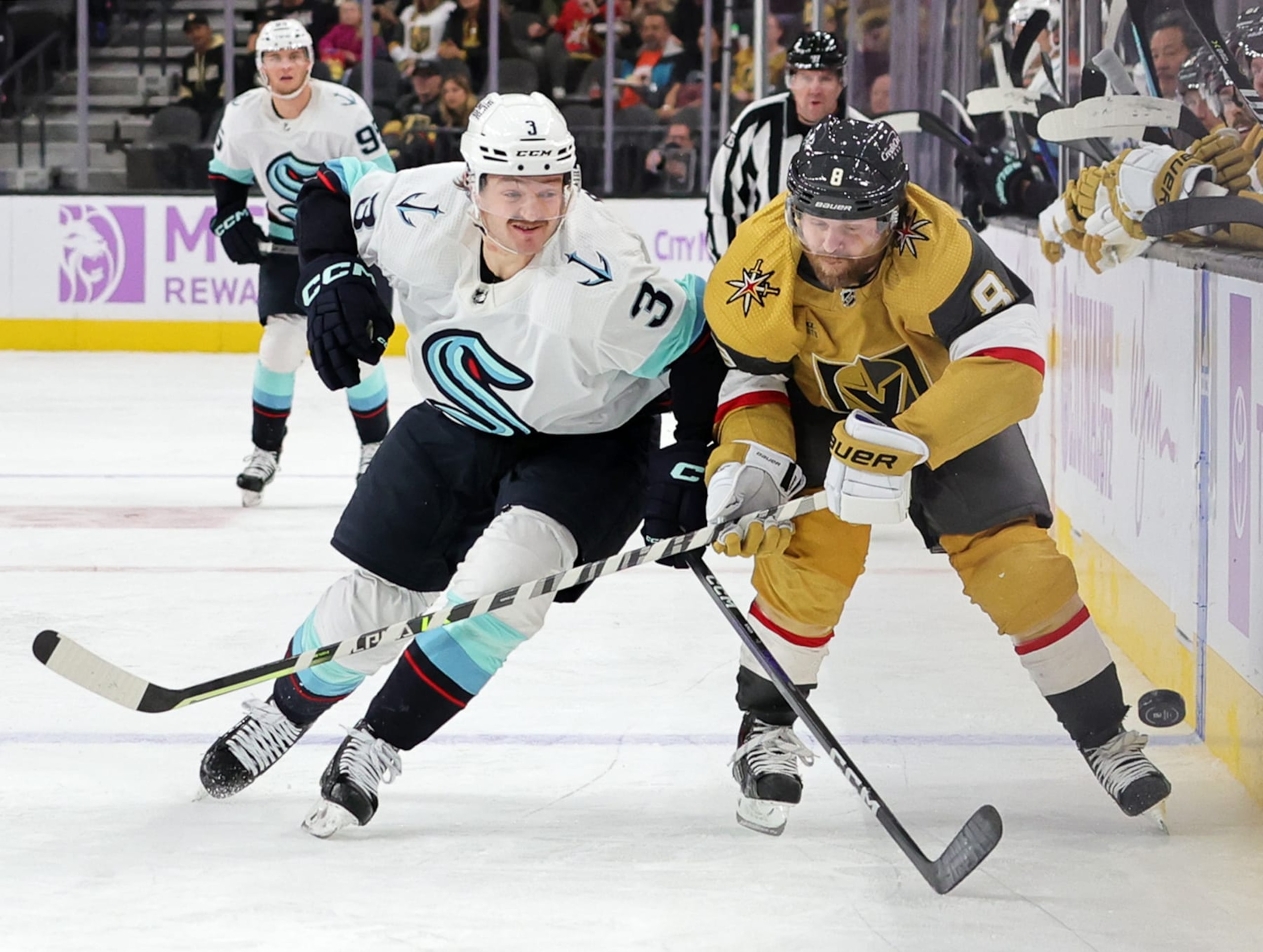
The most recent expansions came when the Vegas Golden Knights began playing in 2017-18 and the Seattle Kraken commenced on-ice operations in 2021-22.
Still, we may not be quite done with the growth curve.
Though Commissioner Gary Bettman declared as recently as January that the league is "not in an expansion mode," the scuttlebutt picked up steam after NHL Network's Kevin Weekes attached a zipped lips emoji to his Sunday retweet of the "NHL To Houston" message that suggested the league's 33rd and 34th franchises would go to Houston and Atlanta.
That said, Bally Sports Midwest reporter Andy Strickland tweeted a day later that a league source told him that the two cities had indeed expressed an interest, but neither is ahead of any other would-be candidates and that nothing official is happening soon.
So, while it may or may not be imminent, the B/R hockey staff picked up on the market-swelling interest and came up with a list of six cities the league ought to at least consider—whether positively or negatively—when pondering the expansion question.
Take a look at what we came up with, and drop a thought or two of you own in a comment.
1. Atlanta
1 of 6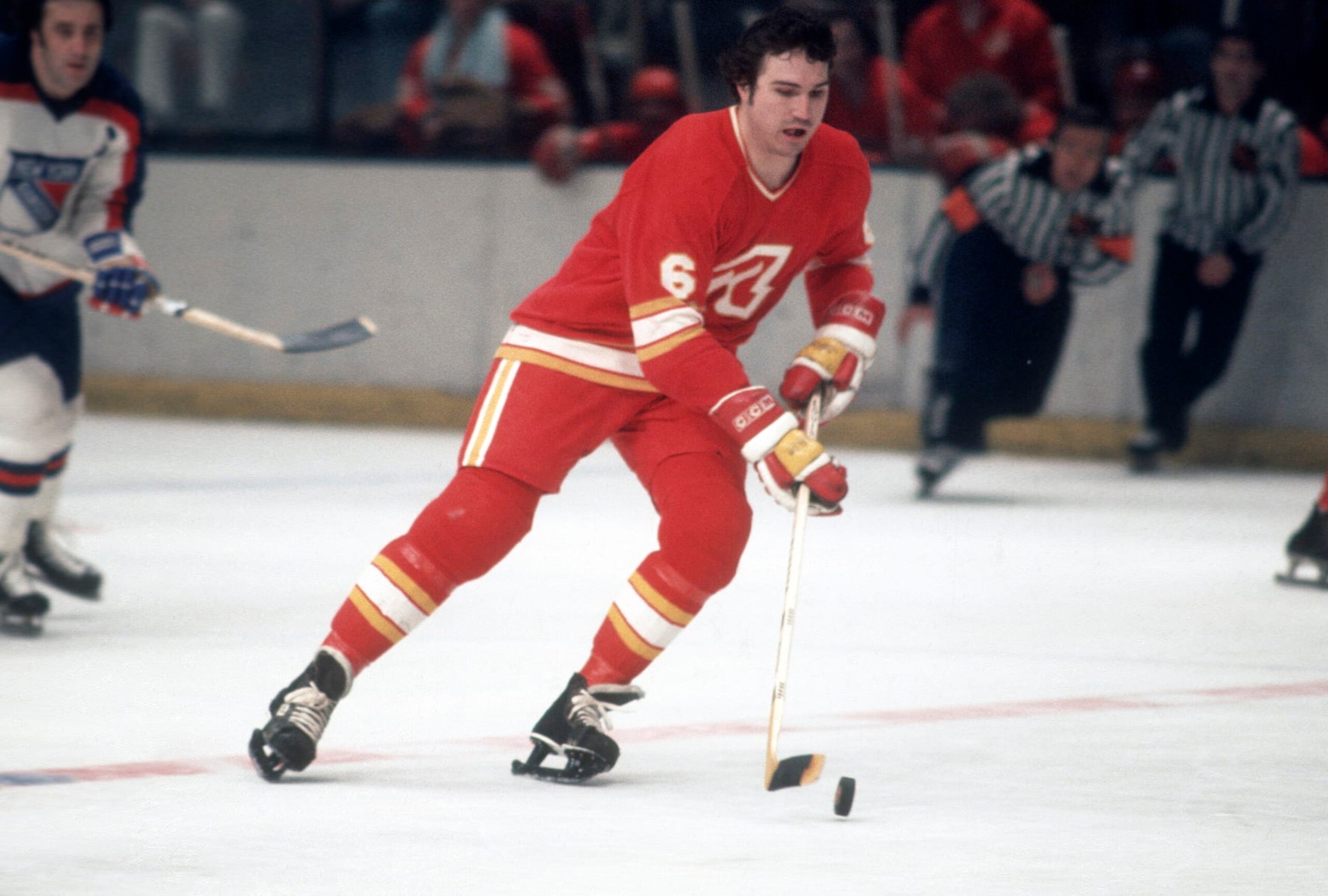
If you feel like you've heard this before, you're right.
The mere suggestion that Atlanta is being considered for a franchise prompts instant blowback from those who believe two strikes for the Georgia capital are more than enough.
The city was initially awarded a team in the early 1970s when the league was amid an all-out war with the rebel World Hockey Association. The Atlanta Flames debuted in the 1972-73 season and were never transcendent, though they did reach the playoffs six times in eight seasons—going 2-15 in postseason games and never winning a series.
Stagnating attendance helped prompt a sale to a group in Calgary, Alberta, and the team relocated to begin the 1980-81 season and has remained there since.
Chance No. 2 came when the Atlanta Thrashers began play as the league's 28th team in the 1999-2000 season. They lasted 11 seasons and made the playoffs once—losing four straight games to the New York Rangers in 2006-07—before financial losses and ownership issues prompted a sale and subsequent relocation to Winnipeg, Manitoba, as the rebooted Jets.
The move made Atlanta the only city to lose two NHL teams, which is all the reason many need to cross them off the list for another. Nevertheless, Atlanta is also the largest U.S. television market, per ustvdb.com, without a team and the largest market to not have a team in all four major North American sports leagues. And the contrarians in the audience may point out that Washington, D.C. had and lost two baseball franchises and still got a third when the Montréal Expos relocated.
So it may happen. And it may work this time. But given the number of other cities pining for a first or second bite at the NHL apple, it's hard to fathom Atlanta's third bite taking priority.
2. Houston
2 of 6
The WHA heads in the crowd will appreciate the Houston candidacy.
The old-school Aeros were among the rebel league's most successful franchises from 1972 through 1978, winning four division titles and two Avco Cups before the team ceased operations after it was announced it wouldn't be one of the four WHA teams—Edmonton, New England (Hartford), Quebec and Winnipeg—absorbed into the NHL.
NHL Hall of Famer Gordie Howe staged his memorable comeback to pro hockey with the Aeros, who made it possible for him to play with sons Mark and Marty. The Aeros' ownership attempted to get the NHL to move its Cleveland franchise to Houston in 1978, and there was talk in the 1990s that the Edmonton Oilers would wind up there, but it never happened.
Fast-forward a couple of decades, and Tilman Fertitta, the owner of the NBA's Houston Rockets, is still championing the idea of a first-time NHL franchise in the city that ranks fourth in the U.S. in population and whose media market is just behind Atlanta's at No. 7.
Bettman said Fertitta would be involved with any possible Houston franchise because of his ownership of the Rockets, who would share residence at the Toyota Center venue.
"There's not a month that goes by that we don't have some type of talks about the NHL," Fertitta told the Houston Matters radio show in 2019. "And it's definitely something that, one day, I look forward to bringing to Houston, Texas.
If it happens, Houston seems a no-brainer selection.
3. Kansas City
3 of 6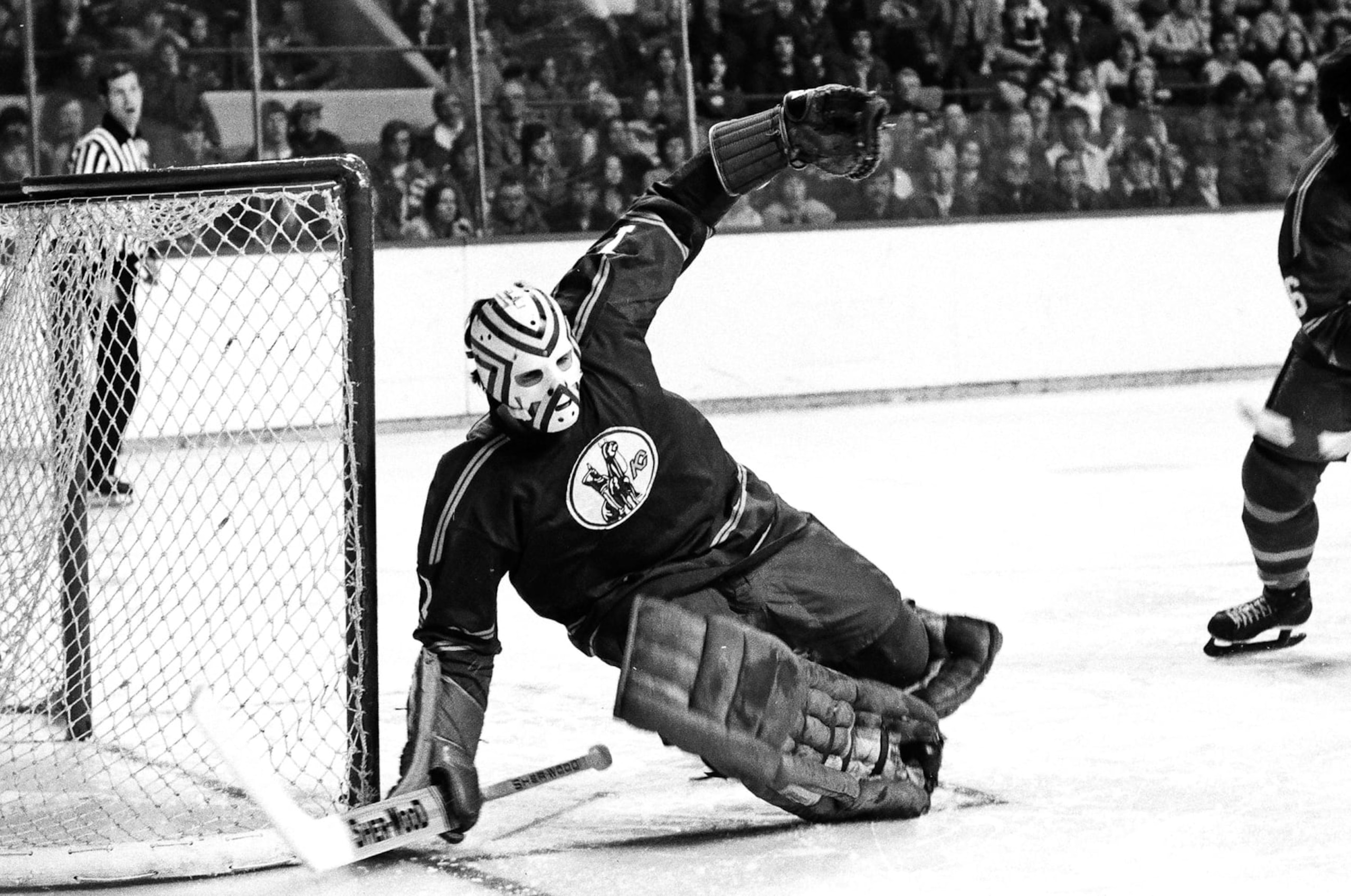
This one's for the Kansas City Scouts' fans in the house.
The residents of the old Kemper Arena in Kansas City, Missouri, were one of the NHL's shortest-lived franchises, having begun play alongside the Washington Capitals in 1974-75 but only lasting two seasons before relocating to Denver to become the Colorado Rockies.
The Rockies lasted six seasons before their move created the New Jersey Devils.
The Scouts won a grand total of 27 times across two 80-game seasons, including a disastrous 1-35-8 stretch to finish the 1975-76 season. A glut of teams in the NHL and WHA in those years had diluted talent to the point where neither the Scouts nor the Capitals were remotely competitive, and Kansas City's meager attendance led to a sale in July 1976.
Circumstances have changed in favor of a new team since that era, with the city and surrounding area supporting the Super Bowl champion Kansas City Chiefs and the Kansas City Royals. The T-Mobile Center in downtown Kansas City is an NHL-quality venue, and the arrival of a new team would create a geographical rivalry with the St. Louis Blues and expand the league's footprint in the Midwest.
So if you're on the Kansas City side, you've got some evidence to present.
But similar to Atlanta, there's a strike against any city that's already gone 0-for-1, particular since the Thrashers went ahead and made it 0-for-2, and other worthy candidates exist.

.jpg?w=2560 "NHL Trade Grades Connor Hellebuyck")

4. Portland
4 of 6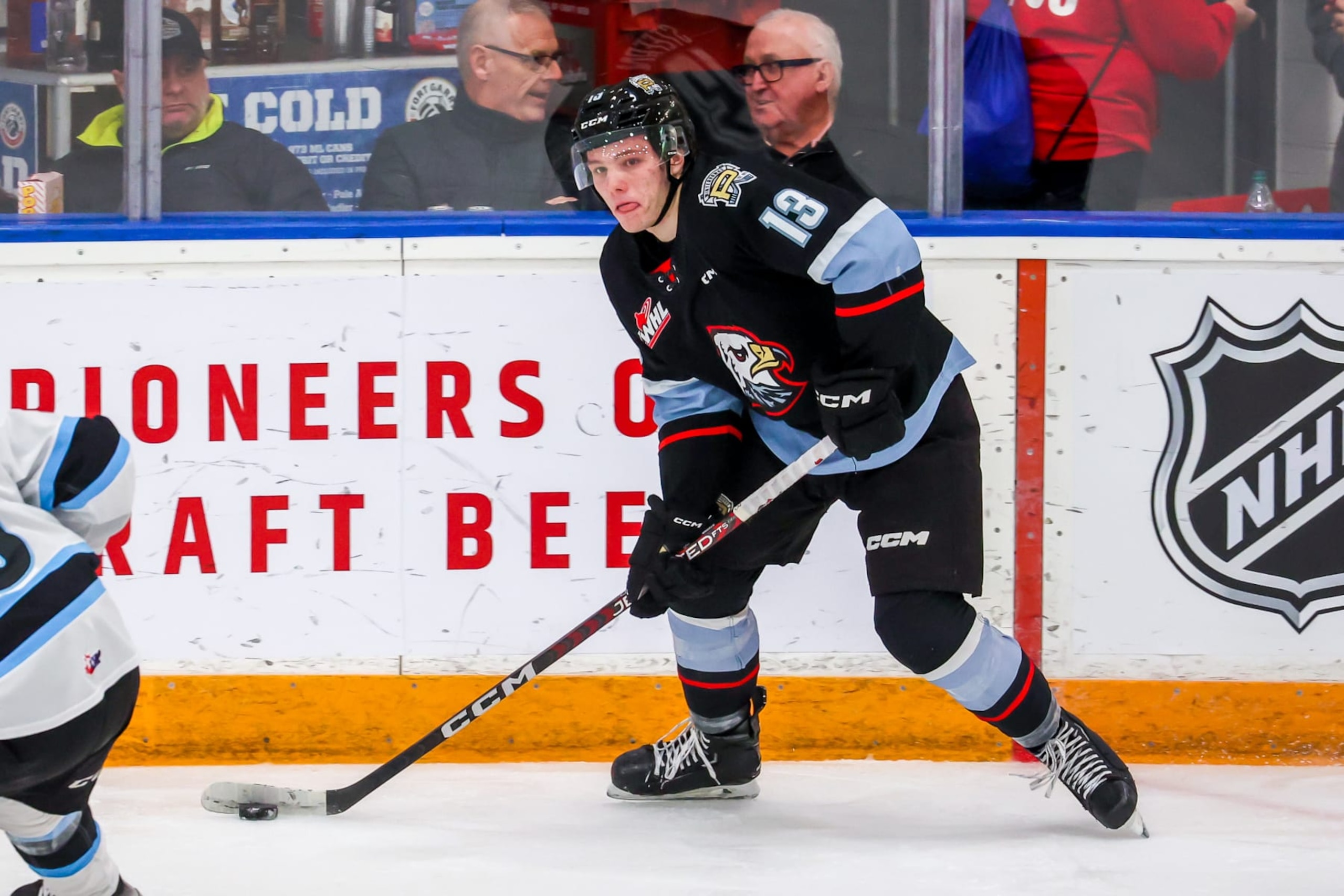
If you're all-in on the Pacific Northwest, you're all-in on Portland.
The NHL went to the region with its most recent expansion and the success achieved by the Kraken in nearby Seattle might sway the decision-makers to look 200 miles south.
And it's not as if there's not a reason to do so.
The city supports a decades-old NBA team in the Trail Blazers and is among the hubs of Major League Soccer with the successful Portland Timbers franchise. It's home to the Winterhawks of the Western Hockey League, who average better than 3,000 fans per game.
Reaching back, Portland actually had a franchise that played for the Stanley Cup in the early 1900s—losing to the Montréal Canadiens after the 1915-16 season. The city has never lost its hockey vibe, and a would-be team would have a ready-made home in the Moda Center.
The Kraken and Vancouver Canucks would provide immediate rivalries thanks to their proximity, but their presence might also work against Portland's bid because there's no great need to add another franchise to a region that already has two. And because there's no headline-commanding central figure leading the expansion charge, it's less likely that the city would be on the front burner at the league office.
A nice idea and a wonderful city? Absolutely.
But given the factors at play, probably not so likely to make it past the first cut.
5. Québec City
5 of 6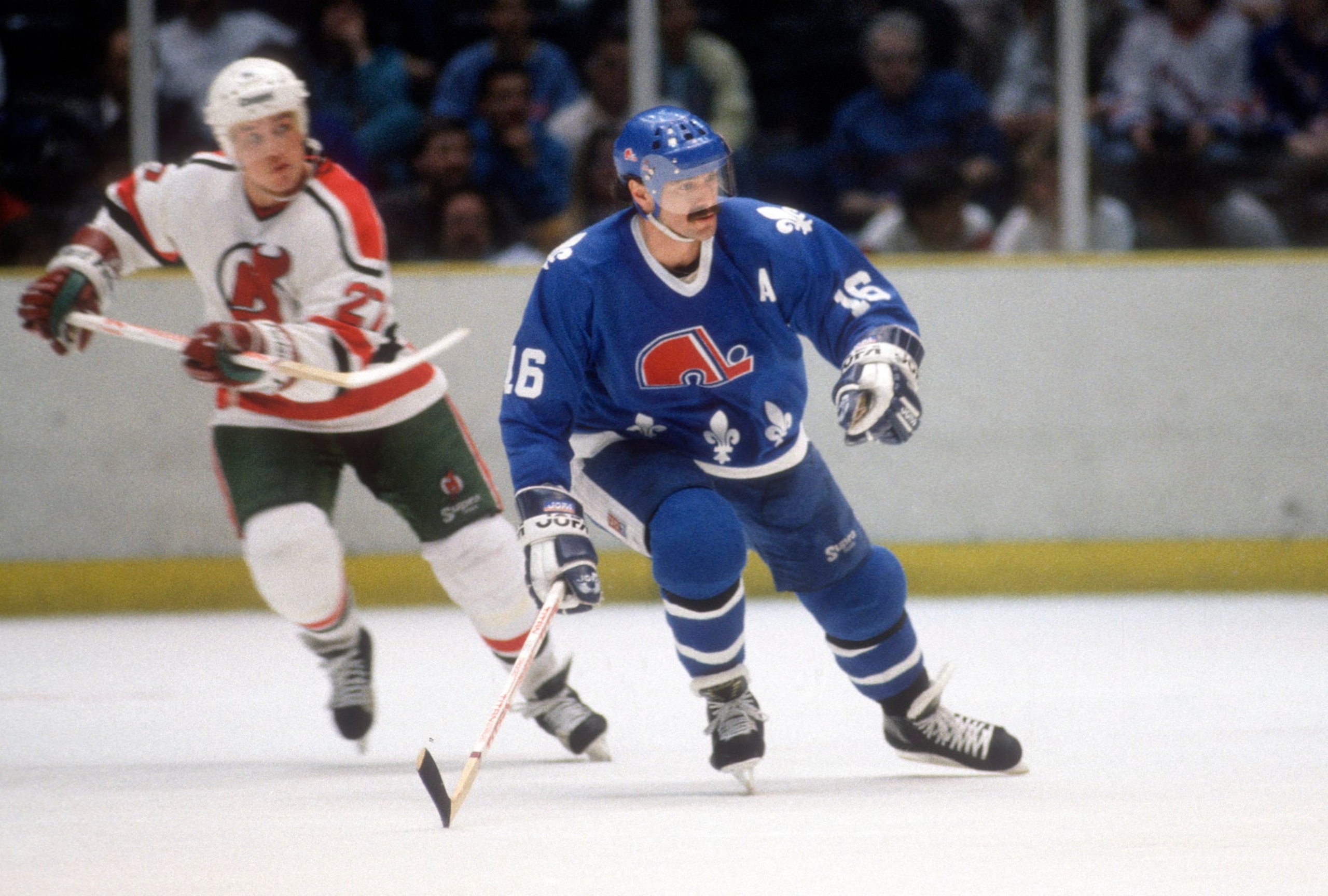
Looking for a sentimental favorite in the race?
Look no further than Québec City.
The city's Québec Nordiques were one of the four WHA teams to make it to the NHL in 1979 after they'd made the playoffs five times and won one Avco Cup in seven seasons.
And aside from the Oilers and their five Stanley Cups, they were the most successful organization following the crossover, reaching the playoffs nine times in 16 seasons and the postseason final four in 1981-82 and 1984-85.
Six NHL Hall of Famers spent at least some time with the Nordiques, including franchise mainstays Michel Goulet and Peter Stastny. Joe Sakic and Peter Forsberg began their careers there, too, before playing several years with the Colorado Avalanche after the Nordiques relocated to Denver following the 1994-95 season.
Myriad factors contributed to the exit, particularly Québec City's standing as the league's smallest market and the resulting difficulty in paying high-profile players before the salary-cap era. It also suffered because of its almost exclusive French-speaking fanbase and media coverage, which made it hard to market and attract non-French-speaking players.
Some things, however, have changed.
The Vidéotron Centre opened in 2015, serves as home for the city's QMJHL franchise and is the largest arena in Canada that does not host an NHL team. The population has swelled to more than 550,000 since the Nordiques left, and Bettman has had conversations with government officials about possible team relocations to a still hockey-mad city.
If we're making the call, Québec City is first in line, particularly if they revive the uniforms.
6. Metro Toronto/Hamilton
6 of 6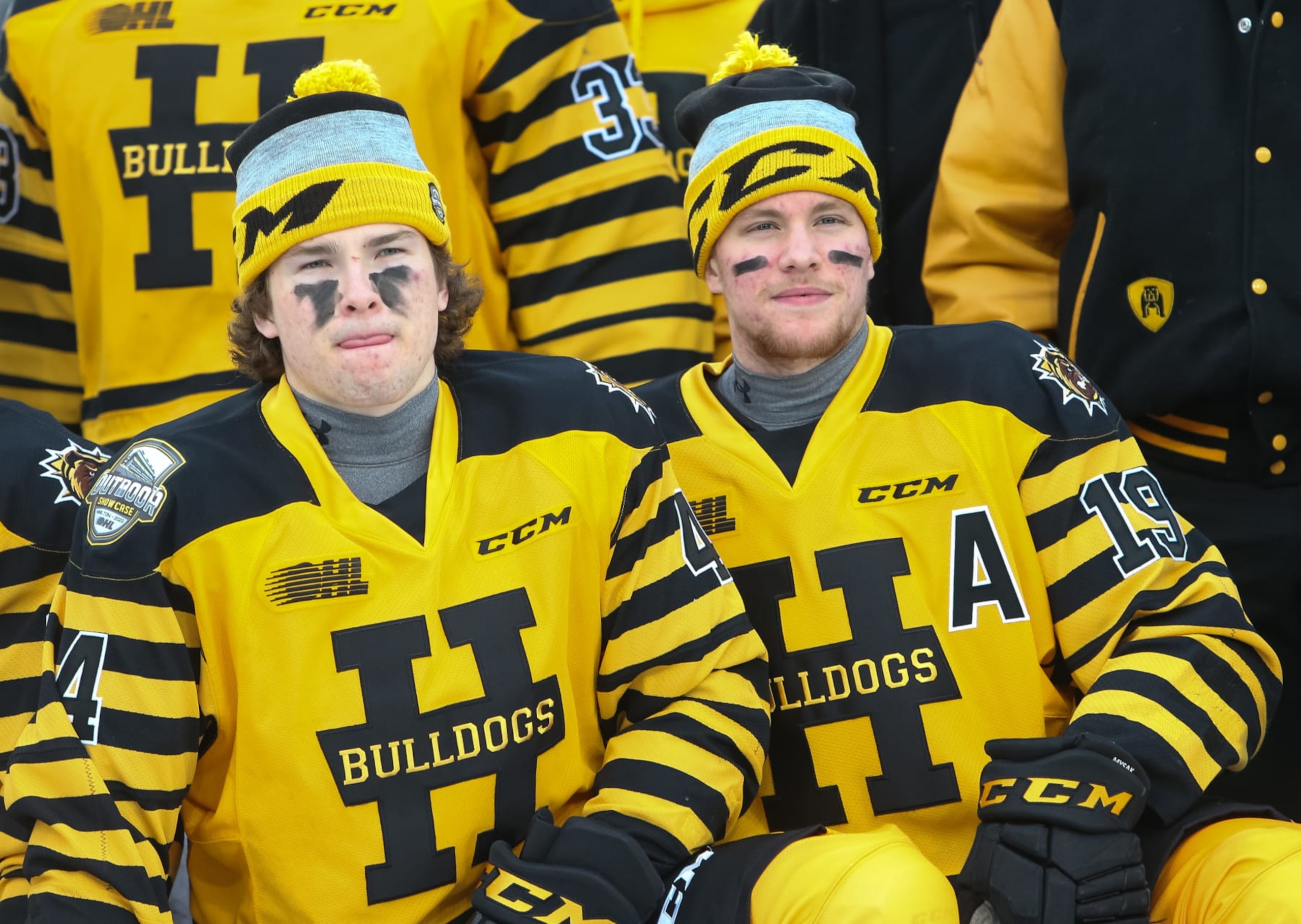
Wait! What? Doesn't Toronto already have the Maple Leafs?
Yes, but it's been no secret that entities both in and around the greater Toronto metropolitan area have been angling to get in on the NHL action for years.
For example, Hamilton is just more than 40 miles to the southwest and ranks as the third-largest city in Ontario behind Toronto and Ottawa with a population of just more than 800,000.
It has a long-standing Canadian Football League team in the Tiger-Cats and an Ontario Hockey League mainstay in the Bulldogs, who play at the 17,383-capacity FirstOntario Centre.
Adding a team in Hamilton or the Toronto metro area, which boasts a population of more than 6 million, would obviously create a rivalry with the Maple Leafs and perhaps attract the segment of the hockey-crazed fanbase that does not align itself with the existing NHL team.
New York maintains a pair of teams within the city limits and another not too far off in northern New Jersey, so the concept of three teams in a fairly compact—though in this case, far larger—geographical area is not a novel one. Hamilton bid for an expansion franchise to start the 1992-93 season but lost out to the Ottawa Senators.
A prevailing suggestion over the years has been that neither the Maple Leafs nor the Buffalo Sabres, who reside 63 miles to the southeast, were too keen on the idea of Hamilton further divvying up the southern Ontario territory from which they both draw,
True or not, the logic seems similar to the Portland scenario.
While Hamilton has many factors to attract the NHL's interest in a vacuum, it seems unlikely the league would add a third team in the region before a first one in a newer area.


.jpg?w=2560 "Grading SmackDown 🔠")


.jpg?w=2560 "Reported Details of Seahawks-K9 Split")