As much as numbers and data have overtaken the NBA discourse, every season is still driven by narrative. We form expectations before each campaign, and then we get to see whether the actual storylines square with the ones we've prewritten in our heads.
Because it's so easy to get swept up in irrational optimism before the actual games start, most fans suffer some measure of disappointment by the time we reach the halfway point of the season.
You mean Anthony Edwards didn't average 37.0 points per game on a 50-40-90 split?
Wait, so Evan Mobley wasn't already awarded the next seven DPOY trophies just to save time?
Not every hope is such a far-fetched product of emotion. It's one thing if a team or player doesn't achieve what we envisioned in our wildest dreams. It's another if they fall short of modest, rational expectations.
Those ones—the second, more painful kind—are what we'll cover here.
The Atlanta Hawks Misfiring
1 of 10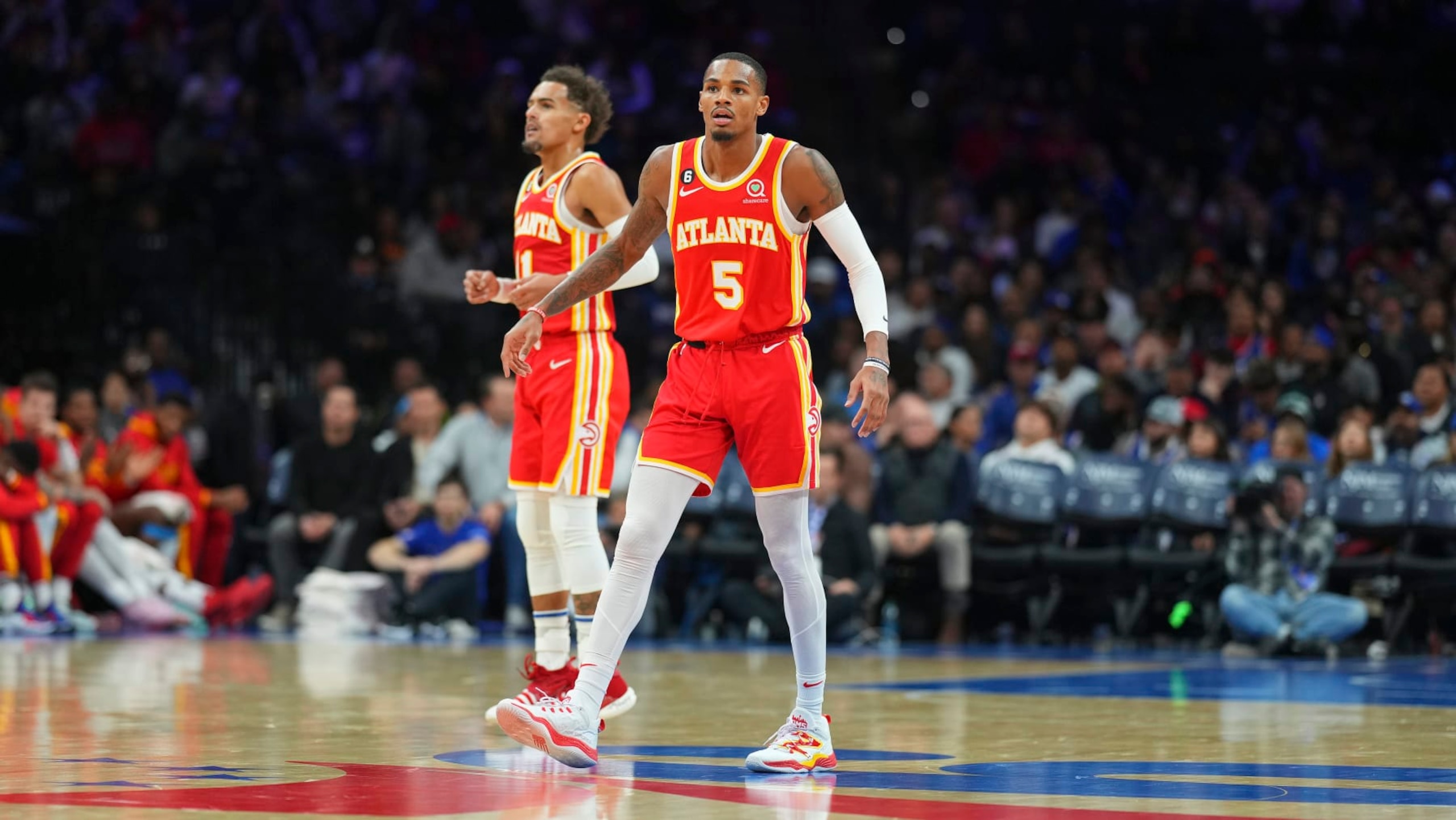
When a team makes a blockbuster trade like the Atlanta Hawks did this past offseason, surrendering three future first-rounders and a swap in a package for Dejounte Murray, it's supposed to postpone existential questions about how much longer the current core can last.
Although Murray seemed like an ideal fit as a secondary ball-handler who could play with or in relief of Trae Young, the Hawks are now facing the questions they hoped to kick down the road a few years.
Murray has been as advertised, albeit in a role that requires him to distribute the ball less than he did with the San Antonio Spurs. His assists are down to 6.1 per game from last year's 9.2, but he's averaging 20.1 points, 5.4 rebounds and 1.7 steals with a true shooting percentage just a hair lower than last season's 53.3 percent.
Unfortunately, just about everything else has gone wrong.
Young and John Collins are having the worst three-point shooting seasons of their careers. Clint Capela and Bogdan Bogdanović have struggled to stay healthy. The tax-avoiding trade that sent Kevin Huerter to Sacramento has exposed a lack of wing depth. De'Andre Hunter isn't living up to the $90 million contract he signed over the summer. Head coach Nate McMillan has clashed with Young, and the front office is in a state of upheaval that feels a like a panicked reaction to the team looking more like a play-in hopeful than a conference-finals threat.
The Murray trade failed to push the Hawks into the East's top tier, and now they face the reality of his impending unrestricted free agency in 2024. If he bolts—and at this point, why wouldn't he?—Atlanta will have sacrificed immense draft capital for a rental that returned zero short-term gains.
From here, it's all too easy to imagine the doom spiral culminating with Young asking out and the Hawks obliging because they realize moving him is the only way to replenish what they lost in the Murray deal. Atlanta is dangerously close to becoming this season's best embodiment of the "life comes at you fast" meme.
James Wiseman's Failure to Launch
2 of 10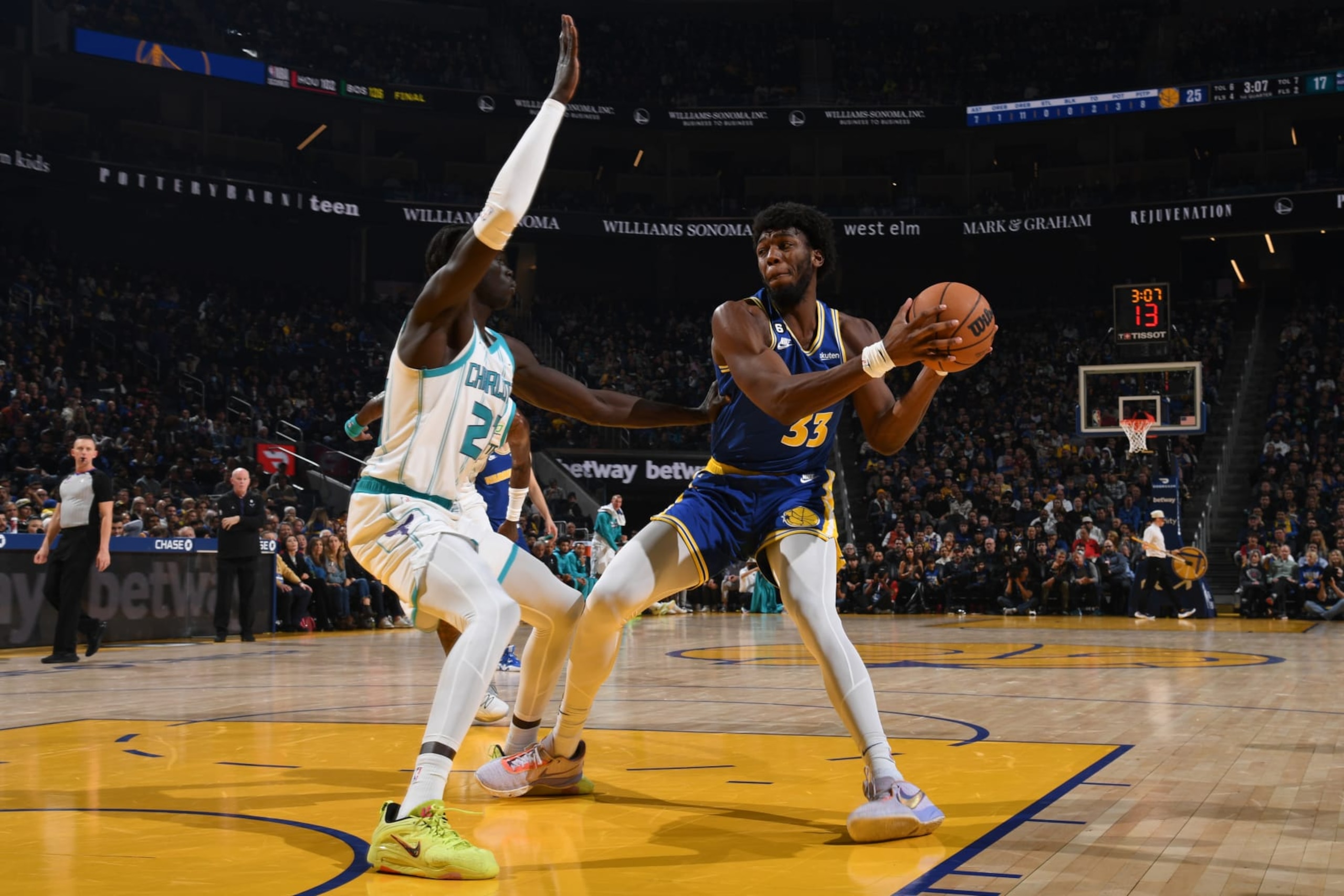
If you saw much of James Wiseman in his four 2022 summer-league appearances, you probably had a sense that no career turnaround was imminent. His averages of 10.5 points and 5.5 rebounds against sub-NBA competition underwhelmed, and they came with all the same concerning shortcomings—bad hands, slow processing on defense, a maddening inability to high-point rebounds—that were present before injuries cost him his sophomore season.
Given his three games of collegiate experience and all of the time he missed due to injury, it was hard to fault Wiseman for failing to develop. But it was still a monumental disappointment when the Golden State Warriors had to send the overwhelmed and unproductive 2020 No. 2 pick to the G League in early November.
The vibes got even worse when "wait, who's that guy?" players outplayed him to alarming degrees.
Up and down the organization, the Warriors have professed affection for Wiseman's work ethic, faith in his development and sympathy for his difficult and injury-hit path. It's hard to give up on a player with such a rare combination of size (7'1" with a 7'6" wingspan) and undeniable athletic gifts. And in fairness, Wiseman has shown flashes of improvement defensively this season.
But the bottom line is what it is: The Warriors' net rating is 24.7 points per 100 possessions lower when Wiseman is in the game, an unfathomable figure that ranks as the worst among every player this season with at least 200 minutes of court time. Even the most pessimistic preseason outlook wouldn't have pegged Wiseman as the most negatively impactful player in the league.
The Milwaukee Bucks' Stalled Offense
3 of 10
Khris Middleton has played a grand total of seven games this year. Offseason wrist surgery postponed his debut until Dec. 2, and ankle and knee injuries combined to shut him down just two weeks into his return. There's no doubt that the absence of the three-time All-Star is contributing to the Milwaukee Bucks' troubling issues on offense.
For years now, pick-and-rolls involving Middleton and Giannis Antetokounmpo have been the Bucks' safety blanket. It was their reliable changeup in a Mike Budenholzer offense that has been fairly criticized as predictable and slow to adjust.
But Milwaukee's current 111.8 offensive rating, which ranks 24th, is about more than Middleton's unavailability. Last year, the Bucks put up 113.5 points per 100 possessions with Middleton out of the lineup, a significantly higher scoring rate before even considering that the league average offensive efficiency in 2021-22 was 1.7 points per 100 possessions lower than this year's.
The Bucks have long been defined by their defense, and at least things on that end of the floor are still going to plan. But it's alarming to note just how much less effective Milwaukee is at scoring the ball without Middleton this season than it was a year ago.
Shooting variance is a factor. The Bucks are 22nd in three-point accuracy after ranking eighth in 2021-22 and sixth in 2020-21. They also rank lower in accuracy at the rim than they have in any season since 2015-16. Those numbers could normalize, and a healthy return from Middleton would help in that effort. But there's also the matter of Antetokounmpo posting his lowest true shooting percentage since 2015-16, the last year before he turned into Giannis! and kicked off his uninterrupted run of All-Star and All-NBA seasons.
If we were talking about a cold week or even a month, the Bucks' championship cache would warrant minimal hand-wringing. But we're now through half of the season, and Milwaukee's poor scoring deserves real attention—particularly with the 31-year-old Middleton seemingly unable to get right.
Nobody's arguing that the Bucks are cooked. But for a group that seemed like the safest preseason championship bet, it's going to take more than a bottom-10 offense to make good on its potential.



Scottie Barnes' Arrested Development
4 of 10
Scottie Barnes' profile was always a little unusual for a high lottery pick. He didn't start in his lone collegiate season at Florida State, he lacked a clear position, and he came into the league missing the signature skill—shooting—that many teams covet above all others.
His Rookie of the Year win proved that "unusual" was a long way from "ineffective".
Barnes averaged 15.3 points, 7.5 rebounds and 3.5 assists while shooting 49.2 percent in his debut season. He guarded everything that moved and hit just enough mid-rangers to ease concerns about a shooting form that often looked inconsistent. His upper and lower body fired out of sync in ways that compromised repeatability.
We fall into the trap of expecting this for every promising rookie, but Barnes felt like a particularly obvious second-year leap candidate. Instead, he's regressed.
Worries about Barnes' shooting struggles have manifested in force. He's at 28.8 percent from beyond the arc and under 50.0 percent inside of it. Opponents are often begging him to shoot, which can wreak havoc on a player's confidence and suffocate an offense.
Barnes getting the "I dare you" treatment from opposing defenses isn't the only reason why Toronto ranks 29th in half-court scoring efficiency, but it sure isn't helping matters.
Even worse, the defensive impact that seemed to set Barnes' floor as a quality starter has largely disappeared. Toronto is defending better with him on the bench, and blow-bys from players not known for their off-the-dribble burst are far more common than they used to be.
It's still early in the 21-year-old Barnes' career. He may yet course correct and make several All-Star games over the next decade. But the first half of his sophomore season fell miles below expectations.
The Minnesota Timberwolves Big Bet Went Bust
5 of 10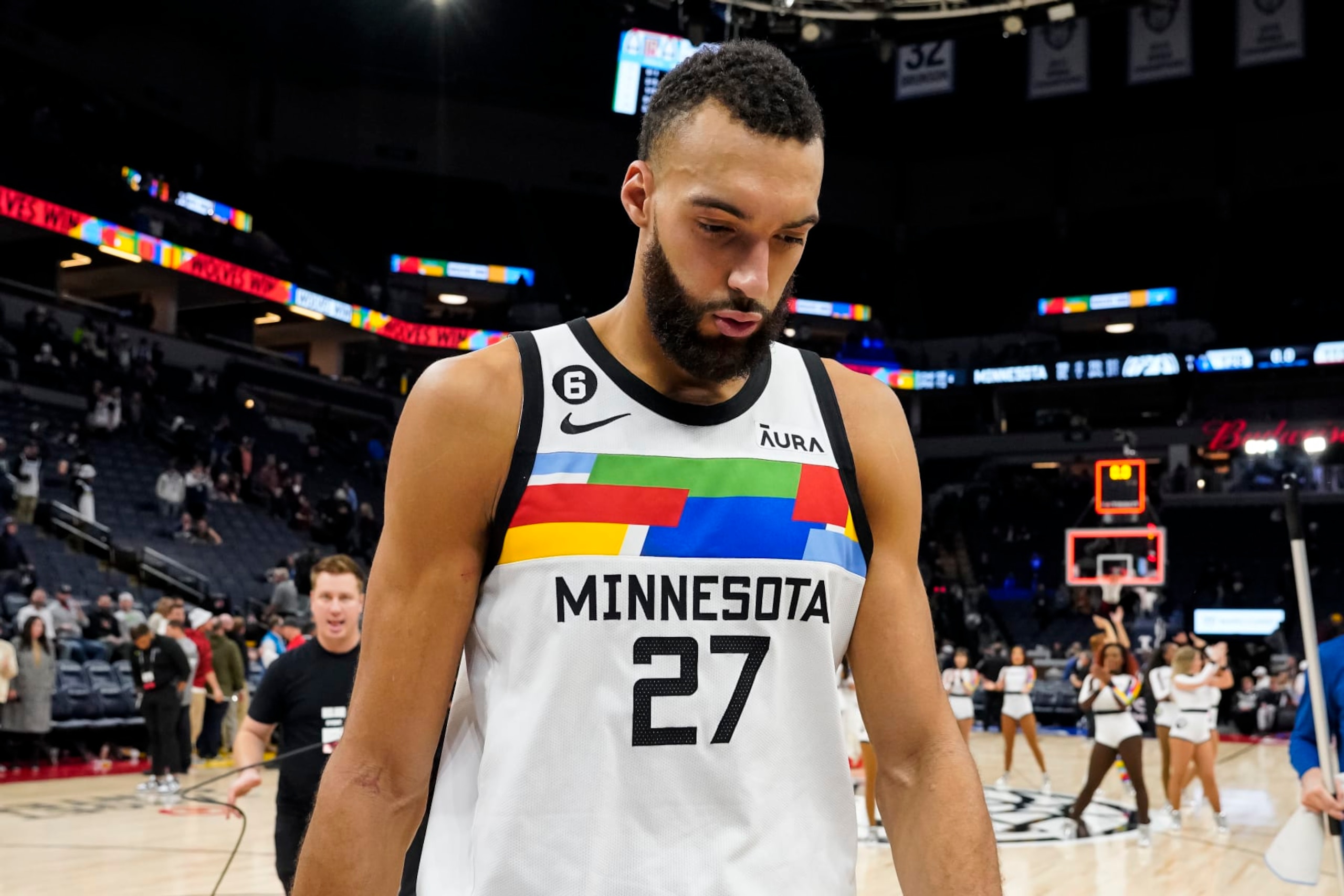
A four-game winning streak to begin 2023 nudged the needle on the Minnesota Timberwolves' panic meter down a touch. But it's going to take plenty more victories and markedly better vibes to undo what happened from October to December in Minnesota.
To acquire Rudy Gobert from the Utah Jazz, the Timberwolves traded away three rotation players in Jarred Vanderbilt, Malik Beasley and Patrick Beverley; No. 22 selection Walker Kessler, three additional unprotected first-rounders, a top-five protected first in 2029 and swap rights on a 2026 first-rounder. Long story short: The Wolves surrendered control of their first-round picks through the end of the decade for a guy whom they believed would transform their defense and elevate them to the contender class.
Maybe Gobert's limitations against smaller lineups would pop up again in the playoffs. But at the very least—this was the camp I fell into when defending the logic of the deal—the Wolves seemed certain to rack up regular-season wins and secure a high playoff seed. That's a big deal for an organization defined by its general failure to reach the postseason.
These first four January wins aside, Minnesota hasn't gotten anything close to the boost it hoped for. Kessler has done a solid Gobert impression for the Jazz, holding opposing shooters to a 52.9 percent hit rate inside six feet, better than Gobert's 56.3 percent figure. It'd be disingenuous to say the rookie is on Gobert's level right now, but the fact that there are any stats—let alone one as compelling as opponent accuracy at close range—where the two bigs are comparable highlights all of the picks and quality players the Wolves gave up to exchange one shot-blocking big for the other.
Gobert's presence has improved Minnesota's defense. The Wolves allow 7.8 fewer points per 100 possessions when he's on the floor, which is an elite number. But he's been poison to the offense's spacing and efficiency, hasn't meshed with Anthony Edwards or Karl-Anthony Towns and has a negative on-off split for the first time in his career.
Now 30, Gobert is also on the wrong side of the aging curve. It's not hard to imagine the Wolves, currently 10th in the West, regretting this deal more with each passing year.
Phoenix's Fall from Contention
6 of 10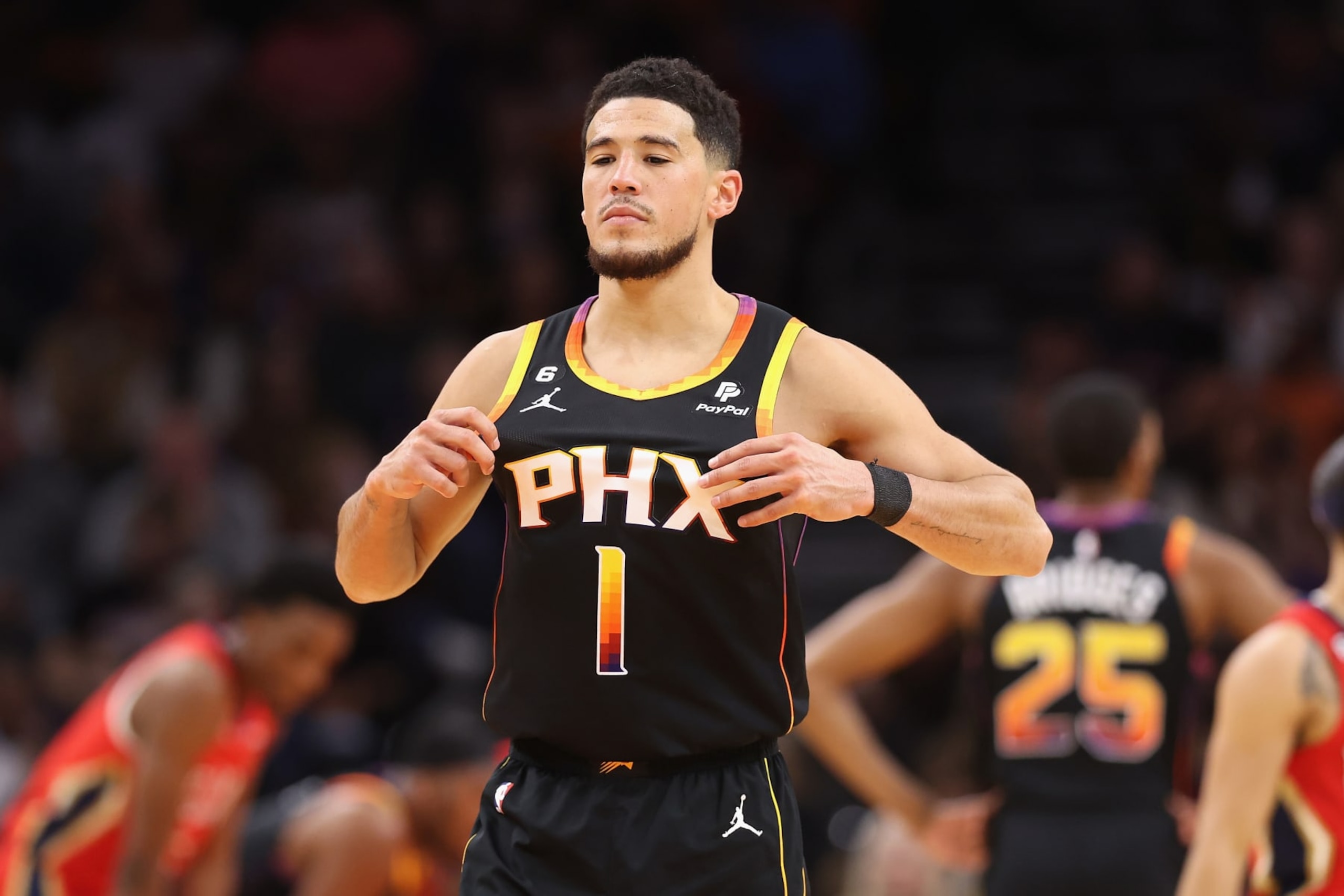
Some of what's happened to the Phoenix Suns was foreseeable. Following an all-timer of a Game 7 no-show against the Dallas Mavericks in last year's West semifinals, the Suns embarked on an offseason marred by Deandre Ayton's awkward free agency, reports of governor Robert Sarver's workplace misconduct, demeaning treatment and use of racist language, and Jae Crowder's disappearing act.
Add an aging Chris Paul, and the downside for this group was visible for anyone willing to look hard enough.
But also: A 2022 Finals appearance! Devin Booker! Mikal Bridges! Sixty-four wins in 2021-22!
Nobody imagined the Suns' floor could be quite this low.
Injuries have ravaged Phoenix, knocking Paul, Ayton and Cameron Johnson out for extended stretches. Booker's recurring groin issue, which currently has him on ice for the second time this season, is the kind of lingering malady that can recur, wrecking months at a time.
The Suns currently sit under .500, losers in 10 of their last 12 games, stuck in the messy play-in mix out west with plenty of room to slide further down the standings. Returns to health would go a long way toward righting Phoenix's listing season, but given Paul's decline and the team's inability to turn Crowder's empty rotation spot into something productive so far, it feels fair to say that the Suns are no longer part of the contender tier.
Phoenix has Booker, Bridges and Ayton under team control for several more seasons, so all isn't lost. But it might require a significant retooling, probably over the coming offseason, before the Suns rise again.
Lonzo Ball's Endless Absence
7 of 10
Remember back in the early days of the 2021-22 season when Lonzo Ball was teaming with Alex Caruso to make opposing guards ask themselves whether it was even worth it to dribble over half court? And when the Chicago Bulls' offense hummed because Ball, a God-level rock-mover and two-steps-ahead thinker with preternatural unselfishness was whipping secondary assists all over the floor?
It's OK if those halcyon days when the Bulls sat atop the East have faded from memory. A lot's happened since then, and most if it hasn't been great for Chicago. Last year's 19-23 finish after Ball went down removed any conception that the team was a contender. This season has been marked by uneven play, reported strife between a maxed-out Zach LaVine and multiple key figures in the organization, and what appears to be a play-in ceiling.
It's never only one issue that knocks a team off course, but Ball's absence is the clear through line in the Bulls' yearlong failure to meet expectations. Surgery to repair a torn meniscus last January clearly didn't fix the problem, and Ball's rehab from that operation eventually hit a standstill. A second procedure this past September has him on an ominous "no timeline" return path that has now extended halfway through the 2022-23 campaign.
It's easy to imagine Ball's offensive presence smoothing out some of the Bulls' chemistry issues on the floor and generating enough easy looks to keep everyone happy. Likewise, he'd give Caruso a partner in crime on D. Chicago ranked fourth on offense and a respectable 16th on defense when Ball last played, and perhaps more importantly, the Bulls looked like a real threat to win multiple playoff rounds.
One guy can't fix everything, but the fact that the Bulls went 27-13 before Ball left the rotation last season and have maintained a sub-.500 winning percentage in the full year's worth of games he's missed since suggests he was the solution to a lot of their problems.
The Clippers' Holding Pattern
8 of 10
At some point—maybe, probably, hopefully?—we'll see the Los Angeles Clippers put all of their best players on the floor together for a month and finally get a sense of what one of this year's preseason title favorites can do. Three-and-a-half years into L.A.'s grand experiment, we're still woefully short on proof of concept.
Last year was essentially a wash due to Kawhi Leonard's torn ACL. The first half of 2022-23 provided almost as little information about the Clips' ceiling, with Leonard and Paul George sharing the floor for a grand total of 349 minutes spread across only 15 games.
One could argue it's encouraging that the Clippers are plus-8.7 points per 100 possessions with their two superstars on the court in that small sample. But there was never any question whether the pairing would work. The uncertainty was tied to the tandem's availability. Success in a fraction of a season with long injury-related breaks and rest days sprinkled in validates nothing.
In that sense, what's disappointing about the Clippers has little to do with their actual performance. Their No. 28 ranking in offensive efficiency is bad, and the middling record that could drop them out of the play-in with a cold week or two is worse. But we collectively acknowledge that those don't reflect the team's true talent level. We know the Clippers are better than they have shown themselves to be.
The real source of disappointment and frustration is that we still don't know whether they can be that team for more than a handful of games at a time.
This is us, basically:
Nobody likes waiting. It's the hardest part.
The Lack of Legitimate Trade Intrigue
9 of 10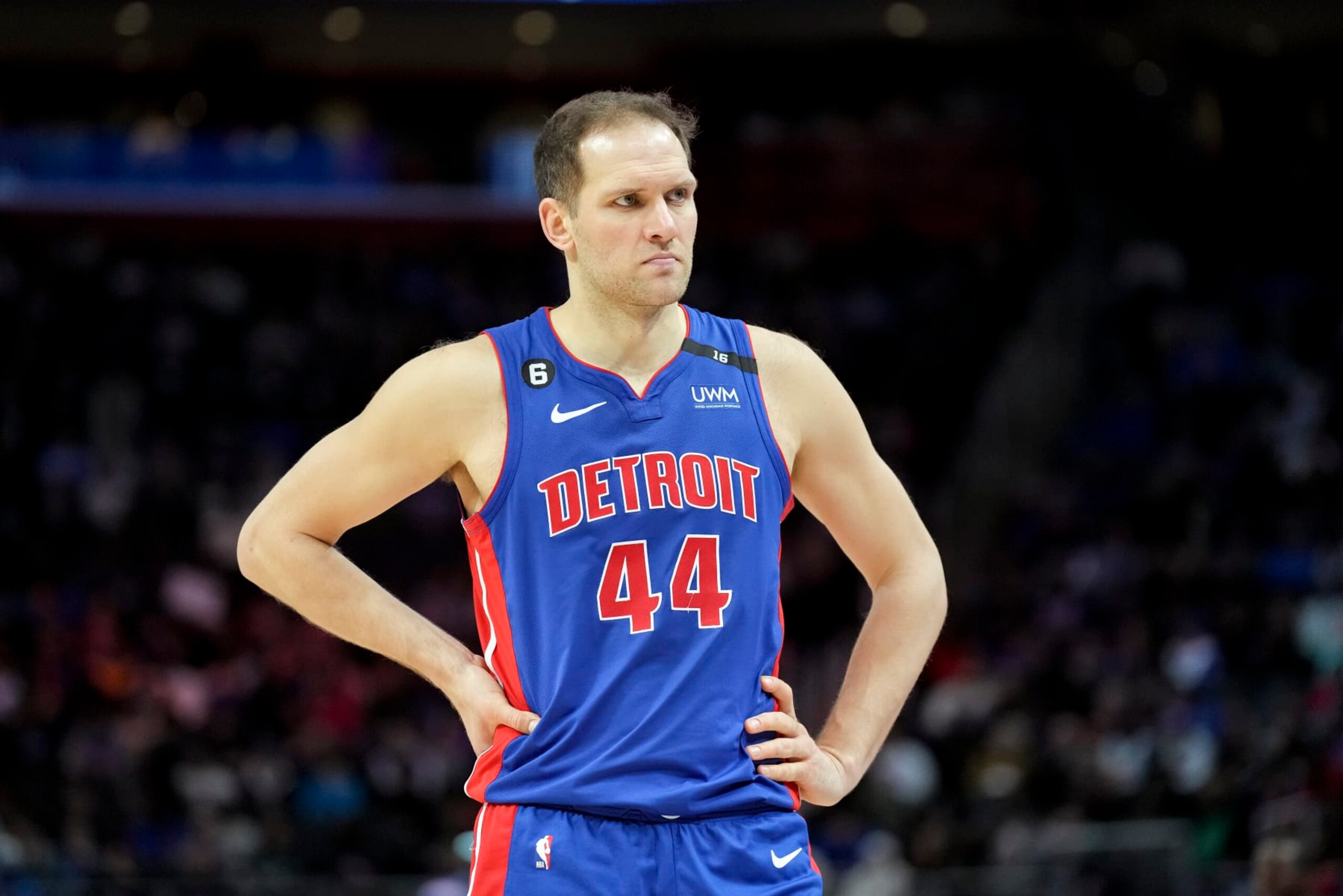
It's hard to know where NBA fandom's obsession with the transactional side of the league came from. One could point fingers at the rise of fantasy sports, 2K's franchise mode, millennial impatience and the player empowerment that has spurred "we'd better trade this guy before he bolts in free agency" decisions with increasing frequency.
Whatever the underlying reasons, there's no denying we now spend more time thinking, writing and talking about trades than ever before. That's why it's so disappointing that this year's trade deadline looks like it'll be less eventful than most in recent memory. At the very least, the intrigue leading up to the Feb. 9 deadline is far less intense than it was a year ago.
Ahead of the 2022 deadline, we had spent months salivating over what was going to happen with James Harden, Ben Simmons, Myles Turner, Domantas Sabonis, John Collins, Kristaps Porzingis, Jerami Grant, Russell Westbrook and myriad other big names. Not all of those guys ultimately got traded, but many were. Even before the deadline, we saw Norman Powell, CJ McCollum and Caris LeVert change teams.
Turner, Westbrook and Collins remain fixtures in the speculation game, but the first two seem highly unlikely to move. The third, Collins, has been in the rumor mill so long that he's probably getting his mail delivered there. Trade chatter involving his name is hardly an exciting new development.
The play-in tournament and flattened lottery odds have far fewer teams profiling as sellers. As a result, the few squads looking to offload talent have every reason to keep their asking prices high. It'd be ridiculous for the Detroit Pistons to demand an unprotected first-round pick and a good young player for 33-year-old Bojan Bogdanović if the market were flooded with comparable or better options. But it feels reasonable for Detroit to drive a hard bargain when there's so little competition from other sellers.
The collective fan desire for trades has never been higher, but the likelihood of meaningful action ahead of the deadline is lower than it's been in a while. That's a perfect recipe for disappointment.
The Warriors' Meek Title Defense
10 of 10
We already covered James Wiseman, so it might feel cruel to double dip on the Warriors. But we can't just move on without acknowledging that the defending champion Dubs—the light-years-ahead franchise with four rings in the last eight years and a still somehow in-prime Stephen Curry—spent the first half of the season in a zombified state.
Excuses abound. Fatigue, an older core, the predictable throttling back of a team that believes it can coast until April, underwhelming work from young players not named Jonathan Kuminga and the free-agency departures of Gary Payton II and Otto Porter Jr. are all reasonable explanations for a slow start.
But Golden State's disjointed and listless efforts during a 20-21 first half simply cannot be described without the word "disappointing."
The Warriors are turning the ball over more often than everyone but the painfully young Houston Rockets. They shoot the fewest free throws per game and allow the most. No team gets to the rim on offense less frequently. Perhaps most jarring for a team that has won a road game in every playoff series since 2013, the Warriors have the league's worst record away from Chase Center. Inexplicably, they also closed out the first half with home losses to Detroit, Orlando and a Suns team missing four starters.
All of these crippling deficiencies tie back to dearths of focus, attention to detail and discipline.
The good news is that the Warriors' starting five is still the most productive high-usage unit in the league. You'd be a sucker to bet against a massive second-half surge. But all that does is underscore the maddening truth that this team is falling so far short of its ceiling, and that its first-half undoing is all self-inflicted.
If success is measured by comparing what you're capable of achieving to what you actually achieve, then the Warriors are failing to a larger extent than any team in the league.
Stats courtesy of NBA.com, Basketball Reference and Cleaning the Glass. Accurate through Jan. 12. Salary info via Spotrac.
Grant Hughes covers the NBA for Bleacher Report. Follow him on Twitter (@gt_hughes), and subscribe to the Hardwood Knocks podcast, where he appears with Bleacher Report's Dan Favale.


.jpg?w=2560 "Jonathan Taylor Landing Spots 📍")