
Fantasy Football 2022: 1st-Round Mock Draft Tips and Latest Consensus Rankings
The 2022 NFL preseason is coming to an end, and you can bet that few are sad to see it go. The end of the preseason means that real, meaningful football is just around the corner—Week 1 kicks off on September 8—and it also means the return of fantasy football.
By now, many season-long leagues have already had their drafts. For those that haven't, there's still time to cram in a little homework and preparation. Mock drafting can be a valuable part of that process.
While fantasy mocks are fun, managers must conduct them with a purpose in order to maximize value. Below, we'll dive into the dos and don'ts of mock drafting, examine a two-round mock draft of our own and dive into the latest consensus rankings from FantasyPros.
All rankings and analysis found here are for point-per-reception (PPR) scoring.
First-Round PPR Mock
1 of 4
1. Jonathan Taylor, RB, Indianapolis Colts
2. Austin Ekeler, RB, Los Angeles Chargers
3. Christian McCaffrey, RB, Carolina Panthers
4. Justin Jefferson, WR, Minnesota Vikings
5. Dalvin Cook, RB, Minnesota Vikings
6. D'Andre Swift, RB, Detroit Lions
7. Najee Harris, RB, Pittsburgh Steelers
8. Derrick Henry, RB, Tennessee Titans
9. Cooper Kupp, WR, Los Angeles Rams
10. Aaron Jones, RB, Green Bay Packers
11. Ja'Marr Chase, WR, Cincinnati Bengals
12. Joe Mixon, RB, Cincinnati Bengals
Mock Draft Dos
2 of 4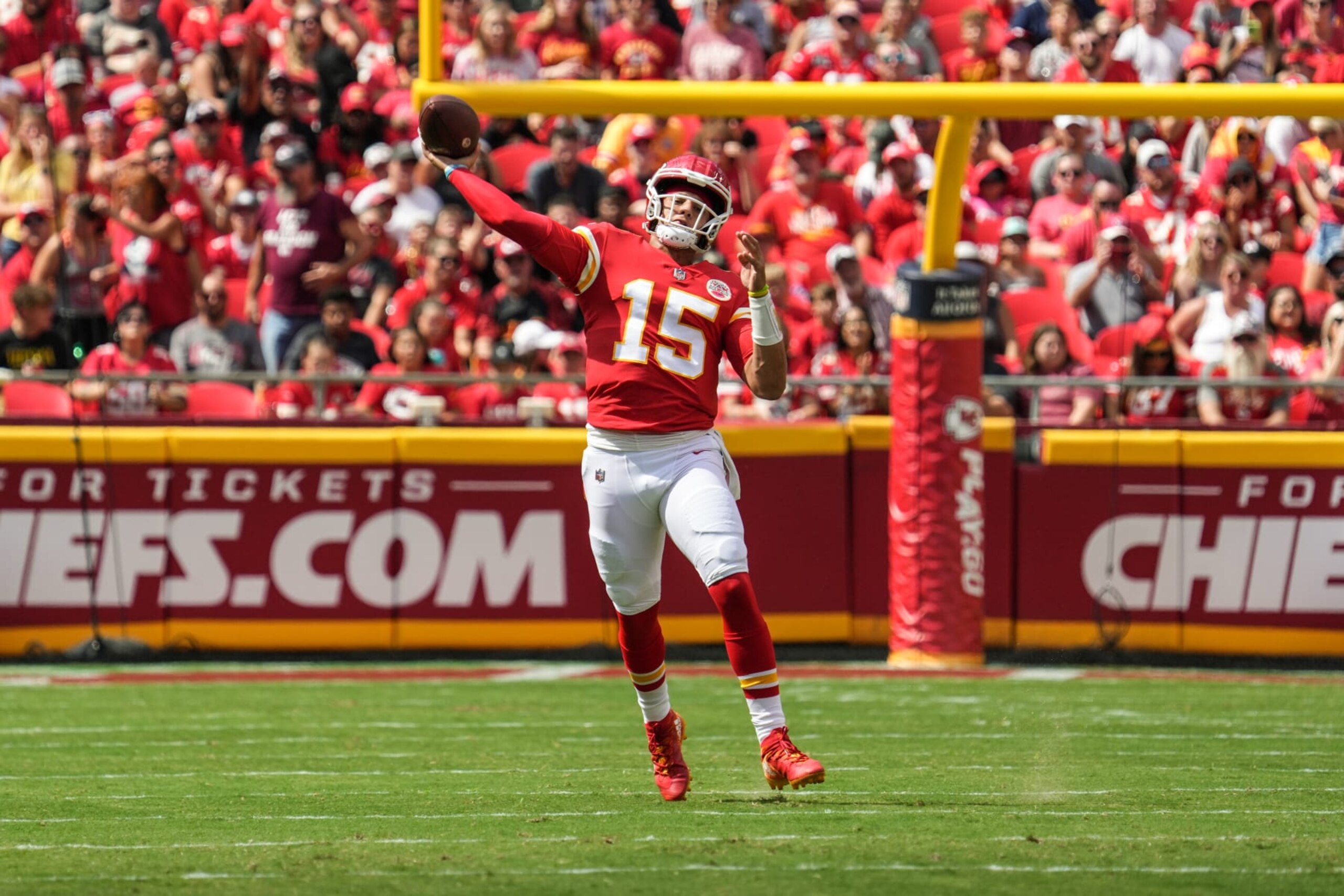
If you're going to get the most out of a mock draft, you should have a plan going into it. This is the time to test out any unconventional strategies before conducting your real-world draft.
For the first round, try starting your draft with different positions and seeing how the rest of the draft unfolds. Try to narrow down a handful of players you're comfortable targeting in Round 1. Typically, these will be elite running backs and receivers, but it's worth it to scratch any you deem to be risky. From there, you can try other strategies for the early rounds.
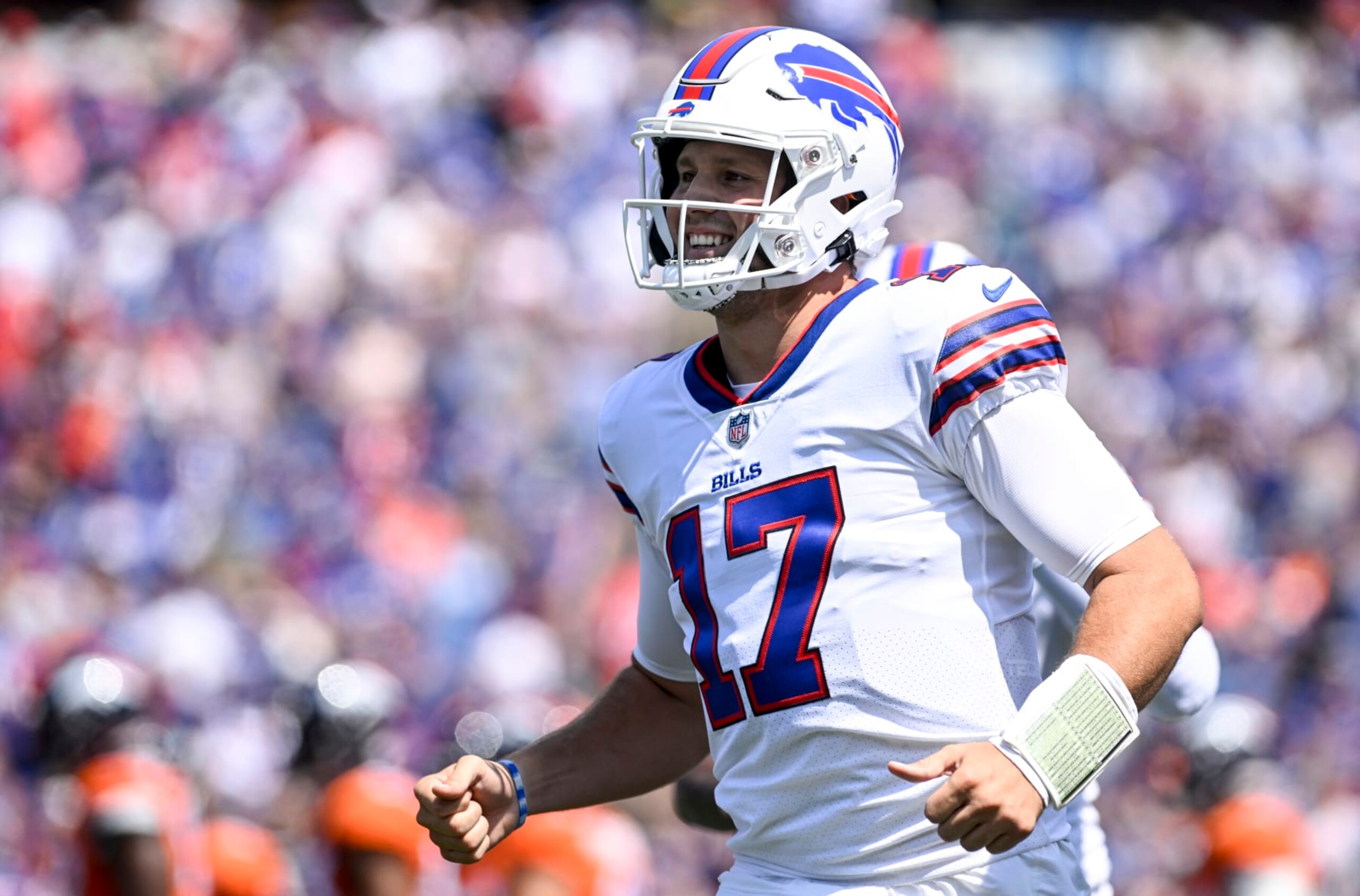
If, for example, you're considering taking a quarterback like Josh Allen or Patrick Mahomes in the first couple of rounds, you can try the strategy in mocks to see how the rest of your team shakes out. Conversely, you may want to see what a team looks like when waiting until at least the sixth round for a signal-caller.
The same principle can be applied to multiple positions—and it's best to run multiple mocks to see how consistently you can land a satisfactory roster. Do you want back-to-back running backs to kick off a draft or an elite tight end like Travis Kelce in Round 1? Give it a whirl.
Mocks can also help identify how viable it is to force a specific selection. Are you determined to land Detroit Lions running back D'Andre Swift or Cincinnati Bengals wideout Ja'Marr Chase in Round 1? A few practice drafts can give you an idea of where specific players are going and how targeting them affects the rest of your lineup.
If a particular strategy isn't working out, fire up another mock and try something else.
If it's at all possible, set your mock as closely as possible to what you'll face in your actual draft. Draft apps like FantasyPros' Mock Draft Simulator are customizable, so you can set perimeters like scoring (PPR vs. standard), league size and draft position.
If you do know your draft slot, mocks are a great tool for determining which players will likely be available to you in the first rounds. If Indianapolis Colts running back Jonathan Taylor consistently goes No. 1 overall, you shouldn't plan on getting him with the 10th pick.
Start by noting which first-round selections you're regularly able to get in the first round. Then craft according draft plans to be used in the later rounds. If you're consistently left with a top receiver in your Round 1 draft slot, map out a plan for targeting running backs in Rounds 2 and 3.
Approach your mocks as realistically as possible, take notes of what is and isn't working and carry a little confidence into your league's actual draft.
Mock Draft Don'ts
3 of 4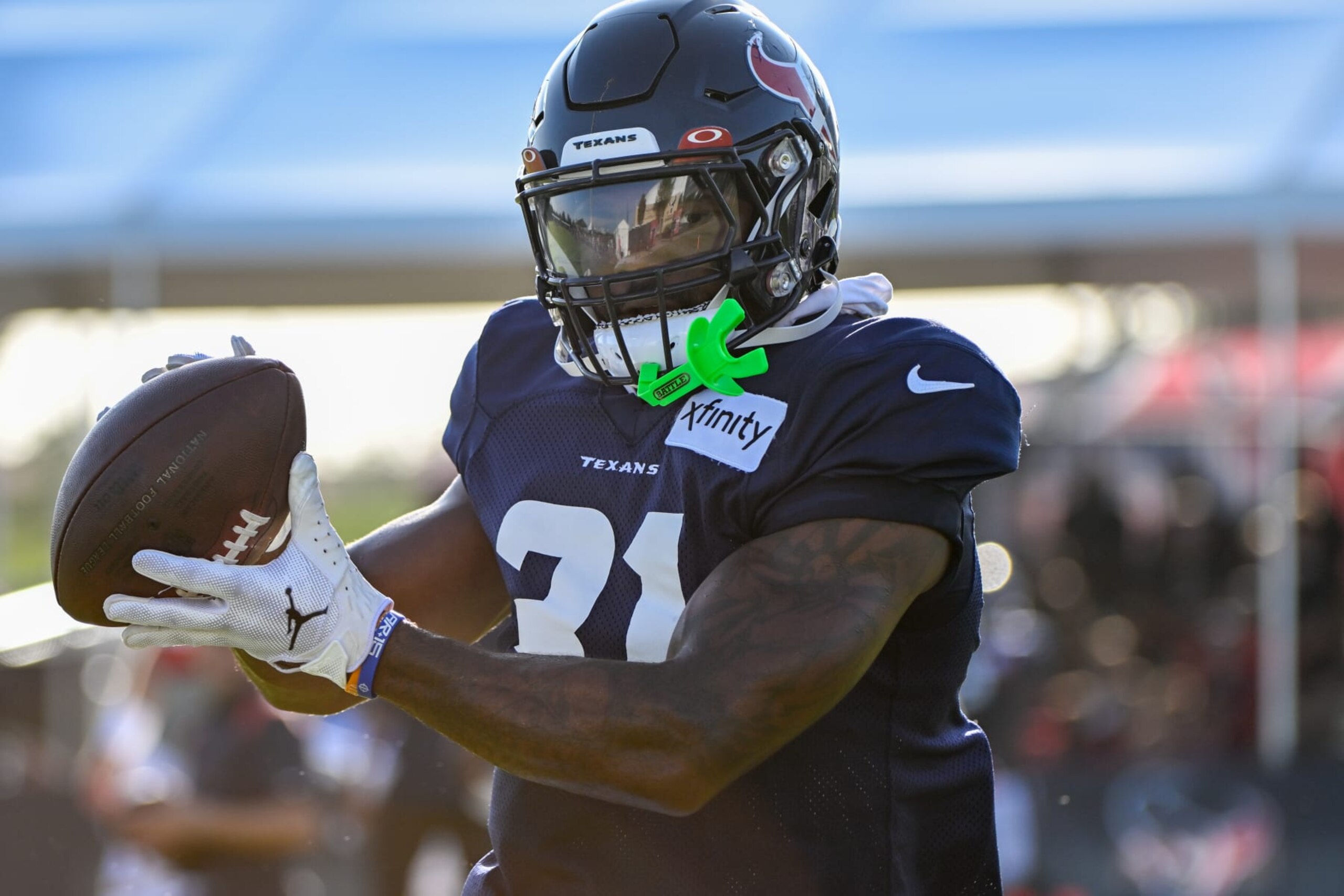
While one should experiment during mock drafts, it's important to stay within the realm of realism. Don't waste the time and effort of orchestrating a mock by using a first-round pick on a kicker just because it's funny—unless you are doing it just for fun, of course.
If you're using a mock as a research tool, you don't want to go too outlandish with your selections.
Use the first round of mock drafts to judge which players you are and are not willing to take. This can be done by seeing which players are consistently available in Rounds 2 or 3. Are there regular runs at running back in the second round? Then you might not want to focus on receivers in Round 1.
Perhaps the biggest don't, however, is this: don't simply autodraft once your starting lineup is set. Mocks are a valuable resource for sniffing out the draft range of potential sleepers.
Houston Texans running back Dameon Pierce, for example, appears poised to be the Week 1 starter—he rushed for 36 yards and a touchdown on six carries in Houston's preseason finale. Yet his average draft position (ADP) is only 109.
Similarly, Washington Commanders rookie Brian Robinson may supplant Antonio Gibson as the starting back. Gibson appears set to be Washington's new kick returner.
"I think you still need to see some more stuff, but you know, I think he is," head coach Ron Rivera said about Gibson as the returner, per John Keim of ESPN. "I do. I think he's done a nice job."
Robinson has an ADP of only 124.
Mocks can help you gauge whether an ADP is accurate and where you, as a manager, are comfortable taking a sleeper.
Lastly, don't expect everything that works in your mocks to work in real life. This is a practice exercise, not a preview. The human element of fantasy drafting will yield a few curve balls, and managers always need to be ready to pivot to different players, positions and strategies.
.jpg?w=2560 "Texans Titans Football")
.jpg?w=2560)
.jpg?w=2560 "Cardinals Giants Football")
Consensus Rankings from FantasyPros
4 of 4
1. Christian McCaffrey, RB, Carolina Panthers
2. Jonathan Taylor, RB, Indianapolis Colts
3. Austin Ekeler, RB, Los Angeles Chargers
4. Dalvin Cook, RB, Minnesota Vikings
5. Justin Jefferson, WR, Minnesota Vikings
6. Cooper Kupp, WR, Los Angeles Rams
7. Najee Harris, RB, Pittsburgh Steelers
8. Derrick Henry, RB, Tennessee Titans
9. D'Andre Swift, RB, Detroit Lions
10. Travis Kelce, TE, Kansas City Chiefs
11. Ja'Marr Chase, WR, Cincinnati Bengals
12. Joe Mixon, RB, Cincinnati Bengals
13. Stefon Diggs, WR, Buffalo Bills
14. Davante Adams, WR, Las Vegas Raiders
15. Alvin Kamara, RB, New Orleans Saints
16. Aaron Jones, RB, Green Bay Packers
17. Saquon Barkley, RB, New York Giants1
18. CeeDee Lamb, WR, Dallas Cowboys
19. Mark Andrews, TE, Baltimore Ravens
20. Leonard Fournette, RB, Tampa Bay Buccaneers
21. Mike Evans, WR, Tampa Bay Buccaneers
22. Tyreek Hill, WR, Miami Dolphins
23. Keenan Allen, WR, Los Angeles Chargers
24. Javonte Williams, RB, Denver Broncos
25. Deebo Samuel, WR, San Francisco 49ers
26. Michael Pittman Jr., WR, Indianapolis Colts
27. Nick Chubb, RB, Cleveland Browns
28. A.J. Brown, WR, Philadelphia Eagles
29. Tee Higgins, WR, Cincinnati Bengals
30. James Conner, RB, Arizona Cardinals
31. D.J. Moore, WR, Carolina Panthers
32. Kyle Pitts, TE, Atlanta Falcons
33. Ezekiel Elliott, RB, Dallas Cowboys
34. Josh Allen, QB, Buffalo Bills
35. Diontae Johnson, WR, Pittsburgh Steelers
36. Travis Etienne Jr., RB, Jacksonville Jaguars
37. Jaylen Waddle, WR, Miami Dolphins
38. Breece Hall, RB, New York Jets
39. Mike Williams, WR, Los Angeles Chargers
40. David Montgomery, RB, Chicago Bears
41. Courtland Sutton, WR, Denver Broncos
42. Terry McLaurin, WR, Washington Commanders
43. Cam Akers, RB, Los Angeles Rams
44. Justin Herbert, QB, Los Angeles Chargers
45. Brandin Cooks, WR, Houston Texans
46. Allen Robinson II, WR, Los Angeles Rams
47. Patrick Mahomes, QB, Kansas City Chiefs
48. J.K. Dobbins, RB, Baltimore Ravens
49. George Kittle, TE, San Francisco 49ers
50. Lamar Jackson, QB, Baltimore Ravens
*Draft positioning from FantasyPros.
.jpg?w=2560 "Broncos Chargers Football")

.jpg?w=2560 "LaFleur Explains MHJ Trade")