
NFL Predictions 2011: Setting the Rookie of the Year Odds
Every year, the NFL Draft is one of the most highly anticipated events in the sporting world. Teams rise and fall through the draft, and rebuilding efforts can be accelerated or set back by years depending on which players are chosen.
Almost as eagerly anticipated as the draft are the debuts of the rookies as they find out where they fit in with their new teams. The 2011 NFL Draft had a number of prospects with immense potential, and for some their odds of finding success as a pro were helped or hurt depending on the team that drafted them.
Here are the odds on 10 top offensive players and 10 top defensive players winning the Rookie of the Year awards in 2011.
--------------------------------------------------------------------------------------------------------------------------
Scouting information from cbssports.com.
10b. Daniel Thomas
1 of 20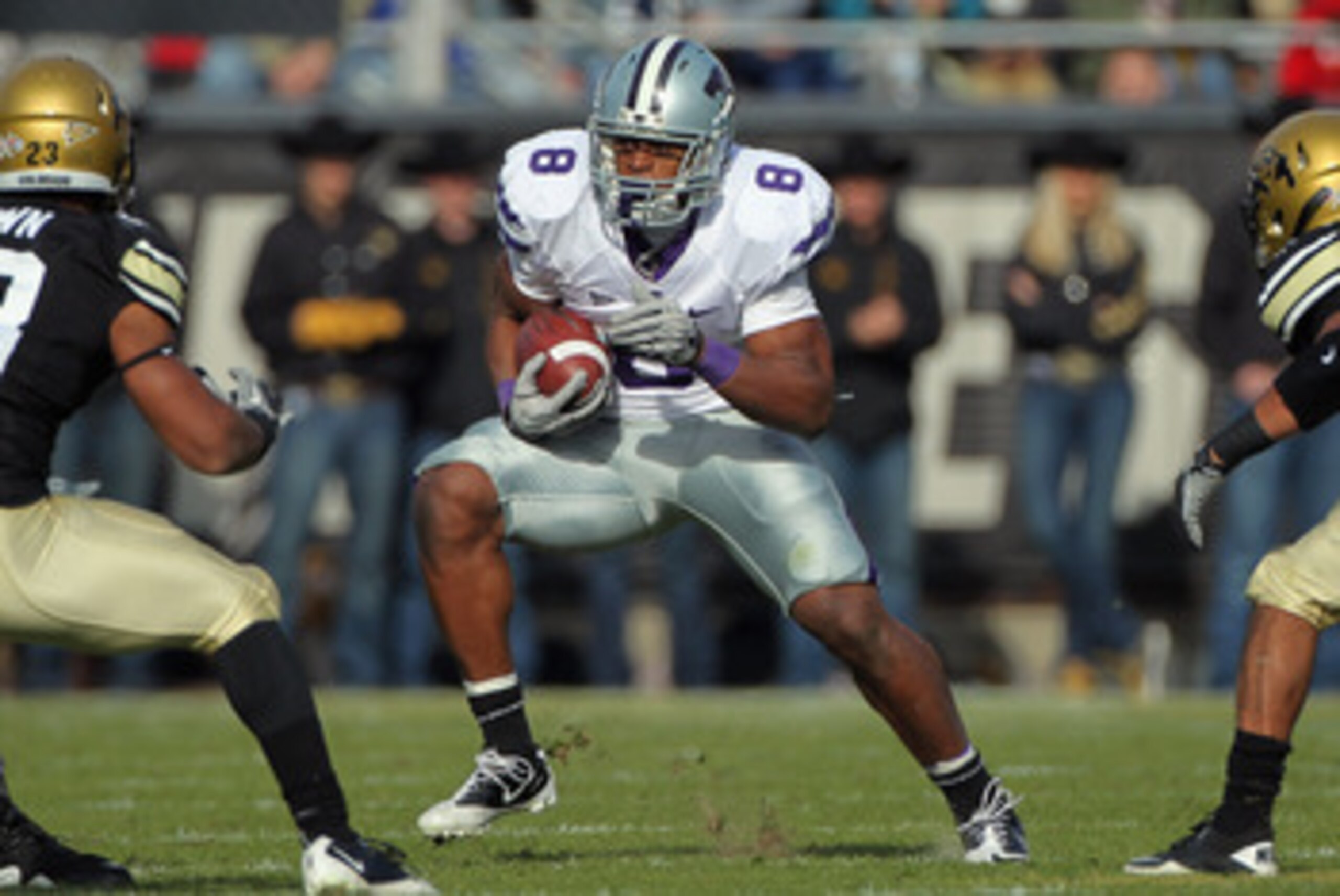
With the 62nd pick in the 2011 NFL Draft, the Miami Dolphins selected running back Daniel Thomas from Kansas State.
Thomas is one of the most intriguing rookies in the class. Miami clearly drafted him with the intention of replacing Ronnie Brown, who will most likely leave in free agency. Thomas will get the chance to start from day one, and that makes him an interesting candidate for ROY.
At 6'0, 230, Thomas is able to find holes and hit them hard. He works hard to break tackles and eats defensive backs up in the open field.
While he doesn't always find the second gear he needs to make long runs, Thomas will be a solid addition to the Miami offense and could find success early in his career.
ODDS: 35-1
9b. Mark Ingram
2 of 20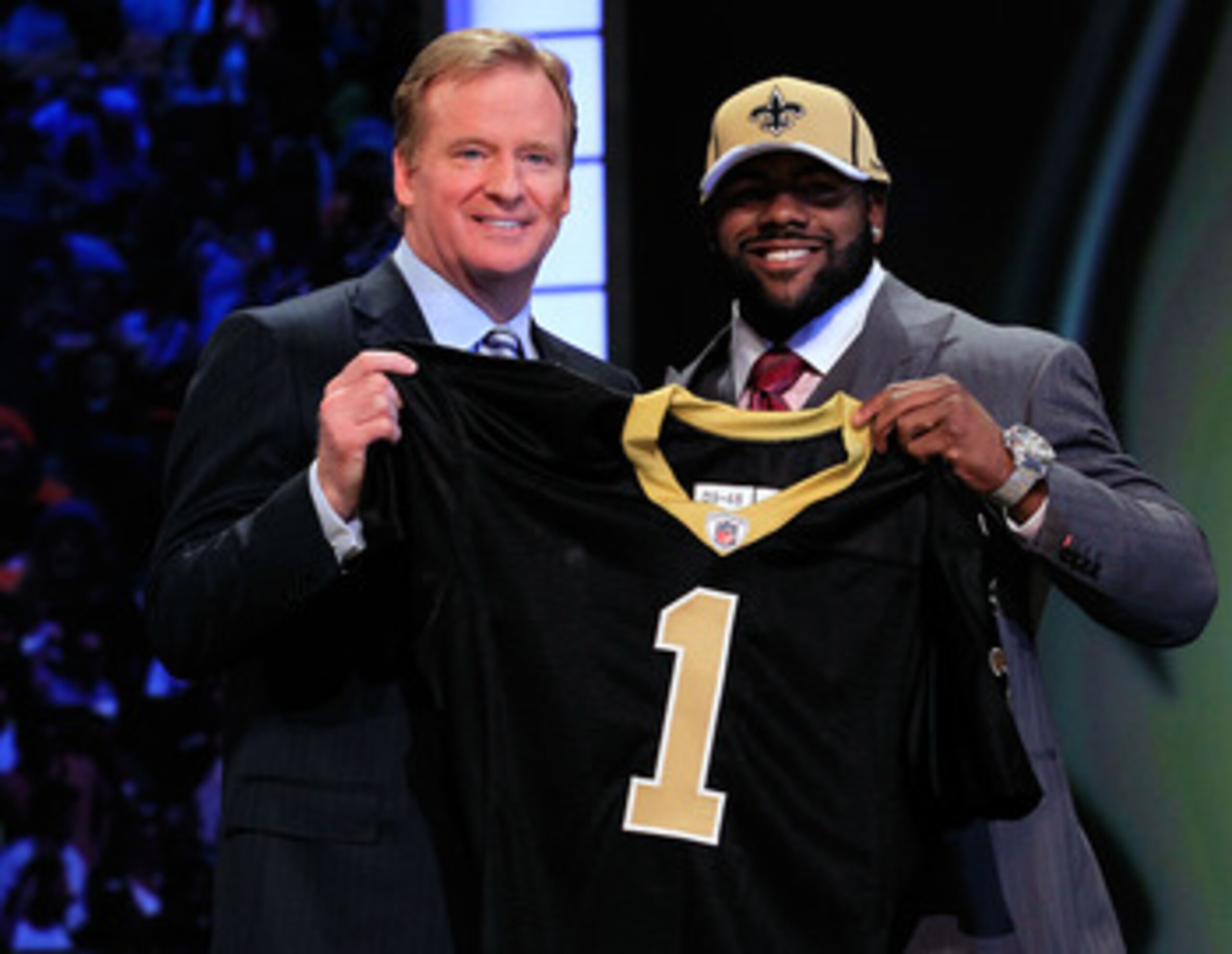
With the 28th pick in the draft, the New Orleans Saints selected running back Mark Ingram of Alabama.
Ingram, the son of a former NFL running back, won the Heisman Trophy in 2009 as a member of the BCS Champion Alabama Crimson Tide. Unfortunately for Ingram, his 2010 season was less successful. Nagging knee injuries led to him miss the first two games of the year after successful surgery.
Ingram could immediately fit into a backfield already crowded with Reggie Bush, Pierre Thomas and Chris Ivory. If he stays healthy, he could eventually take on a feature role. Ingram is a powerful runner and solid receiver that will be useful near the goal line in the early part of his career.
Of all the players on the list, Ingram has the greatest risk-reward factor. If he stays healthy, he could be a dominant running back. If his knee acts up again, his career could be short and uneventful.
ODDS: 30-1
8b. Ryan Williams
3 of 20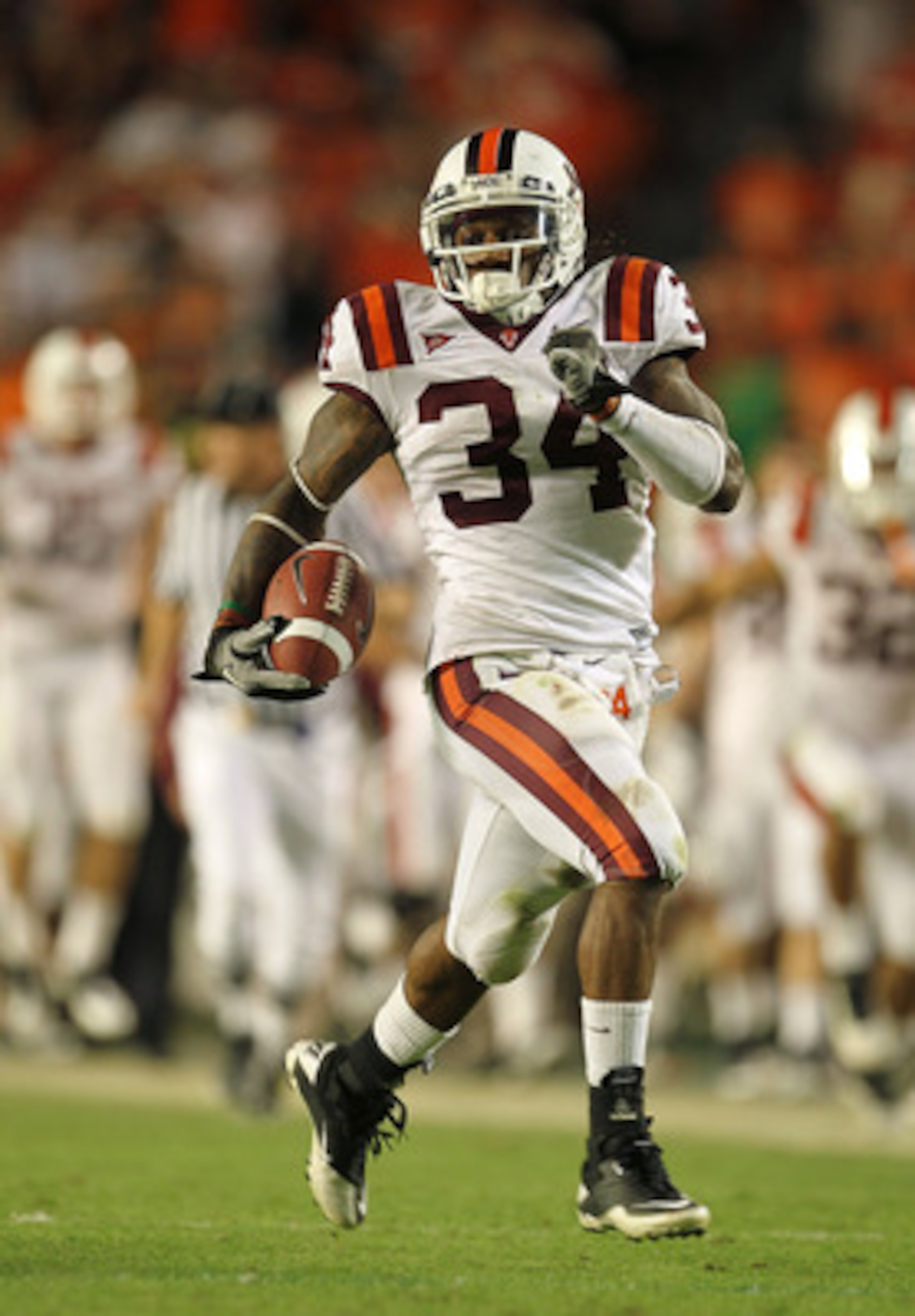
With the 38th overall pick in the draft, the Arizona Cardinals selected running back Ryan Williams of Virginia Tech.
Arizona has two serviceable backs in Tim Hightower and Beanie Wells, but neither have been able to claim the lead role in the offense. By drafting Williams, the Cardinals now have a back able to take the 15-16 carries per game required of a starter.
Williams has suffered from a string of injuries in the past, but still is unafraid to hit the hole and make big plays. He will also be serviceable out of the backfield on pass plays, but he needs to work on his blocking.
All in all, Williams is a good addition to the shaky Arizona backfield. In time, he could become a feature back loaded with potential (as long as he stays healthy).
ODDS: 30-1

7b. Andy Dalton
4 of 20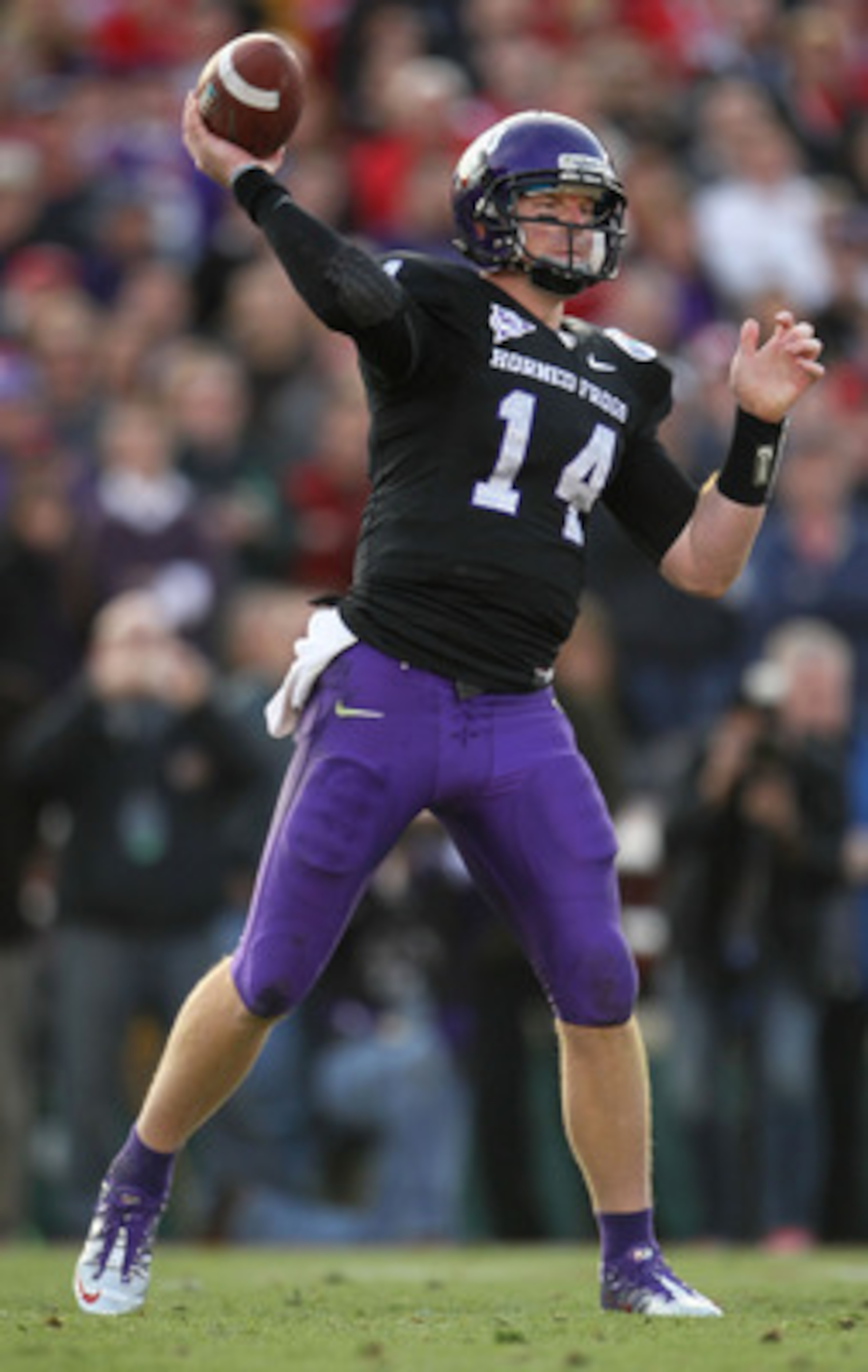
With the 35th overall pick in the draft, the Cincinnati Bengals selected quarterback Andy Dalton of TCU.
Cincinnati chose Dalton in the second round because of unknowns at the quarterback position. Carson Palmer has threatened to retire if he isn't traded, and the Bengals bought themselves insurance by taking Dalton.
Dalton is a very intelligent player who has no problems reading opposing defenses. The problem facing Dalton is that he played his college football using a spread offense, which means he will have to learn to drop back from under center.
His throwing motion will need to be tweaked as well, but Dalton has the mental tools to be a successful quarterback in the NFL. He's a long-term project, but has the potential to be a solid starter.
ODDS: 25-1
6b. Jake Locker
5 of 20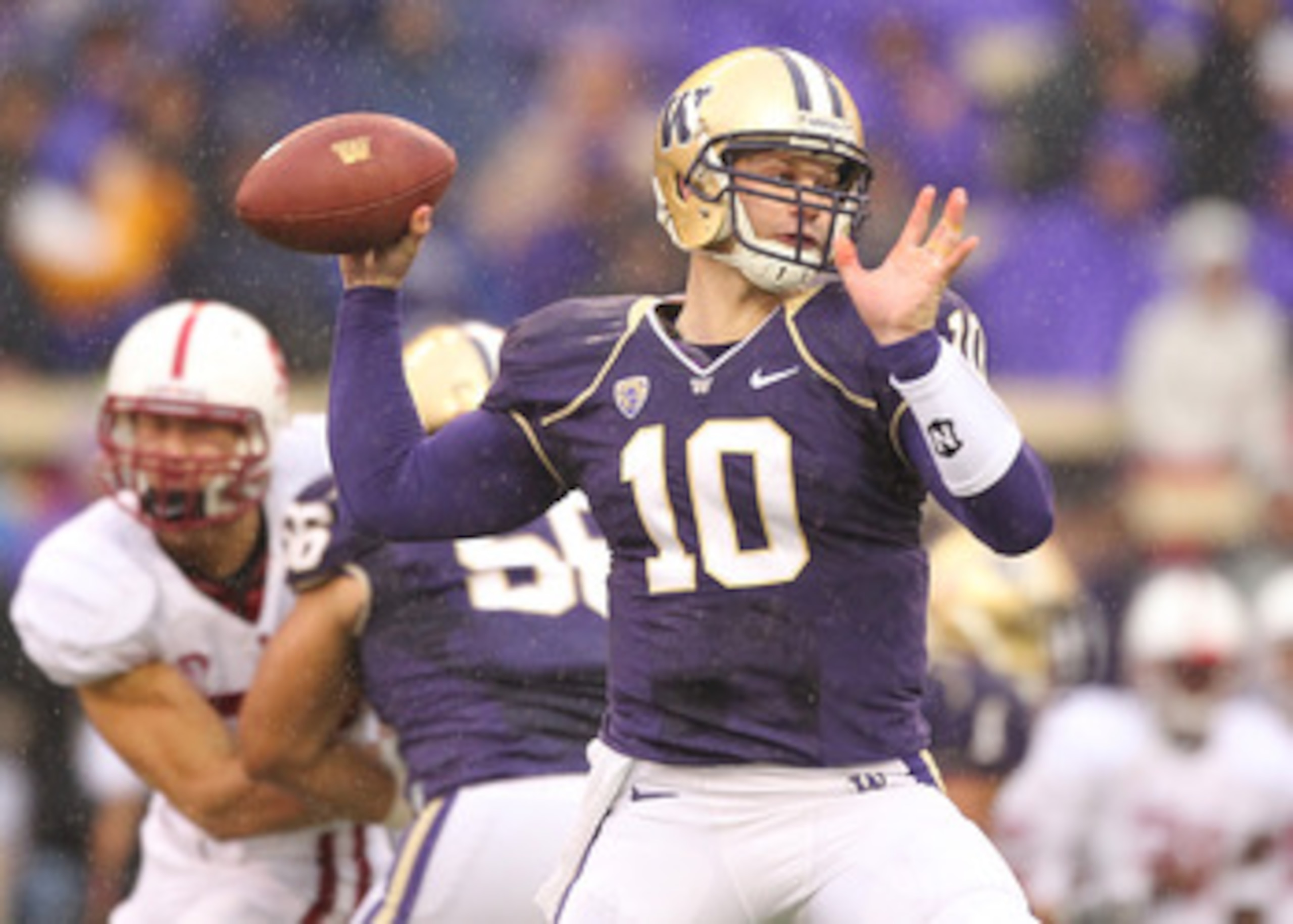
With the eighth pick in the draft, the Tennessee Titans selected quarterback Jake Locker of Washington.
In what may be remembered as the biggest shocker of the entire draft, Locker was chosen by Tennessee with Blaine Gabbert still on the board. While Locker was once considered an option at No. 1 (before last season), a poor final season at Washington and concerns over his technique made him fall down the board.
Will Tennessee's reach pay off? Locker's best attribute is his arm strength, which can also be considered his biggest liability. Locker sometimes struggles to put touch on passes, and occasionally forces throws because of his strength.
Locker is a project, but one with a high potential reward. He can move outside the pocket and can make plays on the ground with his feet. If Tennessee starts him from day one, Locker can make a huge impact on the Chris Johnson-heavy offense.
ODDS: 20-1
5b. Colin Kaepernick
6 of 20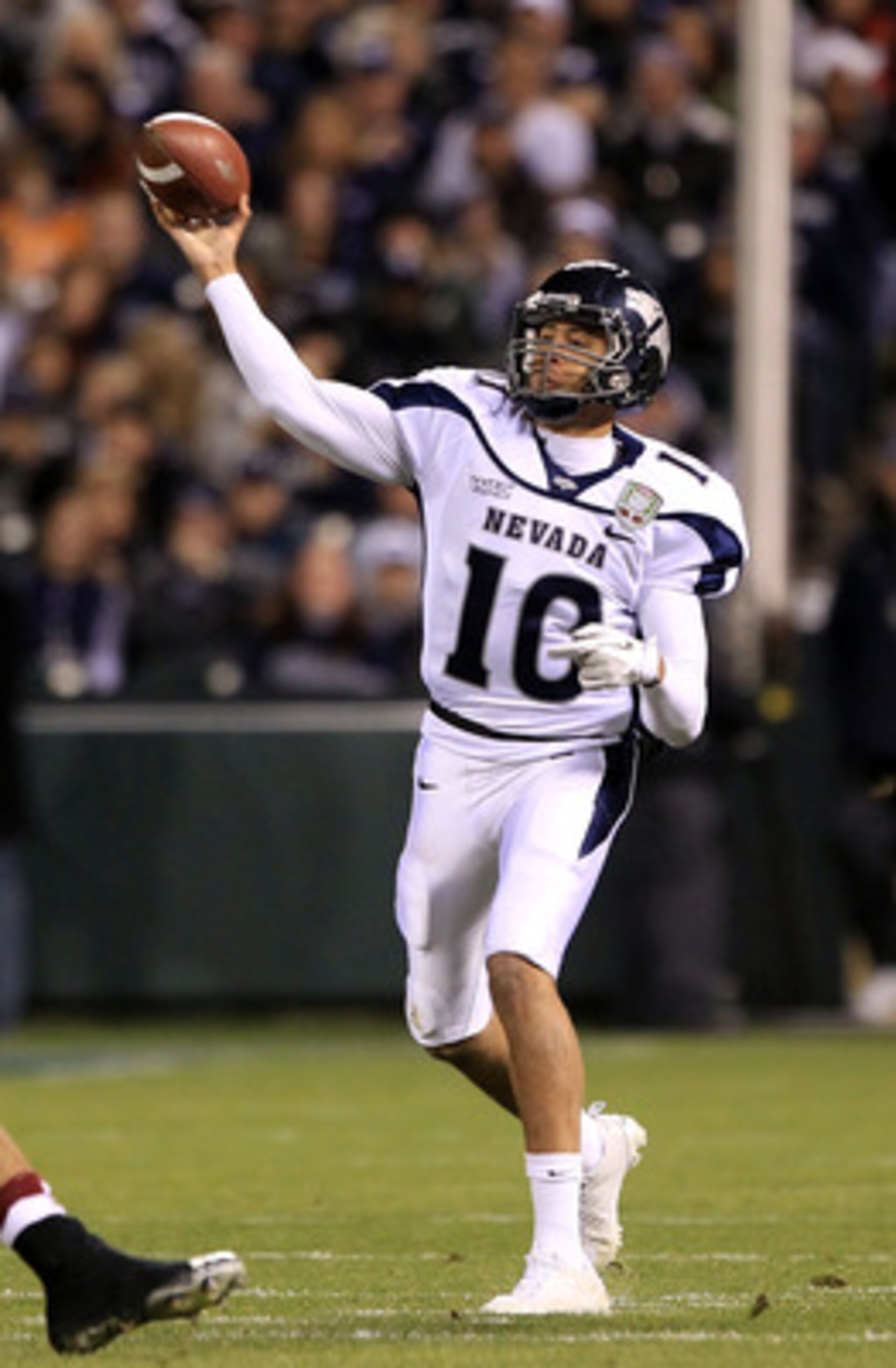
With the 36th pick in the draft, the San Francisco 49ers selected quarterback Colin Kaepernick of Nevada.
Many expected San Francisco to select Blaine Gabbert with their first round pick. Instead, new 49ers head coach Jim Harbaugh chose defensive end Aldon Smith and waited until the second round to choose his field general.
Kaepernick is a prospect that will get a lot of help from the talent around him. Having Frank Gore, Michael Crabtree and Vernon Davis will help hide the flaws in his game. Kaepernick has a laser for an arm and can create opportunities outside the pocket, but his poor accuracy will cause him problems.
The best thing about San Francisco's situation is Harbaugh, the former Stanford head coach. Under Harbaugh's tutelage, Kaepernick will be able to maximize his strengths, making him a dark horse candidate for ROY.
ODDS: 20-1
4b. Christian Ponder
7 of 20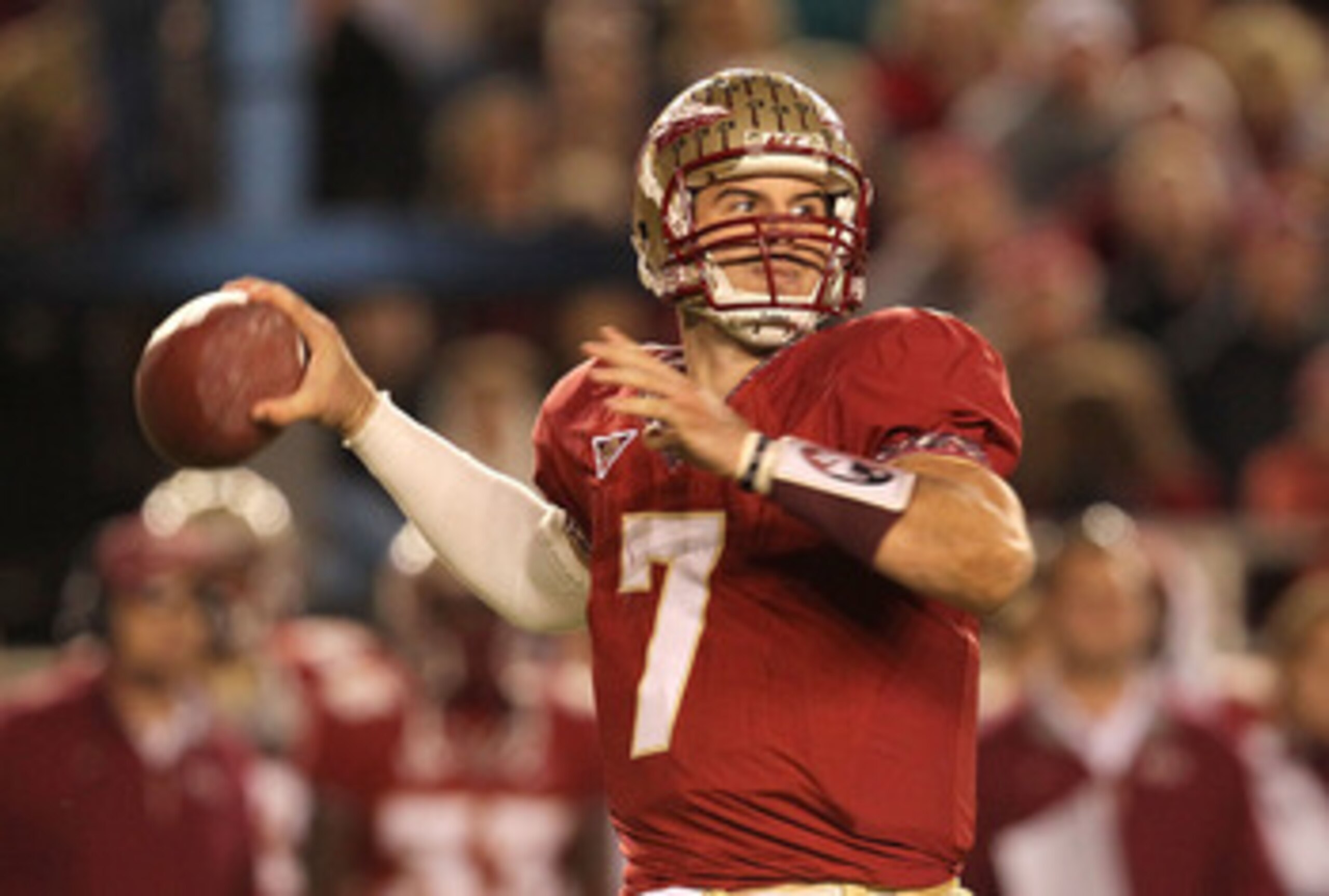
With the twelfth pick in the draft, the Minnesota Vikings selected quarterback Christian Ponder of Florida State.
For Minnesota fans, 2010 was nothing short of a disaster. Brett Favre returned for (as of now) his final season, and spent much of the second half of the year on the sideline. The Vikings ended the season with the young and inexperienced Joe Webb as their starting quarterback.
Minnesota drafting Ponder was one of the biggest surprises of the first round, as he was expected to be a late first rounder at best. Vikings personnel were most likely swayed by Ponder's intelligence, one of his best qualities.
Ponder has struggled with durability issues, but his accuracy and ability to read defenses will serve him well in the NFL. It won't hurt that he has a solid receiving corps and an All-Pro running back in Adrian Peterson supporting him.
Ponder has the ability to surprise his doubters this season, and will be a solid candidate for ROY.
ODDS: 10-1
3b. Julio Jones
8 of 20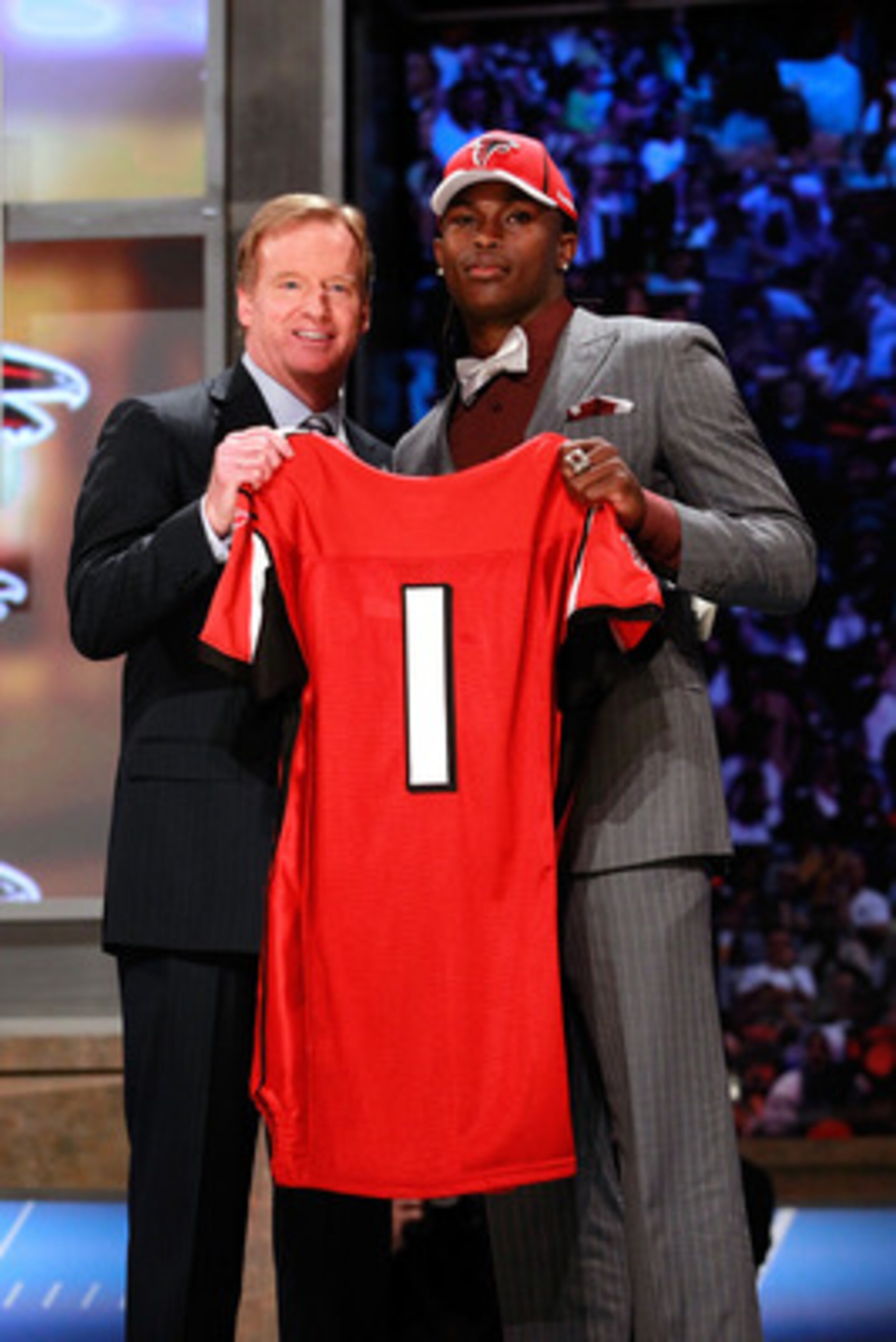
With the sixth pick in the draft, the Atlanta Falcons selected wide receiver Julio Jones of Alabama.
In order to draft Jones, the Falcons traded the 27th, 59th, and 124th picks from the 2011 draft, and their first and fourth round picks in 2012 to Cleveland in exchange for the sixth pick.
Many have questioned the choice to trade up for Jones, especially considering the number of picks sent to Cleveland in return. However, Atlanta seems to believe they are only one or two pieces away from a Super Bowl. They consider Jones to be one of those pieces.
Putting Jones alongside Roddy White will be useful for his development. Despite being 6'3 and having a fracture in his foot, Jones ran a 4.34 40-yard dash at the draft combine. Speed is his biggest asset, and it will help him create openings and overcome his tendency to drop balls.
Jones has confidence in bunches and is unafraid to help his team in any way, as evidenced by his prowess for open-field blocking.
If Matt Ryan throws his way enough, look for Jones to make a run for ROY.
ODDS: 10-1
2b. Cam Newton
9 of 20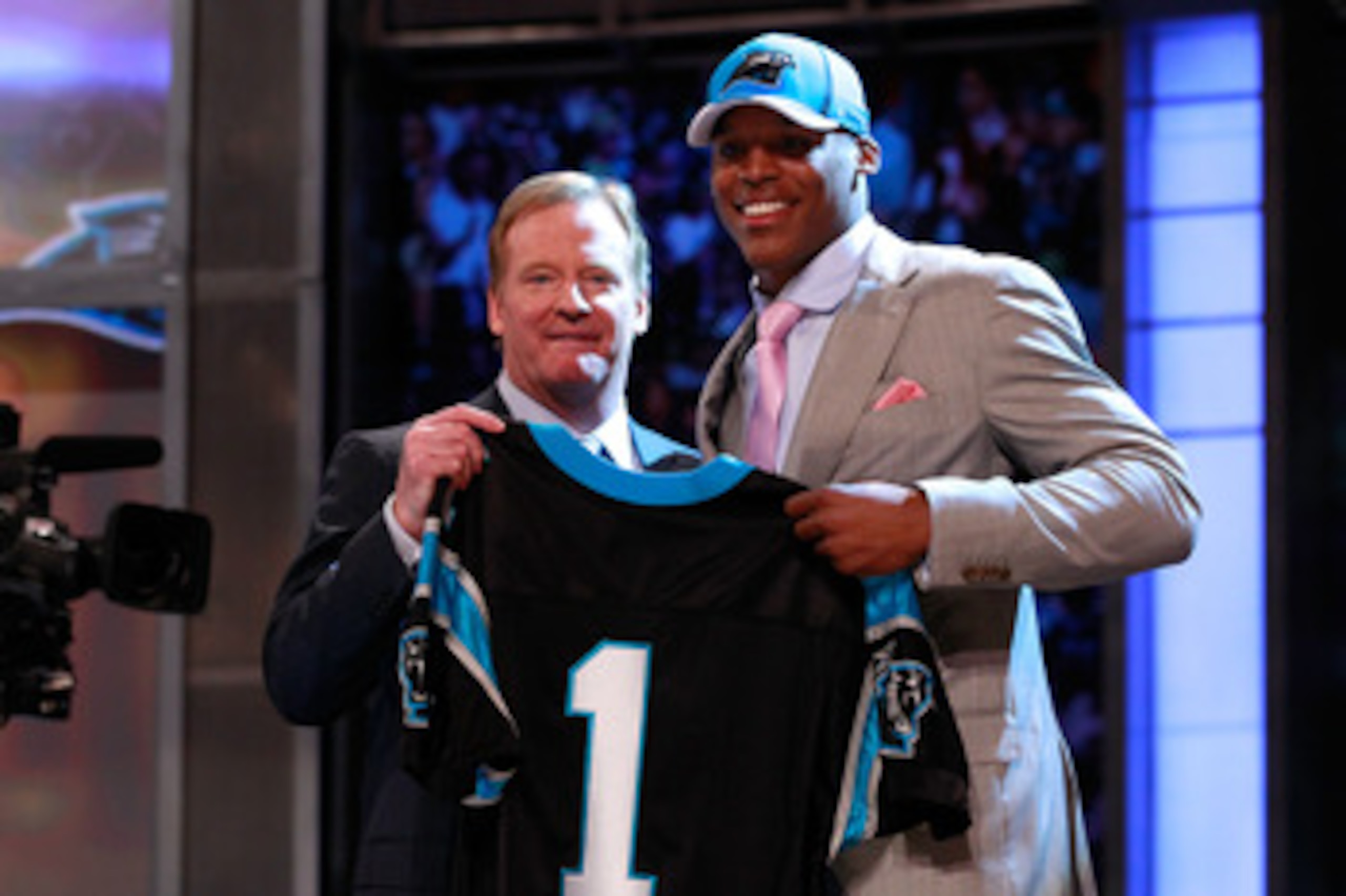
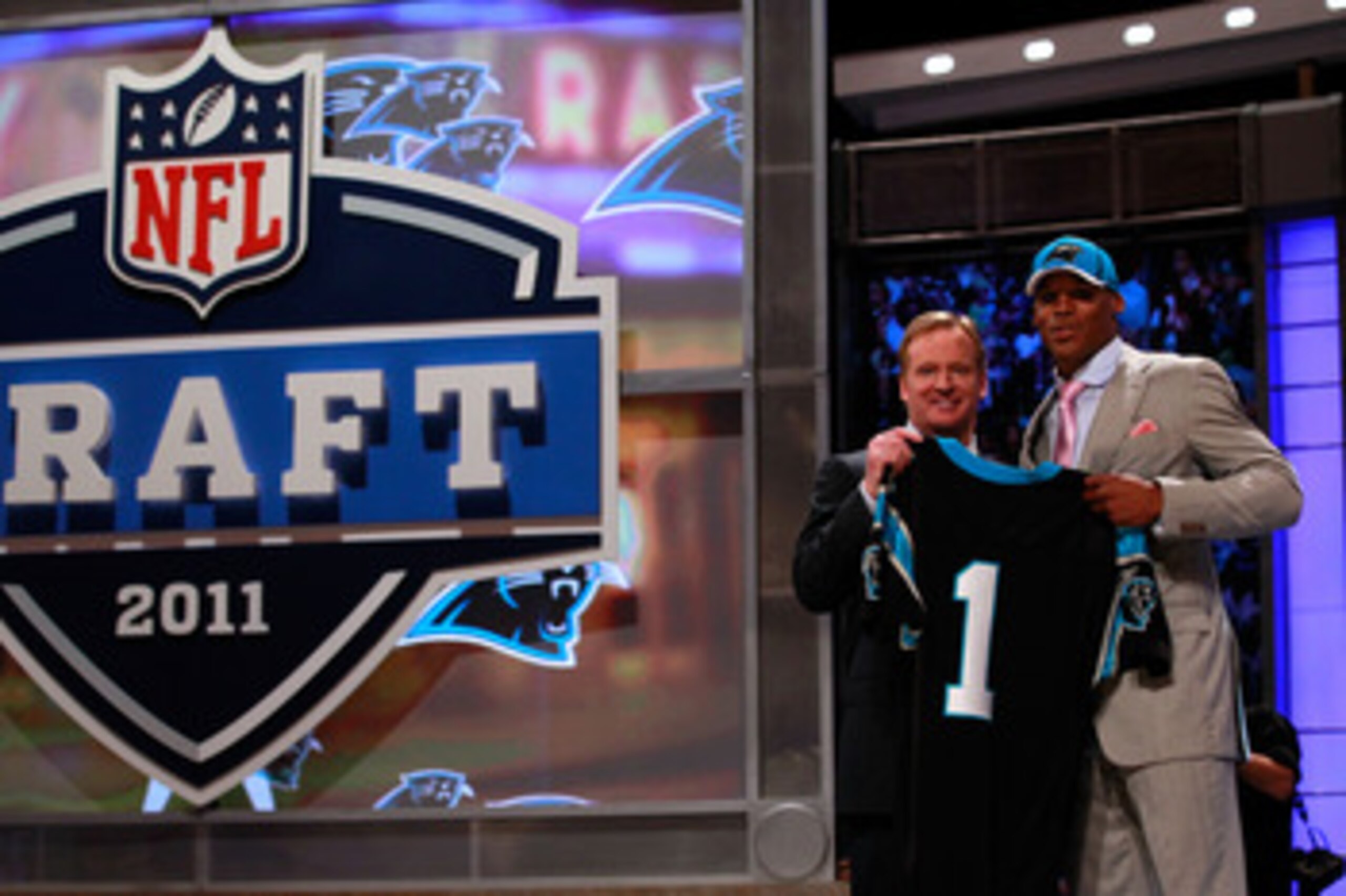
With the first overall pick in the draft, the Carolina Panthers selected quarterback Cam Newton of Auburn.
Newton was by far the most polarizing figure in all of the draft. Some praised him as a player with a unique set of skills who can excel as a dual-threat quarterback. Others criticized his lack of experience under center, and compared him to former Oakland Raider draft bust Jamarcus Russell.
In the end, Carolina decided that Newton would be their quarterback of the future, with future being the operative word. The Panthers still have Jimmy Clausen and Matt Moore on the roster, so there doesn't have to be a rush to put Newton in right away.
Carolina will be flat early in the year, due to the lack of talent on offense. Pair that with the assumption that spotty play from Clausen and Moore will continue, and calls for Newton to play will grow louder by the week.
Newton has speed that many his size don't possess as well as a cannon for an arm. There will be a learning curve for him, but his playmaking ability should shorten his development time.
If Newton does start for the majority of the season, look for him to be a prime candidate for ROY.
ODDS: 7-1
1b. A.J. Green
10 of 20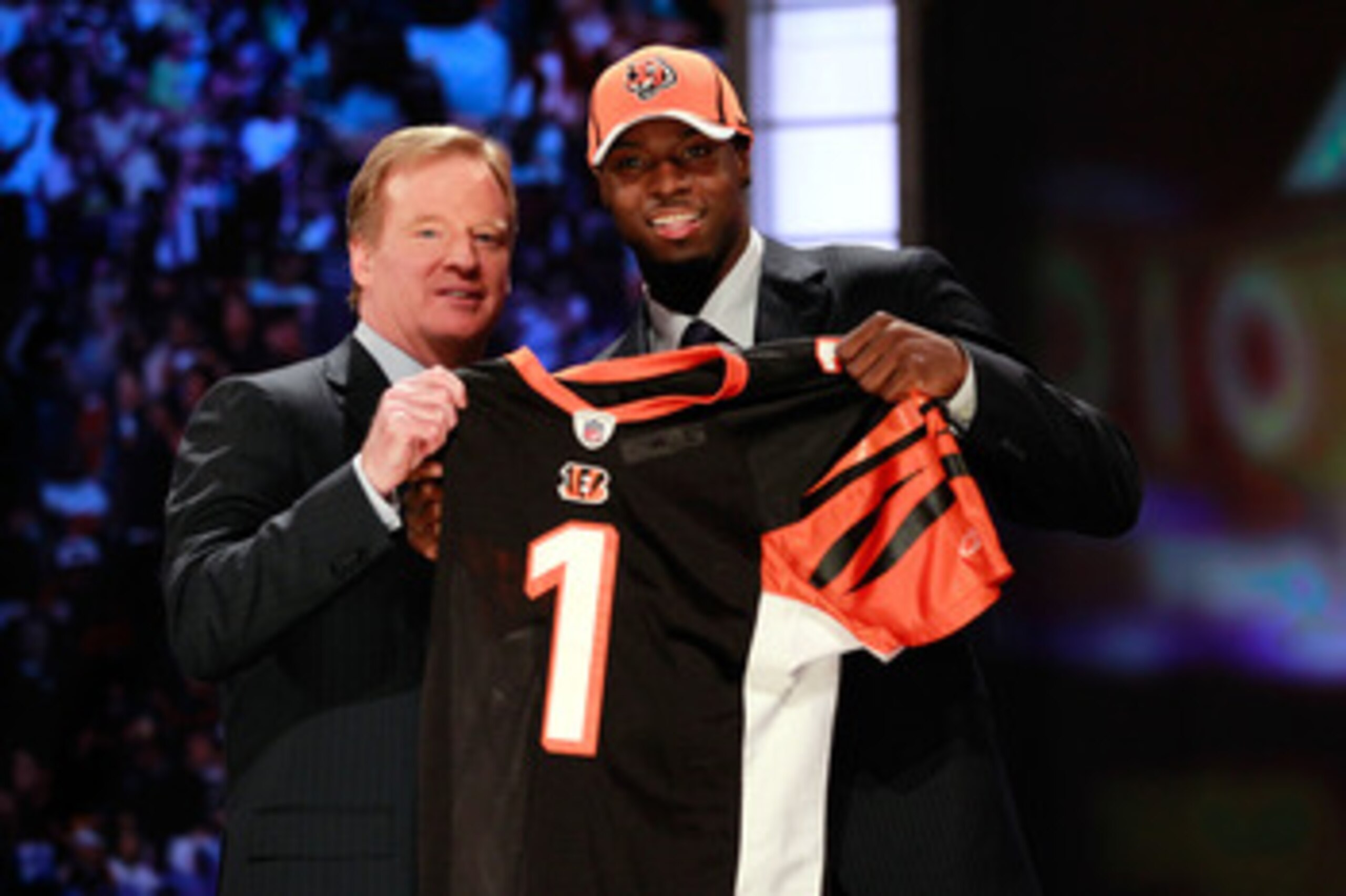
With the fourth pick in the draft, the Cincinnati Bengals selected wide receiver A.J. Green of Georgia.
Green was highly regarded as the best receiver in the class and even considered the best overall prospect by some. His selection by Cincinnati was cheered by Bengals fans, and comes at a good time for the franchise.
Chad Ochocinco and Terrell Owens will most likely not be wearing orange and black stripes next season. By picking Green, Cincinnati gave Carson Palmer (if he stays) or Andy Dalton their target of the future.
Green has phenomenal hands, good speed, and the ability to make spectacular catches. At 6'3, he has the size to go up and make catches against any secondary.
While his initial growth may suffer because of the instability at the quarterback position, Green should establish himself as a superstar once the issue is resolved. At the very least, Green will make both quarterbacks better and position himself as a strong candidate for ROY.
ODDS: 3-1
10a. Da'Quan Bowers
11 of 20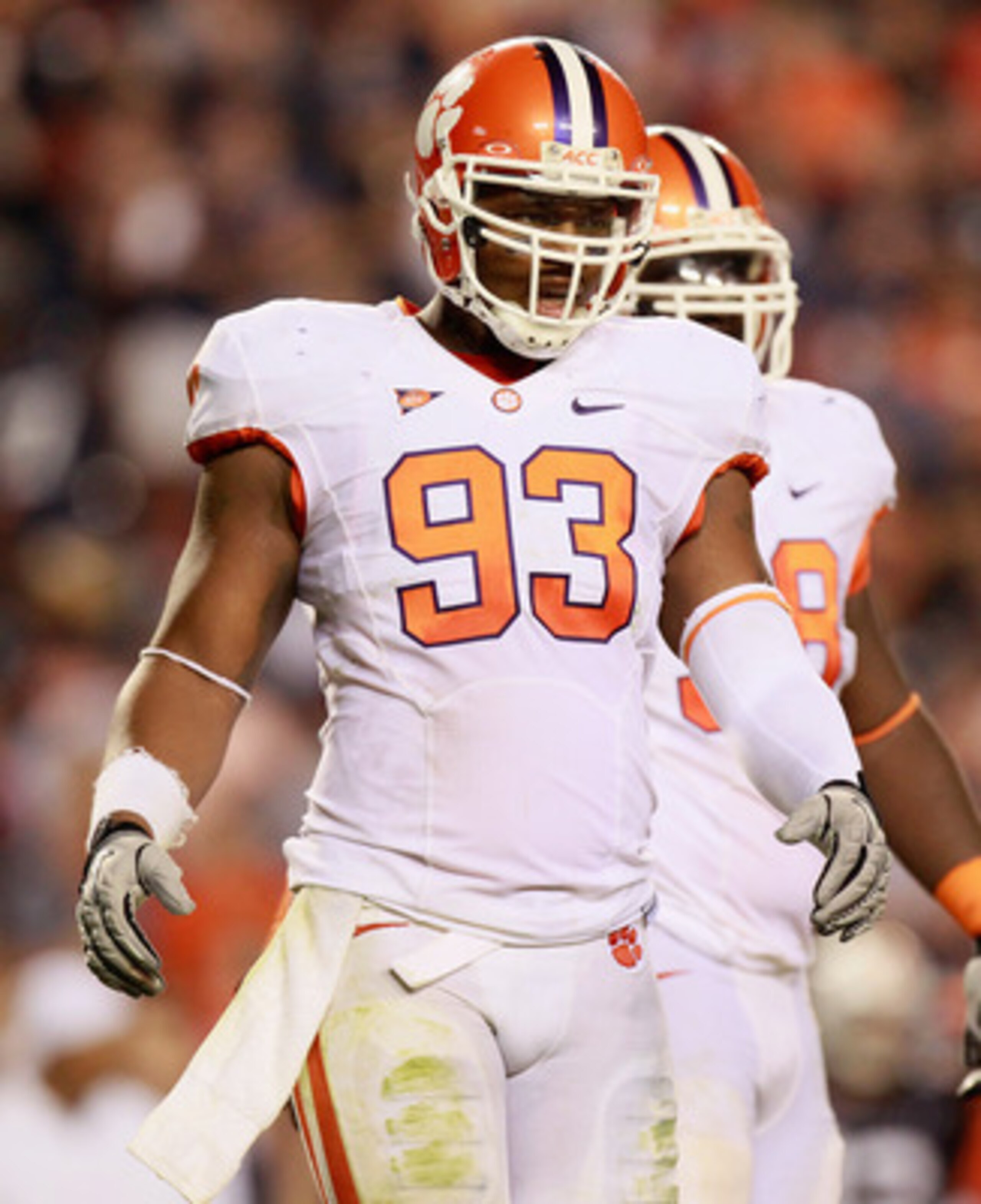
With the 51st pick in the draft, the Tampa Bay Buccaneers selected defensive end Da'Quan Bowers of Clemson.
Bowers was highly regarded as one of the best prospects in the draft, and for a while was considered a lock to go in the top five. Bowers began to slide down draft boards as a result of offseason knee surgery, and went into a free fall on draft day.
Tampa Bay took a risk on Bowers in the second round, but could reap huge benefits if he stays healthy. Bowers was an explosive rusher in college, but most likely will be slowed by NFL lines. His main strength is in run stopping, which makes him a starting candidate from day one.
Bowers combines strength and good tackling form, and is a dominant presence on the line. Putting him alongside Gerald McCoy in Tampa will create a fearsome line to be reckoned with.
ODDS: 35-1
9a. Robert Quinn
12 of 20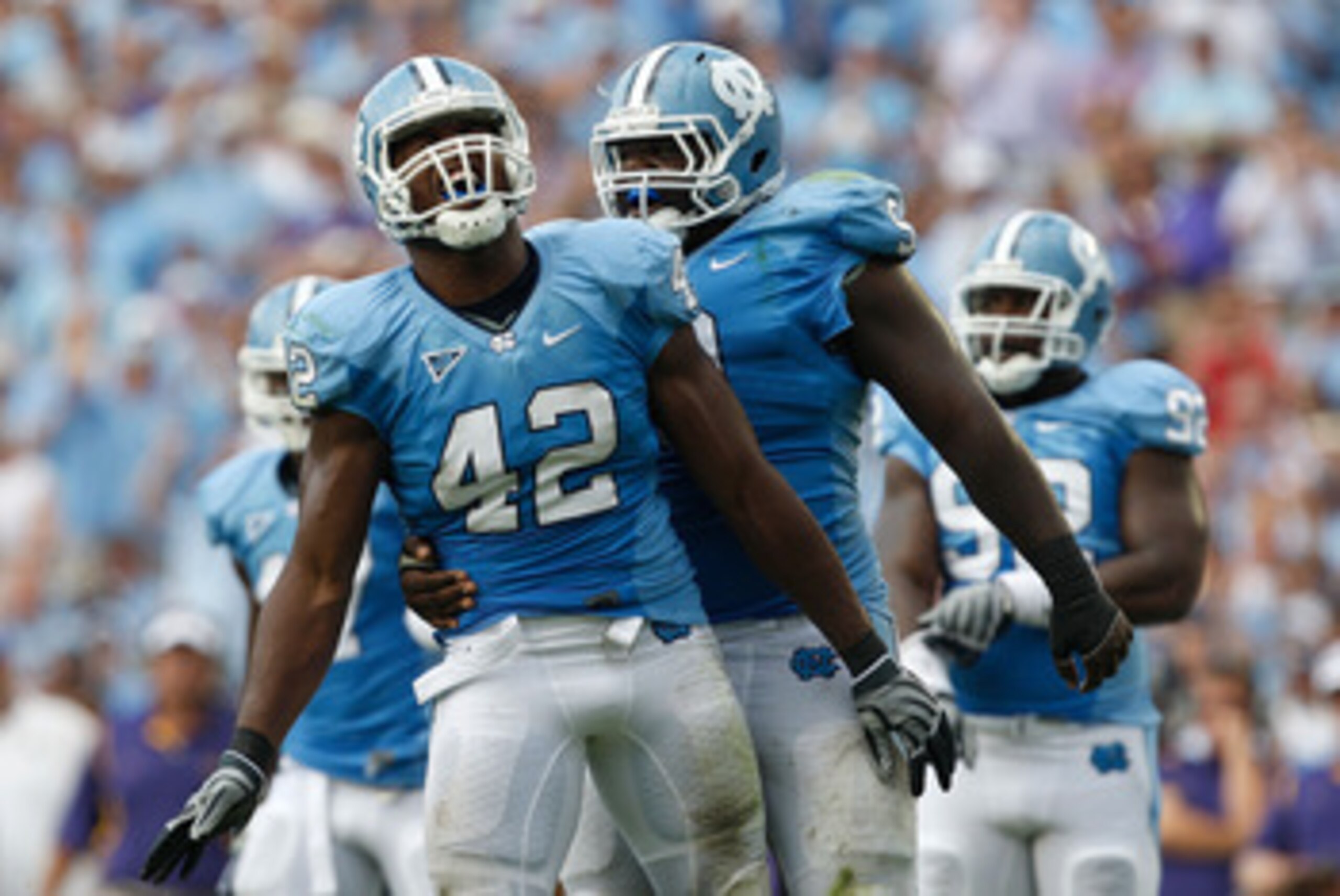
With the 14th pick in the draft, the St. Louis Rams selected defensive end Robert Quinn of North Carolina.
Quinn is another of the risk-reward players that dotted the draft boards of many teams. After missing the 2010 season due to NCAA violations, Quinn's draft stock rose as the draft approached.
St. Louis drafted him to help solidify their defensive line. Quinn is explosive and has immense raw talent, but it hasn't translated directly into his skills yet. He needs polish in his pass rushing, and isn't consistent in the run game. That said, you can't teach athleticism, and that's what makes Quinn so intriguing.
Quinn isn't the best bet for ROY, but he has an outside chance at making an immediate impact.
ODDS: 30-1
8a. Prince Amukamara
13 of 20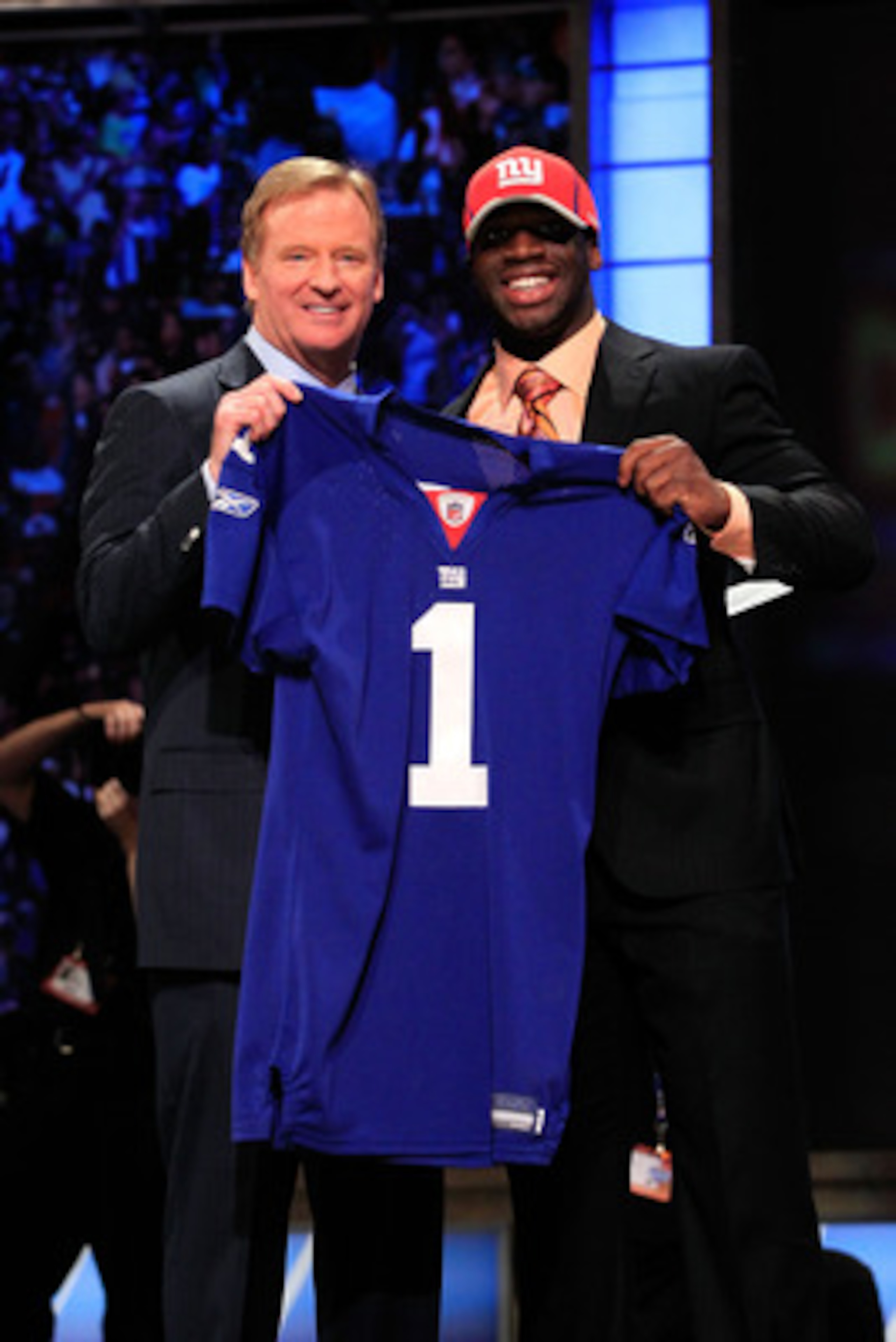
With the 19th pick in the draft, the New York Giants selected corner Prince Amukamara of Nebraska.
Amukamara was considered by many to be the most NFL-ready in the cornerback class. He was projected to go as high as No. 5 to Arizona, but began to free fall when several quarterbacks and linemen were taken in the 8-15 range.
The New York Giants snatched up the young Nebraska corner at No. 19, who should compete for the second corner spot on their defense. Amukamara's strengths include his quick reaction time and closing speed, which should help him enormously as young corners tend to get beaten early.
He plays physical and has the foot speed to keep up in man coverage. The flaws in Amukamara's game come from his mentality. He tends to be too aggressive, especially when biting on fakes.
That said, these are all issues that will be fixed with time. Given time to develop, Amukamara should be a star in the league for years to come.
ODDS: 30-1
7a. Von Miller
14 of 20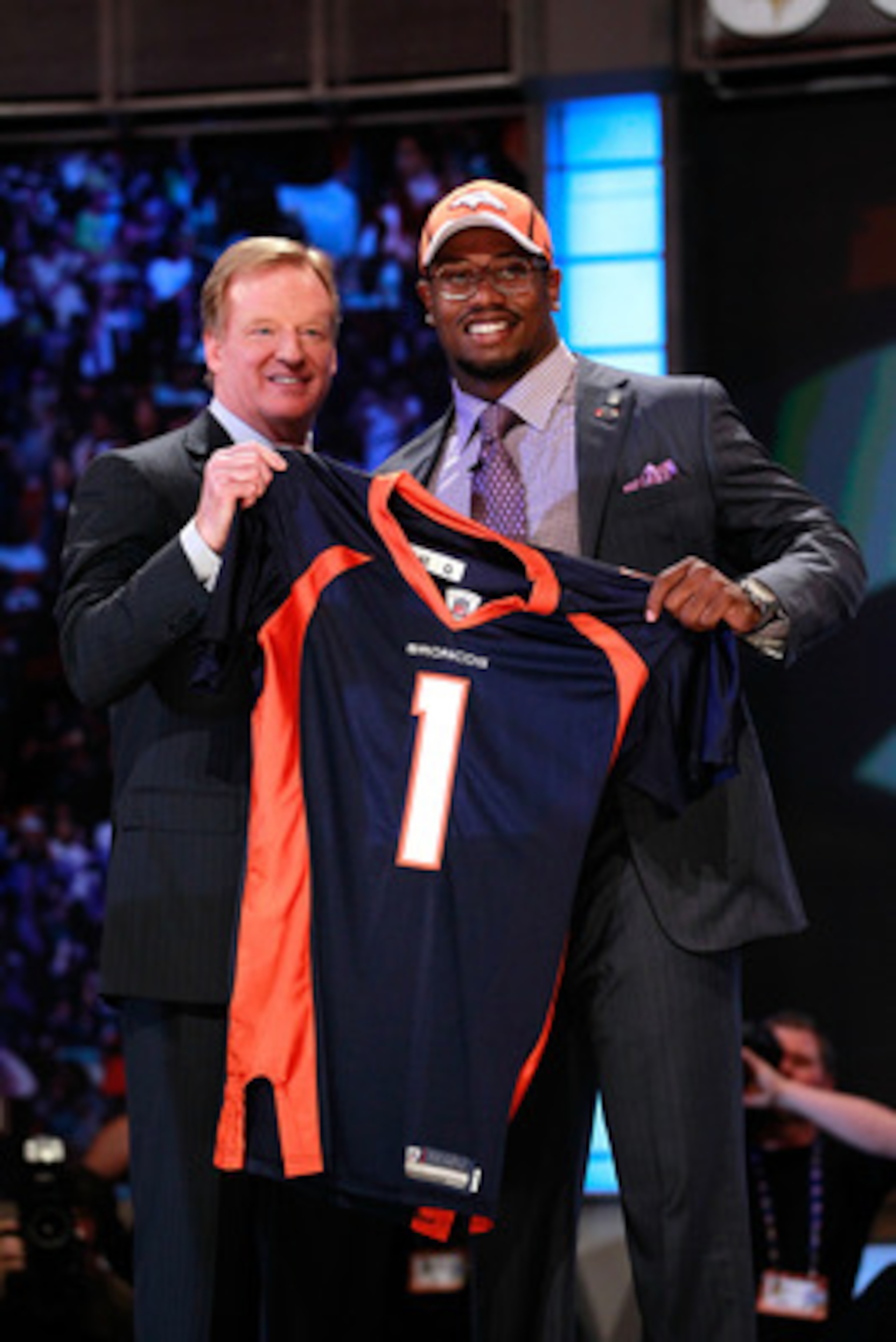
With the second pick in the draft, the Denver Broncos selected linebacker Von Miller of Texas A&M.
Miller excelled at Texas A&M in his senior season, especially when rushing the quarterback. He finished first in the Big 12 in sacks, racking up 10.5. Pass rushing continues to be his best skill, but experience in the NFL will help him improve his run-stopping.
Unfortunately for Miller, he doesn't fit in very well with the Broncos 4-3 defense. While he would fit in well as a 3-4 outside linebacker, Miller may at times have to move over to play end. His role is not clearly defined, but his skills will help him find a spot in Denver.
Look for Miller to take some time before he makes an impact on the Bronco's defense. He'll be a star in time, but he isn't a favorite to win Defensive ROY.
ODDS: 30-1
6a. Jimmy Smith
15 of 20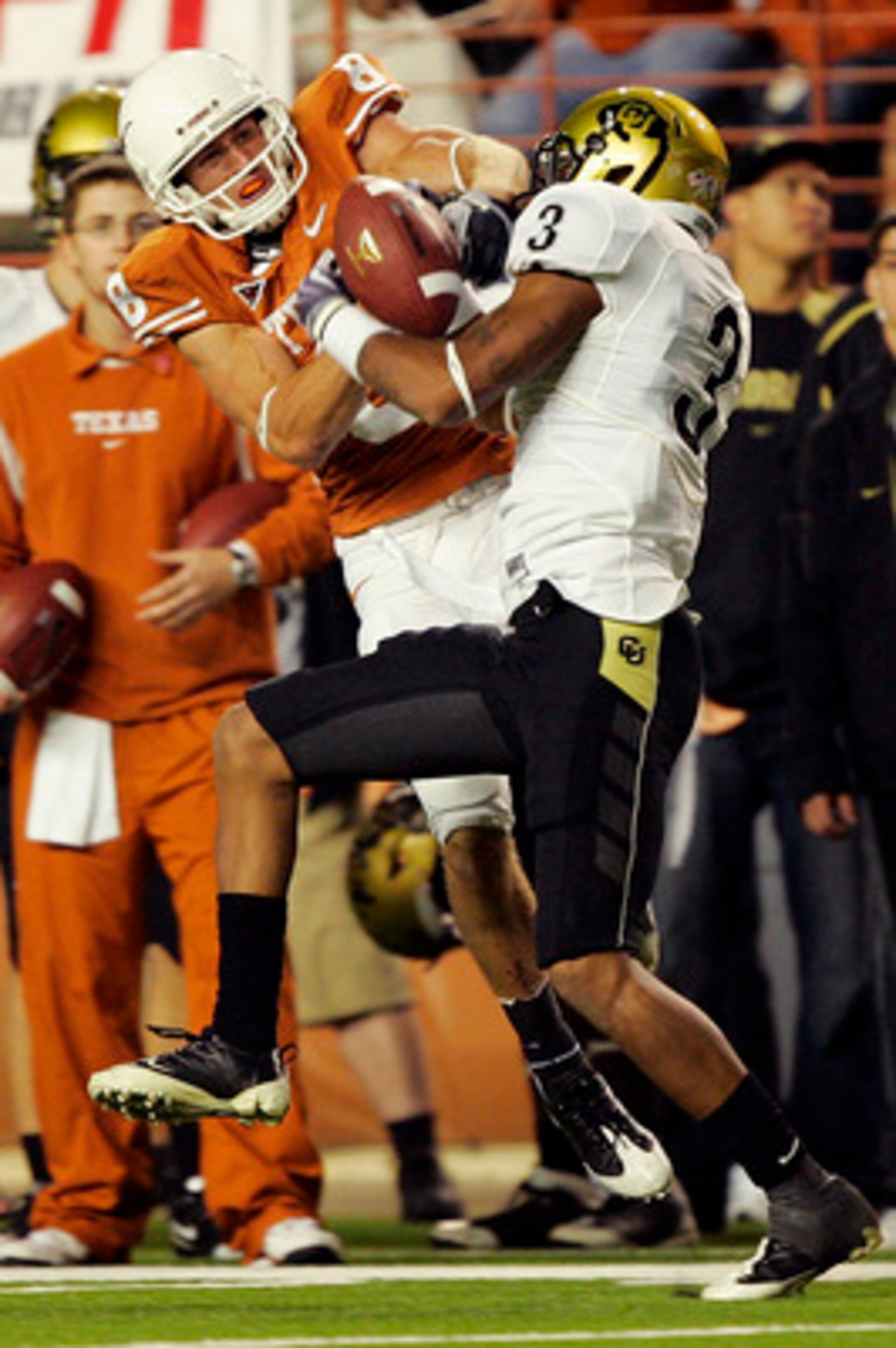
With the 27th pick in the draft, the Baltimore Ravens selected corner Jimmy Smith of Colorado.
Smith would have most likely been a higher draft pick if it weren't for personal issues in his past.
Smith tested positive for drugs in 2007, and was arrested twice. Thankfully for the Ravens, he's stayed out of trouble since. The concerns over his personal problems should fade away, as Smith has teammates like Ray Lewis to look to as examples of how to overcome controversy off the field.
Physically, Smith is fast and strong. He has the size (6'2) to be good against the run and cover taller receivers. Mentally, he has a great deal of confidence and is unafraid to compare himself to the best in the league. Smith is a leader on the field, and should fit in well with the experienced Ravens secondary.
Look for Smith to make an immediate impact on the Ravens defense from training camp on.
ODDS: 20-1
5a. Nick Fairley
16 of 20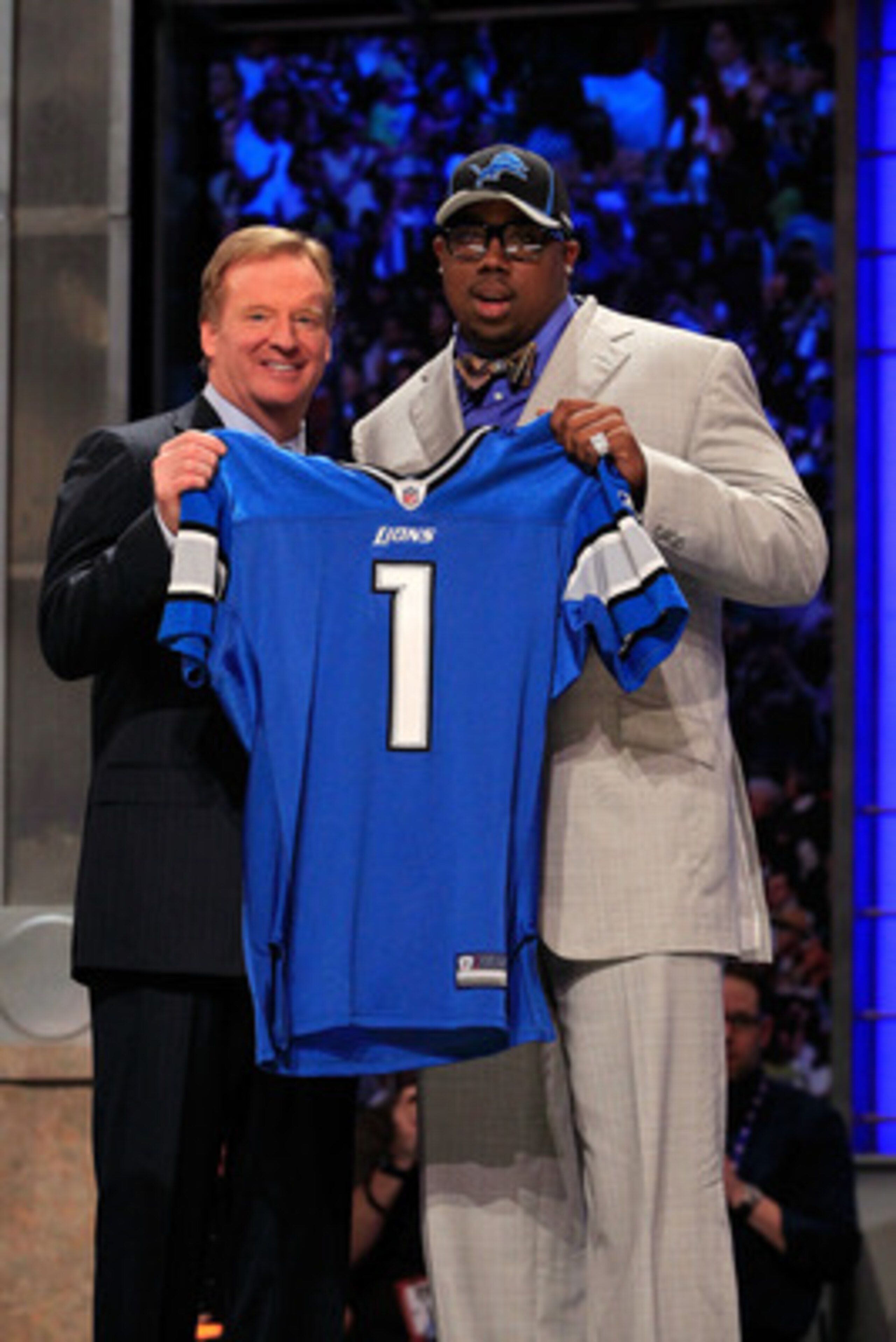
With the 13th pick in the draft, the Detroit Lions selected defensive tackle Nick Fairley of Auburn.
Fairley was once considered to be a possibility at No. 1 and a lock for the top five. Eventually, concerns over his stamina and lack of long-term college experience made him slide to Detroit at No. 13.
Detroit fans should be thrilled at the prospect of Fairley and Ndamukong Suh lining up next to each other. Fairley is explosive and loves to create space to make plays. Despite his size, he has shown the tendency to get blown away if his initial jump doesn't beat the lineman.
These are legitimate concerns, especially against bigger linemen in the NFL. However, if Fairley can get stronger and bulk up from 291, he could be a force to be reckoned with in the NFC North.
Look for Fairley to have a solid rookie season and challenge for a second straight Lions ROY.
ODDS: 12-1
4a. Cameron Jordan
17 of 20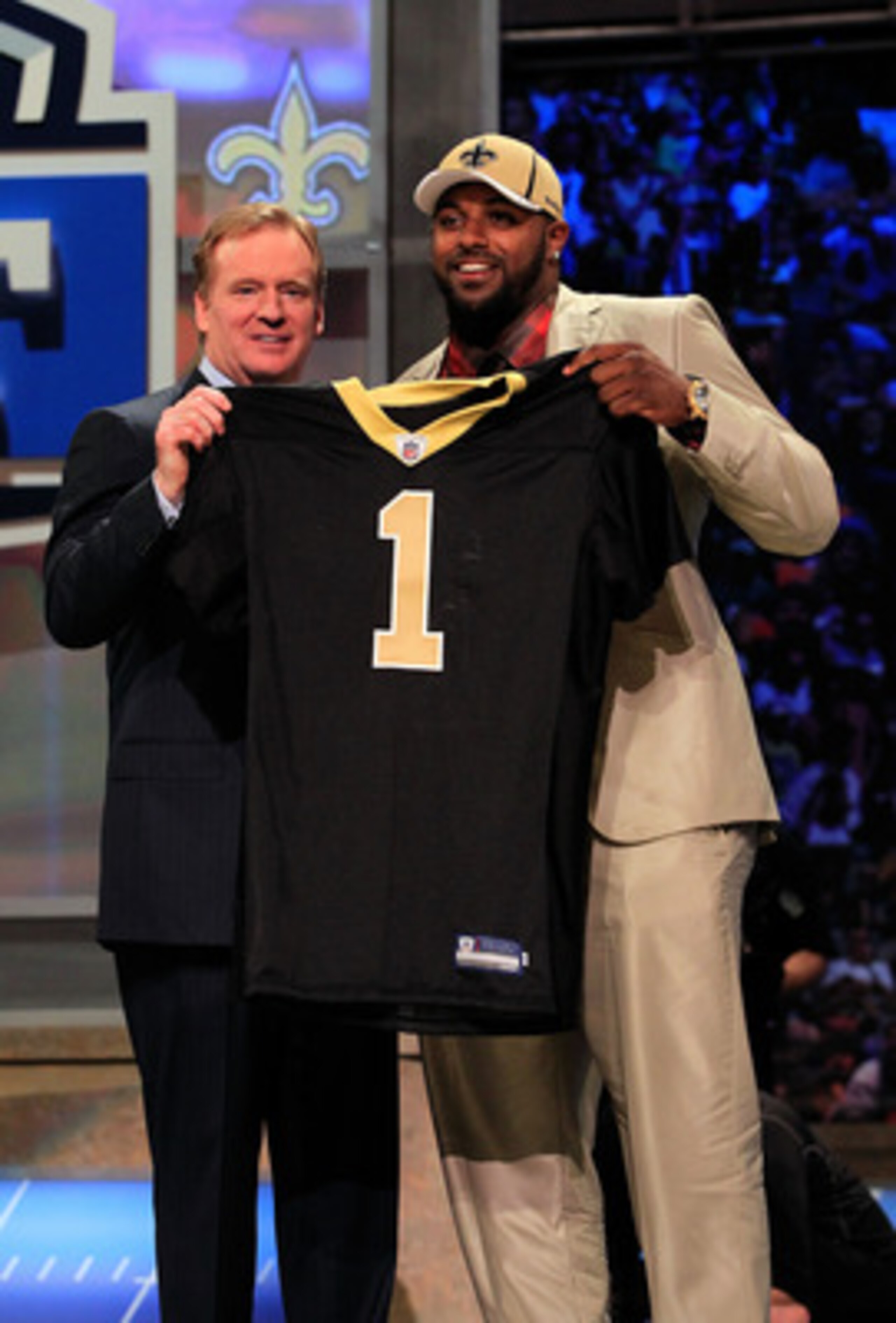
With the 24th pick in the draft, the New Orleans Saints selected defensive end Cameron Jordan of California.
Jordan was chosen by the Saints to fill a need on the defensive line. He was originally projected to go as high as No. 10, but fell down the board with all the surprises at the top of the draft.
While he may not be the fastest or most explosive of defensive lineman, Jordan makes up for those deficiencies with strength and willpower. He will never be known as a great pass rusher, but stops the run with the best of them.
Jordan won't rack up 15 sacks a season, but his strength and closing speed will buy him 8-10 per year. Look for him to make the Saints defense better immediately.
ODDS: 10-1
3a. Adrian Clayborn
18 of 20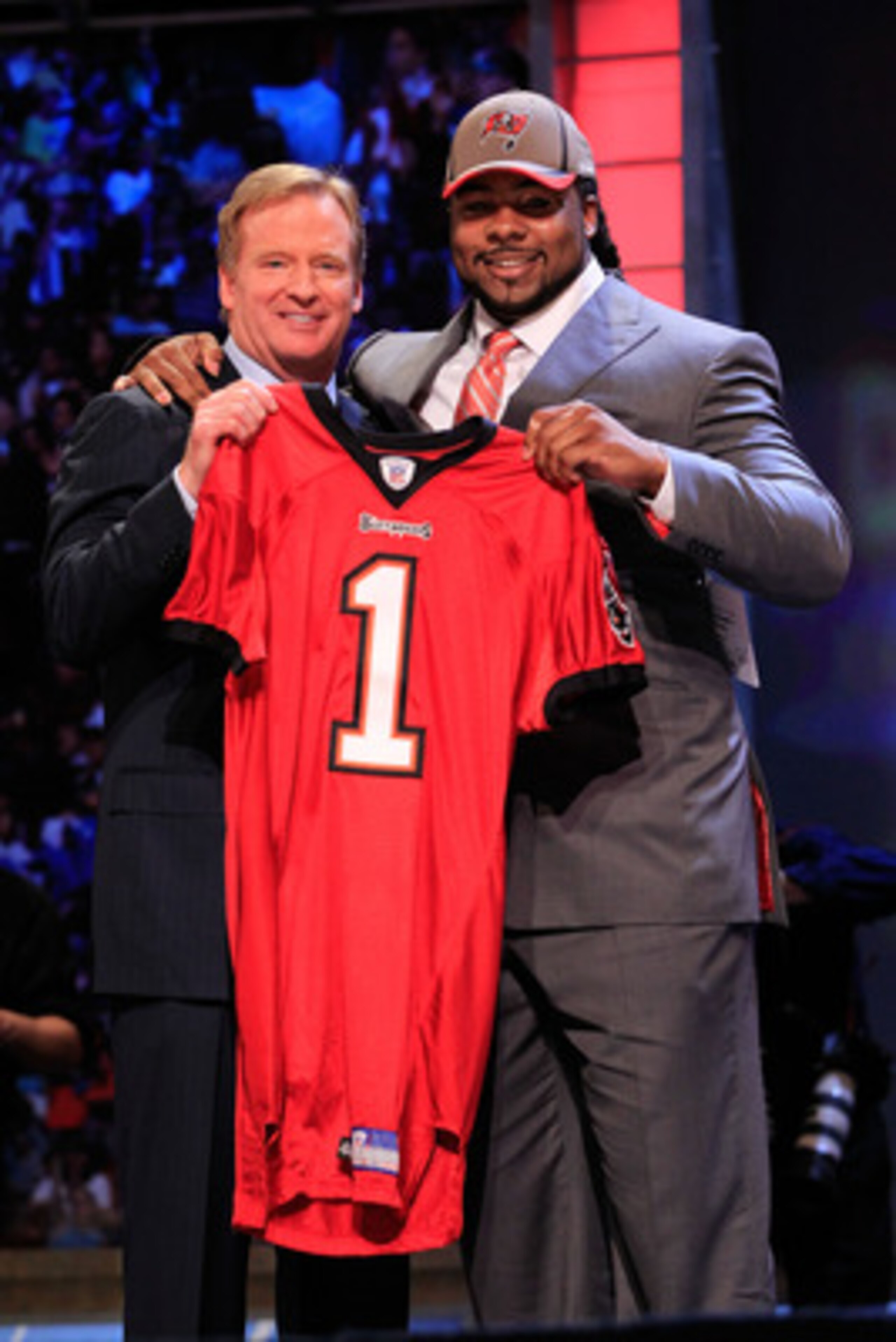
With the 20th pick in the draft, the Tampa Bay Buccaneers selected defensive end Adrian Clayborn of Iowa.
Clayborn appeared to be a monster for Iowa at times. While he won't be able to throw around NFL linemen, Tampa Bay clearly was enamored with his potential. At 6'3, 280, he has the size and strength to play end well at the next level.
Clayborn's pass rushing never stopped at the beginning of his Iowa career, but he slowed slightly in that department in 2010. His run-stopping only needs polish, and he is a good tackler who rarely loses the runner.
He appears on the list in my mind (like Da'Quan Bowers) because of the "McCoy factor." Clayborn and Bowers (if healthy) will create a monster defensive line with Gerald McCoy; one that will be a force for years.
Look for solid production and flashes of dominance from Clayborn.
ODDS: 7-1
2a. Marcell Dareus
19 of 20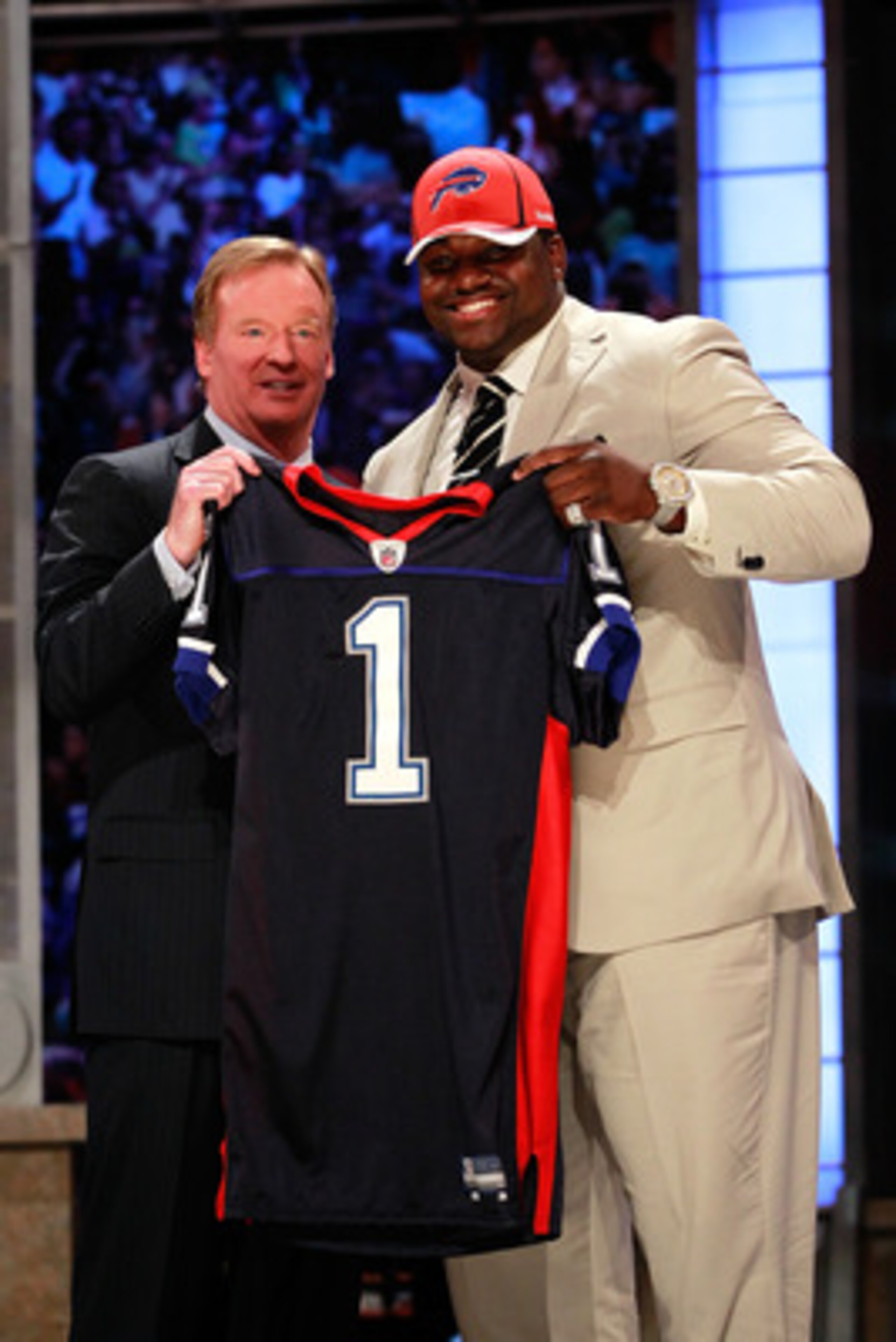
With the third pick in the draft, the Buffalo Bills selected defensive tackle Marcell Dareus of Alabama.
Dareus will finally give Bills fans something to cheer about on defense. He is explosive, quick for his size and can be an anchor in the middle of the defensive line. While he may not be the fastest tackle in the game, he has the speed necessary to make plays. He does a good job of holding up ball carriers faster than him until help arrives.
Although he was suspended two games for taking benefits from an agent, Dareus has no other personal issues. Dareus left to go to the NFL in order to support his mother and his family, who were left in dire financial straits when his father passed.
Dareus will be an impact player for the Bills. He will transform the defense from day one, and barring any health problems will be their anchor for years to come.
ODDS: 5-1
1a. Patrick Peterson
20 of 20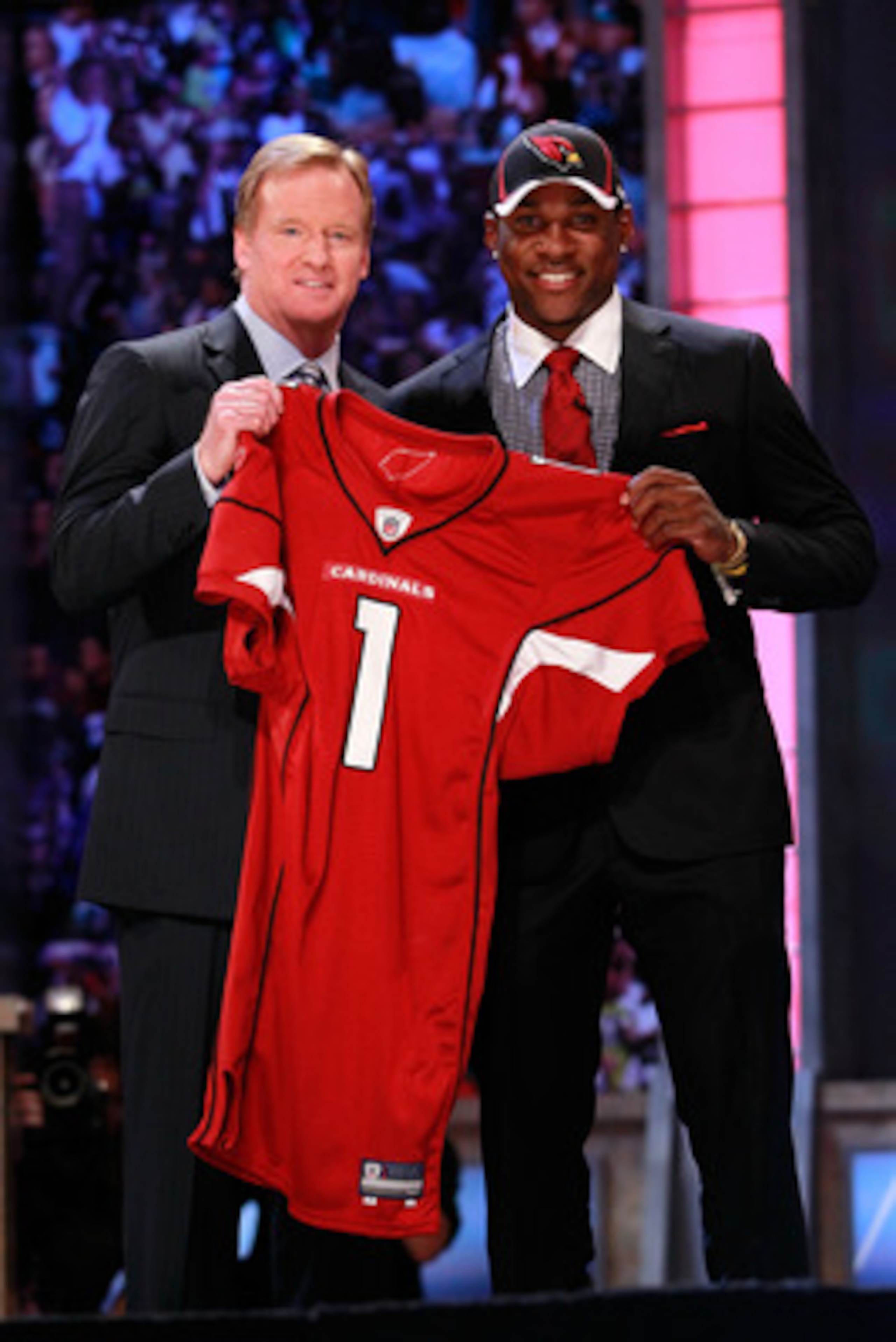
With the fifth pick in the draft, the Arizona Cardinals selected corner Patrick Peterson of LSU.
To be blunt, Peterson is an absolute beast. Not only does he run a 4.31 40-yard dash, but he is fluid in coverage and fantastic in the open-field. Even when he looks to be beaten, Peterson possesses the instinct and closing speed to make plays on deep balls.
What stands out about Peterson is his confidence. He's good and he knows it. He is not afraid to take risks (which is good and bad) and come back from mistakes. Peterson's competitive edge shines through on the field.
Arizona was able to steal away the most athletic player in the draft at No. 5. Cardinals fans should anticipate years of big plays and solid performances that will put Peterson in the same conversation as Nnamdi Asomugha and Darrelle Revis.
Look for Peterson to have a learning curve, but shine more than the rest of the rookies in his first season.
ODDS: 3-1

.jpg?w=2560 "LA Premiere of \"Chad Powers\"")