

One of the best parts of baseball is the fact that a game can be decided with one swing of the bat in the ninth inning, as we have seen through the years with some of the most clutch moments in sports history.
Whether it is in spring training, a regular season contest or on into the postseason, a walk-off home run is one of the most exciting plays in all of sports.
That said, most of these will be playoff home runs, as walk-off home runs mean a lot more in a seven-game series than they do in a 162-game season.
So here are the 50 greatest walk-off home runs in MLB history as we take a look at some of baseball's most memorable moments.
No. 50: Warren Morris, 1996 College World Series
1 of 50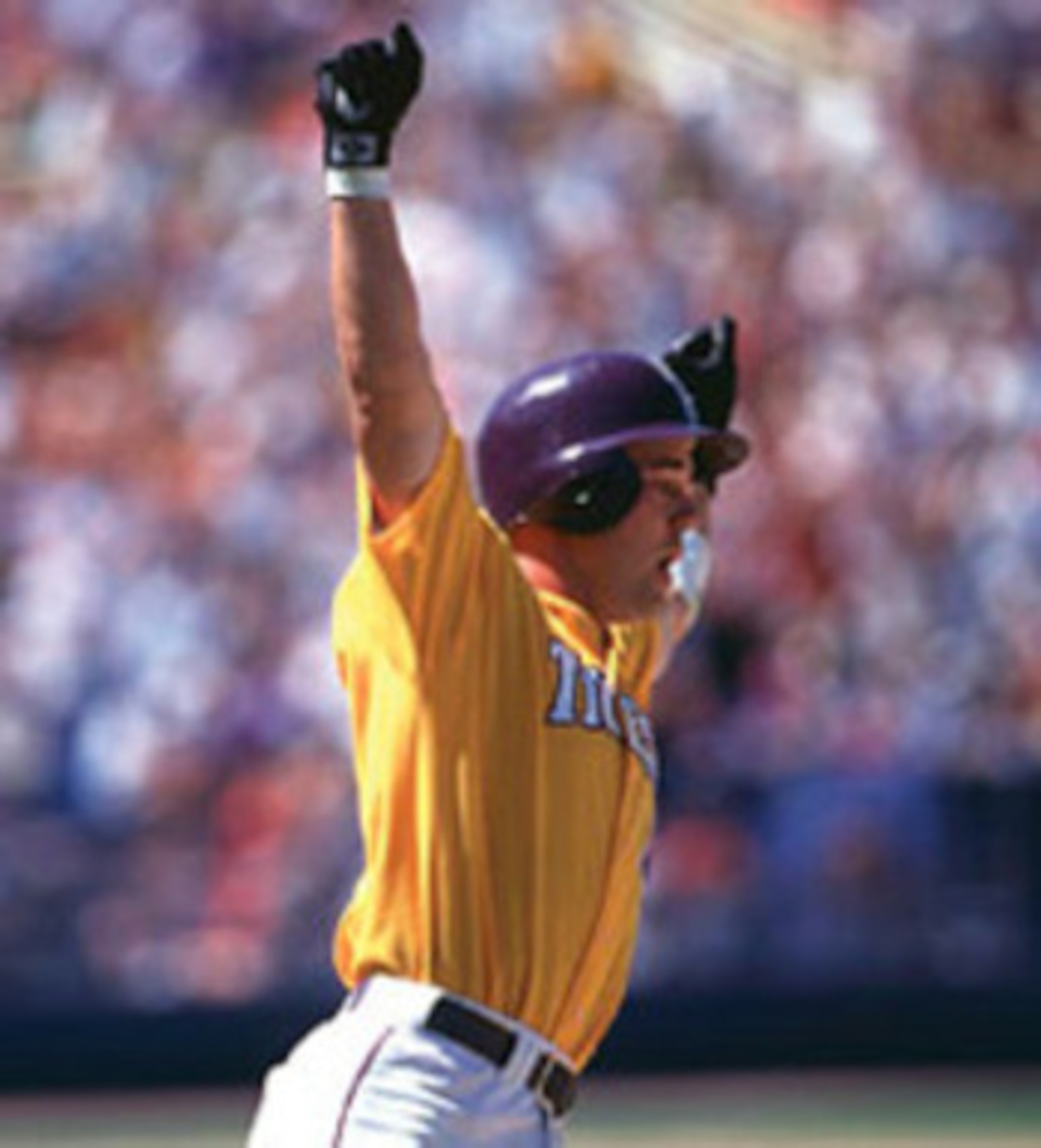
With the first spot on this list, we will show some love to the College World Series, which is just around the corner.
With LSU trailing 8-7 to Miami in the championship game, Warren Morris stepped up to the plate for the Tigers with one on and two out and launched a title-winning home run.
The home run was Morris' first of the season, and it marks the only time the College World Series has ended with a home run.
No. 49: Ted Williams: 1941 All-Star Game
2 of 50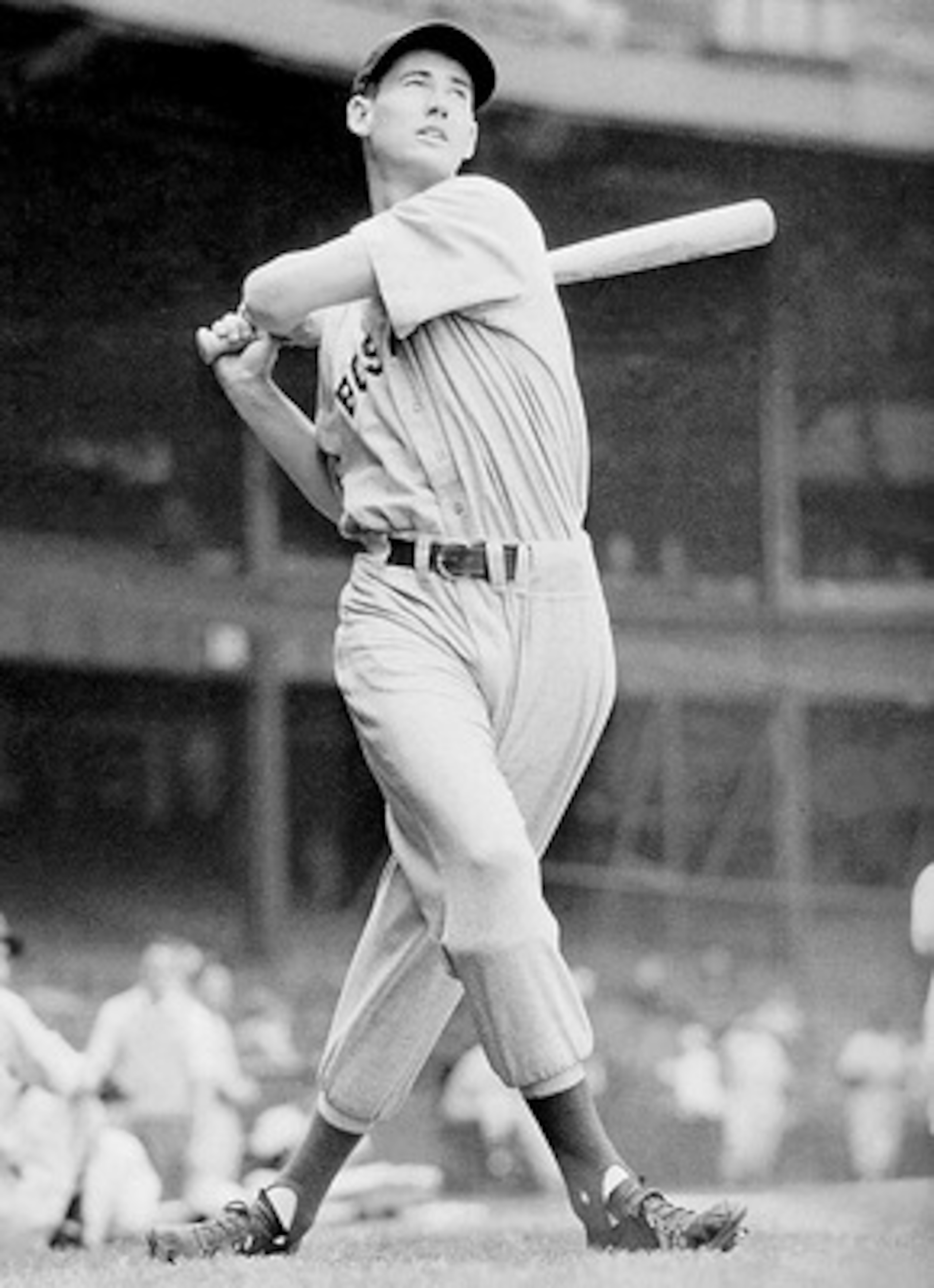
In the first Midsummer Classic that was decided with a game-winning home run, it was Ted Williams who came through with the big hit.
The AL trailed 5-3 going into the bottom of the ninth, and they would be facing Claude Passeau of the Chicago Cubs.
It was his second time through the order, and he had struck out Williams looking the last time around. This time, Williams got the best of him, following up a Joe DiMaggio RBI ground out with a walk-off three-run homer to give the AL the win.
No. 48: Roger Connor: 1881 Regular Season
3 of 50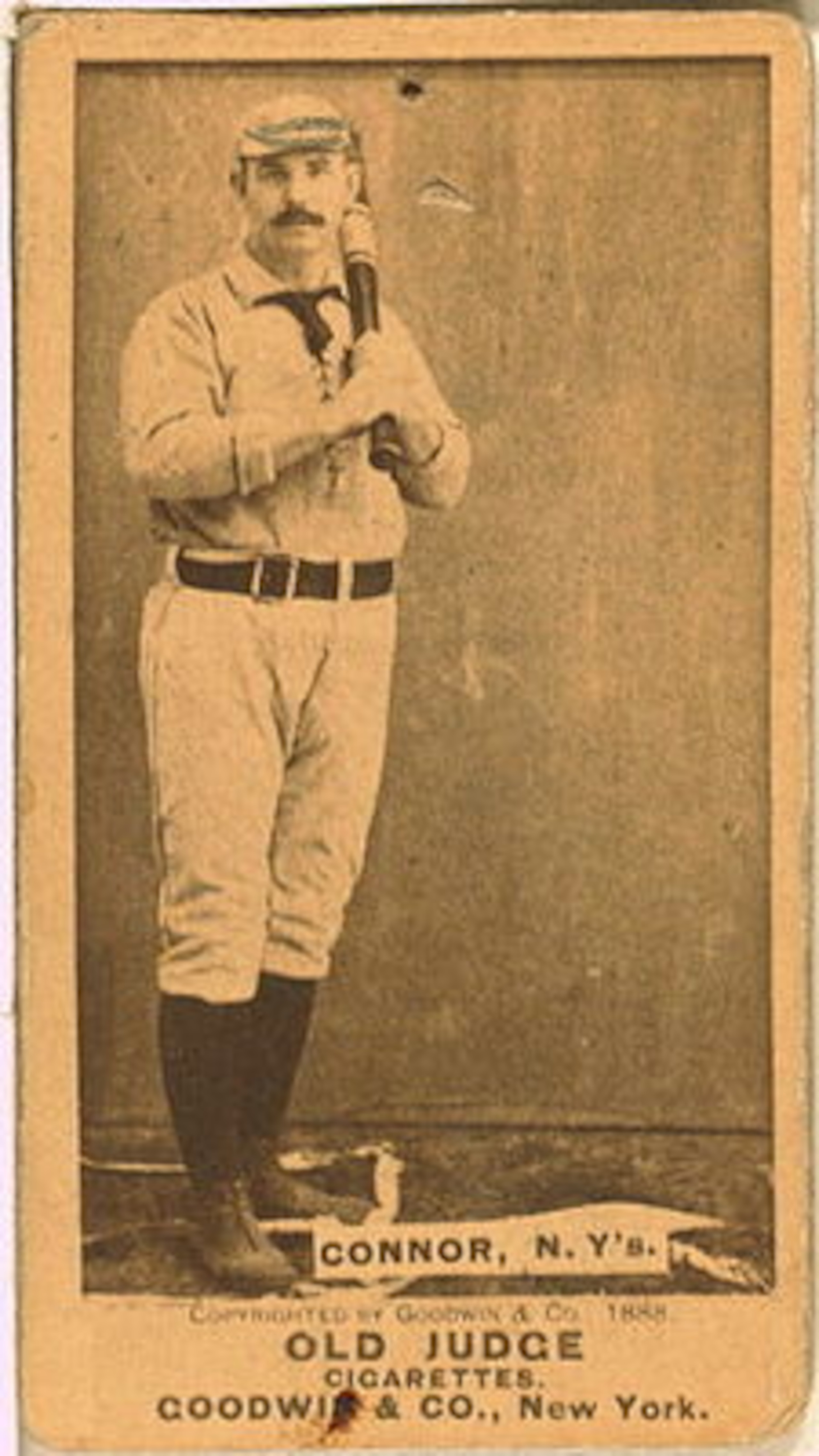
Roger Connor was the premier power hitter of the dead-ball era, and when he retired in 1897, he held the career record with 138 home runs, a mark that stood for 23 years.
On top of that, he hit what is believed to be the first grand slam in baseball history on September 10th, 1881 as a member of the Troy Trojans, and it happened to be a walk-off as he gave his team an 8-7 win.


No. 47: Harold Baines: 1984 Regular Season
4 of 50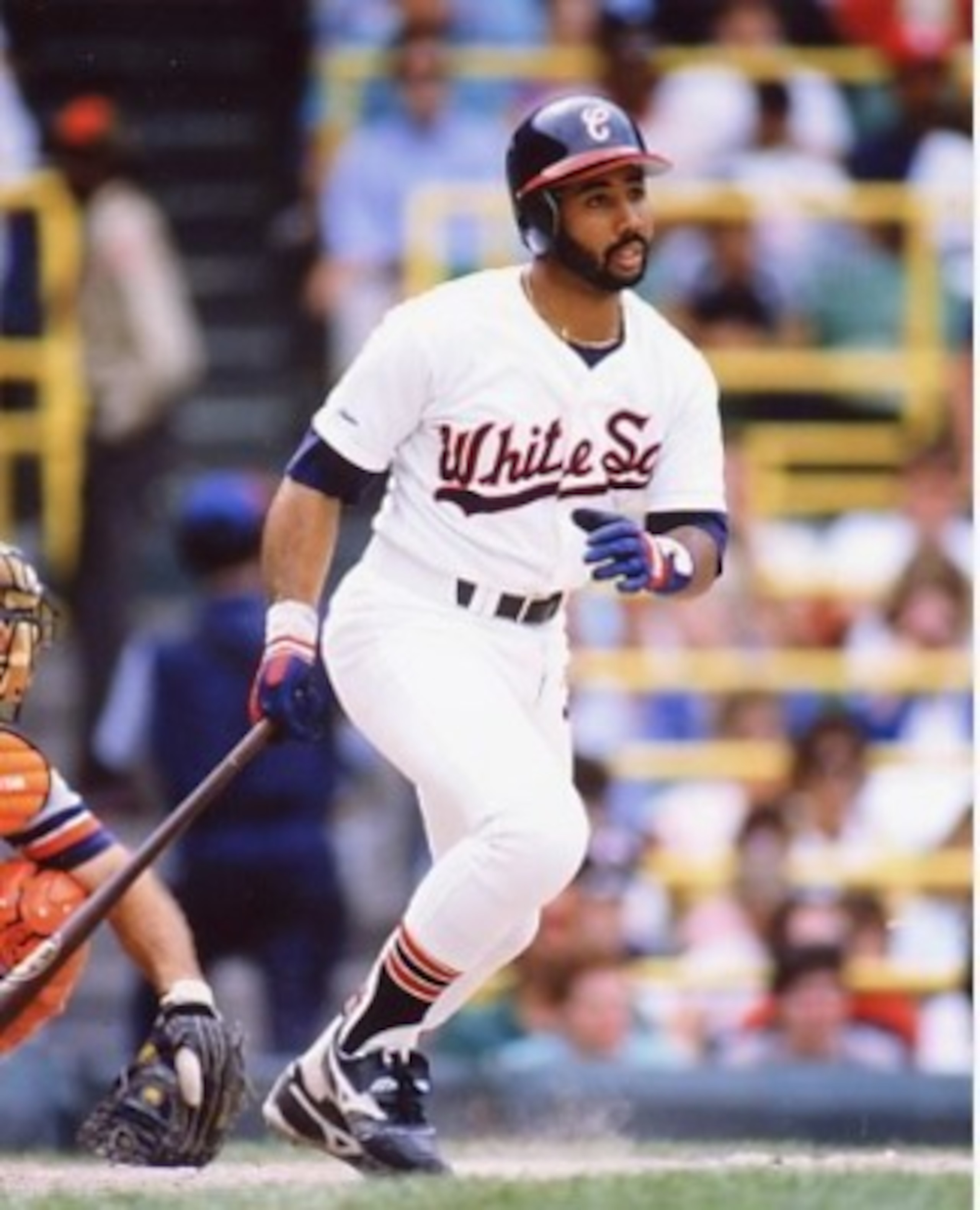
While it did not carry quite the significance of some of the home runs on this list, Harold Baines home run on May 8th, 1984 was far from your run-of-the-mill walk-off home run.
That is because that particular game was the longest in baseball history, spanning 25 innings and lasting a ridiculous eight hours and six minutes.
Making things even more ridiculous, was the fact that in the 21st inning, the Brewers scored three runs, but the White Sox were able to answer with three of their own to keep the game going.
Not until the 25th inning did the game finally end, when Chuck Porter, in his eighth inning of relief, gave up a walk-off homer to Baines.
No. 46: Roberto Clemente: 1956 Regular Season
5 of 50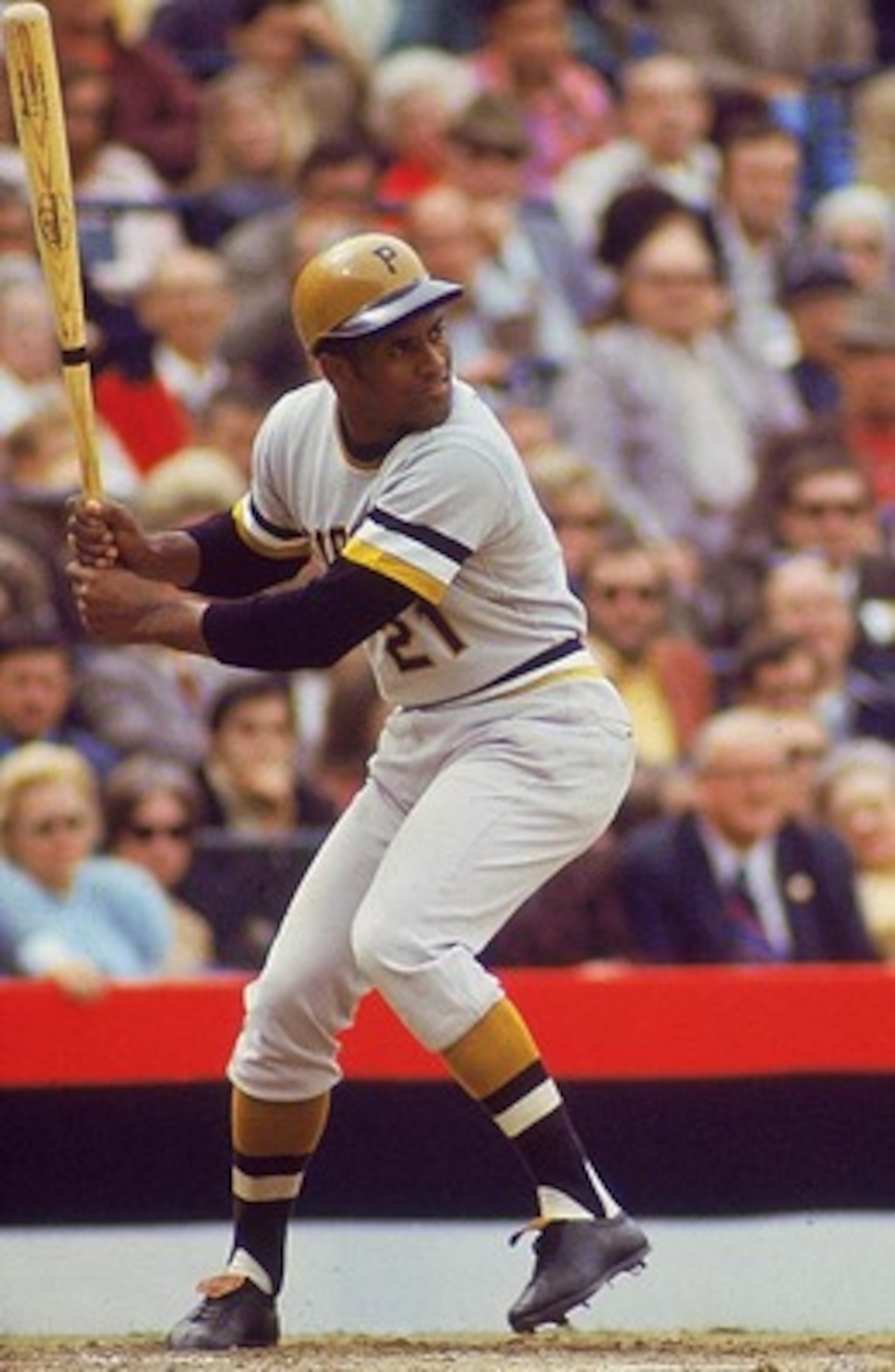
There have been a number of occurrences of walk-off, inside-the-park home runs through the years, but there has only been a walk-off, inside-the-park grand slam and that belongs to Roberto Clemente.
The Pirates led 5-0 going into the eighth inning, but the Cubs put up seven runs in the top of the eighth and scored another in the top of the ninth, as the Pirates trailed 8-5 going into the bottom of the ninth.
It was then that Clemente pulled off the most impressive home run to date, with an inside-the-park, walk-off grand slam.
No. 45: Jay Bruce: 2010 Regular Season
6 of 50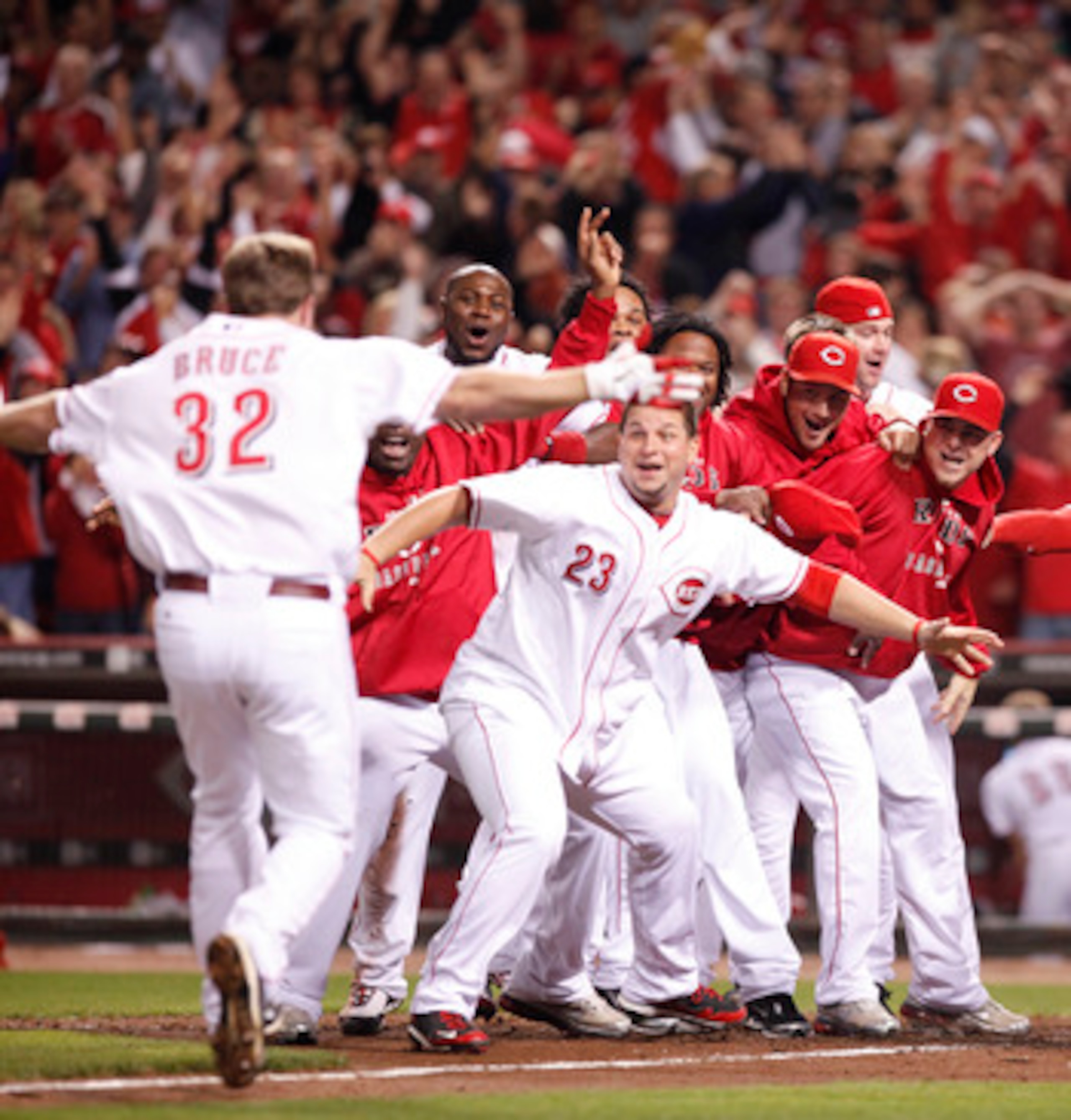
In front of the home fans last September 28th, the Reds got to celebrate their first division title in 15 seasons thanks to a walk-off blast.
With the game knotted up at 2-2 heading into the ninth, the Reds brought in Aroldis Chapman to pitch the top of the ninth, and he once again blew hitters away, striking out two in the inning.
The Astros then went to Tim Byrdek in the bottom of the ninth, and Jay Bruce connected with the first pitch that Byrdek threw to give the Reds the NL Central crown.
No. 44: Alan Ashby: 1981 NLDS, Game 1
7 of 50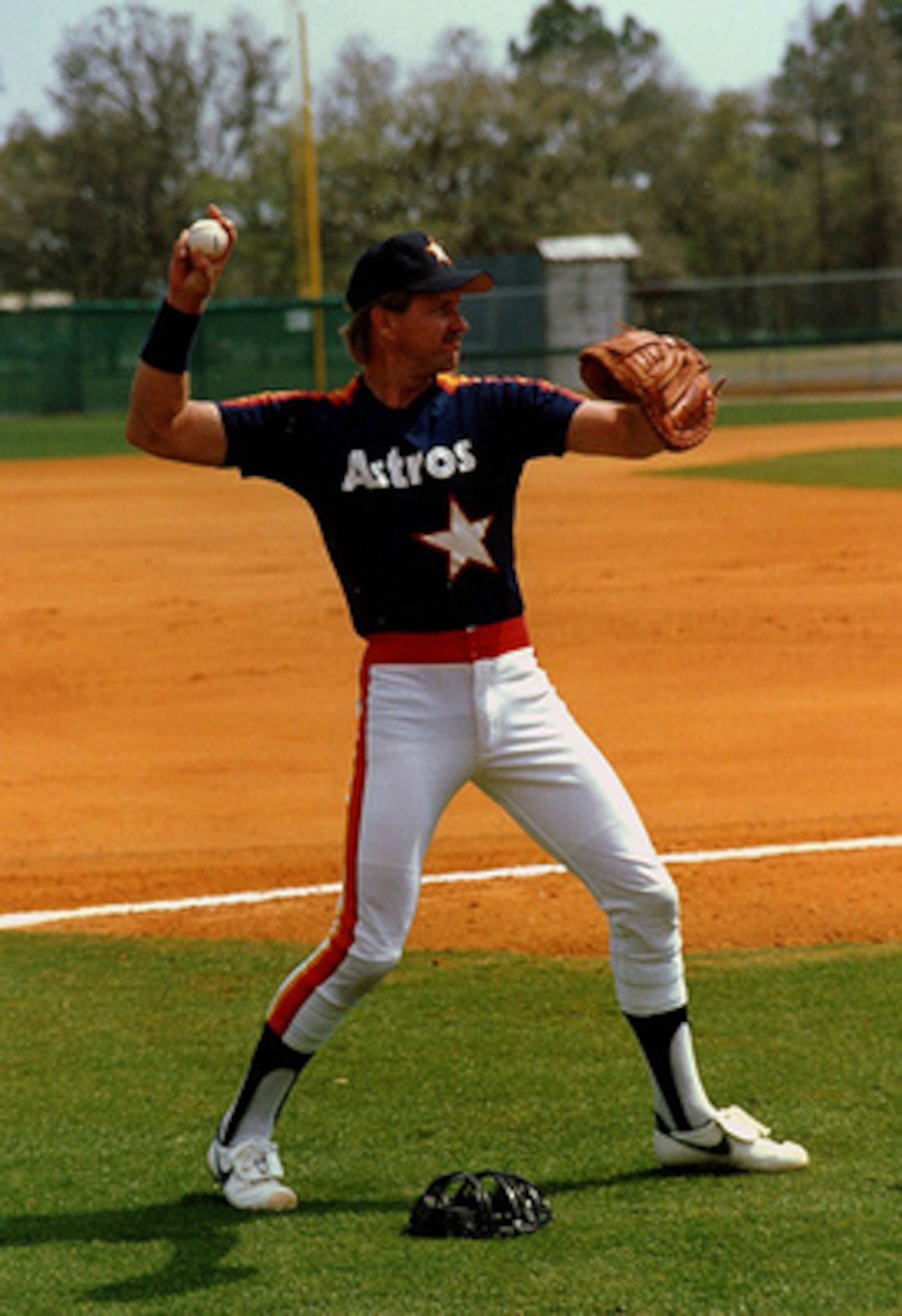
With Nolan Ryan on top of his game, giving up just one run on two hits through nine innings of work, the Astros entered the ninth inning tied 1-1.
After eight strong innings from Fernando Valenzuela, the Dodgers turned to a young Dave Stewart out of the bullpen in the ninth. After getting the first two batters of the inning out, Stewart gave up a single to pinch-hitter Craig Reynolds before eight hitter Alan Ashby took him a yard for a walk-off win.
No. 43: Mark Teixeira: 2009 ALDS, Game 2
8 of 50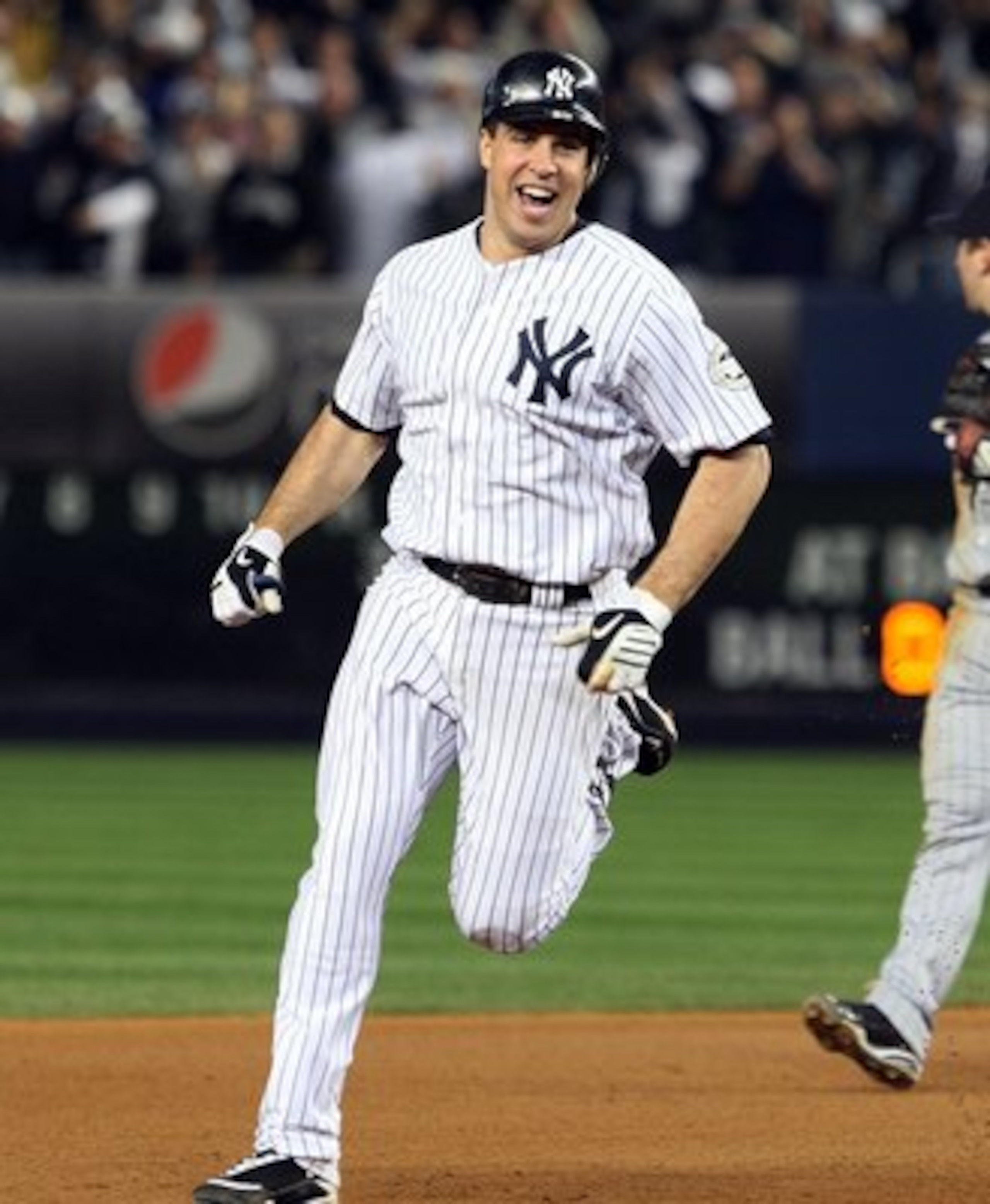
The Twins looked to have Game 2 of the 2009 ALDS locked up, as they led 3-1 going into the ninth inning and had one of the best closers in the game in Joe Nathan.
However, after Mark Teixeira opened the ninth with a single, Alex Rodriguez tied things up with a two-run homer, as Nathan blew a rare save but got out of the inning without further damage.
After a scoreless 10th, the Twins loaded the bases with no one out in the top of the 11th but were unable to push across a run. From there, Teixeira led off the bottom of the inning and pushed across a run all by himself with a game-winning solo shot.
No. 42: Manny Ramirez, 2007 ALDS, Game 2
9 of 50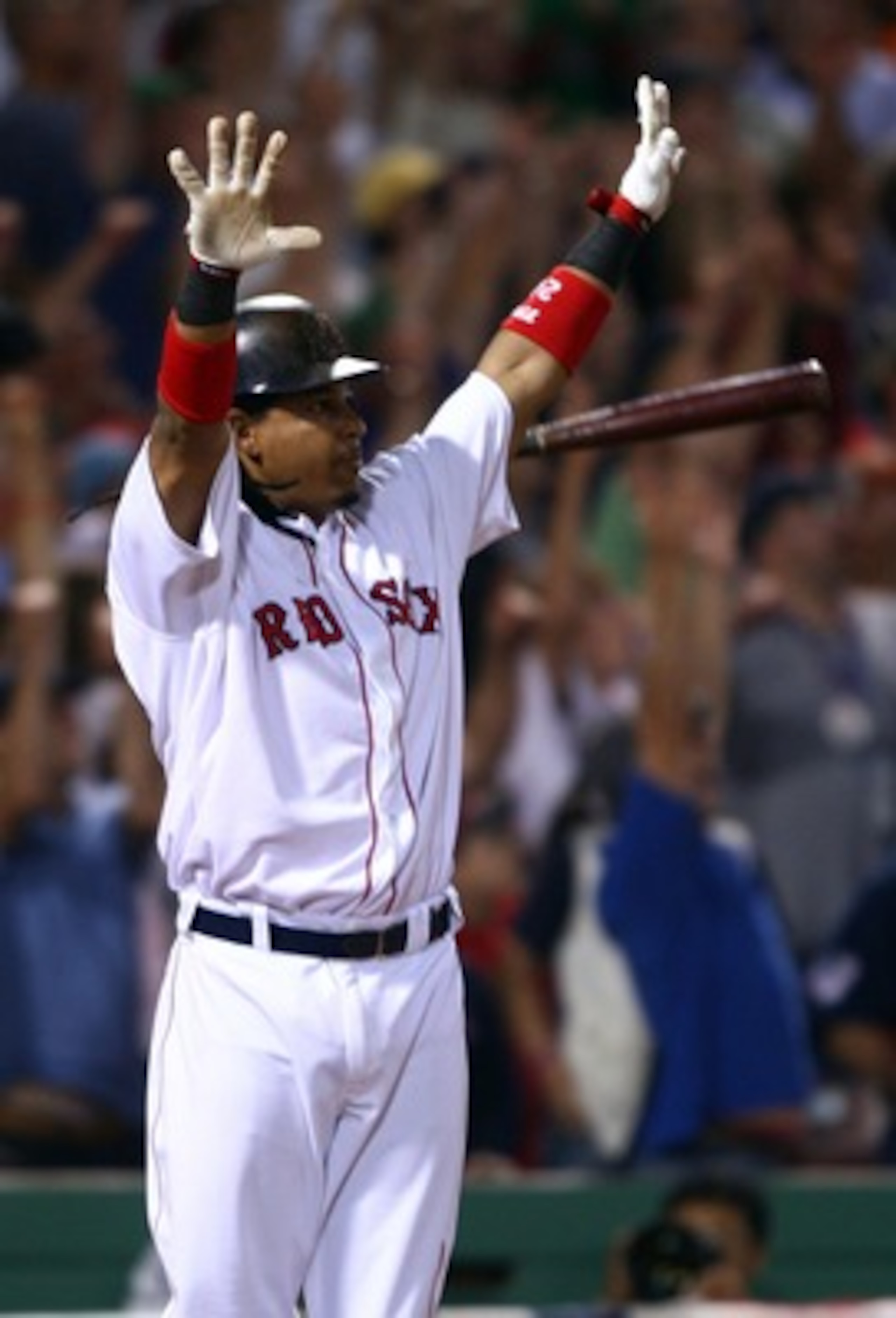
After striking for two runs in the first inning, the Red Sox were held off the board until the bottom of the fifth they scored a lone run to tie things up at 3-3.
That remained the score heading into the bottom of the ninth inning, and Angels reliever Justin Speier took the mound for his second inning of work after a 1-2-3 eighth.
Julio Lugo led off the ninth with a single for the Red Sox and was moved to second on a Dustin Pedroia ground out. From there, the Angels brought in closer Francisco Rodriguez, and he got Kevin Youkilis to strike out swinging. Then, with two outs, the Angels opted to intentionally walk David Ortiz to get to Manny Ramirez. Manny Ramirez in turn opted to hit a three-run, walk-off home run. Advantage Red Sox.
No. 41: Alfonso Soriano, 2001 ALCS, Game 4
10 of 50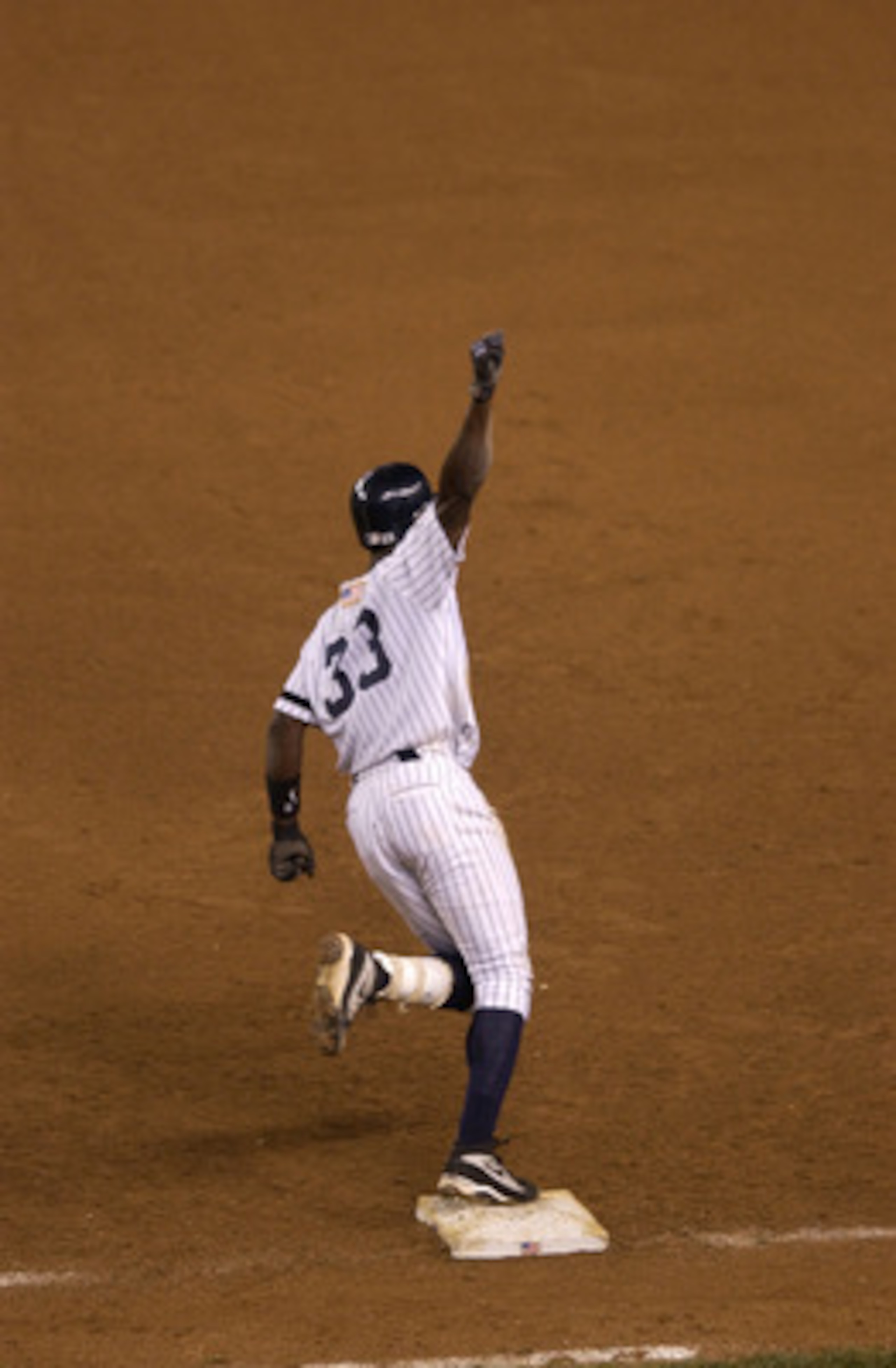
In one of the odder postseason pitching performances, neither team scored a run until the eighth inning, yet both starters were out after five innings, despite giving up a combined one hit.
For the Mariners, starter Paul Abbott was "effectively wild" as he walked eight through five but didn't give up a hit. For the Yankees, Roger Clemens gave way to Ramiro Mendoza, who would go three inning to bridge the gap to Mariano Rivera.
After each team scored one run in the eighth, the both teams went to their closers in the ninth. Rivera got the Mariners out in order in the top of the inning, but Kaz Sasaki was not as lucky. He surrendered a one-out single to Scott Brosius before giving up a two-run bomb to Alfonso Soriano for the Yankees win.
No. 40: Johnny Bench: 1973 NLCS, Game 1
11 of 50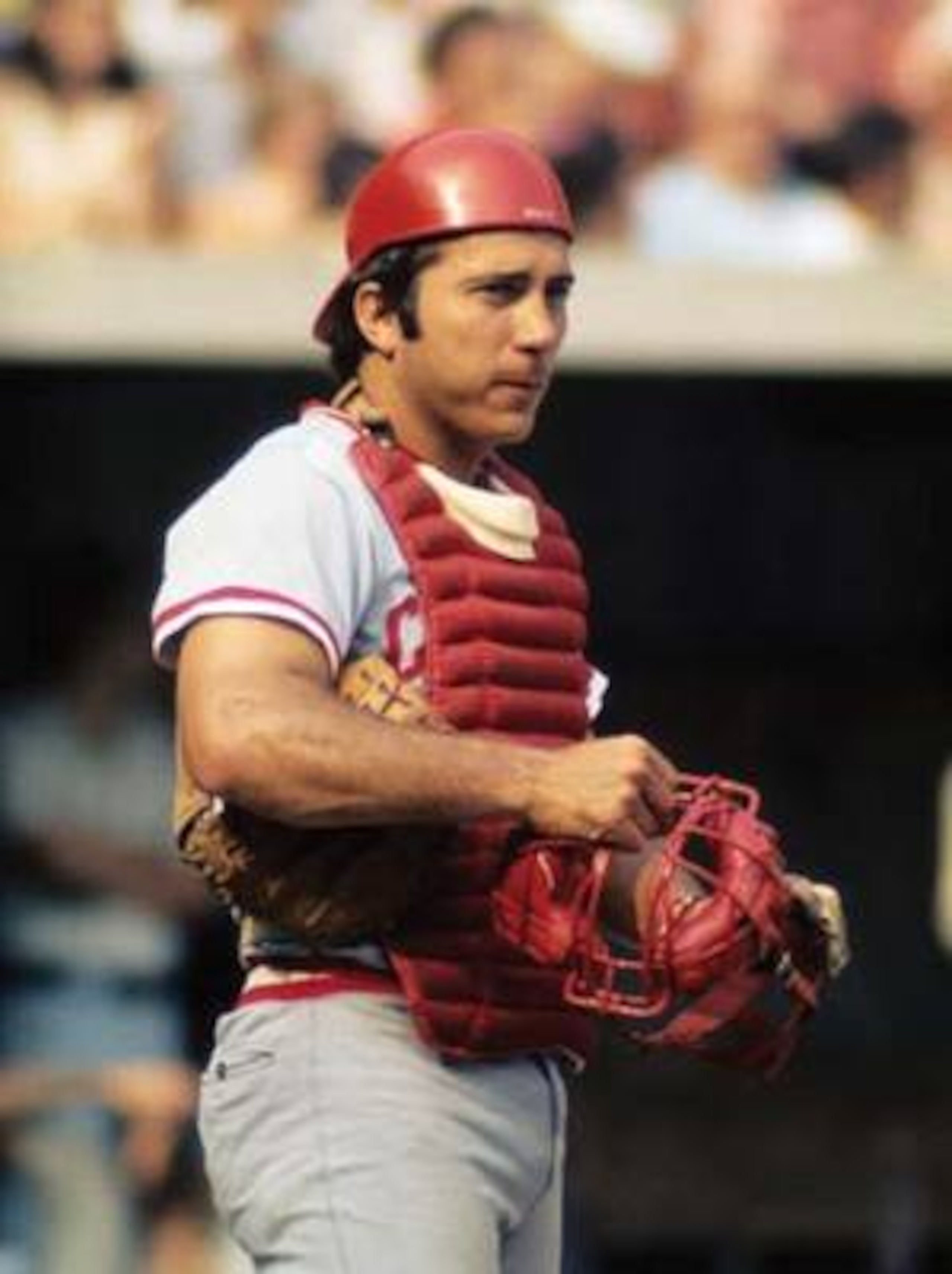
In the opening game of the 1973 playoffs, the Mets jumped out to an early 1-0 lead with a run in the second inning.
For a while, it looked as though that would be enough, as Mets ace Tom Seaver was dealing, giving up just four hits through seven innings while striking out 11.
However, a solo home run by Pete Rose in the bottom of the eighth tied things up, and then Johnny Bench took Seaver deep as well with one out in the ninth to give the Big Red Machine a walk-off win.
No. 39: Jeff Kent: 2004 NLCS, Game 5
12 of 50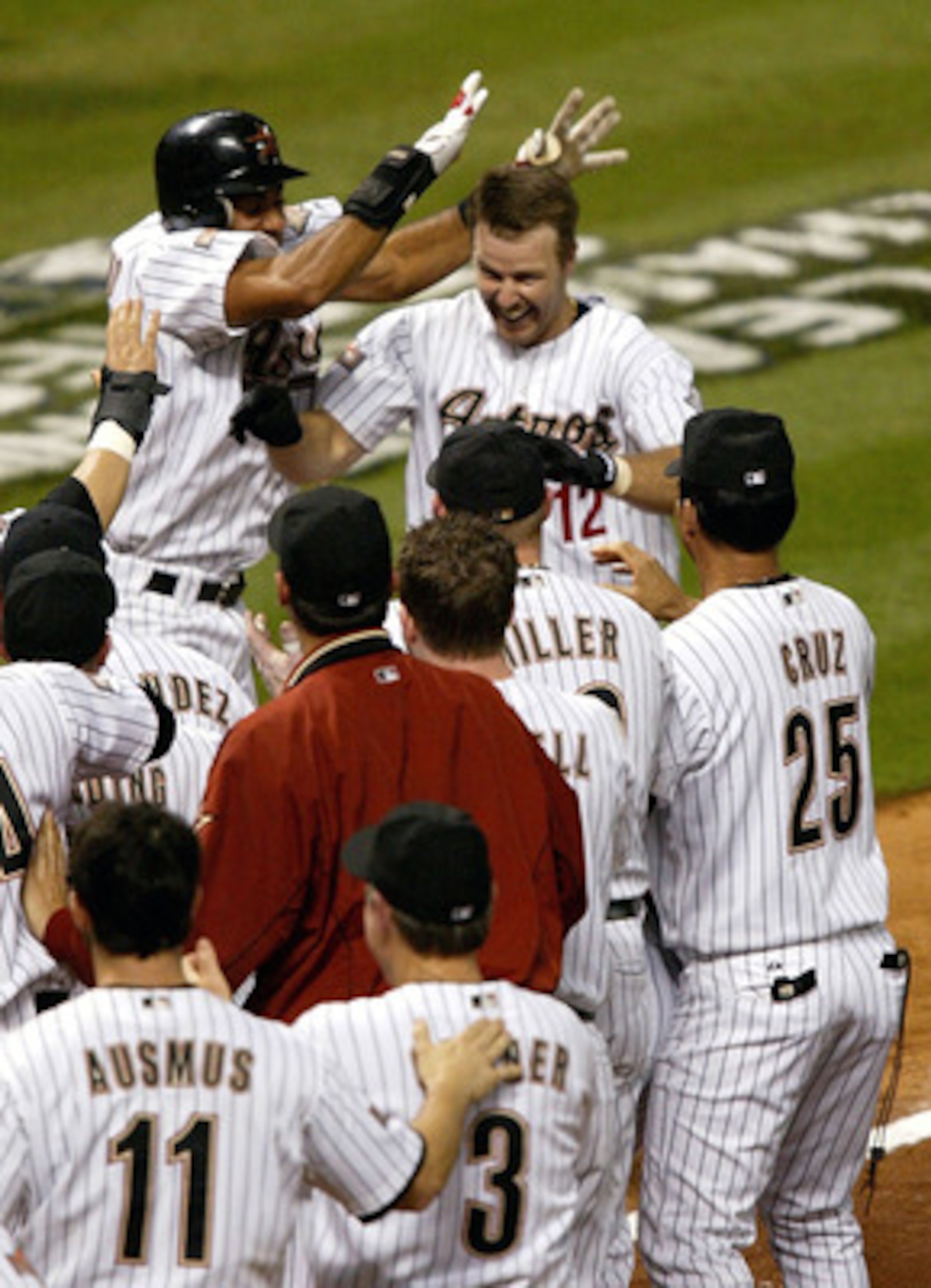
With the series tied 2-2, both teams looked to win the swing game with the Astros looking for their first ever pennant and the Cardinals looking for their first since 1987.
Brandon Backe came out for the Astros and pitched the game of his life, giving up one hit through eight innings. However, he was countered by Woody Williams, who gave up just one hit through seven innings, as both teams entered the ninth scoreless.
Brad Lidge came on and pitched a perfect top of the ninth for the Astros, while Jason Isringhausen came out for his second inning of work in the bottom of the inning.
Carlos Beltran led off the inning with a single, then stole second after a Jeff Bagwell fly out. That led to an intentional walk of Lance Berkman to bring up Jeff Kent. With the offense finally clicking, Kent took full advantage, hitting a three-run walk-off homer to move the Astros within one game of the pennant.
No. 38: Jim Edmonds: 2004 NLCS, Game 6
13 of 50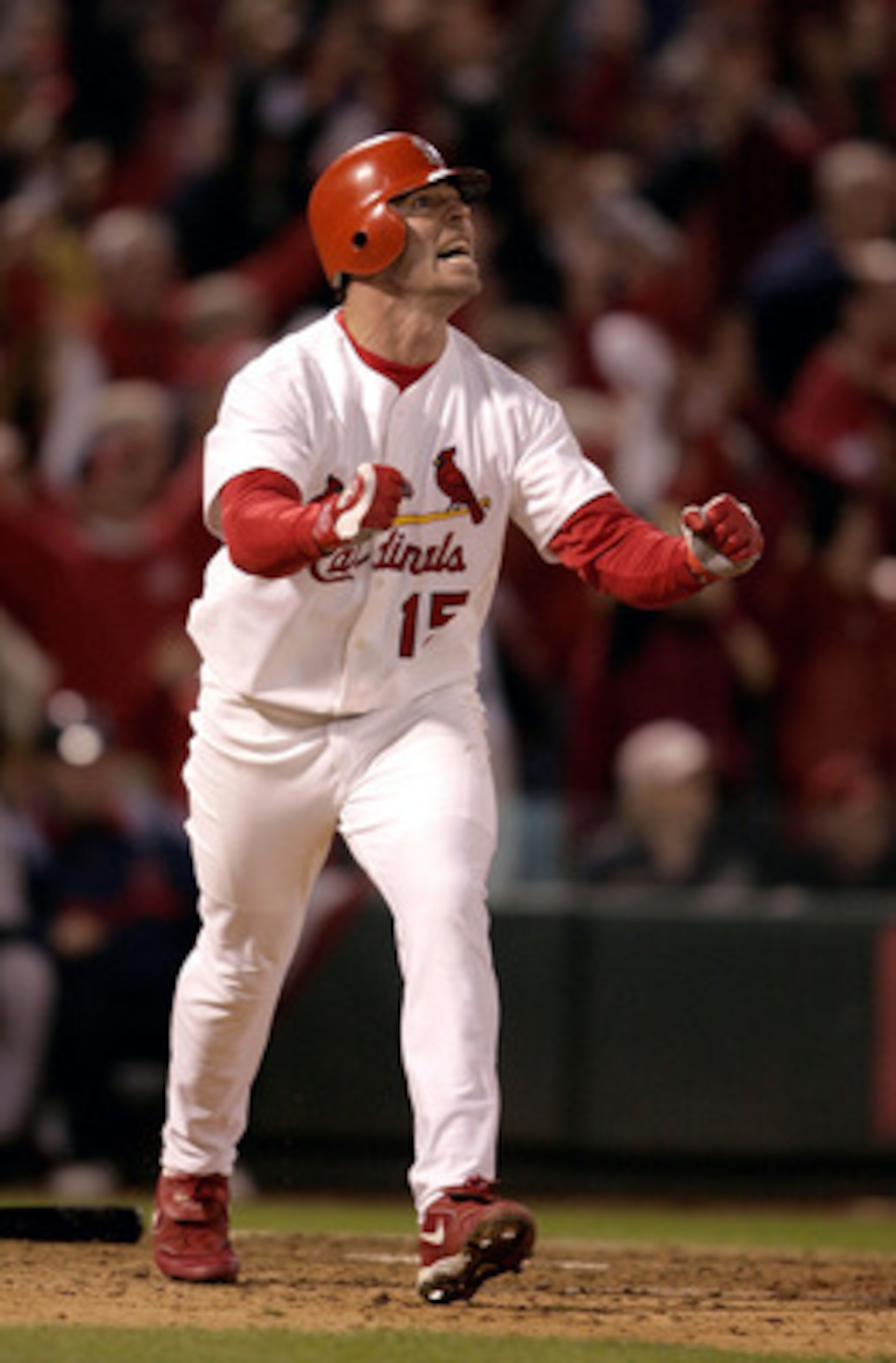
The very next game, it again came down to the wire, as the Astros pushed across a run in the ninth against Jason Isringhausen to force extra innings.
After three dominant innings of relief from Brad Lidge, starting in the ninth, the Astros had to go with another arm, and that arm was Dan Miceli.
After a walk to Albert Pujols to open the bottom of the twelfth, Miceli got Scott Rolen to pop up. That would be the only out he got a chance to get, however, as the next batter was Jim Edmonds, and he smashed one to right-center field for the second walk-off in as many days for the series.
No. 37: *Robin Ventura: 1999 NLCS, Game 5
14 of 50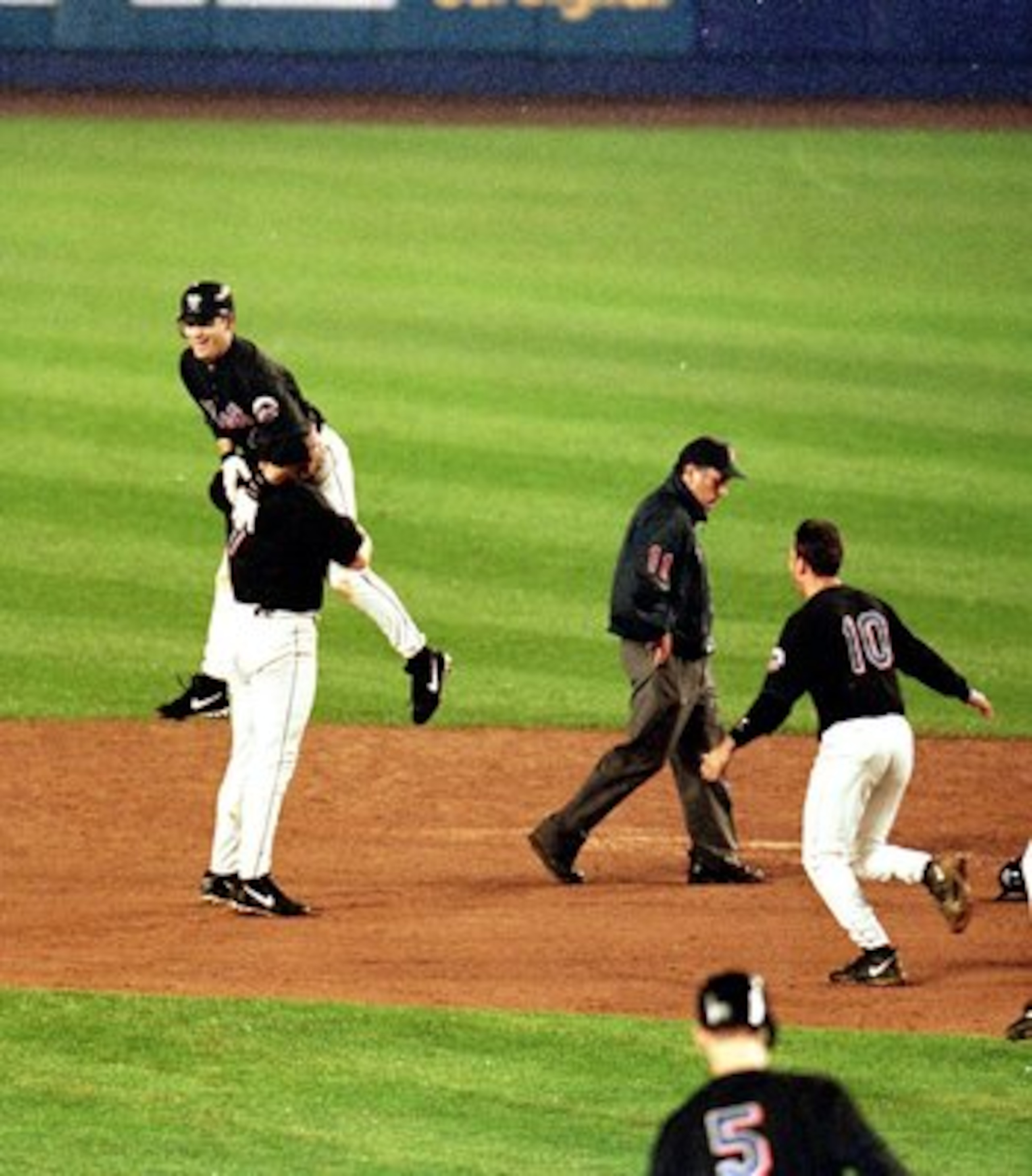
The Mets scored two quick runs in the first inning of this one, but the Braves answered with two fourth inning runs to tie things up. That would be all the scoring until all the way in the fifteenth inning.
The Braves struck for a run against Octavio Dotel, in his third inning of work, when Keith Lockhart hit a two-out RBI triple. That put the Braves three outs from clinching the series.
However, Kevin McGlinchy took the hill for his second inning of work and immediately ran into problems, as he loaded the bases with just one out, then walked in a run with a free pass to Todd Pratt. That brought up Robin Ventura, who with 13 career grand slams connected with what appeared to be number 14.
However, after the winning run scored, Ventura was mobbed by his teammates and is officially credited with an RBI single. Still, it was a home run, and a big one, even if it wasn't scored as such.
No. 36: Rafael Furcal: 2004 NLDS, Game 2
15 of 50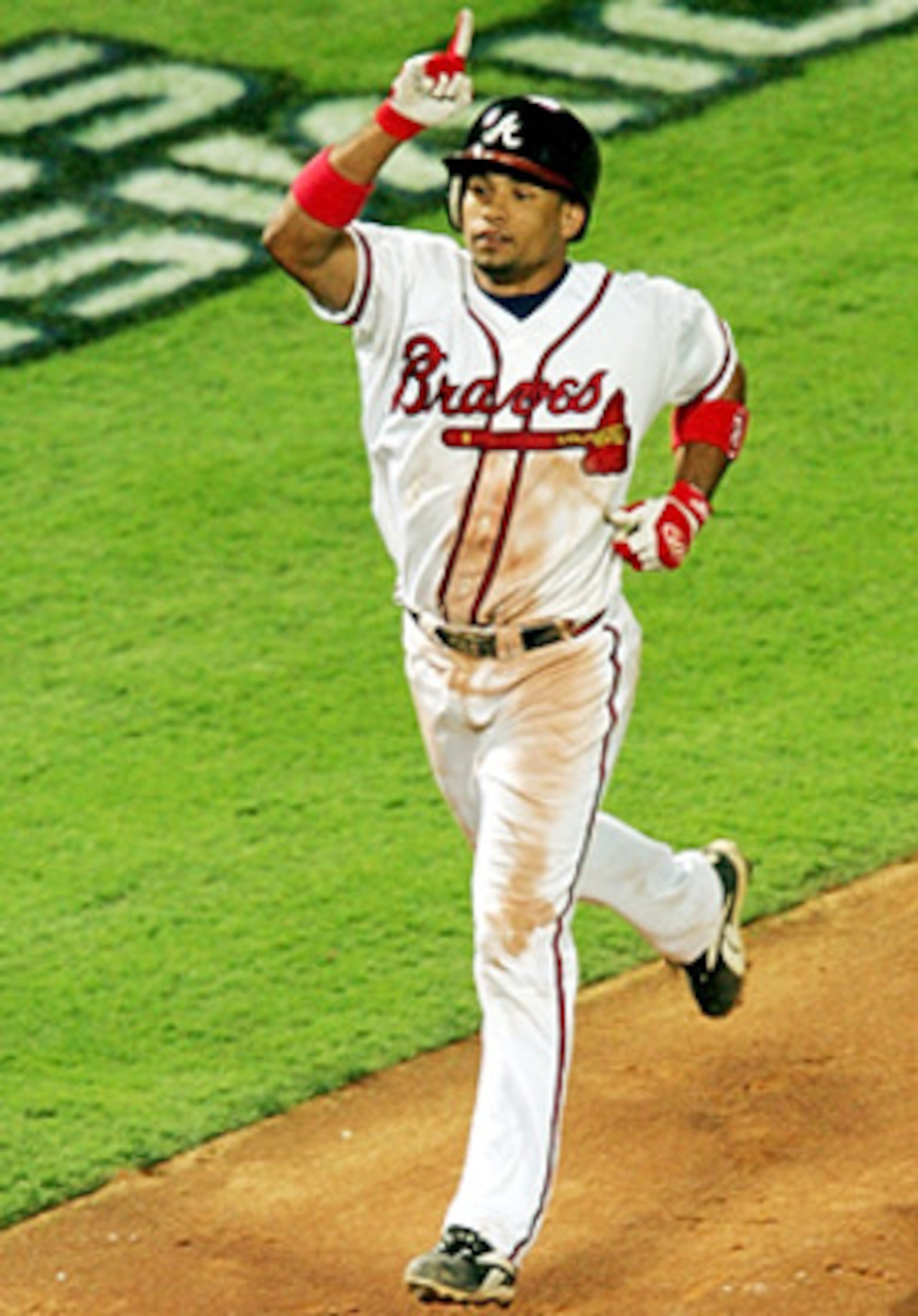
After the Astros jumped out to a 2-0 lead after three innings, the Braves used single runs in the seventh and eighth to knot things up at 2-2.
The Braves turned to John Smoltz in the eighth, and he threw three hitless innings. However, the Astros managed to keep the Braves off the scoreboard too. That is until the bottom of the 12th.
In for his second inning of work, Dan Miceli sandwiched a pair of outs around a Charles Thomas single to open the inning. However, he could not escape the inning, as Rafael Furcal took him deep to give the Braves the win in Game 2 and even the series at 1-1.
No. 35: Benny Agbayani: 2000 NLDS, Game 3
16 of 50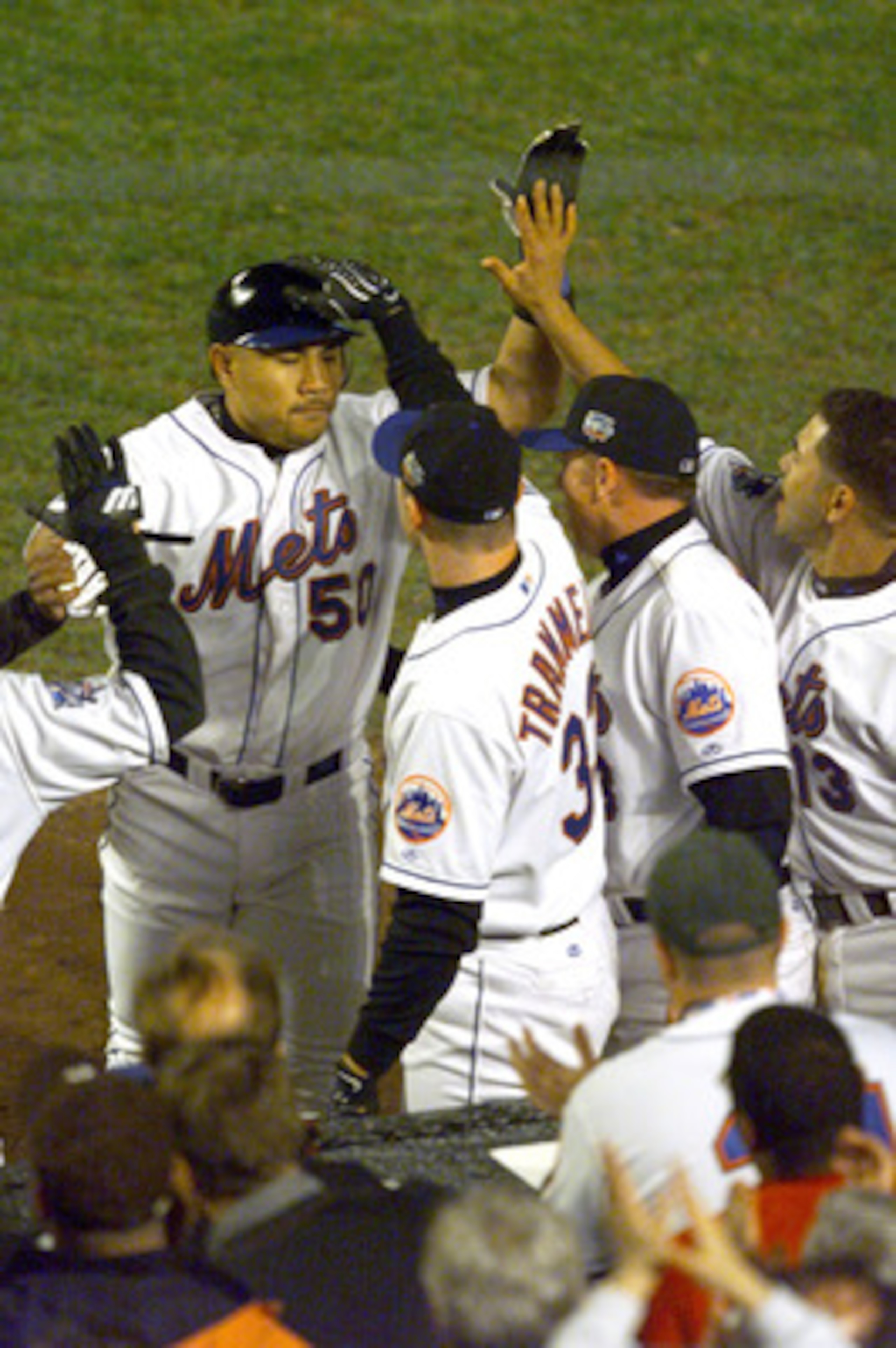
Down to their final out, and trailing 2-1 with a runner on first, the Mets looked to be headed for a defeat and a 2-1 series deficit. After Doug Henry got the first two outs of the inning for the Giants, they turned to closer Robb Nen to slam the door for the final out.
However, after allowing Lenny Harris to steal second, Nen gave up an RBI double to Edgardo Alfonso before striking out Mike Piazza to end the inning. Still, the damage was done, and the game was heading for extras.
Both teams went scoreless in the 10th, 11th and 12th, and the Giants failed to score in the top of the 13th. After retiring Robin Ventura to lead off the bottom of the inning, Giants reliever Aaron Fultz gave up a longball to Benny Agbayani, who was 0-5 up to that point but came through with the game winner.
No. 34: Jim Leyritz: 1995 ALDS, Game 2
17 of 50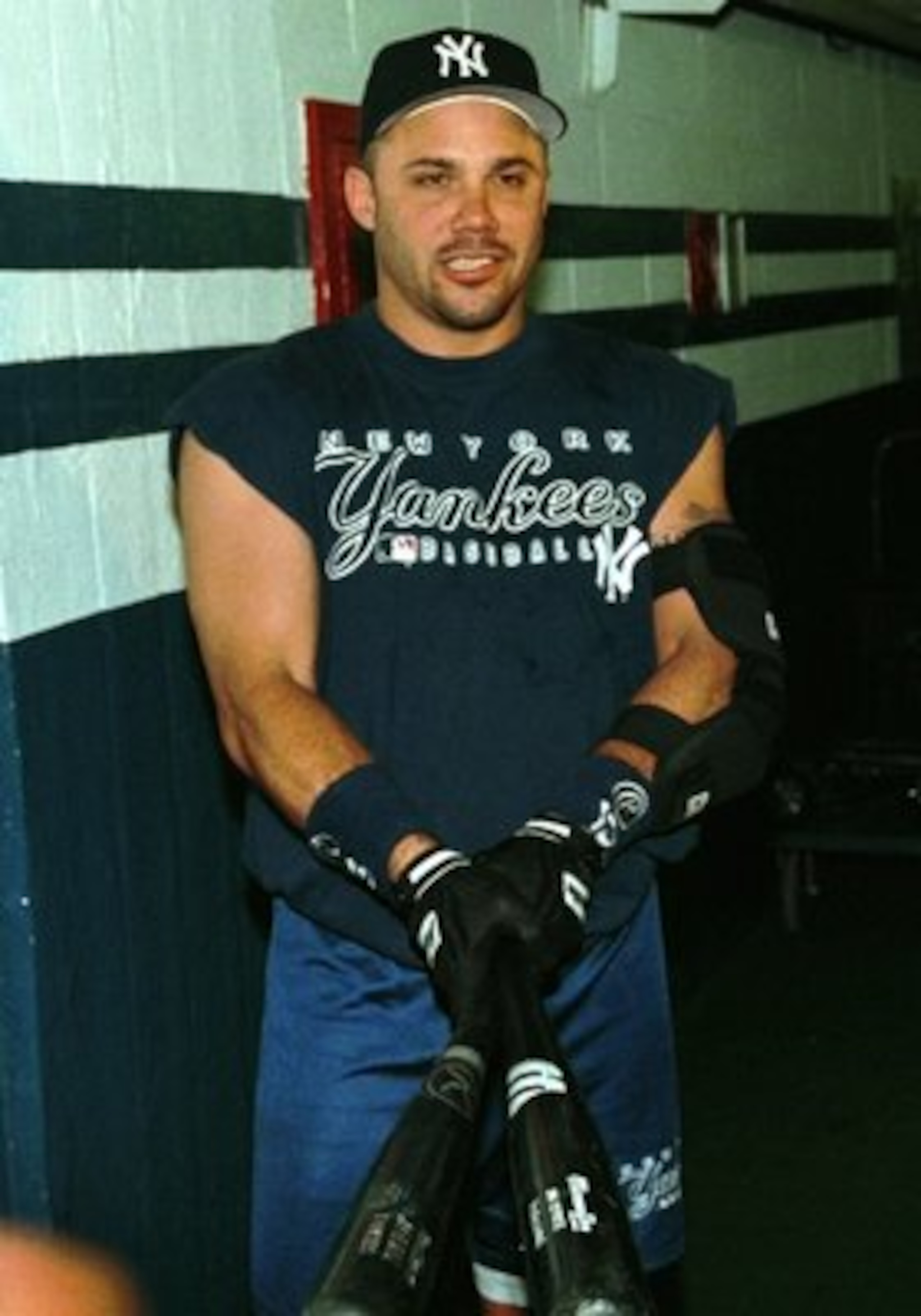
A day after the Red Sox and Indians played 13 innings and set the record for longest postseason game, the Mariners and Yankees played 15 innings and topped the time of the other game by six minutes. Coincidentally enough, both games ended with a walk-off home run and both are on this list.
With the score tied 5-5 after nine, the teams also managed to each push across a run in the 12th inning, and it was not until three innings later that the game was decided.
Mariners reliever Tim Belcher, who had blown the save in the bottom of the twelfth, was in his third inning of work going into the bottom of the 15th, and after a Don Mattingly ground out, he walked Pat Kelly before surrendering a game-winning bomb to catcher Jim Leyritz
No. 33: Tony Pena: 1995 ALDS, Game 1
18 of 50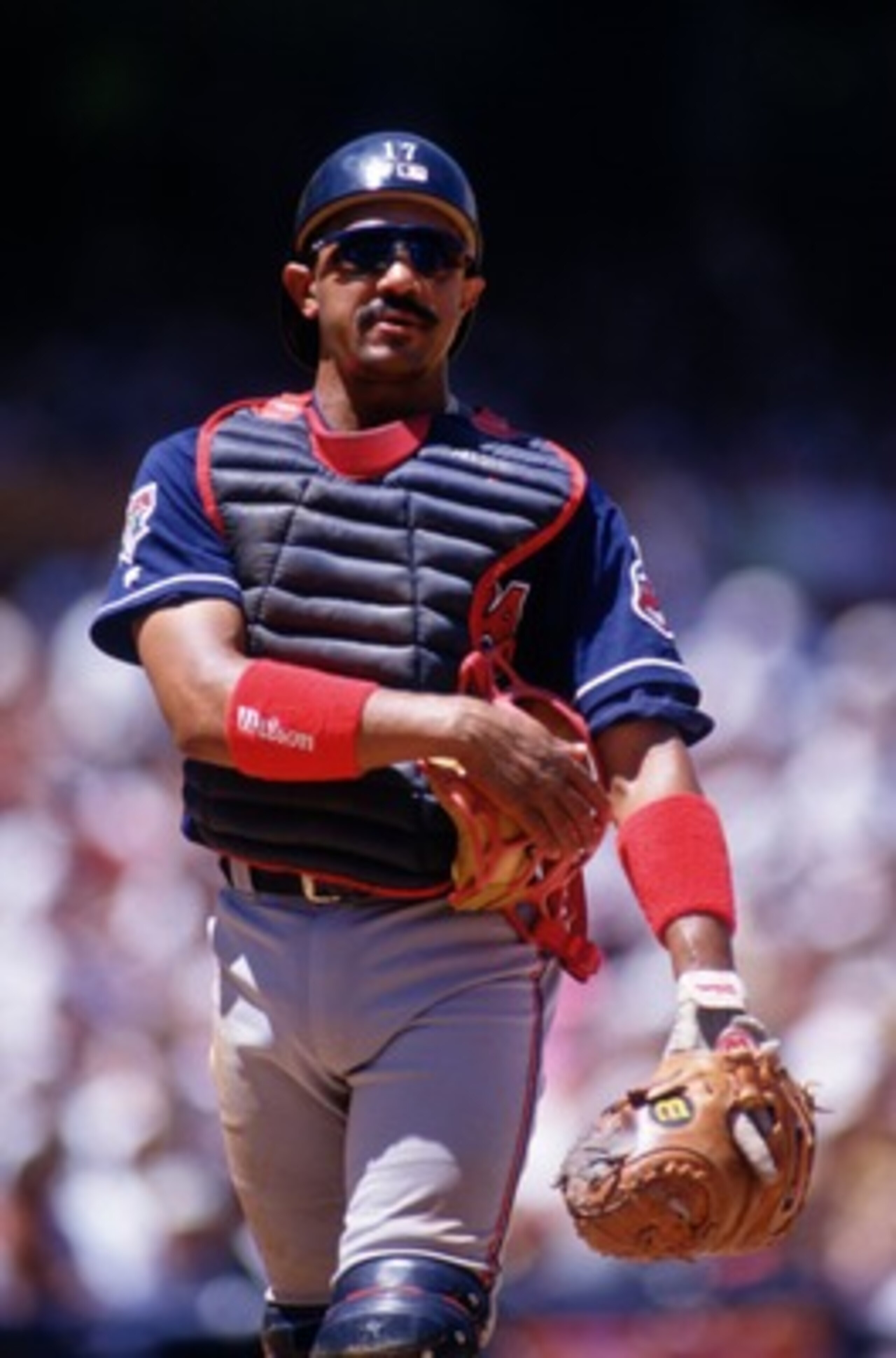
In what turned out to be a five-hour marathon of a game, it was a backup catcher who ended up making the difference.
With the game tied 3-3 after nine innings, the Red Sox and Indians were headed for extra inning, and when the Red Sox scored in the 11th, the Indians answered with a run of their own.
Finally, in the bottom of the 13th, Tony Pena, who had entered the game after starting catcher Sandy Alomar was lifted for a pinch-runner in the 11th, came through with a two-out home run to give the Indians the victory.
No. 32: Bernie Williams: 1996 ALCS, Game 1
19 of 50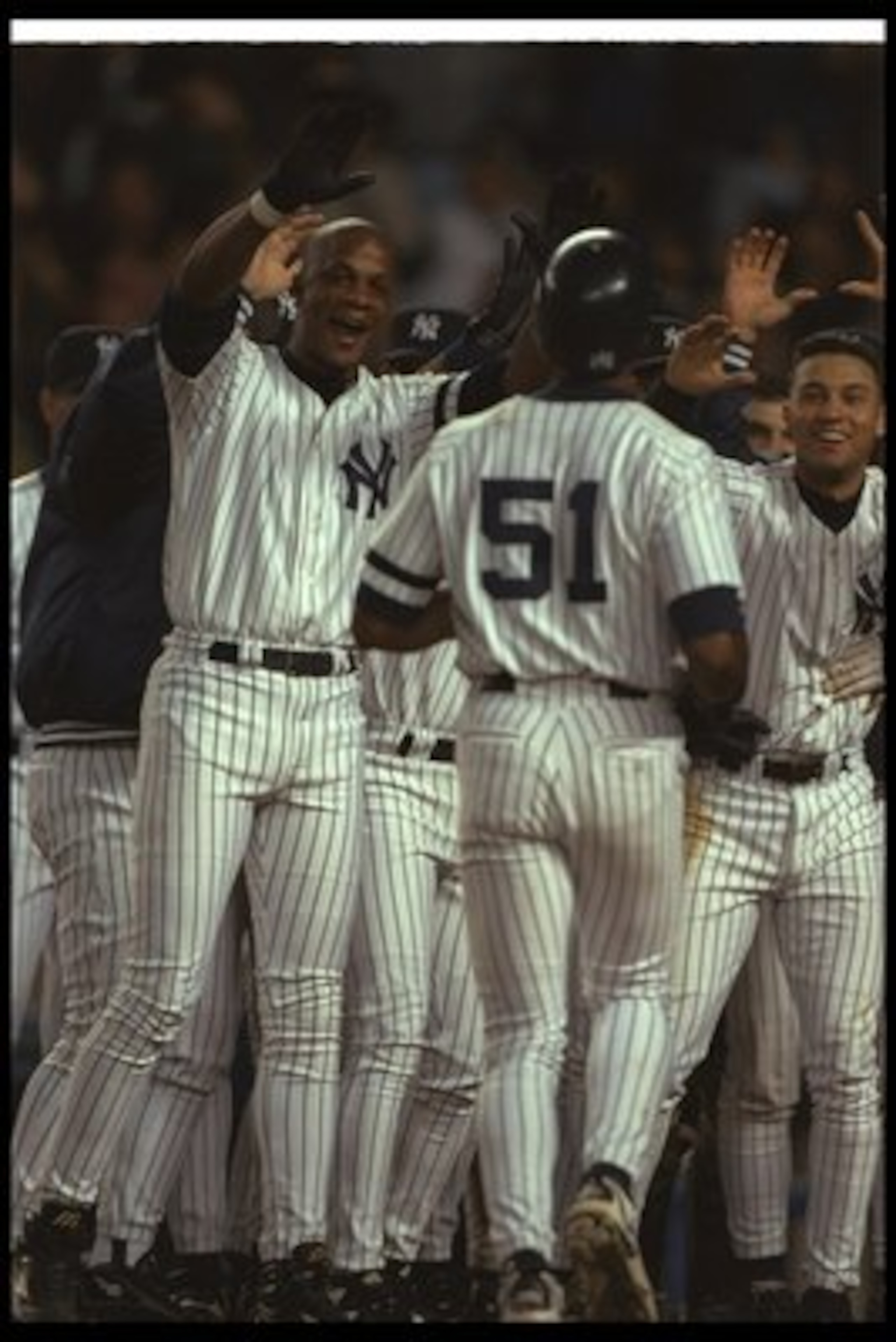
This game is remembered more for the home run that tied it up in the eight than it is for the walk-off home run in the 11th, in one of the most controversial games in playoff history.
With the Yankees trailing 4-3 in the bottom of the eighth, Derek Jeter hit an Armando Benitez offering to deep right field, where 12-year-old Jeffrey Maier reached over an seemed to interfere with the ball which looked like it would be caught by right fielder Tony Tarasco. However, umpire Rich Garcia awarded Jeter a home run and the game was tied.
The game would remain 4-4 until the bottom of the 11th, when Orioles closer Randy Myers, who entered the game in the ninth, gave up a home run to Bernie Williams to open the inning, as the Yankees won their first game on their way to a World Series title.
No. 31: Bert Campaneris: 1973 ALCS, Game 3
20 of 50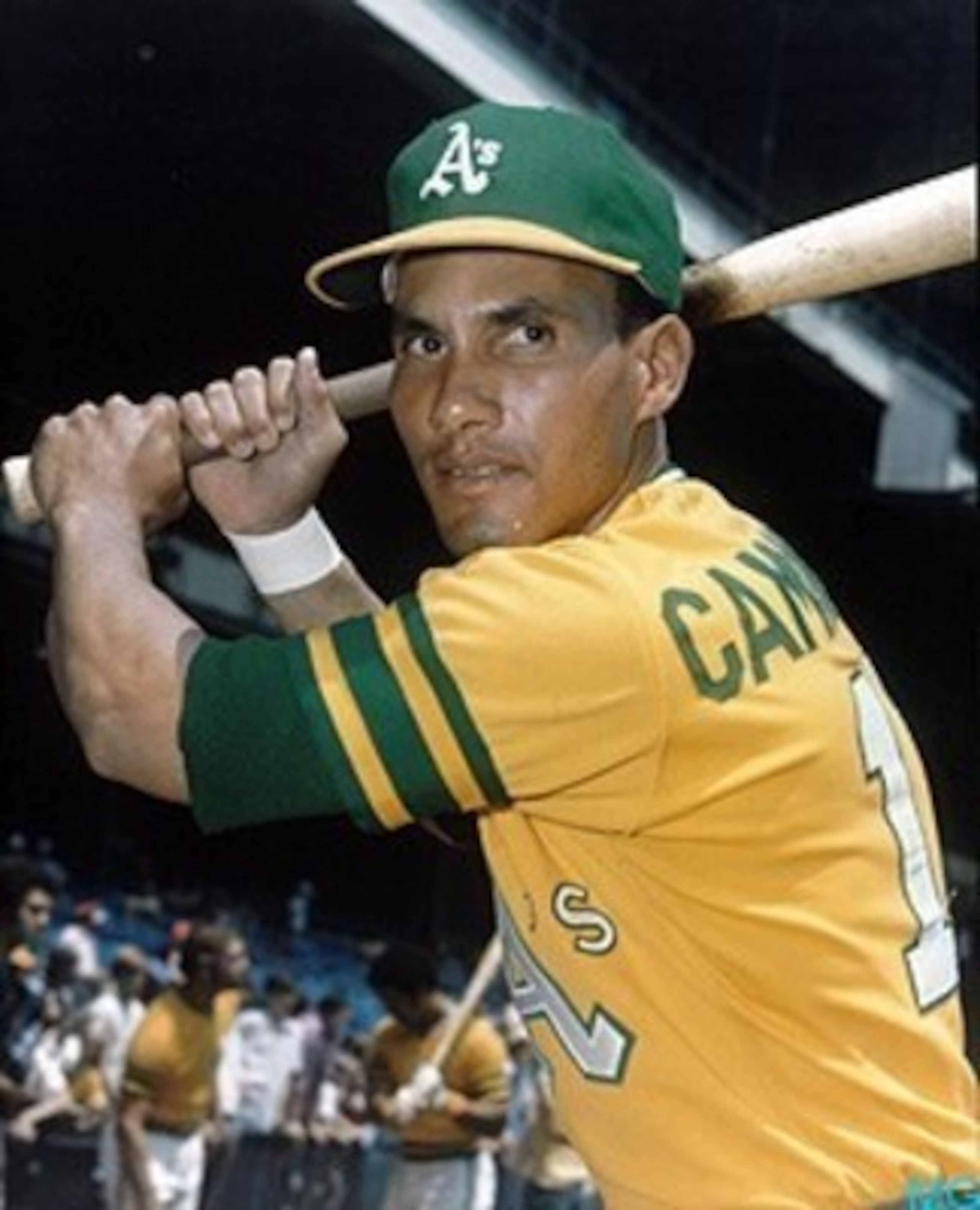
In a true pitchers duel, the Athletics Ken Holtzman and Orioles Mike Cuellar had each given up one run on four hits through 10 innings, as both offenses struggled to figure out the two hurlers.
Holtzman took the hill again in the top of the ninth and coaxed a 1-2-3 inning out of the Orioles, and Cuellar came out again as well looking to do the same.
It was not to be though, as the first batter of the inning Bert Campaneris took him a yard on the first pitch of the inning. That gave the A's a 2-1 series lead, and they would eventually win the series 2-1.
No. 30: Bernie Williams: 1999 ALCS, Game 1
21 of 50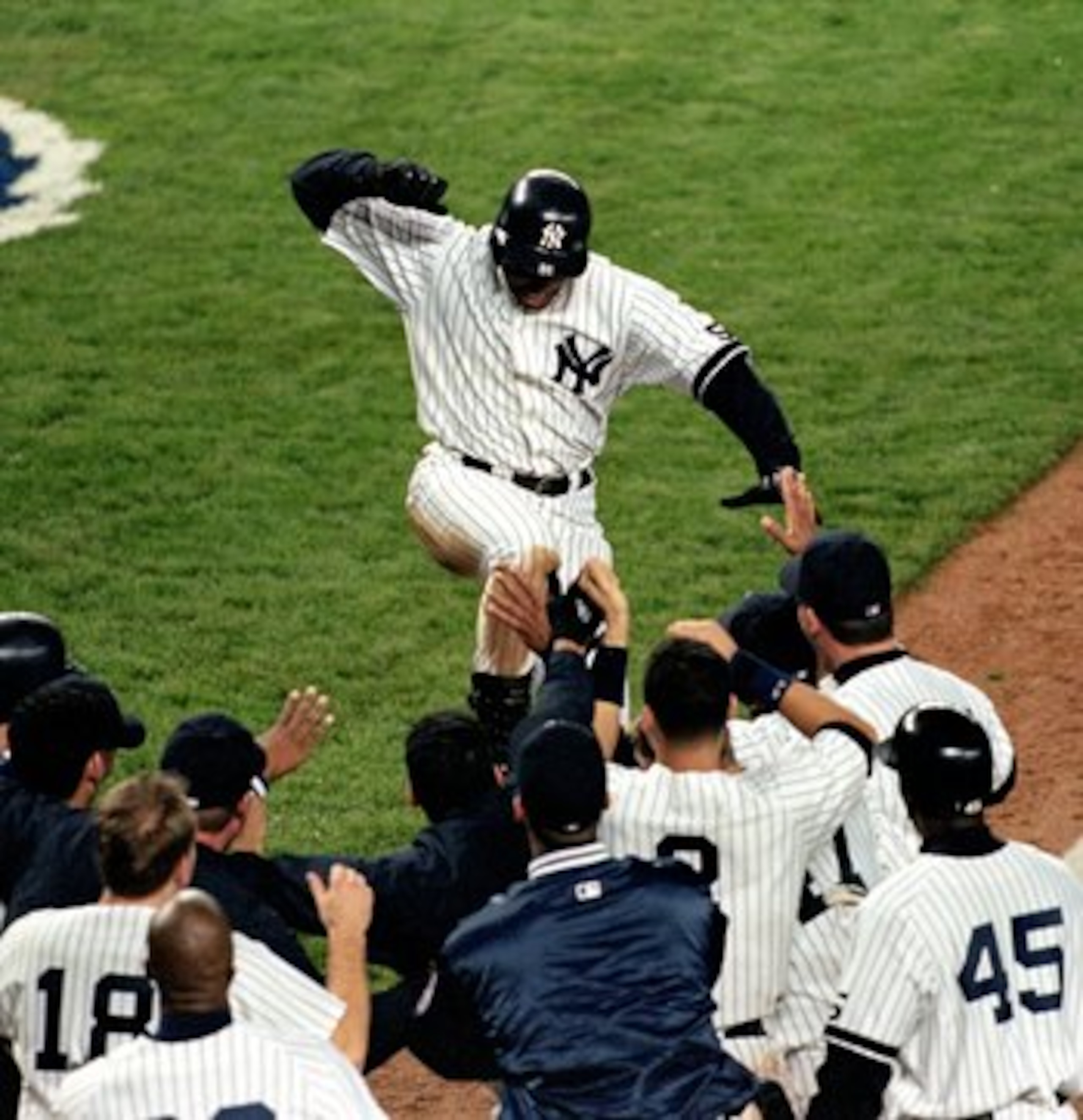
The Red Sox jumped on Yankees starter Orlando Hernandez for three runs in the first two innings, but the Yankees kept it close with two runs in the second inning. The score would remain 3-2 until the bottom of the seventh when an RBI single by Derek Jeter tied things up.
Neither team scored in the eighth or ninth, and Yankees closer Mariano Rivera pitched a scoreless top of the tenth in his second inning of work. The Red Sox then brought in Rod Beck to pitch the bottom of the inning, and Bernie Williams greeted him by launching his first offering into the stands for a walk-off win.
Not only did it give the Yankees a win, but it made Williams the first player in postseason history with two walk-off home runs.
No. 29: David Ortiz: 2004 ALDS, Game 3
22 of 50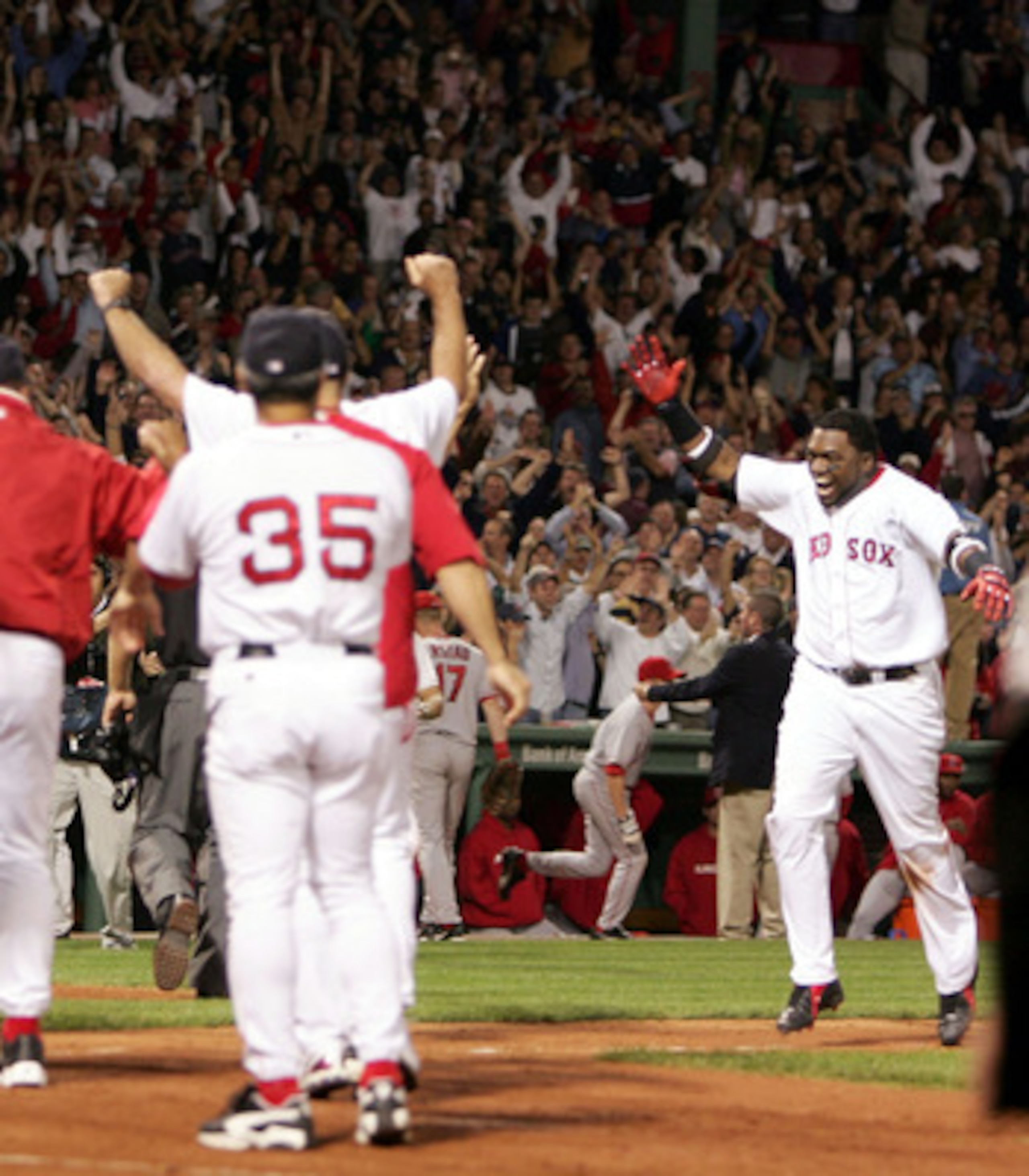
Up 2-0 in the series, the Red Sox came into Game 3 looking to slam the door on a series sweep of the Angels, and they came out hot, jumping out to a 6-1 lead after five innings.
However, the Angels had other ideas, and they tied things up with a five-run seventh inning, backed by a grand slam from Vladmir Guerrero.
The game made it to the bottom of the 10th, when the Angles turned to starter Jarrod Washburn to relieve Francisco Rodriguez with one on and two out to face the left-handed David Ortiz. He managed to throw one pitch, and just like that, the game and the series was over.
No. 28: George Vukovich, 1981 NLDS, Game 4
23 of 50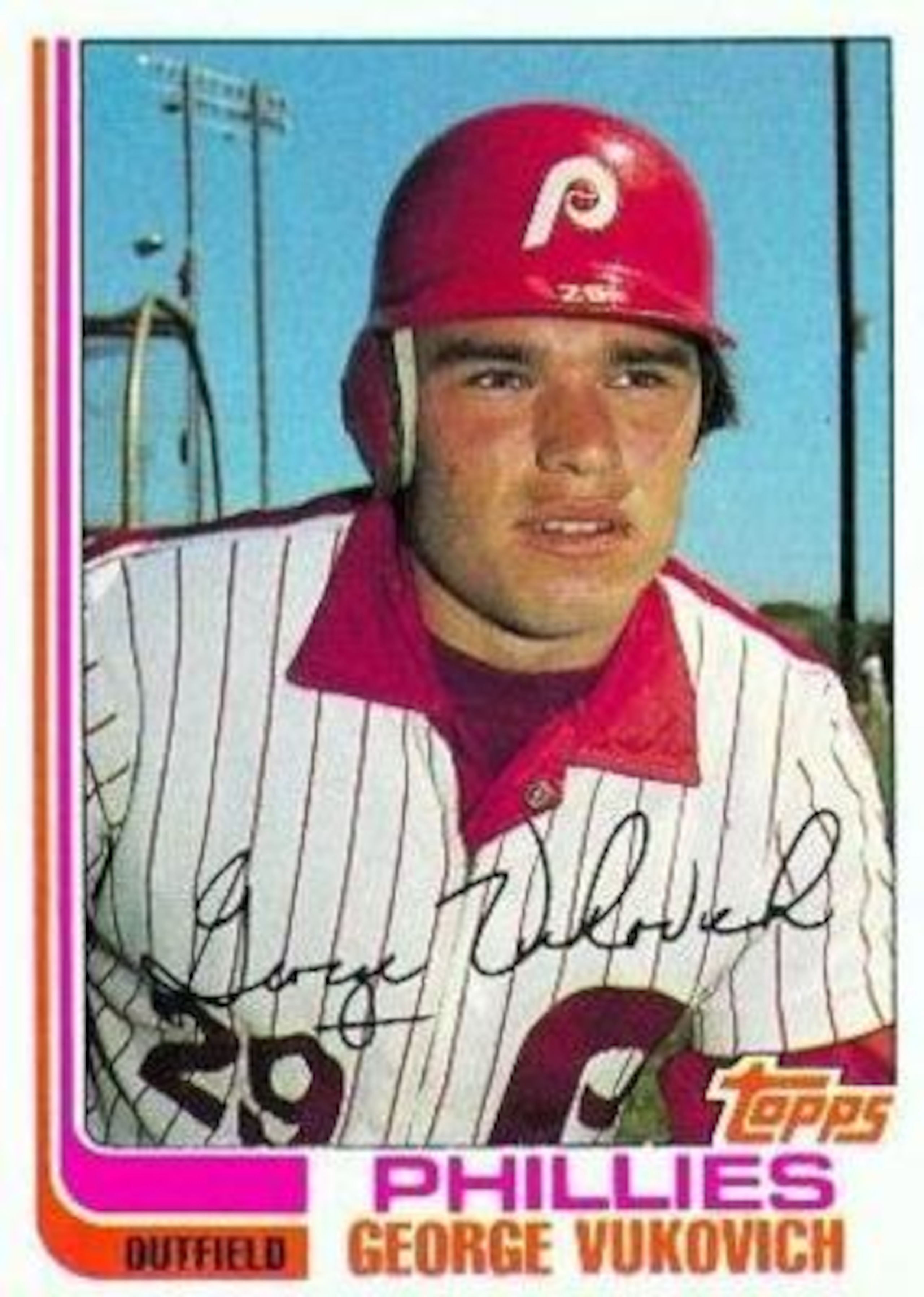
With the Phillies trailing the series 2-1 and facing elimination, they jumped out to an early 4-0 lead. However, by the end of the seventh inning, it was all tied up at 5-5.
Both teams went to their closers in the eighth, and Tug McGraw sent the Expos down 1-2-3 in the eighth and ninth, while the Expos closer Jeff Reardon did the same to the Phillies.
McGraw was perfect again in the top of the 10th, but the first man Reardon faced in the bottom of the inning was pinch hitter George Vukovich, who had made just 26 at bats during the regular season, and he hit the first pitch he saw for a game winner.
No. 27: Trot Nixon: 2003 ALDS, Game 3
24 of 50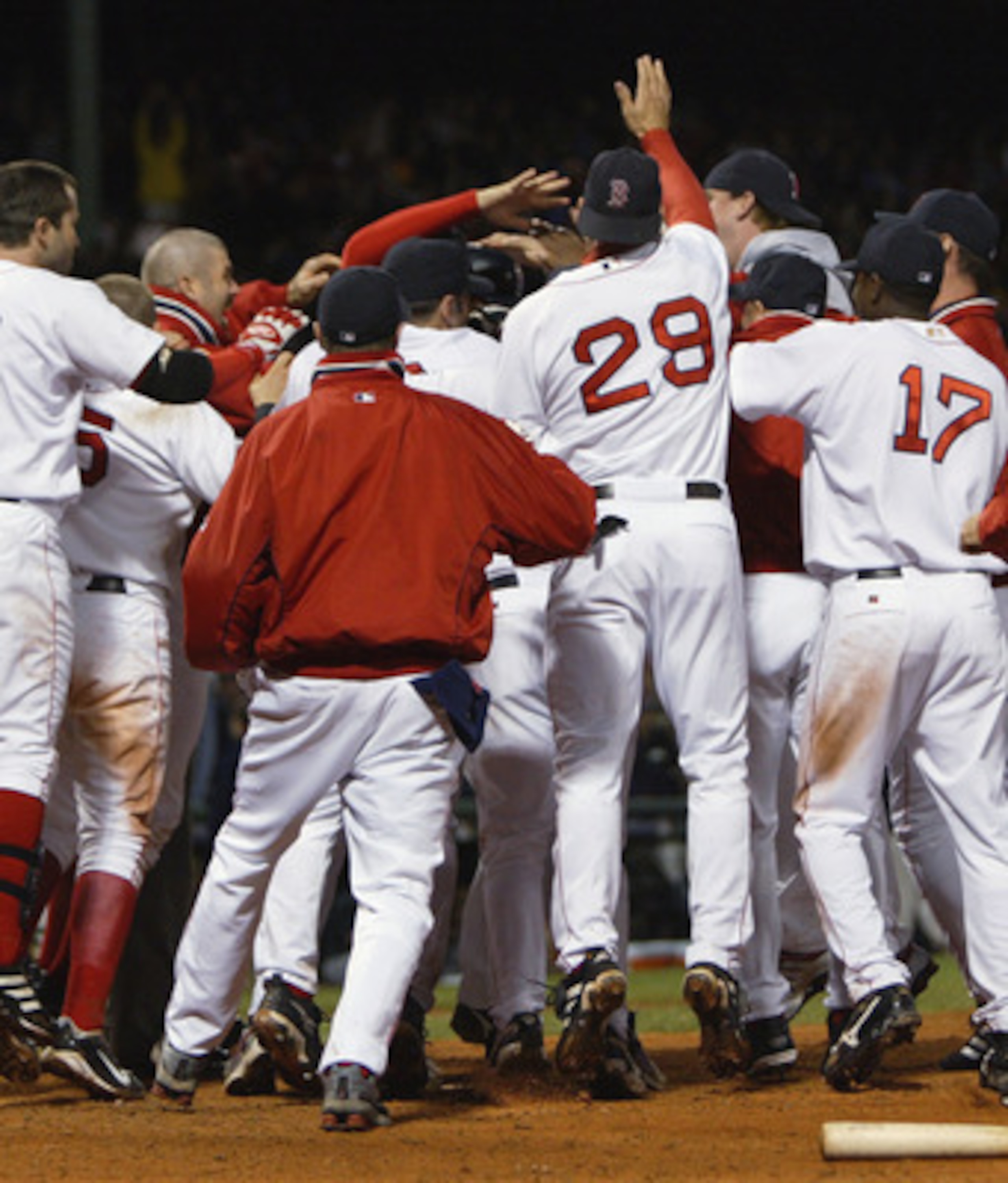
Down 2-0 to the Athletics in the series and facing elimination, the Red Sox scored an early run in the second inning and held that lead until the A's knotted things up in the sixth. That would be all the scoring through 10 innings.
After Scott Williamson set down the side 1-2-3 in the top of the 11th for the Red Sox, the Athletics sent Rich Harden in the bottom of the inning, and after getting the first batter out, he gave up a single to Doug Mirabelli. The Red Sox then pinch-hit for Gabe Kapler with Trot Nixon, and it proved to be a great call, as Nixon hit a homer to send the Red Sox home winners.
They would go on to win the next two games as well to come back from facing elimination to advance to the ALCS.
No. 26: John Lowenstein: 1979 ALCS, Game 1
25 of 50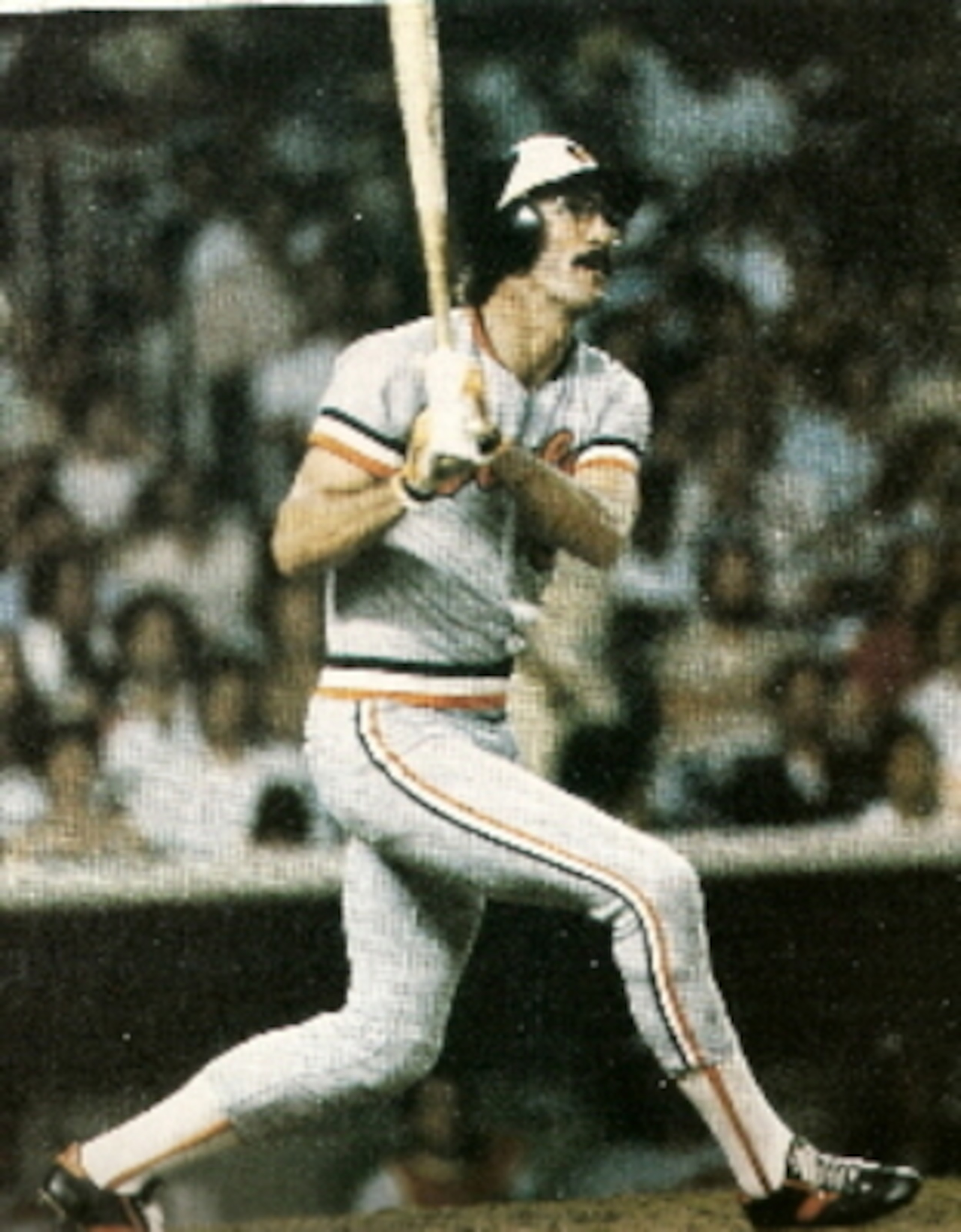
With plenty of early scoring, the Orioles and Angles were all knotted up at 3-3 after the sixth inning, but they couldn't push anything across from there, as starters Jim Palmer and Nolan Ryan both buckled down.
Ryan was out of the game after six innings, while Palmer made it nine, but it would take extras to decide this one, and reliever Don Stanhouse sent the Angels down 1-2-3 in the top of the 10th.
In the bottom of the inning, the Orioles managed a leadoff single, but then, John Montague managed to get a pair of quick outs in what was his third inning of work. After Al Bumbry was intentionally walked, the Orioles sent John Lowenstein to the plate as a pinch-hitter, and he connected with an 0-2 offering for a game-winning blast.
No. 25: Steve Garvey: 1984 NLCS, Game 4
26 of 50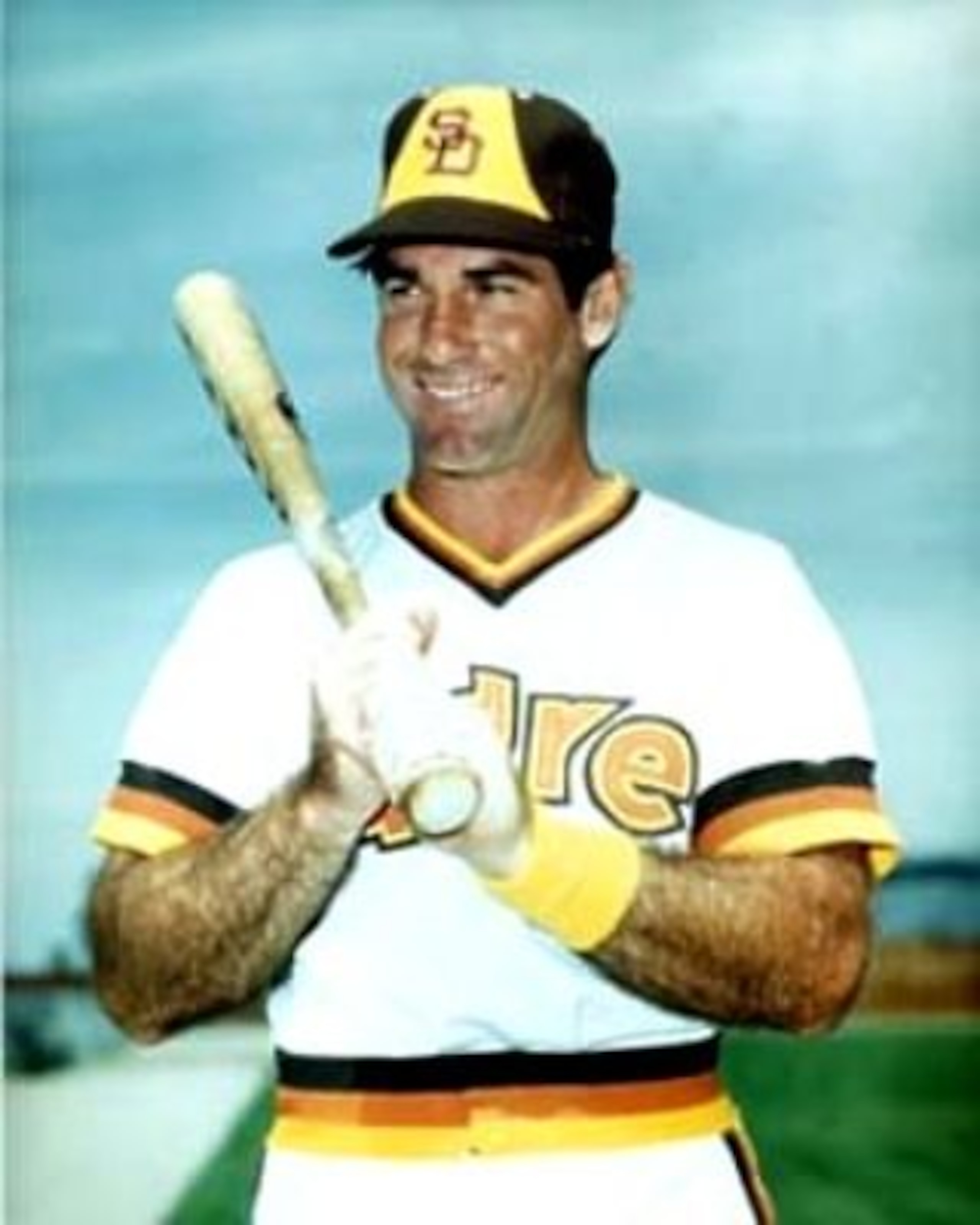
The Cubs jumped out to a 2-0 series lead in the 1984 NLCS, but the Padres were not to be taken lightly, and after taking Game Three, they carried a 5-3 lead into the eighth inning of Game Four.
However, the Cubs scored a pair of runs in the top of the eighth to tie things up, and after holding the Padres scoreless in the bottom of the inning, they too were unable to score in the top of the ninth.
The Cubs then called on closer Lee Smith to keep things where they were, but that wouldn't happen. After striking out the first hitter, Smith gave up a single to Tony Gwynn before Steve Garvey connected with a game-winning blast to right-center field, giving him five RBI on the day and setting an LCS record with 20 career RBI.
No. 24: Mark McGwire: 1988 World Series, Game 3
27 of 50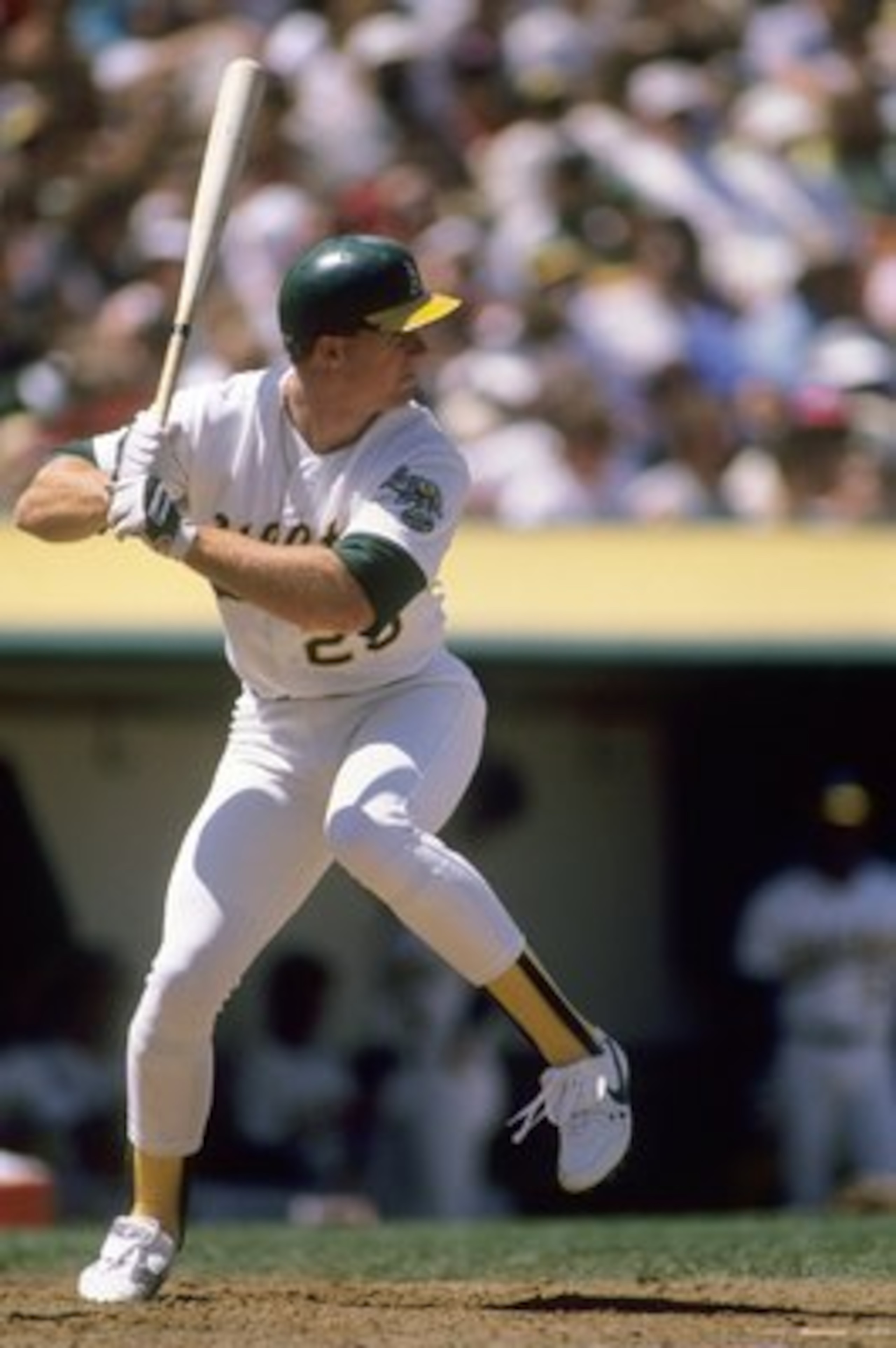
The 1988 World Series is best remembered for Kirk Gibson's legendary home run on two bad knees to walk-off win Game 1. However, it is also the only series to ever have two walk-off home runs in it.
In Game 3, which would end up being the only win the Athletics had in the series, both teams struggled to find any offense, as the game was tied 1-1 heading into the bottom of the ninth.
After getting the first out of the inning, Dodger reliever Jay Howell served up a home run ball to Mark McGwire on what was just the A's fifth hit of the game, as they came away with the win.
No. 23: Todd Pratt: 1999 NLDS, Game 4
28 of 50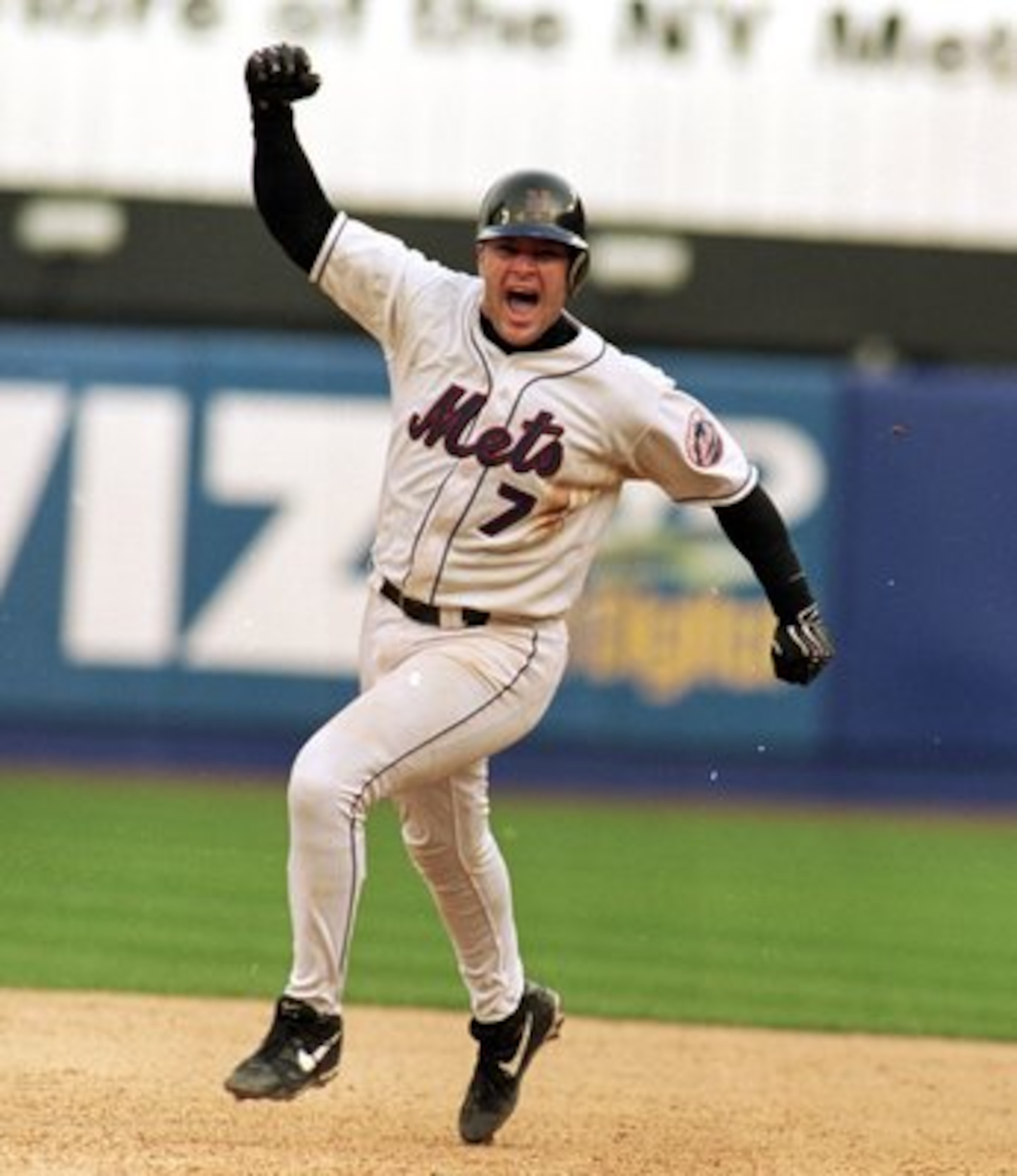
With Mike Piazza on the shelf, the Mets were forced to start veteran Todd Pratt at catcher in what marked a significant offensive downgrade, but one that worked out in the end.
Down 2-1 going into the eighth inning, the Diamondbacks struck for two runs in the top of the inning, but the Mets answered with a run of their own in the bottom of the inning. After a scoreless ninth, the teams headed for extras.
John Franco came in and pitched a 1-2-3 10th for the Mets, while Diamondbacks closer Matt Mantei came out for his third inning of work. After coaxing a fly ball out of Robin Ventura for the first out, Pratt hit the first pitch of the at bat out for a game-winning and series-clinching home run.
No. 22: Chad Curtis: 1999 World Series, Game 3
29 of 50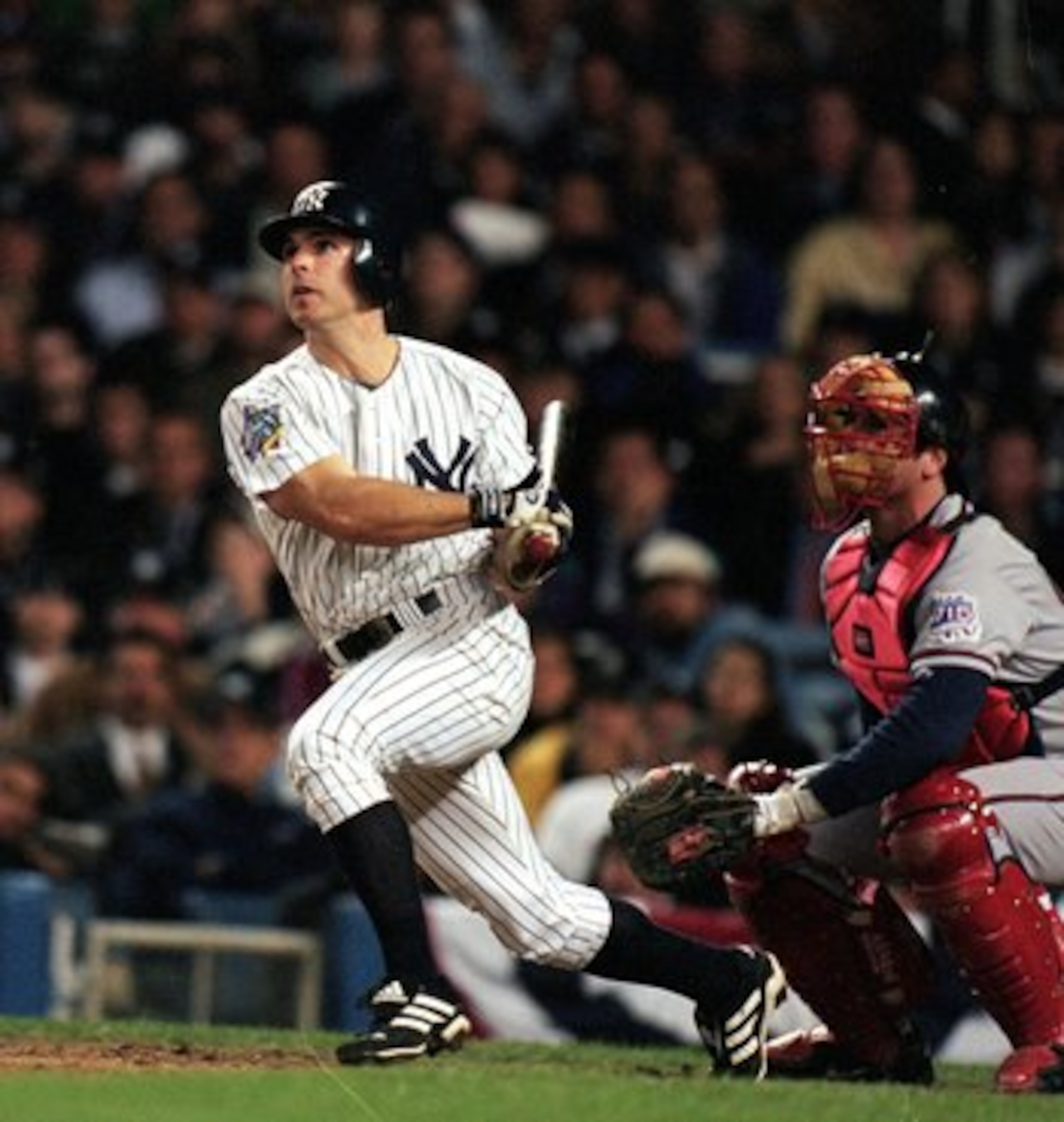
Throughout the 1990s, left field was somewhat of a revolving door for the Yankees, and in 1999, it was a platoon between Chad Curtis and Ricky Ledee that manned the position.
After Ledee started the first two games of the series, Curtis got the nod in Game 3, and he made the most of it.
After the Braves jumped out to an early 5-1 lead, Curtis hit a solo home run in the fifth to pull things closer. Two more Yankees home runs by Tino Martinez and Chuck Knoblauch tied things up at 5-5 heading into the ninth.
After a scoreless ninth, the Braves went down quietly in the top of the 10th. Curtis then led off the bottom of the inning and hit the first pitch he saw from reliever Mike Remlinger into the stands for his second home run of the gameand a Yankees win.
No. 21: Mickey Mantle: 1964 World Series, Game 3
30 of 50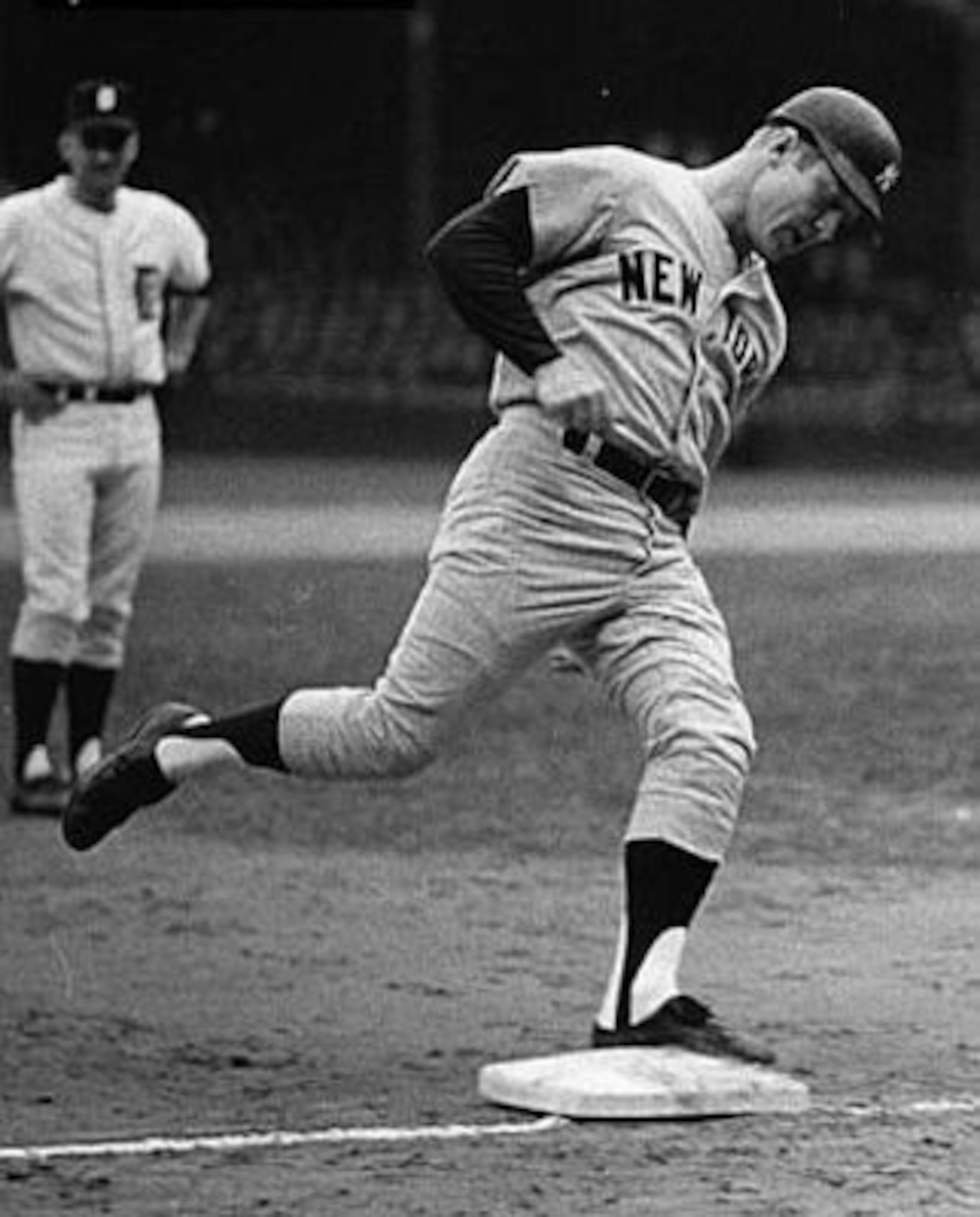
In the twilight of his storied career, Mickey Mantle was still one of the best, and his home run in the 1964 series is one of legend.
Not only was it a walk-off to give the Yankees a 2-1 series lead (although they would eventually fall in seven games), but he also broke Babe Ruth's record for home runs in the World Series with the 16th of his career.
Also, legend has it that Mantle, who was leading off the inning, told on-deck hitter Elston Howard to head back into the dugout because he was going to end the game with a home run. True or not, that's an awesome story.
No. 20: Lenny Dykstra: 1986 NLCS, Game 3
31 of 50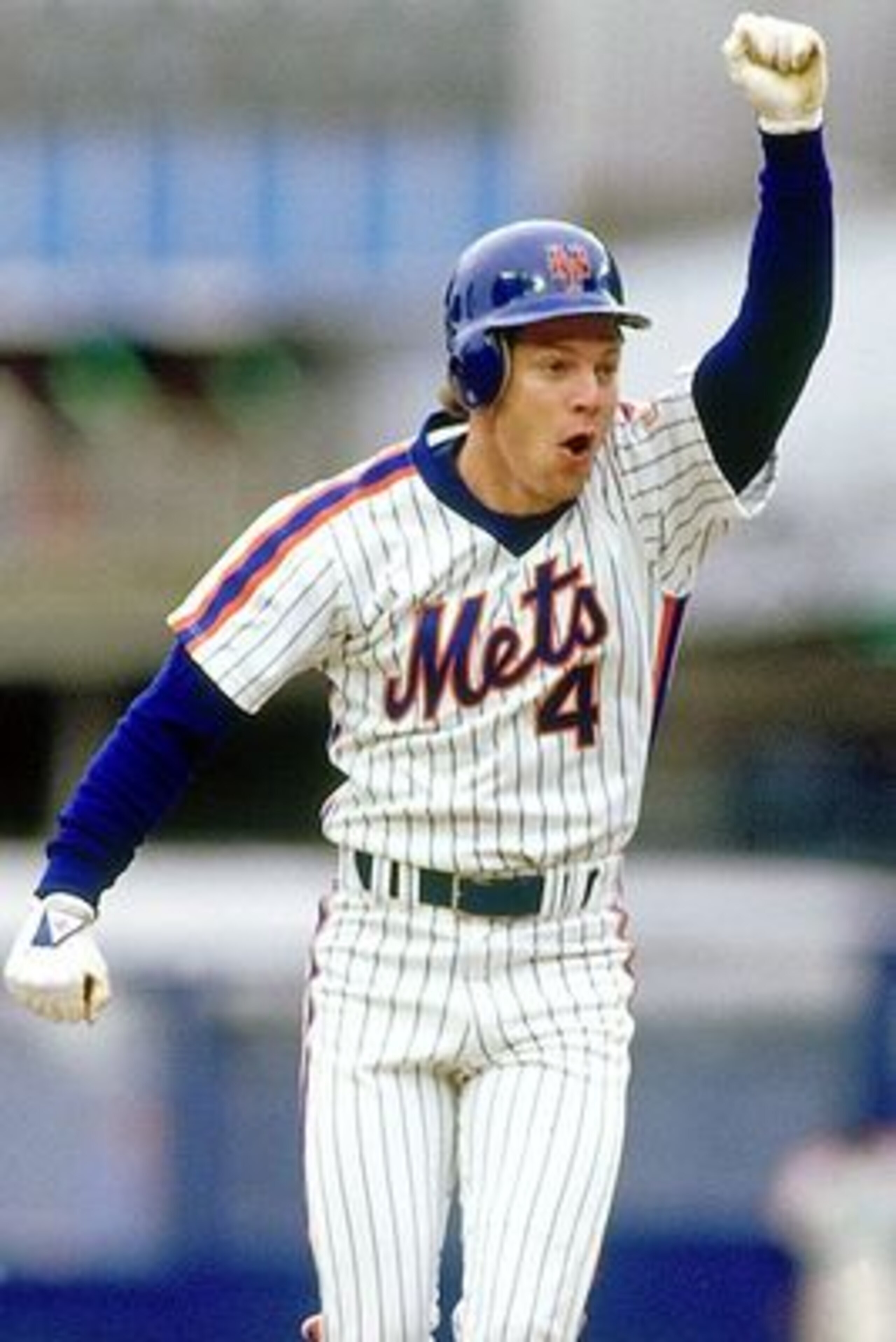
After the Astros jumped out to a 4-0 lead after the second inning, the Mets managed to tie things up with a four run sixth inning. However, that would be short lived, as the Astros struck for a run in the top of the seventh to take the lead once again.
It remained 5-4 heading into the bottom of the ninth, as the Mets had one last chance against Astros closer Dave Smith.
Pinch-hitter Wally Backman led off the ninth with a single, bringing up another pinch-hitter Danny Heep who flew out for the first out of the inning. He was followed by Lenny Dykstra, who had entered the game as a pinch-hitter in the seventh inning. After a first pitch strike, Dykstra drove the next offering into the right field bleachers for the game-winner.
The home run marked the first time in postseason history that a game-winning home run was hit by a team that was trailing.
No. 19: Chris Burke: 2005 NLDS, Game 4
32 of 50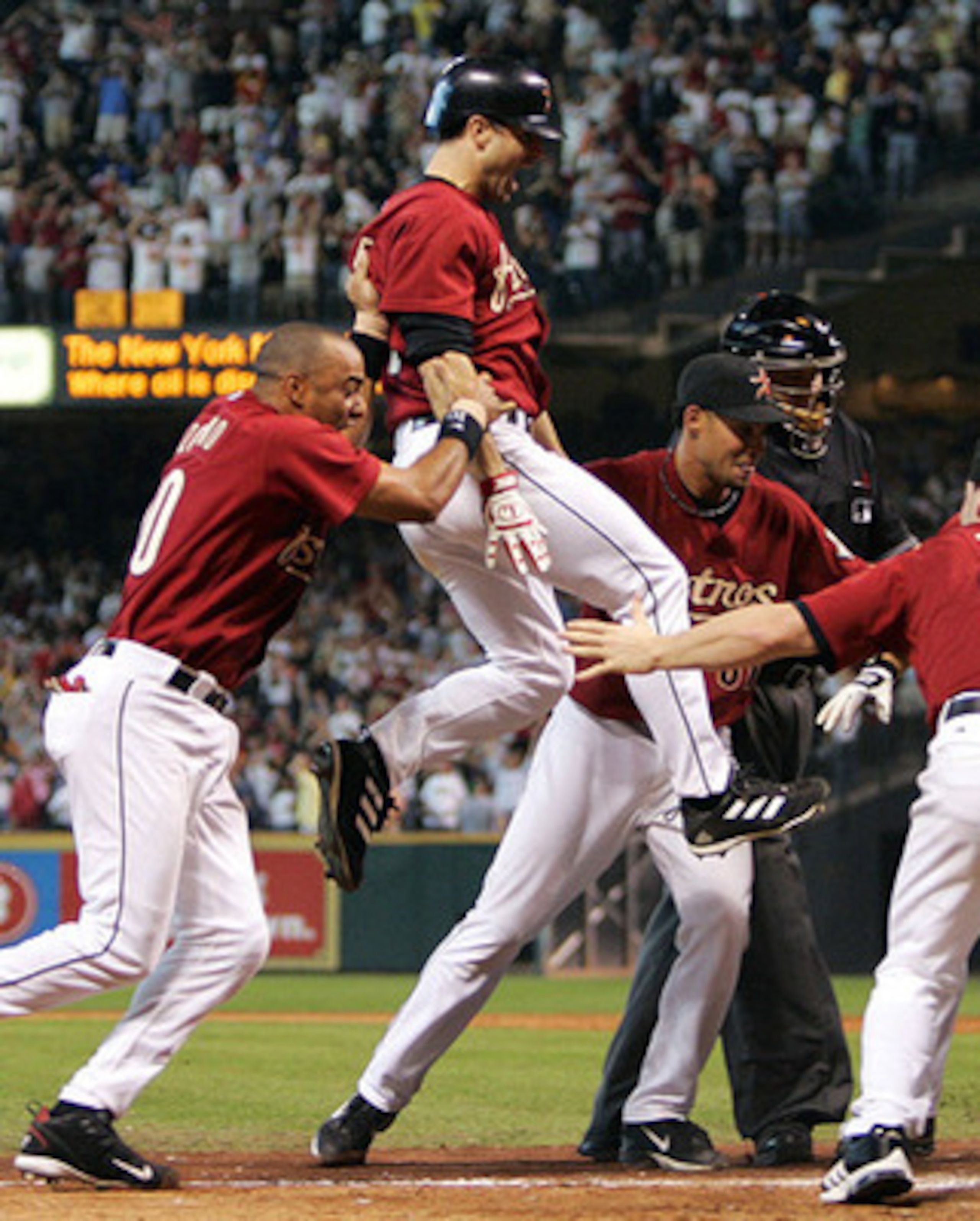
In what was the longest playoff game in history, the Astros and Braves played a whopping 18 innings, spanning nearly six hours, as a total of 14 pitchers were used.
The Astros came in up 3-0 in the series with a chance to sweep. However, the Braves led 6-1 going into the bottom of the eighth, but that was when the wheels fell off. The Astros scored four in the bottom of the eighth on a Lance Berkman grand slam, then forced extras when Brad Ausmus homered with two outs in the bottom of the ninth.
That was followed by seven scoreless innings of bonus baseball, before Chris Burke who entered the game in the 11th as a pinch-runner but still managed three at bats finally ended it with a solo home run in the 18th to send the Astros to the NLCS.
No. 18: Jim Thome: 2007 Regular Season
33 of 50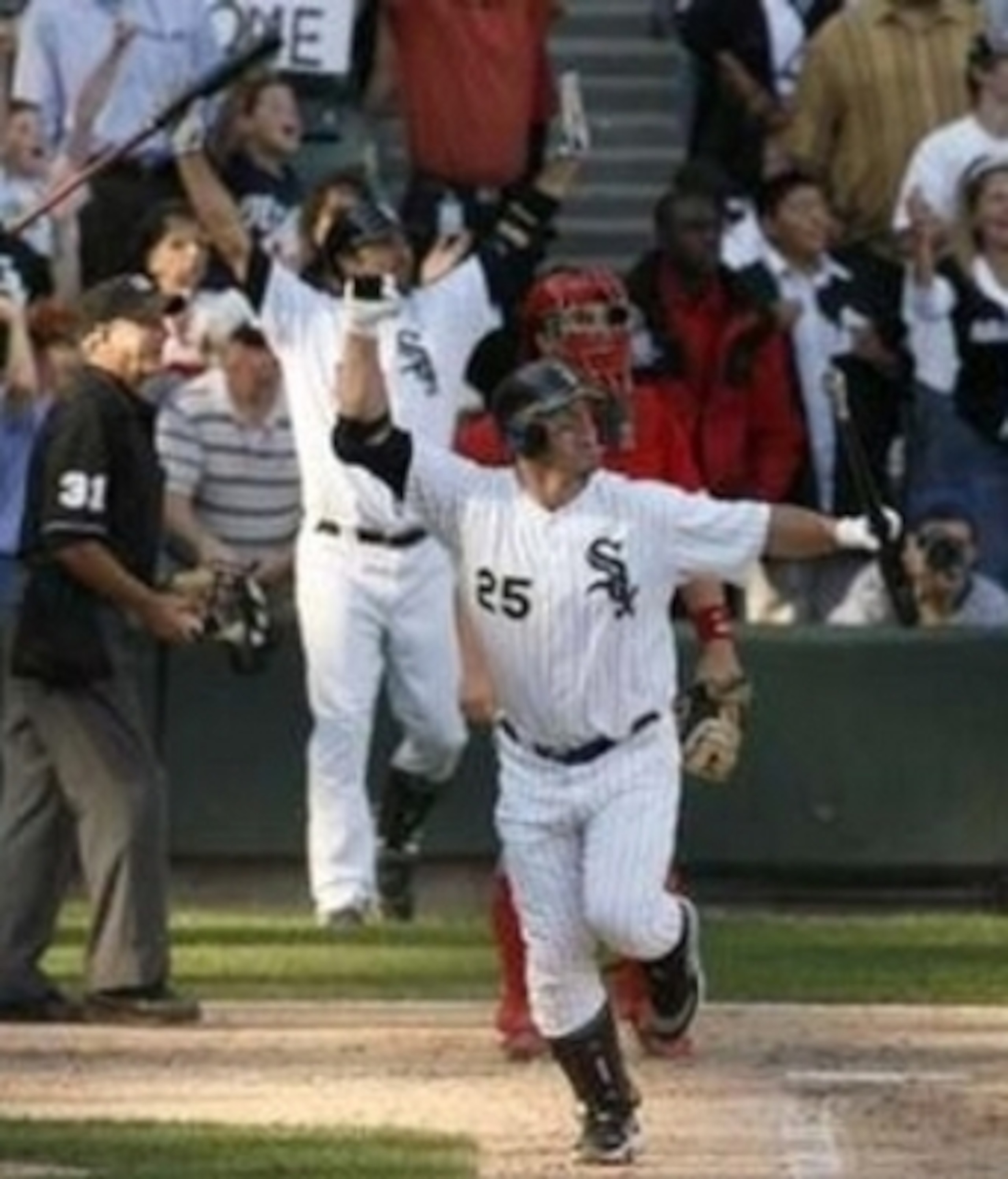
Walk-off home runs are always special, but even more special is the ultra-rare 500th home run of a player's career as there are 25 players to accomplish that feat.
However, only one of those players reached the hallowed 500-mark with a walk-off blast, and that was Jim Thome back in 2007.
With the game tied 7-7 in the bottom of the ninth, Thome took the Angels Dustin Moseley deep for a two-run shot, hitting a milestone and giving the Sox a win all in one swing.
No. 17: Tommy Henrich: 1949 World Series, Game 1
34 of 50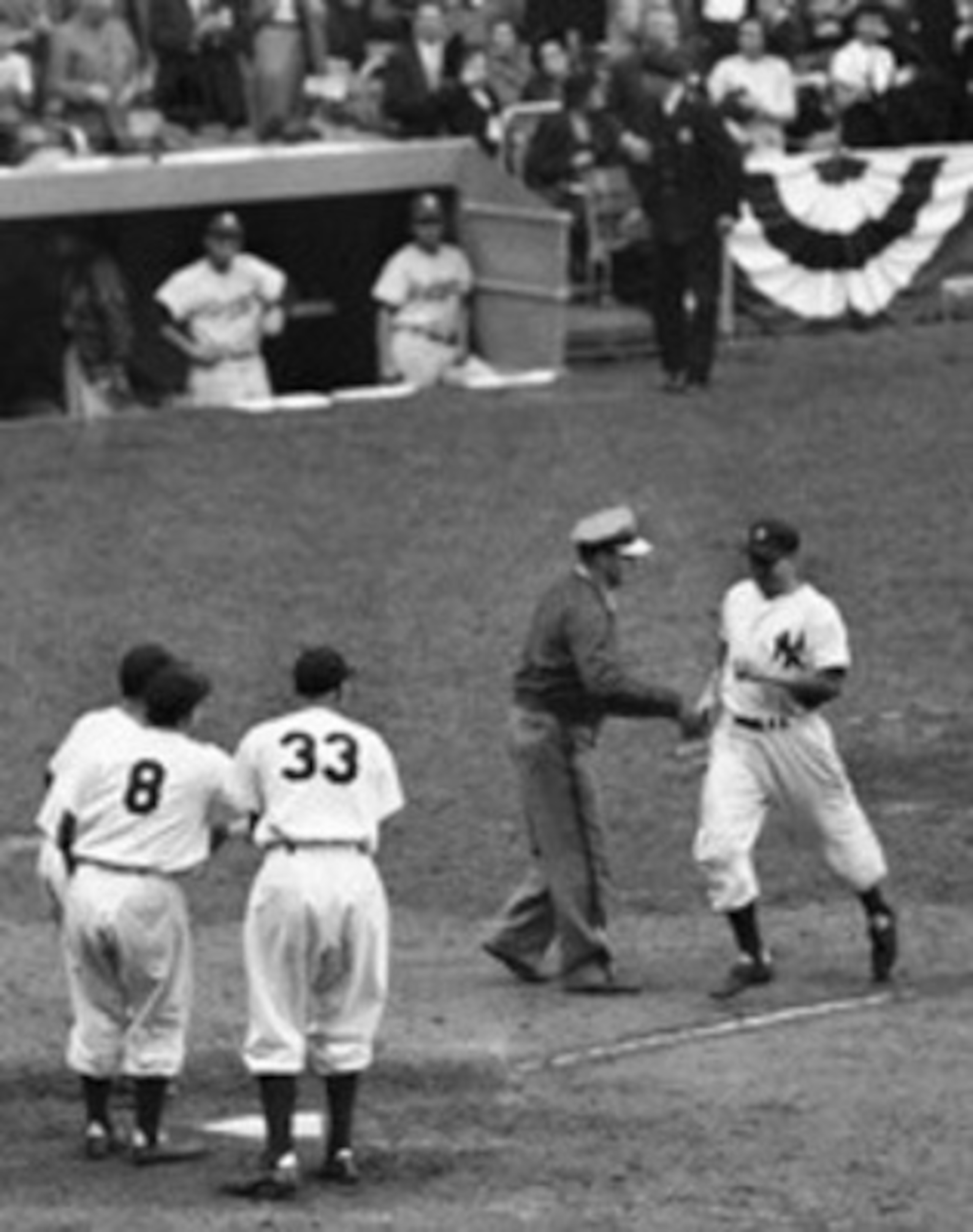
The opening game of the 1949 World Series was the definition of a pitcher's duel, as the Dodgers Don Newcombe and Yankees Allie Reynolds each threw eight scoreless frames.
Reynolds, who gave up just two hits in the game, retired the Dodgers in order in the top of the ninth, as he was absolutely dominant the entire game.
For Newcombe, he had given up just four hits, while striking out 11 through eight innings, and he faced second hitter Tommy Henrich to start the top of the ninth. And just like that, the shutout and the game were over, as Henrich his the first pitch he saw for a game-winning homer.
No. 16: Ozzie Smith: 1985 NLCS, Game 5
35 of 50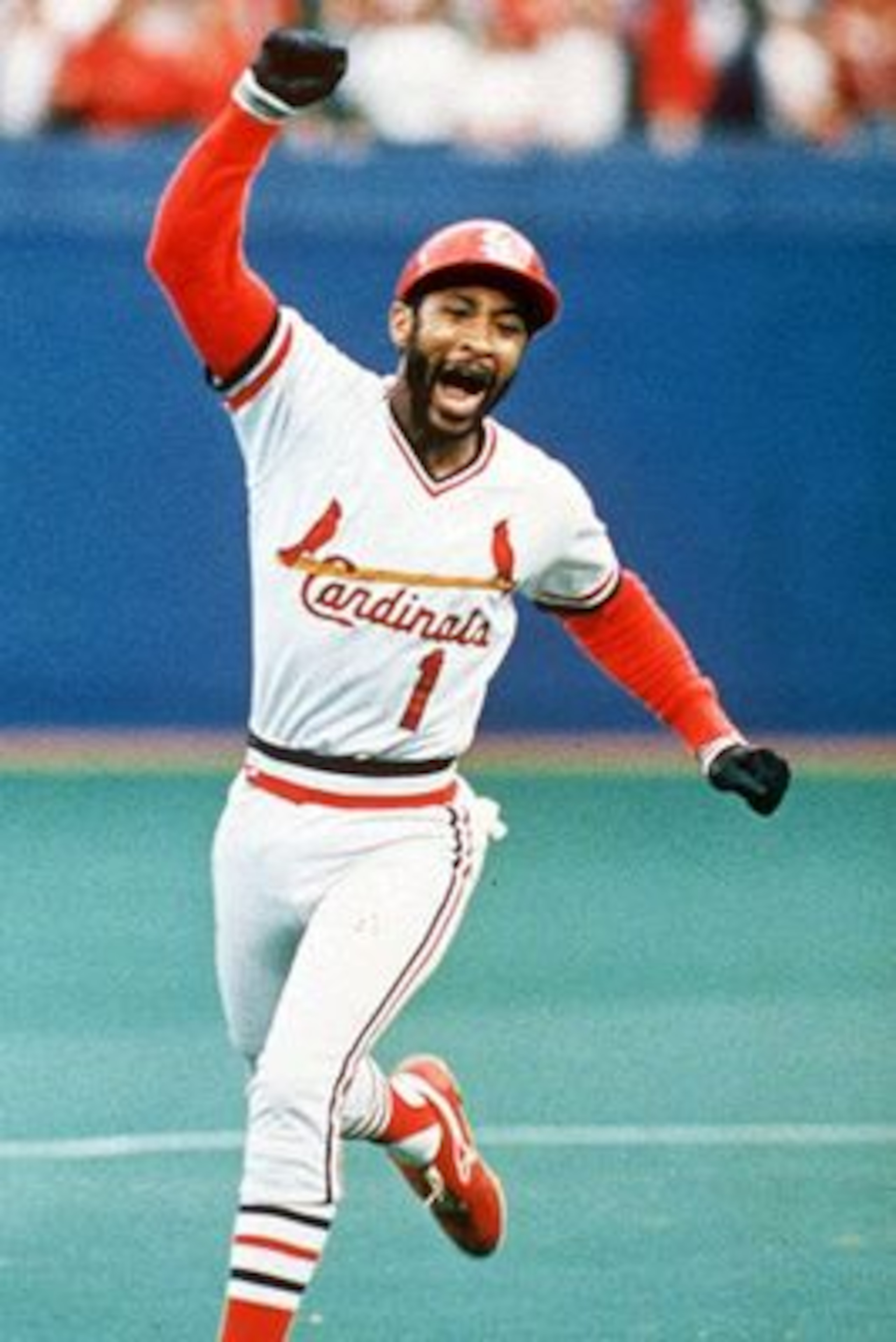
Prior to the 1985 season, the League Championship Series' were changed from a best-of-five format to a best-of-seven format, so when the Cardinals and Dodgers entered Game Five tied at 2-2, it was not a chance to win the series, but certainly to take control of it.
The Cardinals jumped to an early 2-0 lead, but the Dodgers tied things up with a two-run fourth inning, and the score remained tied heading into the bottom of the ninth.
The Dodgers turned to reliever Tom Niedenfuer to keep things tied, after eight strong innings from ace Fernando Valenzuela. After inducing a popup from the first hitter of the inning Willie McGee, that brought Ozzie Smith to the plate hitting left-handed. In 3,009 at bats in his career batting left-handed, Smith had never homered, but when it mattered most, he came through with a game-ending jack to right field.
"Go crazy, folks, go crazy"Cardinals announcer Jack Buck
No. 15: Magglio Ordonez: 2006 ALCS, Game 4
36 of 50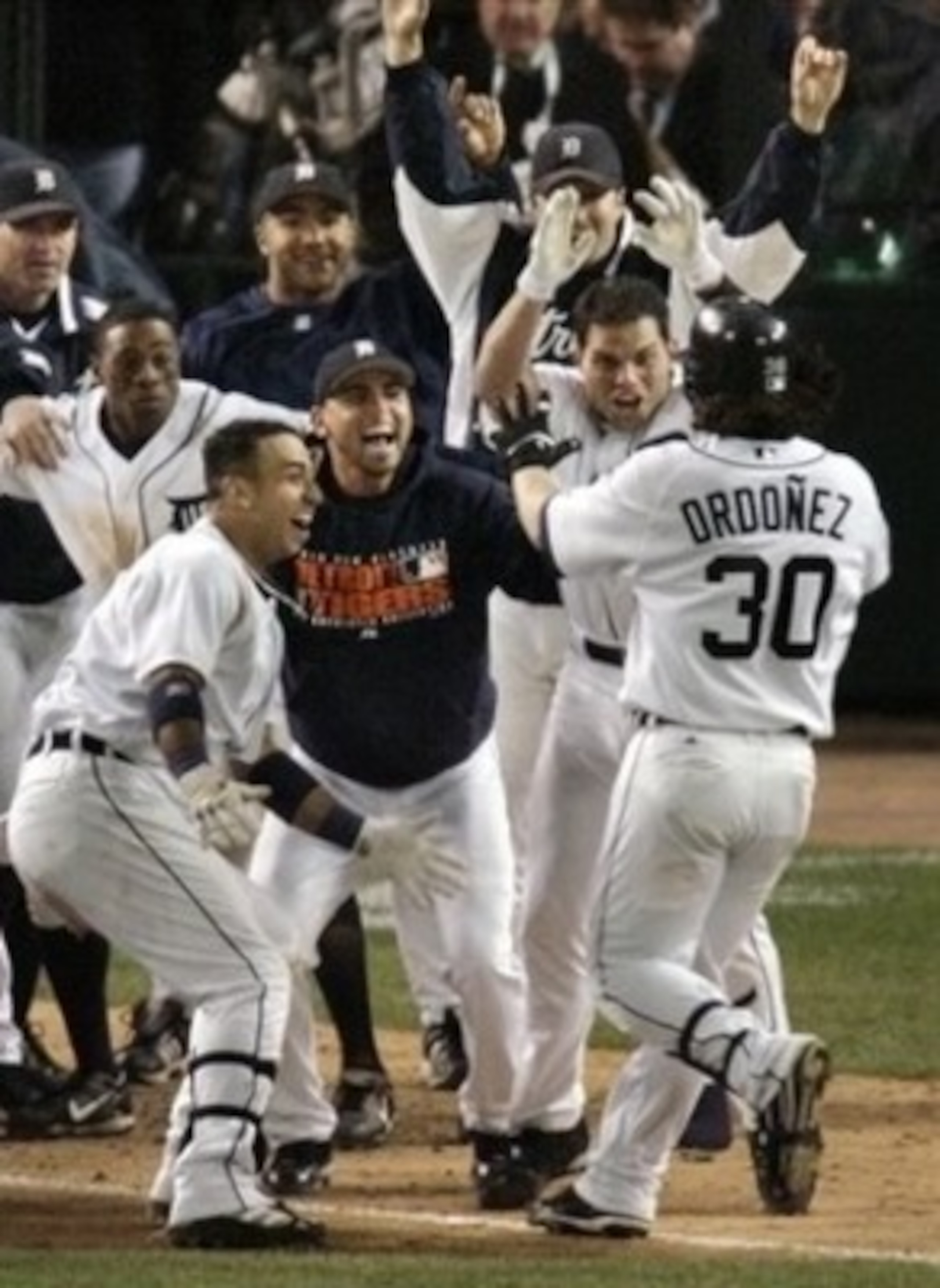
The Tigers were dominant through the first three games of the ALCS against the Athletics, as they outscored them 16-5, and that set up a chance for a sweep and a trip to the World Series.
The teams were all tied up 3-3 heading into the bottom of the seventh, and when a pair of A's reliever loaded the bases with just one out, manager Ken Macha turned to his closer Huston Street to get out of the jam, and he did with a double play ground out.
Flash forward to the bottom of the ninth, and the score was still 3-3 as Street entered his third inning of work in the bottom of the ninth. After getting two quick outs, he gave up back-to-back singles, bringing up cleanup hitter Magglio Ordonez. He took advantage of a tired Street, and launched a three-run bomb to send the Tigers to the World Series.
No. 14: Alex Gonzalez: 2003 World Series, Game 4
37 of 50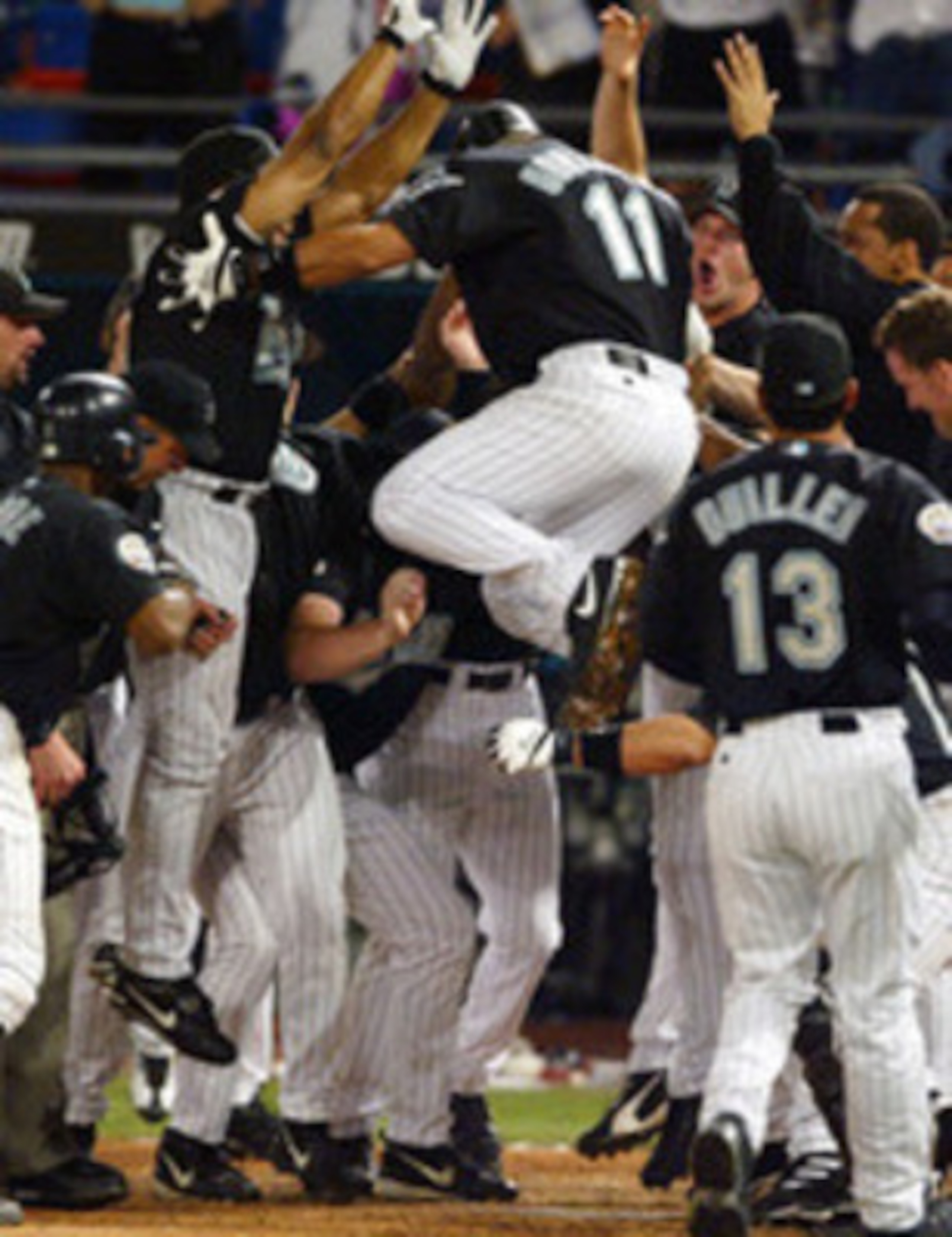
After coming back to beat the Cubs in the NLCS, the Marlins once again found themselves down in the series against the Yankees, 2-1.
After striking for three runs in the first inning, the Marlins held a 3-1 lead going into the ninth inning. That brought closer Ugueth Urbina, and he gave up a two-out, two-run triple to Ruben Sierra to tie things up and send it into extras.
After a scoreless 10th and 11th, the Marlins finally broke through in the bottom of the 12th, when shortstop Alex Gonzalez, who was hitting just .077 to that point in the series, led off the inning with a game-winning longball.
No. 13: Scott Podsednik: 2005 World Series, Game 2
38 of 50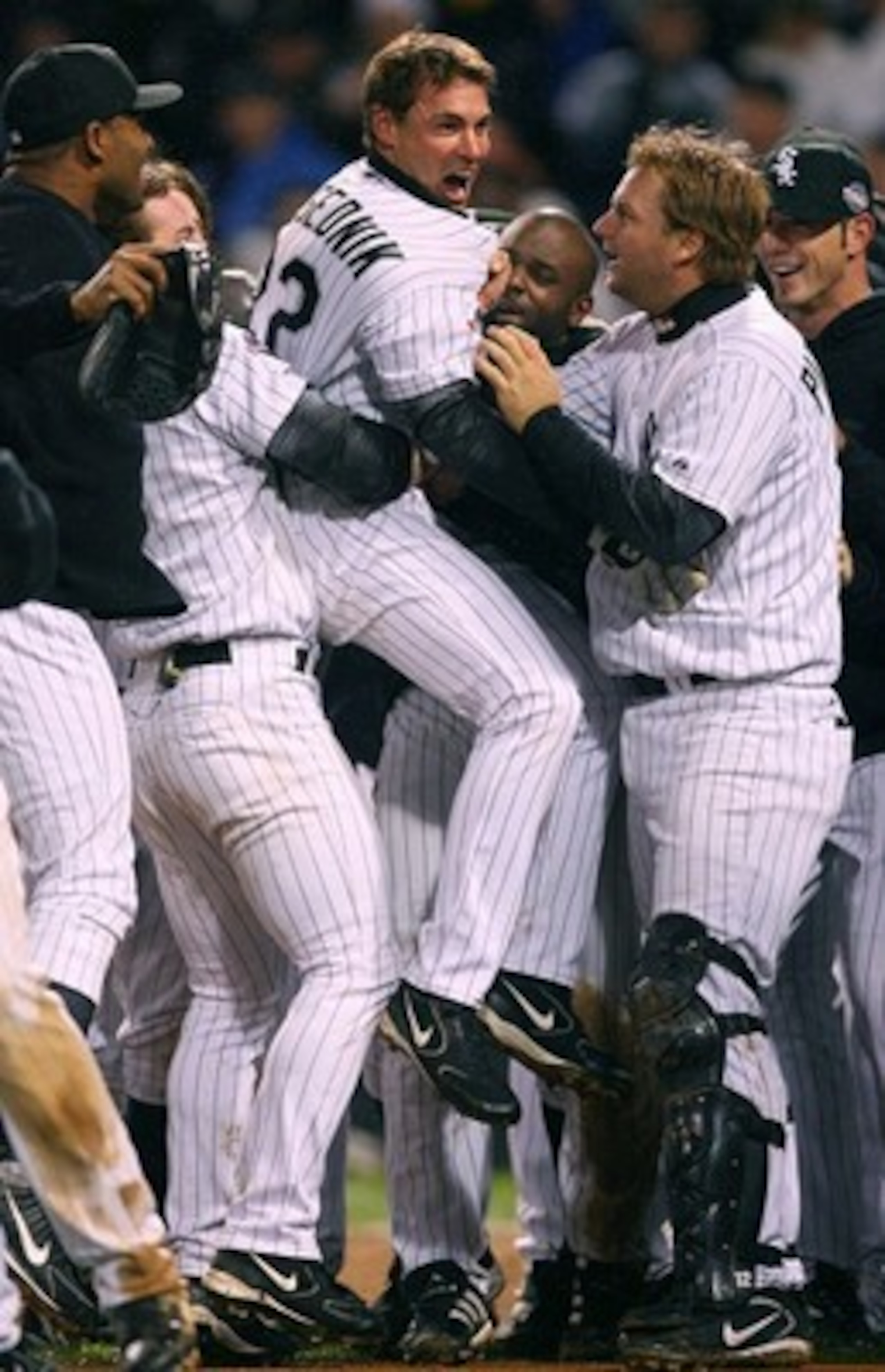
The White Sox held a 6-4 lead heading into the top of the ninth inning, as they looked to go up 2-0 against the Astros. They called on closer Bobby Jenks, and he did not have his best stuff to close out the game.
He had runners on second and third with two outs, and the White Sox still up 6-4, when the Astros called on pinch-hitter Jose Vizcaino for one last chance. He hit the first pitch he saw for a two-run single, tying things up and chasing Jenks. Neal Cotts managed to get the Sox out of the inning without further damage.
The Astros then called on their own closer, Brad Lidge, to keep the game tied. After getting the first batter of the inning out, Scott Podsednik came to the plate for the Sox. In 507 regular season at bats, Podsednik had gone without a home run, but he drove Lidge's 2-1 offering over the right-center field wall for the most improbable of walk-off wins.
No. 12: Eddie Mathews: 1957 World Series, Game 4
39 of 50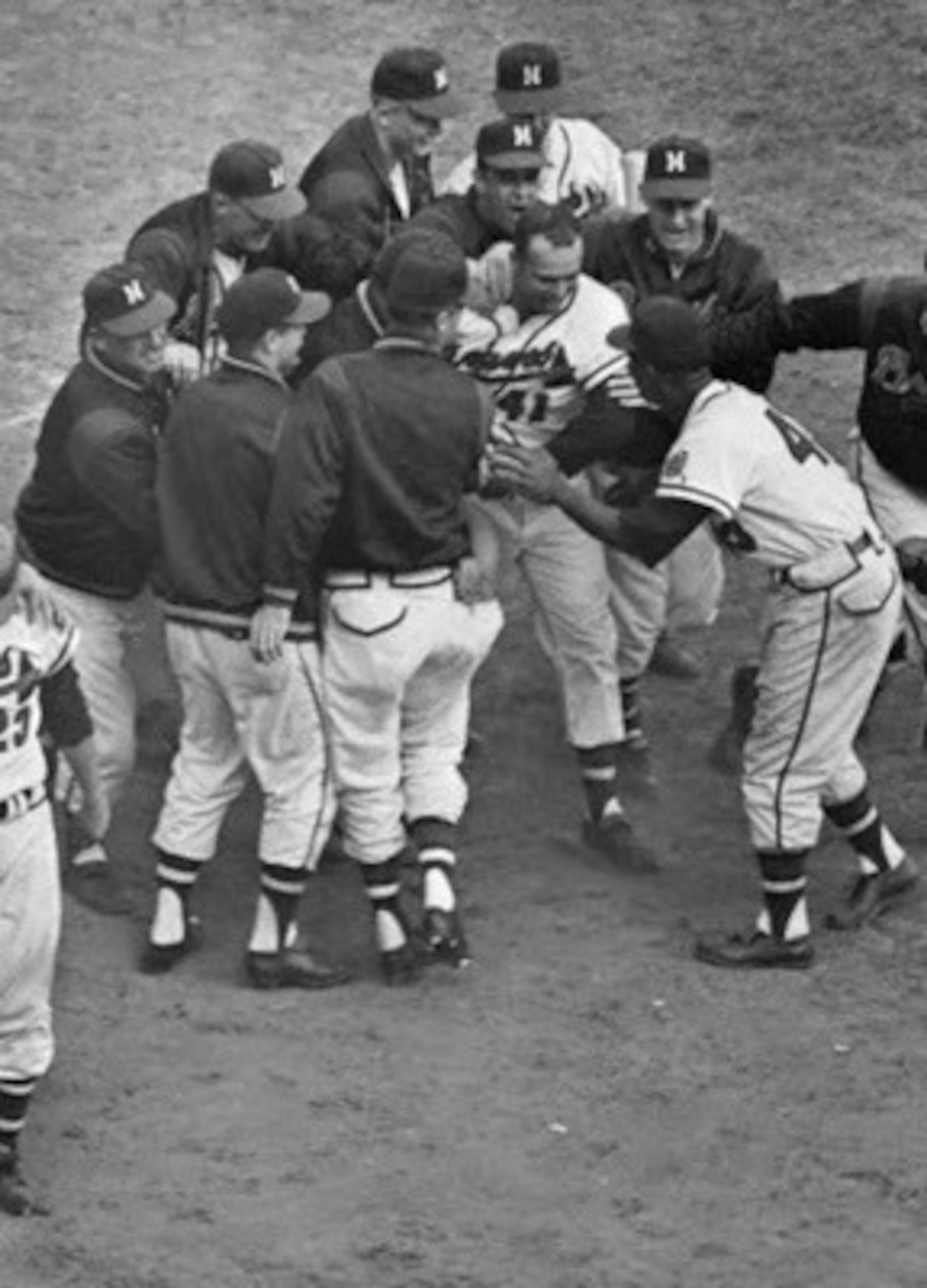
The Braves trailed the Yankees 2-1 following a 12-3 shellacking in Game 3, and they had their ace Warren Spahn on the hill with a chance to even the series.
Spahn pitched well through eight, giving up just one run as the Braves led 4-1 heading into the top of the ninth. However, he ran into trouble in the ninth, giving up three runs as the Yankees tied things up to force extra innings. The Braves then opted to leave Spahn in for a 10th inning, and he gave up another run as the Braves found themselves down 5-4 heading into the bottom of the 10th.
The first batter of the inning was hit by a pitch then sacrificed over. That was followed by an RBI double from Johnny Logan, as the Braves tied things up. The damage was not done, however, as the next batter was Hall of Famer Eddie Mathews, and he launched a home run to deep right field to give the Braves the win and bail out Spahn.
No. 11: Dusty Rhodes: 1954 World Series, Game 1
40 of 50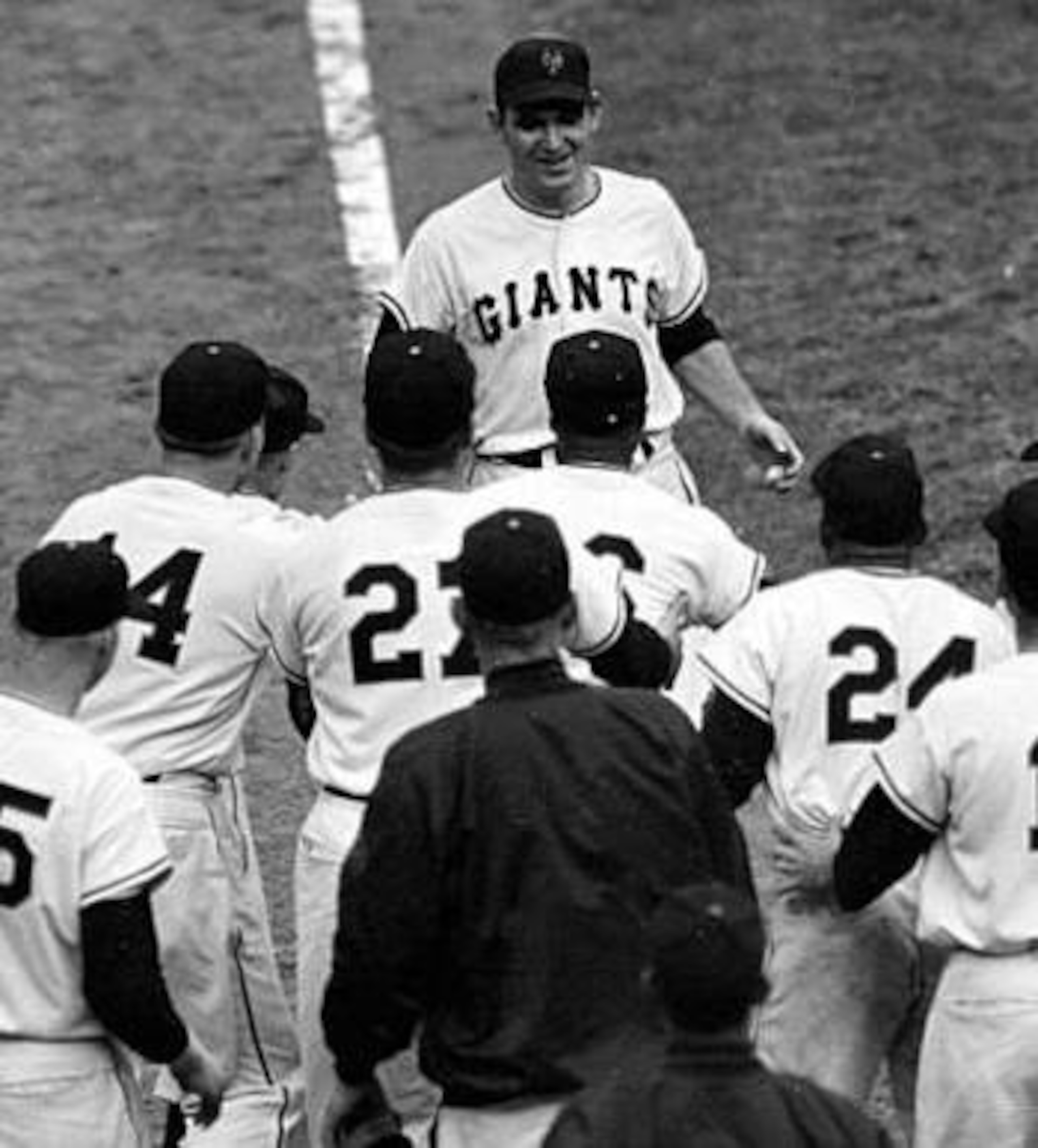
This game is best remembered for the "The Catch" when Willie Mays made an insane over the shoulder catch on a dead sprint to preserve a 2-2 tie in the bottom of the eighth. However, that catch also set up one of the biggest walk-off home runs of all time.
The Indians struck for two runs in the first inning, but the Giants came back and tied things up in the bottom of the third. The teams would go scoreless through the ninth inning.
After the Indians failed to score in the top of the 10th, they sent their ace Bob Lemon back to the mound for a 10th inning of work. After striking out the leadoff, Lemon walked Willie Mays, who then stole second base. That led to an intentional walk of Hank Thompson to set up the double play.
With Monte Irvin scheduled to hit next, the Giants elected to pinch-hit, as Irvin was 0-for-3 in the game and they sent utility man Dusty Rhodes to the plate. He responded, hitting the first pitch he saw for a game-winning home run to deep right field.
No. 10: David Ortiz: 2004 ALCS, Game 4
41 of 50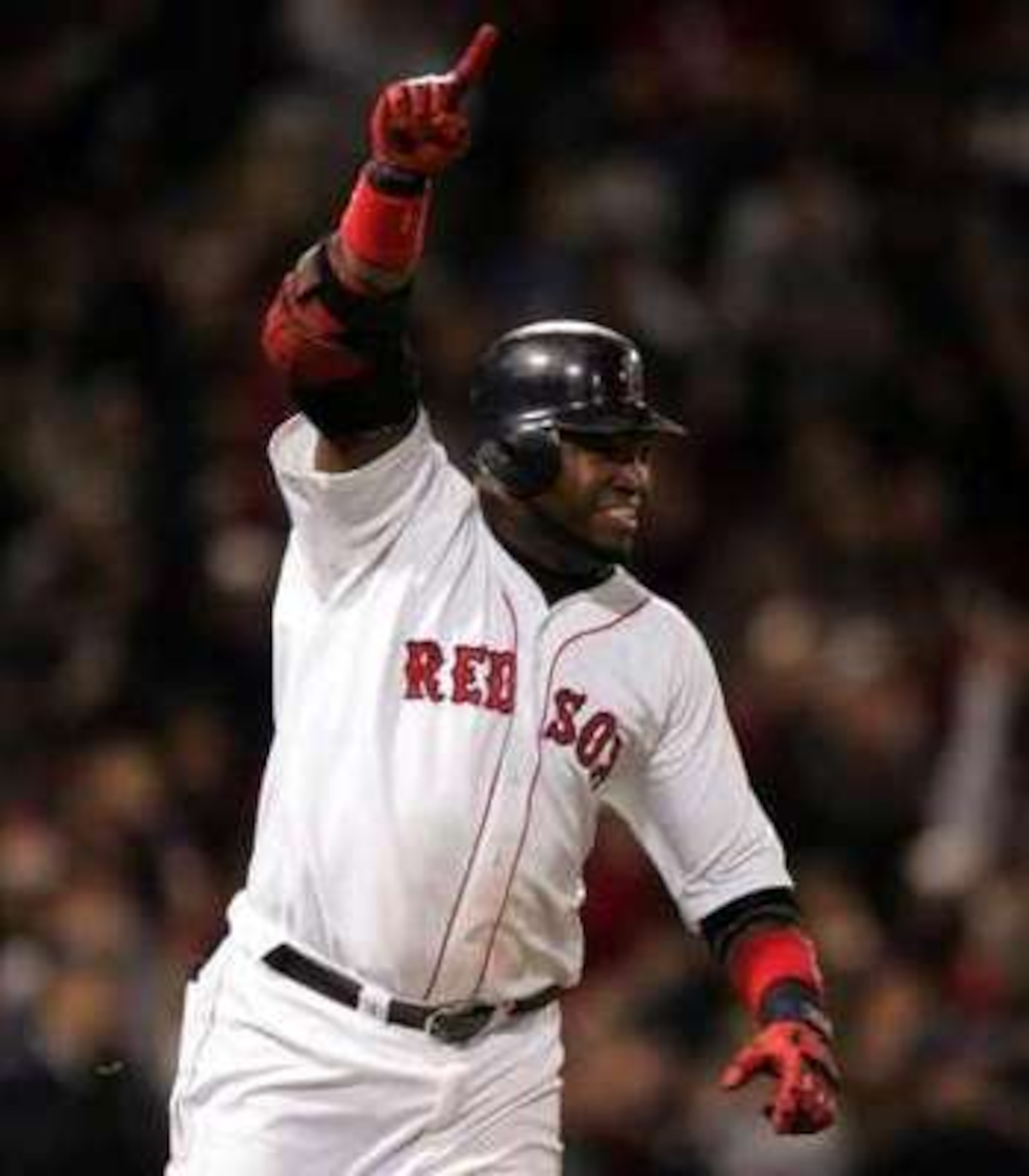
Coming off of a 19-8 drubbing in Game 3, the Red Sox found themselves facing a sweep at the hands of their rivals, as they trailed 4-3 going into the bottom of the ninth.
Kevin Millar led off the inning with a single, and pinch-runner Dave Roberts stole second base to set up a game-tying single from Bill Mueller, as Mariano Rivera blew a rare postseason save opportunity. He did, however, get out of the inning with the score still tied.
After a scoreless 11th, the Yankees failed to score in the top of the 12th, and the Red Sox had another opportunity to come away with the win. Paul Quantrill came in to pitch for the Yankees, and after a Manny Ramirez single, David Ortiz gave the Red Sox the win with a two-run shot. That began perhaps the most improbable comeback in sports history, and the Red Sox won the next three games to become the first team to ever come back from down 3-0.
No. 9: Chris Chambliss: 1976 ALCS Game 5
42 of 50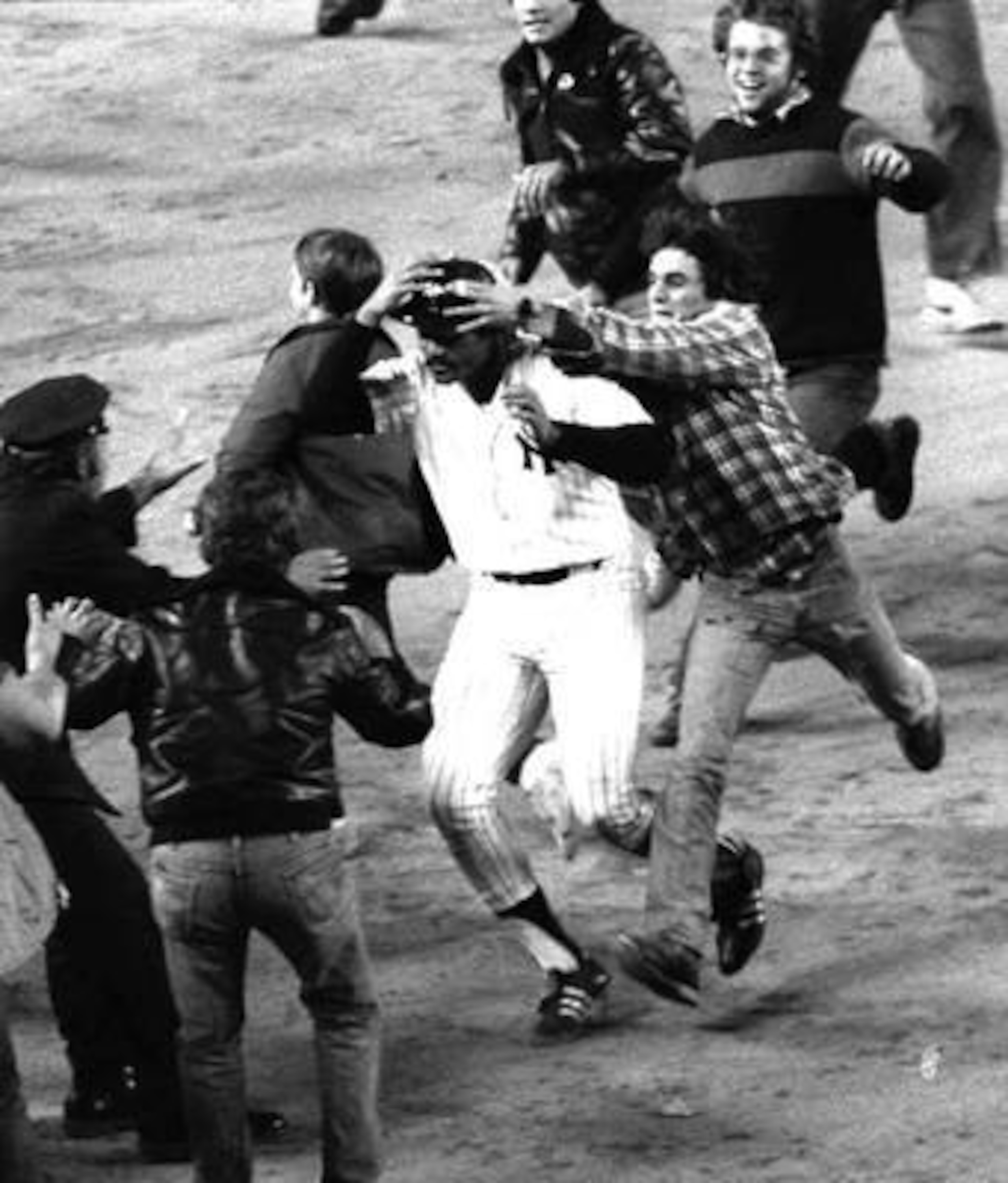
With the Yankees leading their ALCS series with the Royals 3-1, they found themselves one game from being in the World Series, and they held a 6-3 lead heading into the top of the eighth inning of Game Five.
A lead-off single by the Royals Al Cowens chased Yankees starter Ed Figueroa, and after another single by Jim Wohlford, the Royals tied things up when George Brett launched a two-run homer off of reliever Grant Jackson.
The score remained 6-6 until the bottom of the ninth inning. Royals reliever Mark Littell was on the mound again to start the inning after entering the game with one out in the seventh. The first batter he faced in the ninth was Chris Chambliss, and he hit the first pitch he saw over the right-center field wall to clinch the AL Pennant for the Yankees.
No. 8: Derek Jeter: 2001 World Series, Game 4
43 of 50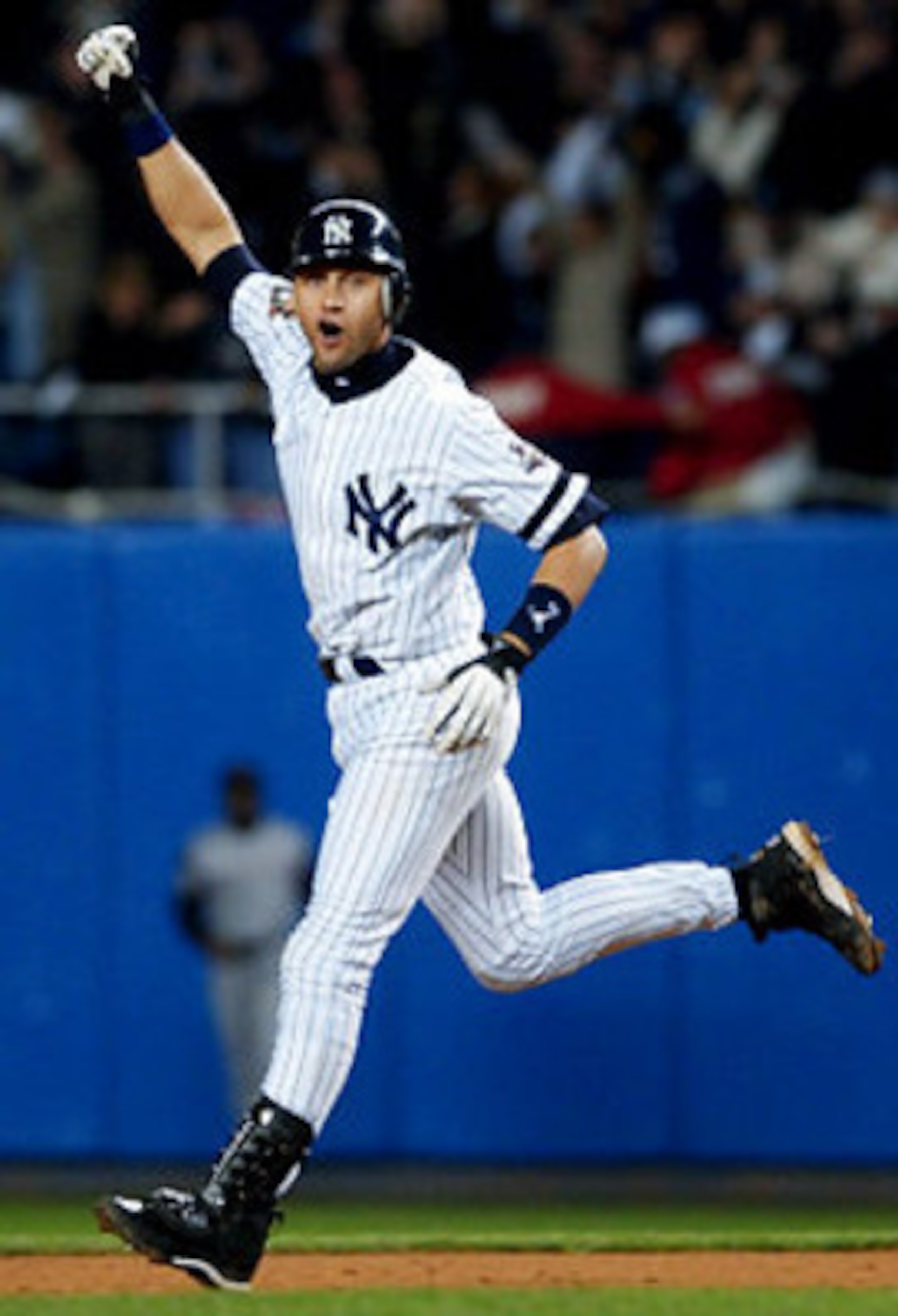
With the Diamondbacks holding a 3-1 lead heading into the eighth inning, Diamondbacks manager Bob Brenly turned to his closer Byung-Hyun Kim for a two-inning save. He responded by striking out the side in the eighth, but ran into trouble in the ninth, and a two-run home run by Tino Martinez sent things into extra innings.
After the Diamondbacks failed to score in the top of the tenth, Brenly decided to stick with his closer for a third inning. He got the first two batters of the inning out, bringing up Jeter just as the clock at Yankee Stadium passed midnight, marking the first time baseball had been played in November.
After drawing a full count, Jeter smacked one over the wall in right field for an opposite field game winner. That earned him the nickname Mr. November. Kim would blow another save the next game, but the Diamondbacks got the last laugh, winning the series in seven games when Yankees closer Mariano Rivera blew a save of his own.
No. 7: Aaron Boone: 2003 ALCS, Game 7
44 of 50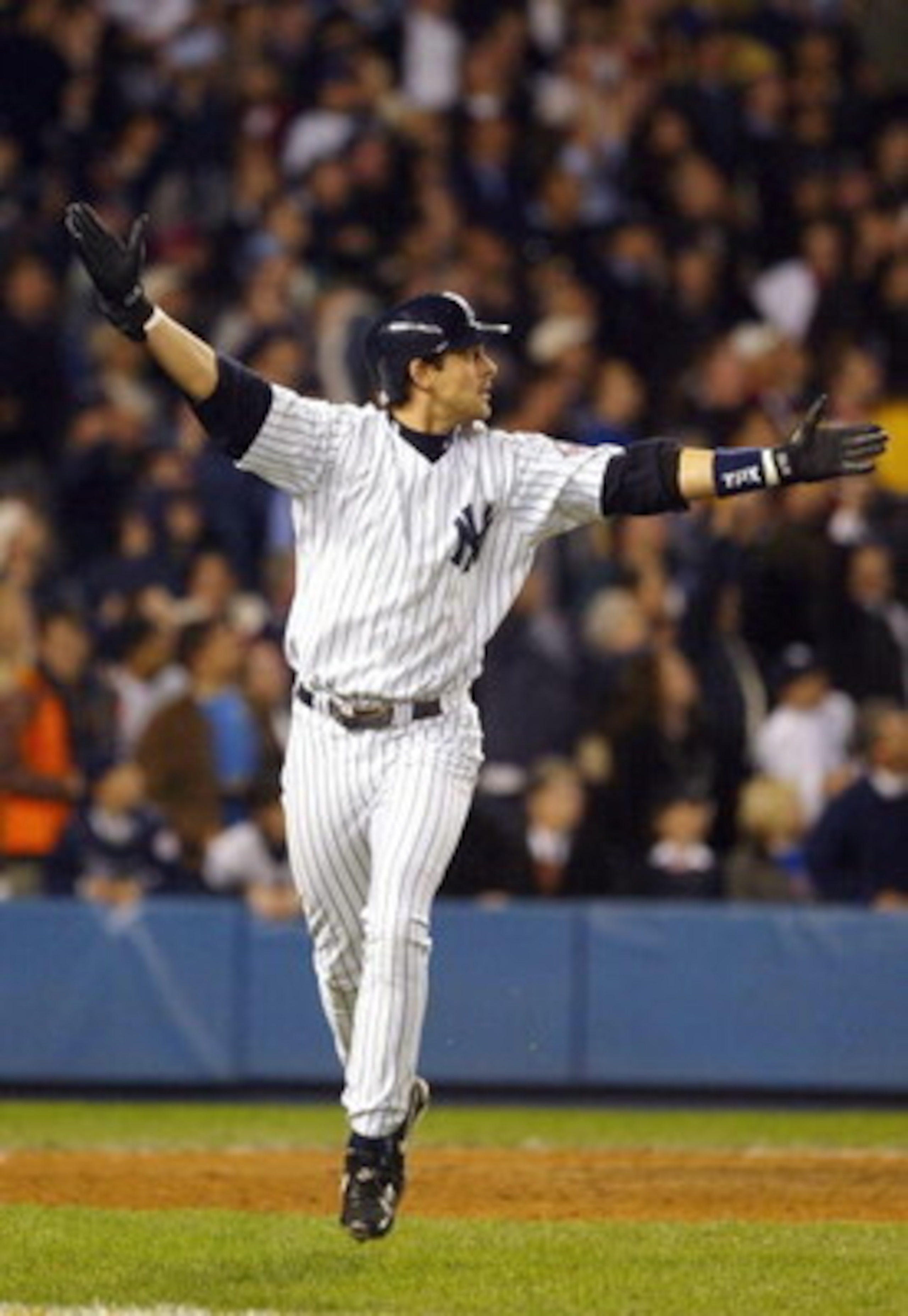
With Pedro Martinez pitching great for the Red Sox, the Yankees trailed 5-3 heading into the bottom of the eighth inning. Martinez took the mound in the eighth despite a high pitch count after assuring manager Grady Little that he still had something left.
After getting the first out of the inning, Martinez gave up a double to Derek Jeter, followed by an RBI single to Bernie Williams. That drew Little to the mound, but to the surprise of everyone, he left Martinez in. He then promptly gave up a double to Hideki Matsui and was finally chased after a two-run double Jorge Posada, with the score now 5-5.
It would remain 5-5 until the bottom of the 11th, as the Red Sox sent Tim Wakefield out for his second inning of relief. Leading off for the Yankees was Aaron Boone, who had entered the game as pinch-runner in the eighth inning. He hit the first pitch he saw from Wakefield over the left-field wall to send the Yankees to the World Series.
No. 6: Kirby Puckett: 1991 World Series, Game 6
45 of 50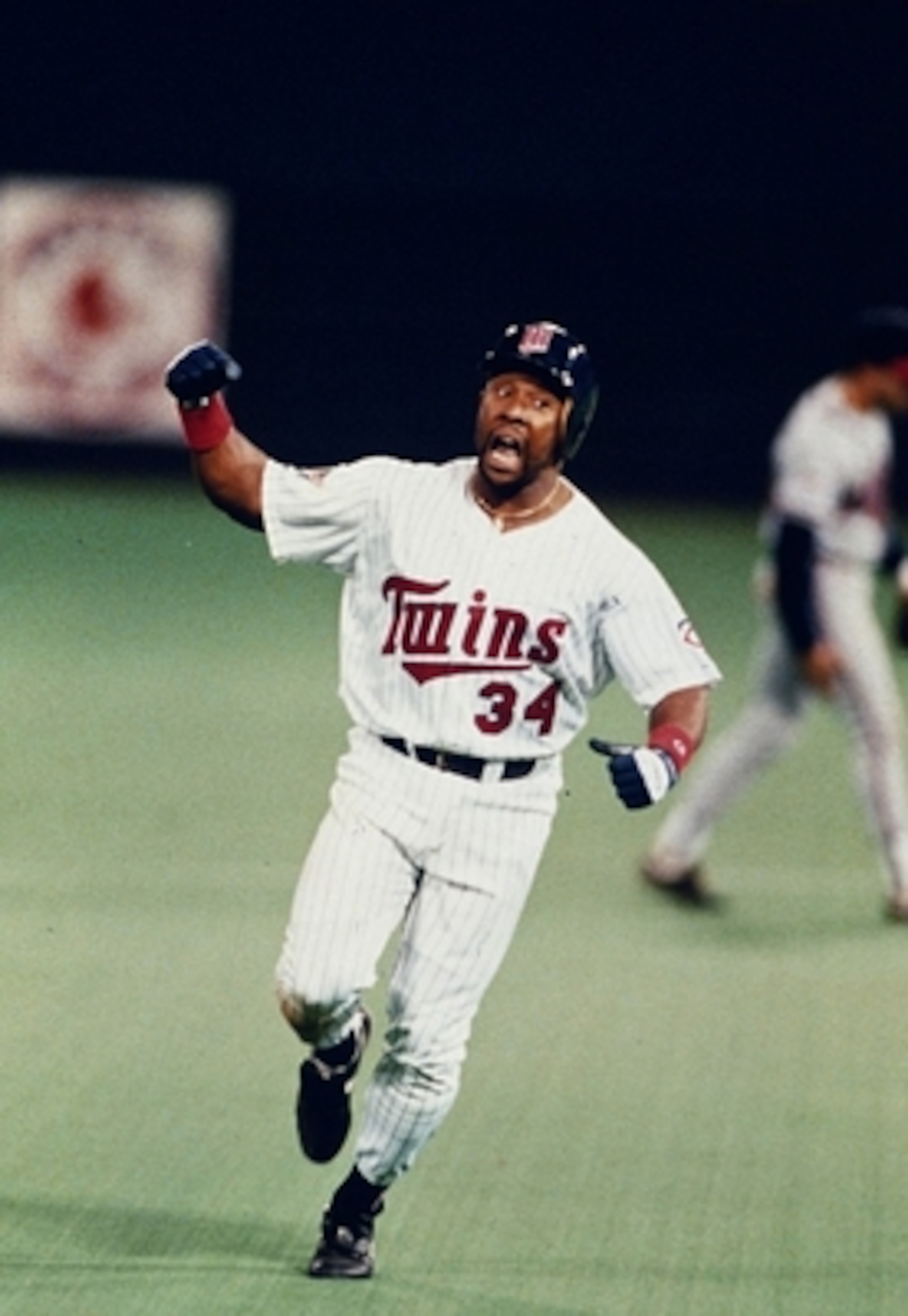
Down 3-2 to the Braves in the World Series, it was do-or-die for the Twins in Game 6, and they jumped out to an early 2-0 lead in the first inning. The Braves tied things up at 2-2 in the top of the fifth, but the Twins once again took the lead with a run in the bottom of the inning.
A Mark Lemke single to open the seventh inning chased Twins starter Scott Erickson, and after reliever Mark Guthrie loaded the bases, Ron Gant tied things up with an RBI ground out. The score would remain 3-3 until the bottom of the 11th, when Puckett led off the bottom of the inning with a home run to left-center off of a 2-1 pitch from reliever Charlie Leibrandt.
This not only won the game for the Twins, but also set up one of the best postseason pitching performances of all time, as Jack Morris threw 10 shutout innings, and the Twins won 1-0 to take home the title.
No. 5: Carlton Fisk: 1975 World Series, Game 6
46 of 50
On the brink of elimination down 3-2 to the Reds in the World Series, the Red Sox scored three runs in the bottom of the eighth inning to tie the game at 6-6, and that remained the score until the bottom of the 12th inning.
After throwing two perfect innings of relief, the Reds' Pat Darcy took the mound for his third inning of work in the 12th, and first up for the Red Sox was cleanup hitter Carlton Fisk.
After taking the first pitch he saw for a ball, Fisk lined a ball deep down the left-field line that had the distance but looked as though it may drift foul. With Fisk waving his arms in an attempt to coax it fair, in what has become and iconic baseball moment, the ball kicked off the left-field foul pole for a home run.
The Red Sox would go on to lose Game 7, but the home run has gone down as one of the best in baseball history.
No. 4: Kirk Gibson: 1988 World Series, Game 1
47 of 50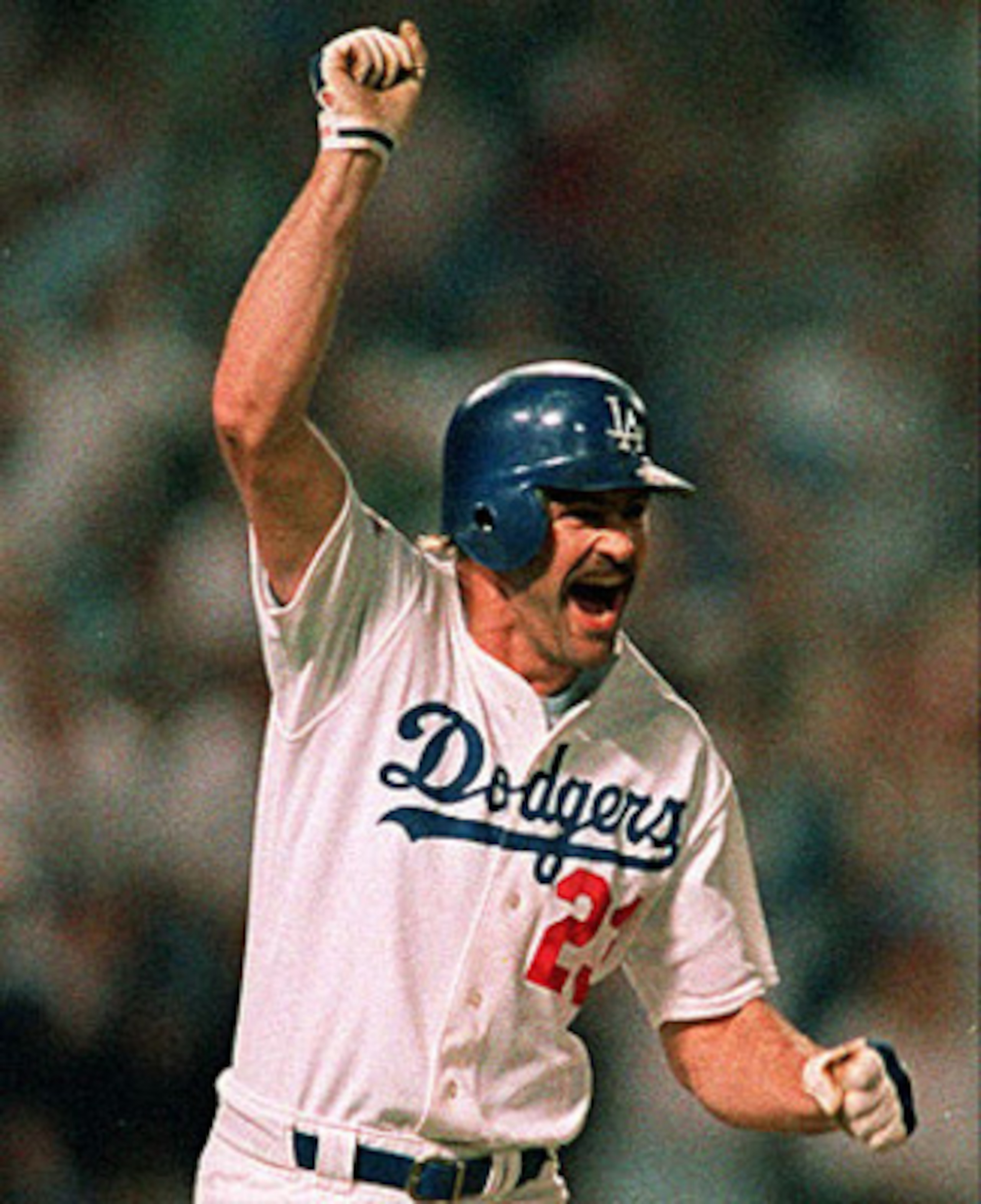
After the Dodgers struck for two runs in the first inning, Athletics starter Dave Stewart settled down and gave up just one more run through eight innings. The Athletics, meanwhile, scored four runs of their own in the top of the second inning, as the score sat at 4-3 entering the bottom of the ninth inning.
The A's turned to their All-World closer Dennis Eckersley, who had an AL-best 45 saves and finished second in AL Cy Young voting, to slam the door in the ninth inning. After getting two quick outs, Eck walked pinch-hitter Mike Davis, and the Dodgers turned to Kirk Gibson to pinch-hit for the pitcher's spot.
With two bad knees, Gibson hobbled up to the plate as the Dodgers last chance. After fouling off a number of pitches, he managed to work a full count. According to Gibson, Dodgers scout Mel Didier had told him that Eckersley throws a backdoor slider nearly exclusively when he has a 3-2 count. Gibson got the pitch he was looking for an hit it into the right-field bleachers, setting the tone for the rest of the series, which the Dodger would win in five games.
The footage of Gibson hobbling around the bases and pumping his fist is baseball legend, and Jack Buck's line, "I don't believe what I just saw!", is as much a part of history as the home run itself.
No. 3: Bobby Thomson: 1951 NL Playoff
48 of 50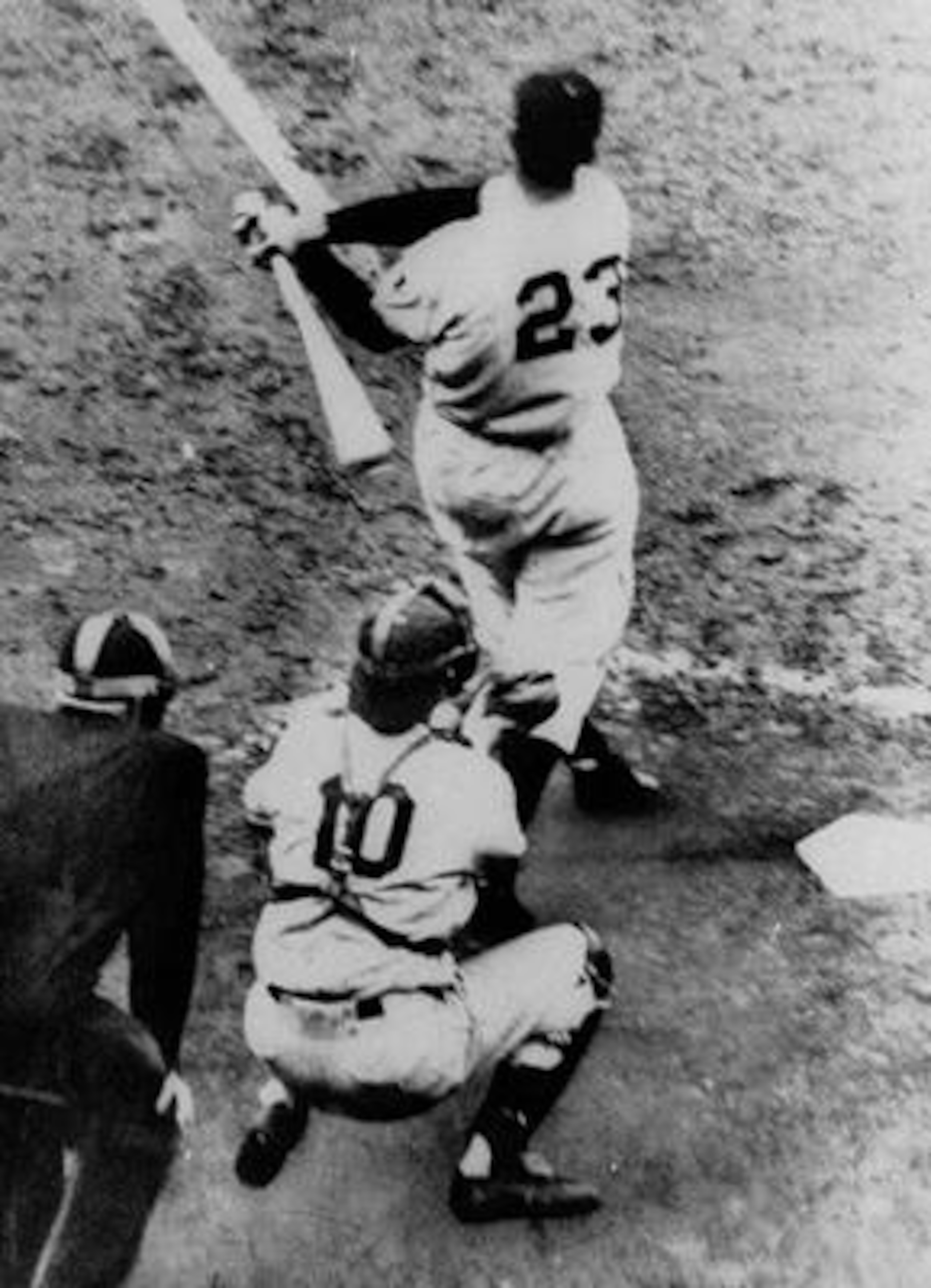
After trailing the Dodger by as many as 13.5 games, the Giants closed out the 1951 season by winning 37 of their final 44 games to pull into a tie with the Dodgers and force a three-game playoff for the NL Pennant.
The teams split the first two games, with Thomson hitting a two-run home run in Game 1 off of Ralph Branca that proved to be the difference in that game.
Don Newcombe started Game 3 for the Dodgers, and he gave up just one run through eight innings as the Dodgers led 4-1 heading into the bottom of the ninth. Newcombe gave up back-to-back singles to open the ninth, and after getting a flyout, an RBI double by Whitey Lockman chased him from the game.
The Dodgers turned to Branca to get the final two outs, and the first batter he faced was Thomson. With an 0-1 count, Thomson turned on a pitch and with one swing gave the Giants the NL Pennant.
The home run would come to be known as the "Shot Heard 'Round The World," and Russ Hodges call of the game and his repeating of "The Giants win the pennant" is one of the most widely recognized calls in baseball history.
No. 2: Joe Carter: 1993 World Series, Game 6
49 of 50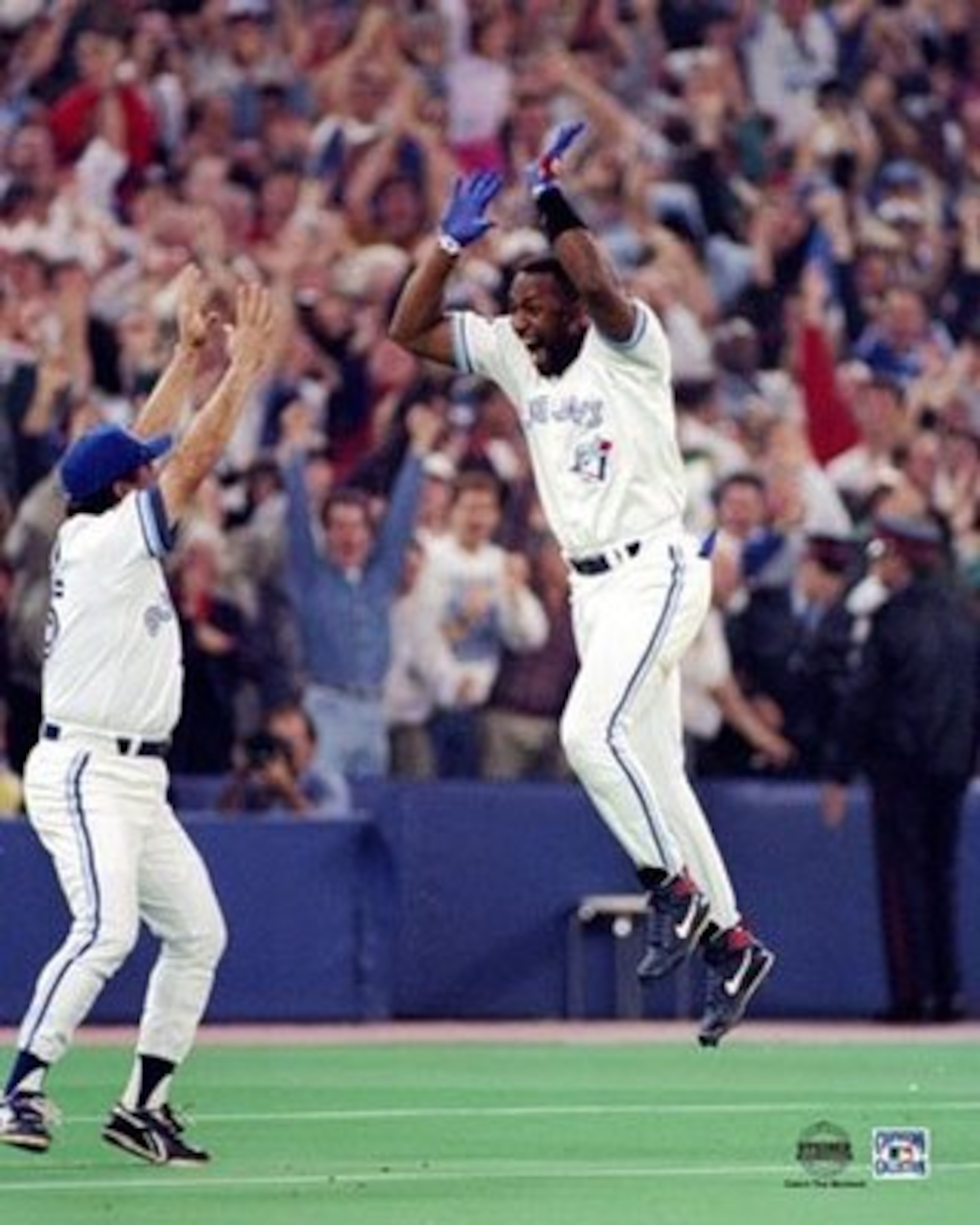
With the Blue Jays up 3-2 in the series, the Blue Jays held a 5-1 lead heading into the top of the seventh inning with starter Dave Stewart pitching well.
However, Stewart led off the inning with a walk and a single, and a three-run Lenny Dykstra home run promptly chased him from the game. The Phillies would go on to score two more runs before the Jays got out of the seventh, and they held that 6-5 lead heading into the bottom of the ninth.
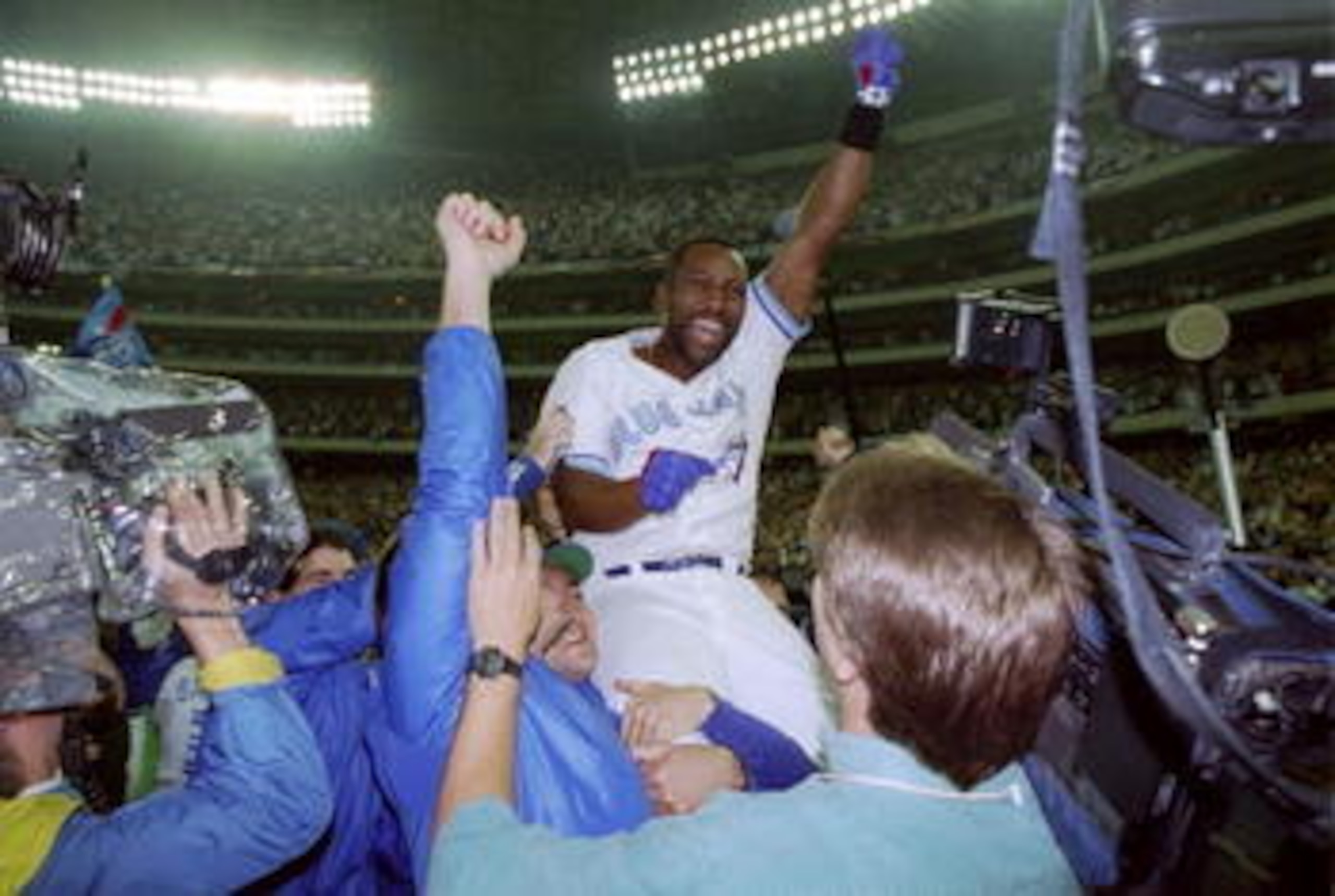
The Phillies turned to closer Mitch Williams in the ninth. Williams had 43 saves during the regular season, but he was not known as "Wild Thing" for nothing, and he walked the first batter of the inning in Rickey Henderson. After getting a flyout, Williams then surrendered a single to Paul Molitor. That brought up Joe Carter, and hit a 2-2 pitch to deep left field, just clearing the wall to give the Jays the win and the series.
"Touch 'em all Joe, you'll never hit a bigger home run in your life!"Blue Jays announcer Tom Cheek
No.1: Bill Mazeroski: 1960 World Series, Game 7
50 of 50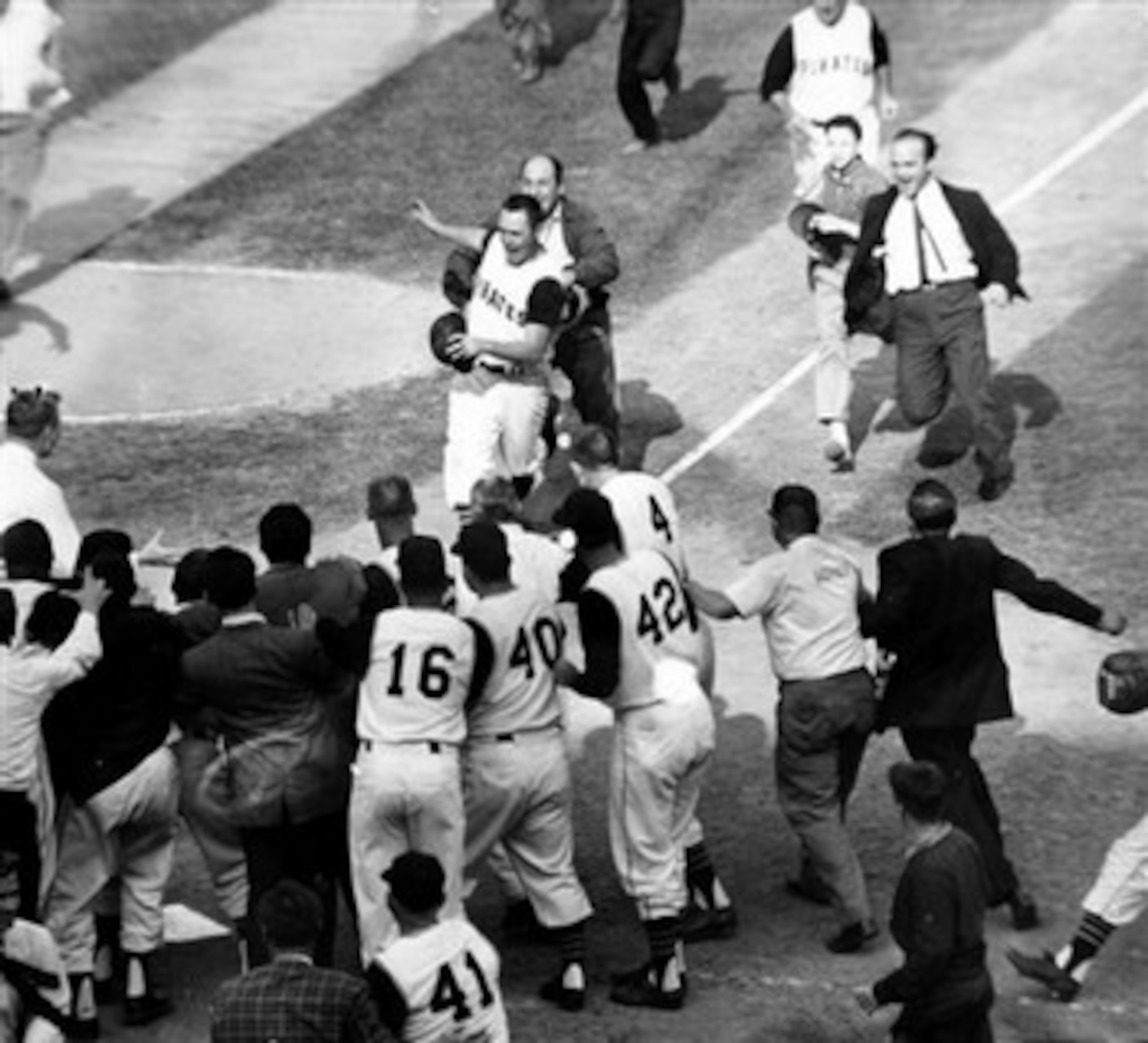
Mazeroski is widely regarded as the best defensive second baseman to ever play the game, yet the crowning achievement of his career is without a doubt his game-ending and World Series-ending home run in 1960.
After hitting 11 home runs during the regular season, one of just six times he broke double digits during his 17-year career, Mazeroski led of the bottom of the ninth inning in what had been a back-and-forth game.
After scoring five runs in the eighth to take a 9-7 lead, the Pirates surrendered two runs in the top of the ninth to tie things up. Mazeroski led off the bottom of the ninth, hitting in the eighth spot in the lineup, and he crushed Ralph Terry's 1-0 offering over the left-field wall for the first World Series-winning home run in baseball history.


.jpg?w=2560 "Chiefs, Steelers Eye WR Trades")



.jpg?w=2560 "Latest Peyton-Colts Rumors")