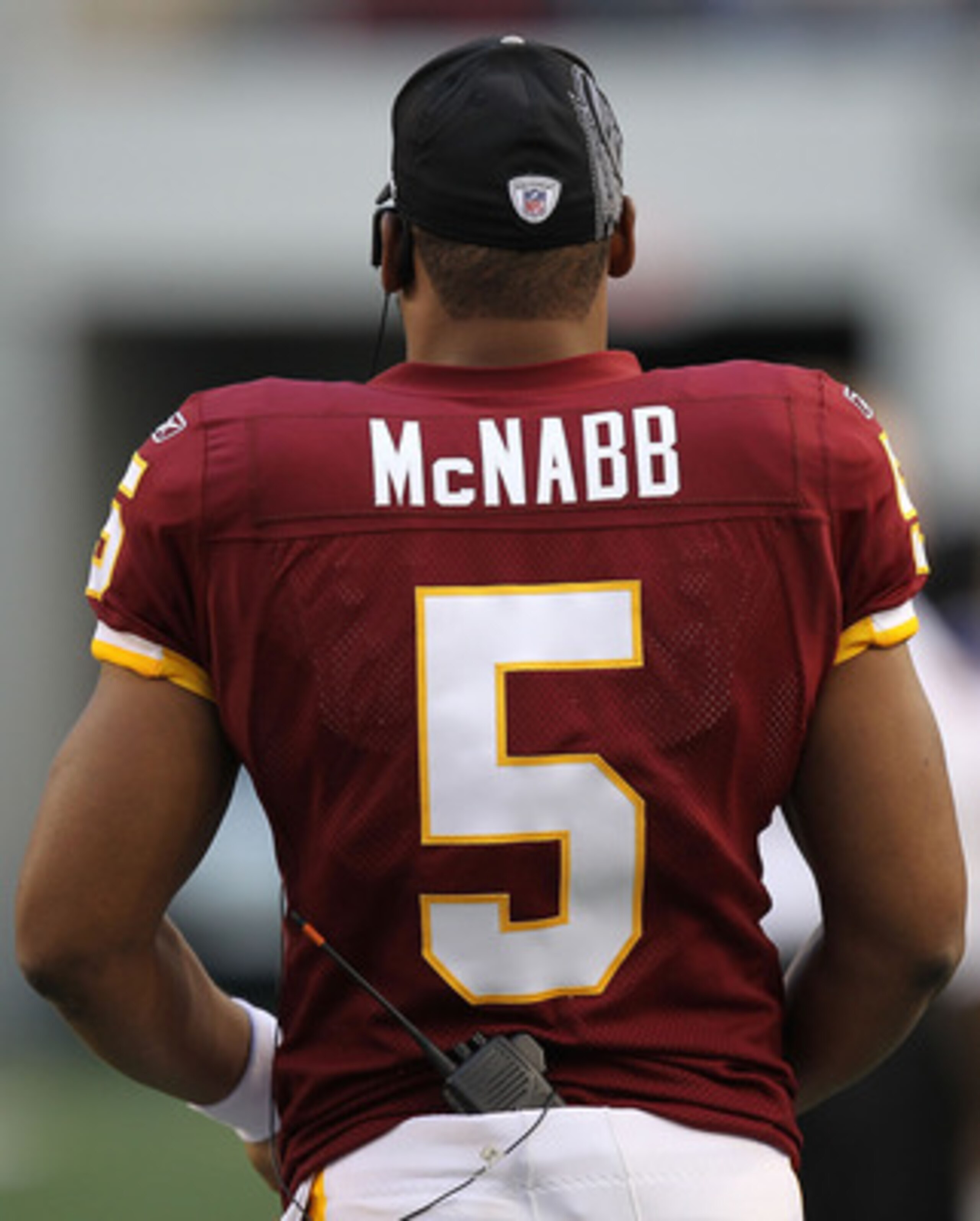

NFL Trade Speculation: Why the 2011 NFL Draft Ended Donovan McNabb's Career
Even with the NFL in the midst of a lockout, there was still a market for Donovan McNabb. The Washington Redskins were fools to think one year would be enough for McNabb to adjust and the team to come together as a cohesive unit.
In one year, McNabb managed to look closer to retirement than the player he was in 2009 when he threw for over 3,500 yards with 22 touchdowns and a 92.9 passer rating.
After this year's draft, the market for McNabb got a lot smaller and may put his starter status in jeopardy.
There are still teams who wouldn't mind employing McNabb, but it is apparent that he is not going to be seen as a franchise passer the Redskins intended him to be. With player movement on hold, teams have more time to think about their needs and wants, and decide whether they really want McNabb.
Here are just a few reasons why the 2011 NFL Draft ended McNabb's career.
Minnesota Moving on with Christian Ponder
1 of 5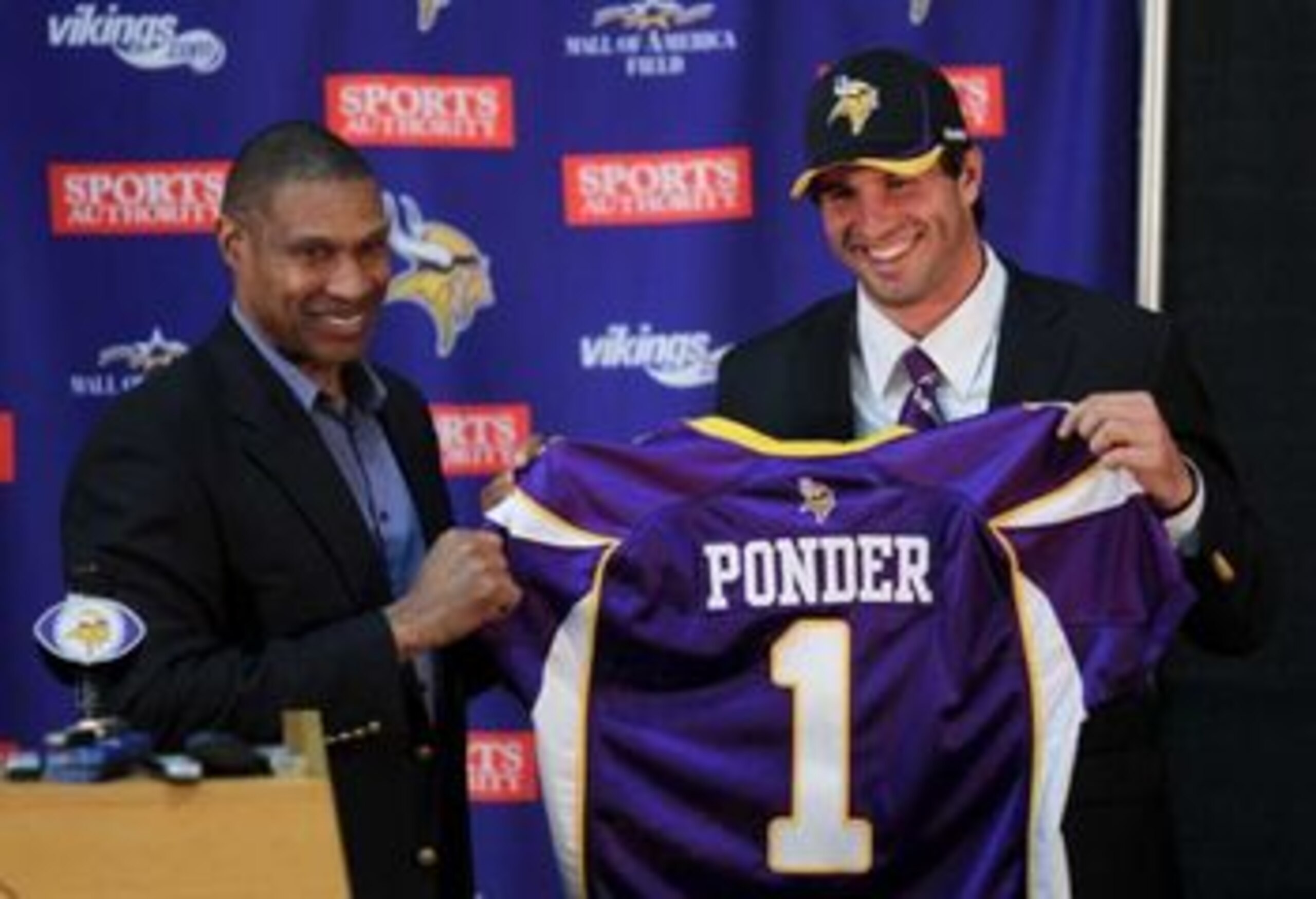
Donovan McNabb's name has been thrown around in relation with a lot of teams since he was benched for the final three games of last season. Minnesota was the popular destination because Brett Favre is gone and the Vikings have the offensive talent to give McNabb the support he needs to succeed. Other teams have been mentioned in rumors, but none quite as strong as Minnesota.
Then the Vikings took Florida State quarterback Christian Ponder with the 12th pick in the first round.
McNabb is carrying a sizable contract courtesy of the Washington Redskins, and the Vikings have too much young talent to keep trying to make runs with veterans. Ponder wasn't the highest rated quarterback in the draft, but has the tools to grow with the young and potent offensive unit the Vikings have assembled. McNabb doesn't fit Minnesota anymore, even in a veteran-mentor capacity.
Barring McNabb's release, it is unlikely that the Vikings would run the risk of letting Sidney Rice go in free agency to foot the bill for an aging quarterback.
Tennessee Taking a Risk on Jake Locker
2 of 5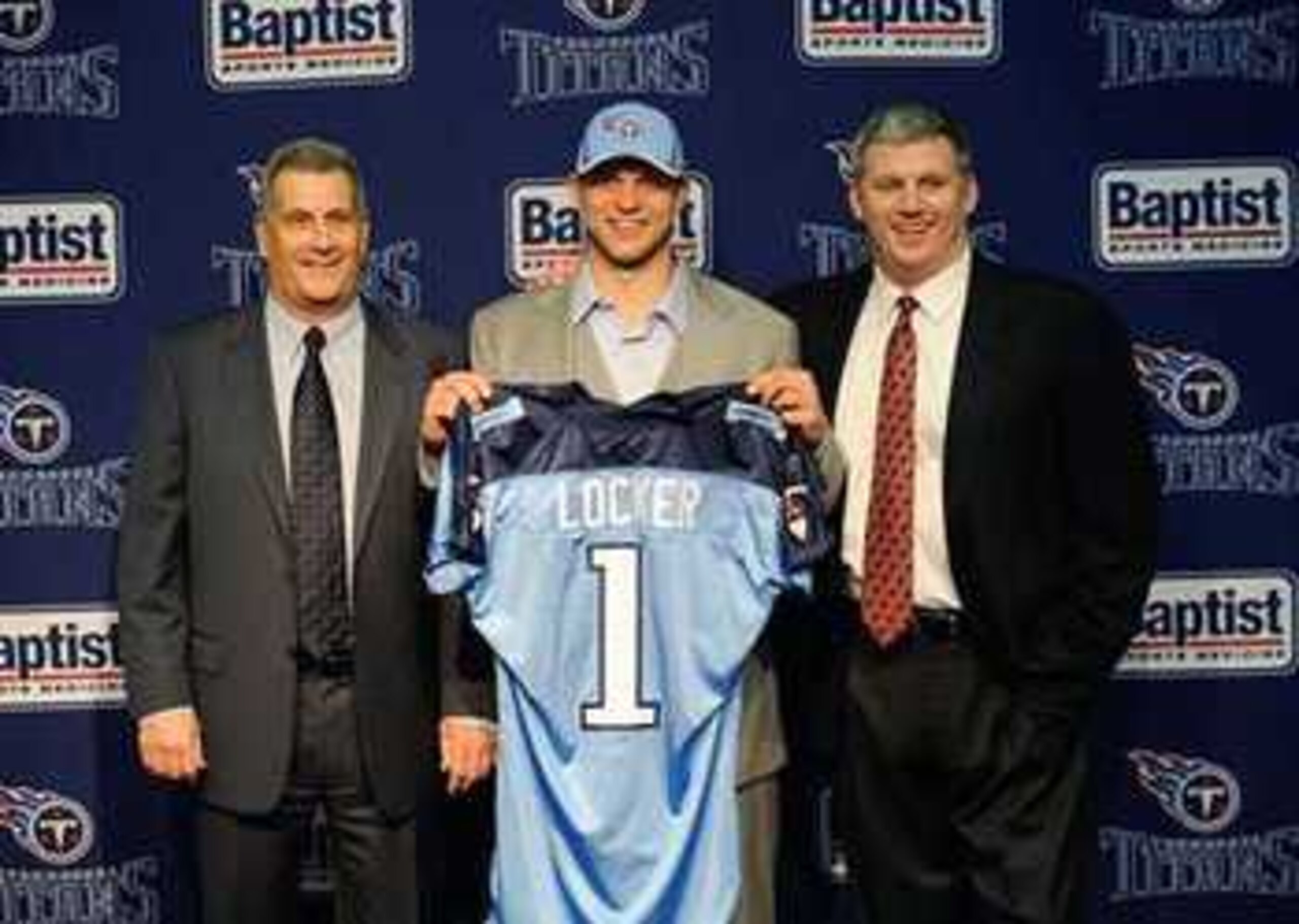
In his prime, McNabb was a dual-threat quarterback capable of getting outside the pocket, turning the corner and getting upfield. He made plays with his feet when he had to and ultimately developed into a quality passer. The Tennessee Titans drafted this year's equivalent of McNabb when they picked Jake Locker in the top 10, ahead of Blaine Gabbert.
McNabb is an obsolete model, while Locker is fresh out of college with the same skill set and a lot less mileage.
The Titans weren't exactly high on the list of suitors for McNabb, but Locker certainly stands as a symbol of a new era of football. McNabb doesn't have the wheels or the flat-out passing ability to be a franchise passer anymore. Locker is the next generation McNabb-style quarterback and very few teams can or would be willing to cater to that style of quarterback.
McNabb would thrive on the Titans, who have the best running back in the NFL and a solid young core for a quarterback to slip into. But since a younger, healthier option was on the board, the Titans had to move fast.
Jacksonville Starting over with Blaine Gabbert
3 of 5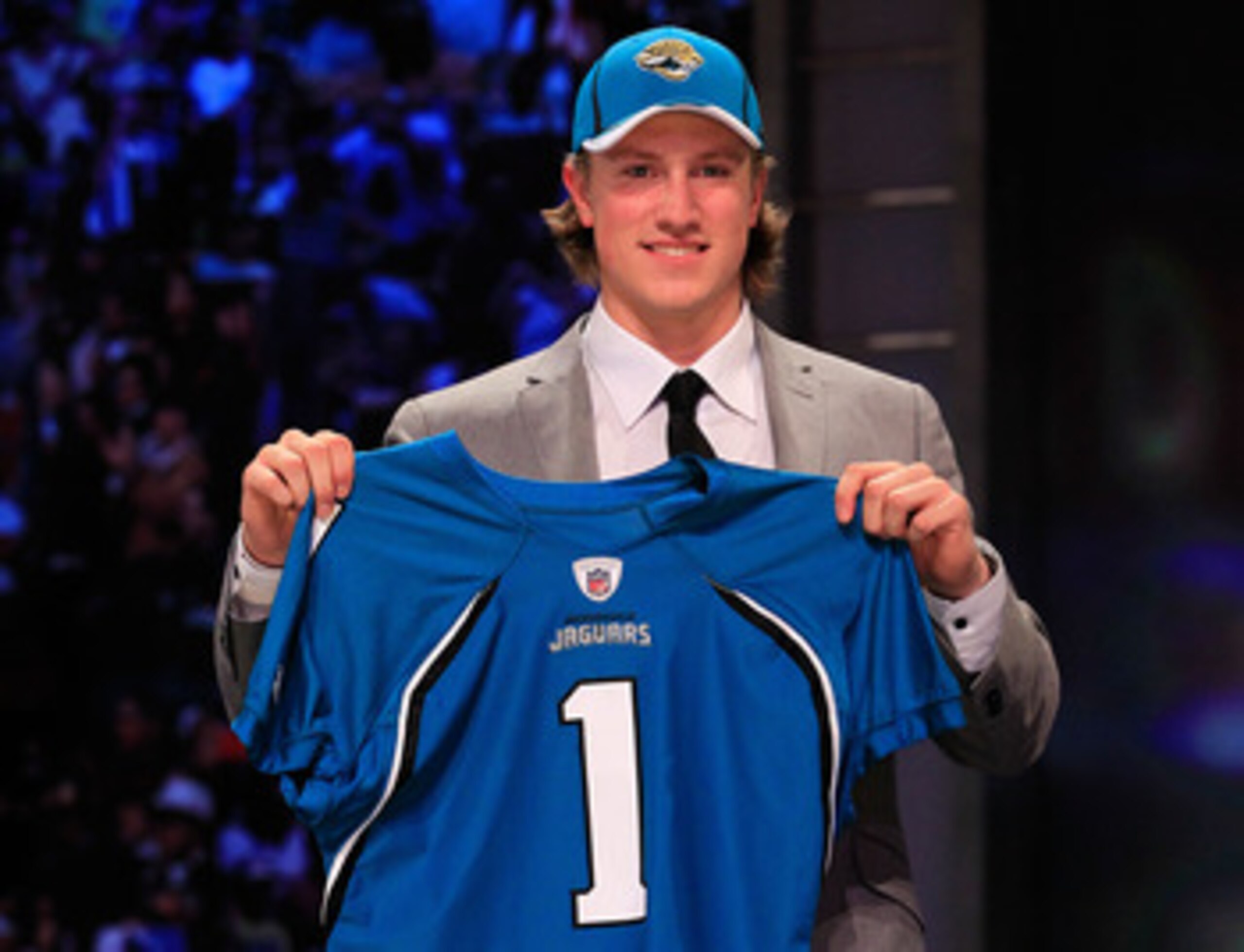
There were once a laundry list of teams with potential openings for McNabb as a starter. The Jaguars were not on that list, but decided to grab a quarterback anyways. They were lucky to have Blaine Gabbert drop to 10 and luckier to find the Redskins willing to part with the pick. Given that David Garrard is in the same mold as McNabb, it would make sense to bring in a veteran starter to run the offense as it was built.
Instead of holding out for an upgrade in McNabb, the Jaguars pounced on Gabbert and gave the all clear for a fresh start.
Gabbert is a similarly mobile quarterback, without the big arm McNabb has. However, he isn't coming off of a major professional slump and has not been exposed as a system quarterback outside of Andy Reid's offense.

Early Run on Quarterbacks in Weak Class
4 of 5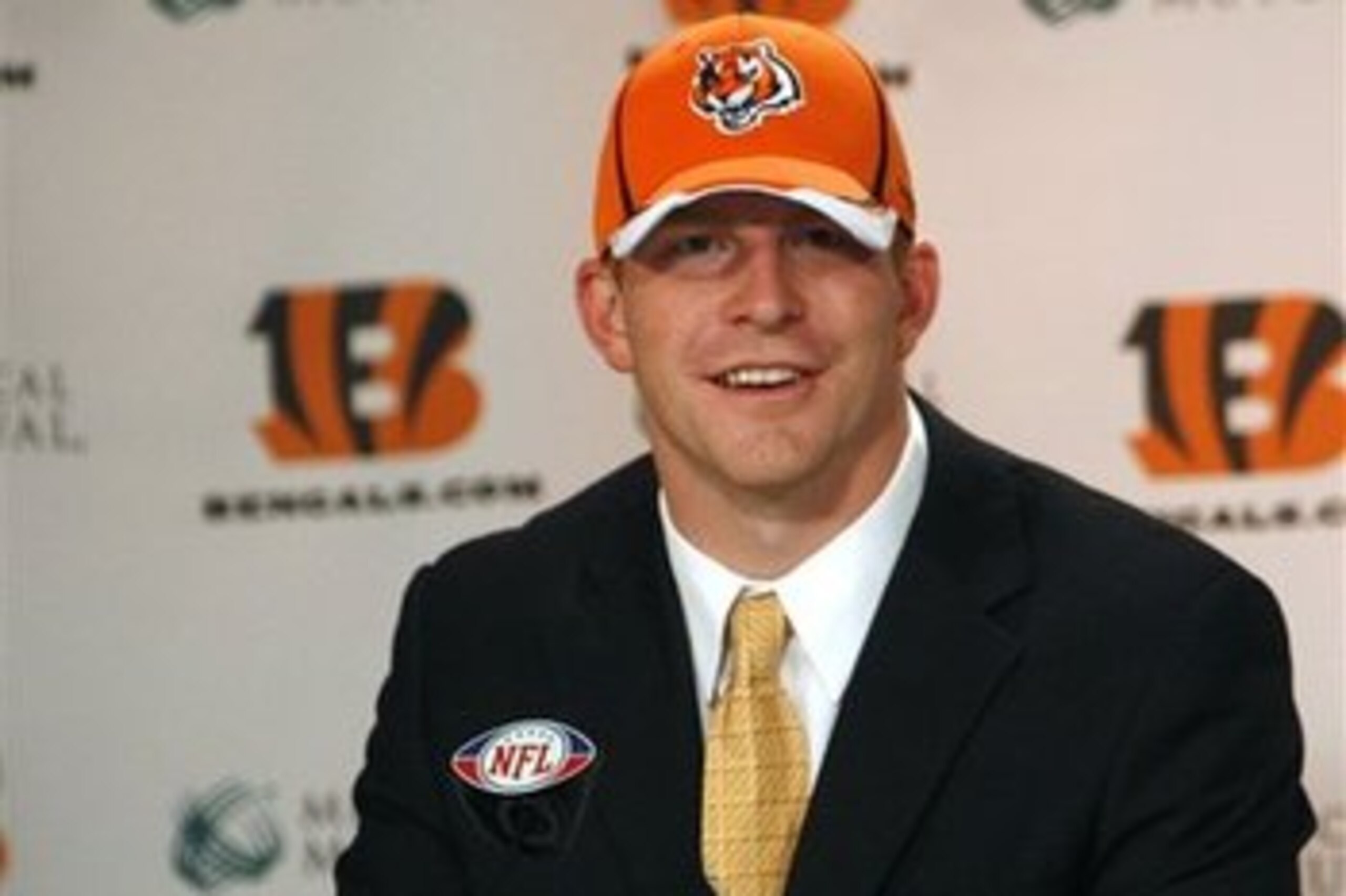
The 2011 quarterback draft class was considered to be one of the weakest in recent memory. The prospects were physically gifted, but many carried questions about their character, experience and ability to successfully transition to the professional game. In situations like that, teams are more likely to turn to proven veterans to limp to the next draft of hopefully more promising prospects.
However, seven quarterbacks were taken in the first three rounds and many were unexpected selections are the time.
McNabb saw his potential market dwindle to a select few, and even then his fate is uncertain. If he does catch on somewhere, it will most likely be in a mentor capacity. He may start somewhere, but not for an entire season before that team hands the reins over to their young gun of choice.
Washington Chose Defense over Offense Early
5 of 5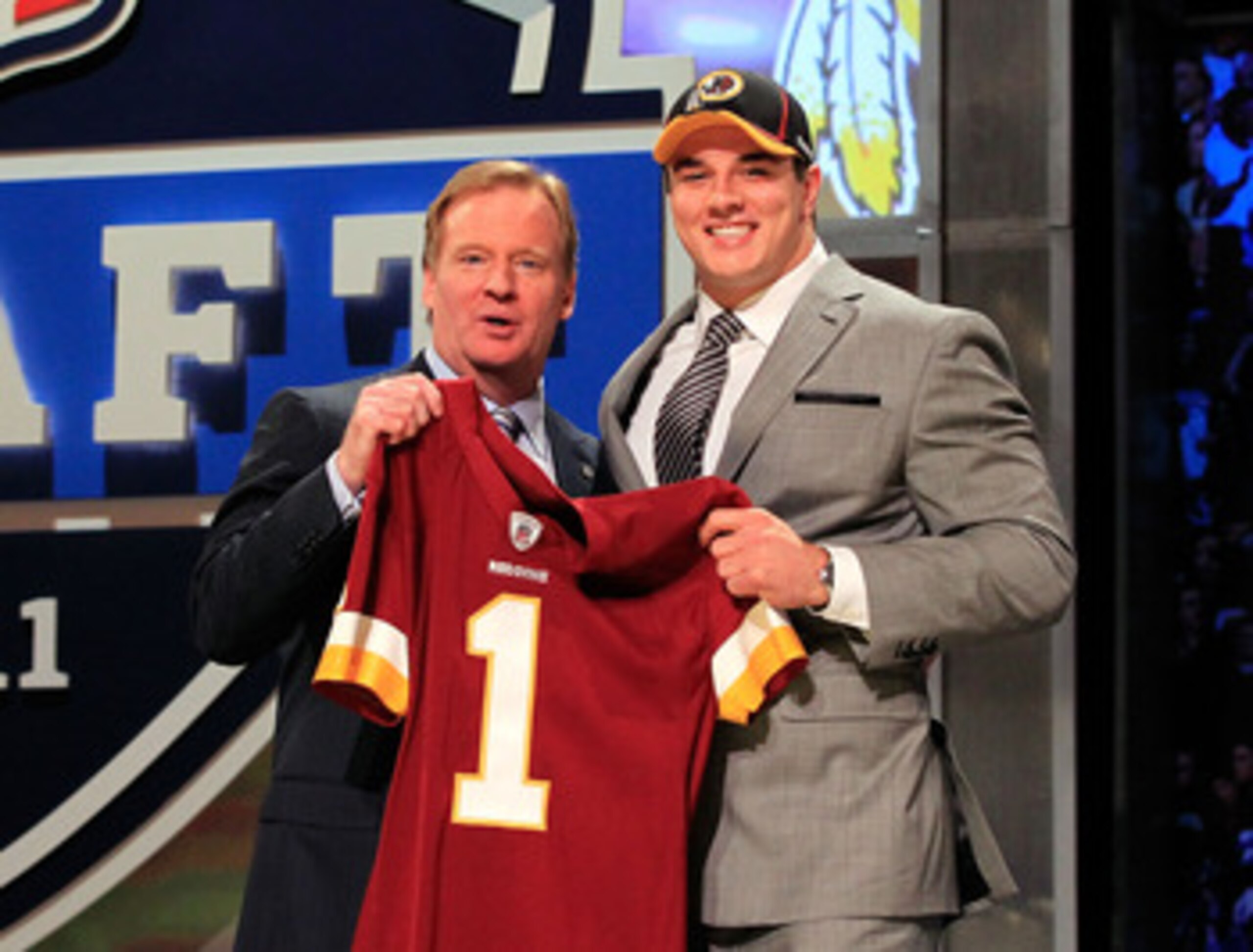
In the weeks heading up to the draft, many mocks had the Redskins grabbing Jake Locker with the 10th overall pick. It was considered a reach, but head coach Mike Shanahan had expressed interest in Locker last season before Locker opted to return to college for his senior season. Locker was snapped up by the Titans with the eight pick, but one of the highest rated quarterbacks fell right into their lap at 10.
Blaine Gabbert should have been a Redskin, but the team traded back and chose to help their ailing defense.
While this logically points to Washington wanting McNabb to hang around for another season, since they didn't draft a quarterback, it shows a change in attitude for the Redskins. In a weak quarterback class, they chose a defensive end/outside linebacker in a great defensive class. Given Shanahan's glowing remarks regarding John Beck, the selection of Ryan Kerrigan compounded McNabb's supposed fate in Washington.
With Andrew Luck slated for next year's draft class, the Redskins seem resigned to the fact that they must part ways with McNabb as soon as the NFL labor agreement allows.

.jpg?w=2560 "LA Premiere of \"Chad Powers\"")