
NHL Playoffs 2011: 5 Keys to Success for Washington's Quarterfinal Series
For the second consecutive year, the Washington Capitals have locked up the top seed in the Eastern Conference. However, this time around, the Caps' offense wasn't the driving force behind why they were able to put together an impressive regular season. Rather, their emphasis on limiting the opposition's number of chances is what enabled them to win games, especially during the second half of the season.
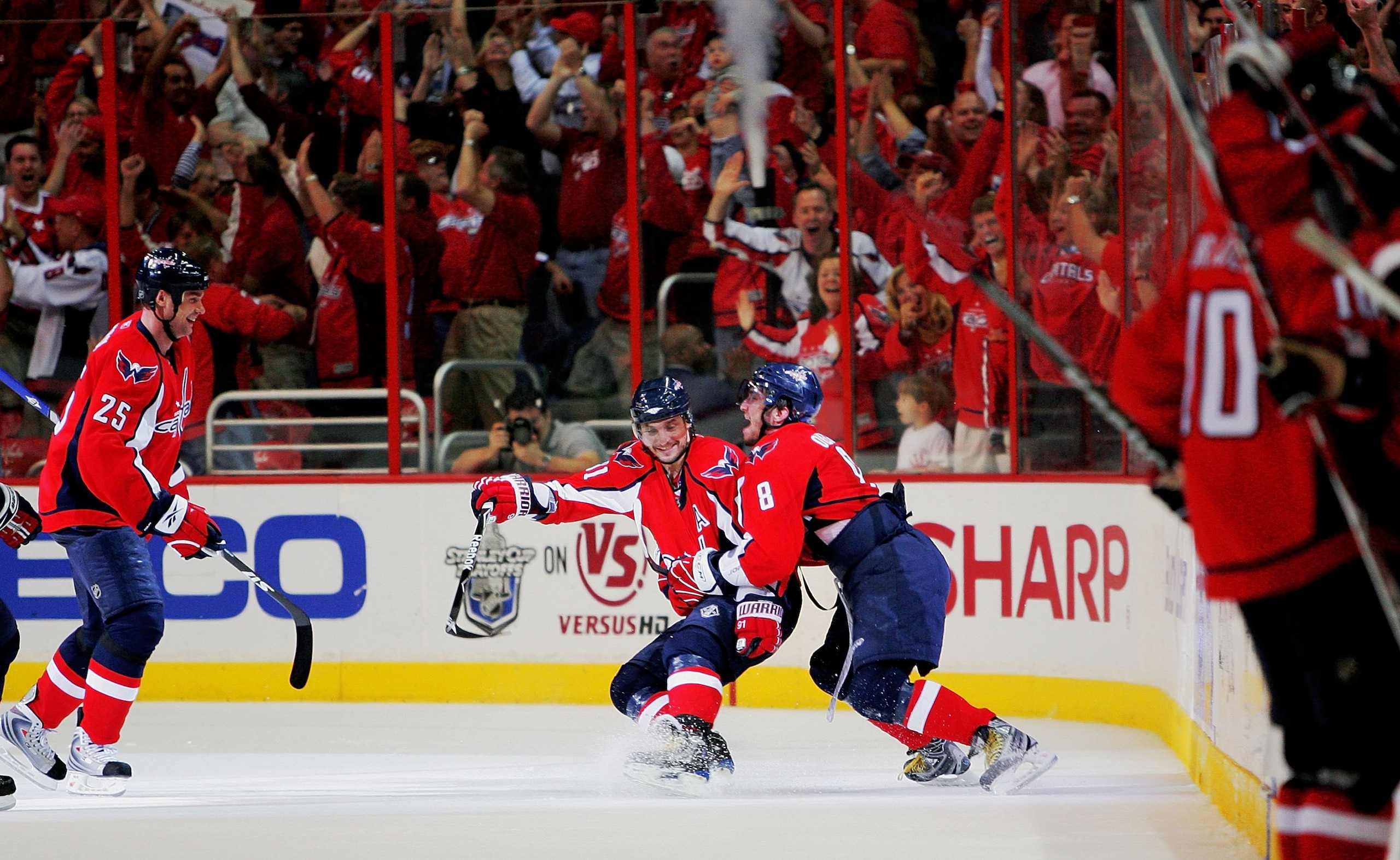
In the first round, the Capitals are matched up against a familiar foe in the New York Rangers. Two seasons ago, the Caps and Rangers met up for a classic seven-game series that went to the wire. New York took a commanding 3-1 series lead before Sergei Fedorov completed Washington's three-game comeback in game seven, rifling the series-winning goal past Henrik Lundqvist with just under five minutes remaining in regulation.
If the Capitals are to advance past the first round, and avoid another embarrassing exit at the hands of an eighth-seeded team, they'll need to play with the same grit they've shown since the Winter Classic.
Otherwise, it will be another long summer in our nation's capitol, and the jobs of coaches and management alike could be in jeopardy. With that being said, here are five keys to success for Washington in their opening round series against the Rangers.
5. The Play of Neuvirth and Varlamov
1 of 5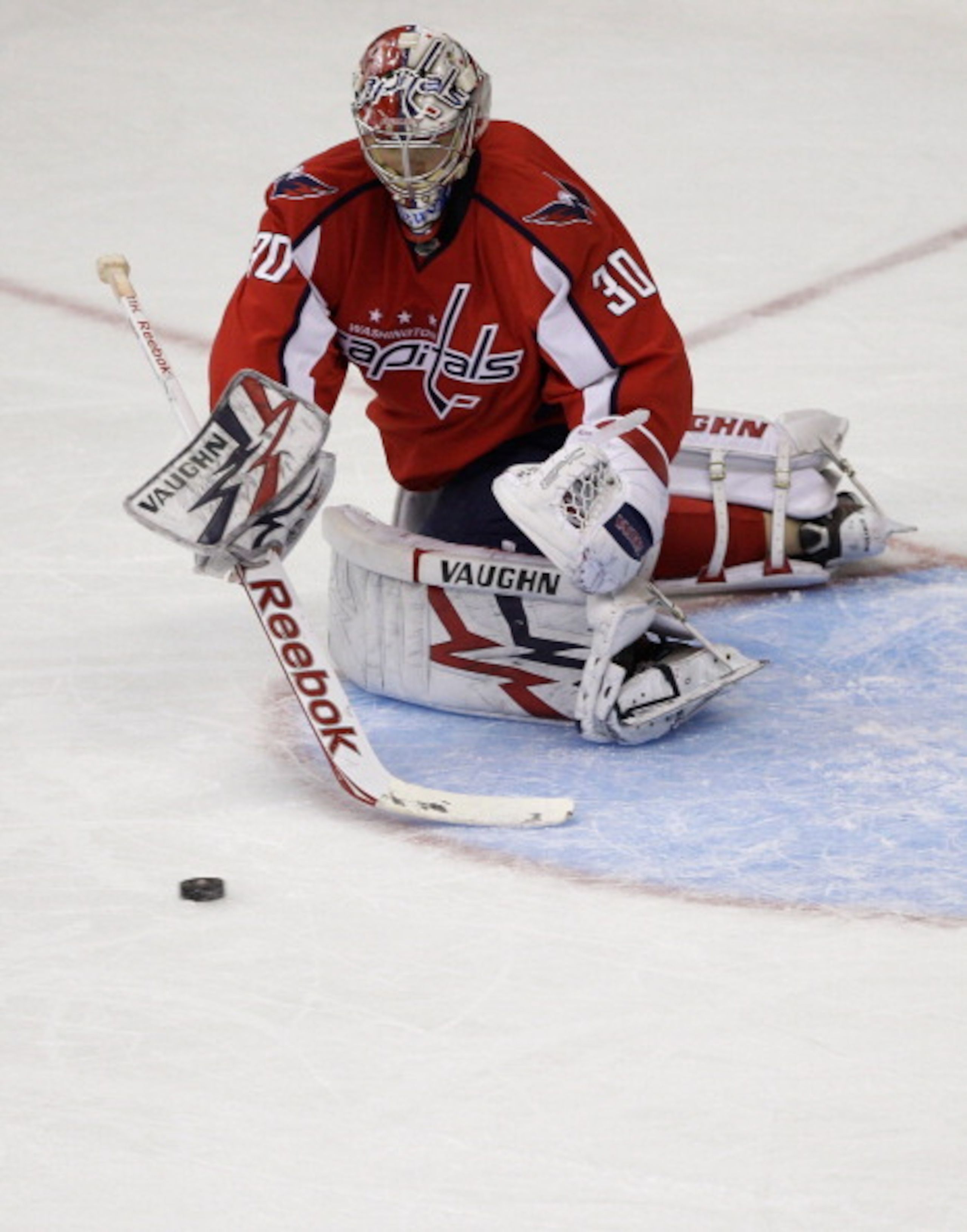
The Rangers don't hold any great advantages over the Capitals at any position, with the exception of goaltender. Unfortunately for the Caps, a hot goalie happens to be the biggest trump card in the playoffs, and the Rangers boast one of the best in the game in Henrik Lundqvist. Washington, on the other hand, has two relatively unproven 'tenders in Semyon Varlamov and Michal Neuvirth. Each has had varying degrees of success as the starting goaltender this year, but neither has solidified themselves as "the man" in Washington.
Varlamov showed in 2009 that he can be a viable NHL goalie when he lead the Capitals past the Rangers in the opening round after replacing Jose Theodore as the starter for game two. However, since that year, Varlamov has struggled to stay healthy. He performed very well at the Winter Classic, but that was one of just a few bright spots this season for the young Russian, and it's widely assumed that Neuvirth will begin the Quarterfinal series as the starting goalie.
Neuvirth has shown in the past that he can deliver in the postseason, as he won two straight Calder Cups in the AHL with Hershey. While that's all very impressive for a 21-year old, it has yet to be seen if he can maintain that level of success in the NHL. He set a rookie record for wins by a Capitals goalie this season, and if he plays up to his potential, this could be a very quick series.
On paper at least, Washington is a deeper team, with many more talented offensive weapons. If Neuvirth and Varlamov can be solid, the Capitals should roll in this one.
4. The Health of Mike Green and the Rest of the Defense
2 of 5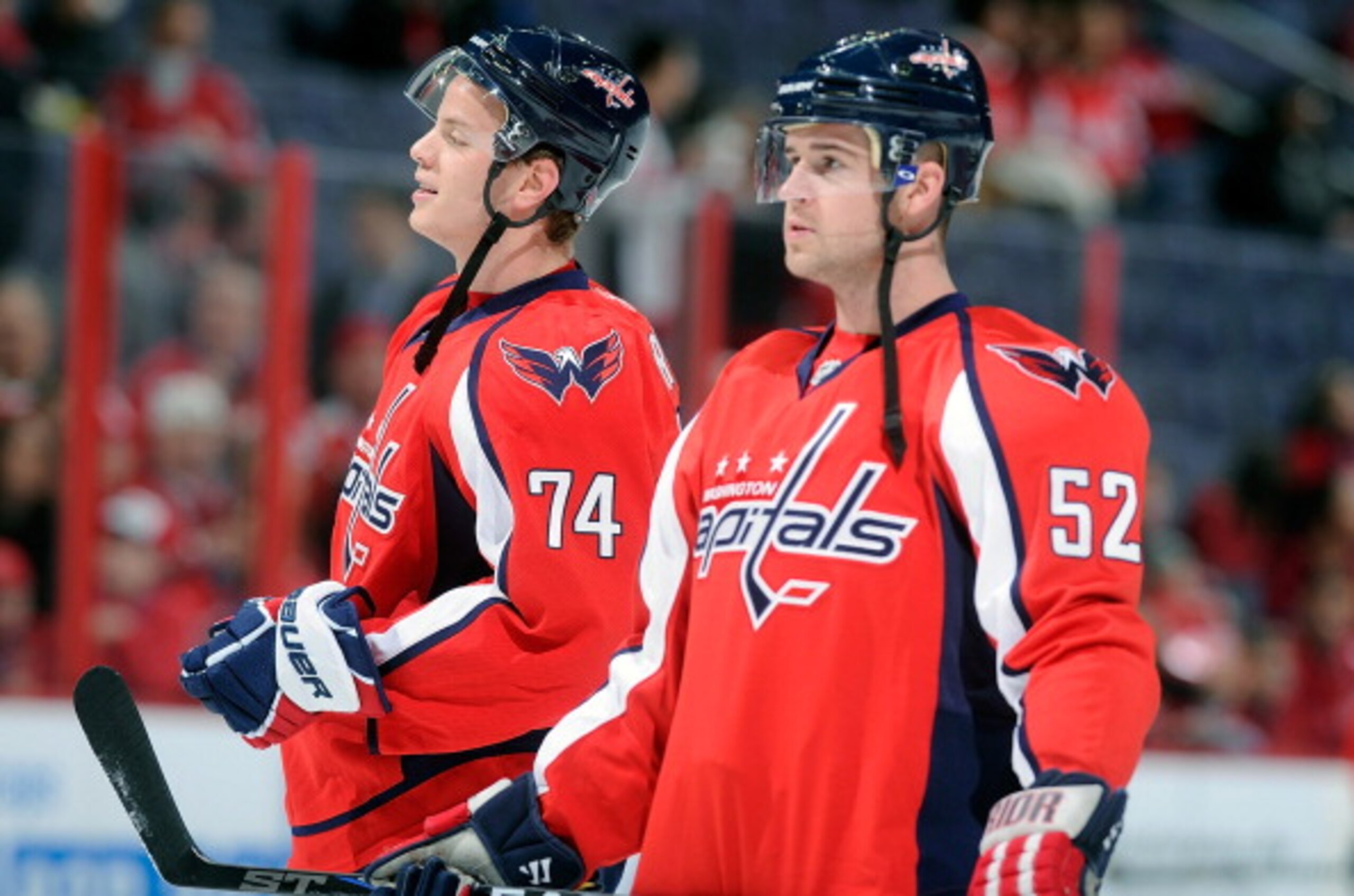
Washington has been criticized year after year for their lack of tough, in-your-face defensemen. Finally, this season, General Manager George McPhee acquired Scott Hannan and Dennis Wideman in separate trades to bolster the blueline. Unfortunately, since then, Wideman has gone down with a leg injury, joining regulars Mike Green and Tom Poti on the injured reserve.
Washington's defense corps is virtually paper-thin at this point, and Green needs to be healthy in order for the team to be successful. Green sustained a concussion against the Rangers earlier this season, and one has to believe he'll be motivated to perform to the best of his puck-rushing abilities. Green, when healthy, is a unique player, because he essentially gives the Capitals a fourth forward on the ice. Not to mention the fact that he's a two-time NHL First Team All-Star, and the fact that he's the team's best defenseman when on his game.
Rookie John Carlson has been leaned upon heavily in the absences of Poti and Green (and now Wideman as well), and he's performed admirably. With that being said, a top-six of Carlson, Karl Alzner, Hannan, Jeff Schultz, John Erskine and Sean Collins is not nearly as intimidating as it would be with Green and Poti in the mix.
Without Wideman, the Capitals basically only have one power play quarterback, Carlson. Jason Arnott has spent time manning the point on the power play, but needless to say, Mike Green would be a big upgrade in that department.
If the Capitals are going to go deep in this playoffs, Green will need to be much better than he's been for the last two postseasons. That begins with him being healthy and productive in this first round against the Rangers.
3. The Secondary Scoring
3 of 5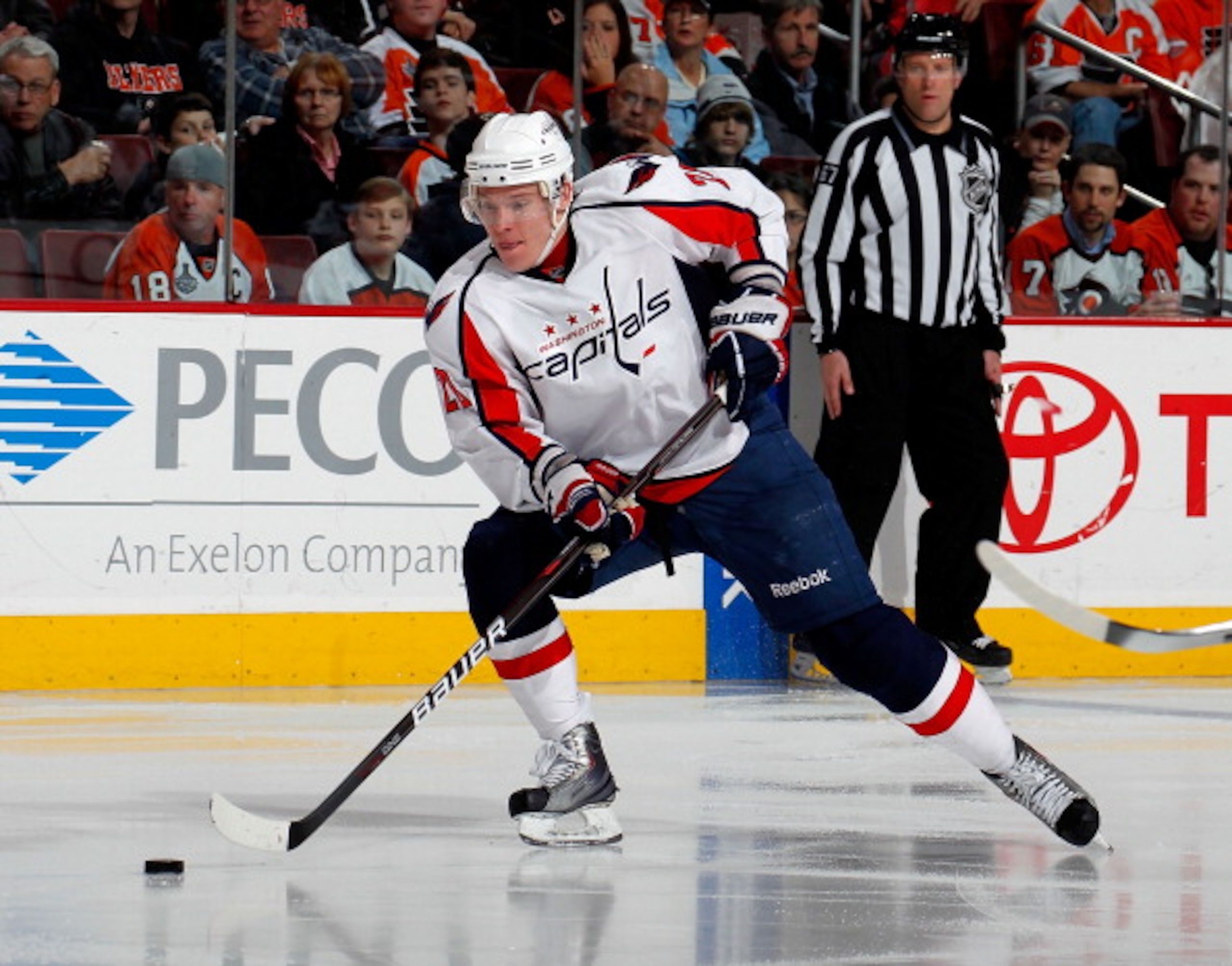
The Capitals managed to remain one of the best teams in the game this season because they won games by scoring by committee. Alexander Ovechkin, Mike Green and Nicklas Backstrom all suffered through miserable (by their standards) offensive seasons of their NHL careers, but somehow the Capitals still remained at the top of the Eastern Conference standings by season's end.
Unlike previous years, in which the team relied on a deadly power play and superstar-calibre scoring performances, this team won by getting goals from all four of their forward lines. This team boasts three lines that can score goals, and two that have the potential to score at an elite level. The top unit of Backstrom, Ovechkin and Mike Knuble clearly has to produce, but there's no reason that the second line of Jason Arnott, Alexander Semin and Marco Sturm can't score at a comparable clip. Even the third line is relatively offensive, with Brooks Laich and speedy Jason Chimera flanking Swedish rookie Marcus Johansson.
Arnott has helped Semin elevate his game, which is critical for the Capitals in this first round. Last year, Semin failed to score a goal during the team's seven-game series against Montreal, and he's endured similarly frustrating slumps this season. If the Capitals are going to beat a scrappy Rangers team, they'll need Semin to score.



2. The Capitals' Special Teams
4 of 5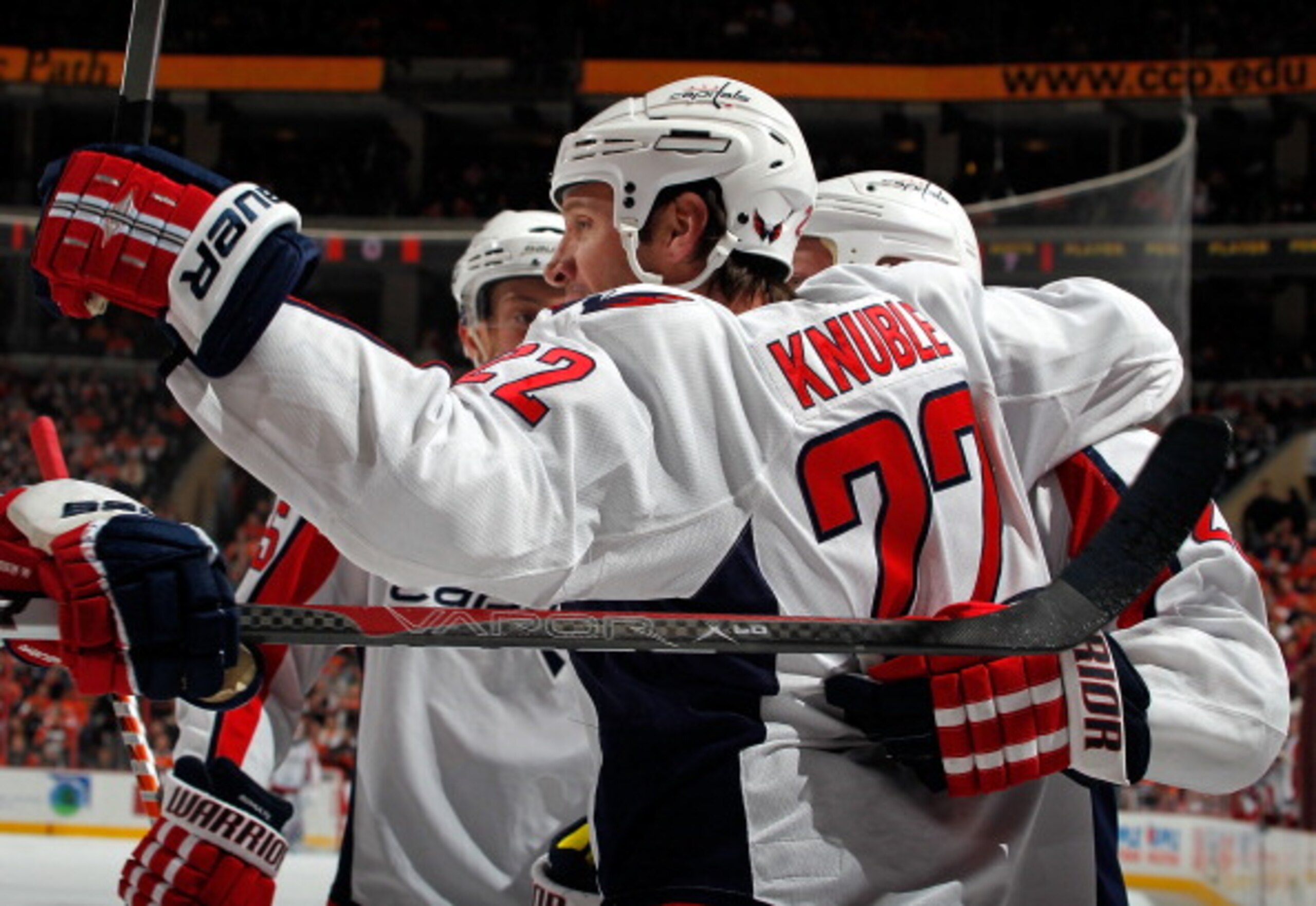
During the 2009-10 regular season, Washington boasted by far the best power play in the NHL, converting on an astonishing 25 percent of their opportunities. It has been a different story this year, as the team's power play effectiveness has dipped to 17 percent, good for 16th best in the league.
There are many reasons for this drop, such as injuries to Mike Green and sometimes-second unit quarterback Tom Poti. However, the problems on the power play stretch farther back than this year, as the team struggled mightily during their first round series with Montreal last year.
The Caps' power play was second to last among all teams during the playoffs, converting just once on 33 chances. If the Capitals are going to get past the first round this year, that number will have to greatly improve. The team has an endless number of offensive weapons, and they appear to finally be gelling, which is a good sign for the playoffs.
At the other end of the ice, the Capitals' penalty killing has been superb. The team's shorthanded unit ranks second in the league, killing off almost 86 percent of the opposition's chances. New York does not have an exceptional power play, so the team should be able to neutralize their opportunities—though the Rangers' special teams ran rampant on the Capitals during their season series.
As we learned last year, if the Capitals' special teams don't show up to play, they won't win the series.
1. How Well Backstrom and Ovechkin Can Penetrate the Rangers' Defense
5 of 5
Since the start of the 2010-11 season, Alexander Ovechkin's offensive production has tailed off, and he finished with a career-low 85 points to end the campaign. However, there is cause for optimism regarding the Capitals' captain, considering since the beginning of March, Ovechkin has 22 points in 16 games. More importantly, Ovechkin has been scoring goals when they matter most, as 11 of his 32 goals have been game-winners.
Ovechkin's linemate, Nicklas Backstrom has also suffered through the worst offensive season of his career, posting just 65 points, which is a far cry from the 100-point campaign he had in 2009-10. Like his linemates, Backstrom has been playing better as of late, putting up ten points in the final nine games of the season.
While the play of the Caps' two superstar forwards has improved, Washington needs Backstrom and Ovechkin to lead the way offensively against the Rangers. When the two teams met in 2009, Ovechkin and Backstrom played key roles in Washington's comeback, and a similar effort will likely be needed this time around as well.
Henrik Lundqvist is among the best goalies in the game, and unless Ovechkin, Backstrom and Co. can create scoring chances from inside the tops of the face-off circles, he'll stop almost everything.
The Capitals fell behind three games to one to the Rangers in 2009, before realizing that simply getting shots on goal wasn't the way to beat Lundqvist. As Sergei Fedorov's series-winning goal showed, high shots to the glove of Lundqvist are the best way to beat him, and he can be knocked off his game.
In game five, with the series seemingly in the Rangers' grasp, Capitals' grinder Matt Bradley scored two first-period goals to open the flood gates on the series. From there, Ovechkin, Semin, Backstrom and the rest of the offense lead the way. If the Caps want to advance like they did in 2009, Ovechkin and Backstrom can't be neutralized like they were against Montreal in 2010.
.jpg?w=2560 "NHL Trade Grades Connor Hellebuyck")


.jpg?w=2560 "Malik Beasley Negotiating Plea Deal (AP)")
.jpg?w=2560 "Aikman Blasts Cowboys WR 🫣")

.jpg?w=2560 "Jonathan Taylor Landing Spots")