Boston Red Sox: Ranking the 10 Greatest Quirks About Fenway Park
Boston is filled with history and architectural achievements that bring the city a unique urban personality all its own. Nowhere is this more apparent than in between Yawkey Way and Lansdowne Street, home to Fenway Park.
While the exteriors of this memorable major league ballpark have inspired photo opportunities for decades, it is the interiors that have made Fenway a must-visit location for any baseball fan, Red Sox or otherwise.
Wear And Tear
1 of 10
While some ballparks have received criticism for their deteriorating conditions, the lived-in physical appearance of Fenway Park is considered endearing to its historical significance.
Whether it is the deep-rooted cracks in the foundation or door arches too small for modern masses to pass under without ducking, the construction has stood the test of time, all while preserving what made it special for those first fans that passed through the gates in 1912.
The Green “Monstah”
2 of 10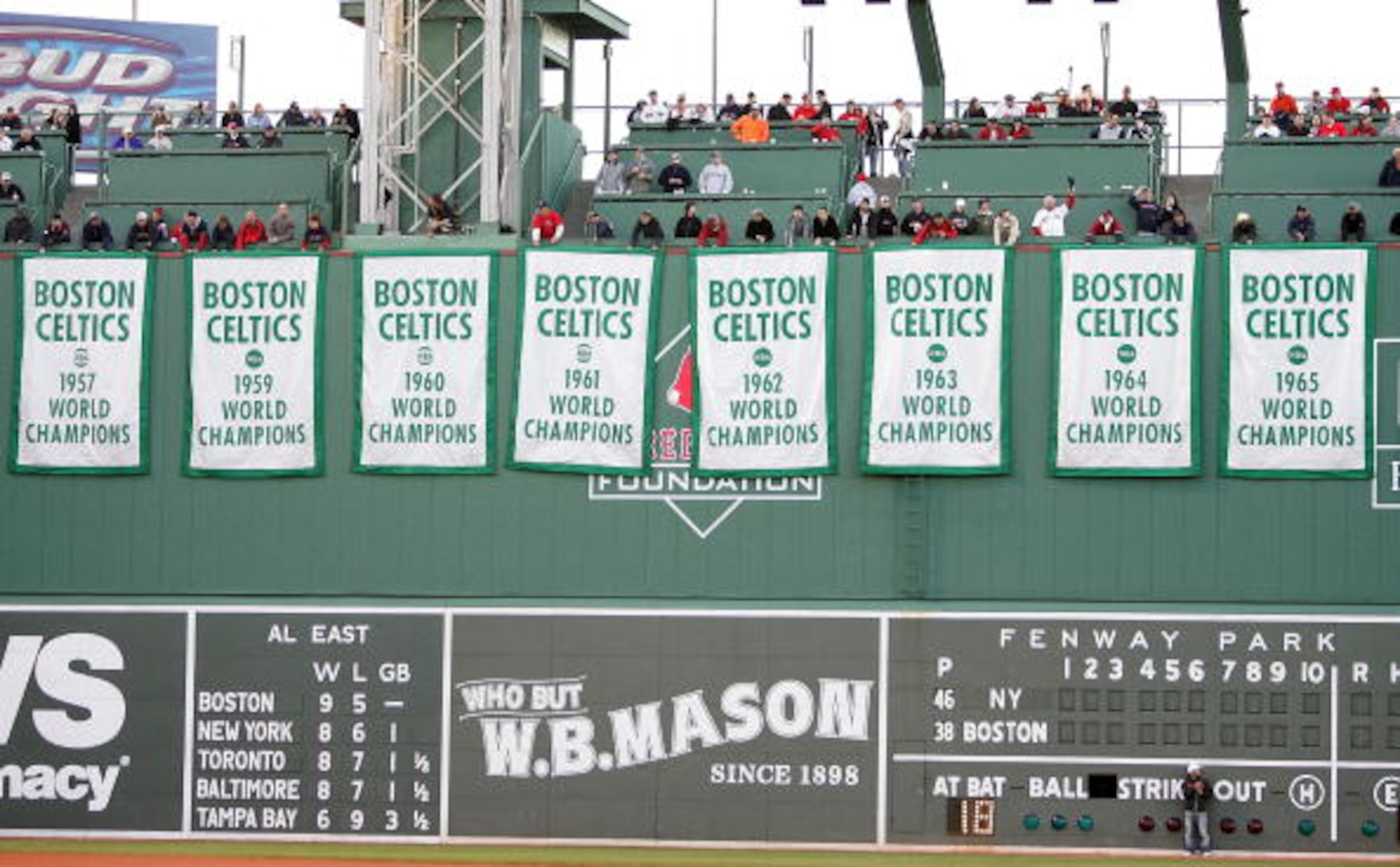
The backdrop of green that looms over left fielders in Fenway Park has become an extension of the Red Sox roster throughout the years. Thousands of balls have dinged off of its surface, leaving divots like signatures that decorate the wall as a reminder of the teams that have come and gone.
First painted the recognizable green in 1947, the wall has since become one of the most iconic symbols in all of baseball. When reconstruction on the park began in the early 2000s, seats were added to the top of the wall, allowing a new generation of fans to view the monster in an entirely different way.
The Scoreboard
3 of 10
Nowhere is the history of the ballpark more preserved than on the Green Monster itself where the original manual scoreboard still tracks the game for those fans not interested in the digital world.
Updated by hand from within the Green Monster, the scoreboard was added in 1934 and although new high definition screens were recently erected out in center, most eyes remain and the tried and true old school method that harkens back to a simpler time.

Pesky’s Pole
4 of 10
Normally a big yellow pole out in right field wouldn’t be all that significant, but when it comes with a mythology tied to one of the most beloved Red Sox players of all time, a big yellow pole takes on a life of its own.
Said to be coined Pesky’s Pole for a game-winning home run by Johnny Pesky, the right field foul marker has become a monument to Red Sox history, inspiring countless fans to sign its surface.
The Citgo Sign
5 of 10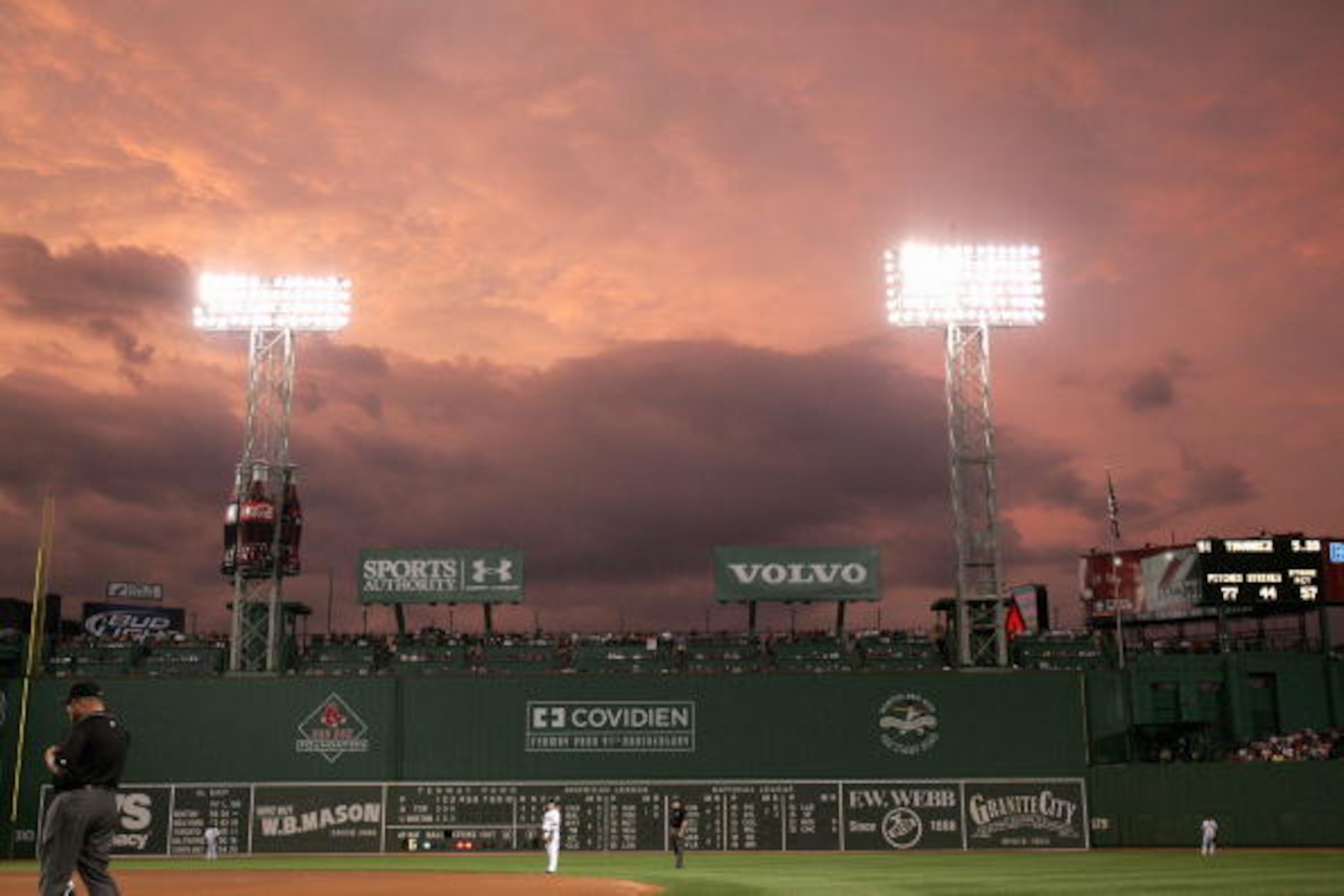
Although it doesn’t actually sit within the confines of Fenway Park, the iconic Citgo sign that rises up above the Green Monster is as much a part of the history of the ballpark as the ballpark itself.
Like a sun stretching up over the horizon, the sign is an extension of the Boston Red Sox and has looked down on the home team since it was built in 1965.
The Ladder
6 of 10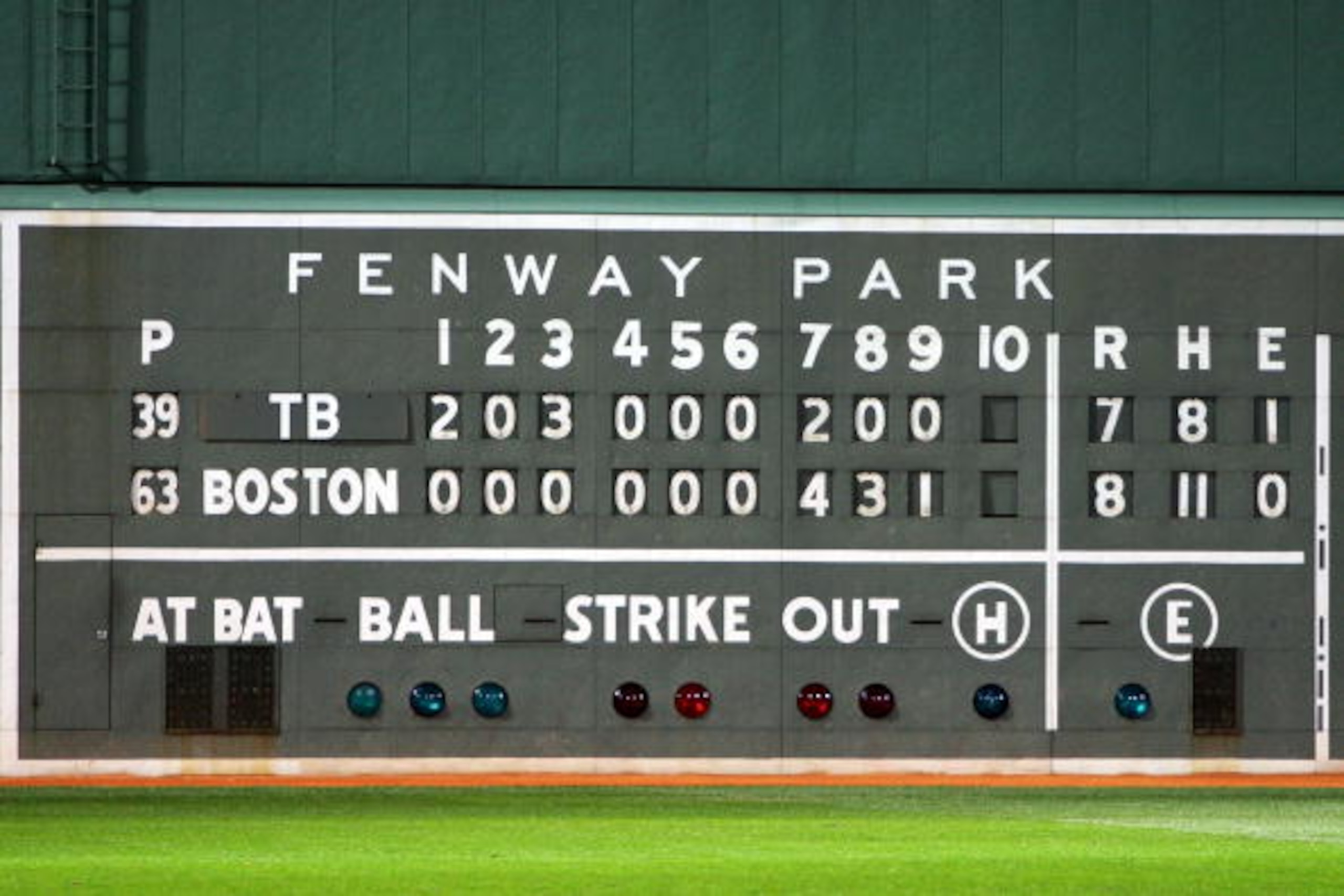
At one point in time, the ladder that rises up the side of the Green Monster did serve a purpose. It was originally used by grounds crew members to collect home run balls, but when seats replaced the netting, the ladder became obsolete.
Now, with no specific destination, the ladder acts as a miniature golf-like obstacle, causing many balls to bounce off of its surface and ricochet back into play, much to the dismay of visiting left fielders who have yet to master the Monster.
The Red Seat
7 of 10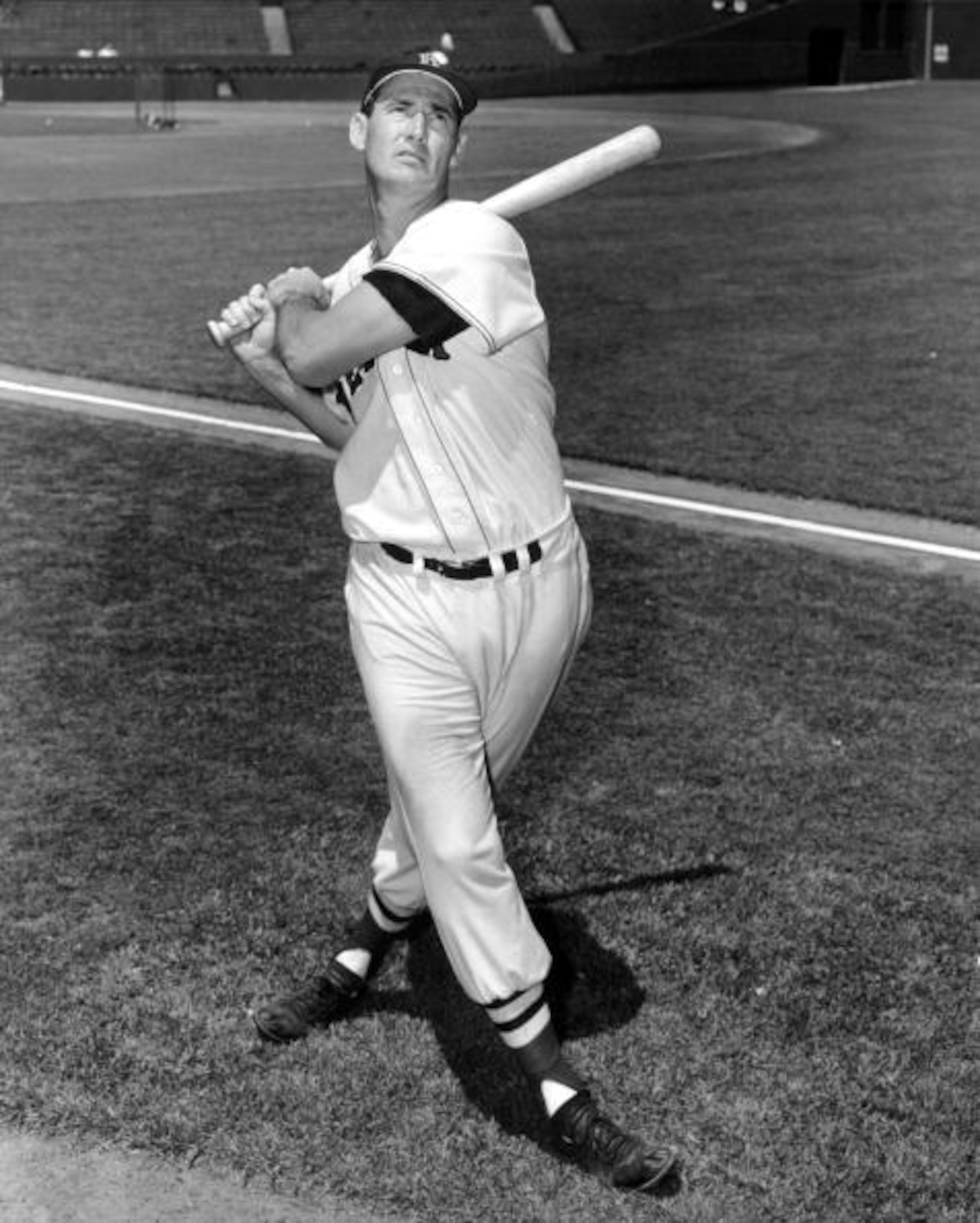
Section 42. Row 37. Seat 21. The most famous seat in Fenway Park.
Painted red to honor the longest home run ever hit at the park, the seat, 502 feet from home plate, has become an iconic symbol and a Where’s Waldo between-innings time killer for first-time visitors.
Ted Williams struck that home run. Fans have reveled (and sat) in it ever since.
No Man’s Land
8 of 10
Known as “the triangle,” the area in center field where balls go to die is a geometrical nightmare for outfielders. 420 feet from home plate, balls seem to get lost in its embrace, inspiring base runners to stretch out doubles into triples and on more than one occasion, inside-the-park home runs.
Morse Code
9 of 10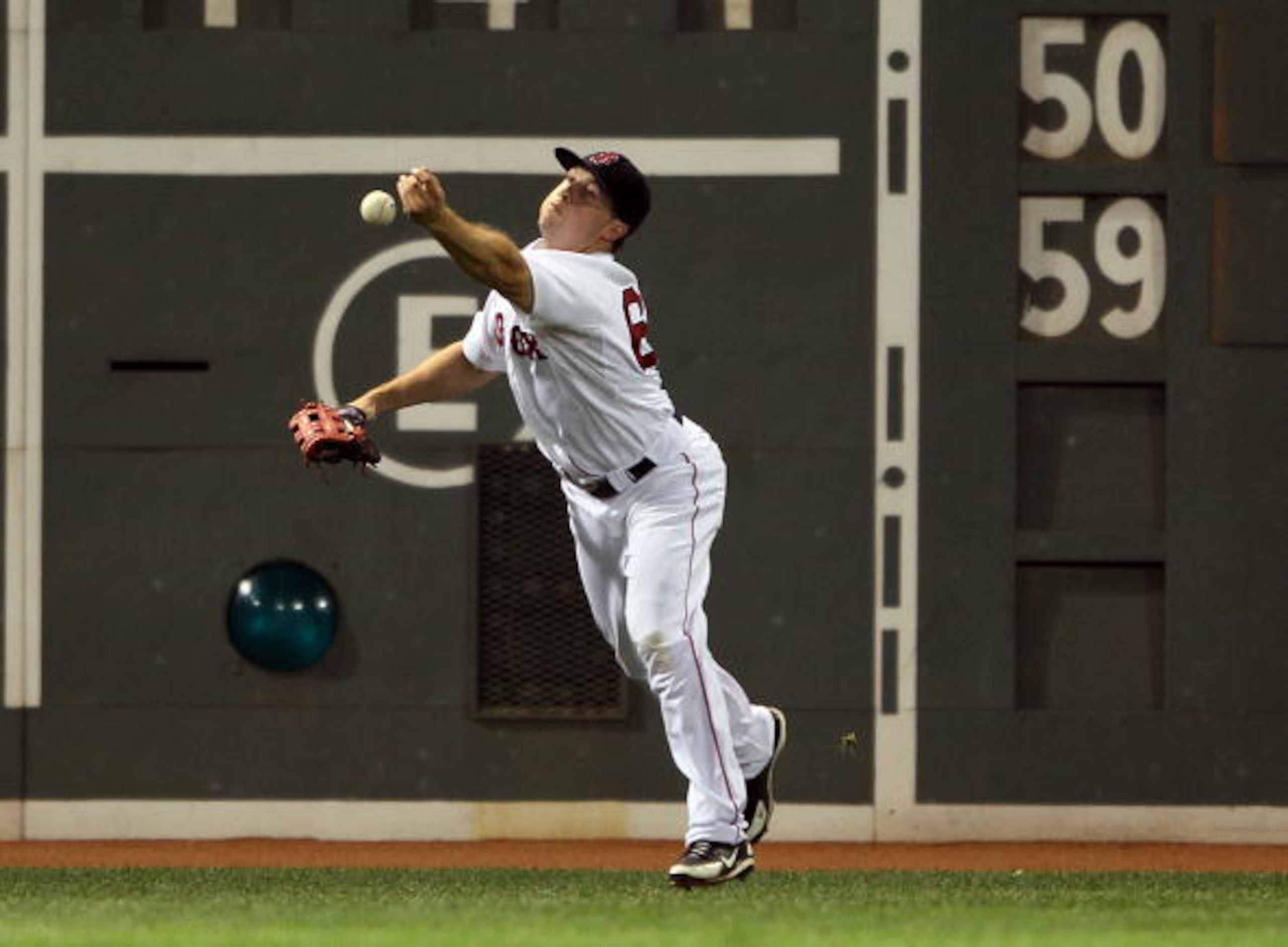
Many people have seen it, but not everyone understands its significance.
Running vertically down the Green Monster scoreboard are a series of Morse code symbols that actually mean something. The dots and dashes stand for the initials of Thomas A. Yawkey and Jean R. Yawkey, owners of Fenway Park from 1933-1993.
At Fenway Park, there’s history even between the lines.
The Experience
10 of 10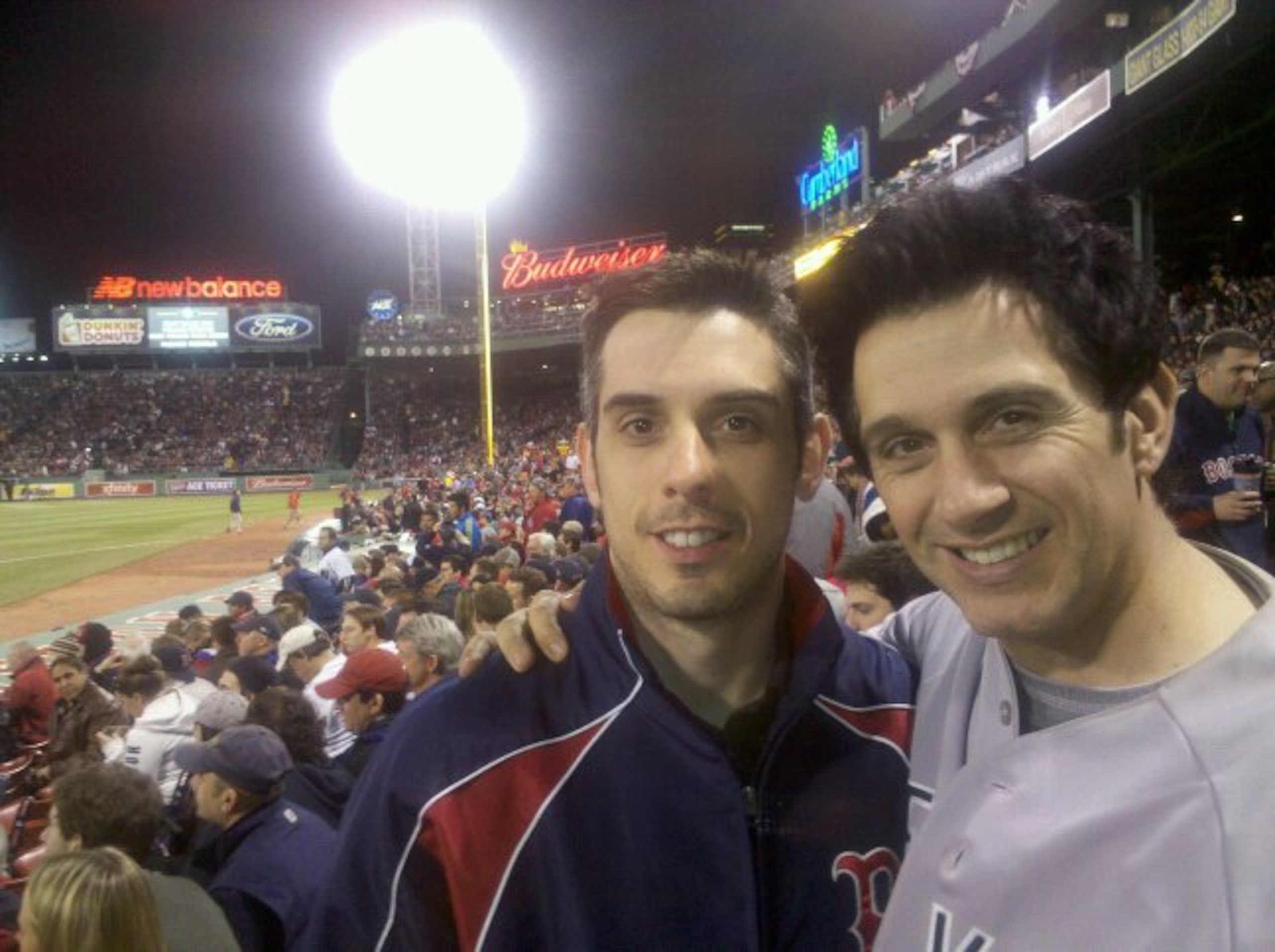
More than anything, visiting Fenway Park is about the experience. Where else can two friends, one a lifetime Red Sox fan and the other a lifetime Yankees fan, put the rivalry aside and love the game more than their team for nine whole innings.
Now that might be the biggest quirk of all.*
* It should be noted that the Red Sox won this game 4-0 on April 10, 2011 in a Josh Beckett pitched gem. I’d say that made my experience a tad better than his. Go Sox!
.jpg?w=2560 "NFL investigating 2 referees for separate viral exchanges")
.jpg?w=2560 "OBJ Calls Out Giants After Release")
.jpg?w=2560 "Tyreek makes another cryptic post amid Chiefs rumors")
.jpg?w=2560 "Report: Chiefs Contact Hill's Agent")