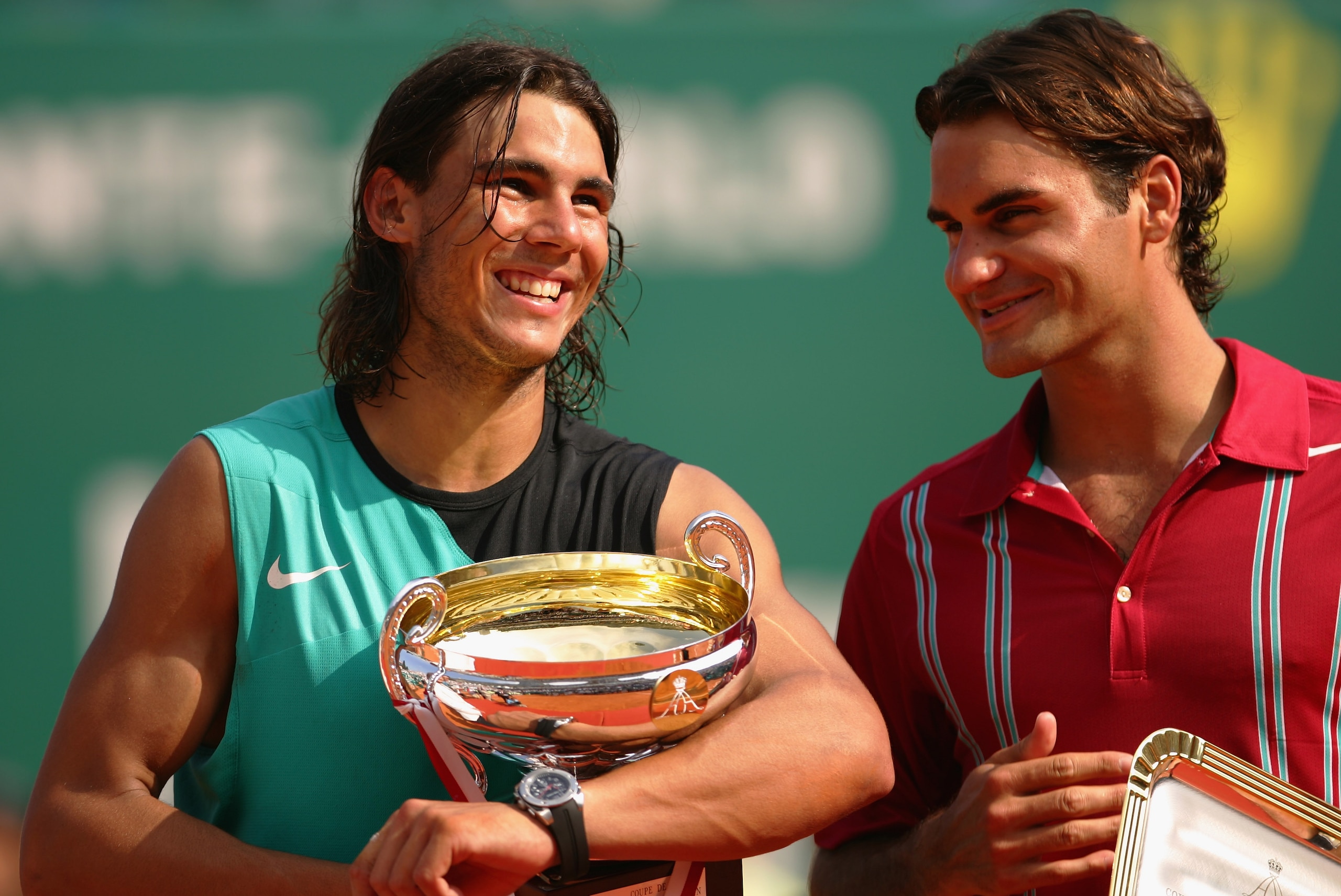

Monte Carlo's Field of Gold Promises a 4th Nadal and Federer Final
A new color, and with it a new mood, is spreading across the tennis calendar.
The vivid indigo and acid brights of the North American Masters are giving way to the burnished orange and subtle turquoise of the Mediterranean.
Between now and the end of May, the men’s tour will settle into the welcome embrace of the terracotta dust that will become their home for eight unbroken weeks, for April and May provide the longest, unbroken season on a single surface through the tennis year. From here on, it’s clay all the way to the French Open.
And from the splendid environs of Monte Carlo until Paris, the tour enjoys a constancy and a calm that comes from living within a single continent: few time zones to cross, steady body clocks, regular sleep patterns. It must feel like sinking into a warm pool at the end of a marathon through the desert.
Except that…this is the season most rich in points, the season where there is much to be gained but much to be lost. It is the only season that features three Masters in the space of a month, and those Masters are sandwiched between the double-headed rigors of Indian Wells and Miami at the start of April and the second Major of the year that fills the end of May.
So this seemingly benign circle of gold that takes in exotic Casablanca, skirts the Riviera and stops off for some culture at a few of Europe's loveliest cities, can have a sting in the tail.
And nowhere looks more benign than the golden terraces set on slopes of palm trees and switch-back roads, fringed by the palest of sand and most azure of lapping waves. Is there, indeed, a more stunning location for a tennis tournament in the world?
It’s a place where visitors can dive in and soak up the atmosphere, where there is a sensuality to the warmth, the burnt umber roof lines and the inky blue depths of the Med as it stretches towards a hazy horizon.
It even has its own particular soundtrack, quite different from the energy that overflows from the Miami or the Acapulco crowds. Here the buzz of networking accompanies the murmur of the fans’ appreciation, and cheerful gossip drops into hushed attention as play gets under way.
Nadal: King of All He Surveys
1 of 8
The clay brings into the spotlight a different set of names who blossom on the warm clay. These are the men who have grown up on the red stuff and learned their craft on the sliding grit.
The Monte Carlo honors board is jam packed with men from Latin climes: 13 of the last 14 champions are from Spain or South America; it was 1956 since a North American won the title and 20 years since a man from the States even made the final.
Yet even against this plethora of Latin talent, one name stands head and shoulders above the rest. At 18, and seeded No. 11, Rafael Nadal won his first title in Monte Carlo, part of a clay-court run of 24 matches that broke the then record of Andre Agassi.
What few predicted was that, by the age of 23, he would still have a clean sheet at this illustrious event, becoming the first man to win six consecutive titles at a single tournament. And he is back this year to make it seven.
He now holds a 34-1 record at the Monte Carlo Country Club with his only defeat coming from Guillermo Coria in the third round of his debut tournament appearance in 2003.
This year, Nadal is not only in pursuit of a seventh title but is aiming to continue an unbeaten run on clay that began here last year and continued back-to-back through all four of his 2010 clay events.
Nadal has played down his chances of repeating the feat, but with final finishes in both of the recent hard-court Masters, he is, it seems, in prime form as he takes to his favorite surface.
A Masters with a Difference
2 of 8
The self-styled “Gem Of the Mediterranean” brims with history, more than a 100 years of it. The Monte Carlo tennis championship was first held in 1897 and still boasts an Art Deco clubhouse built in 1928. But it very nearly lost its place in the Masters calendar when the ATP reorganised the tour in 2009.
Amid the plans to give one of the prestige Masters events to Asia—which marked the arrival of the Shanghai Masters—was the intention of reducing the series from nine events to eight. But a compromise was reached for this historic and much loved venue on the tour: It became the only Masters that would not be mandatory.
Such is the kudos of the venue that it continues to be a key feature of the clay season, helped in no small part by its popularity for many of the top players—and their money. Current residents of the small but perfectly formed Principality include Novak Djokovic, Robin Soderling, Tomas Berdych, Marin Cilic and Caroline Wozniacki. And who can blame them?
The ATP lifeline to the Monte Carlo Country Club came with some small print, though. The venue’s history and its stunning location nestled into the Mediterranean hillside brought some problems: A few leaking roofs, a few courts with insufficient space, inadequate media facilities…and they had to be remedied.
So since 2009, the Club has been hard at work. Outlying courts have been extended and the new locker rooms and restaurants are, the Club proudly boasts, now waterproof.
They have even developed an environmental conscience. Rather than draw on Monte Carlo’s water supply to dampen the courts, the Club has installed huge tanks to collect and recycle rain water around its 21 courts. Their news release brightly concludes: “Congratulations to the engineers who are taking care of our planet!”
A Field of Gold: Murray’s Mission
3 of 8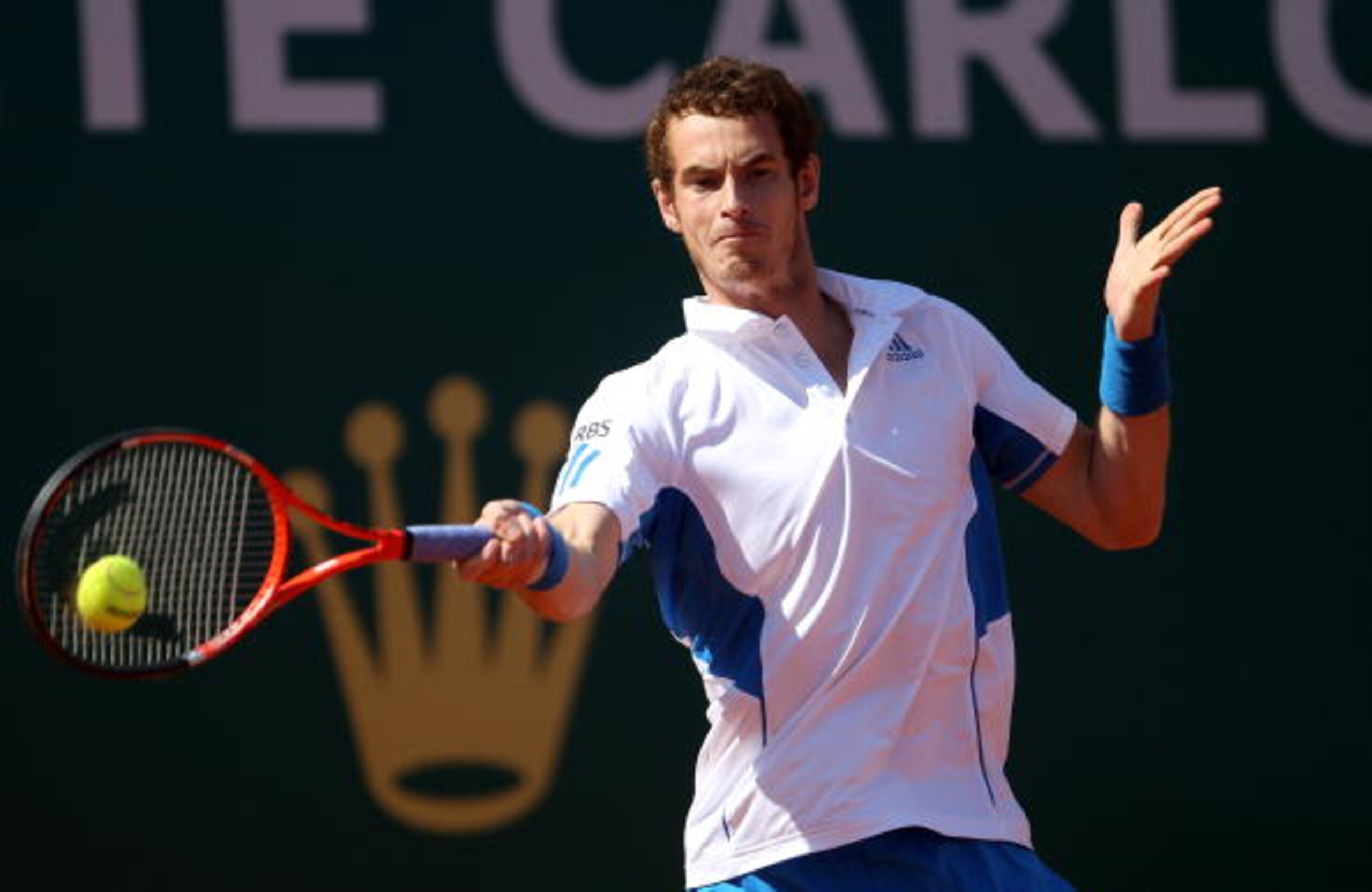
After Andy Murray lost in the opening match of his third successive tournament in Miami last week, he made a late decision to take a wild card entry to Monte Carlo. He has since been practising on that rare thing, a clay court in London, but that’s not all he’s been up to.
First he separated from part-time consultant, Alex Corretja, after a three-year association. Then he announced that he was turning to the team attached to his sponsor Adidas’ player development program, Darren Cahill and Sven Groeneveld, while his search for a permanent coach continued.
Murray has enjoyed only modest success on the clay. Last year, he managed just three wins in the three clay Masters and he has never reached the final of a clay event. But just when he could do with some good fortune, he faces one of the least favorable draws in Monte Carlo.
Murray’s opener could hand him Marcos Baghdatis, ranked 26 in the world and capable—on a good day—of upsetting the very best.
Next could be one of a set of clay experts, including Albert Montanes, a semifinalist in Casablanca this week, or Gilles Simon, a former No. 6 who is reasserting his fine credentials on the tour. If Murray overcomes those hurdles, his ultimate reward will be Nadal in the semifinals.
So it will be a tricky week. If Murray does well, it should do wonders for his confidence. If he is rusty from lack of match play, he could be punished very early. He urgently needs some wins under his belt and he urgently needs the long-term commitment of an experienced coach to help him find those wins.
.jpg?w=2560 "Cardinals Giants Football")
.jpg?w=2560 "Hill Injury Update Football")

A Field of Gold: The Spanish Quarter
4 of 8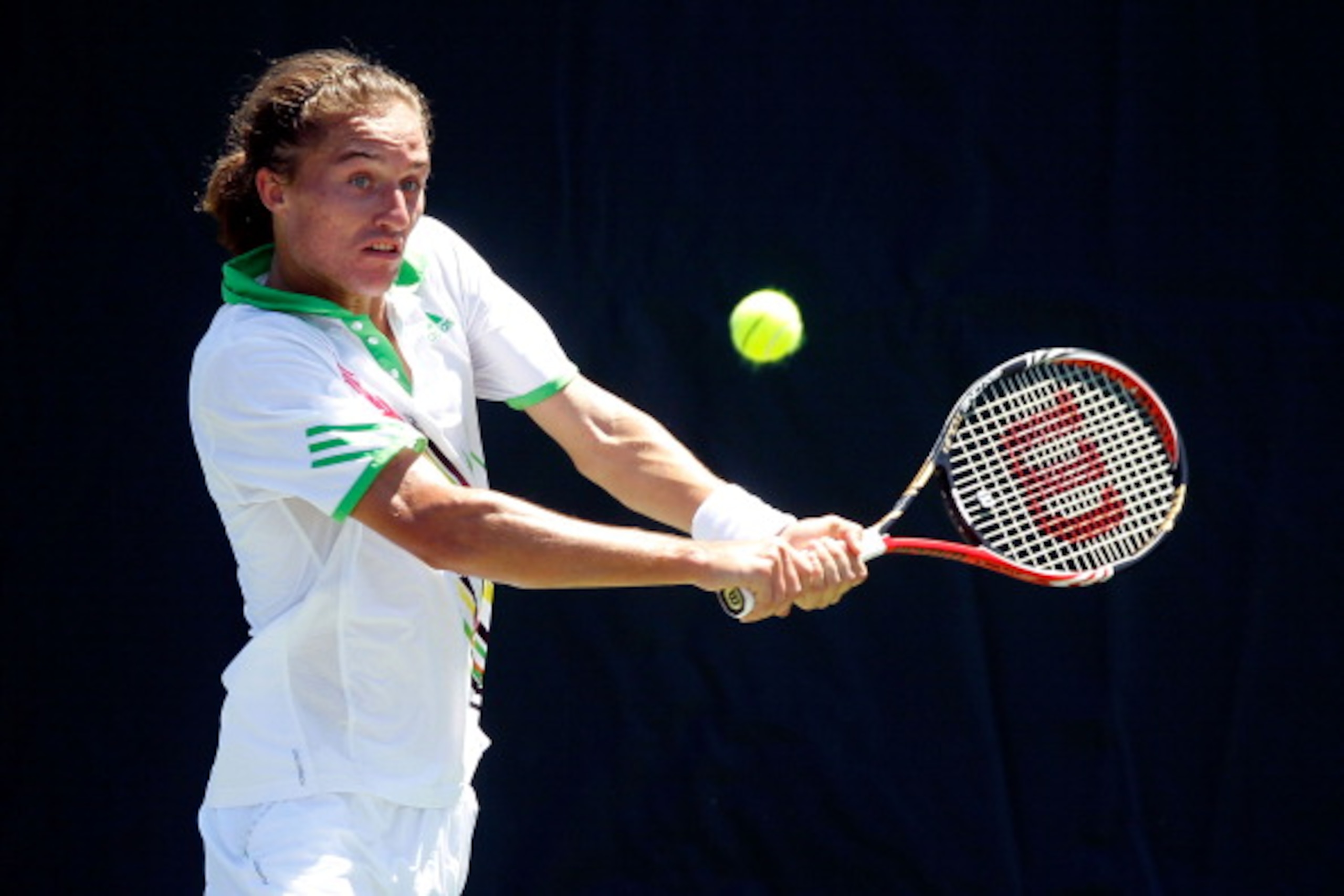
Alexandr Dolgopolov has been one of the stars of the 2011 tour, realising his potential in a series of quality performances that have left the crowds keen for more and opponents scratching their heads at his unorthodox shot-making.
He is also proving his worth on more than just the hard courts—though his defeat of Soderling at the Australian Open was his best result of the year so far. He has reached the final of the Brazil Open and the semis in Acapulco, but in Monte Carlo, he finds himself sitting in one of the strongest quarters.
First, he meets the craft and artistry of Michael Llodra or the power and speed of new wunderkind, Milos Raonic: not a great prospect for a second round match. But then he hits the Spanish wave.
It may be Feliciano Lopez or, more worrying, David Ferrer—already a winner in Acapulco and with a clay record last year bettered only by Nadal. Finally, at the quarterfinal stage, he could face Fernando Verdasco, last year’s runner-up in the Principality.
So it’s “good luck” to the nimble-footed Ukrainian on his Spanish campaign. His prize, should he be successful, will be Federer.
A Field of Gold: Tough and Testing
5 of 8
Philipp Kohlschreiber must wonder what he’s done to deserve it.
The elegant German, whose game of variety and touch is so easy on the eye, has been playing some good tennis this season, yet he remains, as he has done with remarkable consistency, ranked in the mid-30s.
It is a position that ensures he rarely avoids the big names in the early rounds: In Melbourne it was Berdych in the second round, in Rotterdam it was Soderling.
He met Soderling again at Indian Wells and beat him, only to face the worst non-seed possible, Juan Martin Del Potro. Kohlschreiber took the Argentine to two tie-breakers, and then had to do the same again in Miami, where he also found the Argentine as his opening opponent. This time, he lost in three close sets.
Now Kohlschreiber faces the talented Andrey Golubev in his Monte Carlo opener—a man ranked just six places below him—only to find Roger Federer in Round 2. The German has taken one set off his friend in five matches: Can he do so again? Can he take two?
Whichever of them progresses—and the safe money is on the Swiss—the next obstacle is Cilic, but it will be the quarterfinal opponent who poses the biggest danger.
Nicolas Almagro has the classic Spanish clay pedigree that could well beat Jurgen Melzer to take a place in the quarters. He has titles this year in Brazil and Argentina and had a tight three-set loss to Ferrer in the final of Acapulco.
Almagro is close to his best-ever ranking and a formidable foe on the dirt. In a half filled with similar Spanish gold, it will be far from an easy ride to the final for anyone.
What’s in a Name?
6 of 8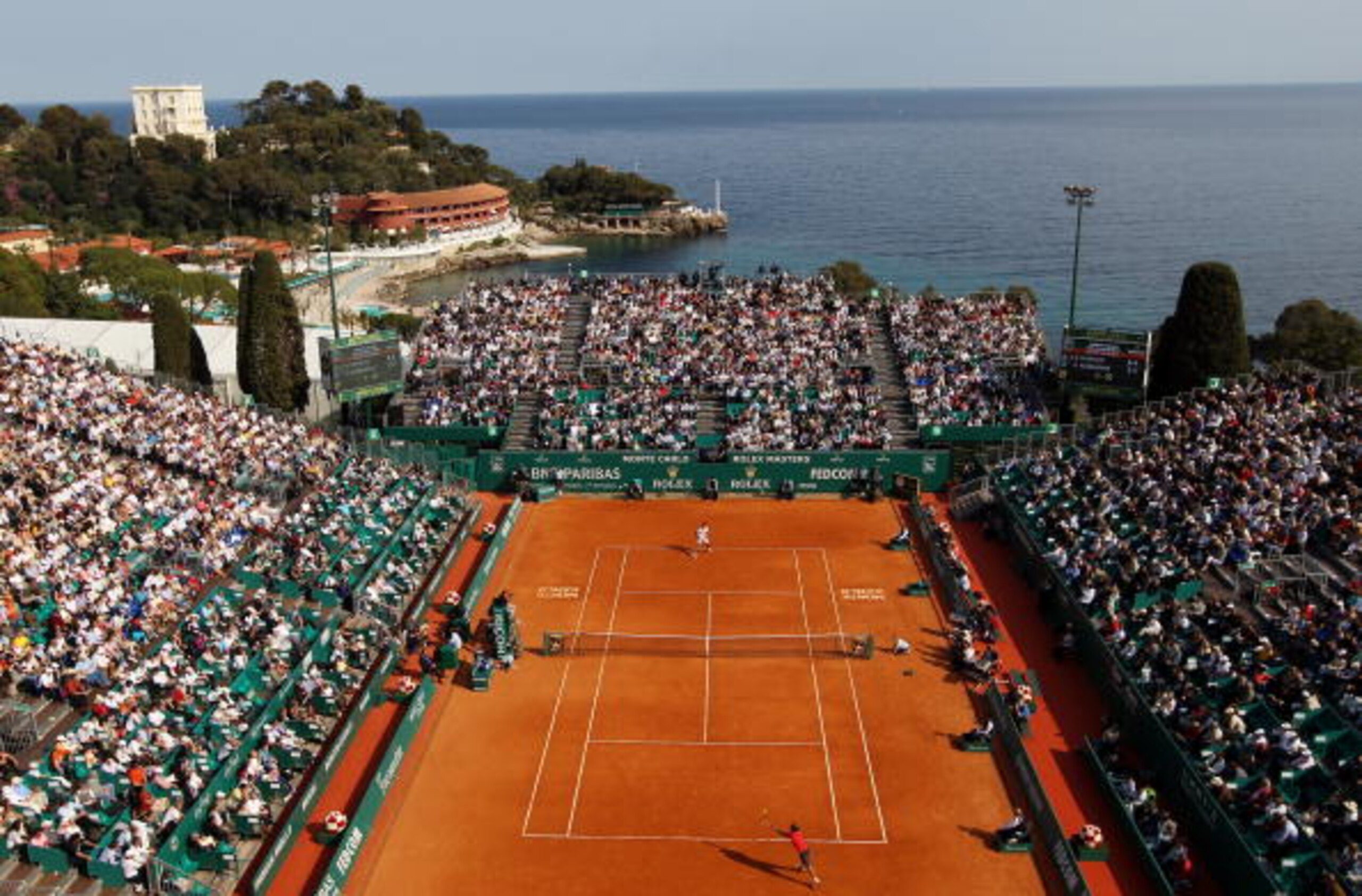
Nothing speaks of glamor quite as much as the name Monte Carlo.
And nowhere resonates with class and wealth quite as much as Monaco.
But despite the name of this tournament and of the Country Club that is its home, neither is located in Monte Carlo—they are in France.
The MCCC sits half a kilometre across the Monaco border on the glorious Mediterranean stretch of coast that extends towards the Italy. The names that carry visitors to this picture-book venue, though, eloquently express its parentage. From the west sweeps the coast road of Avenue Princesse Grace, and from the east, it is the Boulevard d’Italie.
Cars are, of course, accommodated, but they are superfluous. The tournament lays on a complimentary shuttle buses from the heart of Monte Carlo and offers free use of the Principality’s bus and boat services simply by presenting your tennis ticket.
And though the Monaco border is down the road, the aspect from the Club’s hillside setting gives as good a view of Monte Carlo as you could wish for.
A Field of Gold: The Soderling Question
7 of 8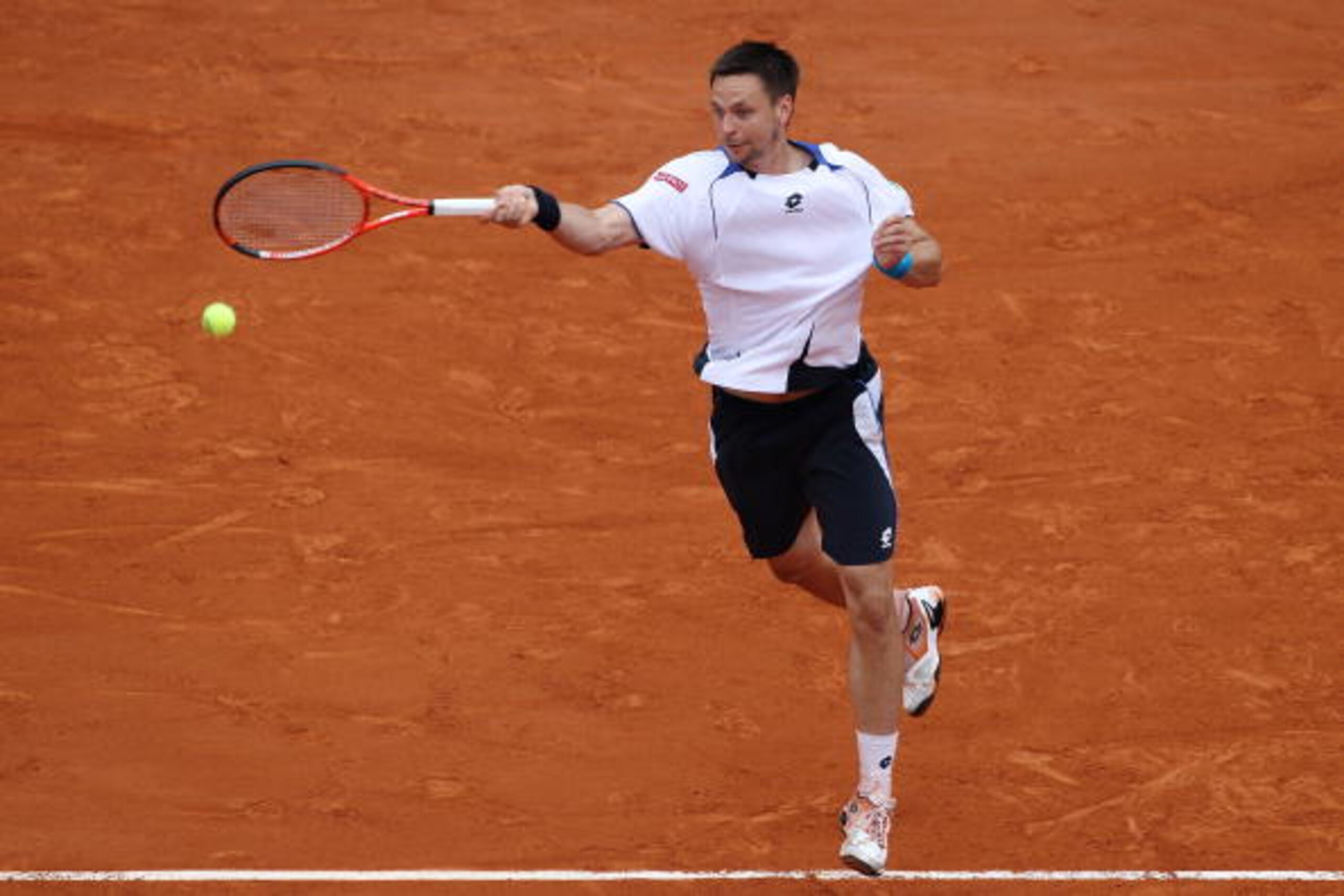
The 2010 Monte Carlo Masters was hit by a wave of absentees, including five of the top 10: Federer, Nikolay Davydenko, del Potro, Monfils and Soderling.
But his year, apart from the loss of Djokovic through knee injury, the tournament has a field of players well worthy of its Masters status. Only six other men in the top 40 are missing and only one of the top 10 has opted not to play.
Soderling is skipping Monte Carlo to head straight to Barcelona. It’s an interesting decision because Soderling’s success in the clay swing is so hard to read.
After his final in Barcelona last year, he managed just one win in the next three events. He fell in his second match in Rome, in his first in Madrid and in his first in Nice. But then he turned on a stunning run to the final of the French Open. In Paris, he lost just seven games in his six opening sets, then beat Albert Montanes, Cilic, Federer and Berdych before losing to Nadal.
And this was no fluke. In 2009, he lost early in Monte Carlo, Barcelona, Rome and Madrid before playing all the way to the French Open final that year as well. More shockingly, he not only beat Ferrer and Davydenko, but also Nadal. He then found himself on the losing side of one of the most emotional wins of the decade: Federer taking his only French title.
Without the Swede in Monte Carlo, it will be harder than ever to work out what he may bring to the French feast this year.
A Field of Gold: Another Roger and Rafa Final?
8 of 8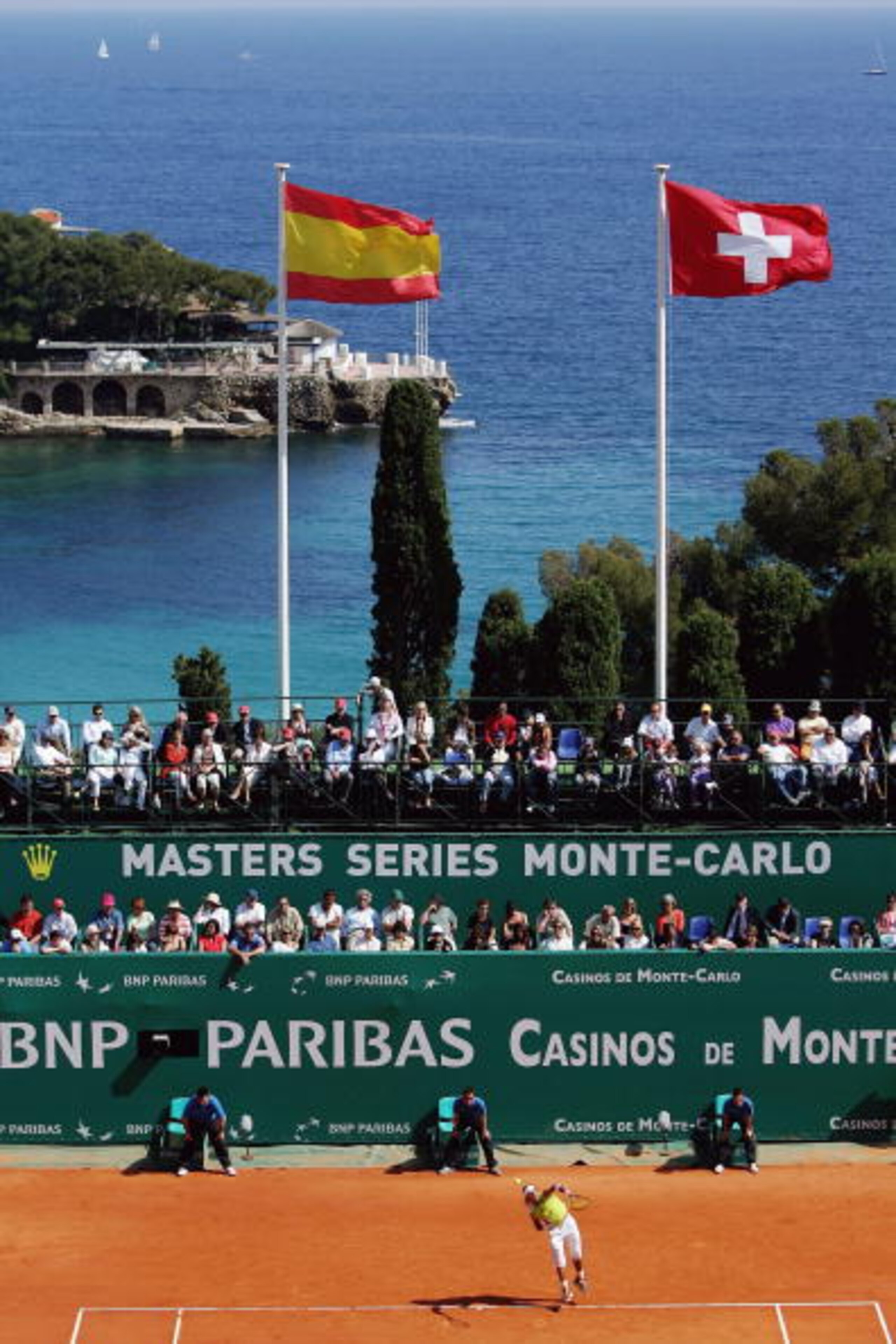
The rivalry between Nadal, Federer and Djokovic has been the talk of the town since the Serb started his blistering run at the Australian Open.
But Djokovic will not be continuing that run just yet after his last-minute withdrawal from Monte Carlo the day before the draw. It means that Federer, as the No. 2 seed, will expect to be the man Nadal faces on finals day.
It won’t be the first time. Federer has faced his clay-court bête noir three times in a row in Monte Carlo finals between 2006 and 2008, and he has yet to win this title.
Federer was a late entrant to the tournament, making his announcement during Indian Wells. How much that was to do with the Djokovic challenge to his ranking—the Serb overtook Federer by beating him in Indian Wells—and how much was down to wanting a steady build-up through the clay season, it’s hard to say.
Should he win the title in Monaco, he would close the gap on Djokovic to a very narrow margin and with a good run in Rome as well, he may anticipate getting that No. 2 ranking back before he heads to the grass.
However, it would take a string of losses from Nadal to open up the prospect of the No. 1 ranking any time soon; a scenario about as likely as a dull day in Monaco.
.jpg?w=2560 "Titans Giants Football")
.jpg?w=2560 "Dolphins Bills Football")