
2011 NFL Draft: Is This the Best Draft Ever for Defensive Ends?
Teams looking for help on the outside pass rush this offseason may have stumbled into the deepest draft ever for defensive ends.
No fewer than eight or nine defensive ends are currently being projected as possible first-round picks, many within the top 20.
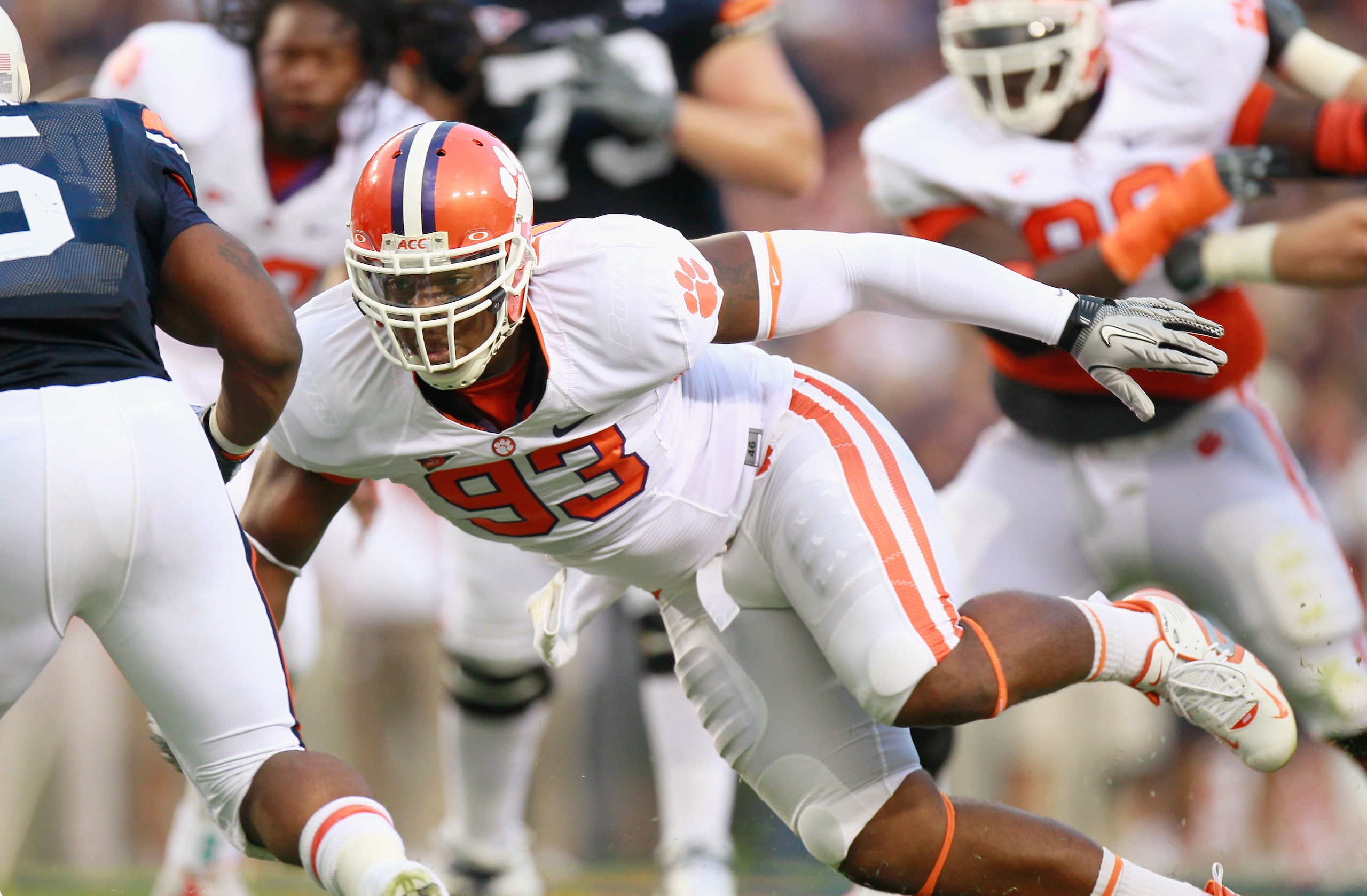
Robert Quinn of UNC, Aldon Smith of Missouri, J.J. Watt of Wisconsin, Cameron Jordan of Cal, Ryan Kerrigan of Purdue, Da'Quan Bowers of Clemson, Adrian Clayborn of Iowa, Justin Houston of Georgia, and Brooks Reed of Arizona are all potential first-rounders.
Ultimately, these players will be judged by their on-field performance. And plenty of these prospects are surrounded by questions entering the draft.
Robert Quinn spent last year sitting out due to a suspension, Da'Quan Bowers was a potential first-overall pick before knee concerns sent his draft stock plummeting and character concerns have swirled around Adrian Clayborn since an altercation with a taxi driver last spring.
Even with the questions, it's worth asking whether this is the best first round ever for defensive ends. Here are some of the other first-round draft classes against which history will judge this group.
1977: Four Defensive Ends Go in the Top Nine Picks
1 of 9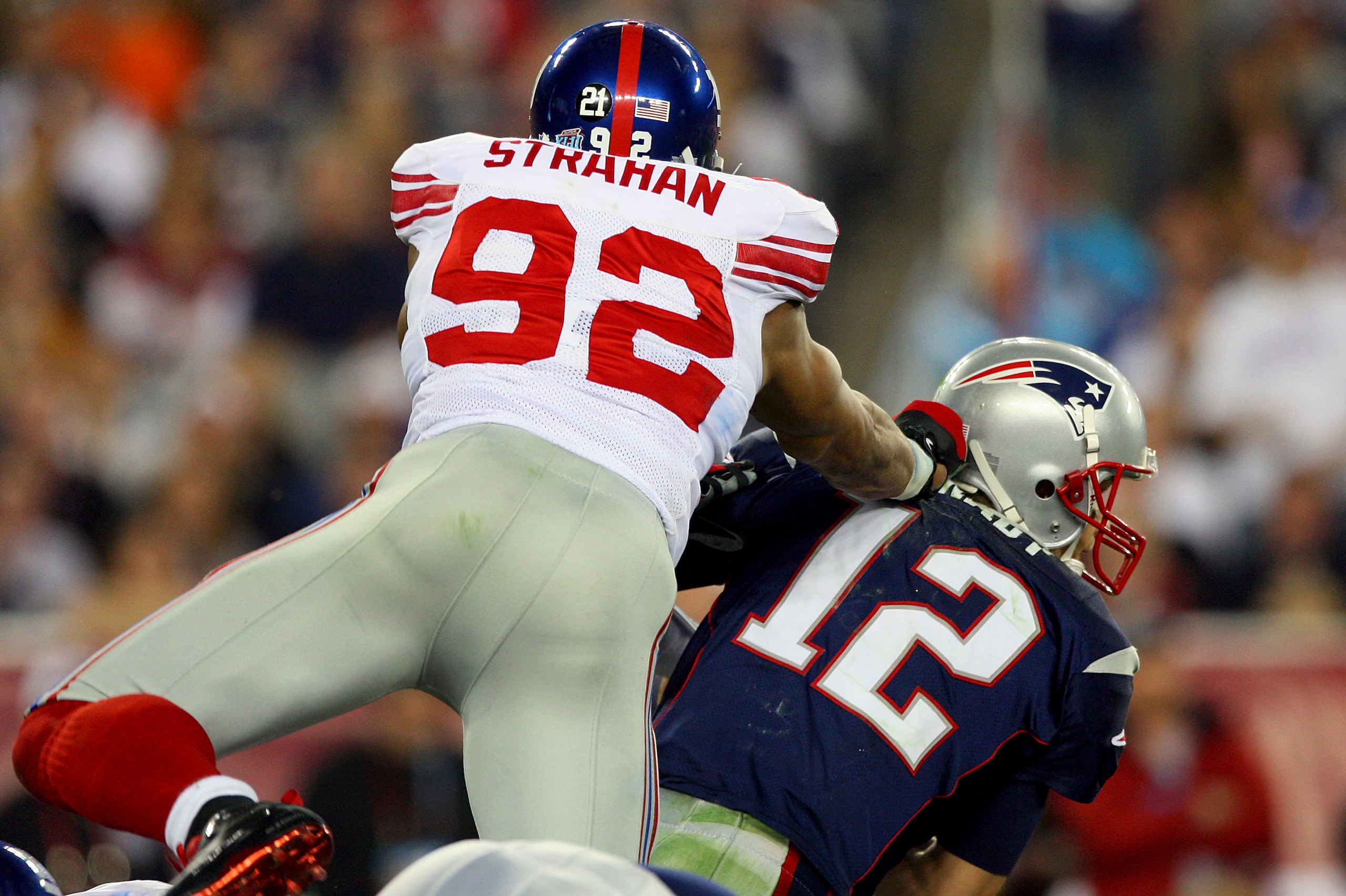
1977 saw four defensive ends selected among the top nine players in the draft, something this year's crop is unlikely to equal.
Eddie Edwards led the way, going third overall to the Cincinnati Bengals. From 1982 (the first year the NFL began recording stats as a category) through 1988, Edwards recorded 47.5 sacks, a solid if unspectacular total.
Gary Jeter (Giants), Joe Campbell (Saints), and Mike Butler (Packers) followed Edwards at fifth, seventh, and ninth respectively.
Jeter led that group with 79 career sacks, whereas Campbell spent only five years in the league.
The Packers also spent the 28th and final pick of the first round that year on another defensive end, Ezra Johnson.
1985: Bruce Smith Leads a First-Round Run on Defensive Ends
2 of 9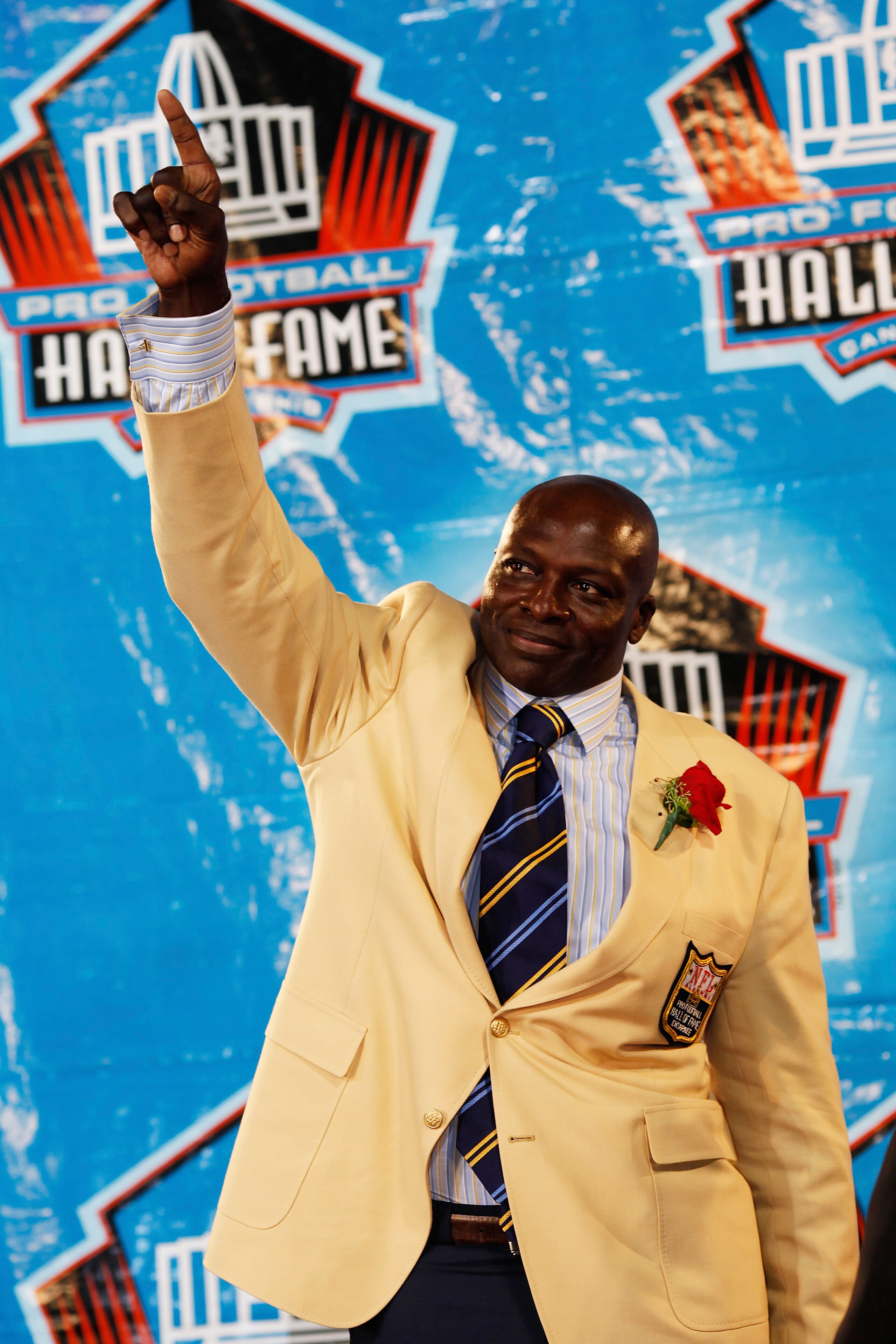
Even without seven defensive ends going in the first round, the 1985 defensive end draft class would have been notable for its lead sack artist: Bruce Smith.
Smith was chosen first overall by the Buffalo Bills and spent most of his illustrious career with that team.
Smith was elected to 11 Pro Bowls in his career and totaled exactly 200 sacks, good for first all-time and two more than fellow Hall-of-Famer Reggie White.
However, the class was impressive for its depth as well.
Third overall choice Ray Childress totaled 76.5 sacks over 12 seasons. Fourth overall choice Chris Doleman nearly doubled that number, racking up 150.5 career sacks. 18th pick Freddie Joe Nunn collected 67.5 career sacks.
The class was not without its busts: first-rounders Ron Holmes, Kevin Brooks, and Darryl Sims totaled fewer than 60 career sacks between them.
But even with those bad apples, it's tough to argue with the quality and depth of the 1985 class. Just ask Bills fans.
1992: Steve Emtman Can't Bring Down Solid Class
3 of 9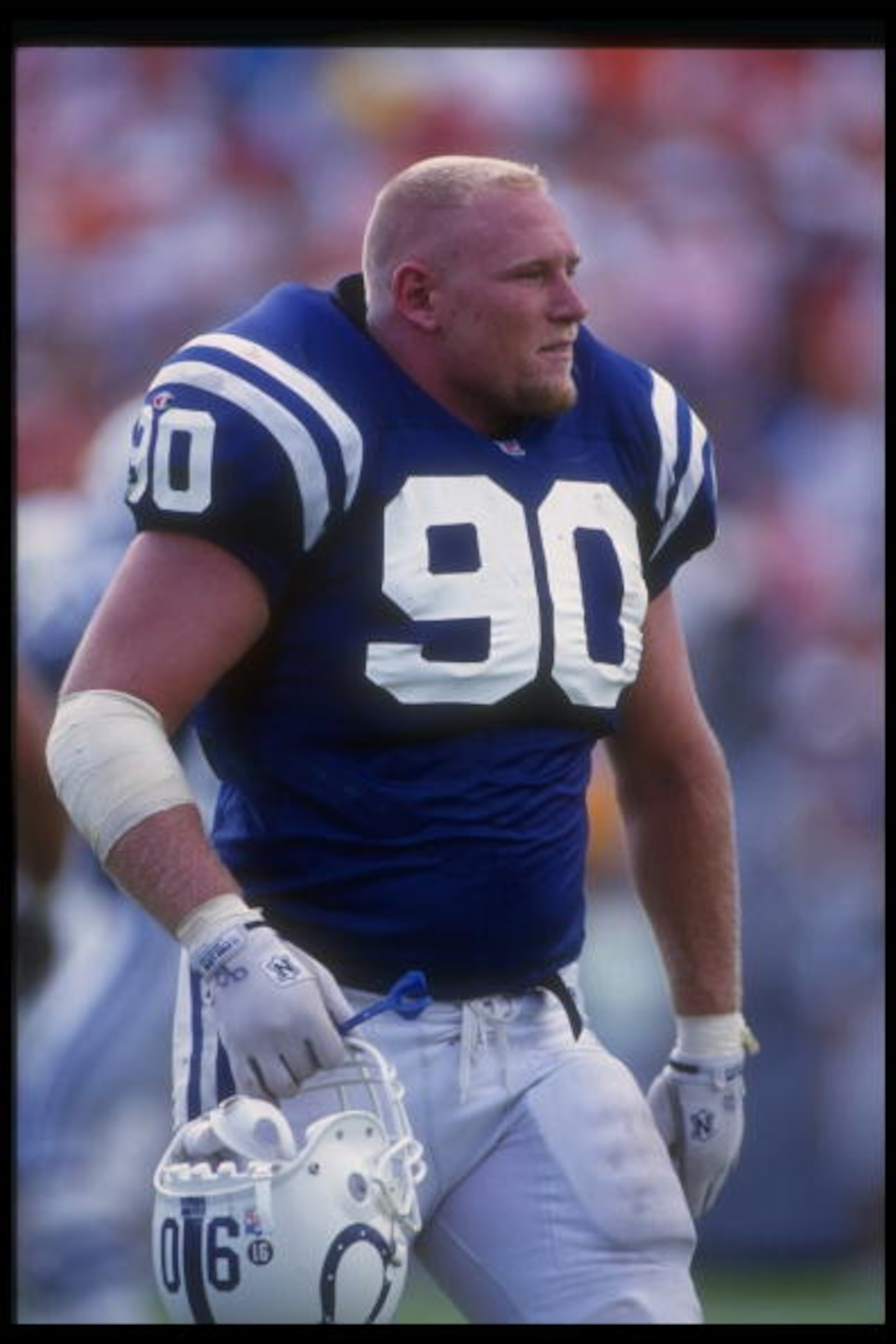
If Bruce Smith carried the 1985 class on his back, first overall pick Steve Emtman nearly brought down the 1992 class all by himself.
Emtman couldn't stay out of the trainer's room and on the field. He totaled just eight sacks in six season before retiring.
Later 1992 first-round defensive ends, though, played long and solid NFL careers.
Marco Coleman, the 12th overall pick, managed to record 65.5 sacks over an impressive 14 seasons. Alonzo Spellman managed 43 sacks over nine seasons, and Chris Mims managed 42 over eight seasons.
Robert Porcher, chosen 29th overall by the Detroit Lions, led the way with 95.5 sacks in a 13-year career.
Despite the colossal bust of the Steve Emtman pick, the nice depth of this first round defensive end class is enough to salvage the 1992 draft's reputation.
.jpg?w=2560 "Cardinals Giants Football")
.jpg?w=2560 "Titans Giants Football")
1995: Kevin Carter Worth a Top Pick; Mike Mamula, Not so Much
4 of 9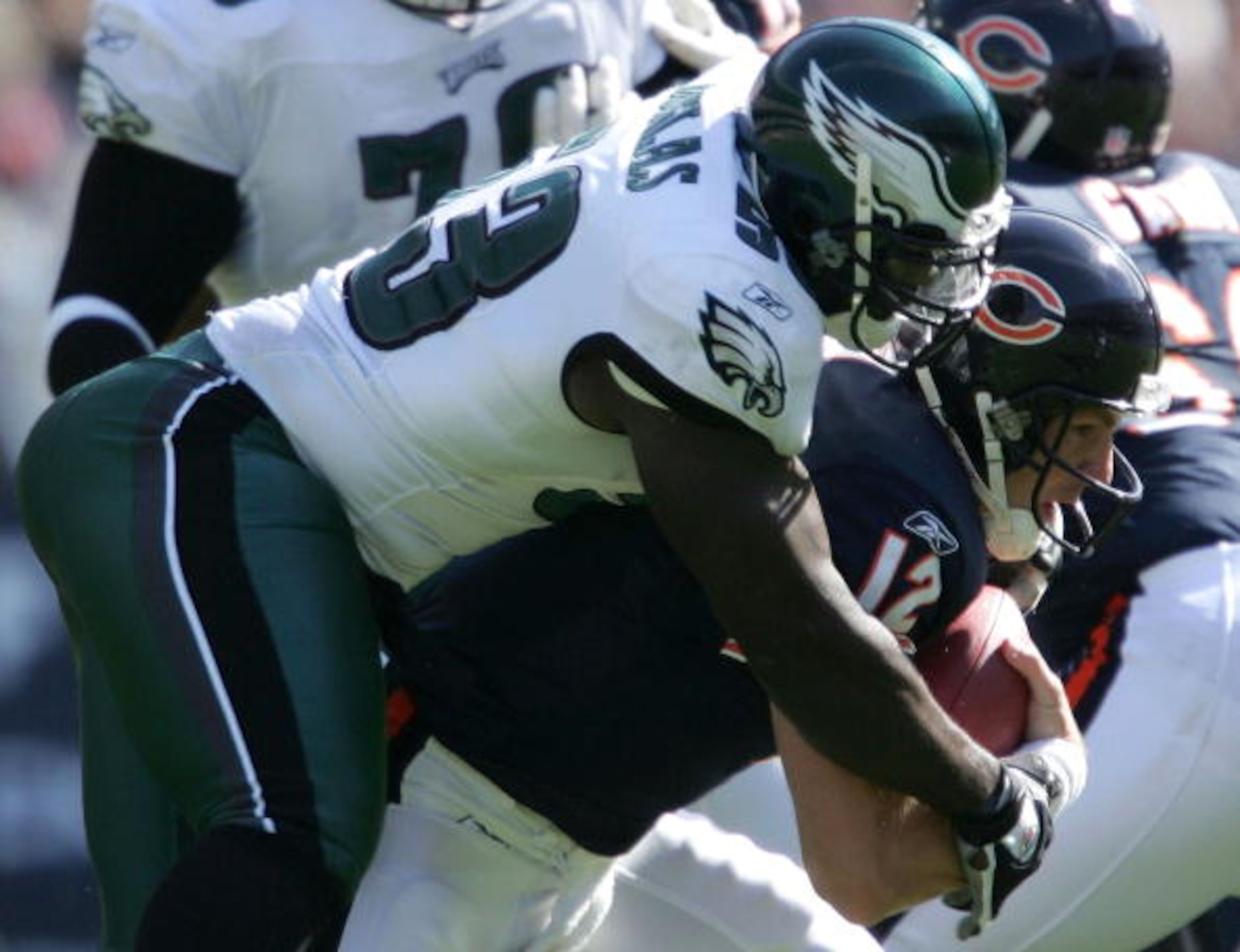
1995 was an up-and-down year for defensive ends going in the first round, but featured some great NFL talent.
Kevin Carter led the class as the sixth overall pick by the St. Louis Rams, and justified the high selection by totaling 104.5 sacks in his career.
Original workout warrior Mike Mamula was chosen right after Carter by the Philadelphia Eagles, and did slightly less to justify that faith. Mamula managed just 31.5 sacks in six years with the Eagles before washing out of the league.
Derrick Alexander was a bit of a bust at number 11, totaling just 20 career sacks, but 15th overall choice Ellis Johnson recorded 51 sacks in his ten-year career.
Number 16 Hugh Douglas managed 80 career sacks in eight strong seasons. 20th selection Luther Elliss totaled just 29 career sacks, but can't bring down a 1995 class with several impact defensive ends.
1999: Jevon Kearse and Patrick Kerney Bookend a Solid First Round Class
5 of 9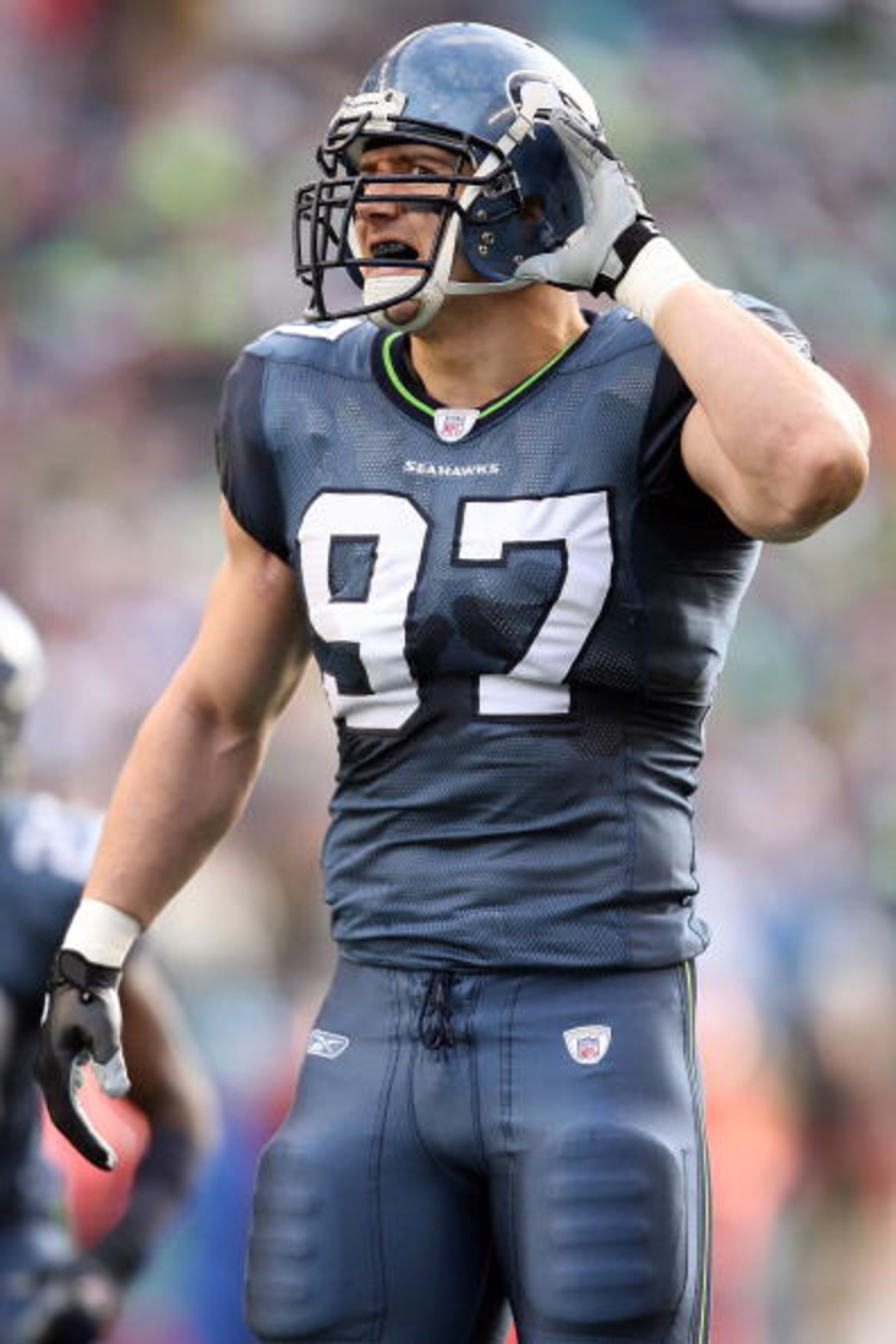
The 1999 first round started and ended well for defensive ends, with not much in between.
Jevon Kearse was the first DE chosen, 16th overall by the Titans. He exploded onto the scene with 14.5 sacks in his rookie season, en route to 74 for his career. Though he tapered off with age, at one time he was one of the most feared defenders in the league.
Patrick Kerney was the last defensive end chosen in the first round, number 30 by the Titans. He proved to be the best of the bunch, amassing 82.5 sacks over 11 seasons.
Lamar King and Dimitrius Underwood were busts in the middle of the round, but Ebenezer Ekuban managed to stick around the league for nine years despite low sack totals.
1999 was not a stellar class, but one that produced some useful players.
2002: Quality over Quantity as Peppers Leads the Way
6 of 9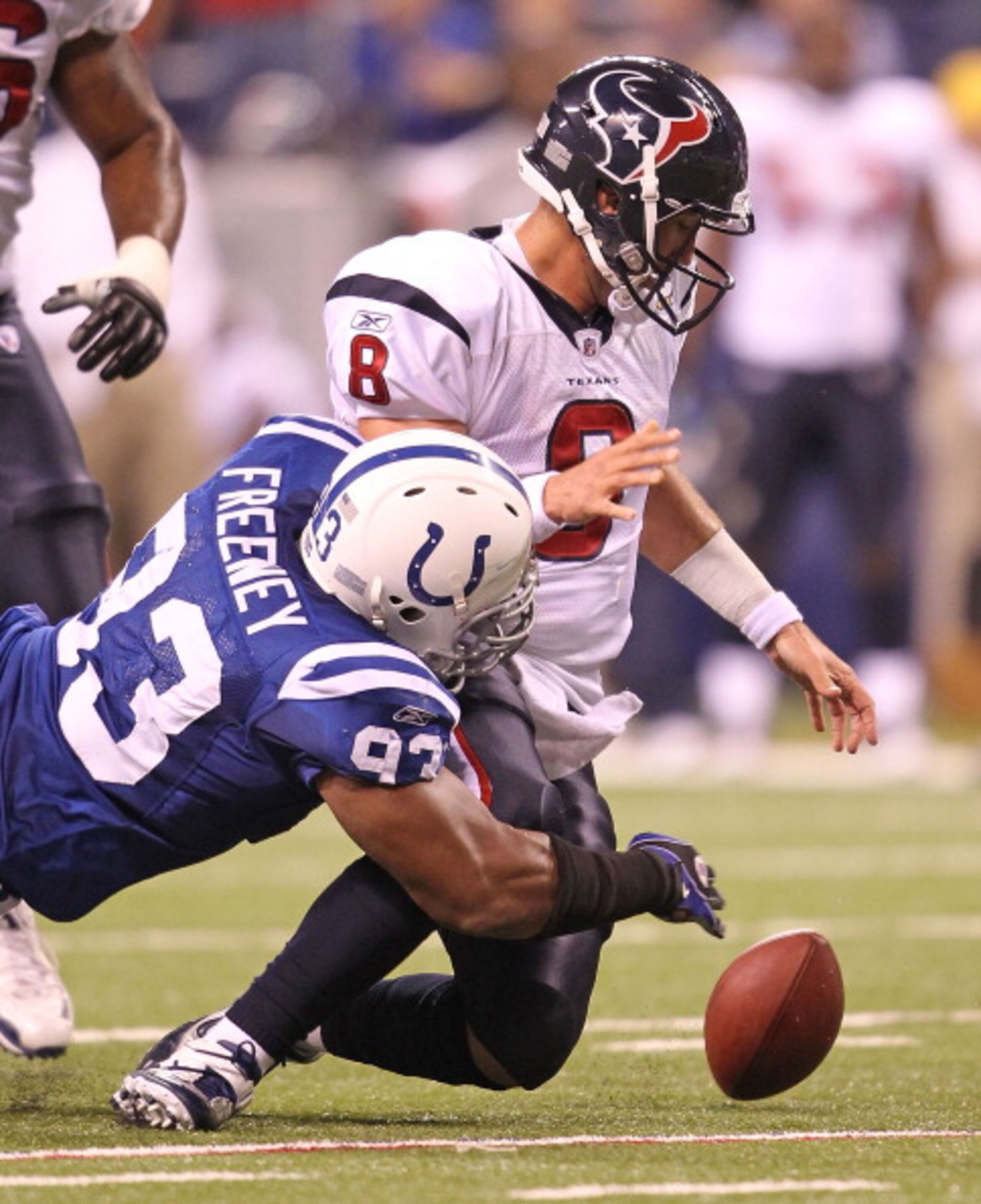
The 2002 defensive end class was not a deep one, as only four DEs went in the first round. However, of those four, three became major NFL players.
Julius Peppers, drafted second overall by the Panthers, and Dwight Freeney, 11th overall by the Colts, have become two of the NFL's premier sack artists.
Peppers has totaled 89 sacks in nine years and showed no signs of slowing down in his 30s, recording eight sacks with the Bears last year.
Freeney has one-upped Peppers with 94 sacks in nine years, including ten last season.
Even 25th pick Charles Grant has been an impact player, totaling 47 sacks including two double-digit sack seasons.
Only Bryan Thomas proved to be a bust in 2002. The other three players make this defensive end class a heralded one.
2003: Six Defensive Ends Go in the First Round
7 of 9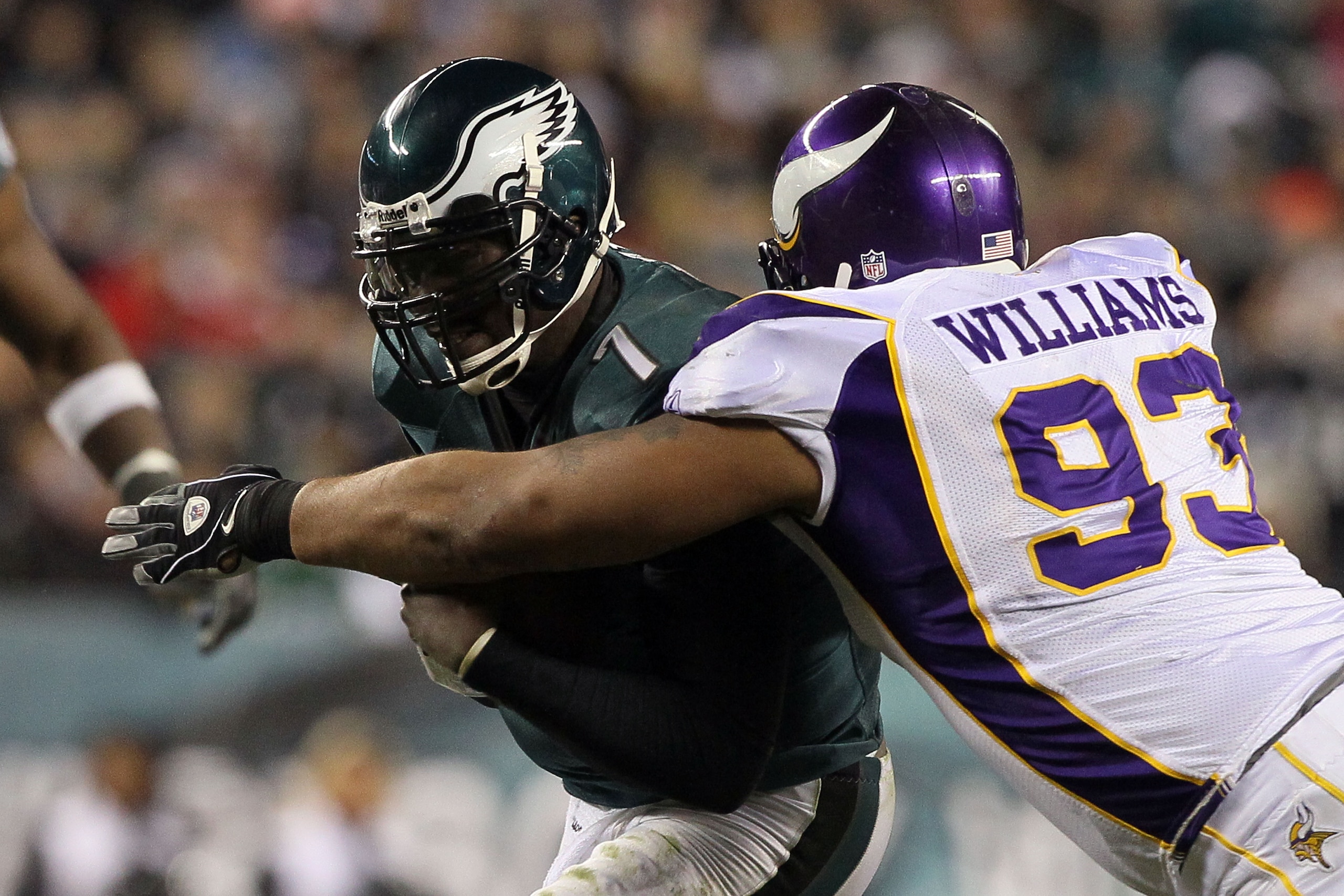
Perhaps spurred on by the successes of Julius Peppers, Dwight Freeney, and Charles Grant from the previous year's draft, teams chose six defensive ends in the first round in 2003.
Only the first two proved worth the selections.
Kevin Williams, chosen ninth by the Vikings, has 49.5 sacks in eight seasons. Ty Warren, chosen 13th by the Patriots, has just 20.5 career sacks, but played a very key role on several championship New England defenses.
Other than those two, only Calvin Pace has carved out a useful career, amassing 34.5 sacks in eight seasons.
Michael Haynes, Jerome McDougle, and Tyler Brayton have totaled just 24 sacks between them. Only Brayton is still in the league.
The 2003 class proves that even deep classes can be filled with busts.
More Recent Notable Classes
8 of 9
Other, more recent classes have yet to play long enough to be judged, but here are some quick takes on their returns so far.
The first round in 2006 featured Mario Williams, Tamba Hali, and Mathias Kiwanuka, all respected pass-rushers or better at this point in their careers.
The 2007 class, however, was a major disappointment: Gaines Adams, Jamaal Anderson, and Jarvis Moss have all failed to make an impact.
2009 saw four defensive ends go in the top 16 picks: Tyson Jackson, Aaron Maybin, Brian Orakpo, and Larry English. So far, only Orakpo has lived up to his billing.
The 2010 first-round class featured Brandon Graham, Jason Pierre-Paul, Derrick Morgan, Jared Odrick, and Jerry Hughes. None was particularly impressive in his rookie season.
What Does History Mean for the 2011 First Round Defensive End Class?
9 of 9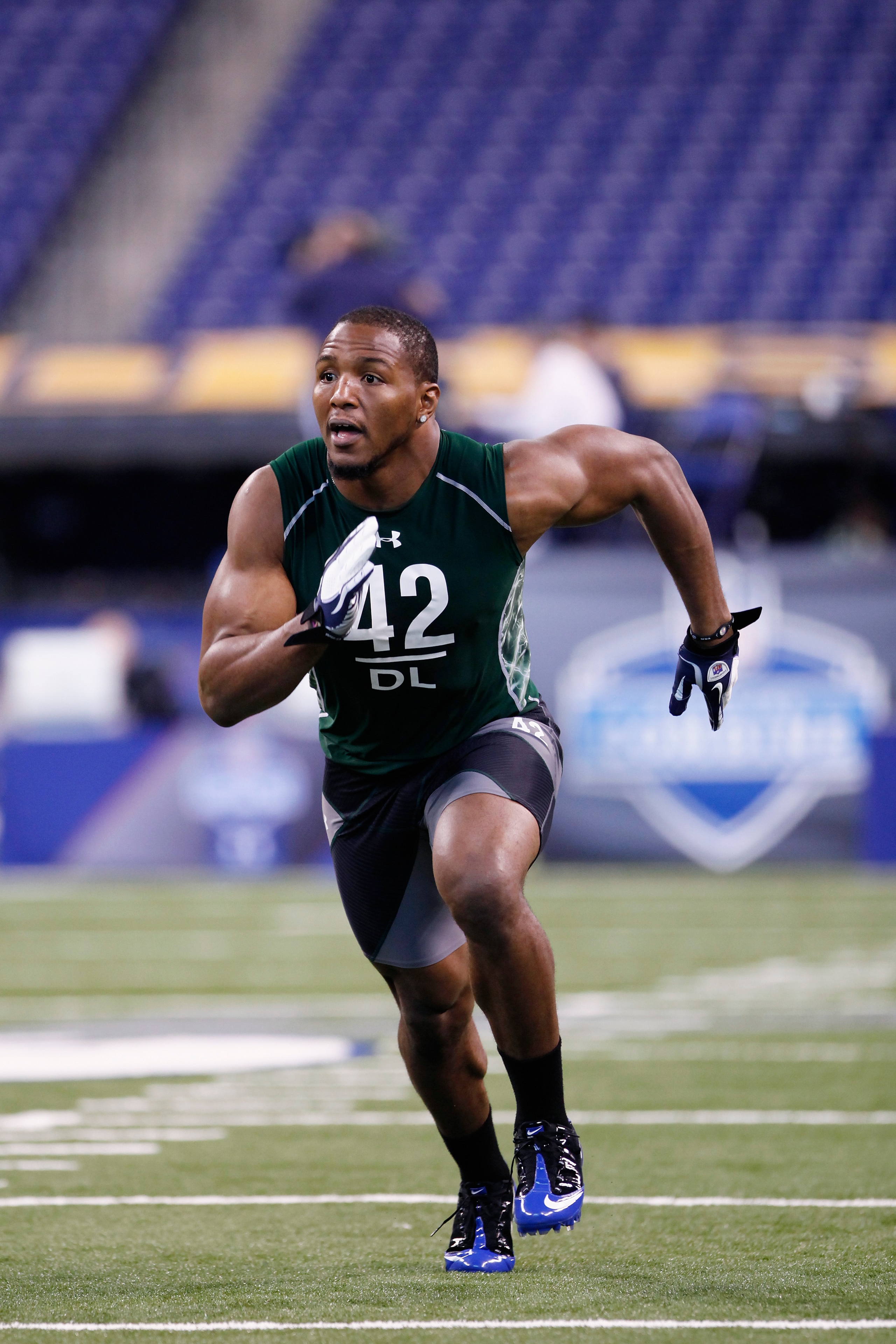
History, as expected, doesn't tell us much about the potential of this year's first rounders.
We can safely predict that some of those defensive ends selected will play well, and some will likely be out of the league in a few years. One lucky team might hit on the next Bruce Smith.
If just half of the predicted eight defensive ends selected became Pro Bowlers, the 2011 class would instantly be regarded as one of the best of all time.
Likewise, if just one or two is able to make an impact, the class could be viewed as one of the most disappointing ever.
Only time will tell where Quinn, Bowers, and company stack up against some of the most heralded draft classes in NFL history.

.jpg?w=2560 "Dolphins Bills Football")