
The Masters: The 10 Least Deserving Winners in Tournament History
The much-clichéd line about our national golf championship is that you don’t win the U.S. Open, it wins you. In other words, getting close and then letting someone else suffer the mistakes—or as Johnny Miller would say, “choke"—has been the successful formula for many first-time major winners.
Unlike the grind-it-out U.S. Open, The Masters is a tournament built for drama. Thanks to the reachable par-5s on the back nine, the treachery of the water-guarded par-3s and the exasperating, long final two par-4s, Augusta National has turned many a champion into an also-ran.
At the same time, some unsuspecting, perhaps even undeserving, golfers unexpectedly found themselves dressed in green come the end of the final round.
No Amateurs in Green
1 of 10
1956
Ken Venturi, the nation’s best amateur champion, seemed poised to become the first non-pro to win The Masters. He opened with a 66, and despite a 75 in the third round appeared close to claiming the Green Jacket.
His four-shot lead entering the final round melted under the pressure. But it has to be said that the conditions made scoring quite difficult. Blustery winds turned Augusta into an unforgiving lady.
Jack Burke Jr. entered Sunday’s round eight shots back, and his 71—one of only two sub-par rounds that day—passed Venturi and won by a shot.
Green and Fuzzy
2 of 10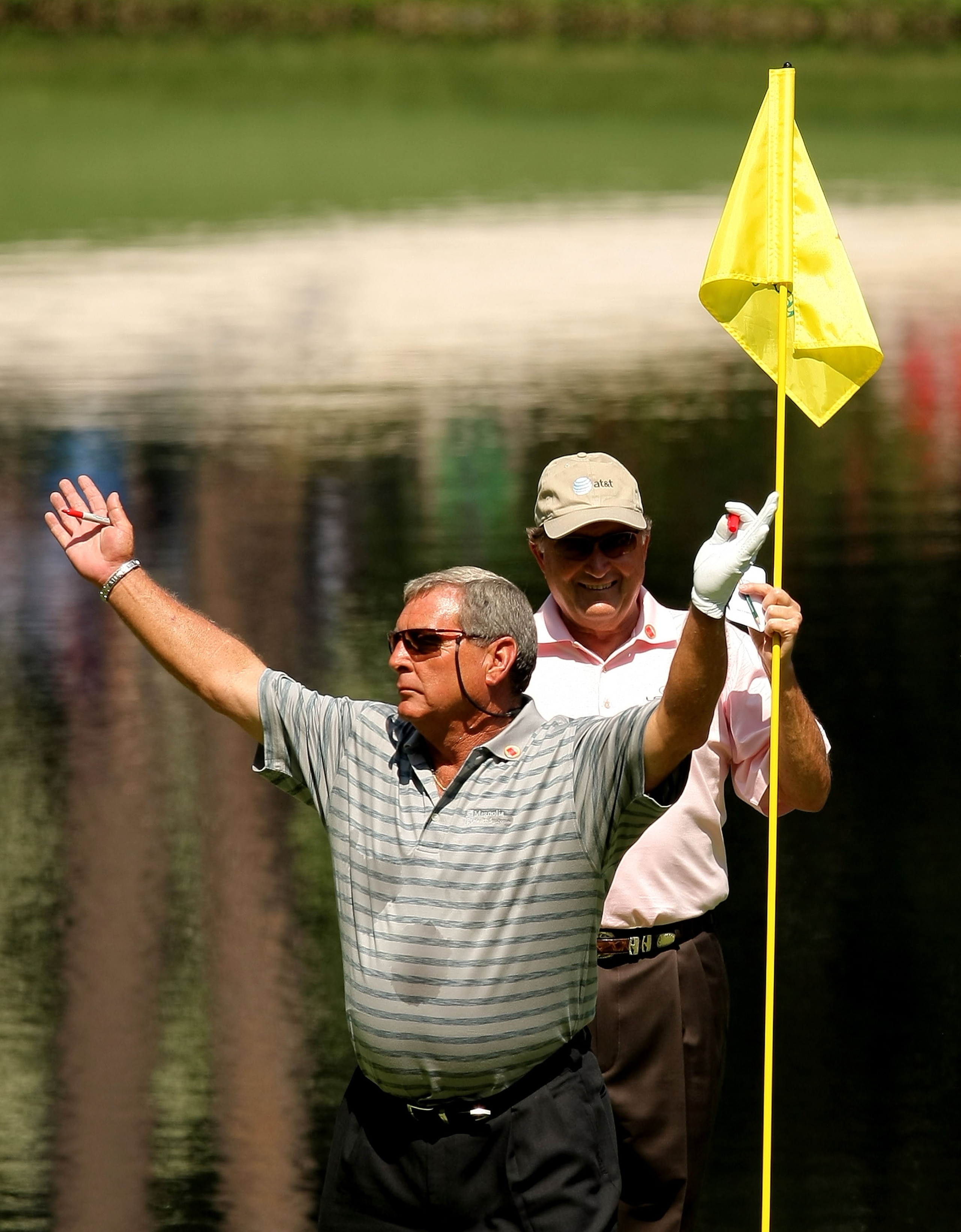
1979
Few golfers enjoyed greater rapport with golf fans than Frank Urban Zoeller, known as Fuzzy. The Fuz was a Masters rookie in ’79, and showed himself well for three rounds. But this was Ed Sneed’s tournament all the way, that is until Sneed’s five-shot lead in the final round dwindled.
Yet, with three holes to play, Sneed had a three-shot lead with three to play. Sneed proceeded to bogey all three, setting up a playoff with Zoeller and Tom Watson. Zoeller’s birdie on the second playoff hole brought him his first Green Jacket and first major.
Walrus Gets Lucky
3 of 10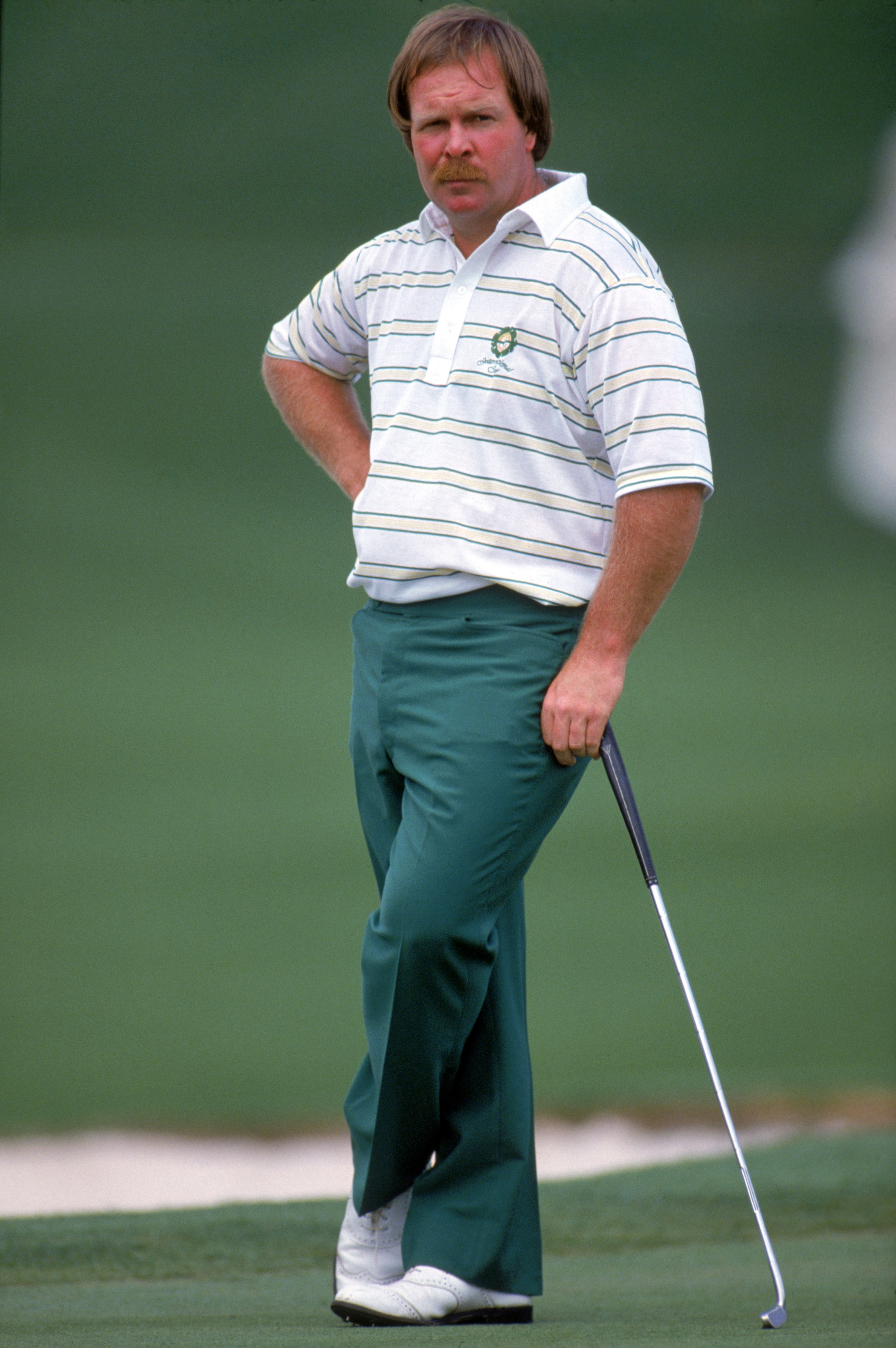
1982
Craig Stadler walked away with the honorary membership to Augusta National, thanks to this playoff win over Dan Pohl. Stadler entered the final round leading by three over Tom Kite, Tom Weiskopf and Seve Ballesteros. That lead grew to six heading to the back nine.
The lead dropped to four strokes after No. 10, and that shift affected Stadler, who bogeyed No.12, 16 and 17. A two-putt on the 18th green would have secured the victory, but the Walrus three-jacked that for a bogey to put him in a tie with Pohl.
Stadler’s bad play might have traveled by osmosis to Pohl, who struggled on the first playoff hole and Stadler won with a par.
This is the one tournament that Weiskopf, who finished second four times at Augusta, might regret the most. He double-bogeyed both par-3s to fall out of contention.
.jpg?w=2560 "Cardinals Giants Football")

.jpg?w=2560 "Hill Injury Update Football")
Hoch, as In....
4 of 10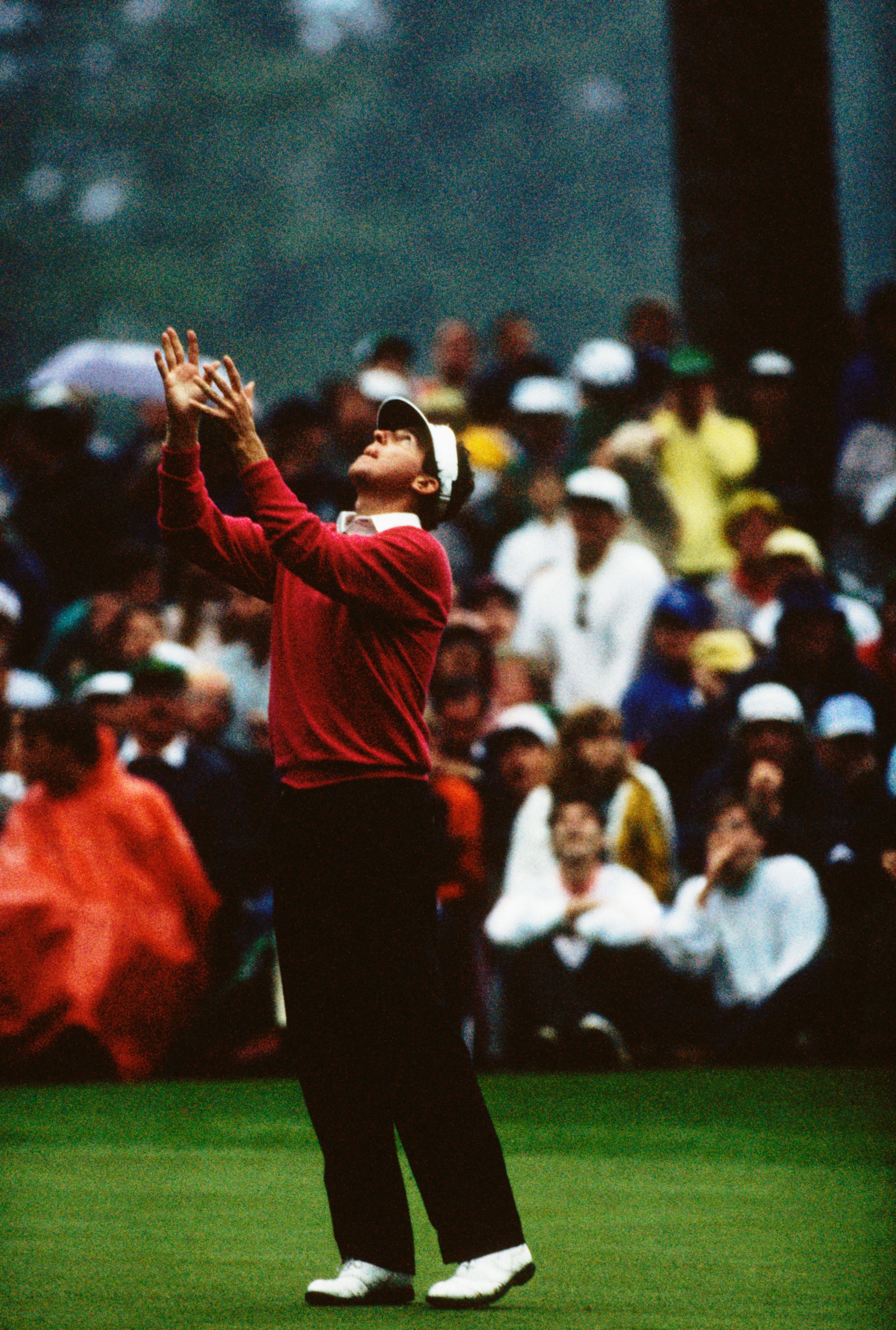
1989
This version of The Masters, which had high scoring, coined one of the most brutal lines in sports: “Hoch, as in choke.”
Scott Hoch had the lead late in the round. But a final-round 65 by Nick Faldo overcame the deficit, sending them to a playoff. Hoch’s third shot ended two-feet above the pin, and his par putt to win hit the edge and stayed out of the cup.
Faldo, with new life, gained a break on the second playoff hole, receiving a drop off a drain. His 3-iron approach to the 11th set up a 20-foot birdie putt, which he drained for his first Green Jacket, his second major championship.
Hogan's Putting Woes, Chapter One
5 of 10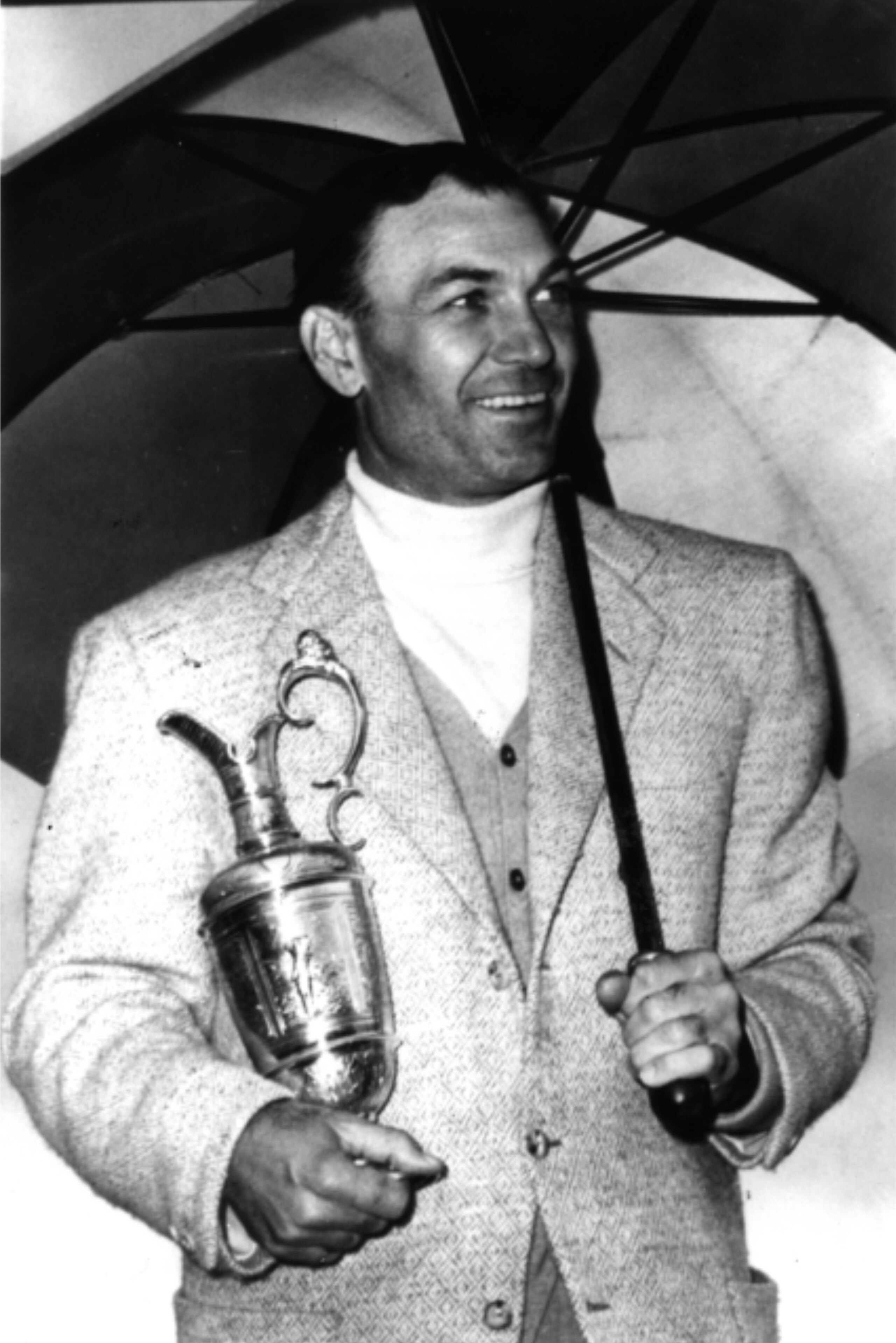
1946
After a three-year hiatus due to World War II, The Masters returned as a stage that seemed set to deliver Ben Hogan to the highest reaches of golf.
Herman Keiser entered the final round with a five-shot lead, but struggled and fell into a tie with Hogan, who was playing a few groups behind. Keiser needed three putts to close out the final hole, dropping him into a tie with Hogan.
But putting woes affected Hogan as well, as a missed two-footer for par—and a playoff—went awry, handing Keiser the win. It was the second of only two top 10 finishes Keiser had in major competition.
Langer in a Strange One
6 of 10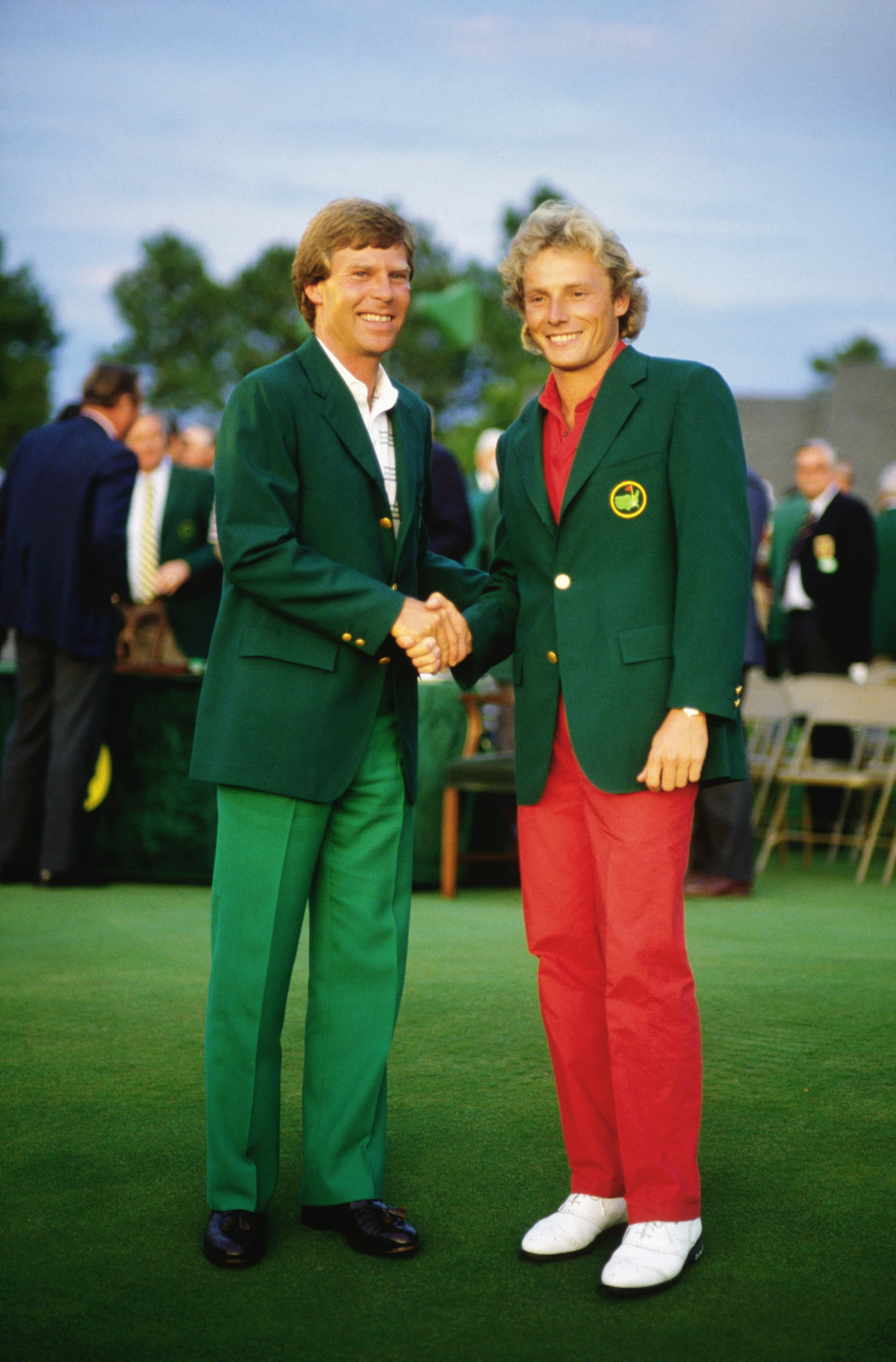
1985
Bernhard Langer came away with his first Green Jacket, thanks to recording birdies on four of the last seven holes to edge Curtis Strange. And yet Strange will be remembered for his erratic play, particularly bogeying the par-5 13th and 15th holes. Another bogey on the final hole dropped him into a three-way tie for second with Seve Ballesteros and Raymond Floyd.
Of note is that Strange opened the tournament with an 80, and then rallied with a 65 to put him back in contention. He had a three-stroke lead with six to play when misplays at the 13th and 15th did him in.
Perry Lets an Angel Steal His Heart
7 of 10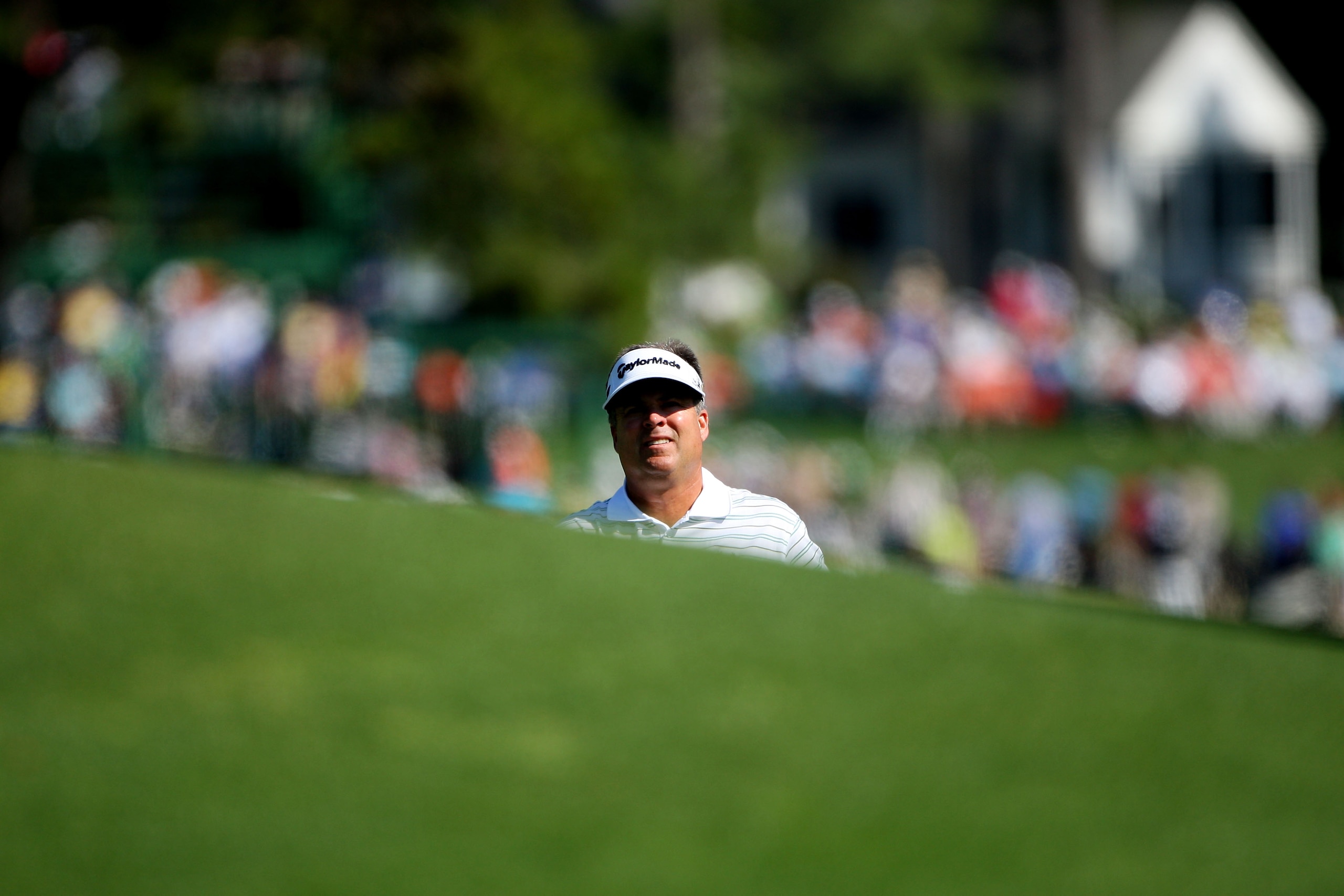
2009
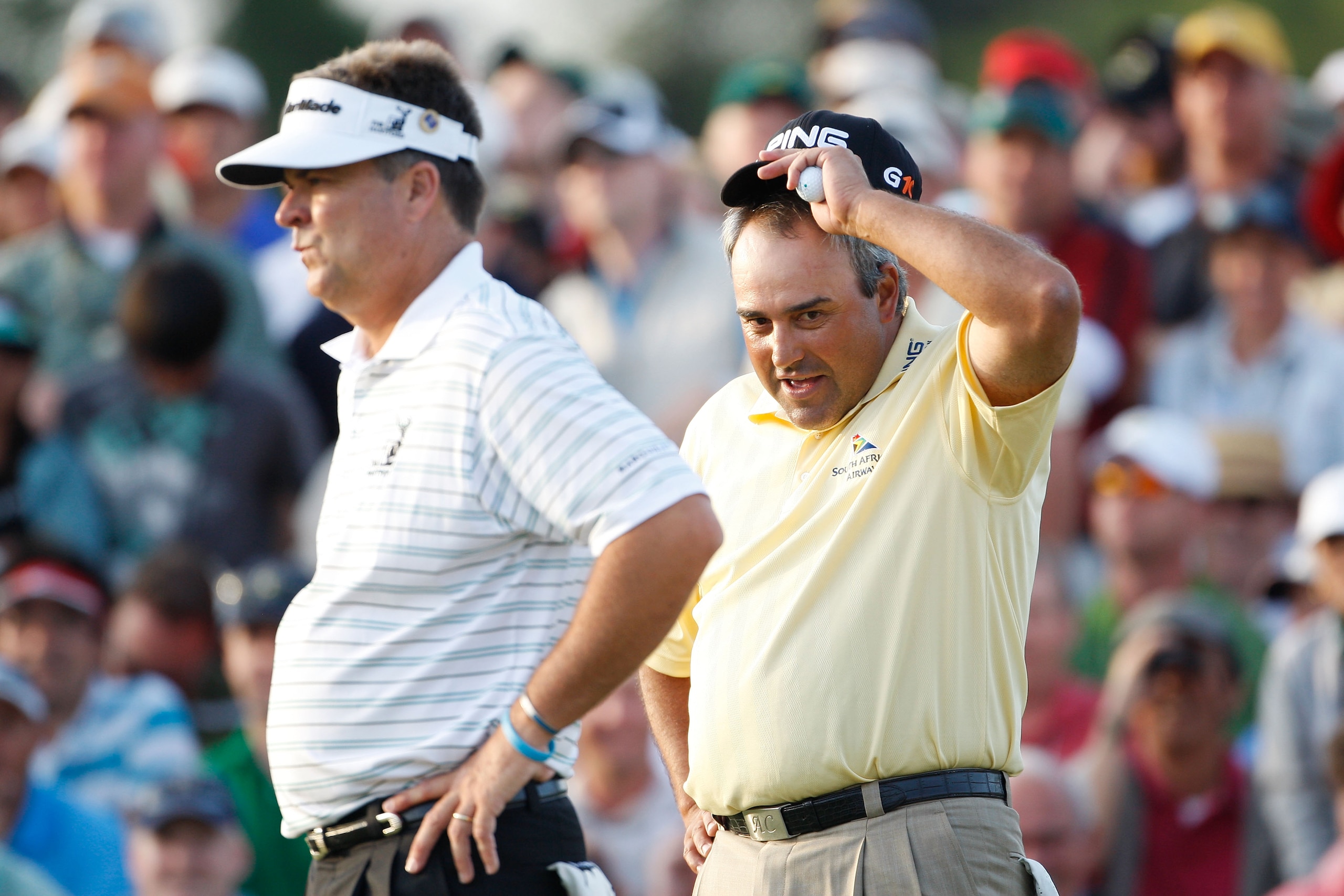
This will be remembered as the one Kenny Perry let slip away. Angel Cabrera and Perry entered the final round tied for the lead, and Chad Campbell remained close.
A bogey on No. 11 seemed to seal Cabrera’s chances, but Perry couldn’t take advantage, and bogeys on No. 17 and 18 left him in a tie with Cabrera and Campbell. A bogey on the first playoff hole, the 10th hole, dropped Campbell to third place. Perry’s poor approach to the 11th set up Cabrera with an easy two-putt par for the win.
Palmer Said Yes, Venturi Said No
8 of 10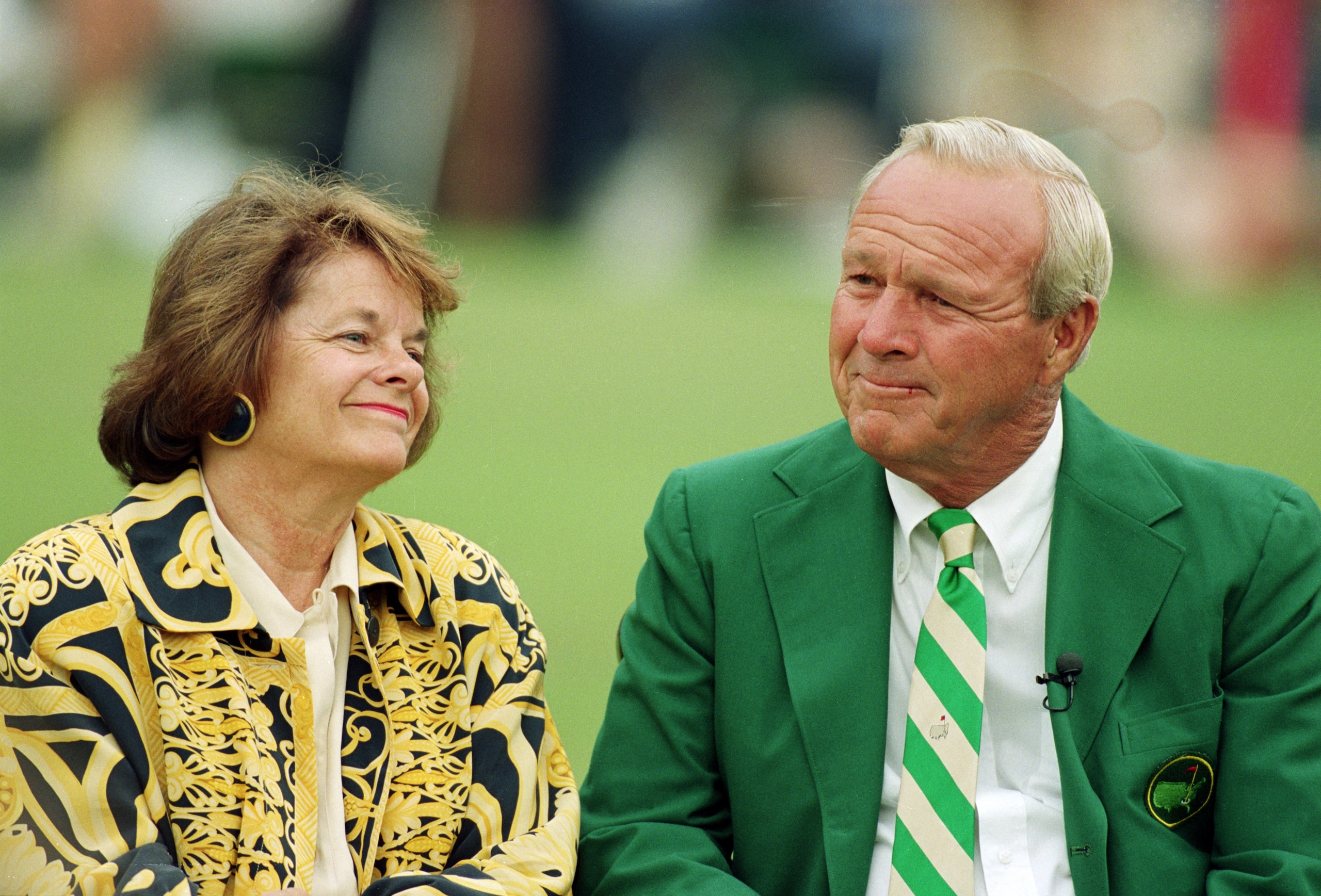
1958
It is a testament to The Masters and the Augusta National club that this tournament seems almost barren of controversy. But to this day, Ken Venturi thinks that Arnold Palmer got a break that led him to his first Masters win. It happened at the famous par-3 12th hole.
Rains during the week had softened the grounds. Palmer’s tee shot over Rae’s Creek sailed past the far-right pin and embedded in the rough. It was unclear whether he would get a drop, and in fact the Masters officials had claimed that embedded balls outside the fairway were eligible for a free drop.
But Palmer and Venturi, who were playing together, didn’t know this. Palmer played the embedded ball and took a double-bogey. After that, because he was still unsure of the ruling, he played a second ball, after a drop, and recorded a par.
Palmer and Venturi were informed on the 15th hole that Palmer’s second ball was within the rules, due to the ruling, and thus a par was recorded. Venturi’s point was that Palmer did not declare that he would play two balls ahead of time, and only after the double-bogey decided to play the second ball.
To this day, Palmer contends he did announce his intention to play two balls. Venturi maintains he didn’t. Venturi also bogeyed the 14th and 16th holes, opening the door for Palmer to collect his first Masters title.
The Norman Conquest
9 of 10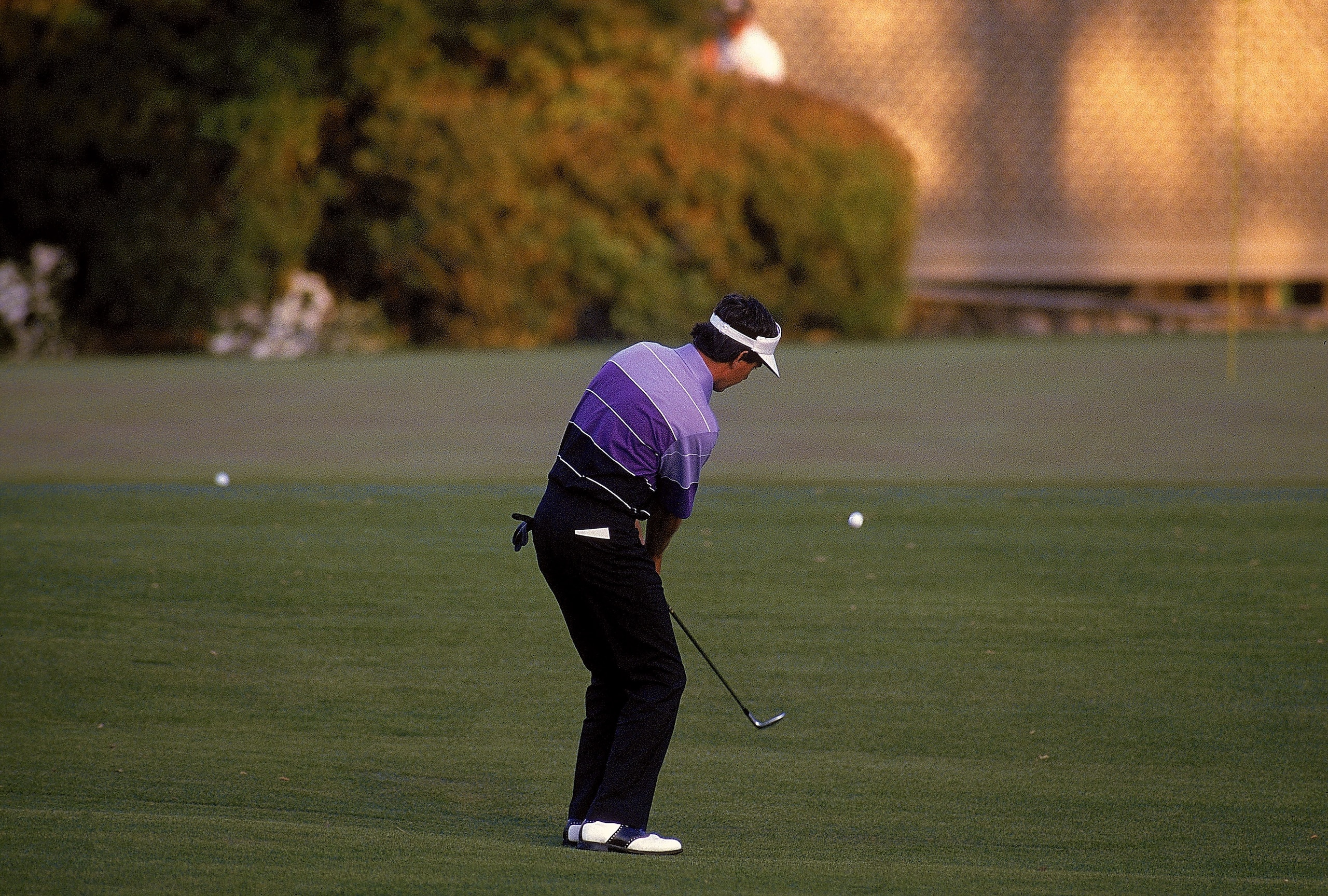
1987
Some claim this was the local gods taking care of their own. Others remember it as the golf gods setting up Greg Norman for years of cruel treatment.
To the credit of Larry Mize, the local kid birdied the 18th hole on Sunday to forge a tie with Norman, whose own putt for birdie on the final hole a little later looked so pure. Except that it turned away at the final second, edging the cup and leading to a par.
Off to the 10th tee went Norman, Mize and Seve Ballesteros, with the Spaniard bogeying the hole to drop to third place. Norman and Mize went to No. 11.
This difficult par-4 has Rae’s Creek guarding it on the left and rear of the green. It’s common for approach shots to land short and right. Mize’s was short and off the green, setting up a birdie chip. Norman’s approach reached the green but had 40 feet to the cup.
In Masters highlights, we see Mize’s chip from about 120 feet land on the green and traverse the putting surface and settling somewhat hard against the pin for an amazing birdie.
Norman’s putt to tie never came close. “I didn’t think Larry could get down in two,” said Norman afterward in a famous quote. “And I was right. He got down in one.”
To this day, many wonder where Mize’s chip would have ended had it not hit the pin, which was placed close to Rae’s Creek, and that part of the green sloped to the water. Though it was rolling relatively slowly, many believe that had it not gone into the hole the ball would have ended up in the water.
Bookkeeping Error Is a Goalby Win
10 of 10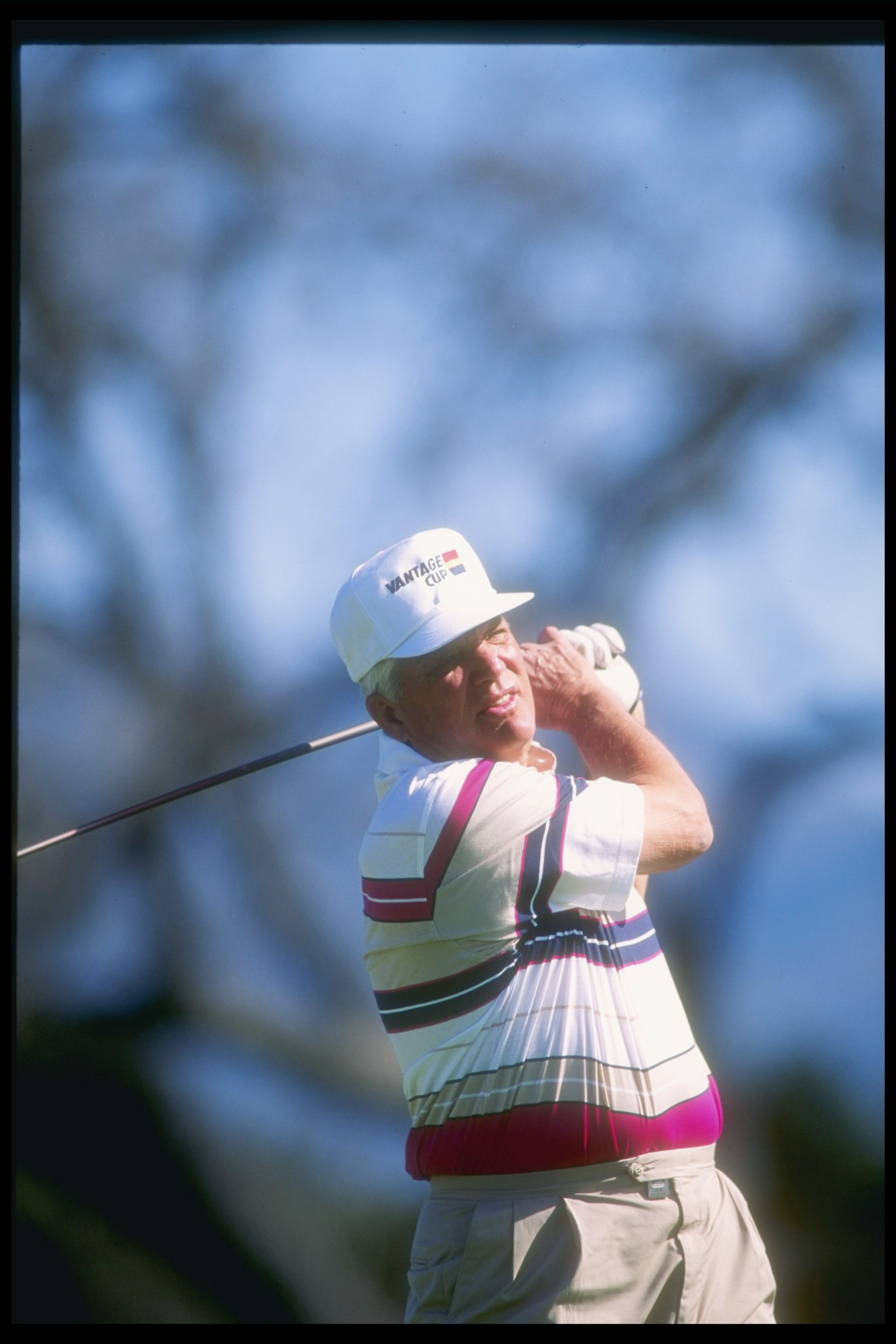
1968
Who’s to say that Bob Goalby didn’t deserve to win? His final round 66 earned him a first-place tie with Argentine great Roberto De Vicenzo. Except that De Vicenzo was the victim of a bookkeeping error by his playing partner Tommy Aaron, who gave the Argentine a par-4 rather than the actual birdie-3.
The Rules of Golf stipulate that signing an incorrect scorecard brings a penalty, and signing for the higher total is the one that counts. His total was 66, rather than 65, and that left him one shot out of the lead, leaving Goalby as champion.
“What a stoopid I am,” was De Vicenzo’s reply. Few remember De Vicenzo for anything more than that famous gaffe, but he did win the Houston Open three weeks later.
Aaron, incidentally, won the ’73 Masters when he caught a scoring mistake by his playing partner, saving him from great embarrassment.
.jpg?w=2560 "Titans Giants Football")

.jpg?w=2560 "Tyreek makes another cryptic post amid Chiefs rumors")


.jpg?w=2560 "Greenlaw Talks Payton Exchange")
