
NBA Rankings: The Top 10 Careers Ruined by Drugs or Alcohol
Drugs are and have been a big problem in sports, whether it be performance-enhancing or things such as marijuana, heroin, cocaine and so on. They are everywhere and it is ruining great careers in many sports.
One of the most notable drafts in all sports is the 1986 NBA Draft. It wasn't admired because it had many great players, but because four of the top seven players used drugs heavily (You will read about those players shortly).
So, with that being said, here are the top10 NBA careers that have been ruined by excessive drug and/or alcohol use.
NOTE: I did not put David Thompson or Shawn Kemp on this list because their careers were rather decent. Thompson, a former Nugget, was inducted into the NBA Hall of Fame in 1996 and Kemp was one of the most prolific dunkers of all-time, including being one of the best big men of the early-to-mid-1990's.
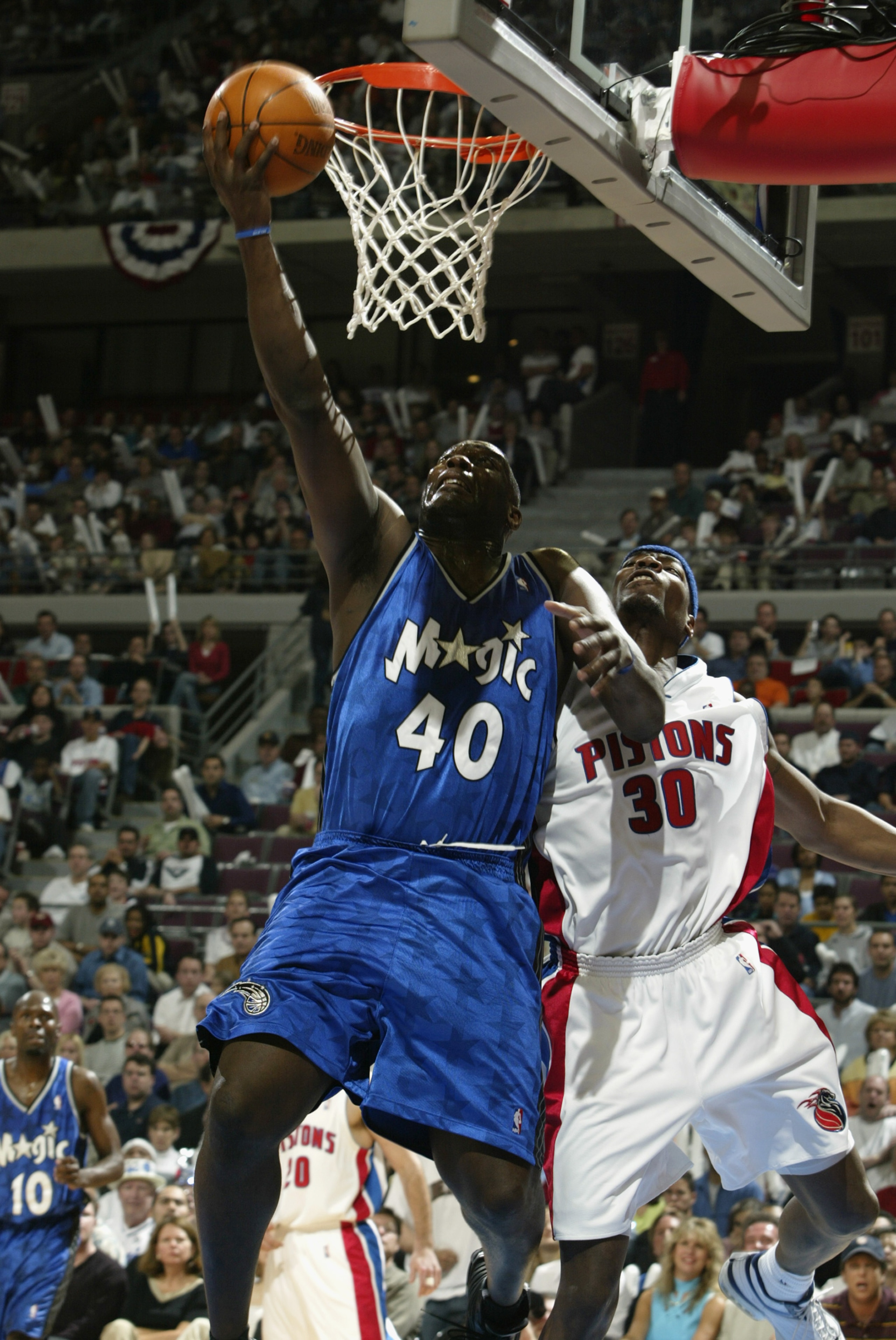
10. Keon Clark
1 of 10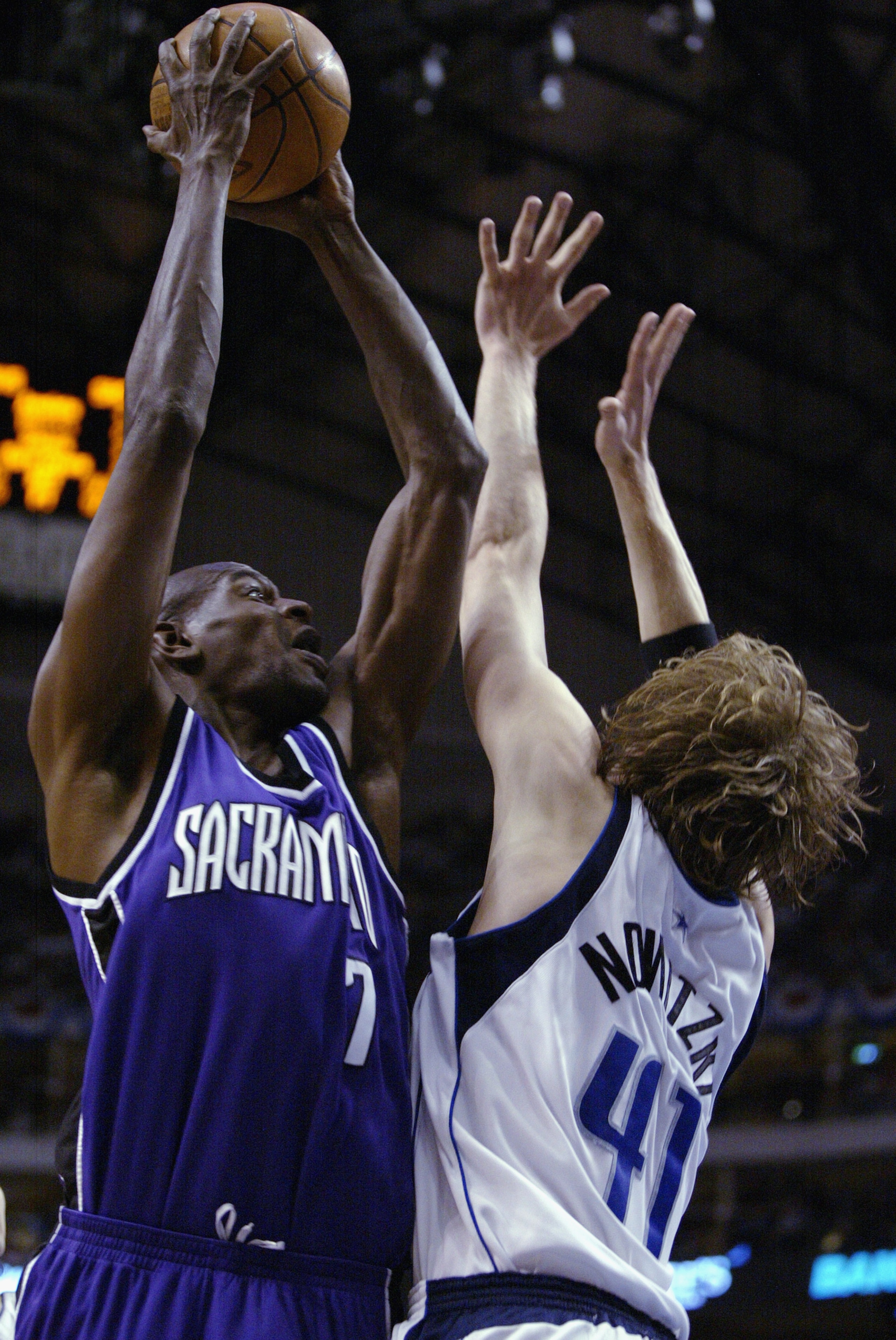
Drafted: 13th overall, Orlando Magic (1998)
Career Averages: 8.2 points, 5.9 rebounds, 1.6 blocks
Best Season: 2001-02, Toronto Raptors (11.3 points, 7.4 rebounds, 1.5 blocks)
Clark, the 13th-overall pick, was expected to become a solid player in the NBA after attending the University of Nevada-Las Vegas.
The former player used alcohol excessively, unbeknownst to many people.
Clark only played until 2004 and had many problems following his career
In 2006, Clark was due to stand trial in Illinois on weapons and drug charges, but he never showed up. U.S. Marshals found him boarding a bus in Houston, Texas, and he was subsequently brought back to Danville, Ill.
He was sentenced to two-and-a-half years in prison, but the sentence was revoked because Clark didn't have a lawyer at the time it was given.
At a hearing, Clark admitted that he was a heavy drinker and had been drinking since high school.
He also added that he "never played a game sober" and that he would drink alcohol during halftime of NBA games.
Clark could have been a great player if he actually played a game sober. But he was reduced to being a backup and was on five different teams in six seasons.
9. Mitchell Wiggins
2 of 10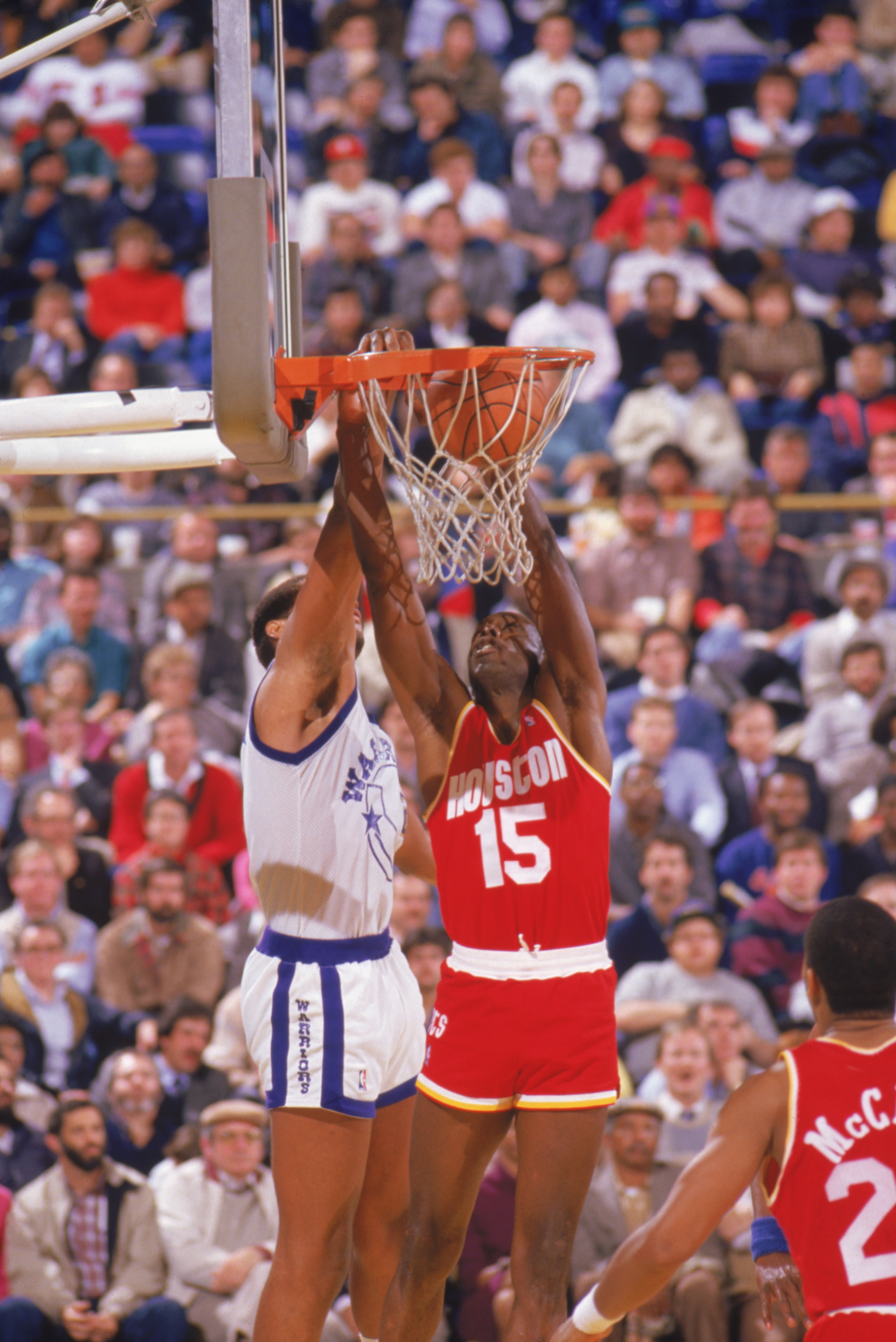
Drafted: 23rd overall, Indiana Pacers (1983)
Career Averages: 10 points, 3.2 rebounds, 1.6 assists
Best Season: 1989-90, Rockets (15.5 points, 4.3 rebounds, 1.6 assists)
Wiggins was originally drafted by the Pacers, but was traded to the Bulls on draft day.
In the 1984 offseason, Wiggins signed with the Houston Rockets and immediately challenged Lewis Lloyd for a starting spot.
In 1986, the Rockets faced off against the Celtics in the NBA Finals. Houston ended up losing the series and later that year, Wiggins, along with Lloyd, tested positive for cocaine.
The failed drug test meant that the pair would be suspended from the NBA for two-and-a-half years.
Wiggins and Lloyd were reinstated prior to the 1989-90 season, and Lloyd was released shortly thereafter. That season, Wiggins posted his best career season.
He would sign with the Philadelphia 76ers after the season, and his numbers declined drastically. He would fail to latch on with another team and he would no longer play in the NBA.
8. Lewis Lloyd
3 of 10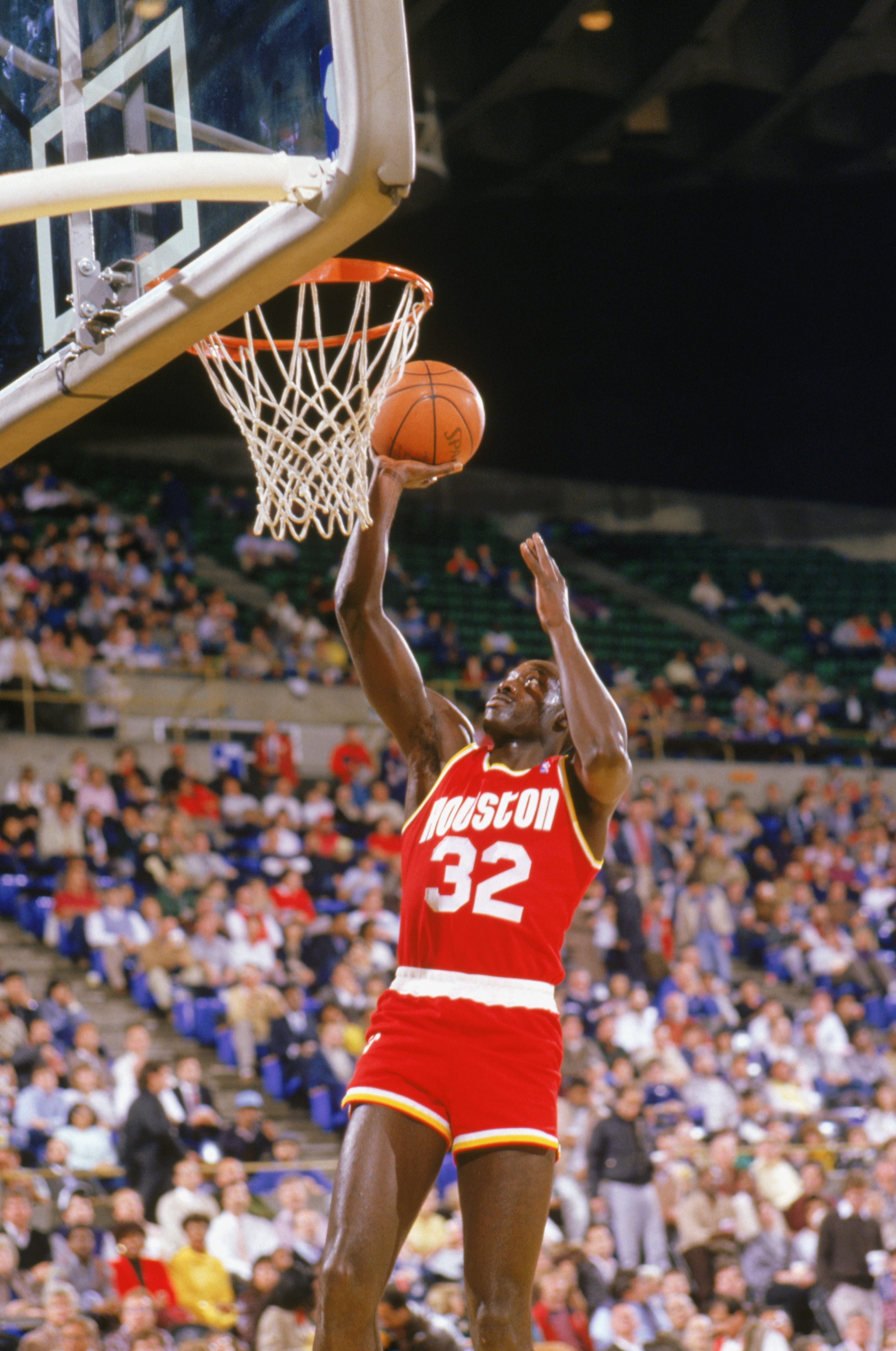
Drafted: 76th overall, 1981 (Golden State Warriors)
Career Averages: 13.2 points, 3.1 rebounds, 2.9 assists
Best Season: 1983-84, Rockets (17.8 points, 3.6 rebounds, 3.9 assists)
Lewis was selected by the Warriors in 1981 where he played two decent seasons. After the 1982-83 season, Lewis signed with the Houston Rockets and had a breakout season.
Following the best season of his career, he averaged at least 13 points per game in the next two seasons.
He would play in just 32 games in 1986-87, but still averaged 12.4 points, 1.5 rebounds, and 2.8 assists.
In late 1986, like the aforementioned Mitchell Wiggins, Lloyd was suspended two-and-a-half years for testing positive for cocaine.
He was reinstated in September 1989, and played just 19 games for Houston that season. He was released and latched on with the Philadelphia 76ers.
Lloyd would just play two games for the 76ers as he abruptly retired.



7. Richard Dumas
4 of 10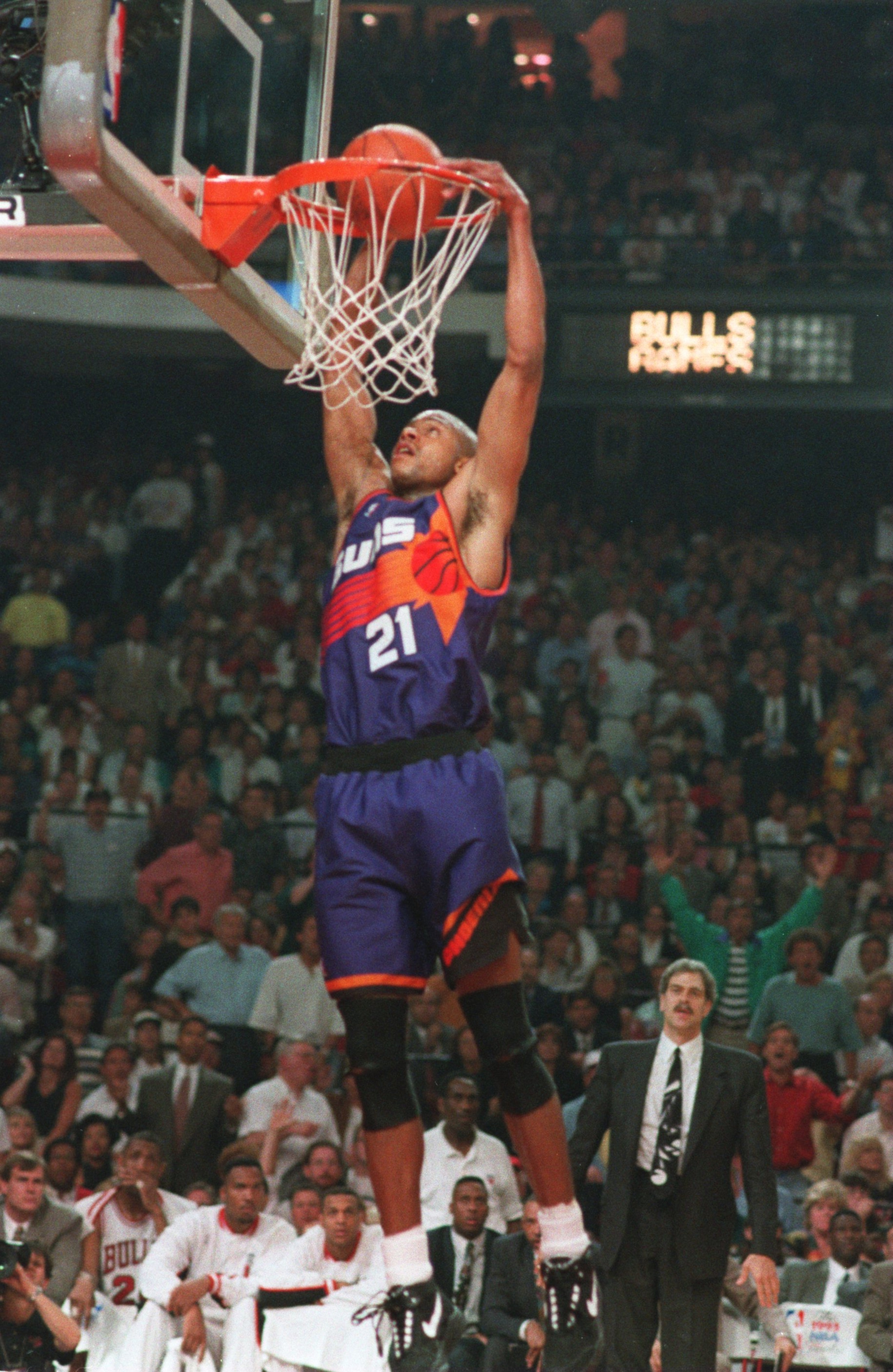
Drafted: 46th overall, Phoenix Suns (1991)
Career Averages: 10.6 points, 3.4 rebounds, 1.1 assists
Best Season: 1992-93, Suns (15.8 points, 4.6 rebounds, 1.3 assists)
After being drafted by the Suns in 1991, Dumas made the team, but was suspended for the entire season due to a failed random drug test.
He would miss part of the 1992-93 season as well.
During his suspension, he played in Israel for Hapoel Holon.
After being reinstated, Dumas played in 48 games, starting 32 of them, posting career averages of 15.8 points, 4.6 rebounds, and 1.3 assists.
He would go on to play just two more seasons for the Suns, playing in just a total of 58 games.
Dumas was waived after the 1994-95 season. He would go on later to sign with the Philadelphia 76ers, but was released less than a year later after not playing a single game for them.
6. John Lucas II
5 of 10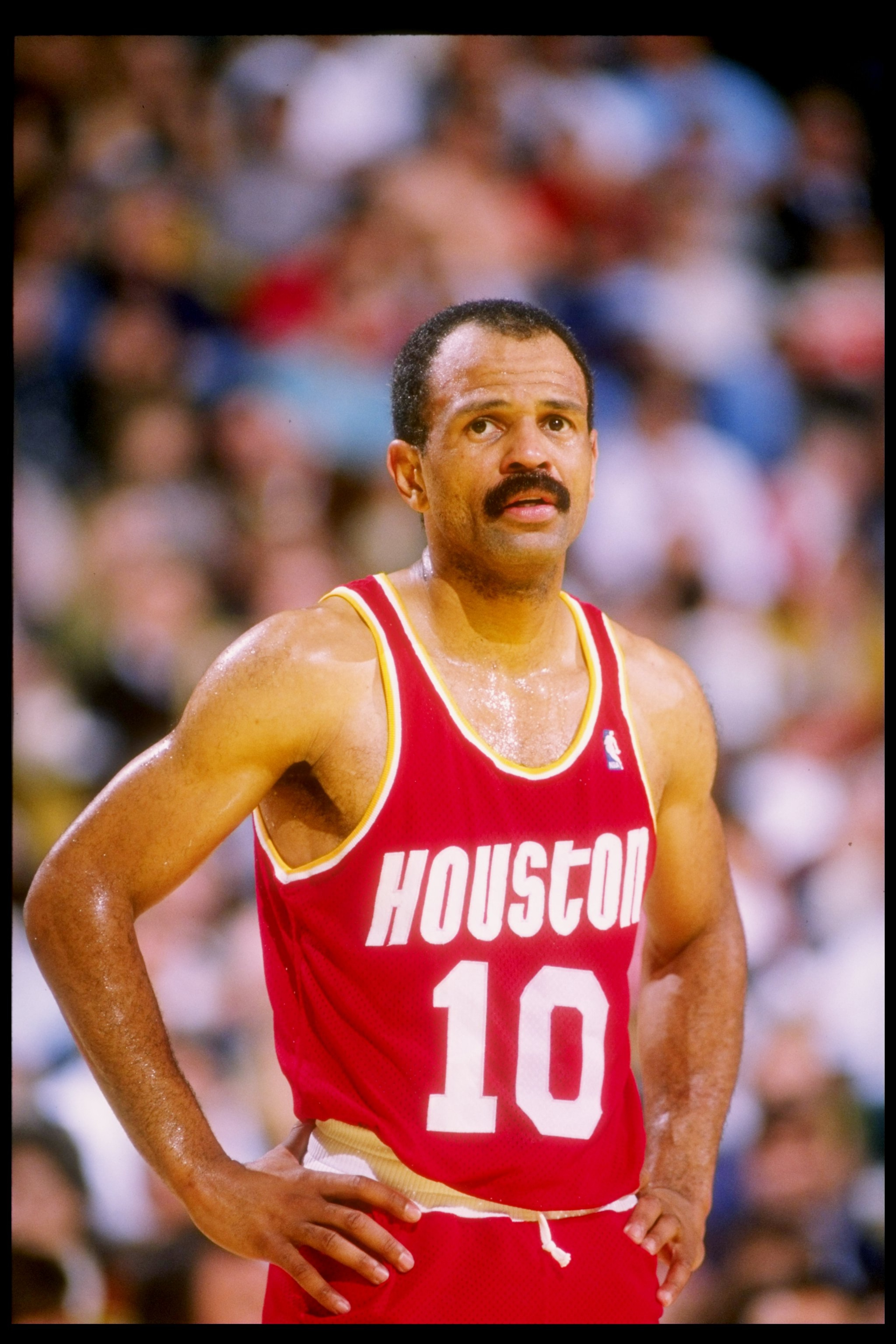
Drafted: First overall, Houston Rockets (1976)
Career Averages: 10.7 points, 7 assists, 2.3 rebounds
Best Season: 1978-79, Warriors (16.1 points, 9.3 assists, 3 rebounds)
After a decorated career at Maryland, Lucas was taken first overall by the Rockets in the 1976 NBA Draft.
He would have two stellar seasons in Houston before taking his talent to the Warriors. His third season in the league, Lucas had the best season of his young career.
Lucas was then traded to the Washington Bullets prior to the 1981-82 season. Like with the Warriors, he would play just two seasons for Washington before signing with the San Antonio Spurs.
He was then traded back to the Rockets, where he was part of the 1986 team that made it to the Finals. They would go on to lose the series, 4-2.
The following offseason, Lucas' career became a lot worse after his problems with drugs became public. Like his teammates Mitchell Wiggins and Lewis Lloyd, Lucas also had a problem with cocaine. He was also an alcoholic.
He would then go on to play four subpar seasons with the Milwaukee Bucks, Seattle SuperSonics, and the Rockets (again) before retiring after the 1989-90 season.
5. William Bedford
6 of 10Drafted: Sixth overall, Phoenix Suns (1986)
Career Averages: 4.1 points, 2.4 rebounds
Best Season: 1986-87, Suns (6.7 points, 4.9 rebounds)
Bedford, one of the best players in Memphis basketball history, was thought to be a star when he got drafted by the Suns with the sixth-overall pick.
However, that was not the case.
Bedford played just one season for the Suns before being traded to the Pistons just a little more than a year later. He played four seasons with the Pistons and was consequently dealt to the Clippers in June 1992.
He was traded to the Bullets almost four months later, and was waived just four days after that. Bedford did not play a single game for the Clippers or Bullets.
The 7-footer would then sign with the Spurs and played just sixteen games. Bedford was waived after the season and failed to sign with another team.
His six-year career was a disappointment and Bedford was a heavy drug user and never reached his full potential.
Thought to be one of the greats, he became quite the opposite after a less-than-stellar NBA career.
4. Roy Tarpley
7 of 10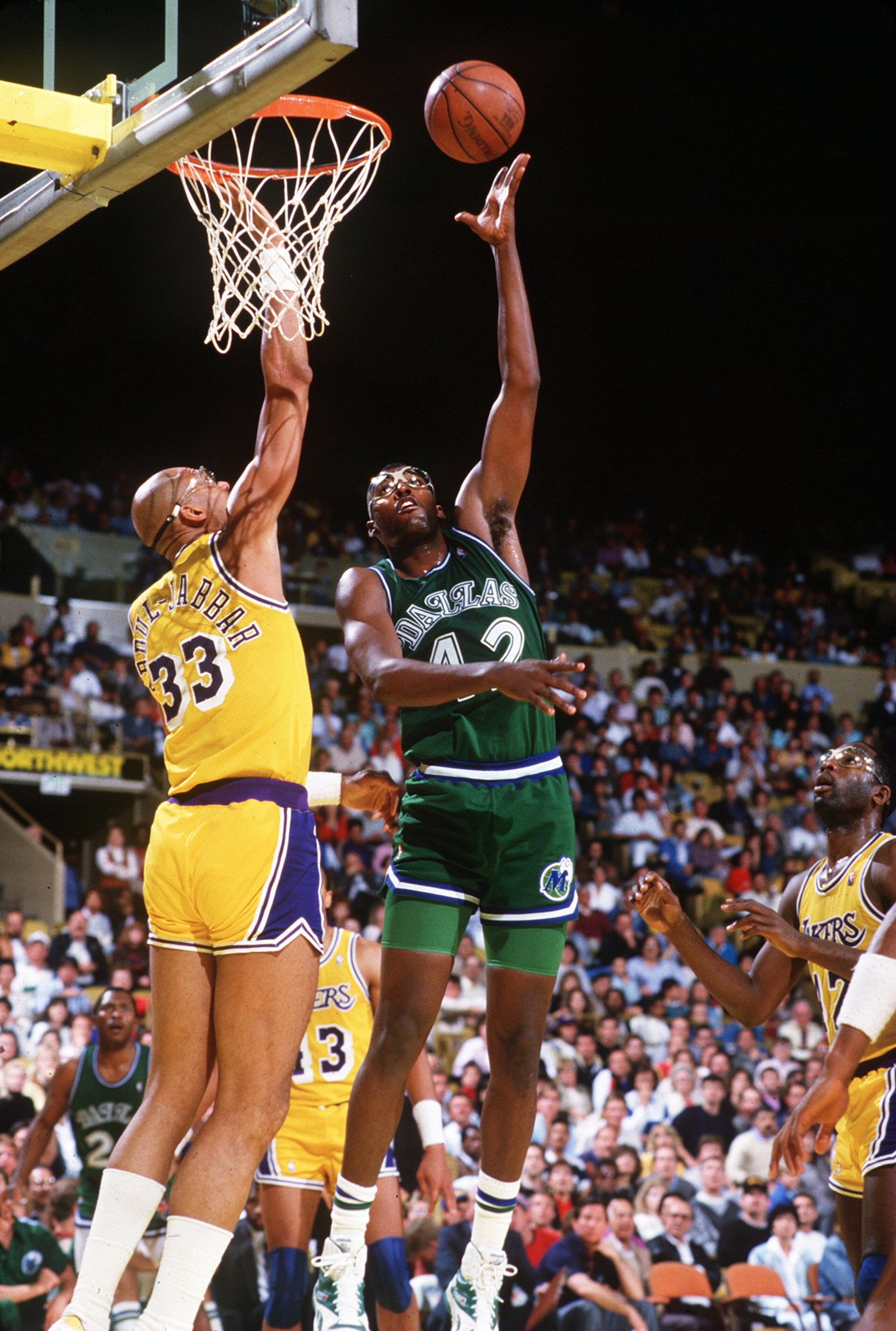
Drafted: Seventh overall, Dallas Mavericks (1986)
Career Averages: 12.6 points, 10 rebounds, 1.2 blocks
Best Season: 1990-91, Mavericks (20.4 points, 11 rebounds, 1.8 blocks)
Like Bedford, Tarpley was expected to be the next great, but things just didn't pan out.
Tarpley was a star at the University of Michigan and was taken with the famous drug-induced 1986 NBA Draft.
Immediately thrust into the rotation, Tarpley averaged 7.5 points and 4.7 rebounds during his rookie season. He would soon get better and would average a double-double each of the next four seasons.
His best season came during the 1990-91 year after he averaged more than 20 points and 11 rebounds per game.
However, his career would be cut short after he was banned from the NBA for substance-abuse problems prior to the 1991-92 season.
Tarpley returned to the Mavericks for the 1994-95 season for just 55 games, including one start.
He was permanently banned from the NBA in December 1995 for violating the substance abuse program again and for violating the terms of a court-imposed personal aftercare program.
Who knows what could have been..
3. Chris Washburn
8 of 10Drafted: Third overall, Phoenix Suns (1986)
Career Averages: 3.1 points, 2.4 rebounds, .3 assists
Best Season: 1986-87, Warriors (3.8 points, 2.9 rebounds, .5 assists)
Taken with the third-overall selection and like a few players in the 1986 draft, Washburn was expected to be a great player.
At the time of Washburn being drafted, the Warriors brought in Joe Barry Carroll to help mentor the former North Carolina State player, but it didn't go the way they planned.
Washburn was hardly effective during his rookie season, which was interrupted after the forward checked himself into rehabilitation on January 28, 1987.
He admitted to staff members that he had a cocaine problem.
Washburn returned to the Warriors in late March, but still played poorly.
He was then dealt to the Atlanta Hawks that December and still could not get things rolling.
Washburn would fail to catch on with another team, as his thought-to-be-great career spanned just two seasons.
He is widely considered to be one of the biggest draft busts in history.
2. Micheal Ray Richardson
9 of 10Drafted: Fourth overall, 1978 (Knicks)
Career Averages: 14.8 points, 7 assists, 5.5 rebounds, 2.6 steals
Best Season: 1984-85, Nets (20.1 points, 8.2 assists, 5.6 rebounds, 3 steals)
Thought to be the next Walt Frazier, Richardson didn't quite live up to that sort of hype.
With the Knicks, Richardson made the All-Star team three straight times. He was dealt to the Warriors at the beginning of the 1982-83 season.
He lasted just 33 games with the Warriors before being traded to the Nets.
Richardson played four quality seasons with New Jersey, even averaging double digits in points for all four. He also led the league in steals in the 1984-85 season, perhaps the best season of his career.
In 1986, NBA commissioner David Stern banned Richardson from the NBA for life after three failed drug tests.
He would be given a second chance in 1988, but was kicked out of the league again for two more failed drug tests for cocaine. Richardson did and still disputes the results.
Richardson was also known for what he said about his suspensions. He exclaimed that the suspensions were unfair because they were racially-based. He insisted that Chris Mullin should have been suspended also because of his alcohol problems.
However, the comments made no sense because alcohol didn't violate the substance-abuse program.
Richardson, although he had a solid career, could have become much more if he had just stayed away.
Looks like we'll never know.
1. Len Bias
10 of 10Drafted: Second overall, 1986 (Celtics)
Career Averages: None
Best Season: None
Perhaps the saddest story of all, Len Bias was taken with the second-overall selection in the famed 1986 draft.
The draft was held on June 17, 1986, at Madison Square Garden in New York.
The day after he was drafted, Bias and his father flew to Washington, D.C. for an NBA club draft appearance and a product endorsement signing with the Celtics' coaches and management. Bias reportedly signed a $3 million contract with Nike.
Bias returned to Boston later that night and immediately got in his newly leased sports car. He returned to his room on campus at the University of Maryland.
That night, it was reported by local police that Bias' car was spotted in one of the city's worst drug neighborhoods. It has not been determined who was driving the car, but it has always been naturally assumed that it was Bias.
The university said Bias returned somewhere around 11 p.m., as he went out to eat with some teammates and a member of the Terrapins' football team.
Bias returned to his dorm around 3 a.m. At 6:32 a.m., a 911 call was placed to local police and it was reported that Bias was not breathing. Paramedics got to his dorm room just four minutes later, but the second-overall pick never regained consciousness.
He was pronounced dead at 8:55 a.m.
The cause of death was cardiac arrhythmia, commonly associated with cocaine use.
Bias never played for the Celtics and it is considered to be one of the biggest tragedies in sports. He is also known to be one of the greatest players never to play a single game at the professional level.
.jpg?w=2560 "NFL investigating 2 referees for separate viral exchanges")
.jpg?w=2560 "OBJ Calls Out Giants After Release")


.jpg?w=2560 "Tyreek makes another cryptic post amid Chiefs rumors")