
Baseball Hall of Fame: The Top 10 Nicknames You've Never Heard
Today the Baseball Hall of Fame celebrates its 73rd birthday.
Personally, nicknames are just as much a part of baseball as beer and hot dogs. For as long as the game has existed, teammates and announcers have provided the fans with colorful names that turn celebrities into part of the family.
Nicknames are part of baseball history, so where better to look than Cooperstown?
The Baseball Hall of Fame in Cooperstown, NY is loaded with great players and equally interesting nicknames. Everybody has heard about "The Babe," "Stan the Man" and the "Say Hey Kid," but with 240 former players and 19 managers, there are dozens of others that go completely unnoticed.
Without further ado, here are the top 10 rarely heard nicknames from the Baseball Hall of Fame...
10. Travis "Stonewall" Jackson
1 of 10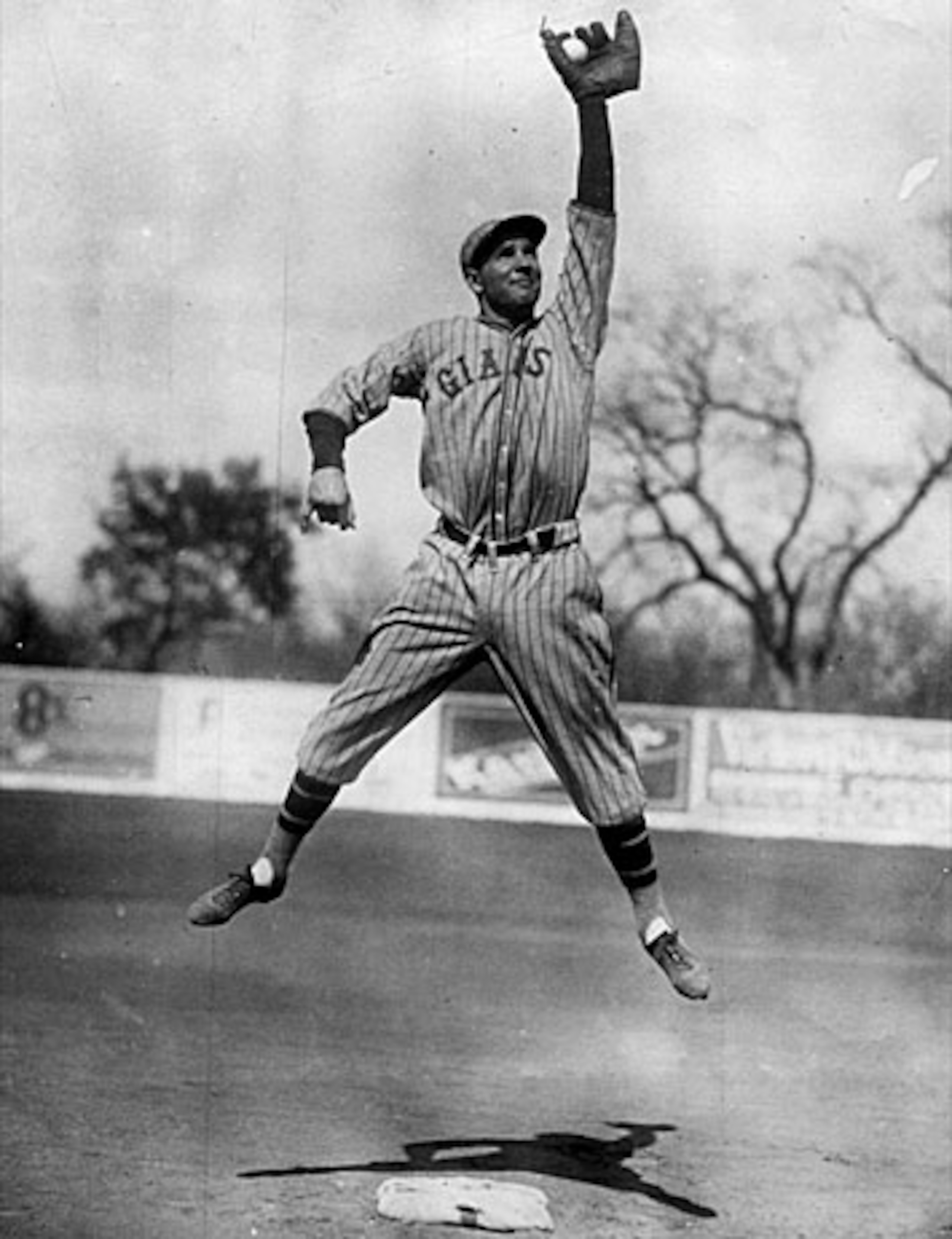
After breaking out in the 1924 season with the New York Giants, Travis Jackson earned the name "Stonewall" due to his exceptional range, cannon arm and quick release at the shortstop position.
Compiling a .291 average over his 14 seasons, Jackson's offense was hardly the reason why he was inducted into the Hall of Fame in 1982.
In addition to his stellar defense, the name "Stonewall" came from the great Civil War general Thomas Jonathan "Stonewall" Jackson.
—Rogers Hornsby
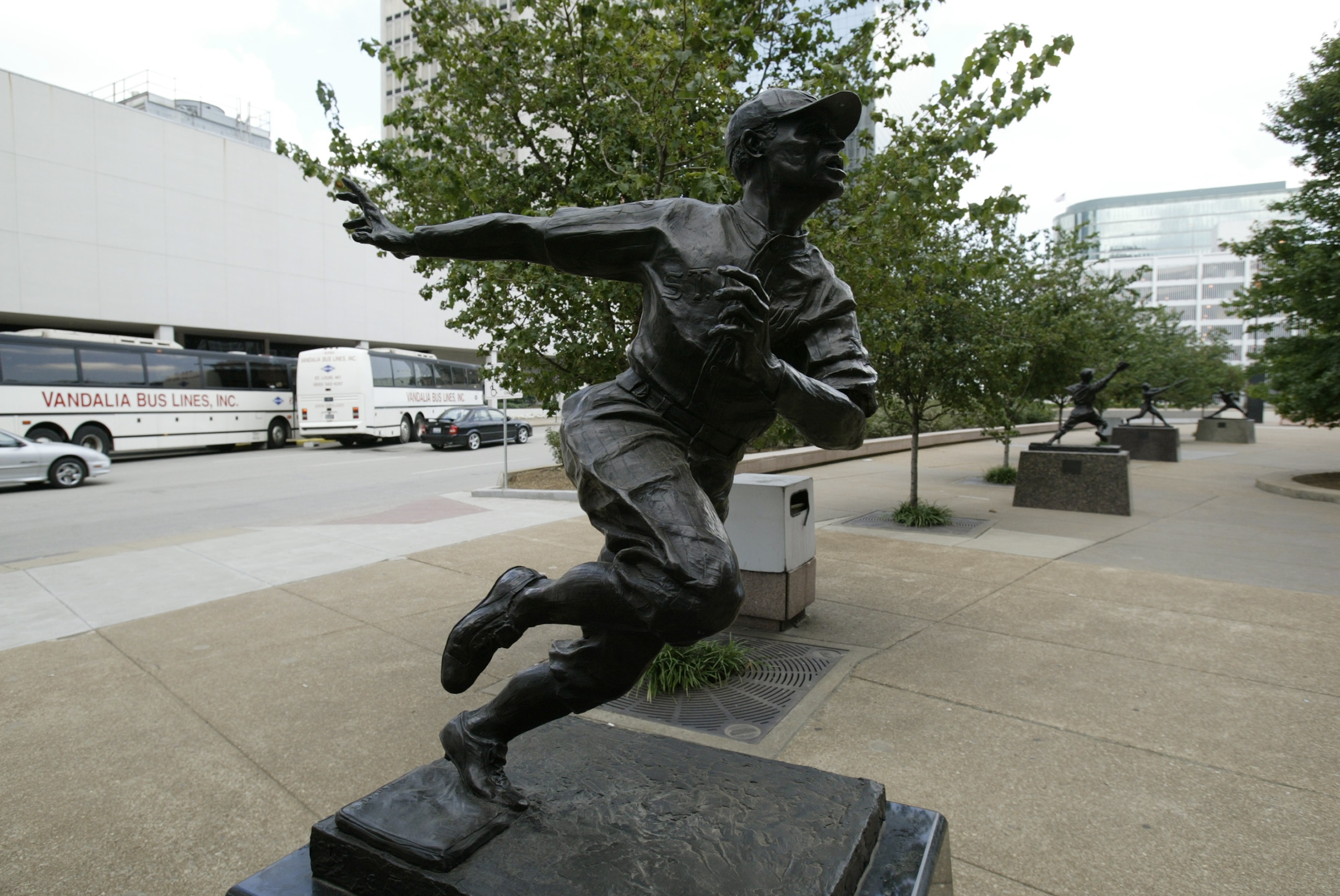
9. "Wahoo Sam" Crawford
2 of 10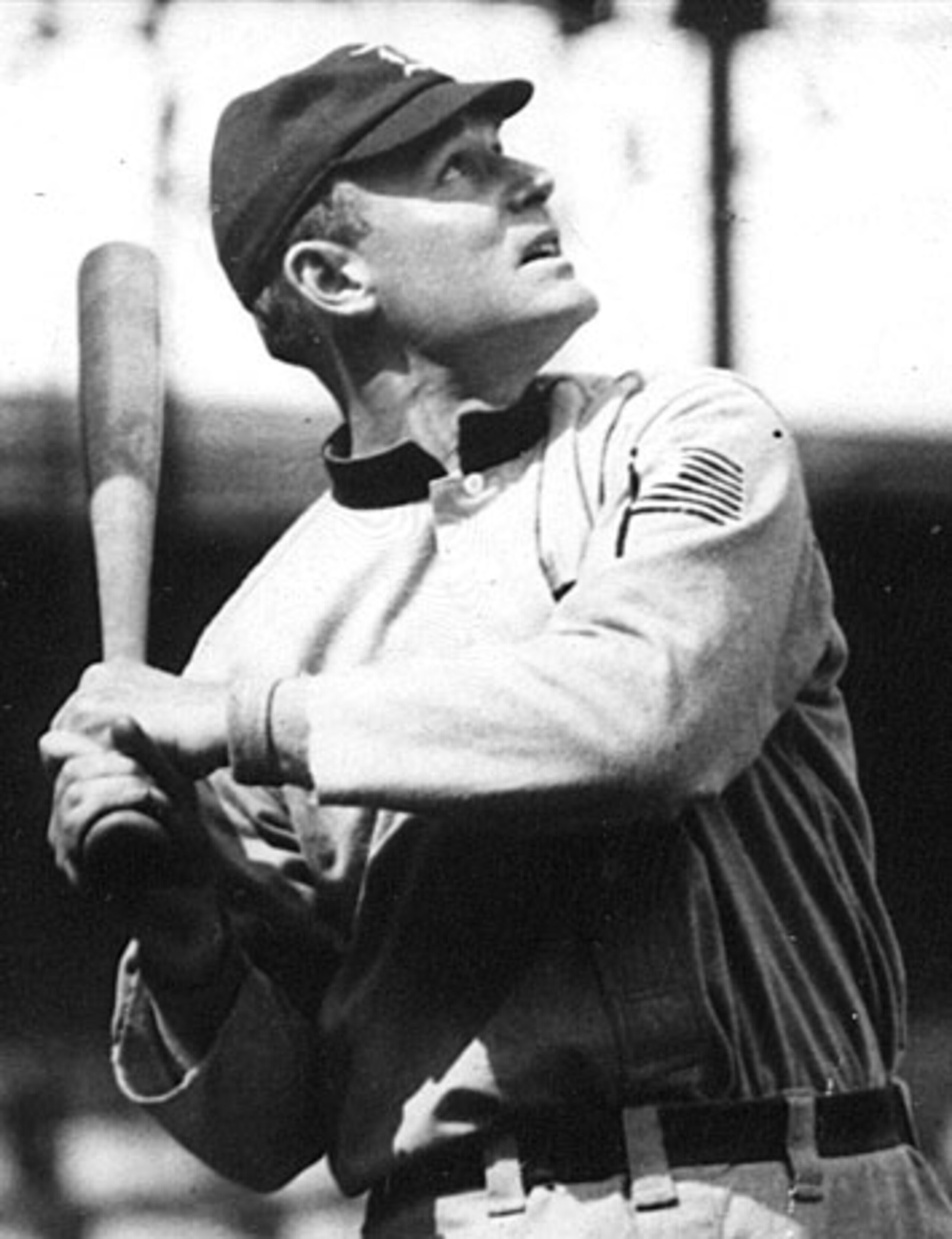
Inducted into the Hall of Fame in 1957, Sam Crawford was an outfielder for the Reds and Tigers as well as one of the best sluggers in baseball's dead ball era. Consistently leading the league in triples and inside-the-park home runs, one can only imagine how many actual home runs he would hit in today's stadiums.
Born in Wahoo, Nebraska, Crawford said he was proud of his hometown, and it was the primary reason for retaining the name "Wahoo Sam."
Finishing with a career average of .309 and leading the league twice in home runs (1901 with 16 and 1908 with seven) Wahoo Sam, along with teammate Ty Cobb, remained one of the league's most feared hitters from 1900 through 1915.
—Fielder Jones
8. Wesley Branch "The Mahatma" Rickey
3 of 10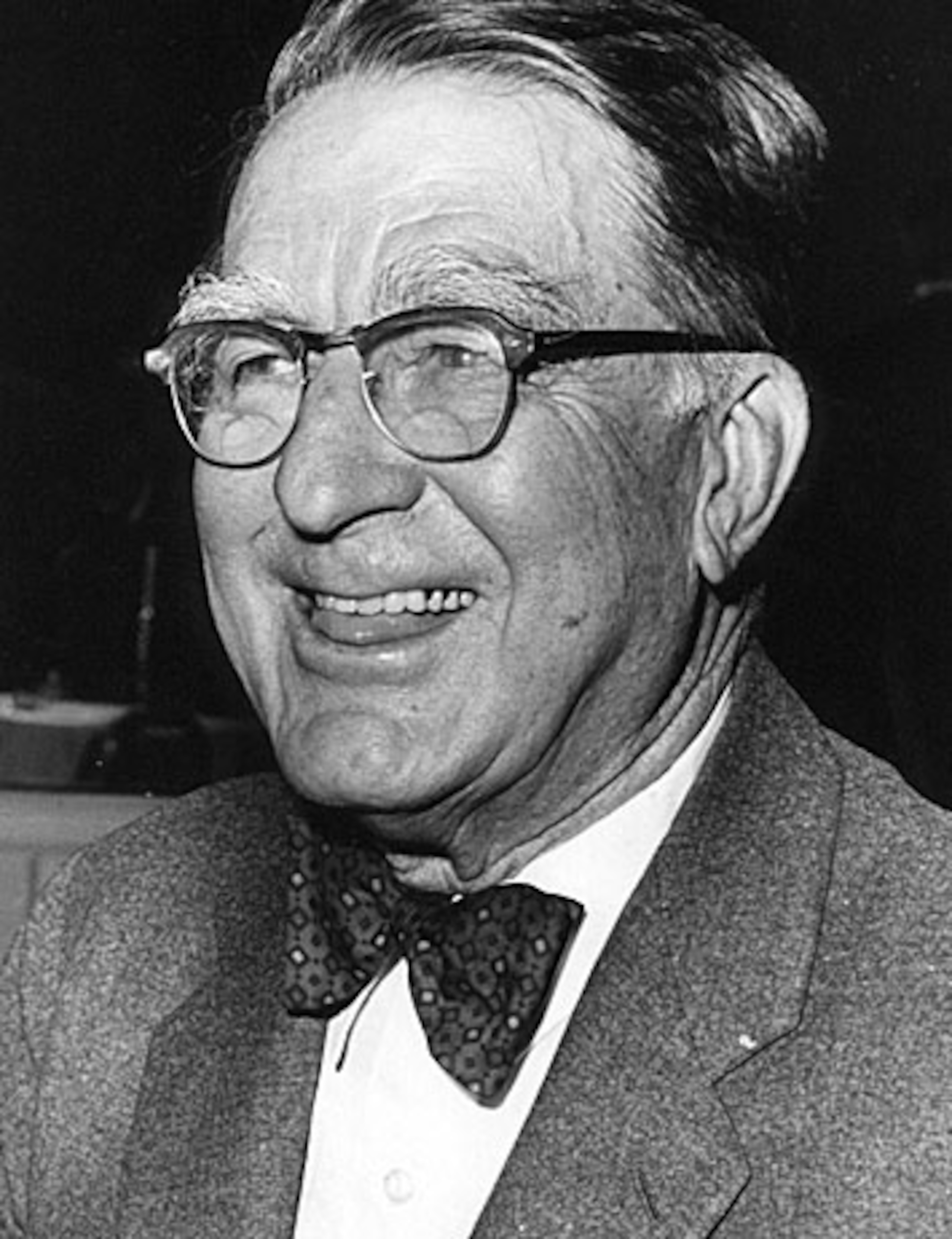
Wesley Branch Rickey's induction into Cooperstown in 1967 had nothing to do with his play on the field. A measly .239 average and 82 total hits in his career is nothing to write home about.
His deep Christian faith and work as a manager and innovator for the game were what truly turned Rickey into "The Mahatma." His first contribution was when Rickey broke the color barrier by signing Jackie Robinson on August 28, 1945. The color barrier had always been an unwritten rule in baseball, and The Mahatma was the first to break it.
In addition to breaking the color barrier, Rickey also drafted the first Hispanic superstar, Roberto Clemente, created the framework for the modern-day farm system and introduced the use of the batting helmet.
—Jim Murray


7. Henry "Heinie" Manush
4 of 10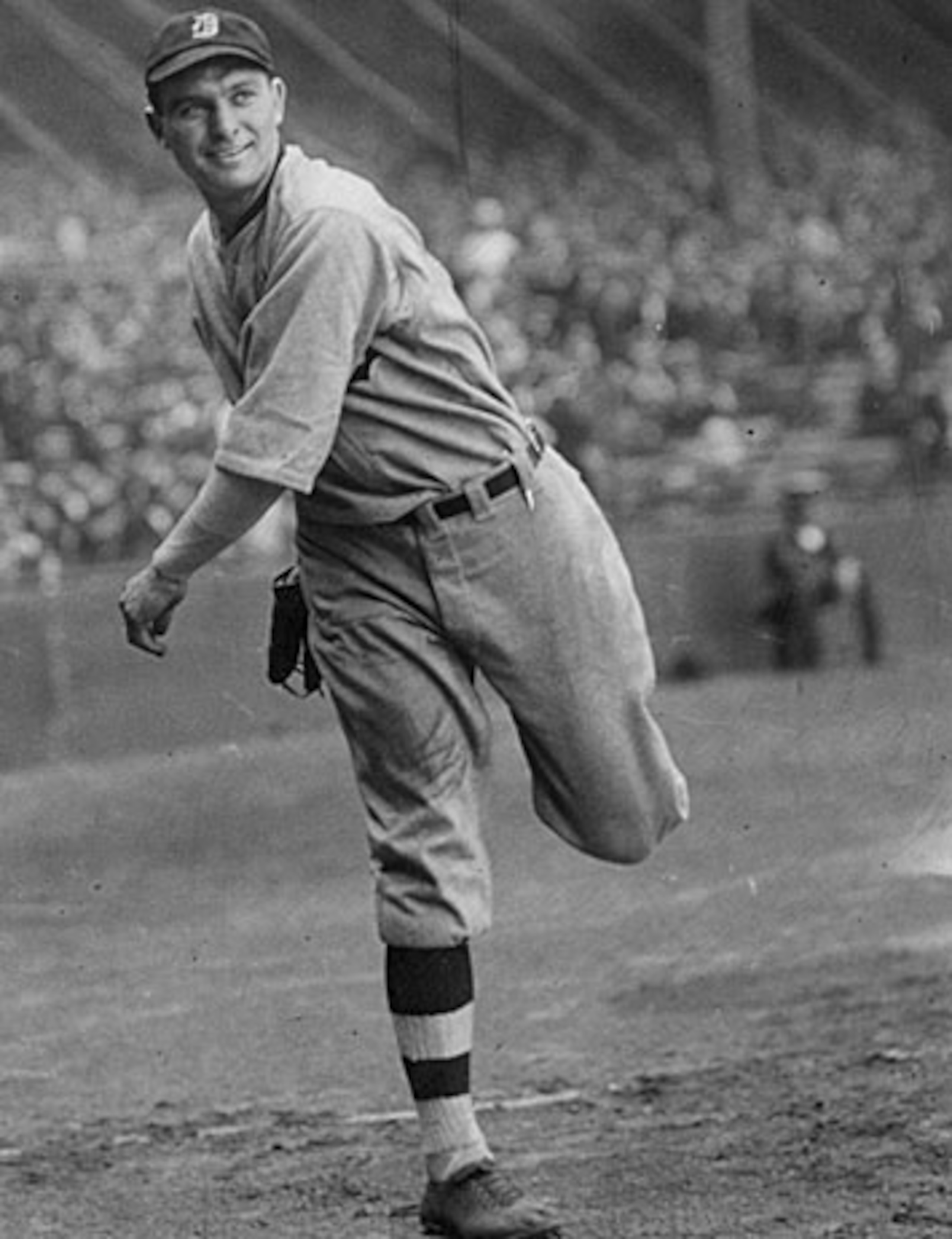
Do you know who replaced Ty Cobb in center field when he finished in Detroit? Heinie Manush did. Playing left field and sharing the outfield with Cobb, Manush played four of his 17 seasons with the Tigers.
Although he did not reach the same batting average milestones that Cobb reached, Manush still finished with a .330 career average and 2,524 career hits.
Nicknamed "Heinie" by his grandmother, Manush was considered a slugging outfielder, finishing with 110 home runs. With one All-Star appearance and five top-five MVP finishes, Manush's heinie is now in Cooperstown.
—Charles Parker
6. Luke "Old Aches and Pains" Appling
5 of 10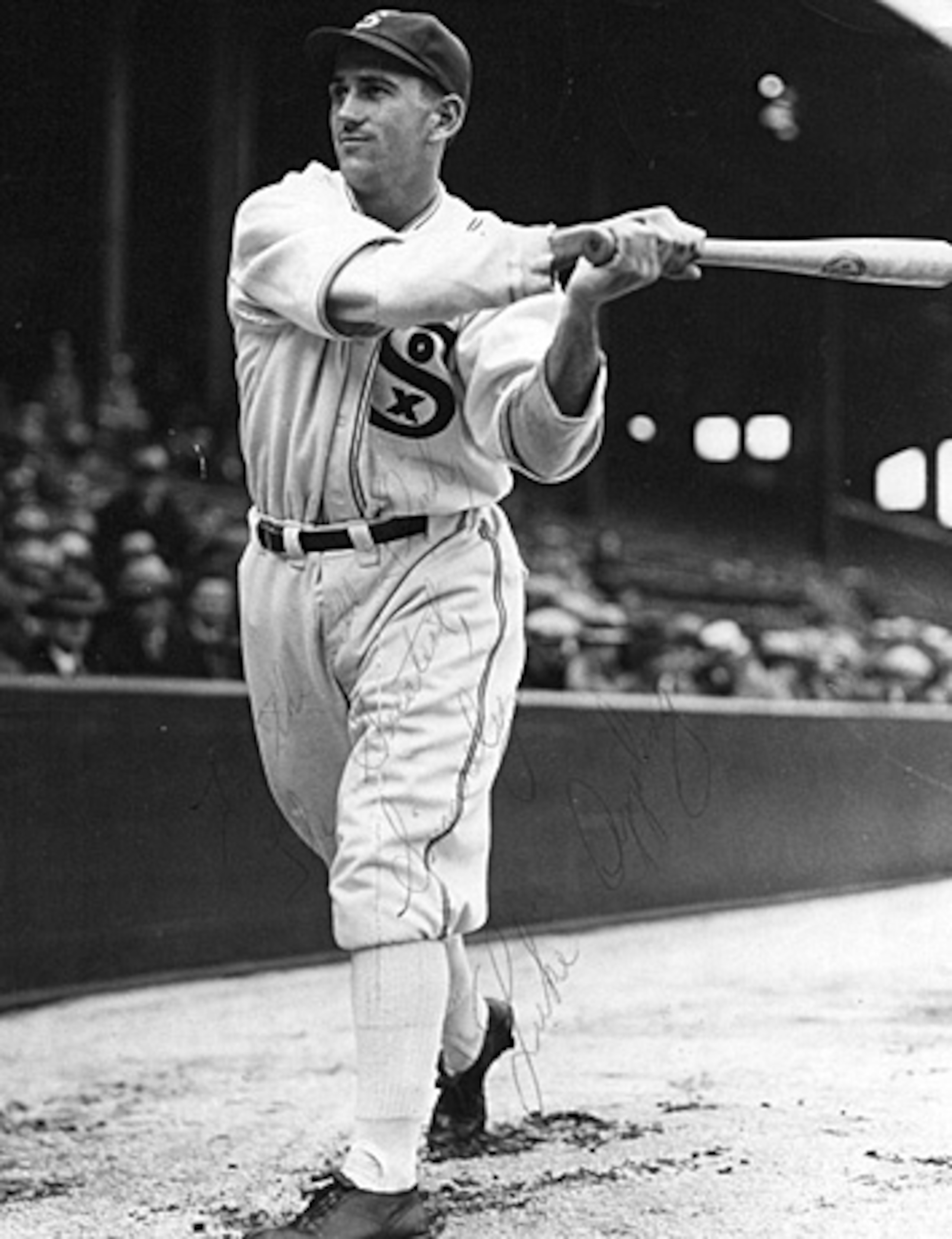
Luke Appling finished with a stellar career after 20 seasons as the shortstop for the Chicago White Sox. He also compiled a laundry list of complaints.
According to his teammates, nobody complained more on a daily basis about nagging injuries. Eventually his teammates gave him the nickname "Old Aches and Pains."
Appling was selected to the All-Star game seven times and inducted into the Hall of Fame in 1964. Finishing with a .310 career average and 2,749 hits, Appling was a dominant leadoff hitter when he was put in the leadoff spot. He finished with an on-base percentage of .400 or better eight times and drew 100 walks three times, but lack of talent in the White Sox organization forced him to hit third.
Appling was also known for his ability to foul off pitches at will. He once fouled off 10 pitches in a row, on purpose, because ownership did not supply him with balls to autograph.
—Arthur Daley
5. Lloyd and Paul Waner: "Little and Big Poison"
6 of 10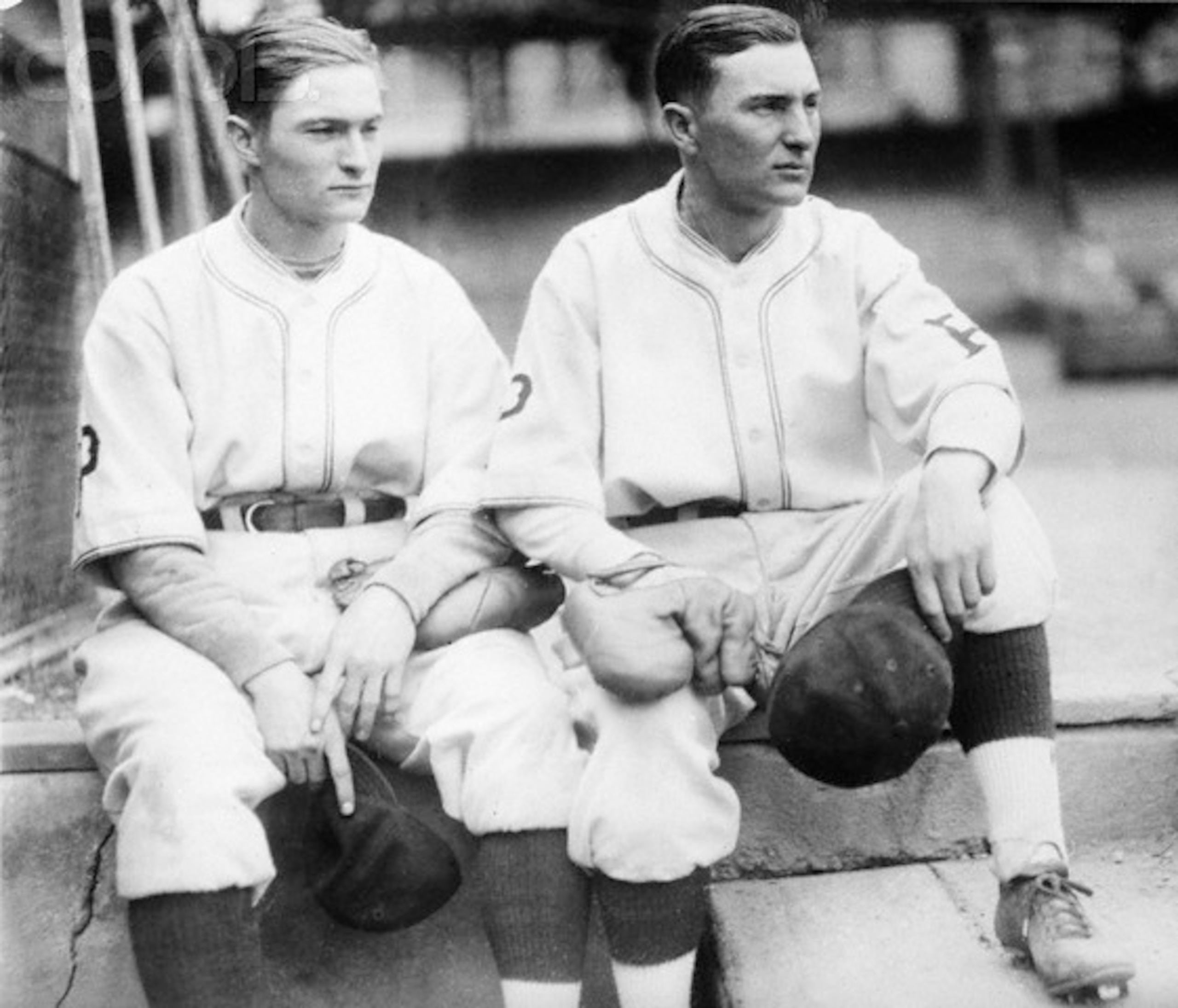
From 1927-1940 the Pirates outfield was patrolled by the Waner brothers; Lloyd was "Little Poison" and Paul was "Big Poison."
Lloyd Waner known as one of the bast slap hitters of the era and was also one of the fastest from home to first. Compiling a career batting average of .316, Waner was one of the best contact hitters in the game during his era. In addition to offense, Little Poison was known for his speed and range in the outfield.
Paul Waner was the better hitter of the Poison brothers. Finishing with a .333 career average, 113 home runs and 3,152 hits, Big Poison made four All-Star games and won one MVP award (1927). Paul Waner also set a modern-day record by recording more than 200 hits in eight seasons, a record since broken by others.
—Paul Waner on Lloyd Waner
4. Gabby "Old Tomato Face" Hartnett
7 of 10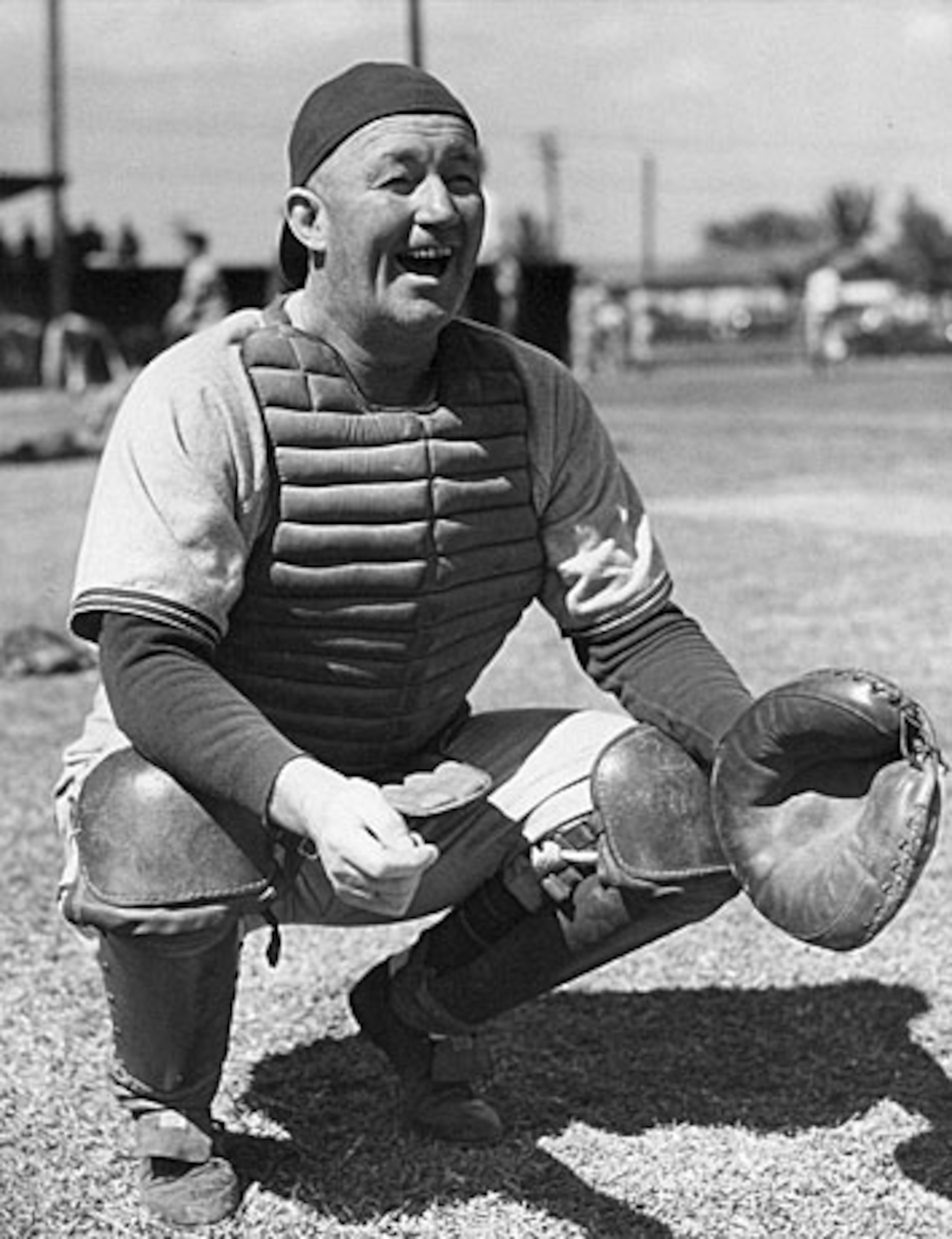
Inducted into the Hall of Fame in 1955, Gabby Hartnett is one of the best catchers in the history of baseball. Playing for the Chicago Cubs 19 of his 20 seasons, Old Tomato Face finished with a .297 average and 236 career home runs.
The six-time All-Star and MVP winner was known for his slugging and superb defense skills. He also caught 100 or more games in 12 seasons, including a record eight times in a row.
Hartnett was also the catcher when Babe Ruth called his shot.
—Joe McCarthy
3. Mordecai "Three Finger" Brown
8 of 10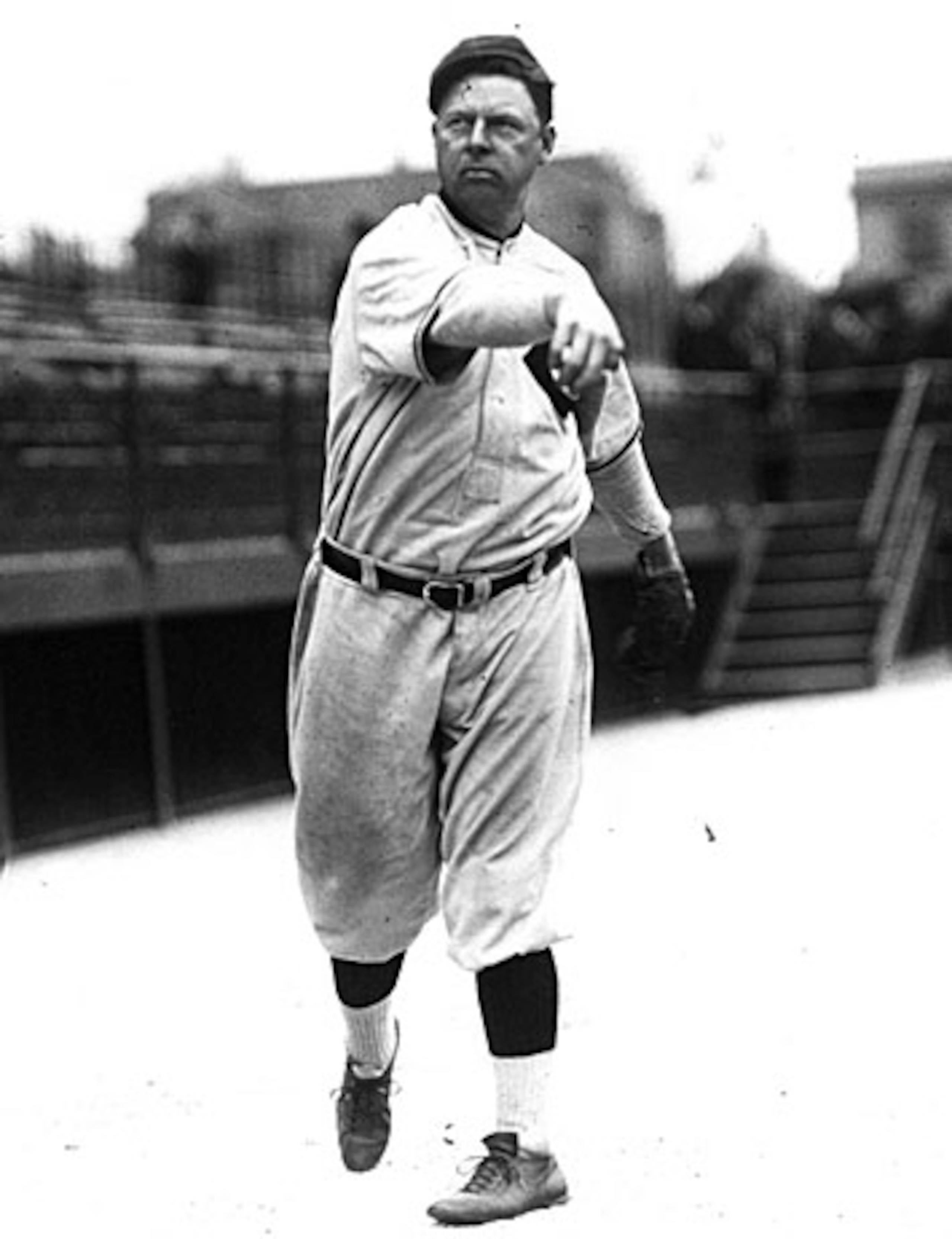
After losing part of two fingers in a farm machinery accident, Mordecai picked up the nickname "Three Finger."
The handicap ultimately helped Brown become one of the dominant pitchers of his era. He claimed that the three fingers gave him a better grip on the ball and made his curveball radically dip before reaching the plate.
Pitching for seven teams in his career, Mordecai finished with a career win-loss record of 239-130, an ERA of 2.06 and 1,375 strikeouts. With two World Series titles and six 20-win seasons—he would also have led the league in saves four times had the statistic existed then—Three Finger was inducted into the Hall of Fame in 1949.
—Mordecai Brown
2. Brooks "The Human Vacuum Cleaner" Robinson
9 of 10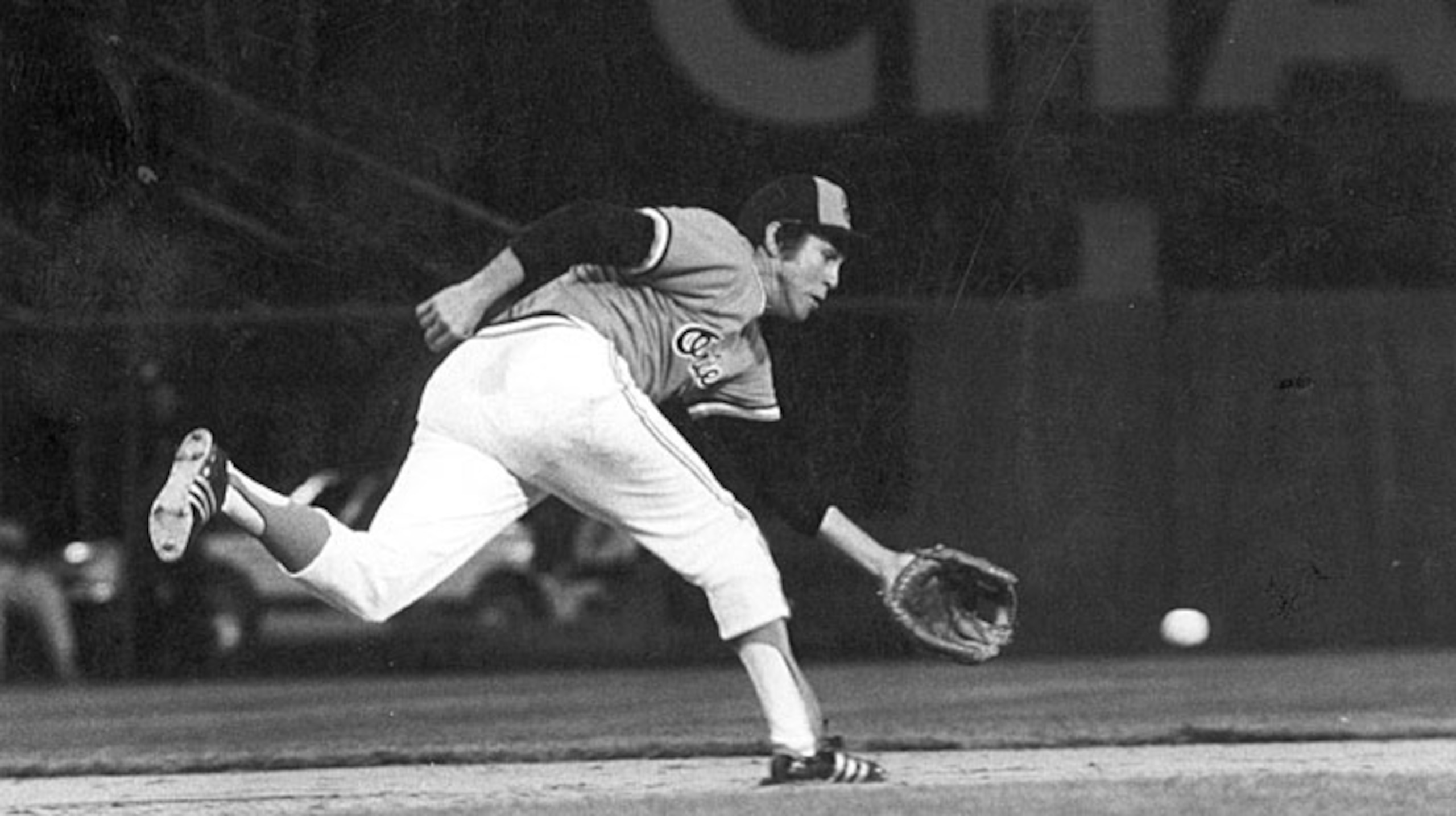
Playing his entire 22-year career with the Baltimore Orioles, Robinson made his name by being possibly the best defensive third baseman in the history of baseball. Winning 16 consecutive Gold Glove awards, the second most all-time, Robinson earned the name "The Human Vacuum Cleaner."
Robinson was no slouch at the plate either, finishing with a .267 batting average and 2,848 career hits.
His offense combined with historic defense led him to 18 All-Star games, two World Series victories, 16 Gold Gloves, one MVP and a Hall of Fame induction with the class of 1983.
—Umpire Ed Hurley
1. James "Cool Papa" Bell
10 of 10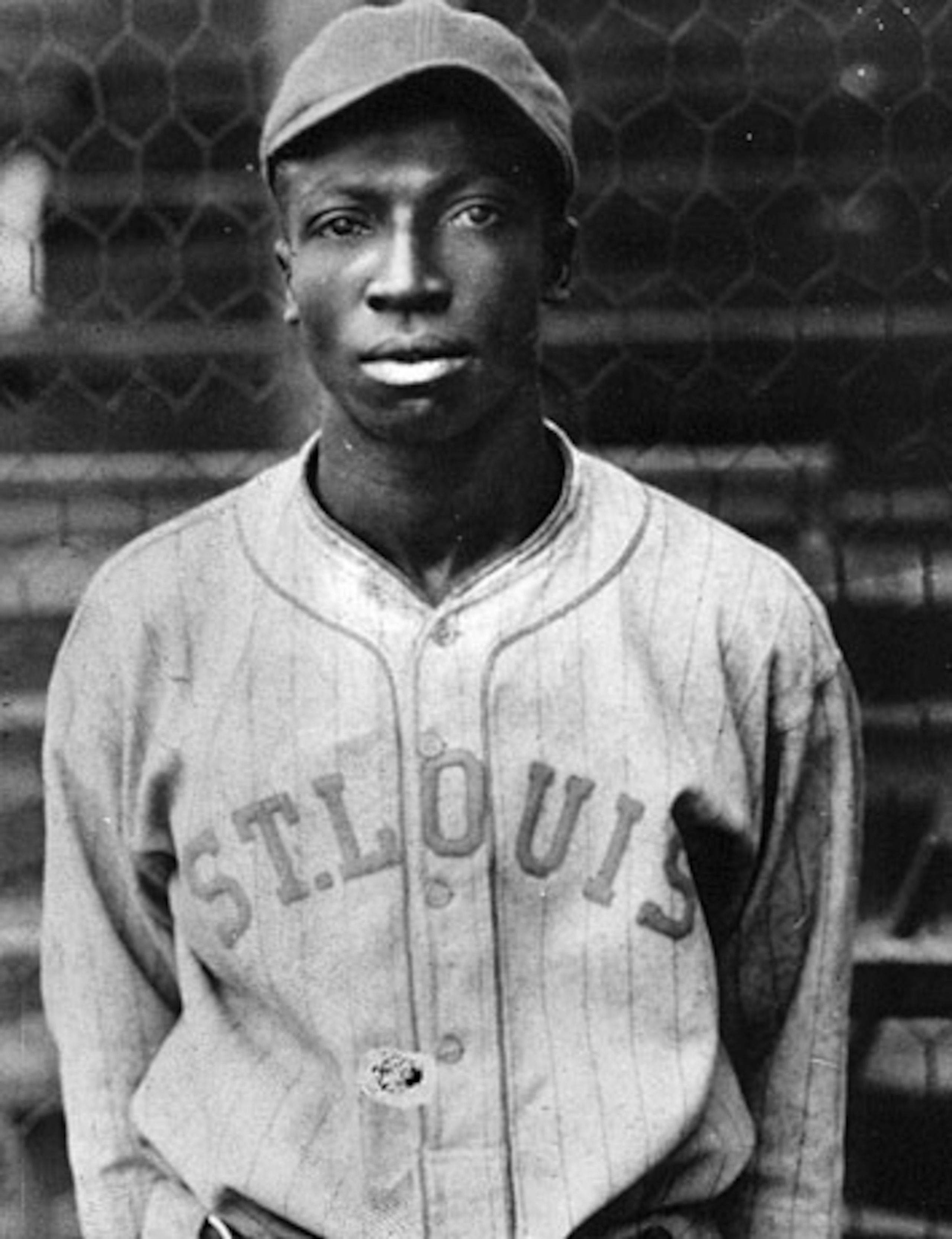
James "Cool Papa" Bell is known as one of the fastest players ever to grace a baseball diamond. Satchel Paige in his autobiography said that if "colleges knew about Cool Papa, Jesse Owens would've looked like he was walking."
Playing for 10 different Negro League teams, Bell finished with a career average of .337 and a ton of stories and myths. Such stories include: running home to home in 11 seconds, second to home on a sacrifice fly and scoring from first on a sacrifice bunt.
Bell claims to have stolen 175 bases in a season, but one can only wonder how many he would have recorded if the stat were actually kept in the Negro Leagues.
—Satchel Paige




.png?w=2560 "Week 8 Winners & Losers 📊")


.jpg?w=2560 "Jonathan Taylor Landing Spots")