
Pittsburgh Steelers: 6 Late Round Prospects to Targets in the 2011 NFL Draft
The Pittsburgh Steelers have more overall needs than draft picks, but assuming they can address their major needs (offensive line and cornerback) in the opening rounds, the late rounds can be used on a variety of useful pieces of both a developmental and immediate impact nature.
Mocking the late rounds isn't easy or usually accurate, but there are certainly prospects that Pittsburgh should target with those selections.
Here's a look at two possibilities each for rounds five through seven.
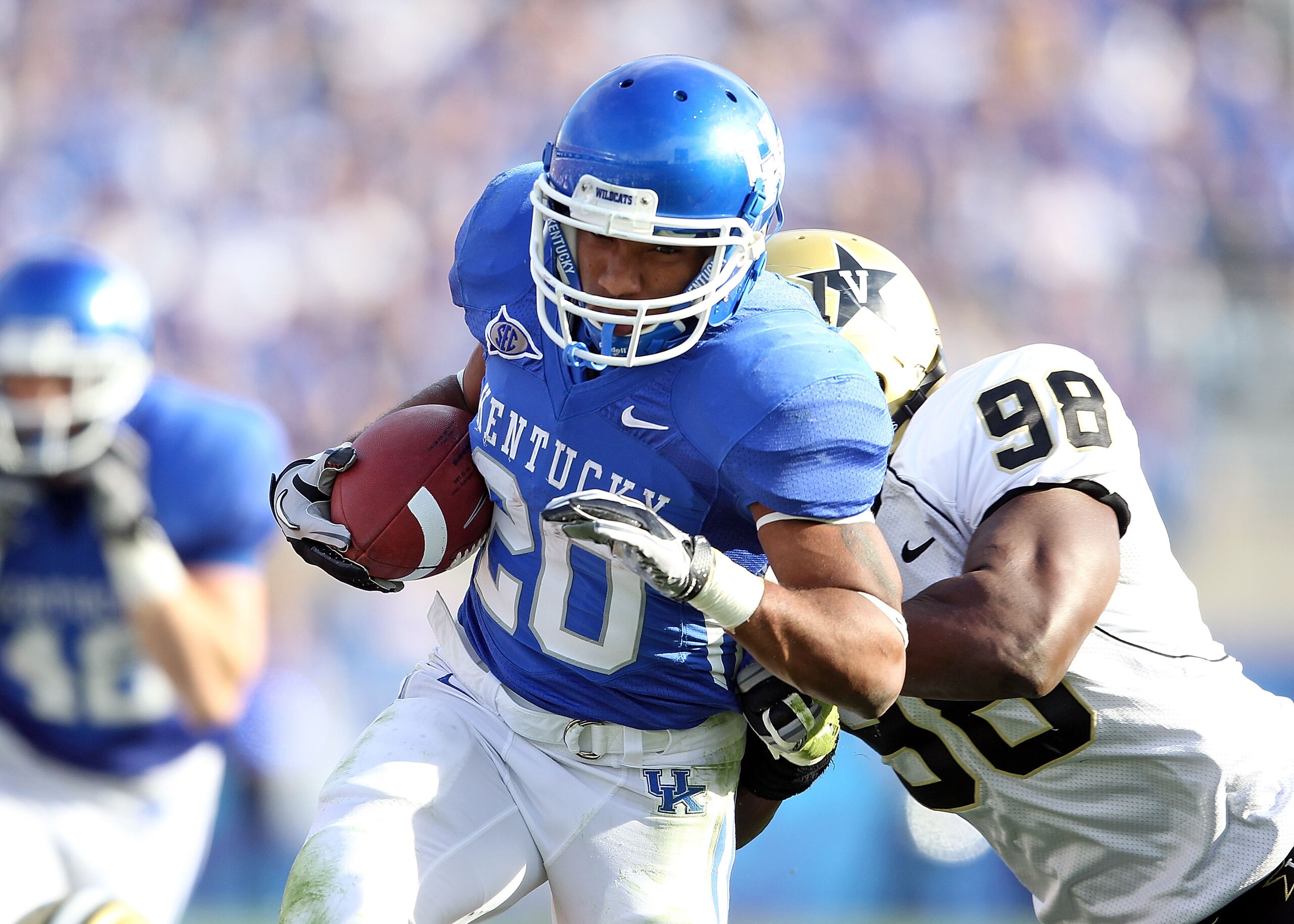
5th Round (A): Derrick Locke, RB (Kentucky)
1 of 6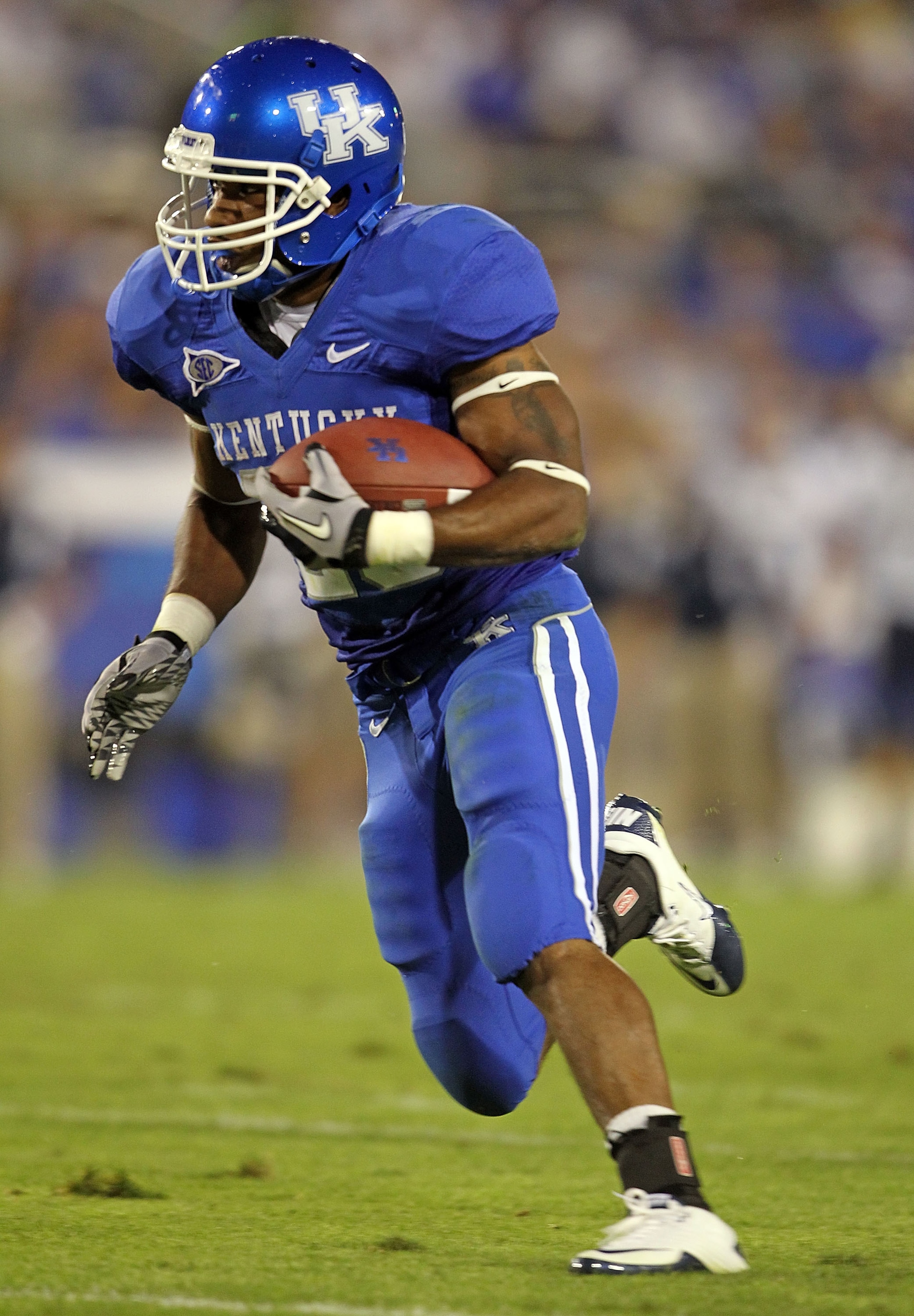
Why Running Back?
Pittsburgh lacks a true speed option. They have the tough, bruising variety in Rashard Mendenhall, who's great at keeping his legs moving and gaining tough yards, particularly with second effort moves. They also have a good red zone option in Isaac Redman, who has good burst and can also gain tough, inside yards.
They also appear to have a void opening at the position with the expected departure of Mewelde Moore. With the draft likely to occur before any free agency, the Steelers cannot count on Moore staying with the team. Given Moore's age and numbers, it may be best to prepare for the future anyway.
Why Derrick Locke?
Locke is the speed option that the Steelers haven't had since Willie Parker departed. He's got a skill set that compares with that of San Diego Chargers' runner Darren Sproles. He's got excellent speed and burst and can get to and turn the corner effectively and consistently.
He does lack the size to be a starter, but he can be a change of pace guy and a pass catcher out of the backfield. He'll certainly be a contributor for somebody at the professional level.
5th Round (B): Ian Williams, DT (Notre Dame)
2 of 6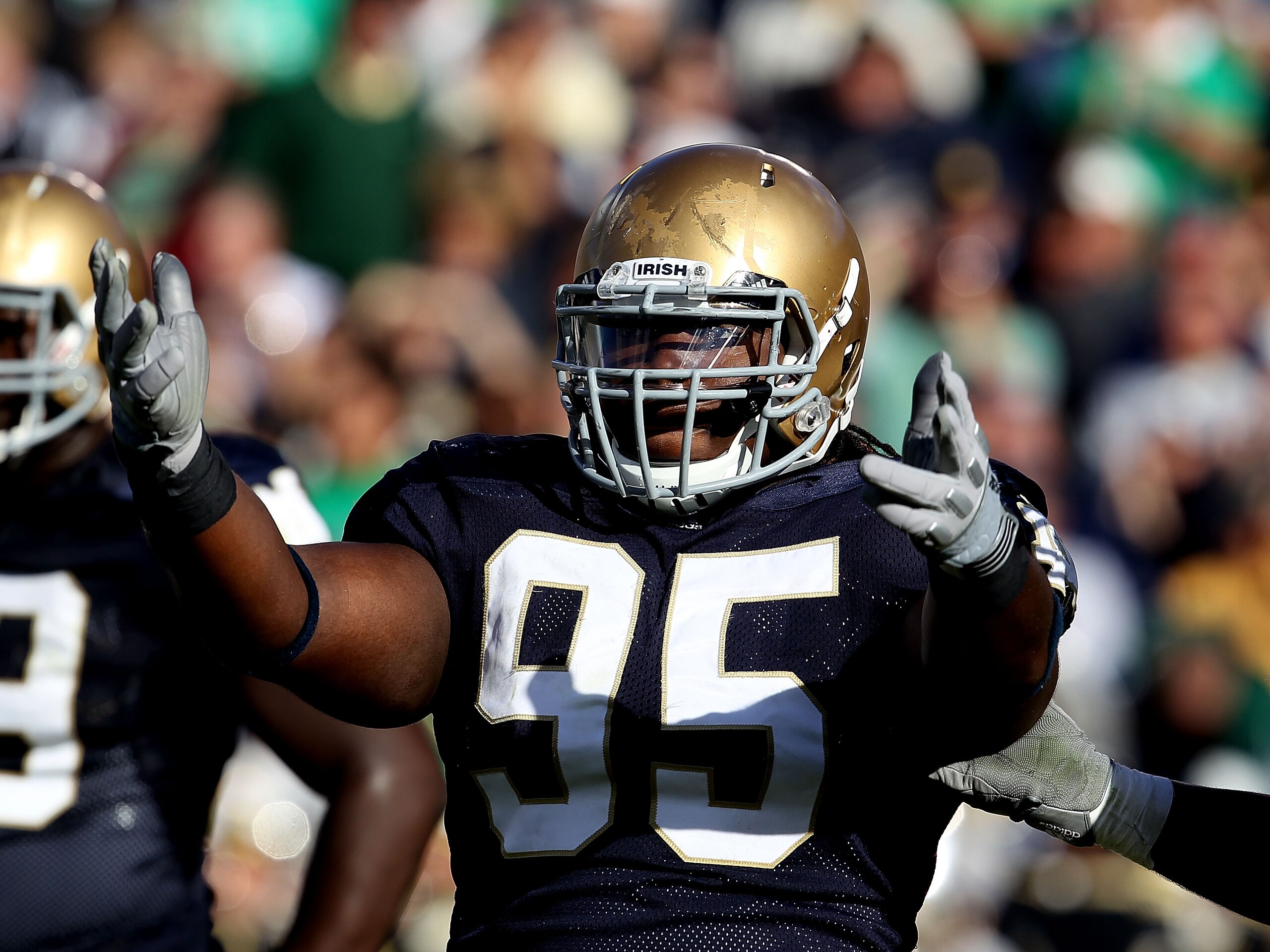
Why Defensive Tackle?
Casey Hampton just signed a contract extension, but he is slowly losing his effectiveness. It was evident that he'd lost a little bit of a step last season. He's still a force in the middle, but he's not the air-tight gap filler he used to be. His age and his weight, combined with his conditioning issues, all make for a very risky gamble.
Getting someone behind Hampton who can eventually step into his nose tackle position and start is essential. If someone of that caliber is available late, the Steelers would do well to take them and upgrade their depth while also preparing for the future.
It's also worth noting that Chris Hoke and Nick Eason, two of the team's primary backups along the defensive line, are free agents.
Why Ian Williams?
While Williams may seem slightly undersized for the position, he's an incredible athlete who can use speed and instinct to overcome blockers. He's quick to move off the snap and has great upside in both run and pass blocking.
He's a sure tackler and also is great at shedding blockers to keep moving. He's not much in the pass rush, but neither is Hampton, who's primary role is to open lanes for the linebackers and safeties, which Williams can do with his skill set. He projects as a potential defensive end in most scenarios, but could bulk up and slot in at tackle.
6th Round (A): Greg Lloyd, ILB (Connecticut)
3 of 6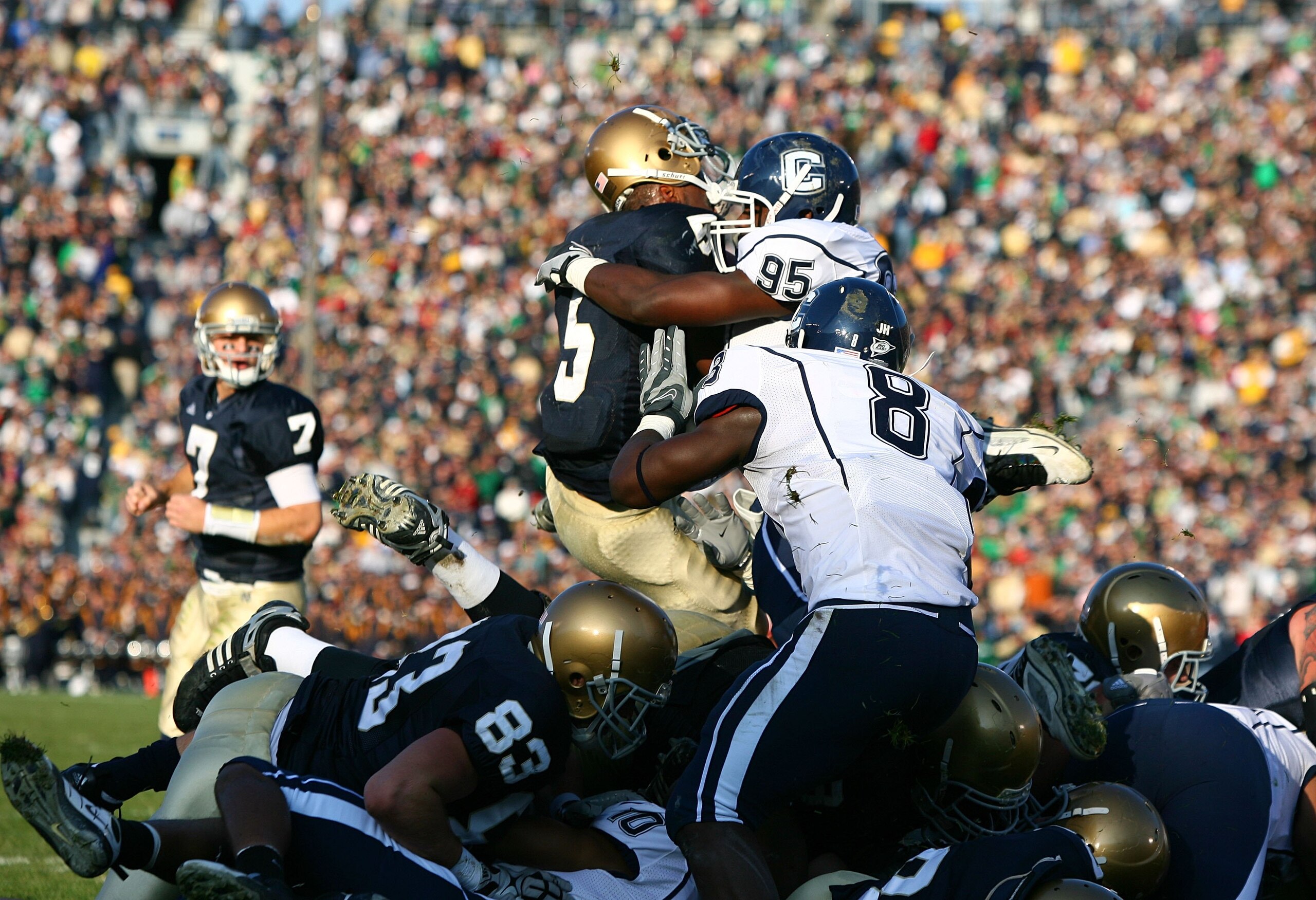
Why Inside Linebacker?
Inside linebacker may be considered a strength with Lawrence Timmons establishing himself as a starter and rookie Stevenson Sylvester having a strong beginning to his career last season. That said, there is a belief that the team could use more depth at the position, particularly with Keyaron Fox expected to leave via free agency.
James Farrior is not getting any younger and eventually, he will need replaced. Right now, that job would fall to Sylvester by default, but the team would do well to have a plan in place in case Sylvester isn't ready or at least to secure depth. The Steelers found Sylvester late last year and could try to pluck another gem at the position this year.
Why Greg Lloyd?
If the name rings a bell with Steelers fans, that's because this Greg Lloyd is the son of the former Steelers great linebacker of the same name. The younger Lloyd plays with the same notable mean streak and reckless abandon as his father.
He's also quick to diagnose plays and make a move and he has above average size and strength. He's a beast. He's also excellent at covering the field from side to side, an important quality for an inside linebacker in this system. He's also very hard to block, another trait his father was noted for.
This may be a bit of nostalgia, but Lloyd also projects to be a very effective NFL contributor and would be a great developmental job for Keith Butler (the linebacker coach) and Dick LeBeau.

.jpg?w=2560 "Chargers Bills Football")
6th Round (B): Devon Torrence, CB (Ohio State)
4 of 6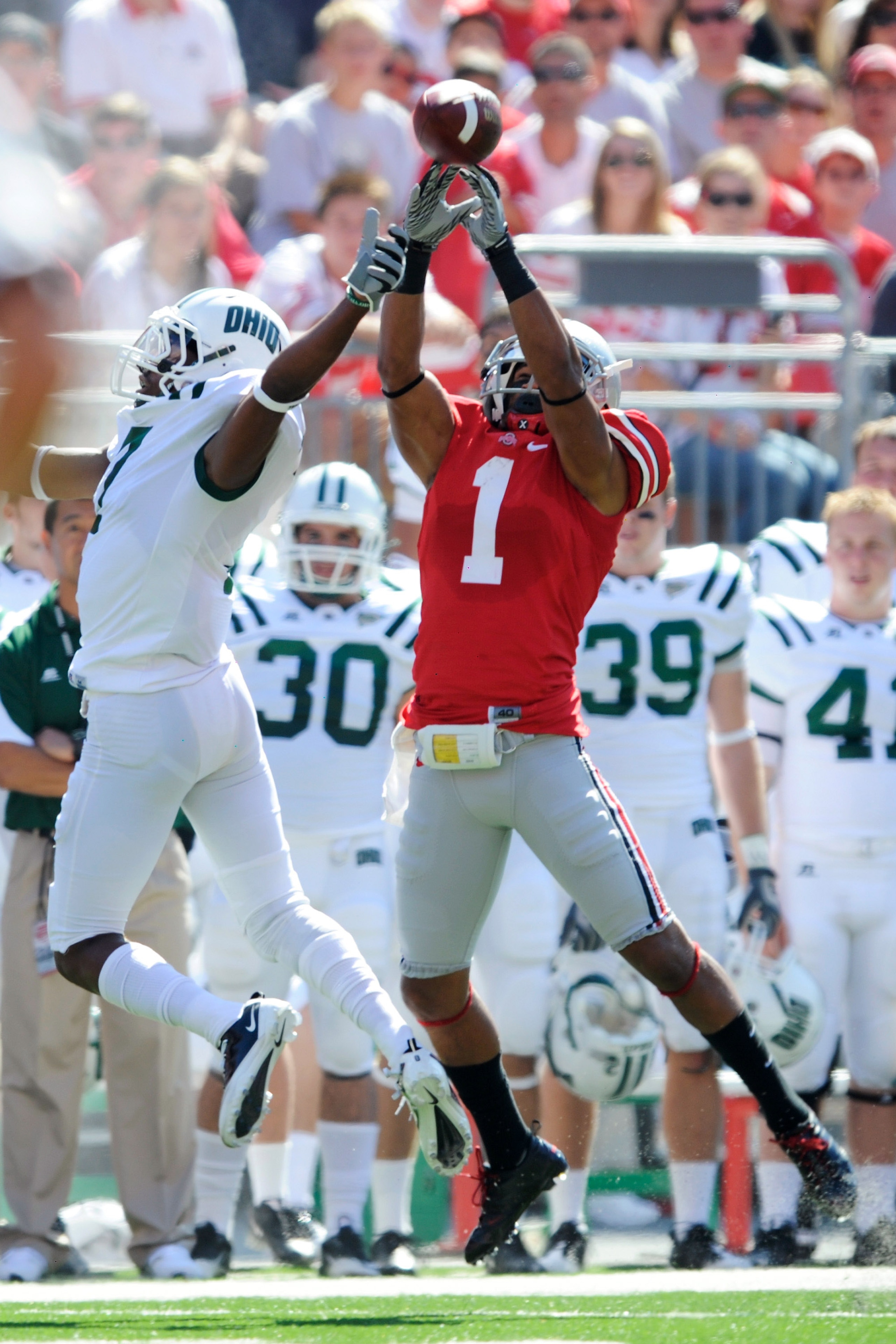
Why Corner?
The Steelers' biggest team needs are at corner and along the offensive line. That means that Pittsburgh should spend multiple picks at these positions, especially if they can get a good athlete later in the draft. Both positions have deep draft classes, so there should be plenty of players to choose from.
Pittsburgh may nab a corner high, but would be wise to fill out the depth chart with an extra player or two. Both Ike Taylor and William Gay are free agents and Bryant McFadden was ineffective for large chunks of 2010. Former draft pick Keenan Lewis has done nothing in his time here and Crezdon Butler didn't get into a game as a rookie. That leaves a ton of uncertainty at a key position.
A late pick wouldn't necessarily be asked to start, but could compete with Butler and Lewis for a roster spot and help up the competition level overall.
Why Devon Torrence?
Torrence played wide receiver until his sophomore year at Ohio State and has transitioned very smoothly to a new position. Given his experience on the other side of the ball, he should understand offensive strategy and thinking, something that could make him very game-smart on defense.
He is an excellent zone corner, something the Steelers sorely lack. He is excellent at making plays on the ball and combines good hands (thanks to his receiving days) with a fearless approach to contact and tackling. He's good at adjusting to routes and isn't easy to fake with a double move.
He needs more developmental time, but could be a great project for new secondary coach Carnell Lake.
7th Round (A): Alex Henery, PK (Nebraska)
5 of 6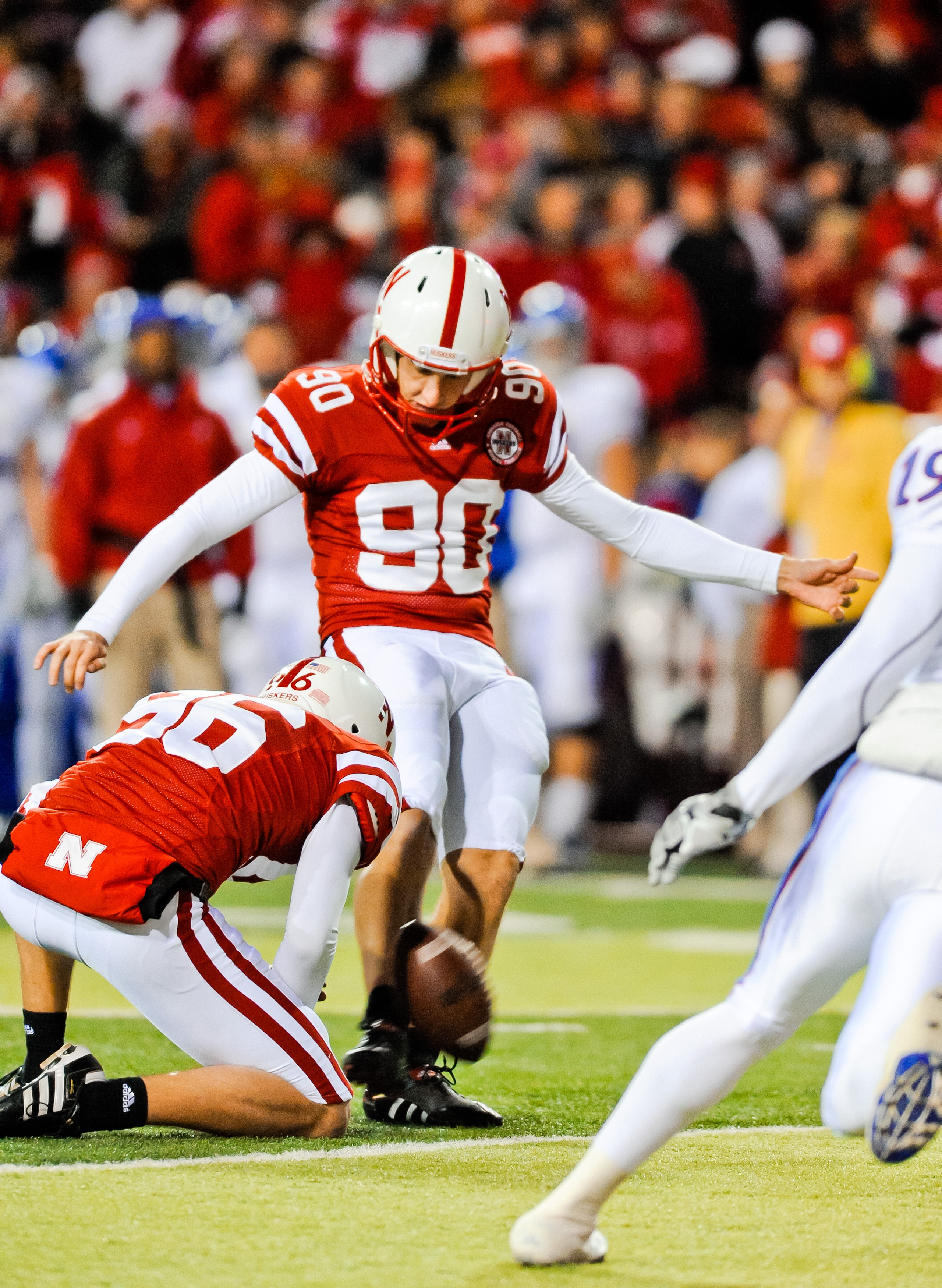
Why Kicker?
No team can score every time that they touch the ball on offense. For those times when they can't, they need a kicker that can make a difference when they get close.
Pittsburgh has a history of kicker problems that was solved for a long time by Jeff Reed. Reed, however, became a problem this year both on and off the field and was cut at mid-season. His replacement, Shaun Suisham, was steady for half the season and was also good in the postseason, but is likely to look for a pay raise now that he's proven himself.
The Steelers need a strong-legged, accurate kicker who can cope with the various problems associated with kicking at Heinz Field.
Why Alex Henery?
First off, Henery is the top kicker in this draft, so he's a no-brainer if he's available late. I wouldn't recommend spending a higher pick on a kicker since it is not a premium position, but if they have a chance to take him in the last round, they shouldn't hesitate.
Henery is a very accurate, very strong kicker who can also punt if needed. He figures to be successful at the professional level and his strength and accuracy could alleviate some of the problems with field position that Pittsburgh experienced during Reed's and Suisham's tenures.
Finding a kicker for Heinz Field is not going to be easy, but Henery represents a possible solution.
7th Round (B): Greg McElroy, QB (Alabama)
6 of 6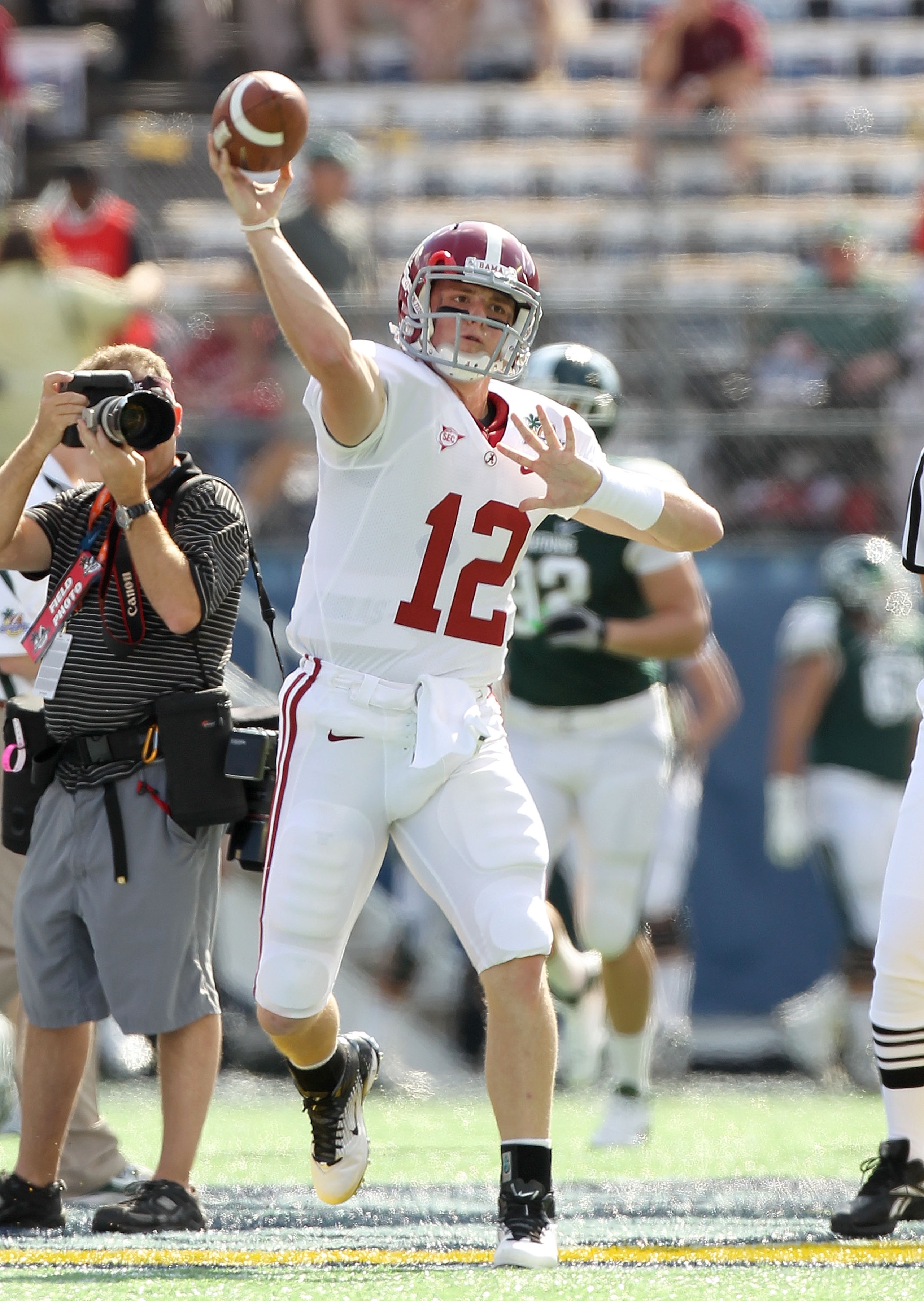
Why Quarterback?
The Steelers have Ben Roethlisberger right? Why do they need a backup? Well, in case you're curious, Roethlisberger has only played all 16 games in a season once in six full years as a starter (I'm not counting his rookie year).
His backups are quite underwhelming. Byron Leftwich is serviceable in short stints, but isn't a long-term answer if Ben goes down. Charlie Batch is great and is a future coach in the making, but he's also on the wrong side of 30 and no longer is a long-term starting option.
Dennis Dixon is in the mix if he's re-signed, but he doesn't quite seem to fit the scheme. Pittsburgh may be better off with someone new.
Why Greg McElroy?
McElroy projects as an excellent backup in the NFL at this point, although he has the skill set to potentially develop into a starter (Tom Brady was considered in the same light in 2000 and he's a future Hall of Fame player now).
He's a good game manager and has good size and strength for the NFL. He's accurate and smart. The red flag with him is his completion percentage (60.9 percent). He's also not particularly skilled with deep passes.
The Steelers could draft him late and groom him behind Ben Roethlisberger as his long-term backup. With Ben's injury history and propensity for taking a lot of sacks and hits, having a good, solid backup is essential to the team's long-term success.
.jpg?w=2560 "Nolan Wells Lawsuit")
.jpg?w=2560 "Bills Browns Camp Football")
.jpg?w=2560 "Report: Seahawks Not Signing Mixon 😯")