
MLB Power Rankings: Each Team's Greatest Rookie Season of All Time
Every year since 1949, the most standout first-year player from each league has been awarded the Rookie of the Year Award. More often than not, receiving this award is a result of a young player tearing onto the major league scene as if he had already been playing there for years.
Some teams have had many players bring home the honor, and some have yet to earn one. However, whether he received recognition or not, every team has had at least one player with an amazing rookie campaign.
That is what I will be examining today; the players who had the best rookie seasons for each of the current MLB clubs.
Arizona Diamondbacks: Brandon Webb
1 of 30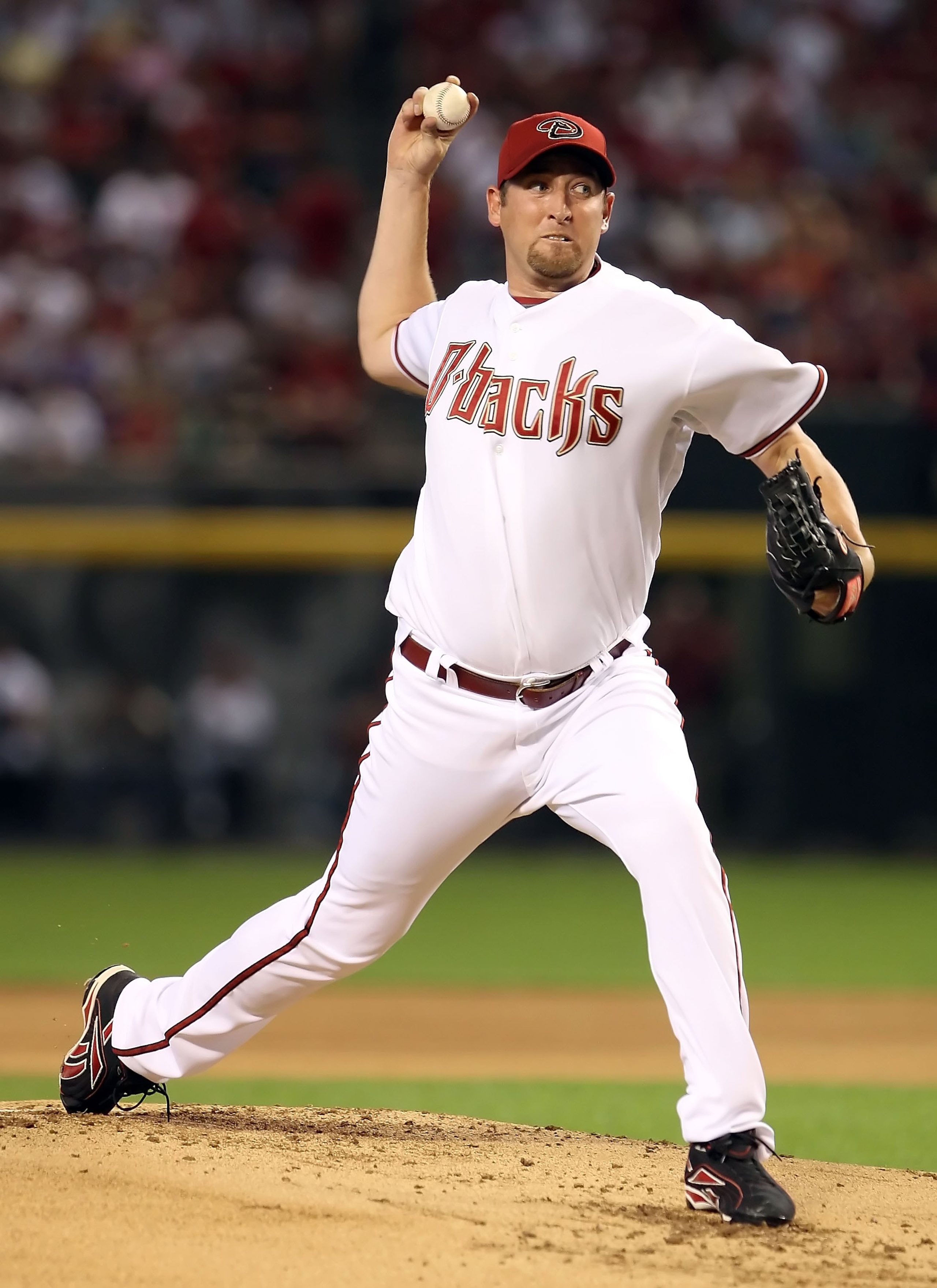
Rookie Season: 2003
Stats: 10-9, 2.84 ERA, 172 K, 180.2 IP
Brandon Webb broke onto the scene for the D-Backs in 2003, and put up some impressive numbers, finishing third in the NL Rookie of the Year balloting. He won the NL Cy Young Award in 2006, but Webb's once promising career has since derailed due to injuries.
He was definitely deserving of the award in 2003, but another player on this list was better, as you will see later on...
Atlanta Braves: Wally Berger
2 of 30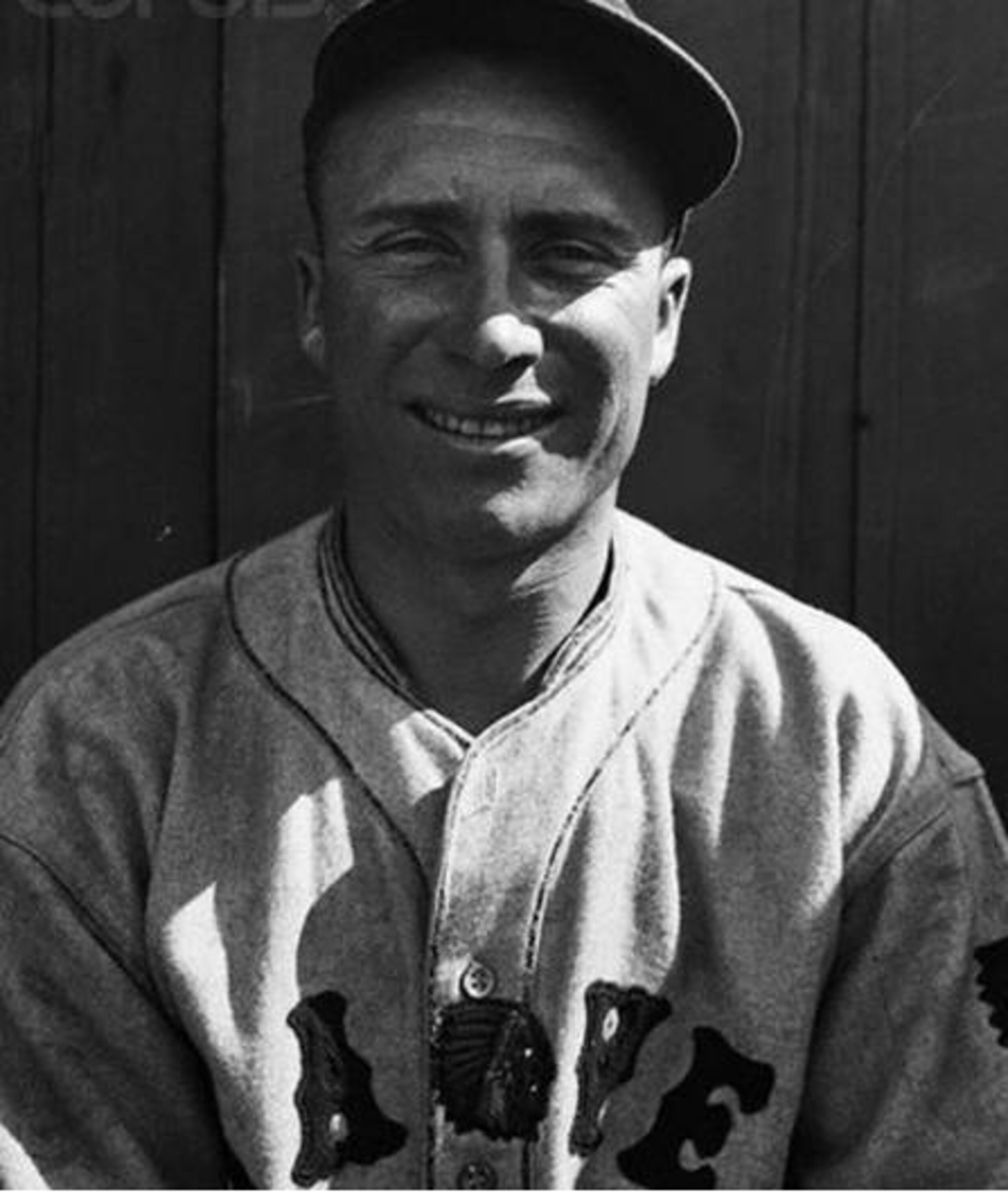
Rookie Season: 1930
Stats: .310 BA, 38 HR, 119 RBI
Wally Berger had one of the best rookie seasons of all time for the then-Boston Braves. His 38 home runs are still tied for the NL rookie record, and his 119 RBI stood as an NL rookie record until the 21st century, when another player on this list eclipsed it.
Baltimore Orioles: Gregg Olson
3 of 30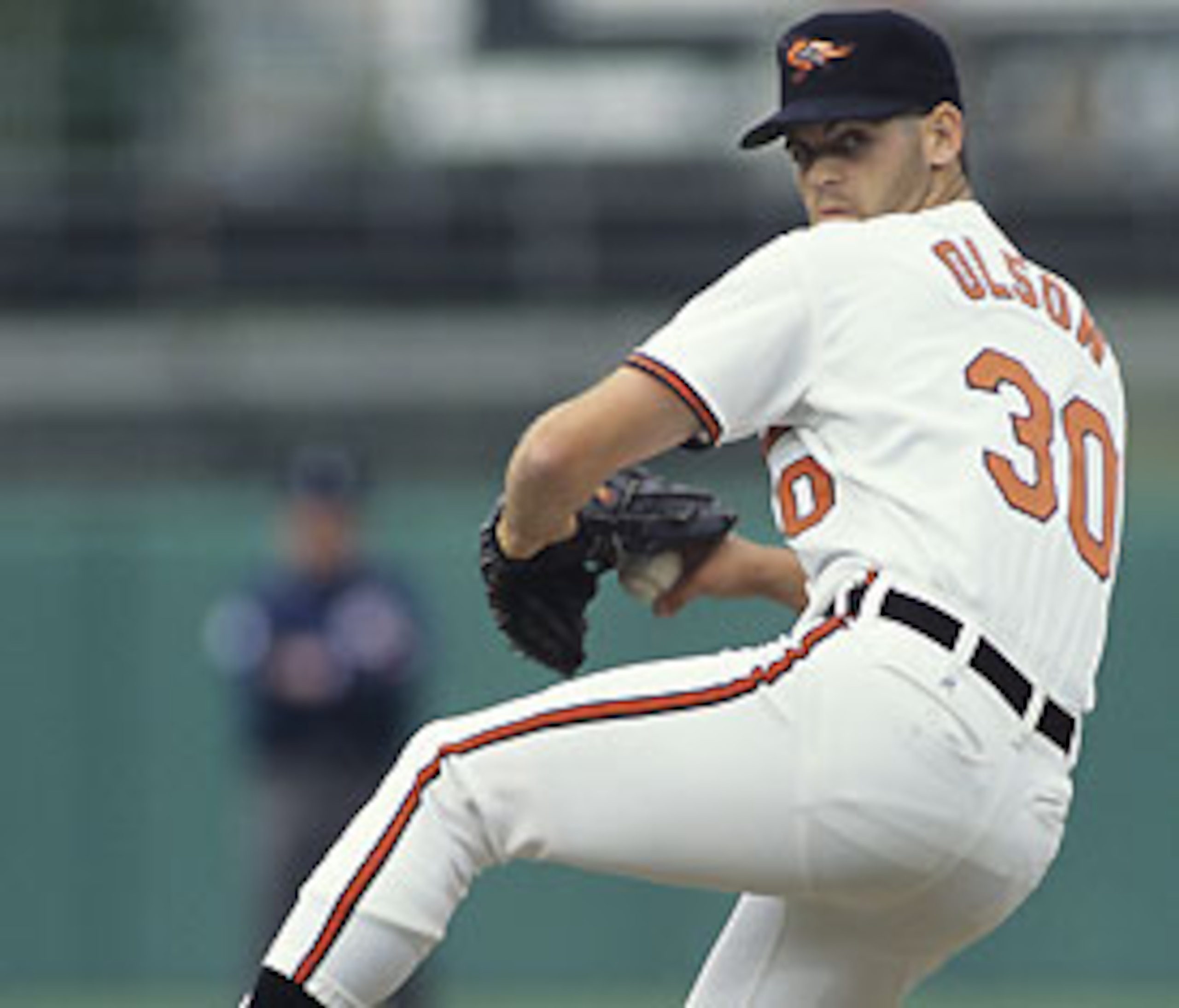
Rookie Season: 1989
Stats: 5-2, 1.69 ERA, 90 K, 85 IP, 27 saves
Gregg Olson enjoyed a Rookie of the Year season with the Orioles in 1989 as their closer. He became the first reliever to win the AL Rookie of the Year Award and set a then-rookie record with 27 saves. Olson also finished sixth in the 1989 Cy Young Award voting.

Boston Red Sox: Fred Lynn
4 of 30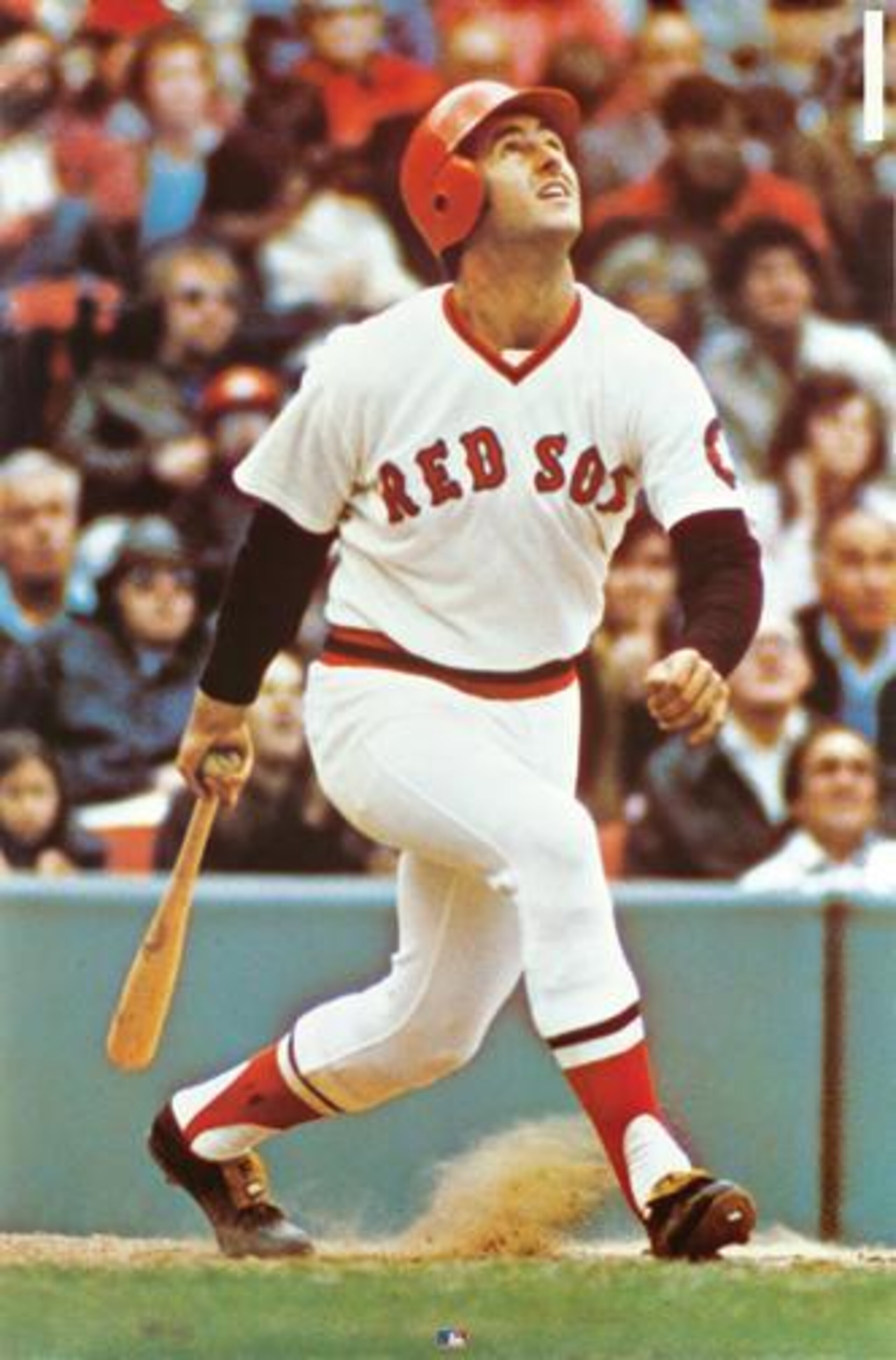
Rookie Season: 1975
Stats: .331 BA, 21 HR, 105 RBI, 47 2B
Fred Lynn is one of only two players in the history of the game to win both the Rookie of the Year Award and the Most Valuable Player Award in the same season. On top of that, Lynn also won a Gold Glove as a center fielder in Fenway Park, proving himself to have had an all-around unbelievable rookie year.
Chicago Cubs: Kerry Wood
5 of 30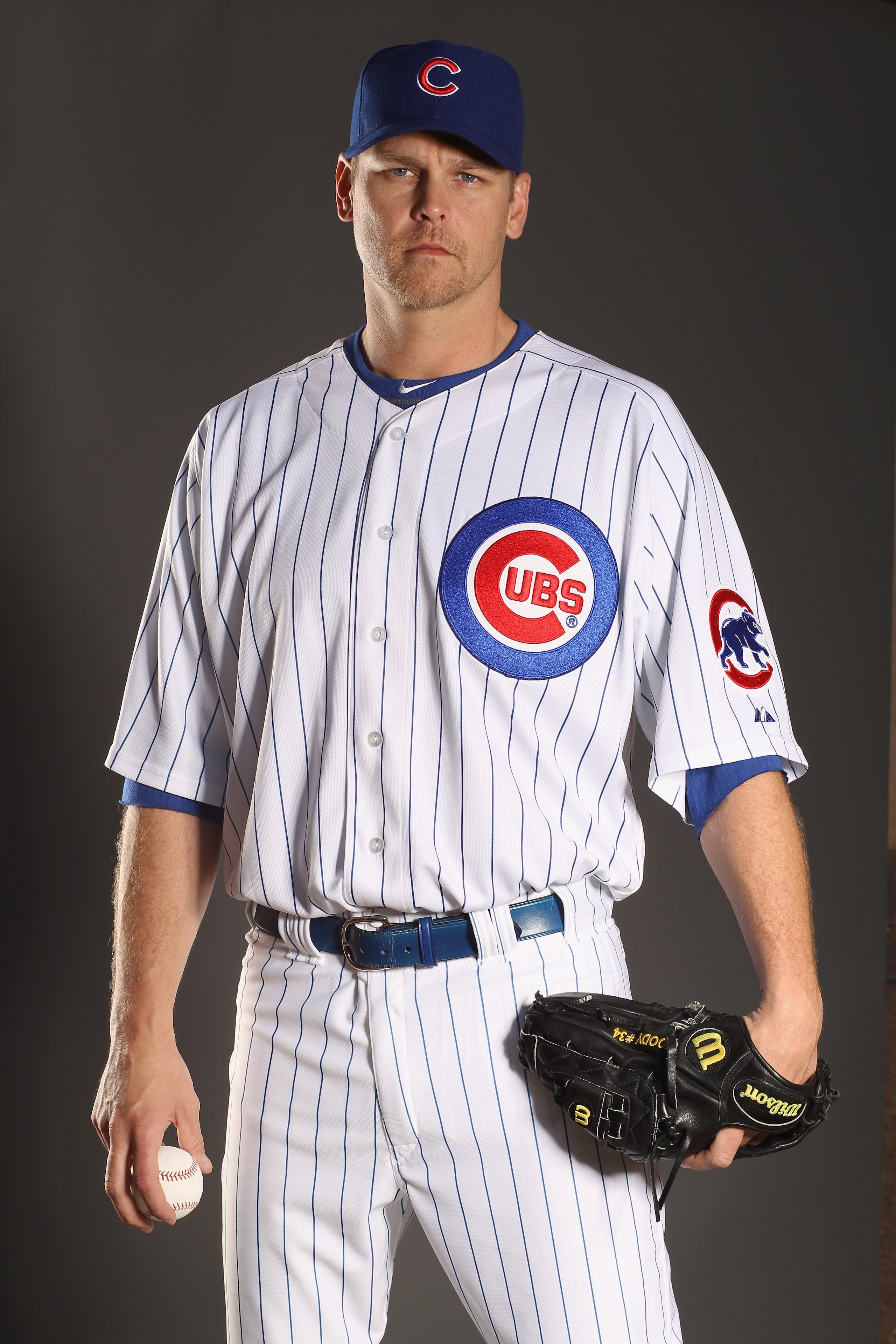
Rookie Season: 1998
Stats: 13-6, 3.40 ERA, 233 K, 166.2 IP
Kerry Wood tore onto the scene with the Cubs in 1998, easily earning himself NL Rookie of the Year honors. In his fifth major league start, Wood set the rookie record and tied the major league record with 20 strikeouts in a nine-inning complete game, one-hit, no-walk shutout.
Wood, who has suffered from injuries throughout his career, has since become a reliever and has rejoined the Cubs for the 2011 season.
Chicago White Sox: Gary Peters
6 of 30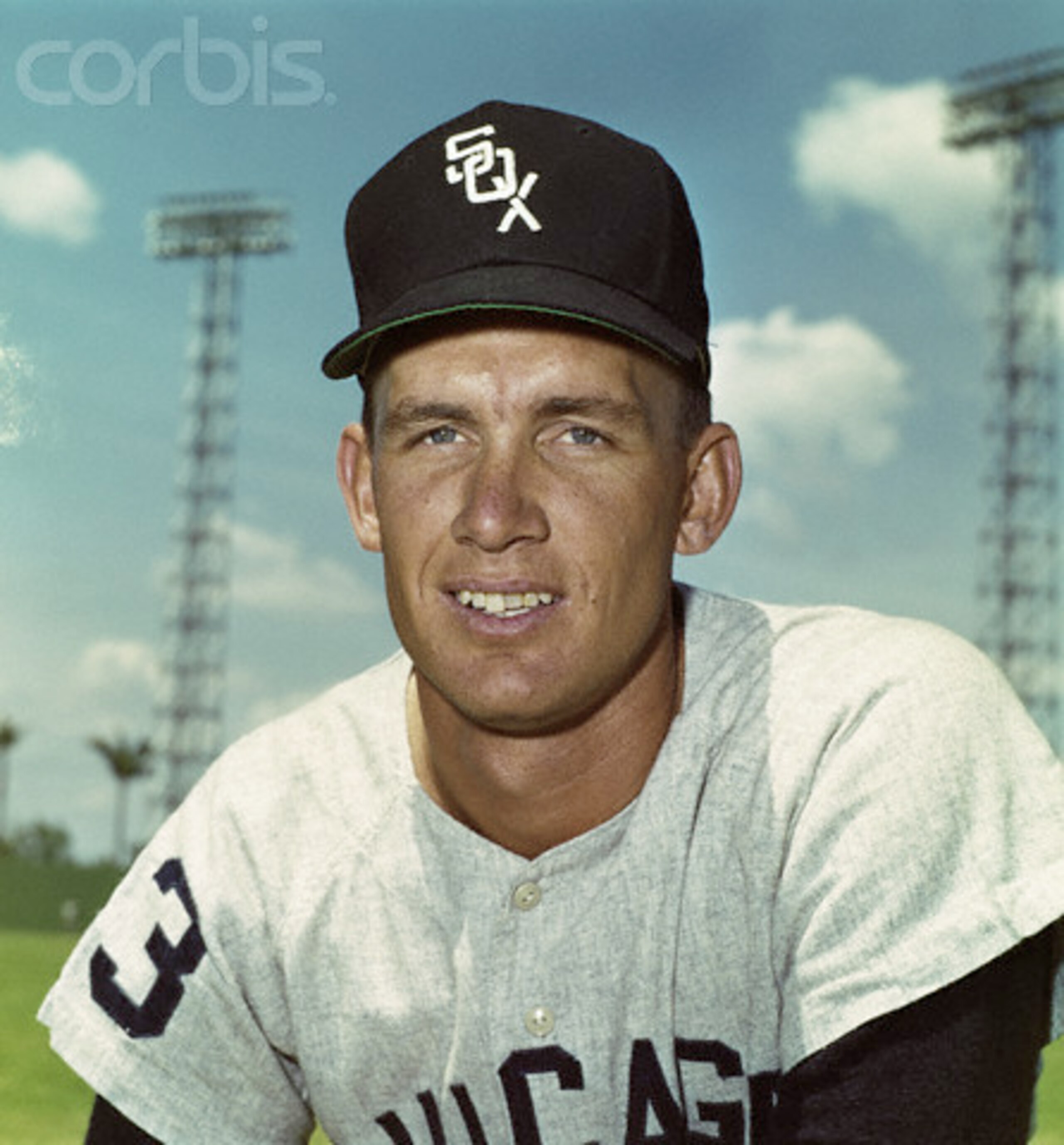
Rookie Season: 1963
Stats: 19-8, 2.33 ERA, 189 K, 243 IP
Gary Peters easily won the 1963 AL Rookie of the Year Award with a league-leading 2.33 ERA and 19 victories. He led the league in ERA twice while with the White Sox, and both times he edged a teammate for the ERA crown.
Cincinnati Reds: Frank Robinson
7 of 30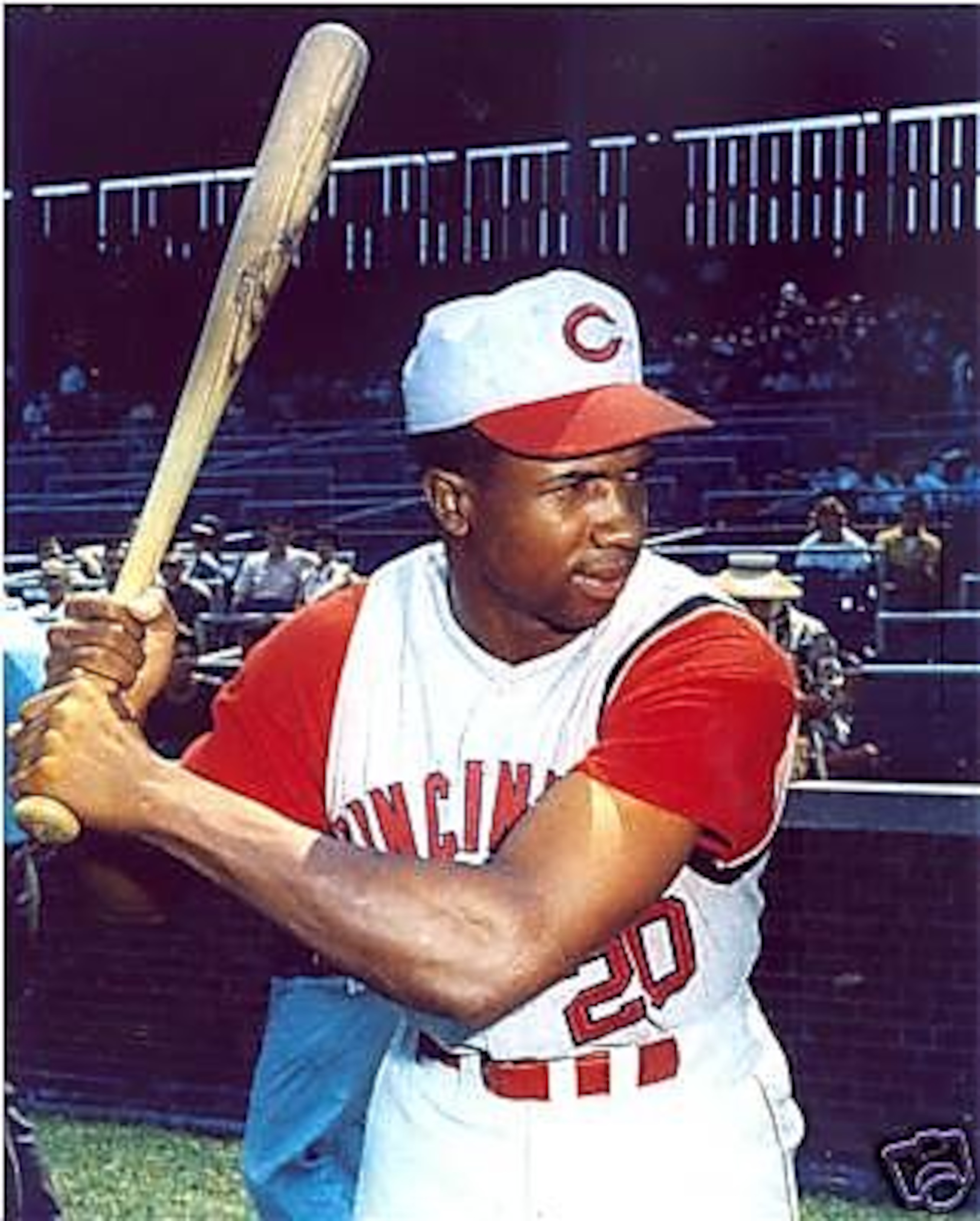
Rookie Season: 1956
Stats: .290 BA, 38 HR, 83 RBI
Frank Robinson won the NL Rookie of the Year Award for the Reds in 1956 with a season that placed him seventh in the voting for NL MVP. He tied the rookie record of 38 home runs in that season, a record that has since been broken.
He is also the only player to ever win the MVP in both leagues, securing the trophy in 1961 with the Reds and in 1966 with the Orioles.
Cleveland Indians: Herb Score
8 of 30
Rookie Season: 1955
Stats: 16-10, 2.85 ERA, 245 K, 227.1 IP
Herb Score joined the Indians rotation in 1955 and immediately became one of the most dangerous power lefties in the game on a pitching staff that already included Bob Feller and Bob Lemon. He led the league in strikeouts and was named AL Rookie of the Year for the 1955 season.
However, Score's career did not end as well as it began, as he was never the same after the May 7, 1957 game against the Yankees in which he was struck in the face with a batted ball. He always argued that it was elbow problems, not this incident, that changed his delivery and hurt his career, but you never know...
Colorado Rockies: Troy Tulowitzki
9 of 30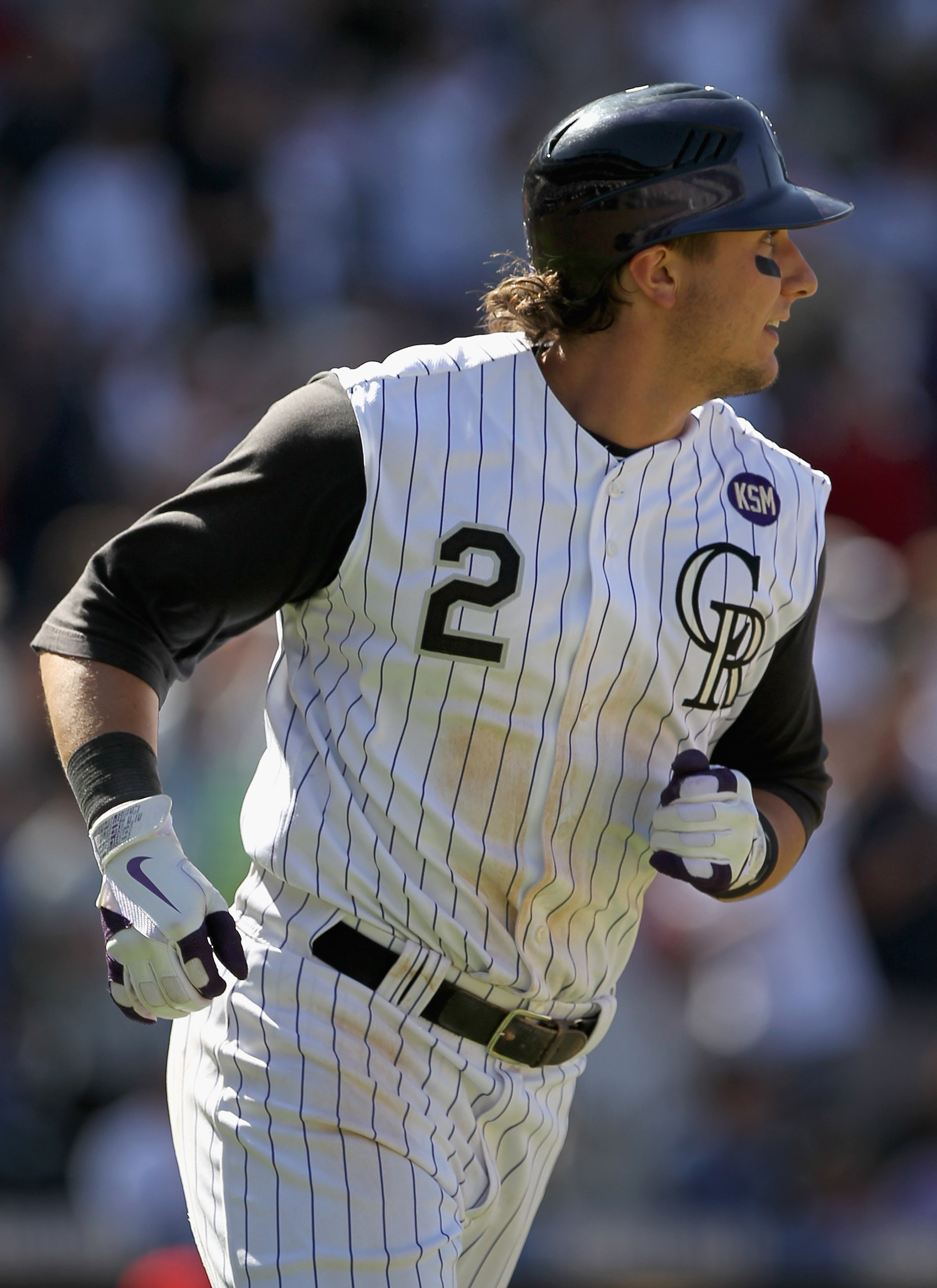
Rookie Season: 2007
Stats: .294 BA, 24 HR, 99 RBI
Troy Tulowitzki became the Rockies' everyday shortstop in 2007, and proceeded to lead his club to its first ever World Series (in which the Rockies were swept by the Red Sox). He finished second in the NL Rookie of the Year Award voting that year to Brewers outfielder Ryan Braun, but without him, the Rockies would not have won the pennant, or even have made the playoffs.
Tulowitzki has since become arguably the best shortstop in the game today.
Detroit Tigers: Mark Fidrych
10 of 30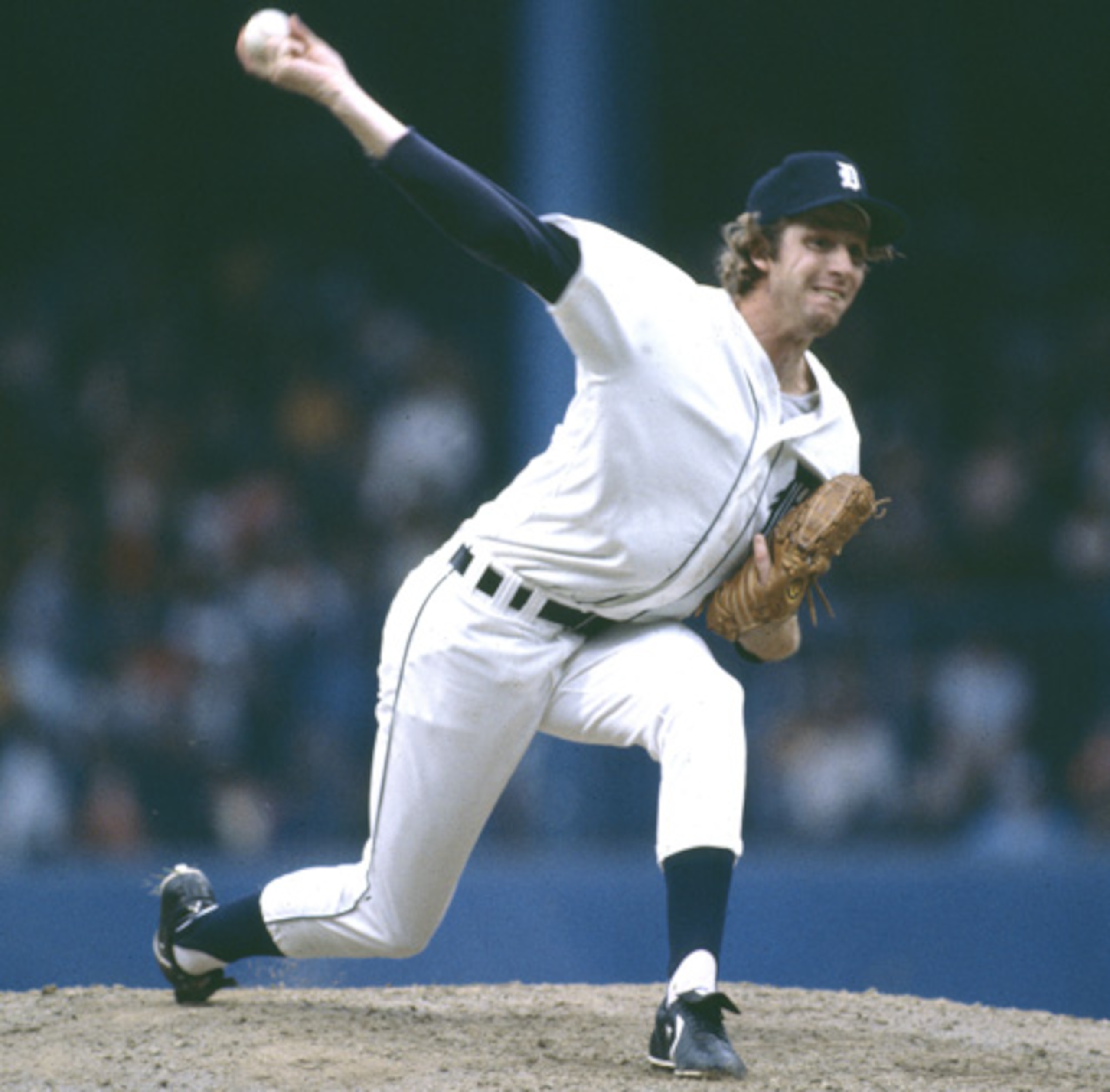
Rookie Season: 1976
Stats: 19-9, 2.34 ERA, 97 K, 250.1 IP
Mark Fidyrch won the AL Rookie of the Year honors for the Tigers in 1976 with a phenomenal season. He led the league in ERA and pitched an unbelievable 24 complete games in that season, earning himself a second-place finish in the AL Cy Young Award balloting.
The rest of Fidyrch's career was marred by injury as he tore cartilage in his knee in the 1977 offseason and then tore his rotator cuff during the season. The torn rotator cuff went undiagnosed until 1985 and caused enough damage to end Fidyrch's major league career by the end of the 1980 season.
Florida Marlins: Dontrelle Willis
11 of 30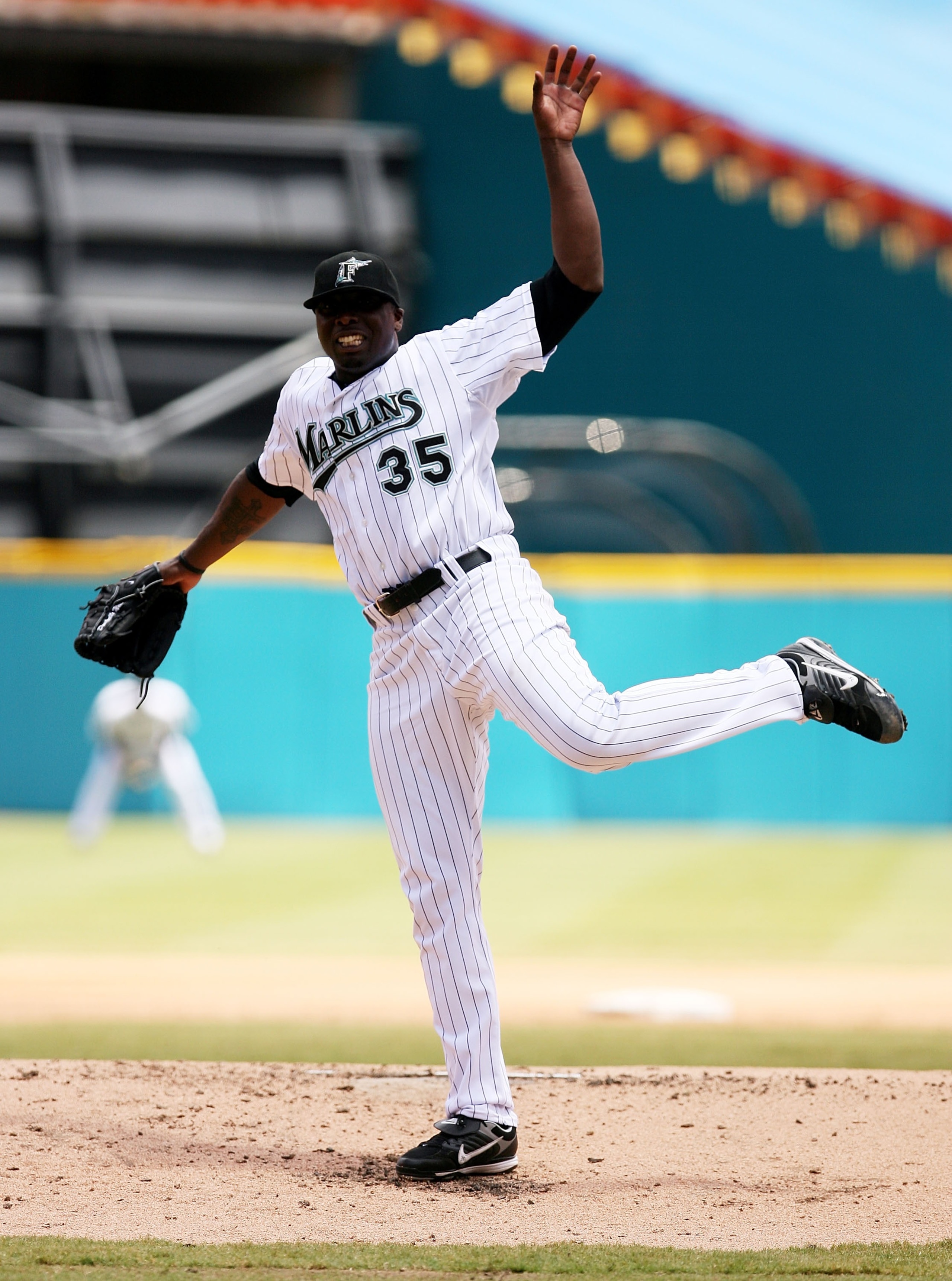
Rookie Season: 2003
Stats: 14-6, 3.30 ERA, 142 K, 160.2 IP
The man known as the "D-Train" certainly started his career off on the right track. He won the 2003 NL Rookie of the Year Award over Arizona's Brandon Webb, despite having a higher ERA and less strikeouts in fewer innings pitched. This was probably due to the fact that Willis was essential in his club's ability to make the playoffs.
Although actual playoff performance is not accounted for before the BBWAA votes for awards, Willis was also essential in his Marlins' successful postseason run that eventually culminated in the franchise's second World Series championship.
Houston Astros: Jeff Bagwell
12 of 30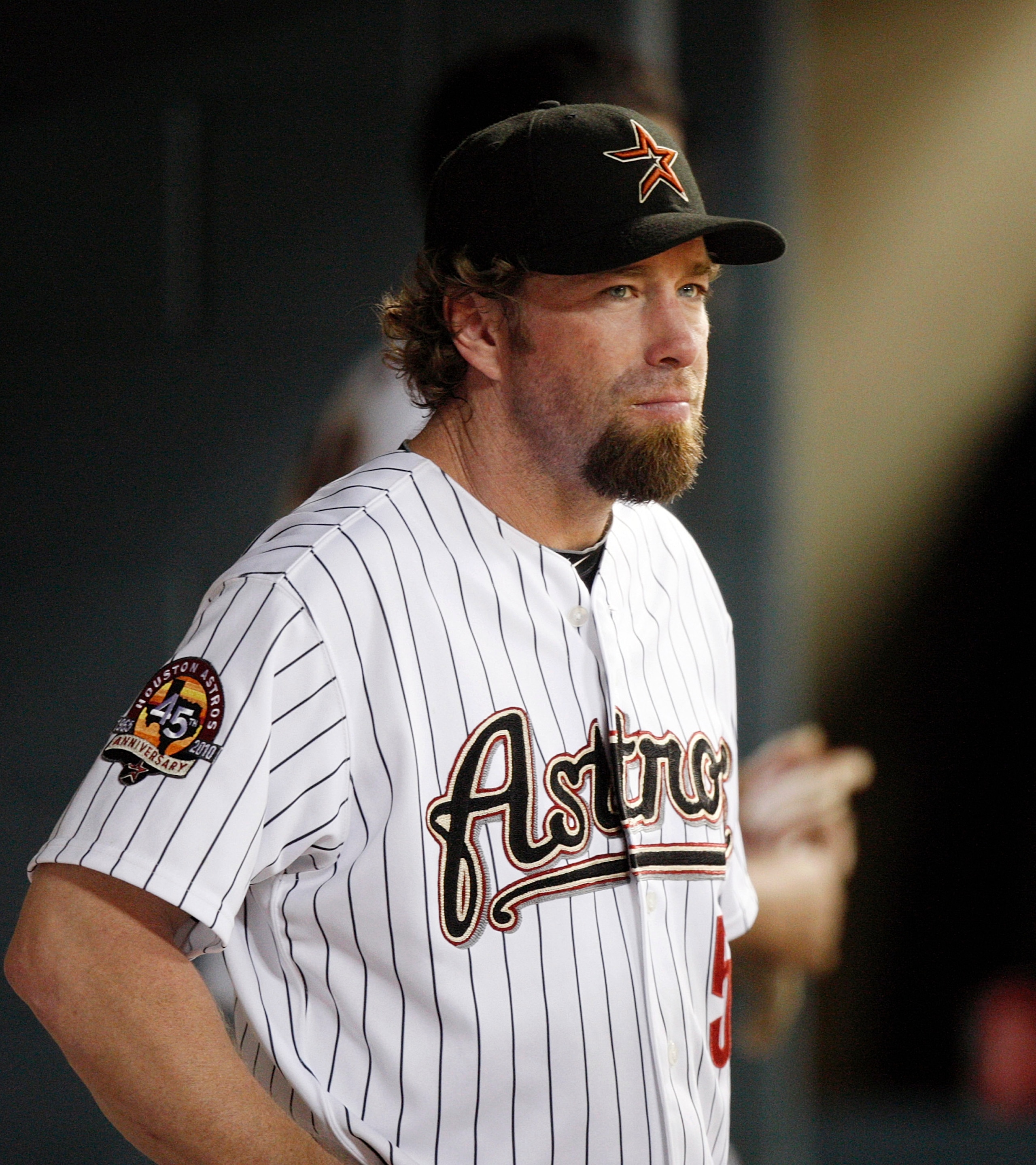
Rookie Season: 1991
Stats: .294 BA, 15 HR, 82 RBI
Jeff Bagwell was part of what is now considered to be one of the most one-sided trades in history. The team that drafted Bagwell, the Red Sox, traded him to the Astros for 36-year-old reliever Larry Anderson, who left after Boston was eliminated in the ALCS.
Bagwell made his debut the next season for the Astros, and was immediately a successful hitter at the big league level, winning the 1991 NL Rookie of the Year Award for his performance. Bagwell is now on the ballot for entry into the National Baseball Hall of Fame and is expected to eventually be inducted.
Kansas City Royals: Carlos Beltran
13 of 30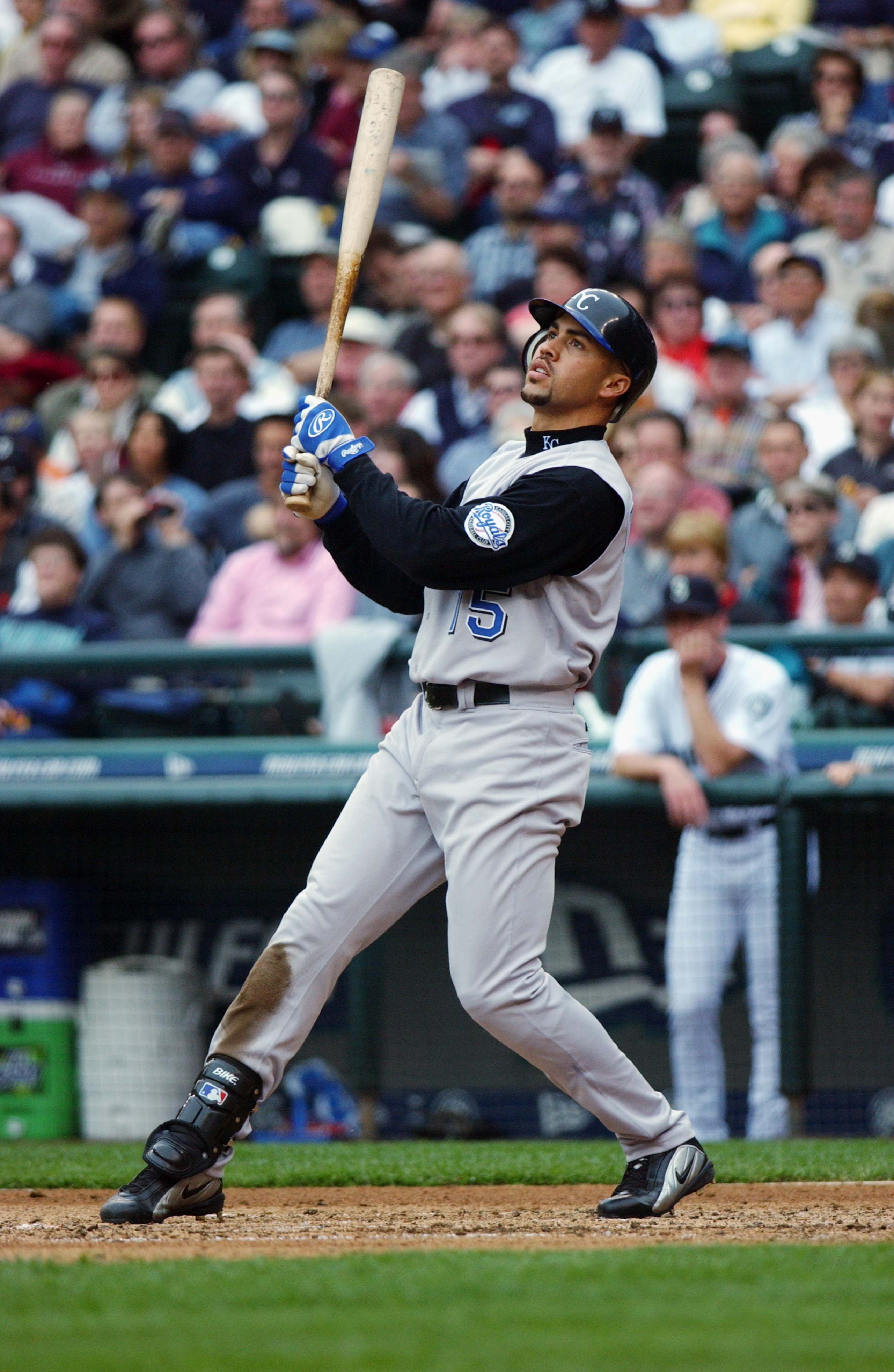
Rookie Season: 1999
Stats: .293 BA, 22 HR, 108 RBI
Carlos Beltran became the Royals' everyday center fielder in 1999, and proceeded to win AL Rookie of the Year honors for his club that season. He has since moved on to New York, where he has had an up-and-down tenure with the Mets that could be approaching its end in the upcoming 2011 season.
Los Angeles Angels of Anaheim: Tim Salmon
14 of 30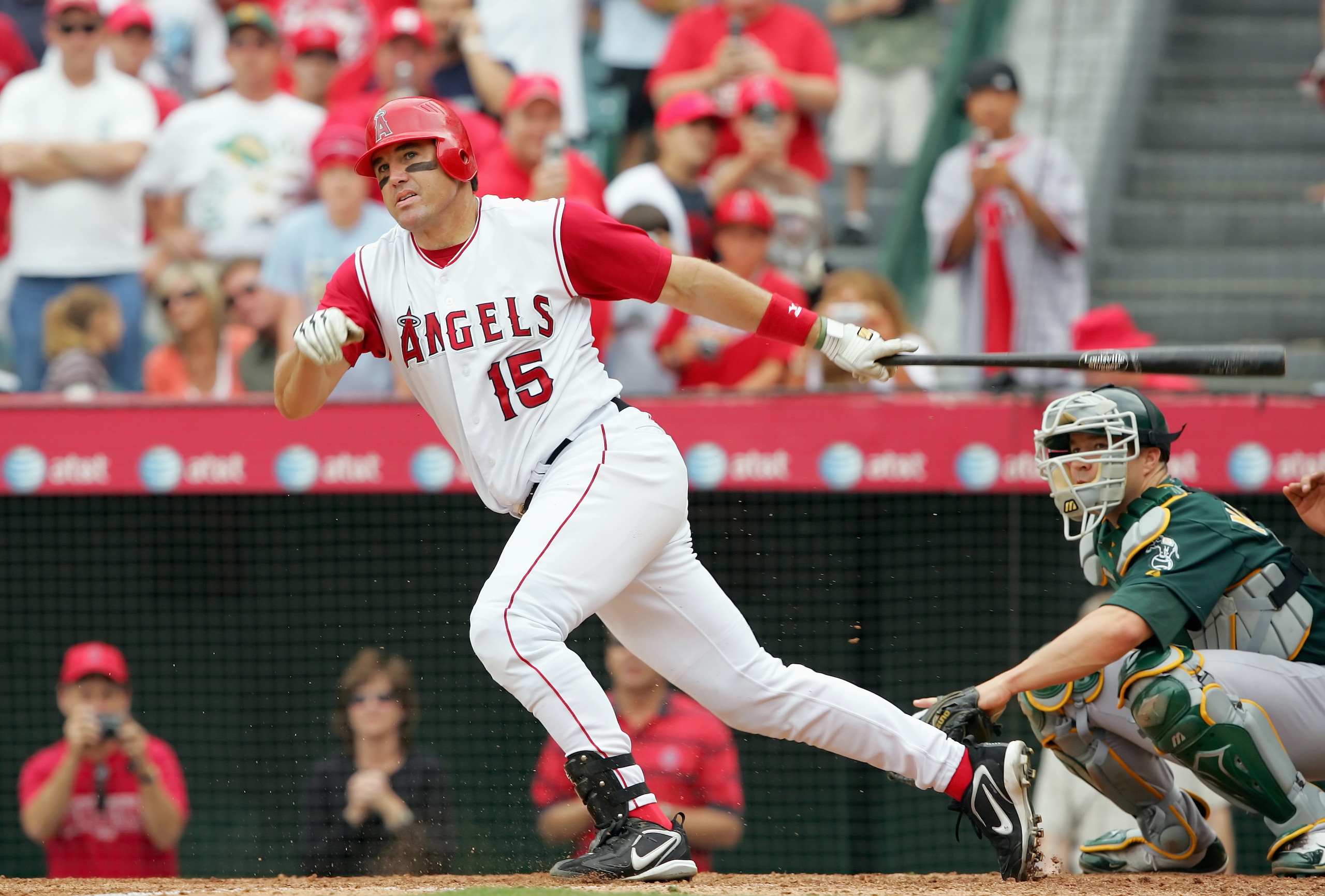
Rookie Season: 1993
Stats: .283 BA, 31 HR, 95 RBI
Tim Salmon became the Angels' everyday right fielder in 1993, and brought home the AL Rookie of the Year honors for his club that year. Injuries eventually caused his career to suffer a premature end, but he will still be remembered by Angels fans as one of the greatest players in franchise history.
Los Angeles Dodgers: Fernando Valenzuela
15 of 30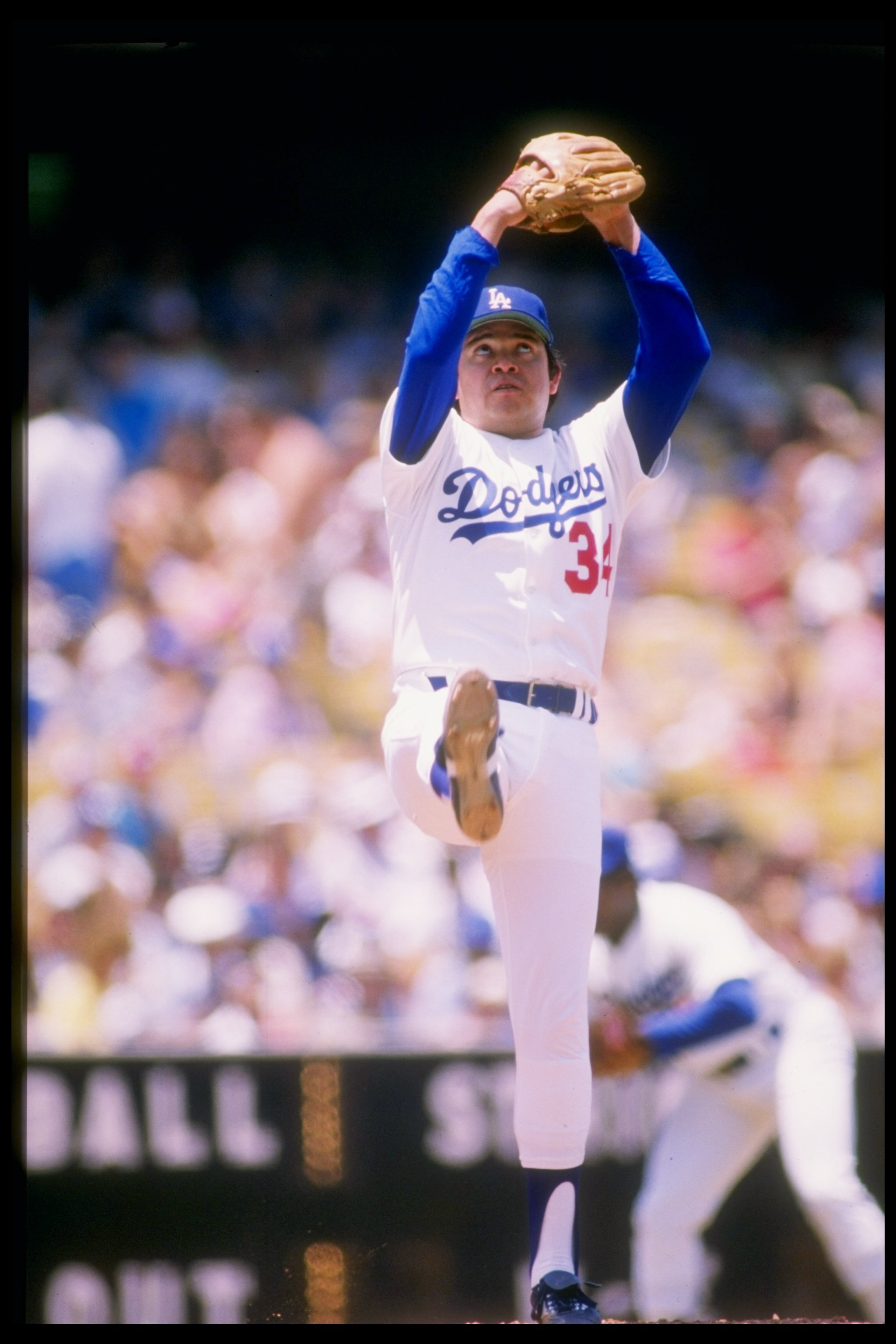
Rookie Season: 1981
Stats: 13-7, 2.48 ERA, 180 K, 192.1 IP (25 starts)
I gave some thought to Jackie Robinson when I reached the Dodgers, since he is who the Rookie of the Year Award is named after—as well as its inaugural winner—but I couldn't bring myself to deny Fernando Valenzuela a spot on the list.
Valenzuela pitched his rookie season in the strike-shortened 1981 season, so keep in mind that these numbers would have had a chance to become even more impressive had he been given a full season to work with.
He is to this day the only pitcher to ever win both the Rookie of the Year and Cy Young Awards in the same season. If that wasn't enough, he won his only start in the 1981 World Series, which his Dodgers would ultimately win.
Milwaukee Brewers: Ryan Braun
16 of 30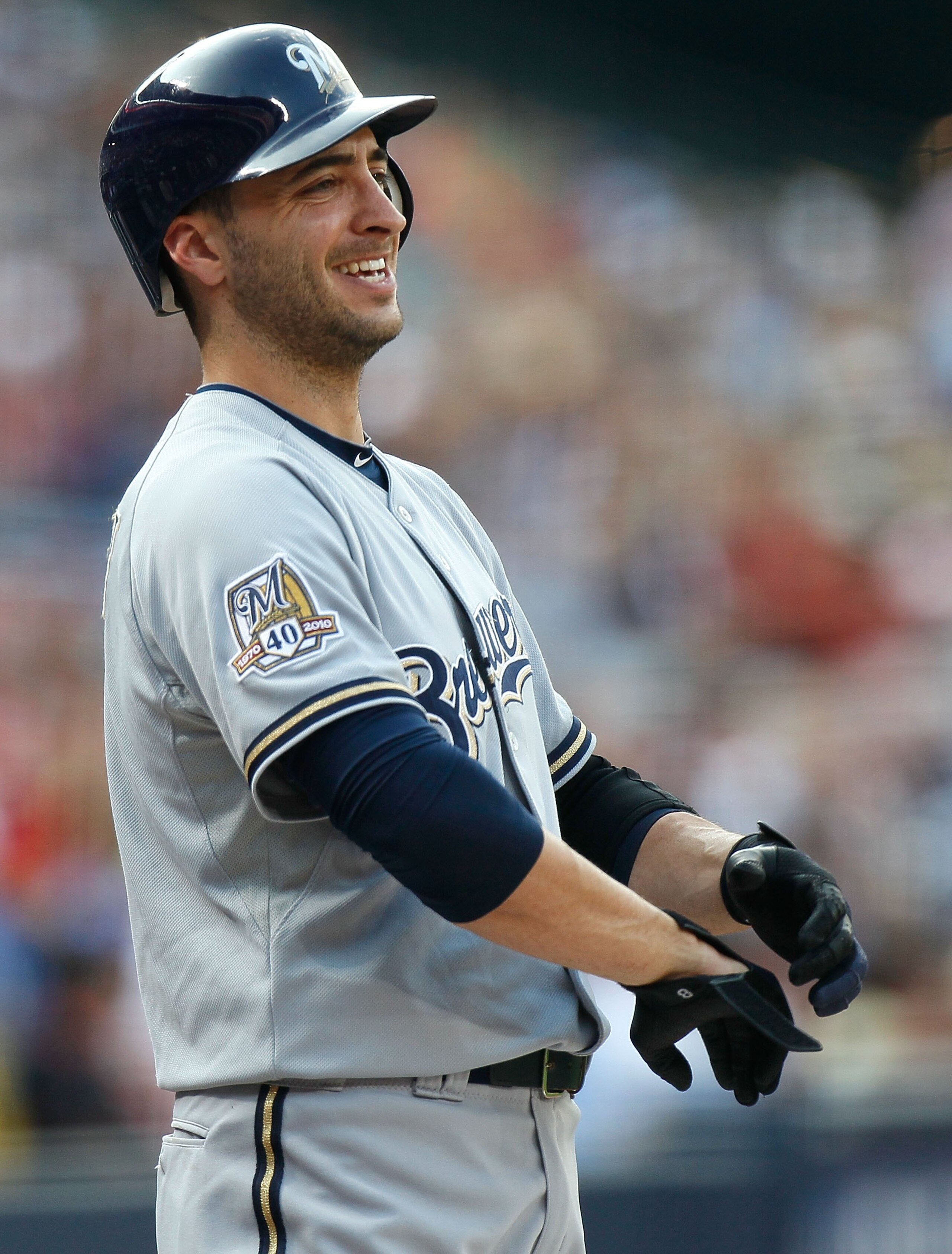
Rookie Season: 2007
Stats: .324 BA, 34 HR, 97 RBI
Ryan Braun burst upon the scene in 2007 for the Brewers, becoming an immediate superstar for a small-market team that had not been having much recent success. In only 113 games, Ryan Braun hit 34 home runs and drove in 97 runs.
Imagine what he could have accomplished with a full 162-game season.
Regardless, Braun walked away with the NL Rookie of the Year Award, and is now regarded as one of the best outfielders in the game.
Minnesota Twins: Tony Oliva
17 of 30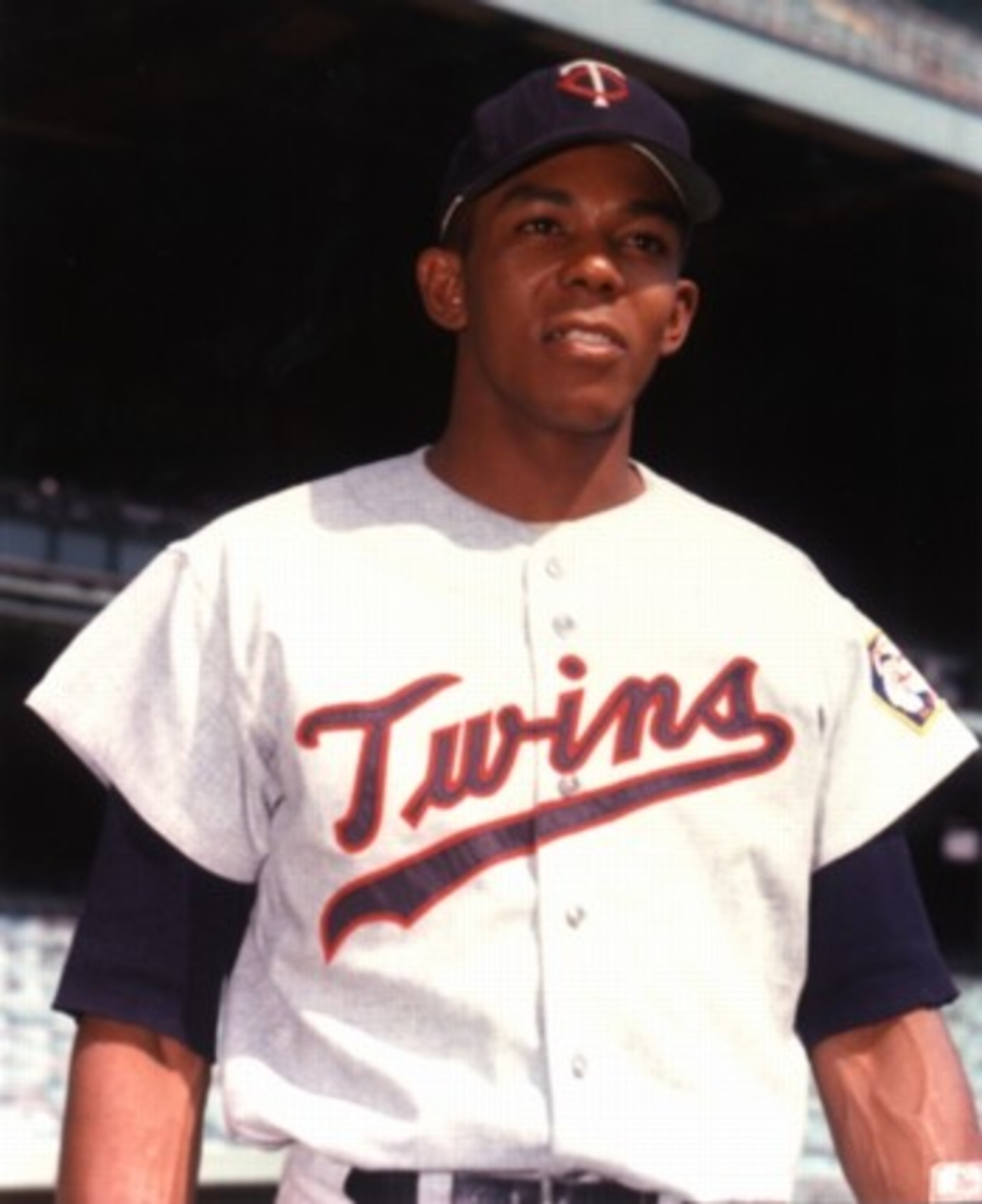
Rookie Season: 1964
Stats: .323 BA, 32 HR, 94 RBI
Tony Oliva easily won the 1964 Rookie of the Year Award with one of the greatest rookie seasons of all time. He led the league in hitting with a .323 batting average, in doubles with 43, in overall hits with 217 and in runs with 109. He was an All-Star and finished fourth in the MVP voting for the 1964 season.
New York Mets: Dwight Gooden
18 of 30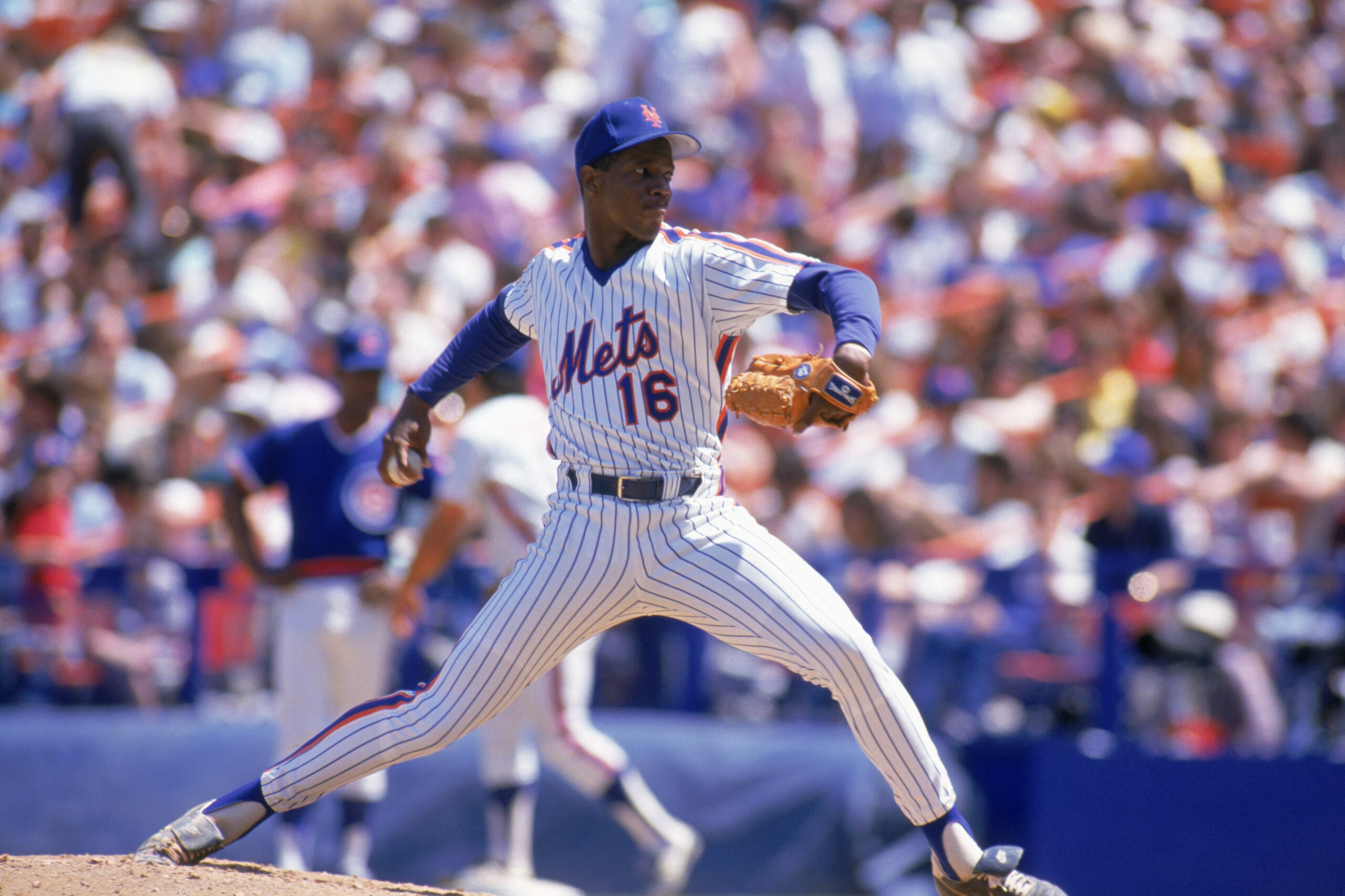
Rookie Season: 1984
Stats: 17-9, 2.60 ERA, 276 K, 218 IP
Dwight "Doc" Gooden joined the Mets rotation in 1984 and immediately began to dominate opposing hitters. Doc set the rookie record with 276 strikeouts, breaking the previous record set by Herb Score. He also set the record for strikeouts in three consecutive starts with 43, and set a then-record for strikeouts per nine innings pitched, with 11.39.
He was voted the 1984 NL Rookie of the Year, giving the Mets two consecutive winners of the award, as Darryl Strawberry had taken home the honors the previous season.
New York Yankees: Joe DiMaggio
19 of 30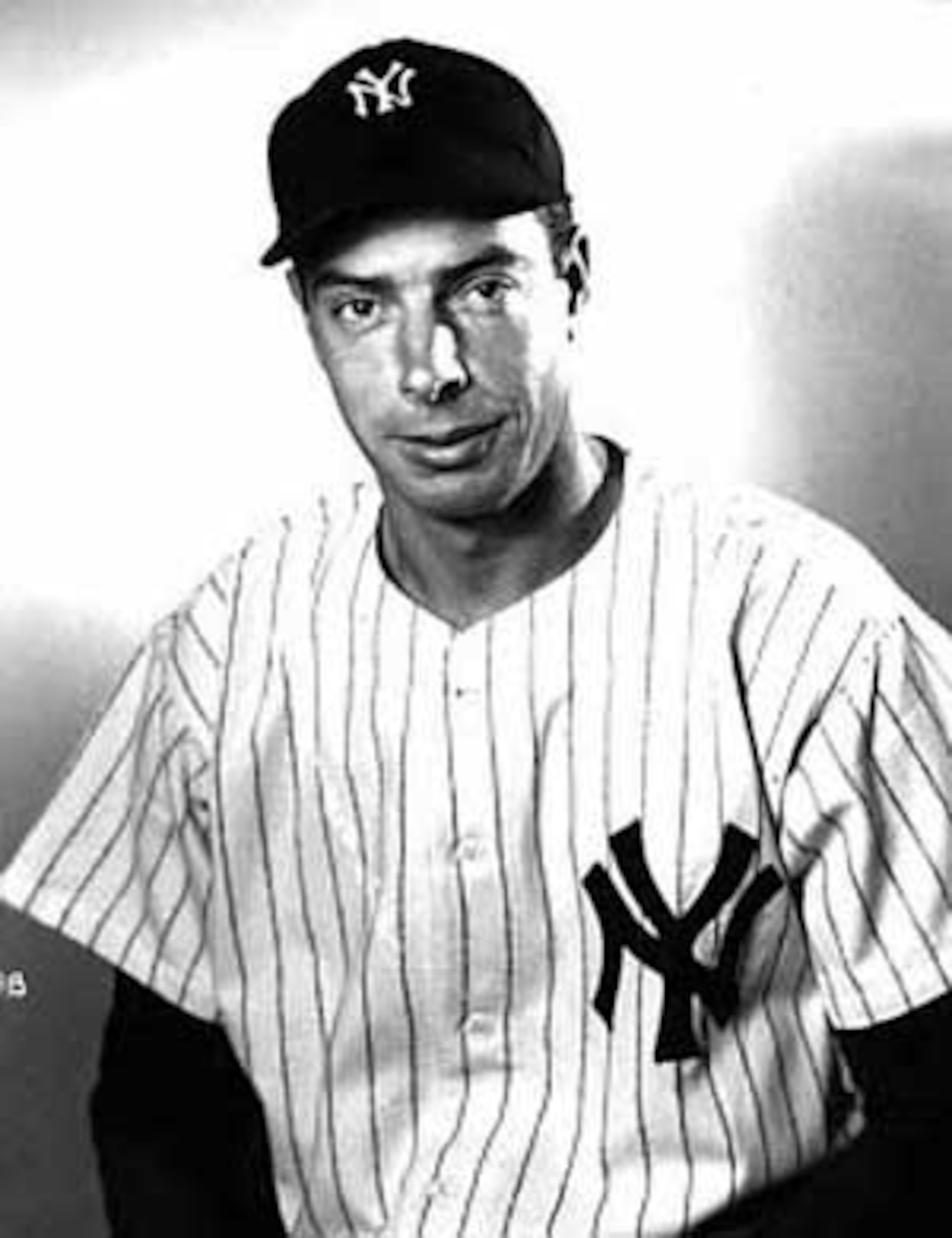
Rookie Season: 1936
Stats: .323 BA, 29 HR, 125 RBI
Joe DiMaggio was one of the greatest Yankees of all time, and if you thought he was always as good as he is remembered to be...you were right.
DiMaggio was given the task of replacing the monstrous production the Yankees had always received from the outfield from the legendary Babe Ruth. No one could replace the Babe, but DiMaggio sure came close.
It's hard to believe when you look at those numbers that the only statistic DiMaggio led the league in was triples, but even so, he was an All-Star and was just beginning what would become a legendary Hall of Fame career.
Oakland Athletics: Mark McGwire
20 of 30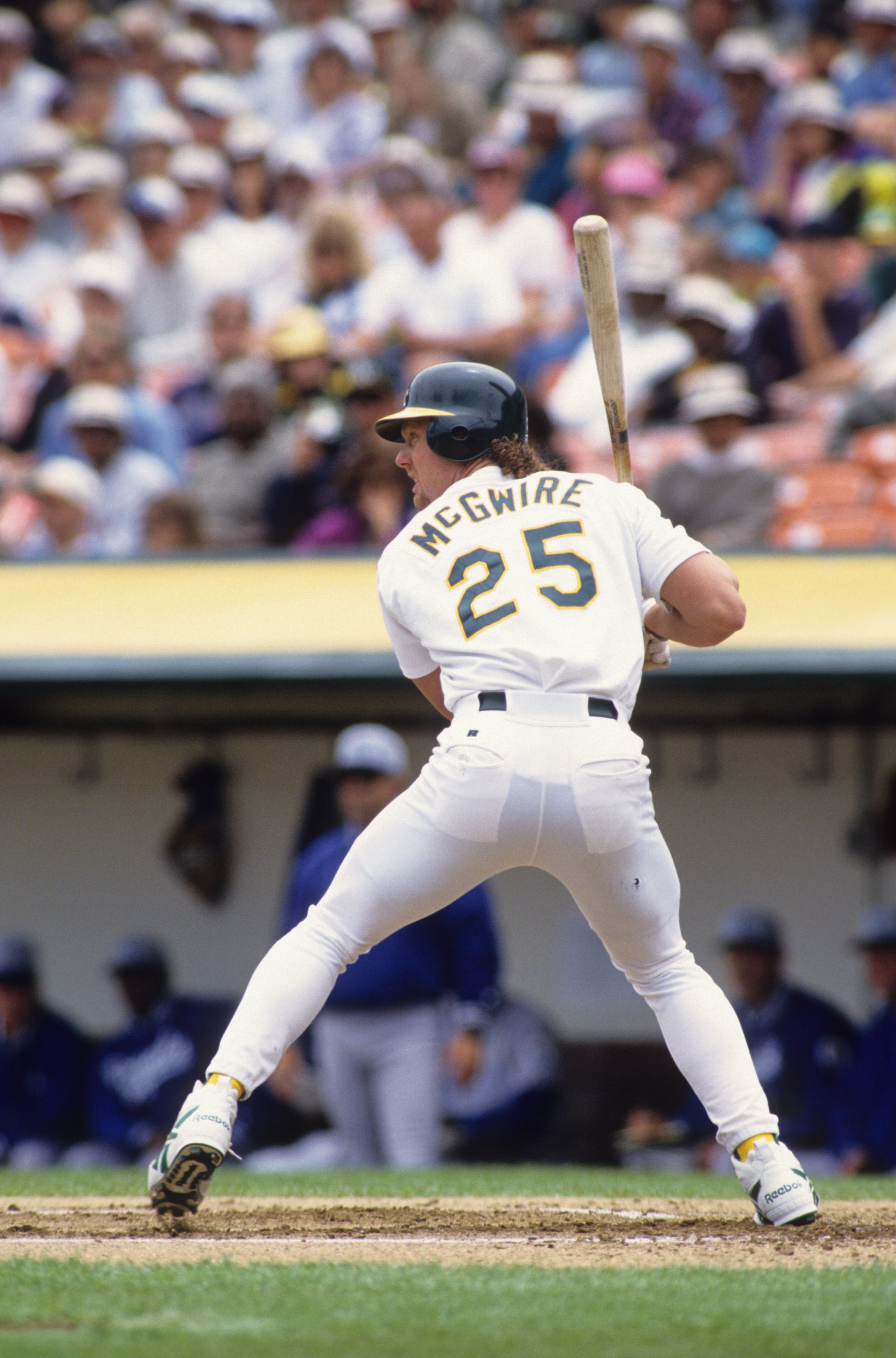
Rookie Season: 1987
Stats: .289 BA, 49 HR, 118 RBI
Mark McGwire had one of the most explosive rookie seasons of all time. His 49 homers obliterated the previous rookie record of 38 held by Frank Robinson and Wally Berger, and in turn made him the unanimous choice for the 1987 AL Rookie of the Year Award.
Those 49 home runs turned out to be no fluke, as McGwire broke the single-season home run record in 1998 when he hit 70, and eventually finished his career with 583 total homers.
Philadelphia Phillies: Grover Cleveland Alexander
21 of 30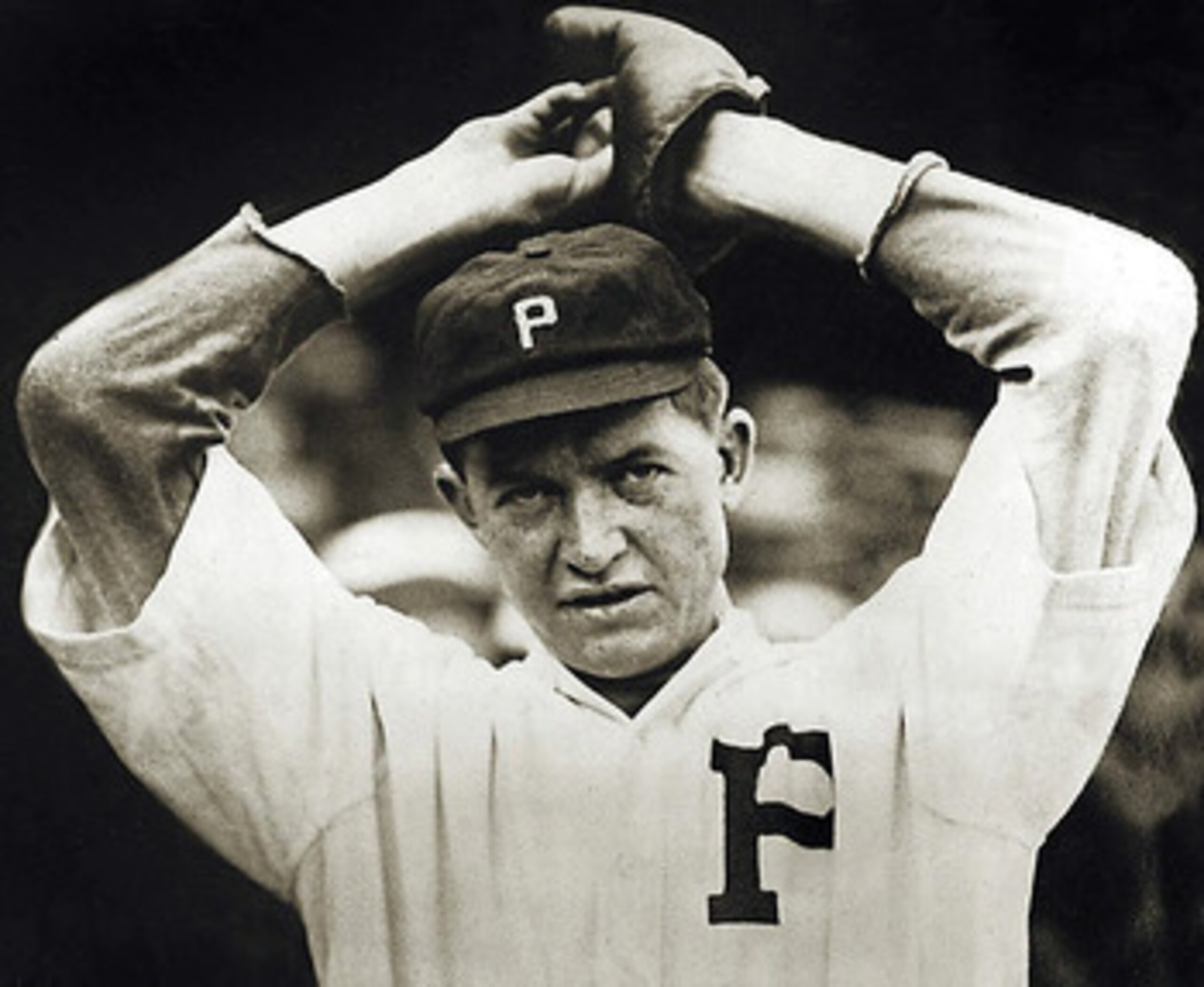
Rookie Season: 1911
Stats: 28-13, 2.57 ERA, 227 K, 367 IP
Grover Cleveland "Pete" Alexander made his major league debut in 1911, making him by far the oldest player on this list. Obviously, it was a different time; one in which starters pitched more games and more innings, therefore raising their win and strikeout totals.
However, it is impossible to ignore one statistic, and that is ERA.
When a pitcher can be consistently good enough to post a 2.57 ERA over 367 innings, the time in which he pitched can be easily overlooked. Alexander was this good, and if a Rookie of the Year Award had existed in his time, he surely would have won it.
Pittsburgh Pirates: Jason Bay
22 of 30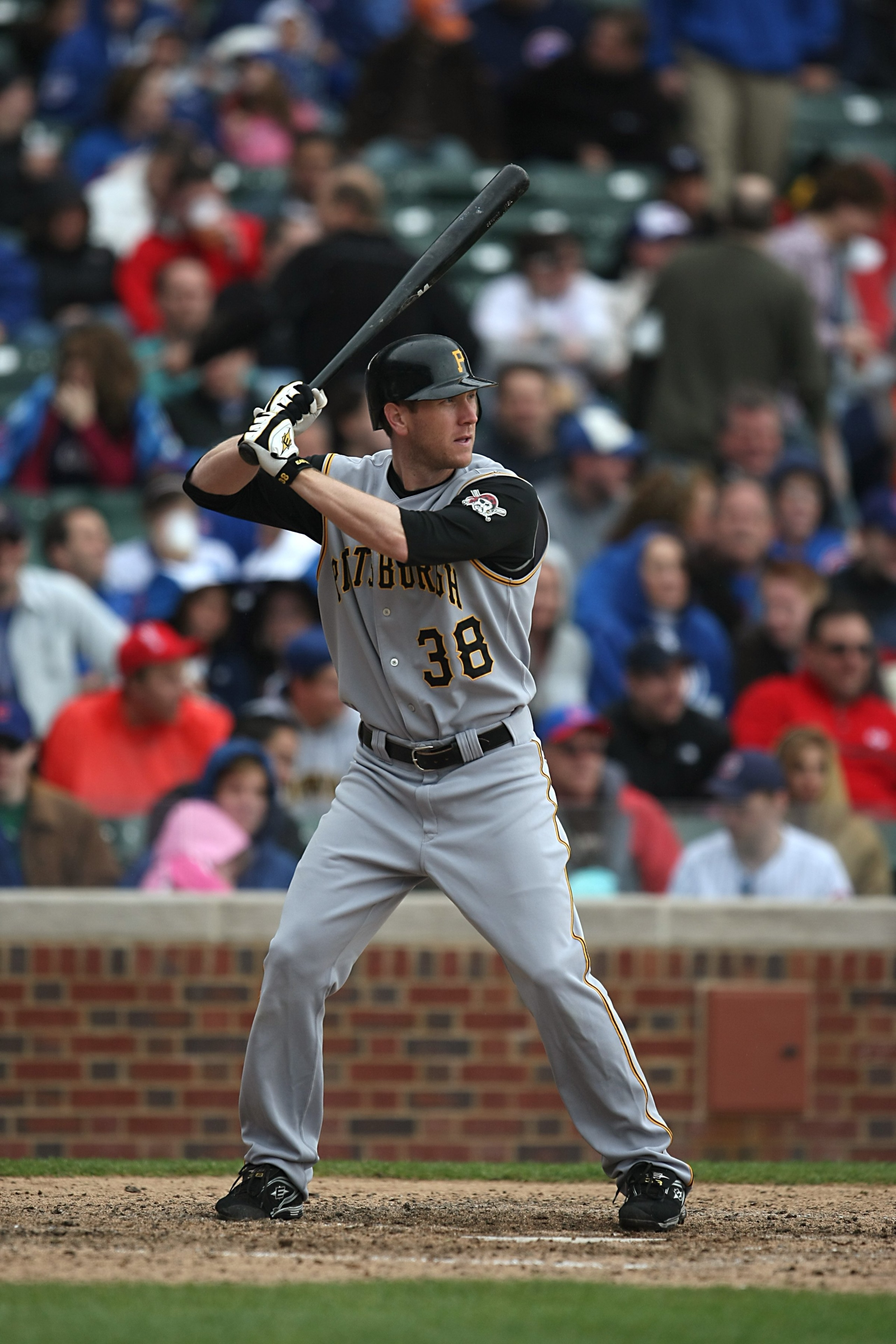
Rookie Season: 2004
Stats: .282 BA, 26 HR, 82 RBI
Jason Bay won the 2004 NL Rookie of the Year Award with the Pirates. He put up great offensive numbers for a last-place team in Pittsburgh in only 120 games, hitting 26 homers and driving in 82 runs.
Now, after enjoying a successful stint with the Red Sox in Fenway Park, Bay has struggled with his new team, the Mets, in their spacious home, Citi Field.
San Diego Padres: Benito Santiago
23 of 30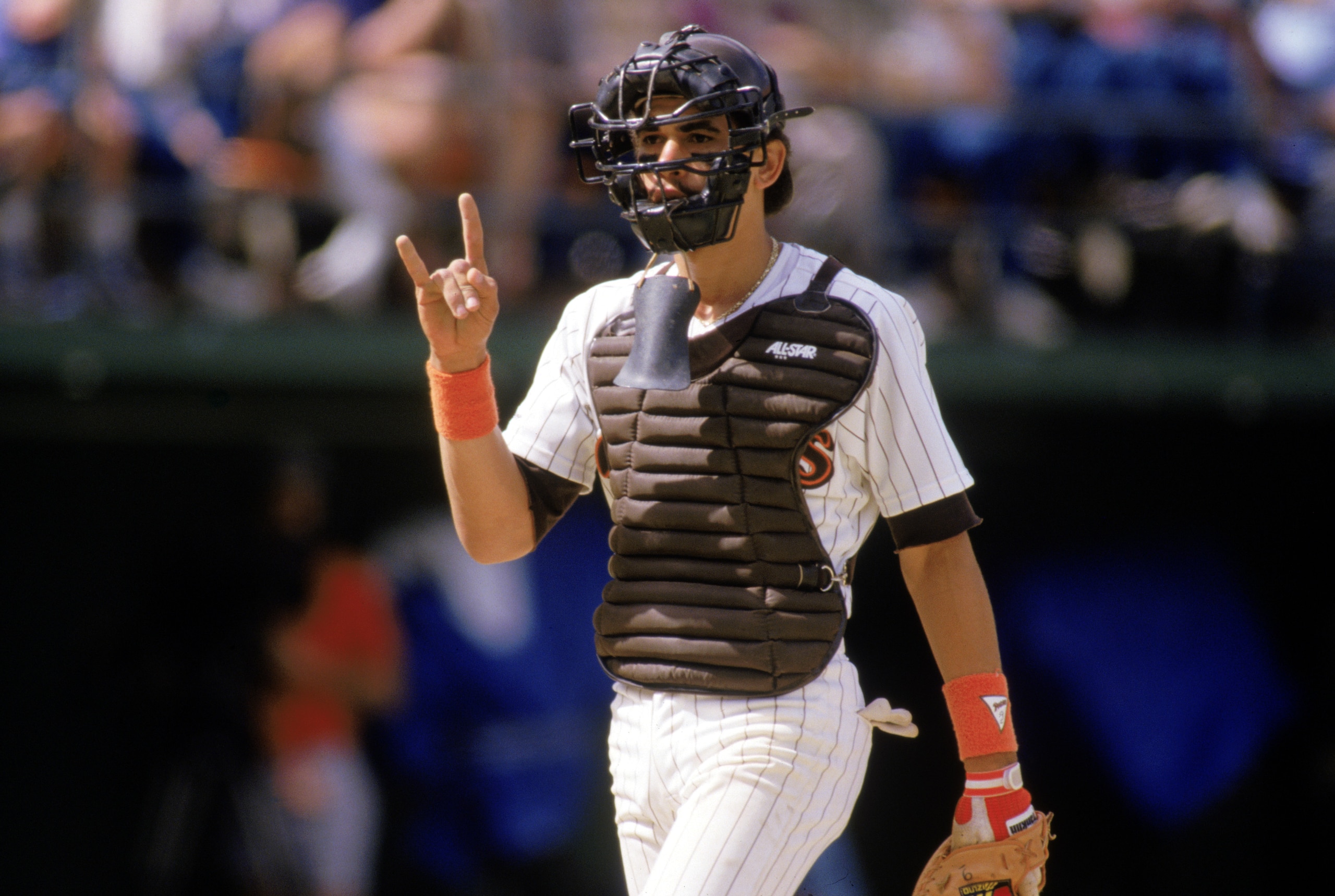
Rookie Season: 1987
Stats: .300 BA, 18 HR, 79 RBI
Benito Santiago unanimously won the NL Rookie of the Year Award for the Padres in 1987. During the season, Santiago put together a 34-game hitting streak, which is both a rookie record and a record for catchers that still stands today.
San Francisco Giants: Orlando Cepeda
24 of 30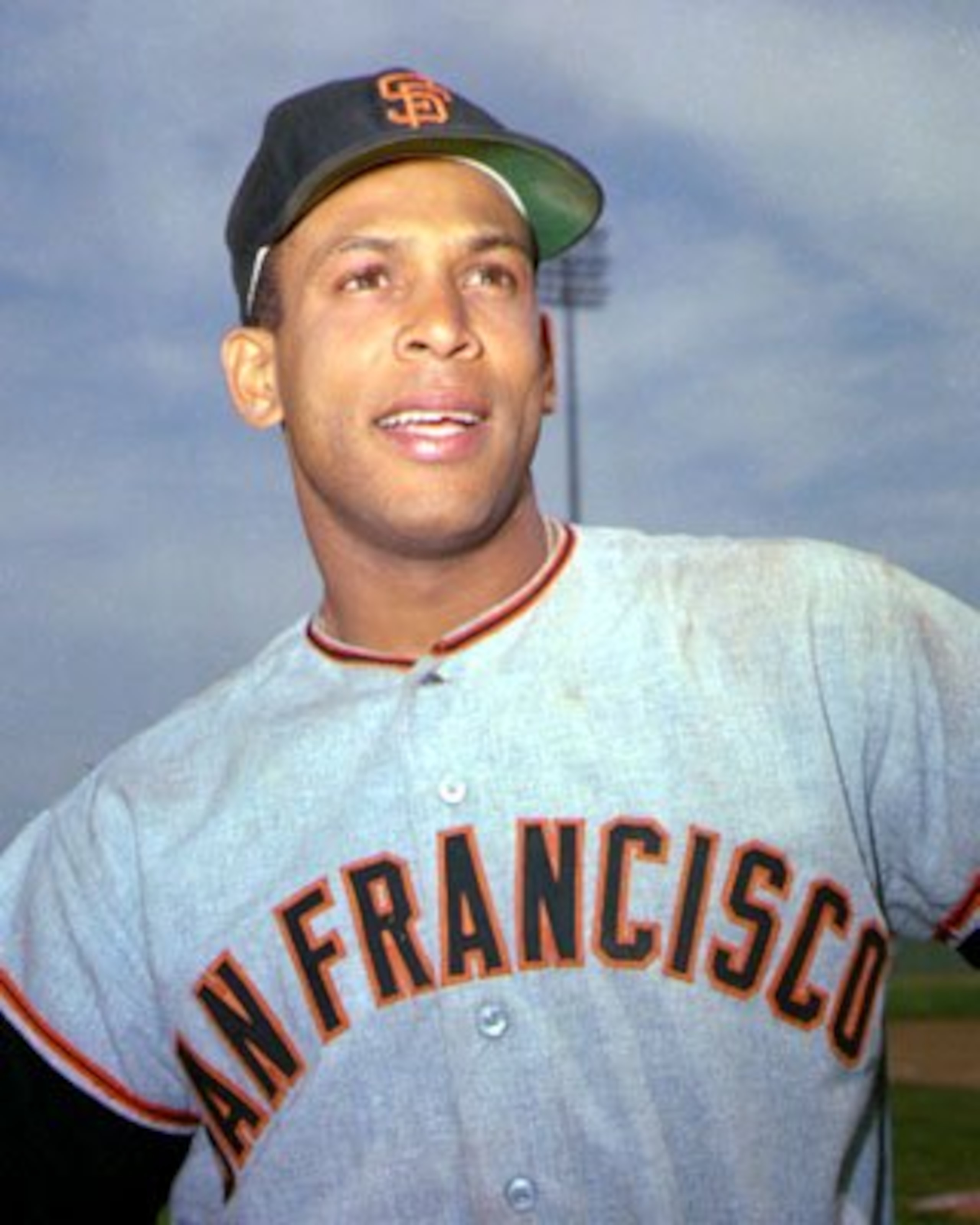
Rookie Season: 1958
Stats: .312 BA, 25 HR, 96 RBI
Orlando Cepeda debuted for the Giants in 1958 at the ripe age of 20, and immediately became a top contributor on the team, clubbing 25 homers while driving in 96. Cepeda also led the National League in doubles with 38, and earned himself NL Rookie of the Year honors for the 1958 season.
Seattle Mariners: Ichiro Suzuki
25 of 30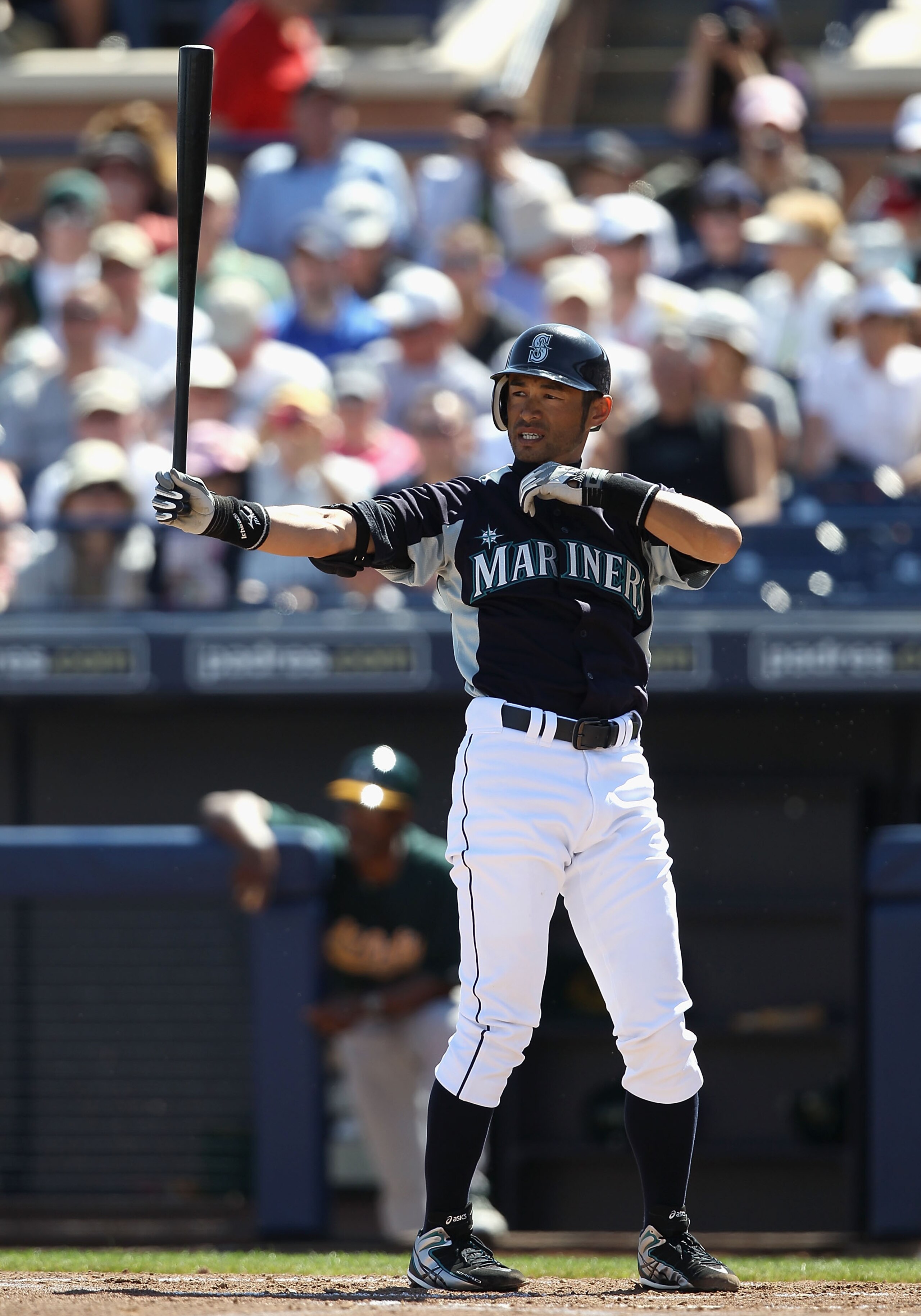
Rookie Season: 2001
Stats: .350 BA, 8 HR, 69 RBI
This was really a no-brainer, as Ichiro Suzuki put together what may have been the best rookie season in MLB history in 2001. Technically, it wasn't his first professional season, as he had played for years in Japan before coming to play in America, but it counts nonetheless.
In 2001, Ichiro led the league in batting average with a .350 mark and stolen bases with 56, and set the rookie record with 242 hits. Ichiro not only won the AL Rookie of the Year Award in 2001, but he won the AL MVP Award as well, becoming the second player in history (after Boston's Fred Lynn) to accomplish this feat.
St. Louis Cardinals: Albert Pujols
26 of 30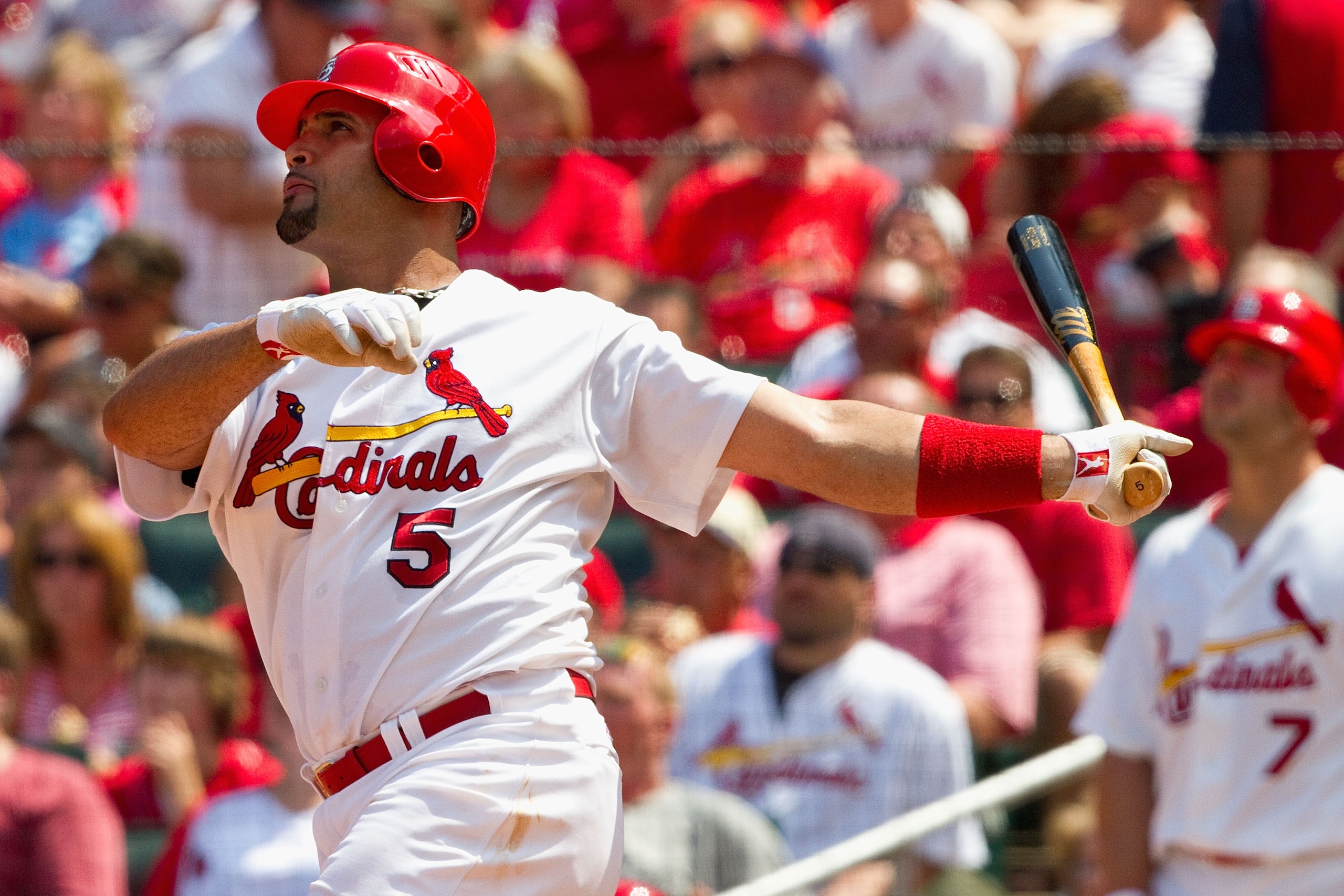
Rookie Season: 2001
Stats: .329 BA, 37 HR, 130 RBI
We move from one 2001 Rookie of the Year to the other here, this time in the NL, and it's no surprise that Albert Pujols' name appears on this list. Ichiro had one heck of a season for the Mariners in the AL, but if it's even possible, Pujols had a better one for the Cardinals in the NL.
He came one shy of the NL rookie record for home runs with his 37, but set the record for RBI with 130, and was unanimously chosen as the NL Rookie of the Year. He finished fourth in the NL MVP voting, as he had the misfortune of debuting in the midst of the steroid era, and in the same season that Barry Bonds broke the single-season home run record with 73.
Tampa Bay Rays: Evan Longoria
27 of 30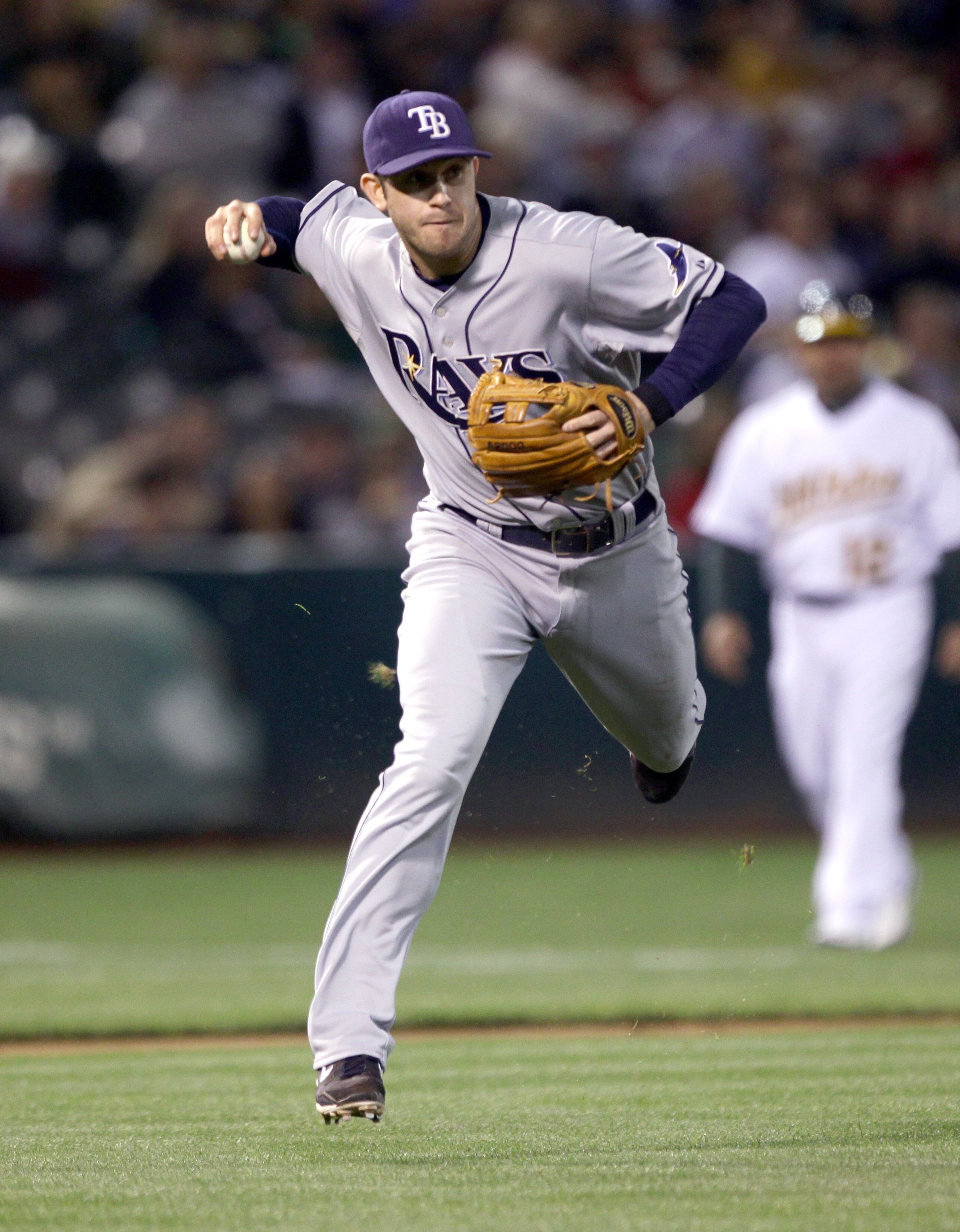
Rookie Season: 2008
Stats: .272 BA, 27 HR, 85 RBI
In the short history of the Tampa Bay Rays franchise, Evan Longoria stands alone as the sole AL Rookie of the Year Award winner, taking home the honors in their first season as the "Rays" in 2008.
Longoria led the former last-place Rays to the World Series in 2008 and definitely provided the instant spark that the club needed to become successful. From his first major league game, Longoria has been a true leader on a young Rays team and will continue to be for a long time.
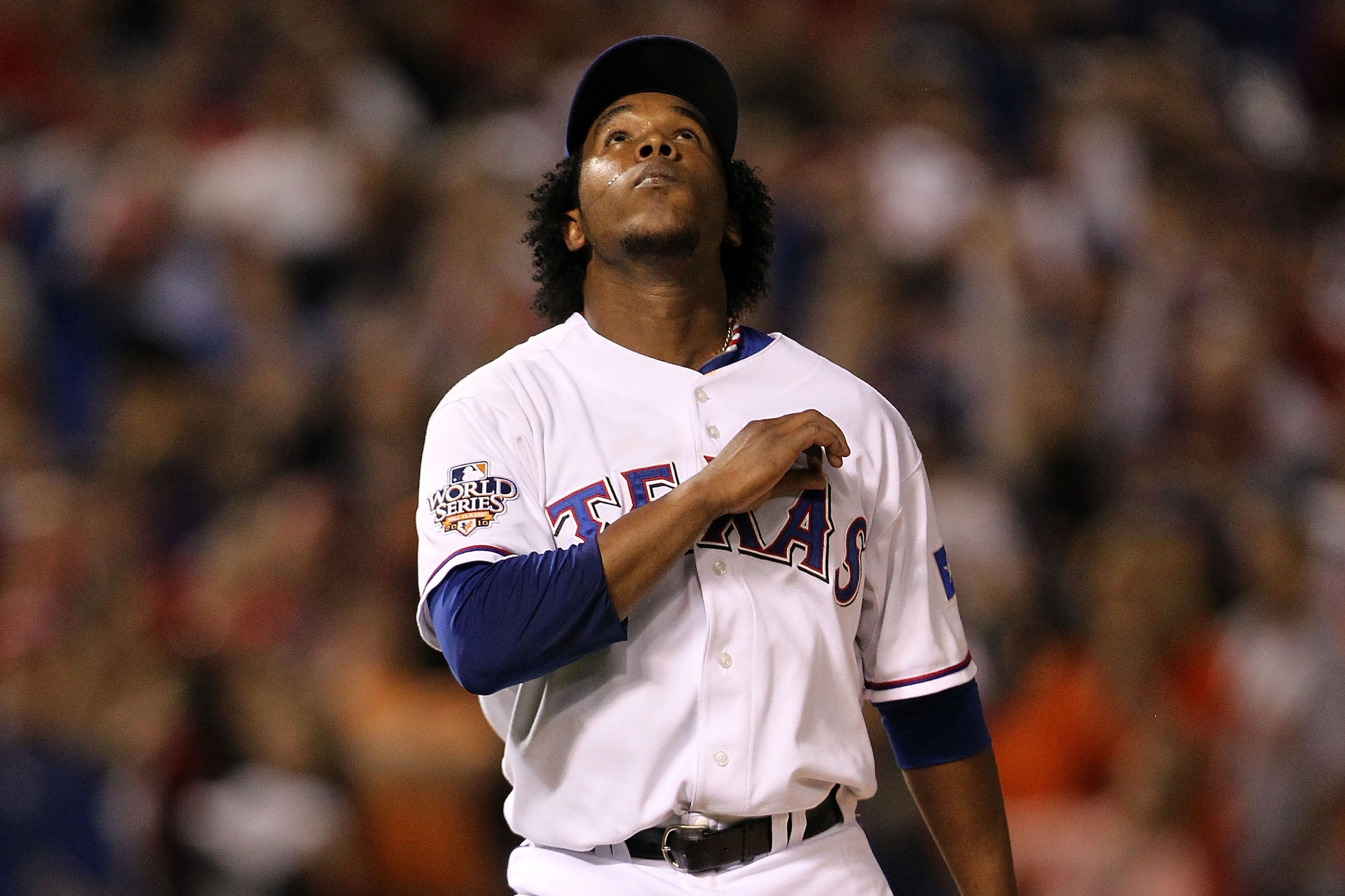
Texas Rangers: Neftali Feliz
28 of 30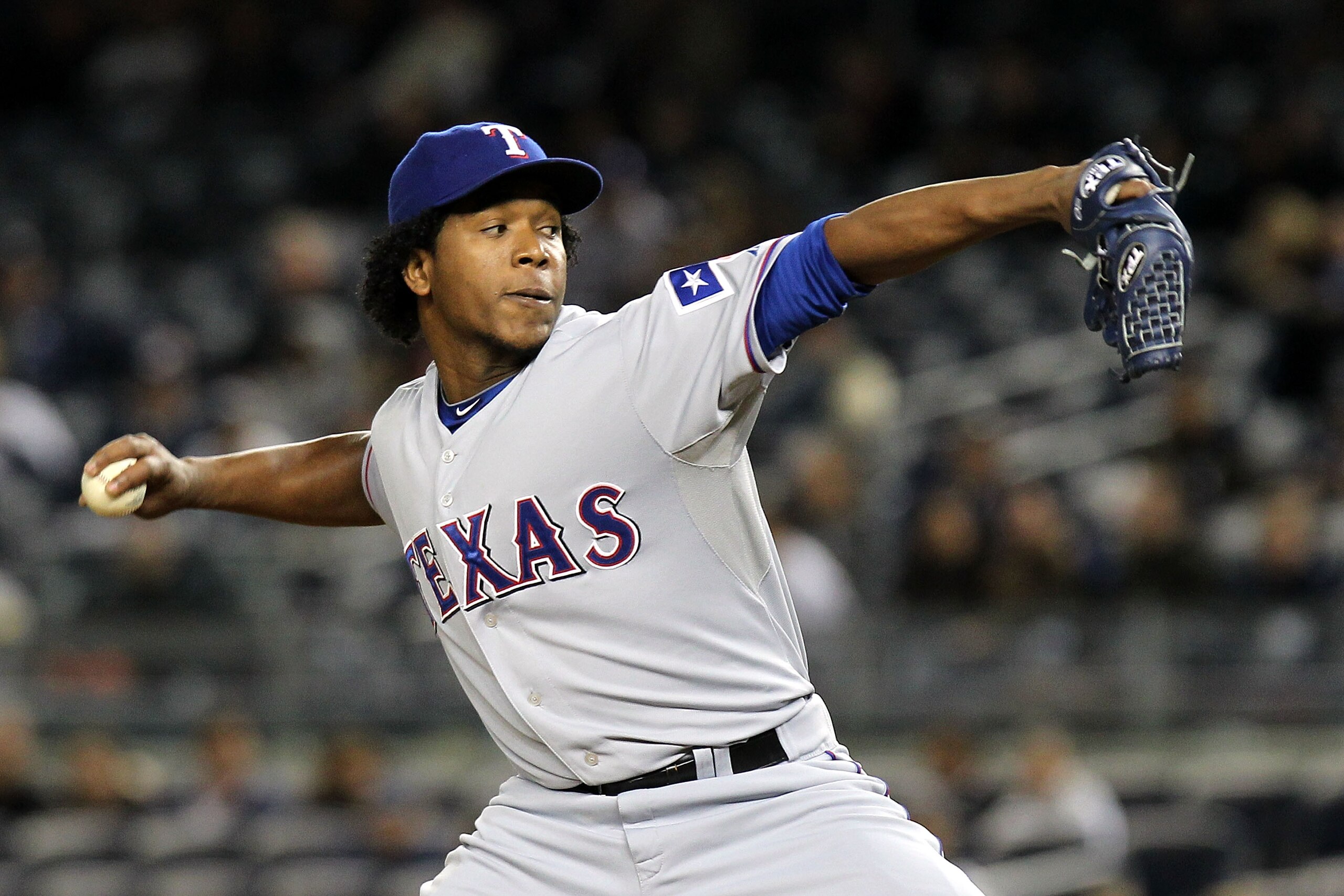
Rookie Season: 2010
Stats: 4-3, 2.73 ERA, 71 K, 40 saves
Neftali Feliz is the most recent Rookie of the Year Award winner on this list, as he brought home the AL honors for the Rangers just last season. In 2010, Feliz took over the closer role for Texas after Frank Francisco stumbled out of the gate, and then proceeded to set the rookie record with a round 40 saves on the season.
Feliz also played a major role in leading his club to the World Series last season, where the Rangers lost in five games to the San Francisco Giants.
Toronto Blue Jays: Eric Hinske
29 of 30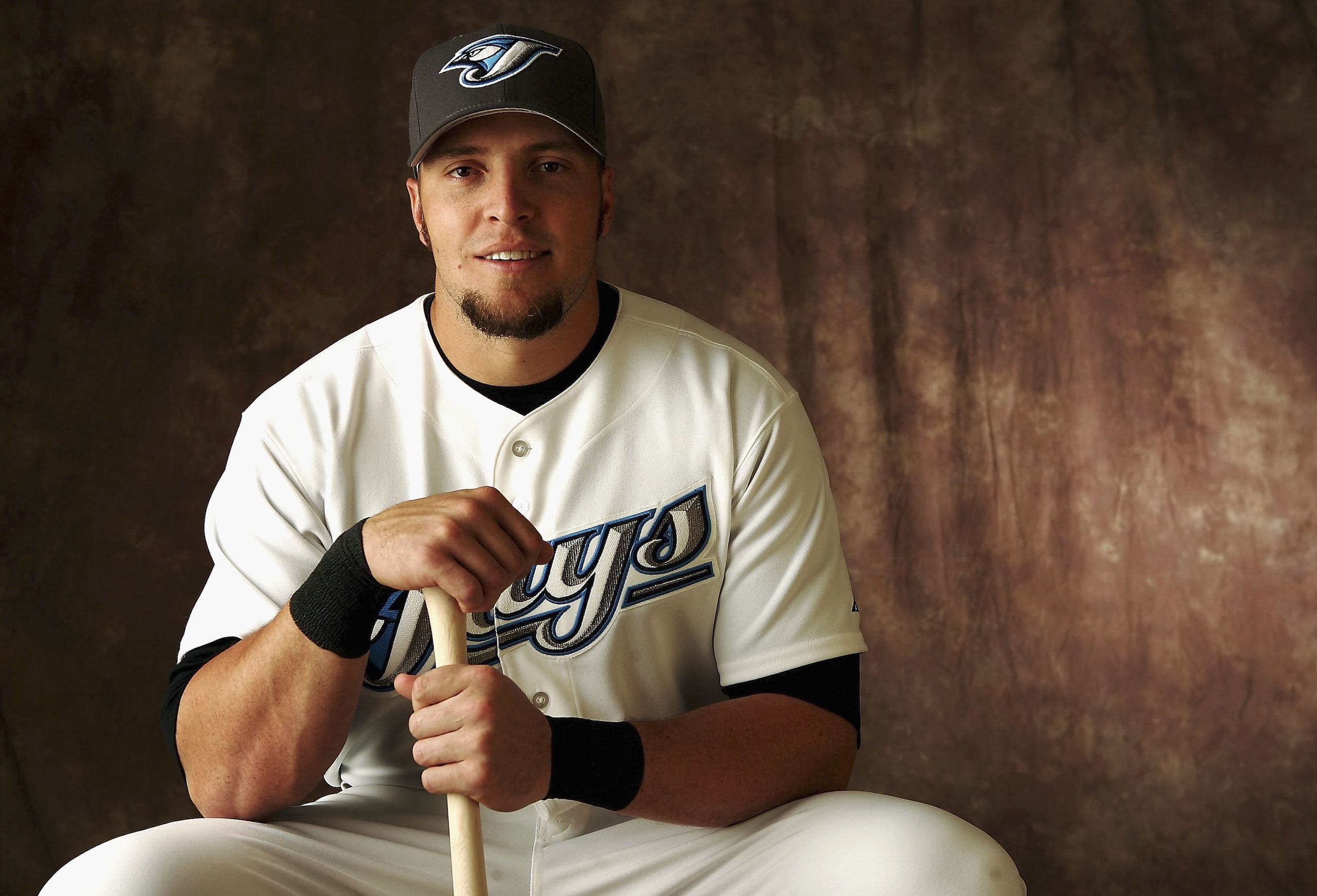
Rookie Season: 2002
Stats: .279 BA, 24 HR, 84 RBI
The Blue Jays have a relatively short history so far, as they entered the MLB as an expansion team in 1977, and have not had an amazing rookie season from a player yet, but they have had two Rookies of the Year.
Of those two, Eric Hinske stands out, as he provided some production as the third baseman on a third-place AL East team, winning the 2002 AL Rookie of the Year Award in a fairly weak rookie class.
Washington Nationals: Ryan Zimmerman
30 of 30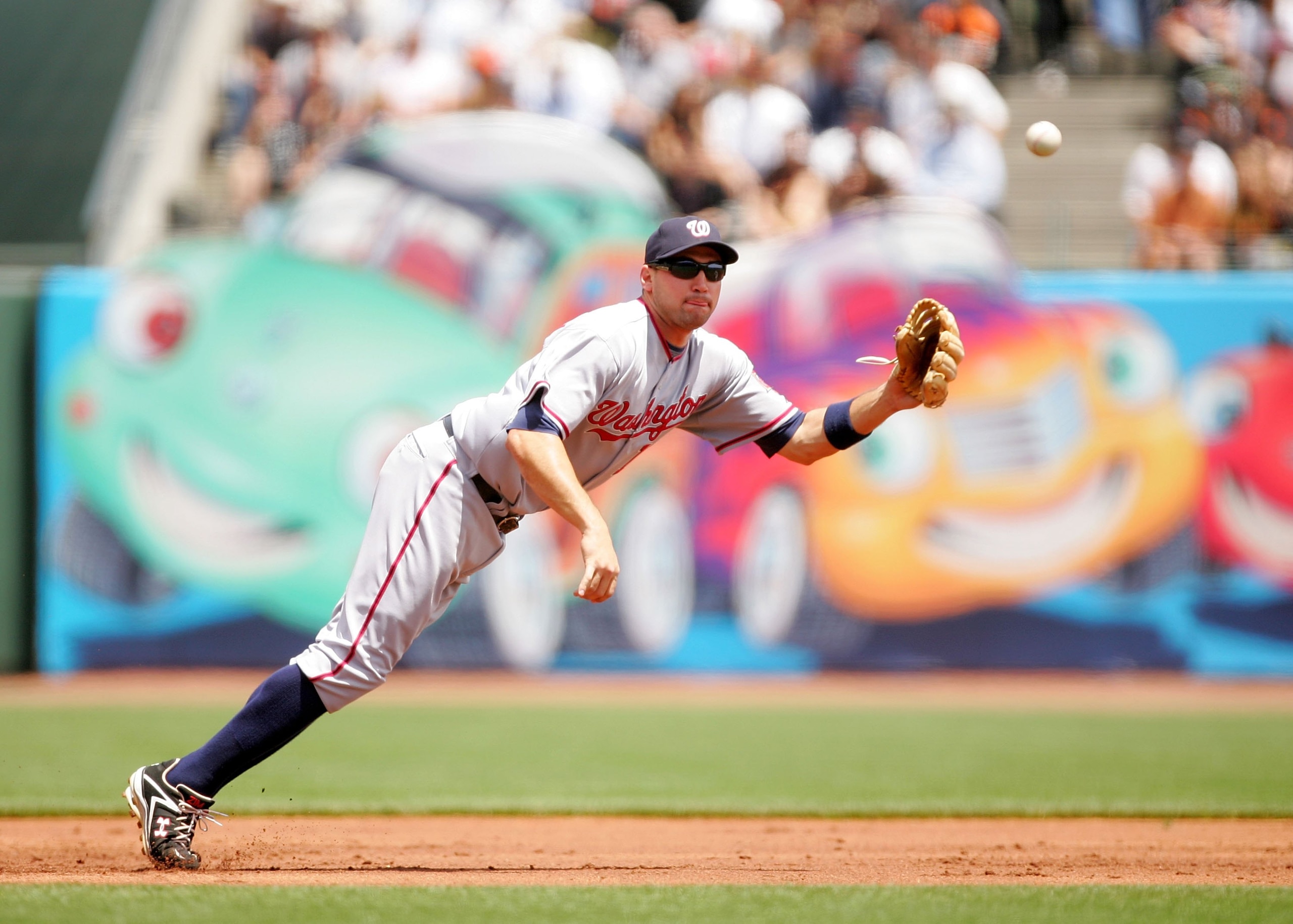
Rookie Season: 2006
Stats: .287 BA, 20 HR, 110 RBI
The Washington Nationals have had the shortest existence of any team on this list, having moved to DC from Montreal in 2004. Two years after their move, their biggest star made his debut.
Ryan Zimmerman lost an extremely close NL Rookie of the Year race to the Marlins' Hanley Ramirez, finishing with 101 points to Ramirez's 105. Zimmerman is now regarded as one of the best all-around third basemen in the game and figures to play a huge factor in the success of the Washington Nationals in the not-too-distant future.




.jpg?w=2560 "Weather Channel Trolls Texans-Titans 💀")