
NFL Rule Changes: 10 Other Rule Changes for Other Sports To Consider
The NFL owners, in their infinite wisdom, have voted to have teams kick off from their own 35-yard line rather than their own 30.
Are they looking ahead, or trying to return the game to the rules of 1993?
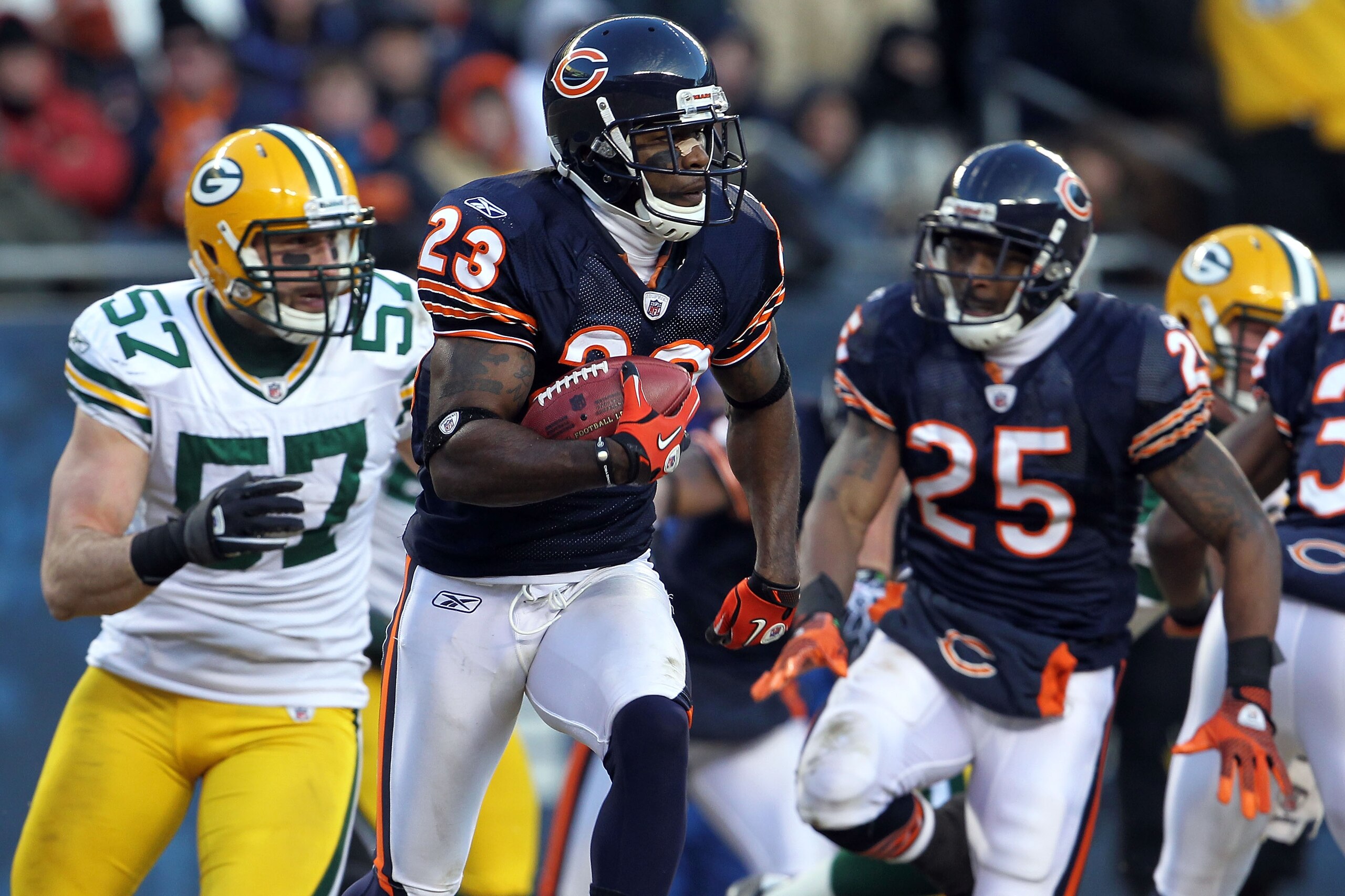
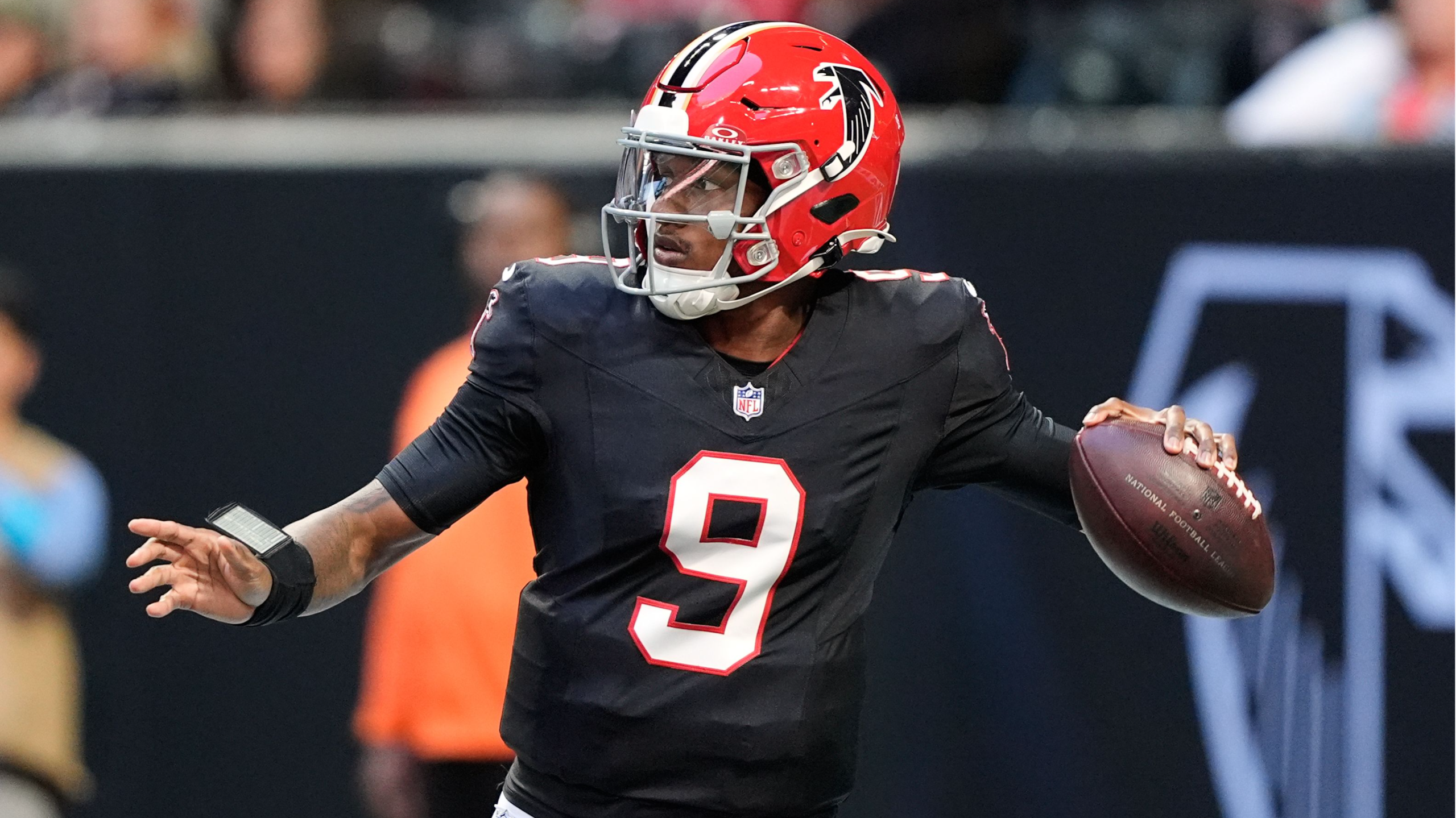
You may have heard about or read the tweets sent by prolific kickoff returners such as Devin Hester (pictured) and Josh Cribbs. They were none too pleased with the rule change.
Can you blame them?
On paper, many more kickoffs will go sailing into or through the end zone for touchbacks. When this happens, it neutralizes the game-changing abilities of players like Cribbs and Hester.
My first reaction was to agree with Hester, as I want to see more kickoff returns; it's a very exciting play.
But then, I started to reconsider.
Certainly, NFL owners want what's best for their players—even if it means locking them out if they earn too much money for their own protection.
I'm sure that the 35-yard line kickoff is meant solely for the safety of the players; after all, we know that the owners utilize the safest helmet technology known to modern science, without any cost consideration.
But all sarcasm aside, what if this is truly a safety consideration?
And given the NFL's hold on all sports, isn't it logical that other sports leagues will try to emulate them?
Please say "yes," as that's the premise for this piece.
My sources (who shall remain nameless, faceless and mostly clueless) have indicated to me that the following rule changes are being considered in other sports.
So, what do you think?
MLB: Return the Mound's Height to 15 Inches
1 of 10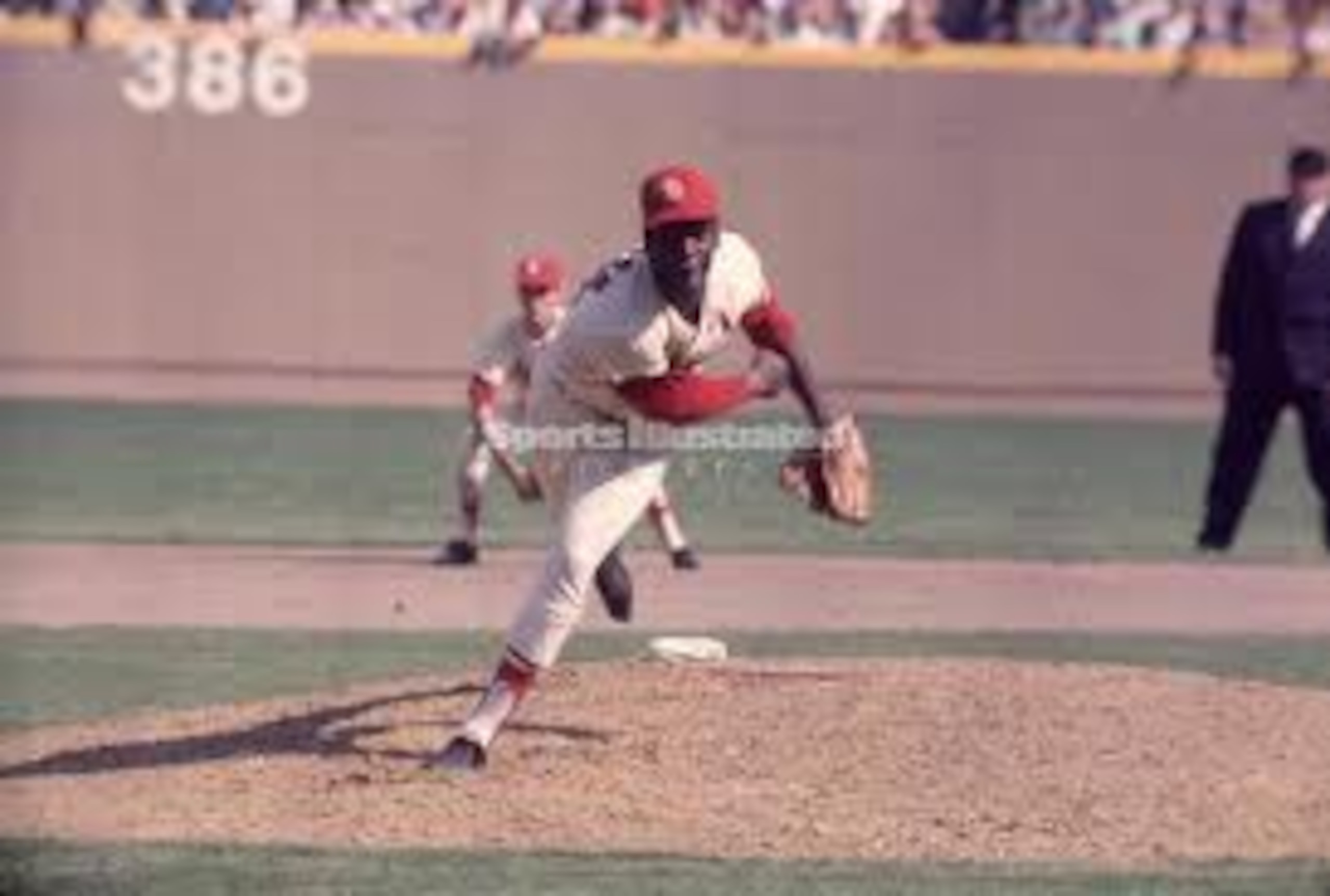
Certainly, it would make the game of baseball safer for all concerned if scoring were reduced.
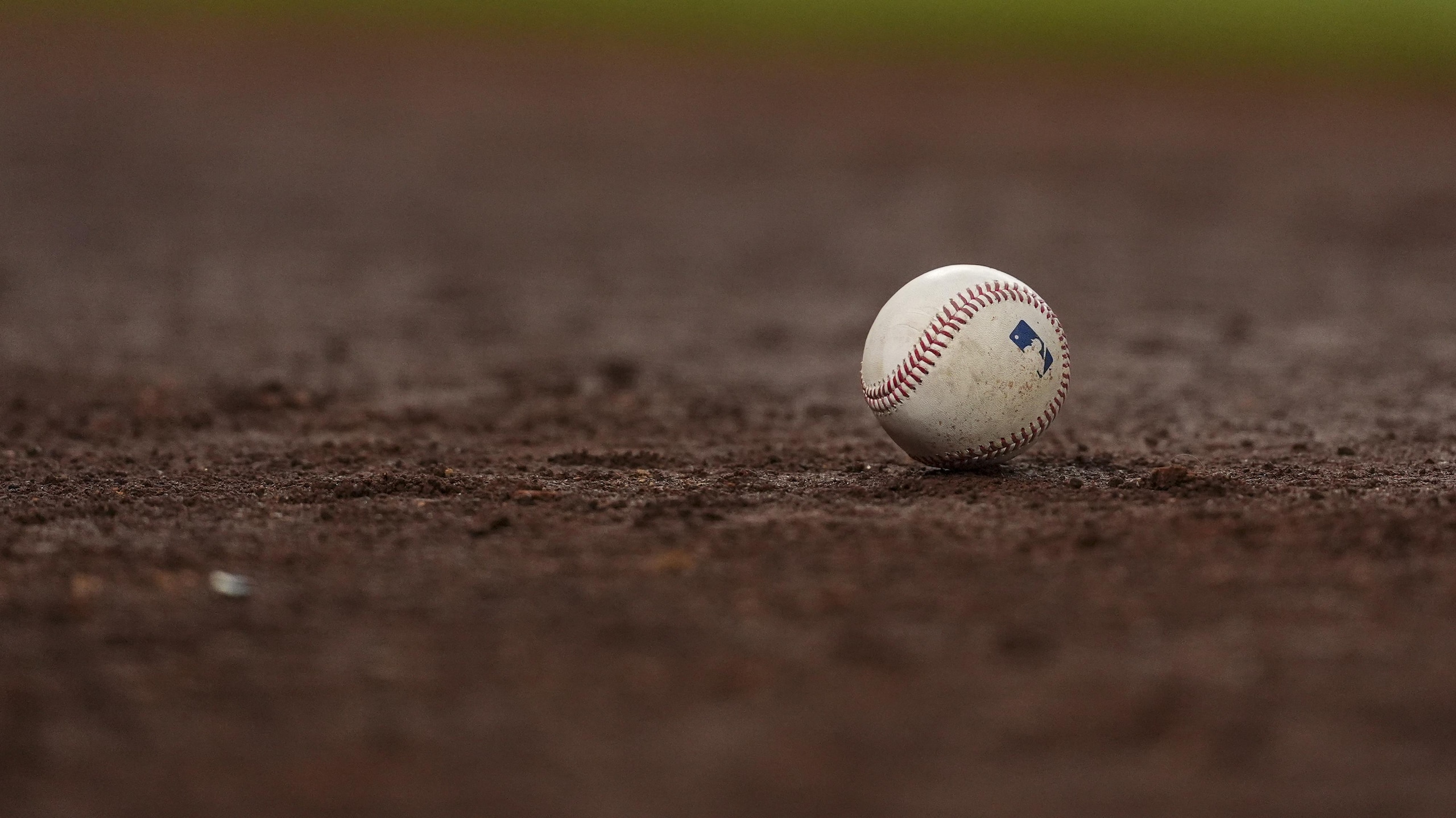
And what better way to do so than to raise the height of the mound from 10 inches back to 15 inches, the way it was in 1968 when pitchers like Bob Gibson terrorized opposing batters.
Some referred to 2010 as the Year of the Pitcher, but 1968—the last year of the 15” mound—truly was.
The Cardinals’ Gibson had an astonishing 1.12 ERA; Denny McLain won 31 games for the Tigers, and Carl Yastrzemski (Red Sox) led the AL with a .301 batting average.
Too radical a move? Then simply lower the batter's box five inches.
MLB: Institute Double Bags to Avoid Collisions
2 of 10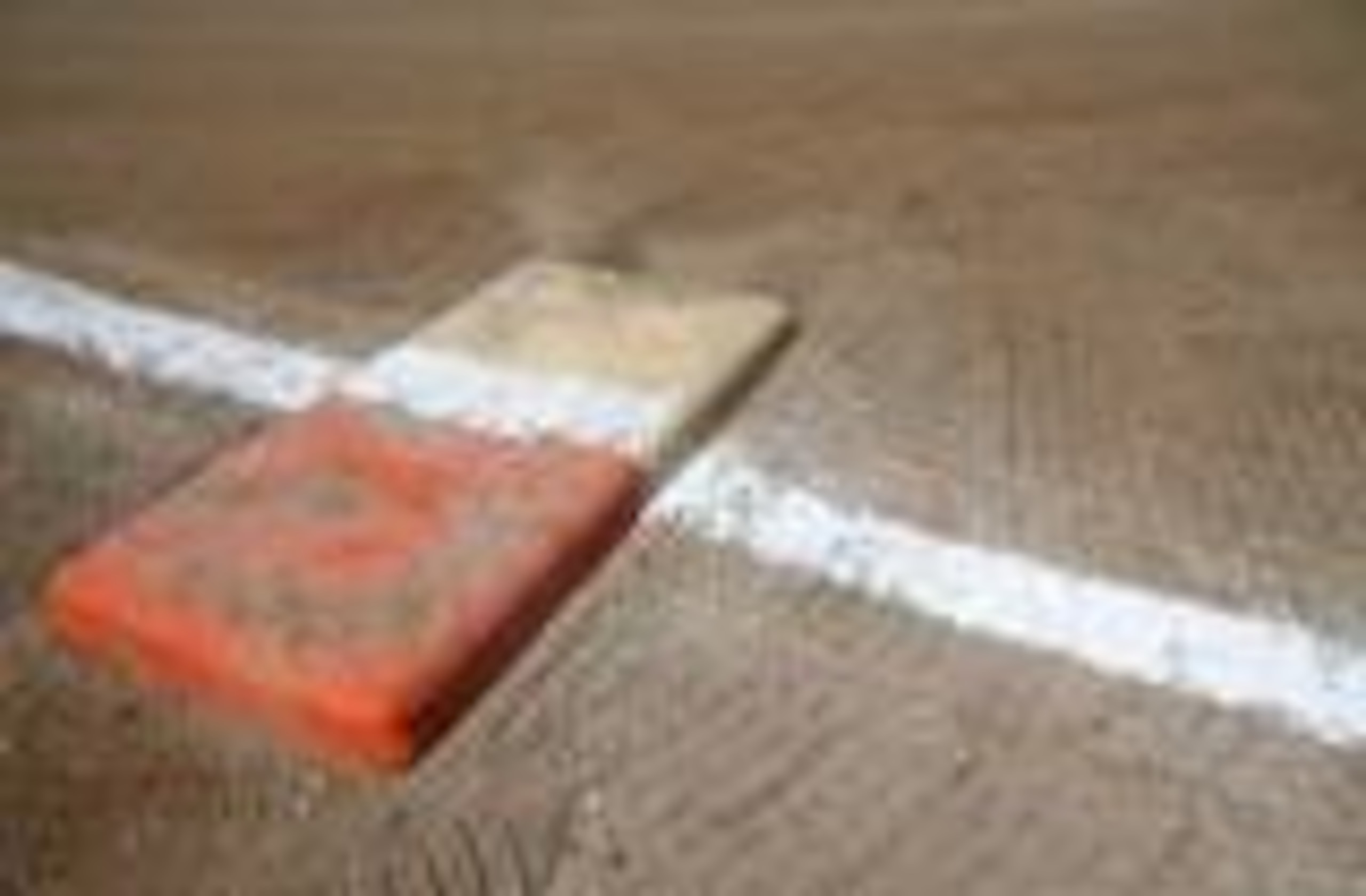
Why can't MLB take a page, or bag, from softball leagues to try to protect their high-priced star players?
My own softball league uses double bags to prevent those deadly collisions at first base. Our rule is that on any close play at first, the batter must run to the outside (orange) part of the bag. If it's a clean single (and possibly more) you can round the inner bag as always.
So, why not, Mr. Selig?
Think of all the career-ending injuries it would prevent. Such as...um, and, um...I can't think of any at the moment, but...you can even use hot pink bags on Breast Cancer Awareness Day.
Well, think about it.
MLB: Tighten Up Those Anti-Spitball Regulations
3 of 10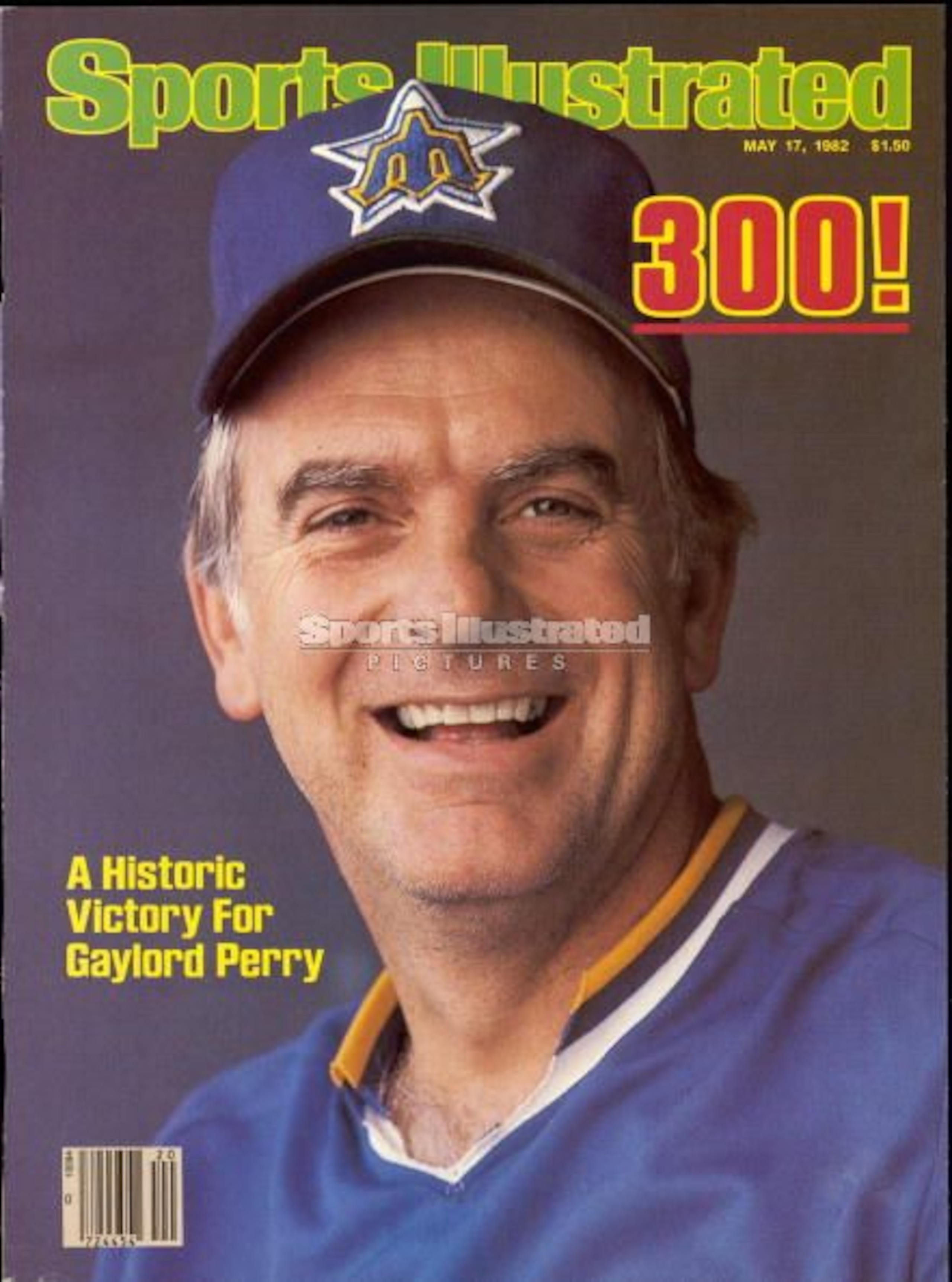
In a career that spanned 22 seasons (from 1962-1983), Gaylord Jackson Perry racked up 314 wins and 3,534 strikeouts.
A notorious and admitted spitballer, Perry coughed, lugeed and expectorated his way into Cooperstown.
Despite anti-spitball rules in 1920 and again in 1968, MLB still needs to do more to outlaw this illegal pitch.
It's hard enough to hit a dry baseball.
My proposal is to eliminate any pitcher named Gaylord from Major League Baseball.
So as to not be discriminatory, anybody named Gaylord may legally change his or her name, provided that it's not changed to Burleigh Grimes, Ochocinco or Pelota Molada.

NBA: Eliminate the Three-Pointer
4 of 10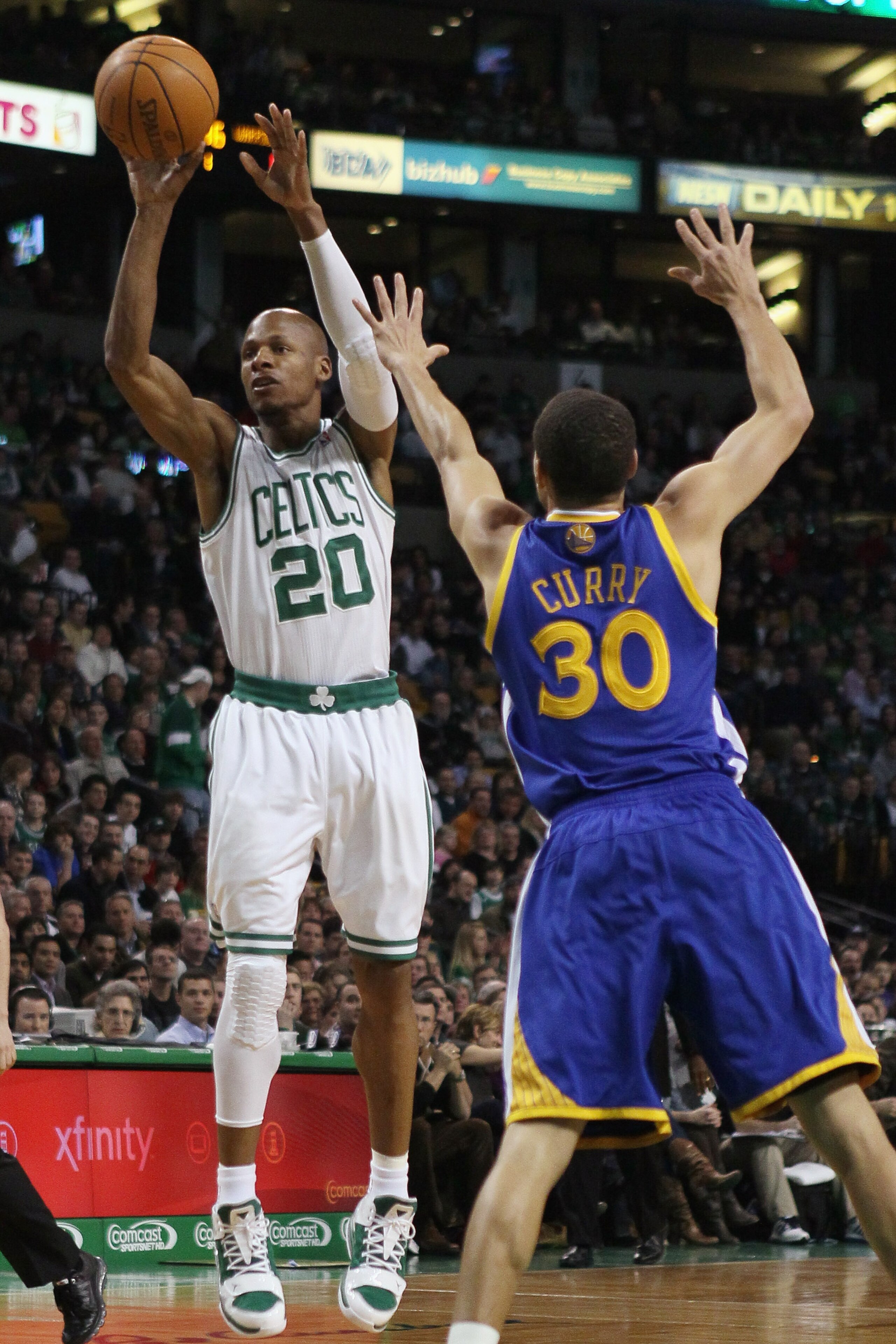
While a silky jumpshooter like Ray Allen (shown being guarded by Stephen Curry, another marksman) may not like the rule change. you may recall that the NBA did not adopt the three-pointer until the 1979-80 season.
In a way, it has always seemed silly (to purists) for a 23-footer to count for more points than a 20-footer.
Yes, the trey has been around forever, but why not bring back the good old days, and encourage teams to work on the mid-range jumper.
Besides, aren't errant three-point shots that land short a hazard to players who are fighting for rebounding position?
And, guys like Allen and Curry can still launch shots from deep; they just won't be rewarded with as many points when they make them.
This seems to make just as much sense as kicking off from the 35 yardline.
One more thing: ESPN, accused of only showing slam dunks and threes on their NBA coverage, could now concentrate on showing slams and two-point buzzer beaters.
NBA: Don't Shrink the Players; Widen the Lane
5 of 10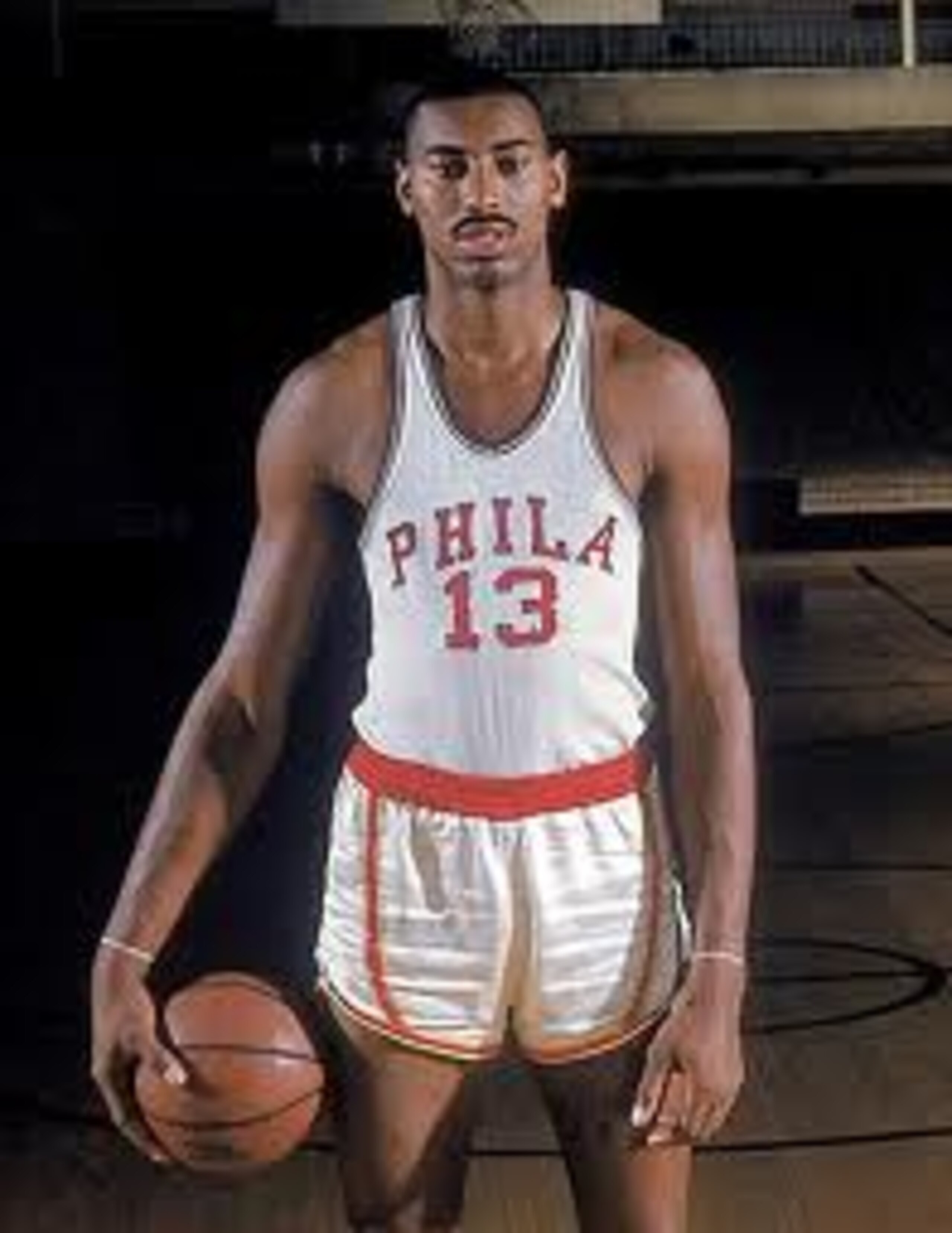
Back in the day, Wilt Chamberlain was the most dominant player in the NBA.
He is still, for my money, the greatest single force of nature to ever play in the league.
Brest player ever? Possibly, but that's another debate.
To neutralize Wilt, the NBA widened the lane from 12 feet to 16 feet prior to the 1964-65 season.
It kind of worked; his scoring averaged dropped from 36.9 to 34.7 that season.
With apologies to Shaq and Dwight Howard, the NBA has probably never seen another physical specimen quite like Wilt, but the average NBA player is bigger today.
So, why not make the game safer by widening the lane once again?
Take it from 16 feet to 25 feet—half the width of the court and reduce some of that shoving underneath the hoop.
NBA: Ye Ol Peach Basket Might Still Work
6 of 10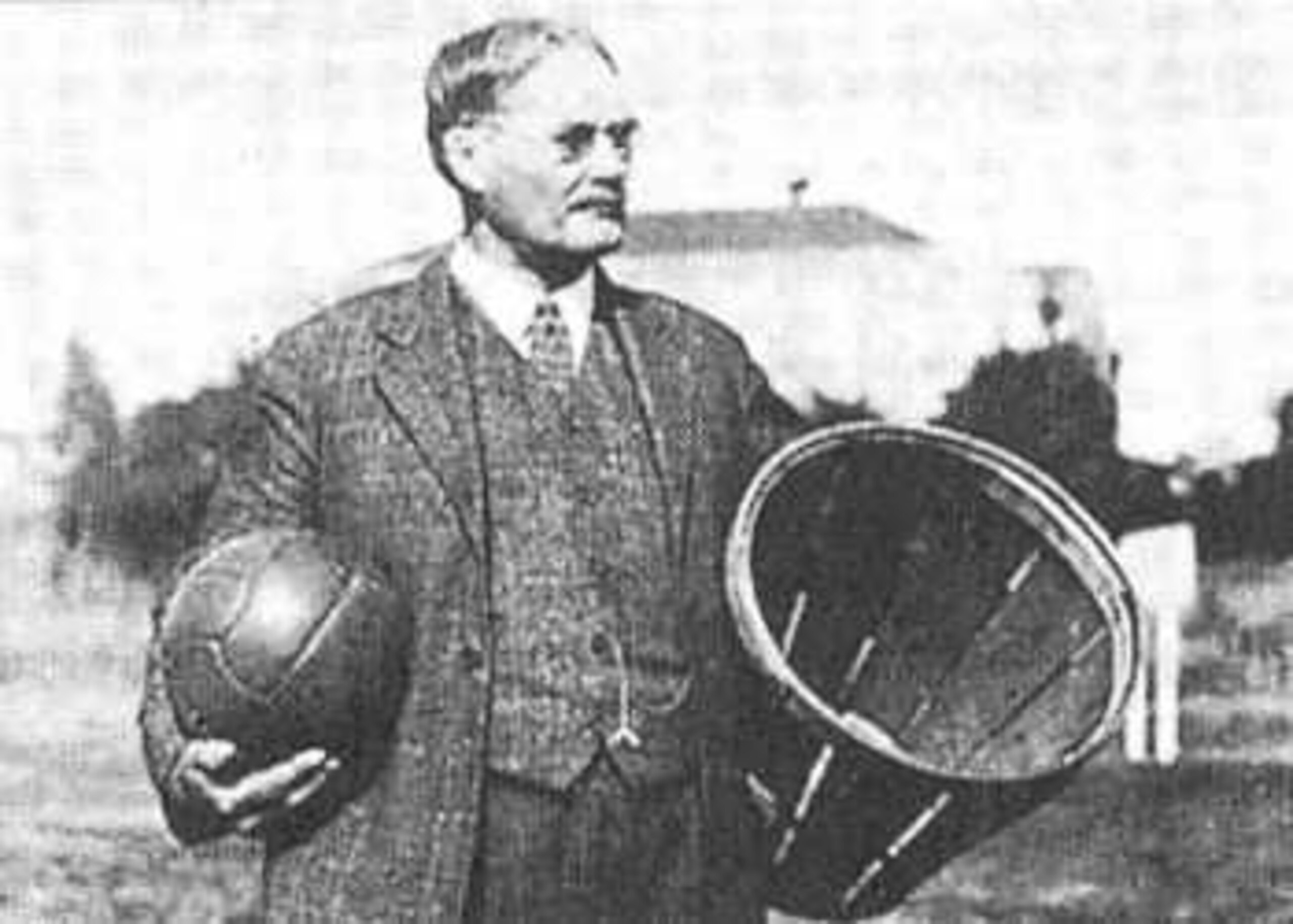
The game of basketball was doing just fine before they abolished the peach basket in 1893.
I hardly recognize the game nowadays.
Restoring the peach basket would bring a little decorum back to the game, and discourage all that needless slam dunking—too dangerous, and un-Naismith-like, anyway.
And don't you miss that quaint old tradition of players taking the ball out of the basket after each hoop?
Thought so.
Tennis: Wood Is Good
7 of 10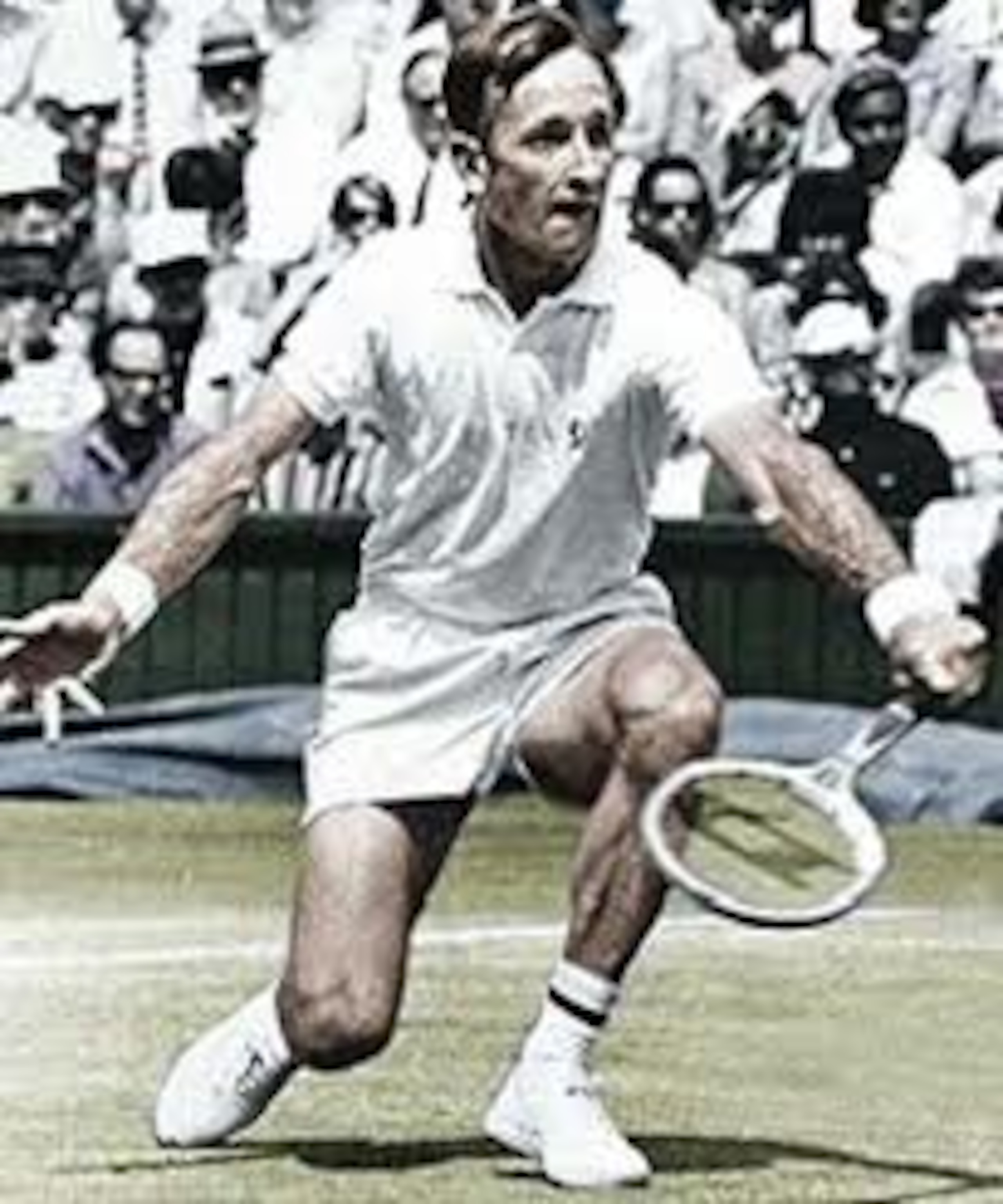
Australian tennis legend Rocket Rod Laver won the Grand Slam (four majors in one year) twice, in 1962 and 1969.
He and his contemporaries used wood rackets back then.
No player has won a true Grand Slam since.
Must be the rackets.
I say slow the game down again.
Encourage less power and more thinking on the court.
Reduce player injuries,
Make the game safer for ball boys and linesmen.
Bring back wood.
NHL: Shorten the Hockey Stick
8 of 10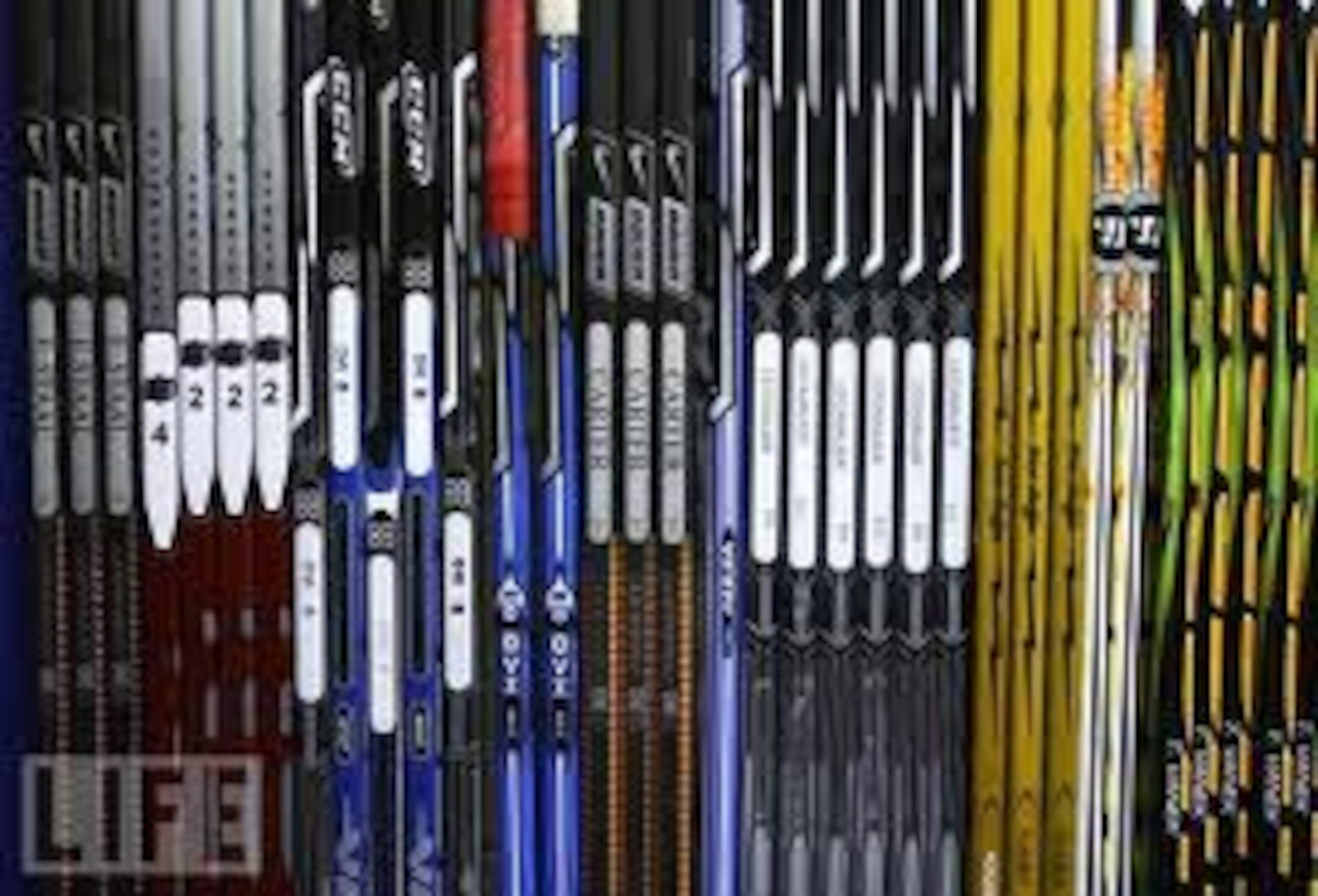
Prior to its 1996-97 season, the NHL increased the maximum stick length to 63 inches.
Why?
Shouldn't a skilled player be able to control the puck with a shorter stick?
Wouldn't a shorter stick prevent injuries resulting from penalties, ranging from tripping, spearing, slashing and, of course, high-sticking?
Baseball players seldom swing more than 34 or so inches. Why should hockey players?
I say shorten the hockey stick to 36 inches.
That's a whole yardstick, for Pete's sake.
NHL: Enforce Penalty Box Music
9 of 10
Here's the scenario.
An NHL enforcer such as Derek Boogard or Colton Orr has just received five (minutes) for fighting. Perhaps, both of them do after a pretty good tilt that really revs up the crowd.
Now what?
Safety must be paramount here, so the NHL should do the following:
Play nothing more rowdy than, say, an insufferable Celine Dion romantic ballad to restore a little civility to the arena.
All bad boys sentenced to the penalty box must listen to Enya while imprisoned.
That will make them think twice before returning to the sin bin.
Now there's a chance that such music may make them even more violent, but it's a risk the league should contemplate.
NHL: Make the Ice Less Slippery
10 of 10
What is the NHL thinking?
There are tons of injuries each season, yet they continue to play the game on such a surface.
Don't the owners know that ice, by its very nature, is slippery.
"Slippery" is inherently dangerous.
Something's got to be done.
Maybe the NFL owners can help us out here.

.jpg?w=2560 "LA Premiere of \"Chad Powers\"")