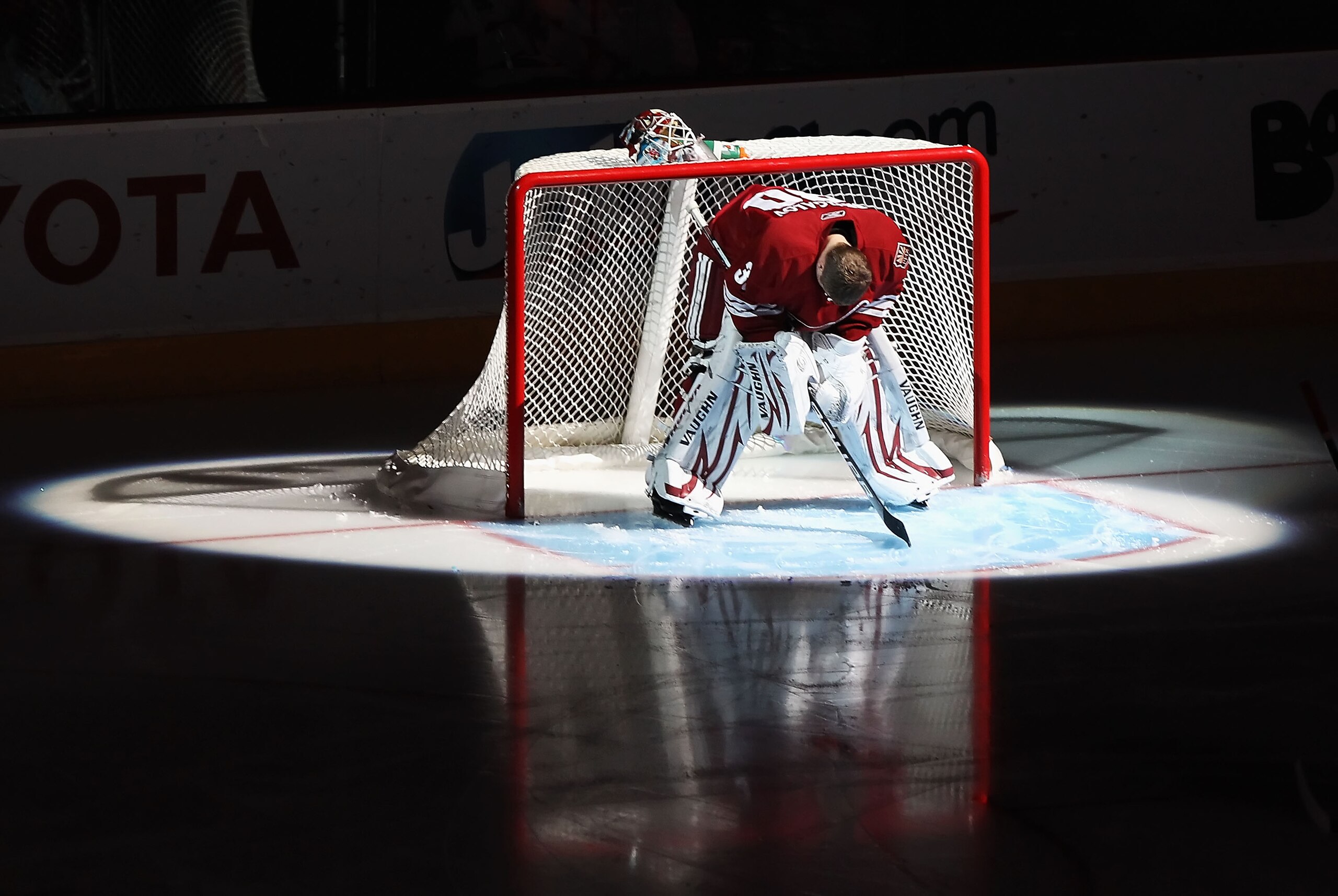

NHL Relocation: Why the Coyotes Should Move To Winnipeg
The drums of relocation have sounded in the Southwest for two years now, and there still does not seem to be any kind of end in sight.
The talk of the Phoenix Coyotes relocating to Winnipeg is nothing new, but Gary Bettman and the NHL seem hell-bent on pushing the square peg into the round hole.
While some fans are quick to debase this issue into a peeing contest, the fact remains that this is a complex problem with many different factors to consider.
The name Winnipeg means “muddy waters” in the tongue of the Native Americans, and you couldn't possibly find a better term for this situation.
From the city of Glendale and Gary Bettman to Matthew Hulsizer and the Goldwater group, the Coyotes have had no shelter from the relocation storm.
If the resolution to the Coyotes relocation is not near, it certainly should be as it’s almost dragged on to comic proportions.
The issue should really be about improving the NHL and doing what’s right for the fans, without the childish bickering between Canadians and Americans about who deserves what.
Instead, the NHL is choosing to stubbornly hold their ground while rapidly running out of time. With this season coming to a close, the relocation saga must come to an end.
Caught in the Middle
1 of 3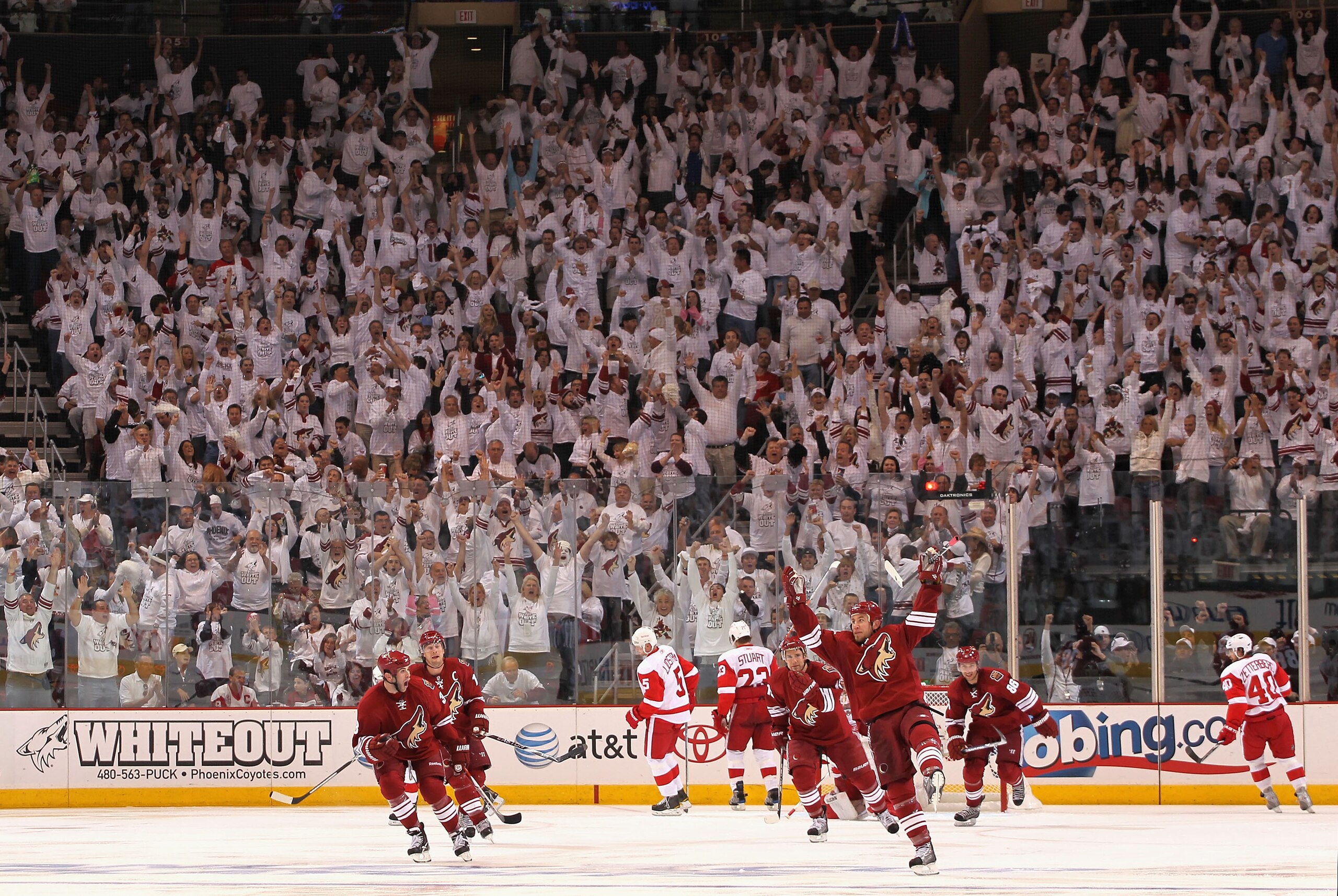
It’s obvious that the fans, players and the state of Arizona stand to lose the most should the Coyotes leave the desert.
Many Coyote players including Adrian Aucion, Shane Doan, Keith Yandle and Vernon Fiddler met recently with NHL commissioner Gary Bettman to discuss the future of the franchise.
Players have a great deal of interest in the matter, after all, who wants to pull up stakes and uproot your entire family to a completely new region and area?
"It's not something I would be too happy with," Aucoin said in a recent interview. "It's nothing to do with what the location is.”
Of course, the true losers would be the fans and state of Arizona who stand to lose a significant amount financially from jobs and taxes, not to mention the loss of their team.
The city of Glendale says that losing the Coyotes would result in losses upwards of $500 million dollars and seriously jeopardize the area financially.
Having said that, however, it’s fair to say that the NHL’s venture into the Southwest has been a failure.
The move to Glendale in 2003 has failed to live up to the financial and attendance stability the team has needed. Even after making the playoffs a year ago, Phoenix remains near the bottom of the league in attendance.
Instead of realizing that the experiment is not working however, Gary Bettman stubbornly forges forward against all odds and, in the process, alienates everyone while continuing to mount losses.
Having attended over 50 games in the old America West and new Jobing.com arena since 1996, I can attest to the select group of fans and their passion for hockey.
It’s a good team, with a nice arena, excellent leadership and a terrific GM and head coach. The fans there know it and love them.
Unfortunately for them, there’s just too much weighing against them in the battle to keep the Coyotes in Arizona, and that loss for those true fans is the true shame of it all.
Whether from poor performance, lackluster support or marketing failures, the expansion has failed in the Southwest and maybe it’s time the NHL admitted it.
Why Move Them Back?
2 of 3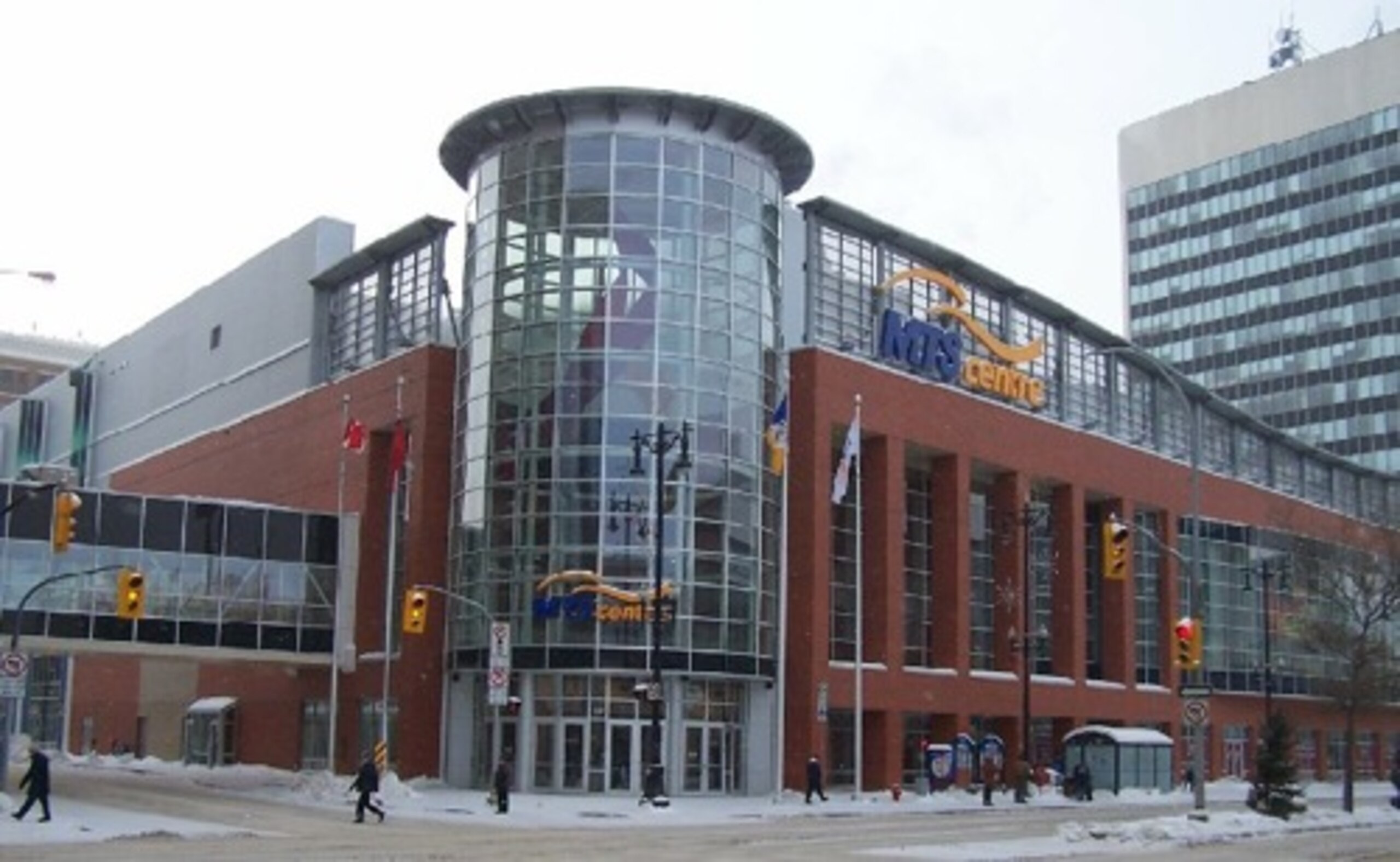
"Why wouldn’t you want to move the Coyotes back to Manitoba?" would be the better question.
Late last year, the city of Glendale unrolled the plan to secure $100 million through the sale of bonds through which Chicago businessman Matthew Hulsizer would use to purchase the team.
This plan didn’t sound very feasible to begin with and grinded to a near stop when the Goldwater group threatened to sue, claiming that this act would violate the state constitution.
The privately funded think-tank group claims that the money would be considered a gift and cause irrevocable damage to the state. They also claim that the lease would fail to provide a proper return for the city of Glendale, who is still recovering from the debt incurred from the training facility built for MLB.
Further complicating matters is the fact that Jobing.com arena has only generated a fraction of the $13.2 million required to operate the facility. With lukewarm attendance numbers and a weak corporate presence, is it any wonder that Hulsizer wants to purchase the team with public funding?
With True North Corporation waiting in the wings to fly the Coyotes back to their original home of Winnipeg, the situation looks dire for Phoenix.
True North owns the MTS Centre and the AHL’s Manitoba Moose, and their desire to bring a NHL franchise to Winnipeg are quite clear.
Projected revenue for the franchise is in the ballpark of $102 million per season, which would put the Winnipeg franchise in the top half of team revenue in the NHL.
There are skeptics who claim that number is generous, but the revenue generated from the arena’s other events figure to make up any difference.
Throw in the fact that the Coyotes would not be operating in a municipally-operated arena like Jobing, and the increase in team revenue becomes even more obvious.
Of course, the obvious drawback to the relocation is that the NHL would be admitting a huge mistake and drawing out of the 12th largest market in North America.
With the long drawn-out struggle that has taken the better part of two years with the NHL operating the team and continually losing money, what other options are there?
Gary Bettman
3 of 3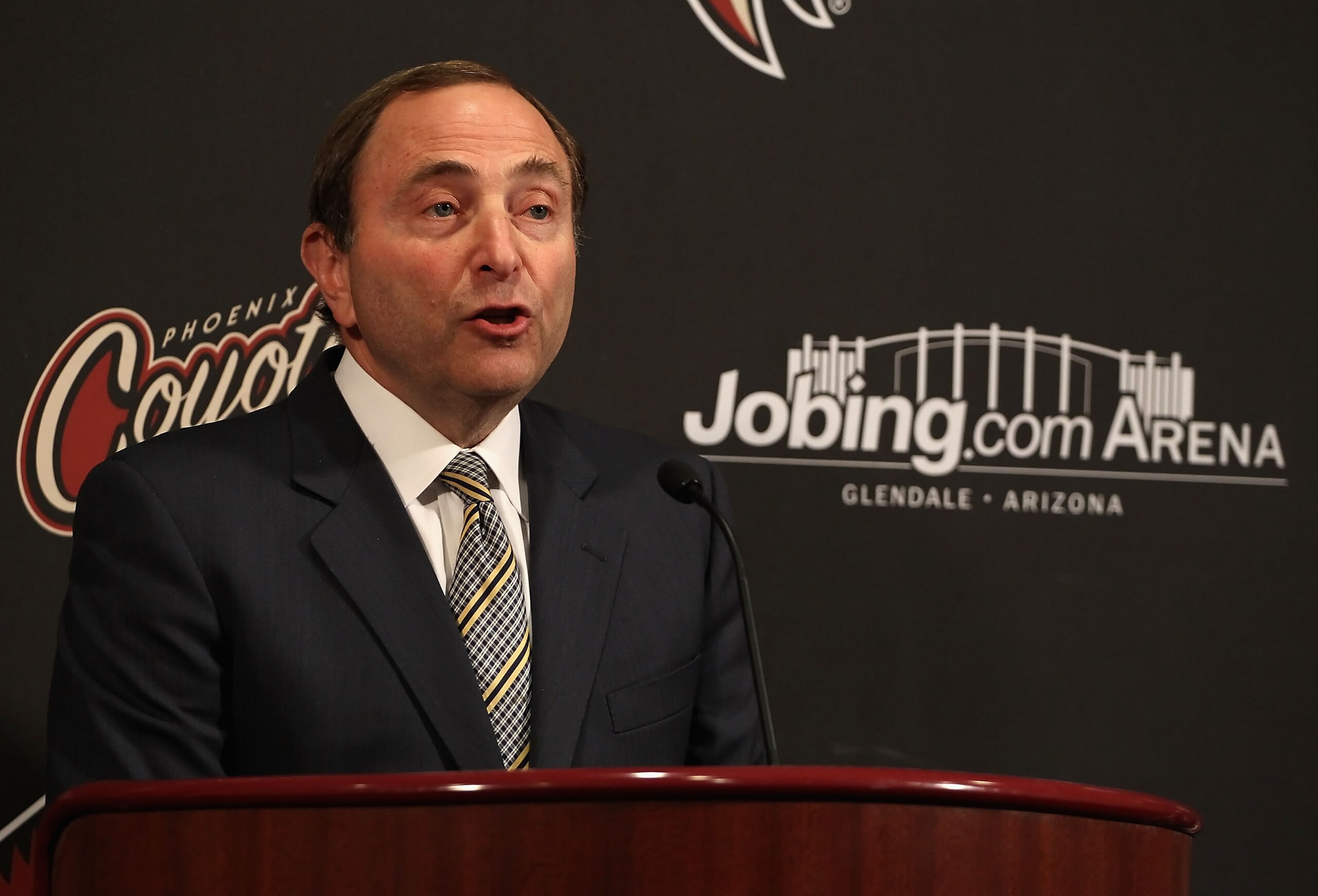
Bettman has ripped into the Goldwater Institute for blocking and threatening to sue, should the city of Glendale complete it’s plan.
Darcy Olsen, the president for the group, and Gary Bettman continue to banter back and forth in regards to the validity of the lawsuit in question.
“I’m not sure [Goldwater] even thinks they have a good law suit,” Bettman said. “We are told that two independent law firms looked at this and said the transaction is legal under Arizona law.”
Others say different, including North Dakota litigator William Harrie, who says the Arizona taxpayer watchdog has a solid case.
"The battle will lie at the injunction stage and be won at that stage," said Harrie. "Based upon what I've seen, Goldwater has a very good chance of being granted an injunction."
While I’m a proponent of teams in non-traditionalist markets, it’s about time the NHL recognizes the mistake and moves the team.
Some may say that the Coyotes never got a fair shake at being successful, and that poor decisions crippled the team’s chances early on.
In a sport so heavily predicated on gate receipts for the team’s revenue, this is certainly a very understandable sentiment.
But one has to ask the question: When does the interest in keeping the Coyotes in Phoenix become a matter of pride instead of doing what’s right for the game?
.jpg?w=2560 "Golden Knights Blues Hockey")


.jpg?w=2560 "Chiefs, Steelers Eye WR Trades")






.jpg?w=2560 "Raiders Sticking with Cousins")