
The 10 Most Storied Landmarks in NFL History
There's something special about seeing a piece of history in any sport. Many would argue that football simply doesn't have the lineage that baseball does, and they may be correct. Even so, a legendary aura is still cast over certain places around the country.
The NFL has made a habit of destroying its most storied landmarks. Demolition teams have torn down some of the greatest and historic stadiums in the history of the league.
This list is comprised of the ten most storied landmarks in NFL history. Some of them still stand, some of them are ashes. Most are stadiums, but all of them hold their place in the history of the NFL.
Apologies to the Vet, Three Rivers, Arrowhead, etc., as they failed to break the top ten.
10: Mile High Stadium
1 of 10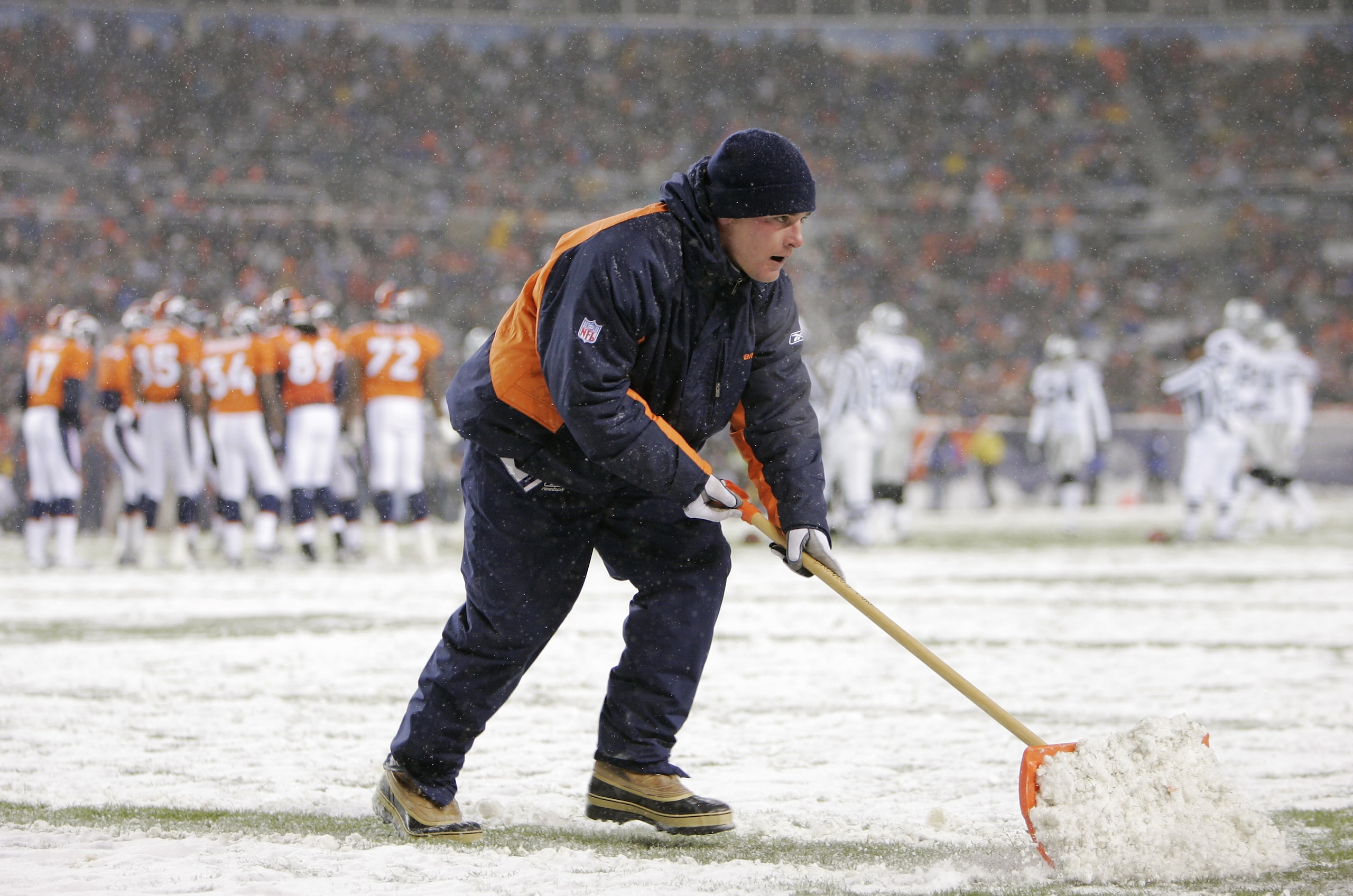
No, not Mile High Stadium at Invesco field. Mile High Stadium.
There is something compelling about playing football at that elevation. It is clearly foreign territory, and when it was at its peak, it was also the stomping grounds of NFL legend John Elway.
The distinct horseshoe shape and the record breaking noise that came from the crowd made Denver one of the toughest places to play—though #7 may have had something to do with it as well. The two biggest tragedies in the history of the franchise were the implosion of the original Mile High stadium and the Invesco sponsorship.
9: The Oakland Colisem
2 of 10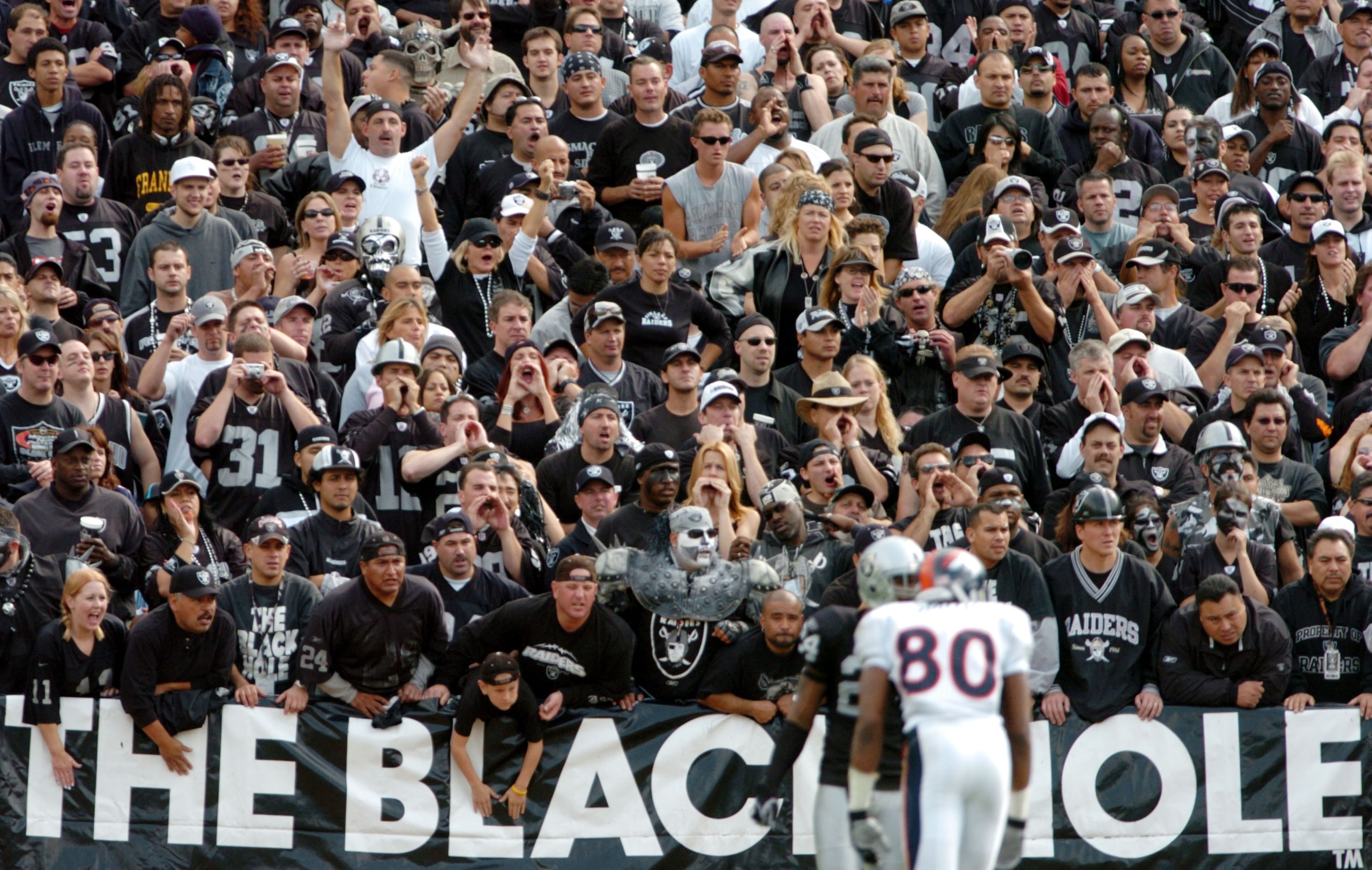
The Oakland Coliseum houses arguably the most hostile crowd in American sports. Raider fans take pride in being unruly and die hard, forming one of the most notorious fan bases in the NFL. The entire Raider persona was created by owner Al Davis, and it resonates through every part of the Coliseum.
The image of the Coliseum is cast most prominently in an area of the crowd called the Black Hole, a boisterous and at times dangerous set of end zone sections.
Though the Raiders vacated Oakland temporarily in their move to LA, their die hard fan base remained. Their facilities aren't as up to date as say, the Cardinals' University of Phoenix stadium, but the history of the Raiders' franchise is embedded deep within the Coliseum.
8: Candlestick Park
3 of 10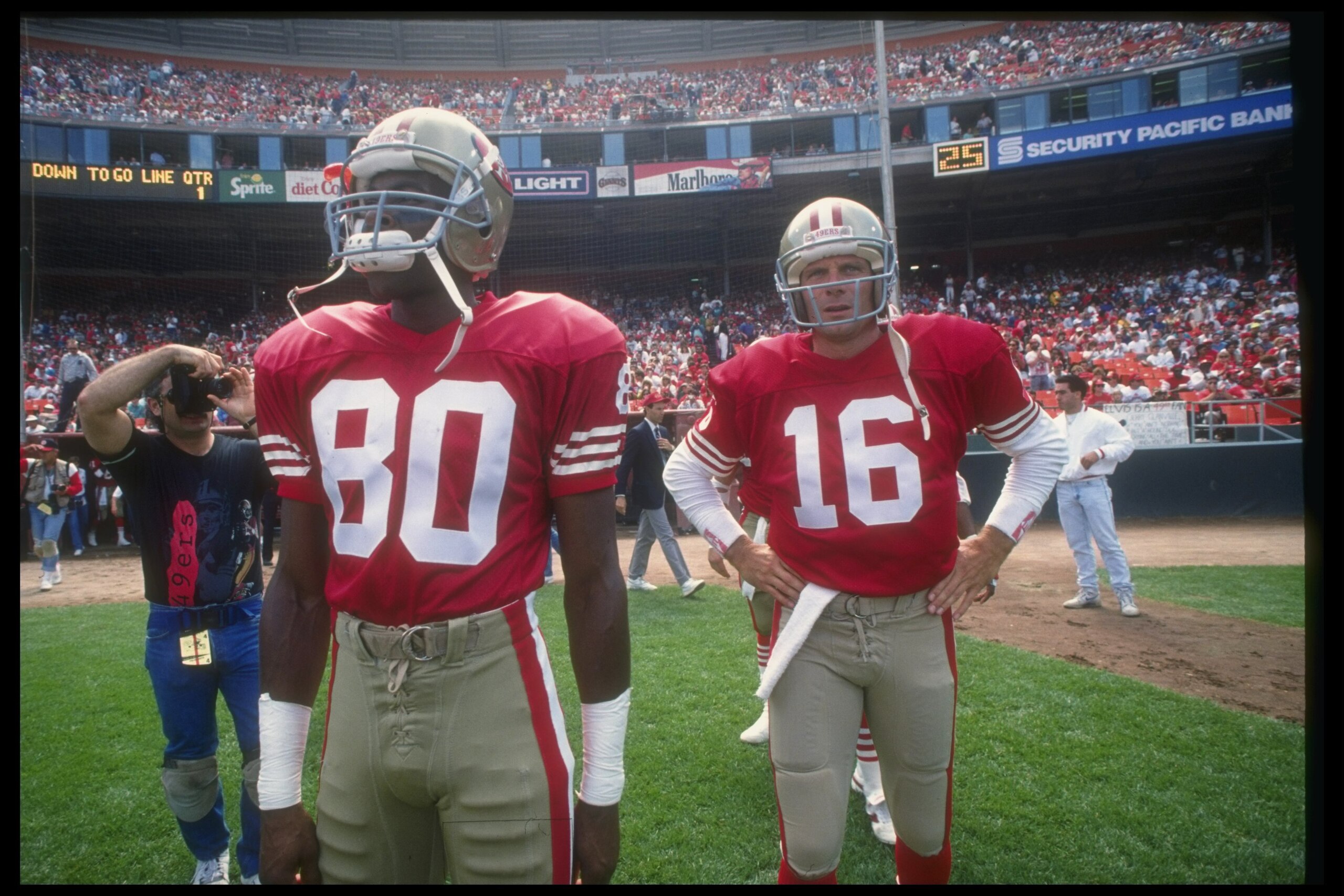
As mentioned in the intro slide, many historic stadiums are being torn to the ground. "The Stick" needs to be next on the list. Nobody is going to shed a tear when Candlestick gets torn down.
The stadium is among the worst facilities in the league, but it has also been home to one of the most storied franchises. As a result, it has hosted six NFC Championship games, and great moments like "The Catch," when Dwight Clark caught a pass that catapulted the 49ers into their first Superbowl.
A number Hall of Famers cemented their legacies at Candlestick. It was the birth place of the West Coast offense and home to one of the greatest football minds of all-time, the late Bill Walsh.
Dirty, virtually unusable? Sure. Historic landmark? Absolutely.

7: Superdome
4 of 10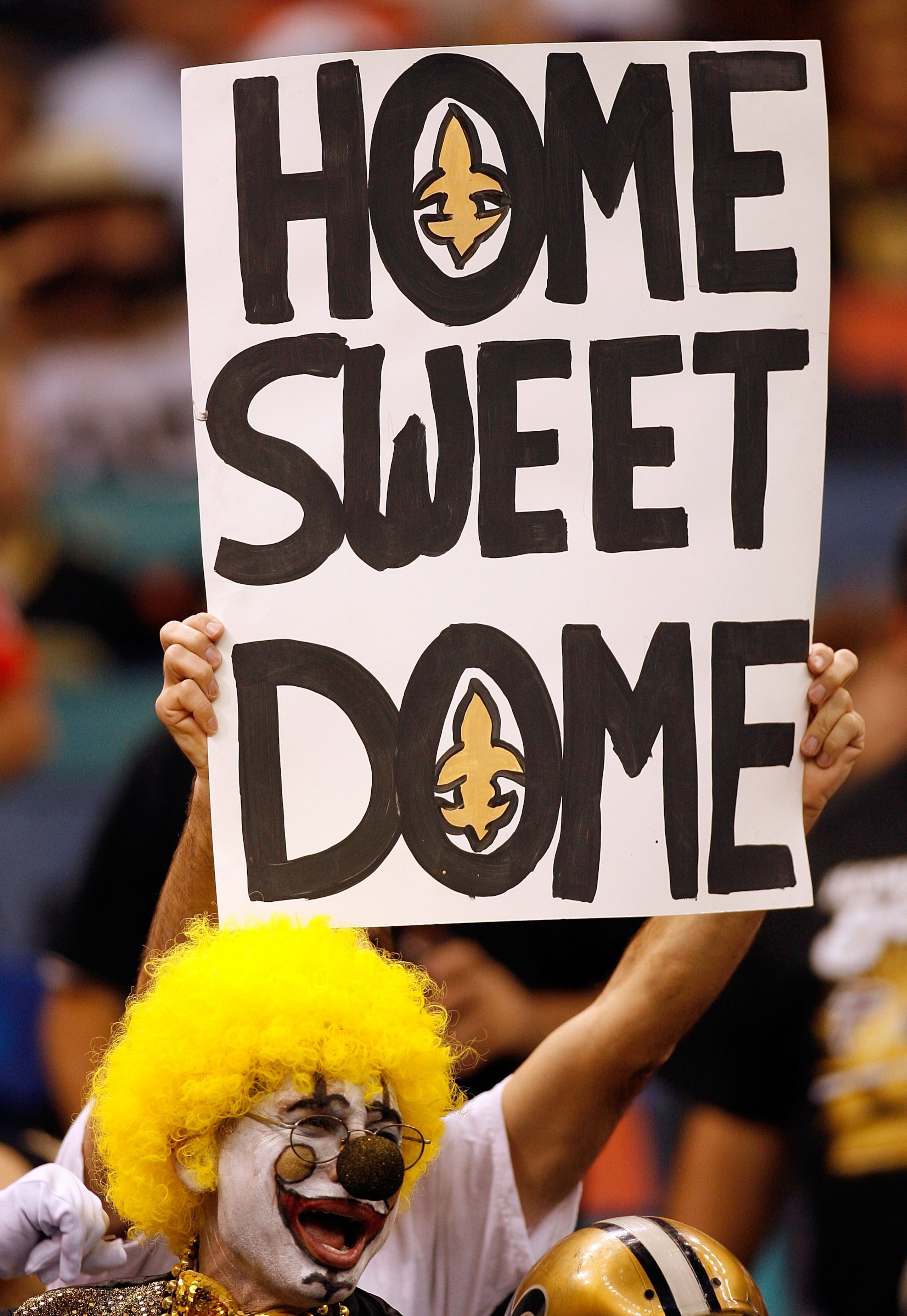
The Louisiana Superdome has hosted more Super Bowls than any other facility in history. For being an older multipurpose facility, the Superdome has held its value much better than many newer stadiums.
In one of the greatest tragedies in Louisiana history, Hurricane Katrina left many homeless, their homes being wiped out entirely. 35,000 people took refuge in the Superdome, until the stadium itself began to feel the ill effects of the hurricane.
There were talks of relocating the franchise entirely, but the team felt it owed the city of New Orleans and elected to remain in Louisiana.
The Saints ended up winning the Super Bowl in 2010. The Superdome hosted the NFC Championship game, in which the stadium was so loud, many players on the Vikings were forced to wear ear plugs.
The Superdome's survival and the Saints' overcoming of adversity is indicative of the spirit of the city of New Orleans.
6: Texas Stadium
5 of 10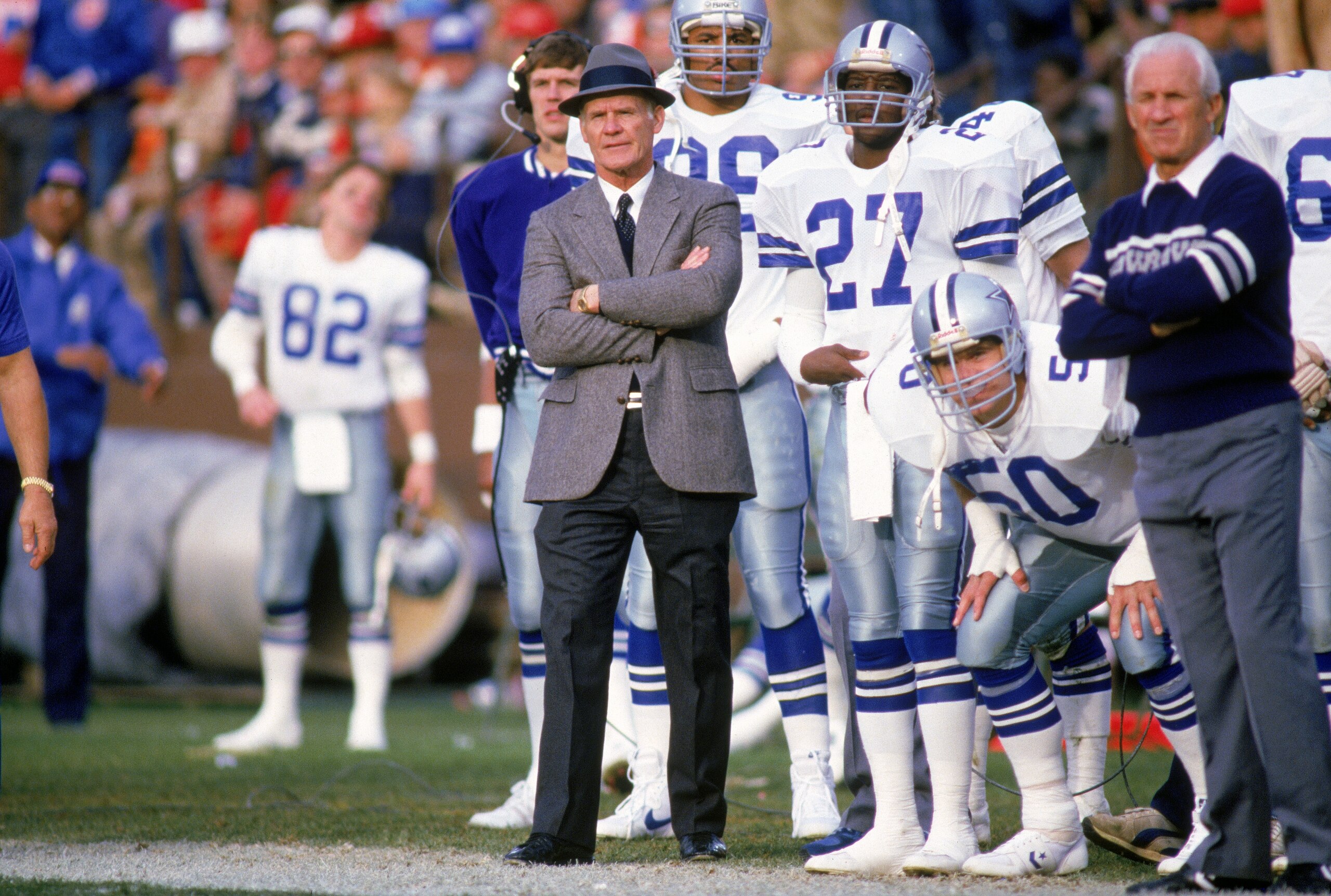
The new and improved Texas Stadium dwarfs every other facility in the nation. Their jumbotron alone probably trumps the value of several stadiums by itself. Unfortunately, "Jerry World" pales in comparison to the old Texas Stadium from a historical standpoint.
When you think Texas Stadium, it's hard not to envision Tom Landry standing on the sideline, looking intently onto the field in his hat and jacket. He gave the Cowboys an image and defined what it meant to be a Dallas Cowboy.
Emmit Smith, Michael Irvin, Troy Aikman, and Jimmy Johnson continued to build on the legacy, adding a dynasty to Dallas' repertoire of accolades.
The Cowboys have completely let down their fan base and made the new stadium's inception anticlimactic. The new stadium may never surpass the old one in terms of historical significance.
5: Polo Grounds
6 of 10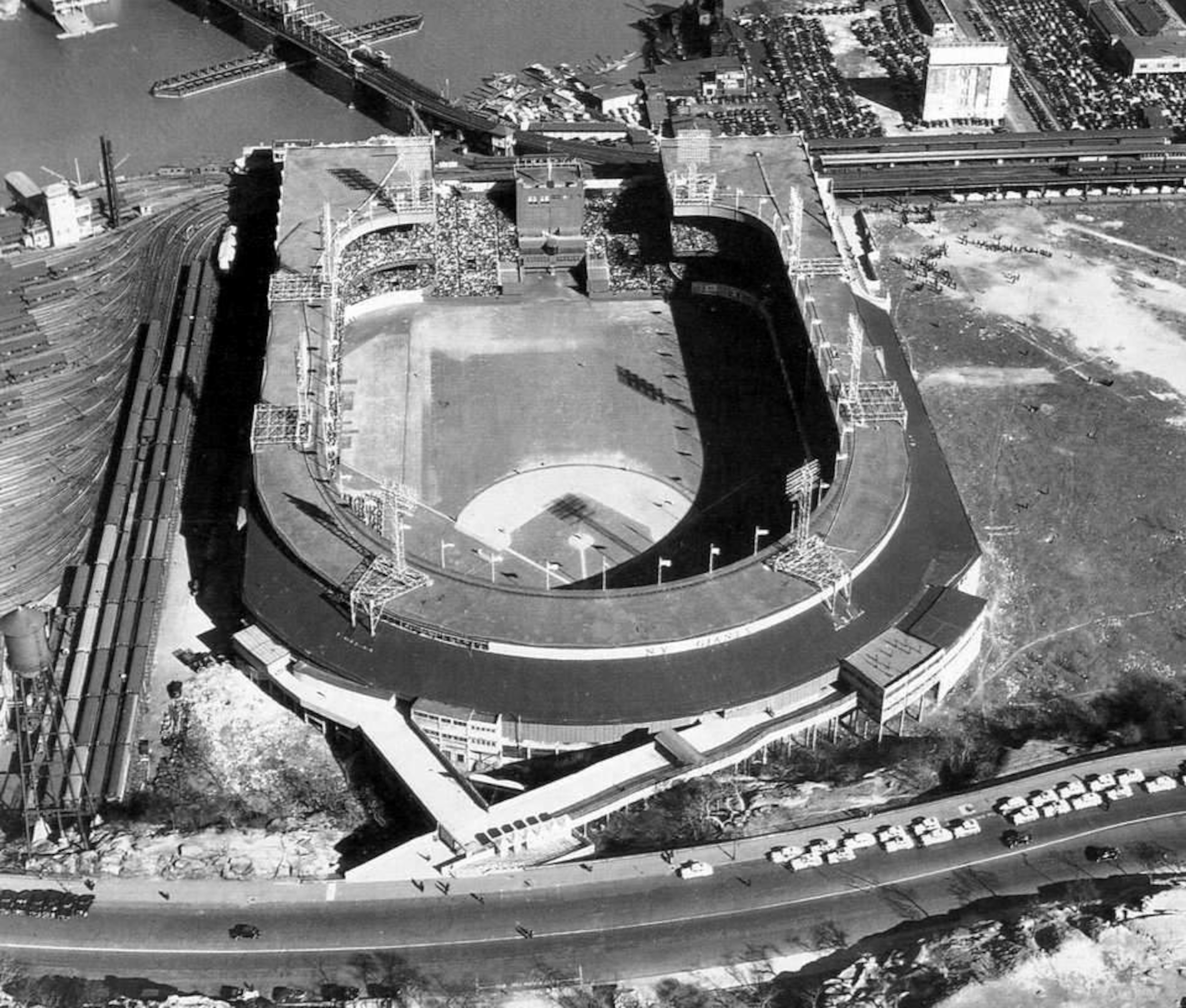
While this is a list marking the most historic landmarks of the NFL, the Polo grounds would have made it on a list of sports landmarks in general. The Polo Grounds served as the home of the New York Giants.
While football was played at a collegiate level at the Polo Grounds dating all the way back to 1883, it was also one of the first venues that created a better football atmosphere than a baseball atmosphere.
Through the 1930's and 1940's, the Polo Grounds served as the venue for the NFL Championship four times. Professional football was not nearly as popular as college football at that time, but the Polo Grounds still managed to create an innovative experience from a spectator's perspective.
Just by looking at the photo above, it is easy to draw comparisons between the structure of the stadium and stadiums today. The Polo Grounds were instrumental in the pioneering of designing stadiums that were not exclusive to viewing one sport.
4: Soldier Field
7 of 10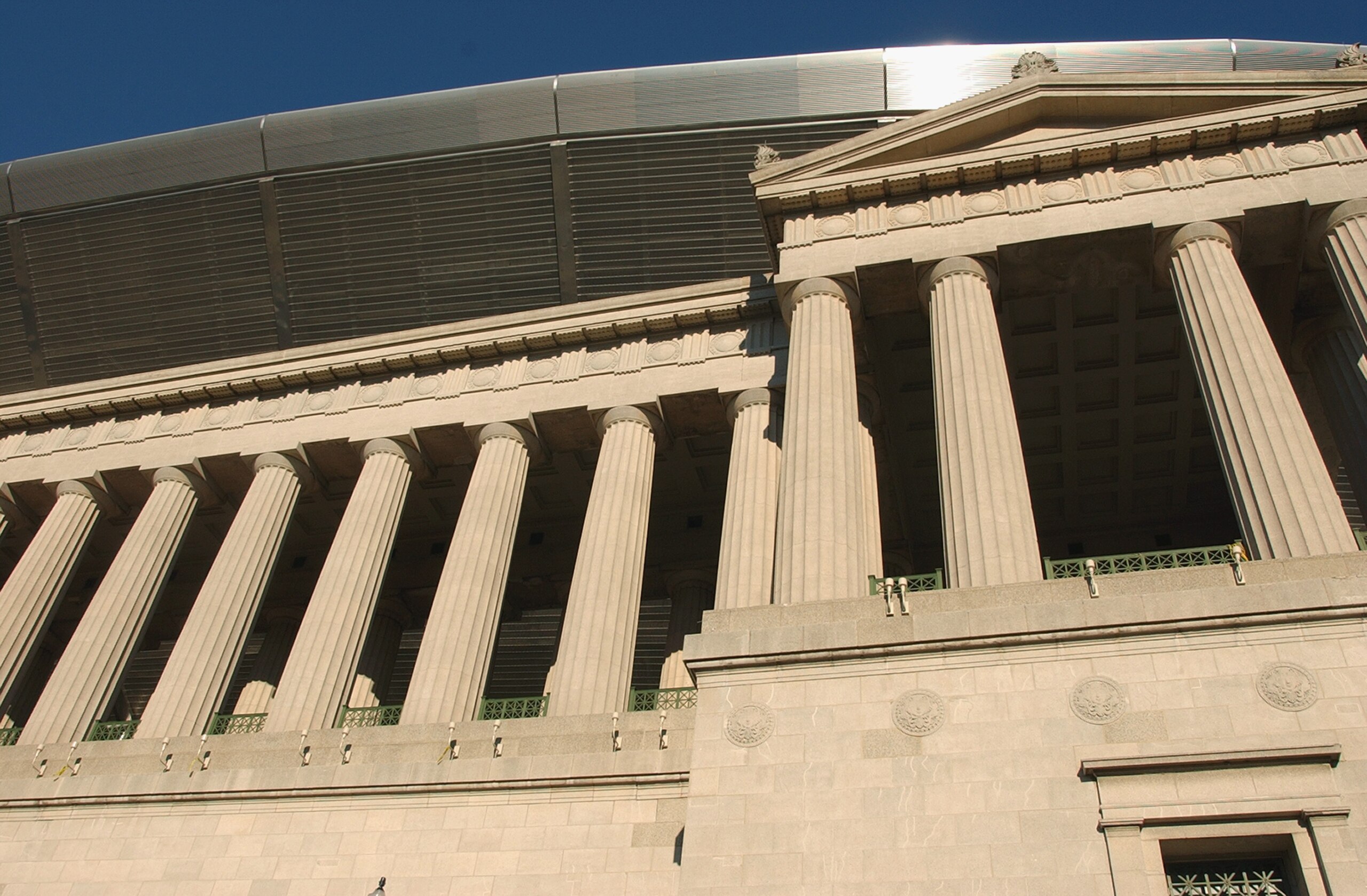
The name Soldier Field in itself presents the notion that any team who enters is going to be in for a battle. The Bears have called Soldier Field home since 1971, and have upheld an intimidating image fairly consistently since.
Soldier Field field is synonymous with the word legendary. Its inhabitants frequently showcase the same qualities as the field itself. Hard-nosed, unforgiving, and daunting—these are adjectives that could be used to identify the Monsters of the Midway.
Whether the player is Dick Butkis, Walter Payton, or Brian Urlacher, nearly every successful player in Bears history takes on the same persona. The stadium has been resonated, but the mystique, like the columns on the outside, still remain intact.
3: Yankee Stadium
8 of 10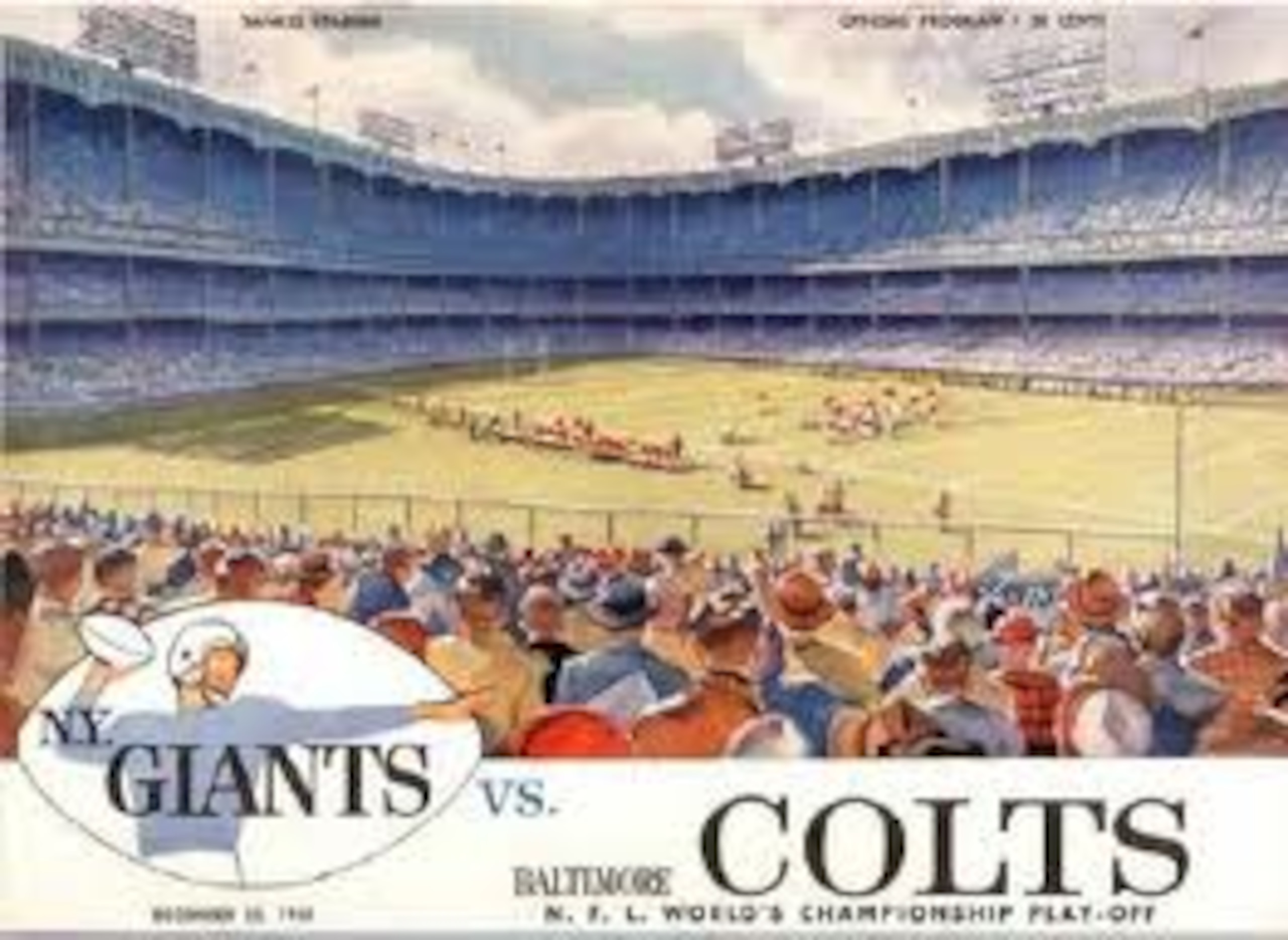
Yankee Stadium breaks onto this list for one reason and one reason only—it played host to "The Greatest Game Ever Played." The 1958 Championship between the Baltimore Colts and New York Giants is arguably the most important game in NFL history.
The game was nationally televised, which turned out to be ideal given the outcome of the game. It was the first playoff game to ever go into sudden death overtime. The game put football on the map, and helped it become what it is today.
The game itself had 45 million viewers. Some would argue it was the catalyst for the makings of the AFL. The game launched professional football into unprecedented popularity. While virtually nobody identifies Yankee Stadium with football, it played host to perhaps the biggest single event in professional football history.
2: Canton
9 of 10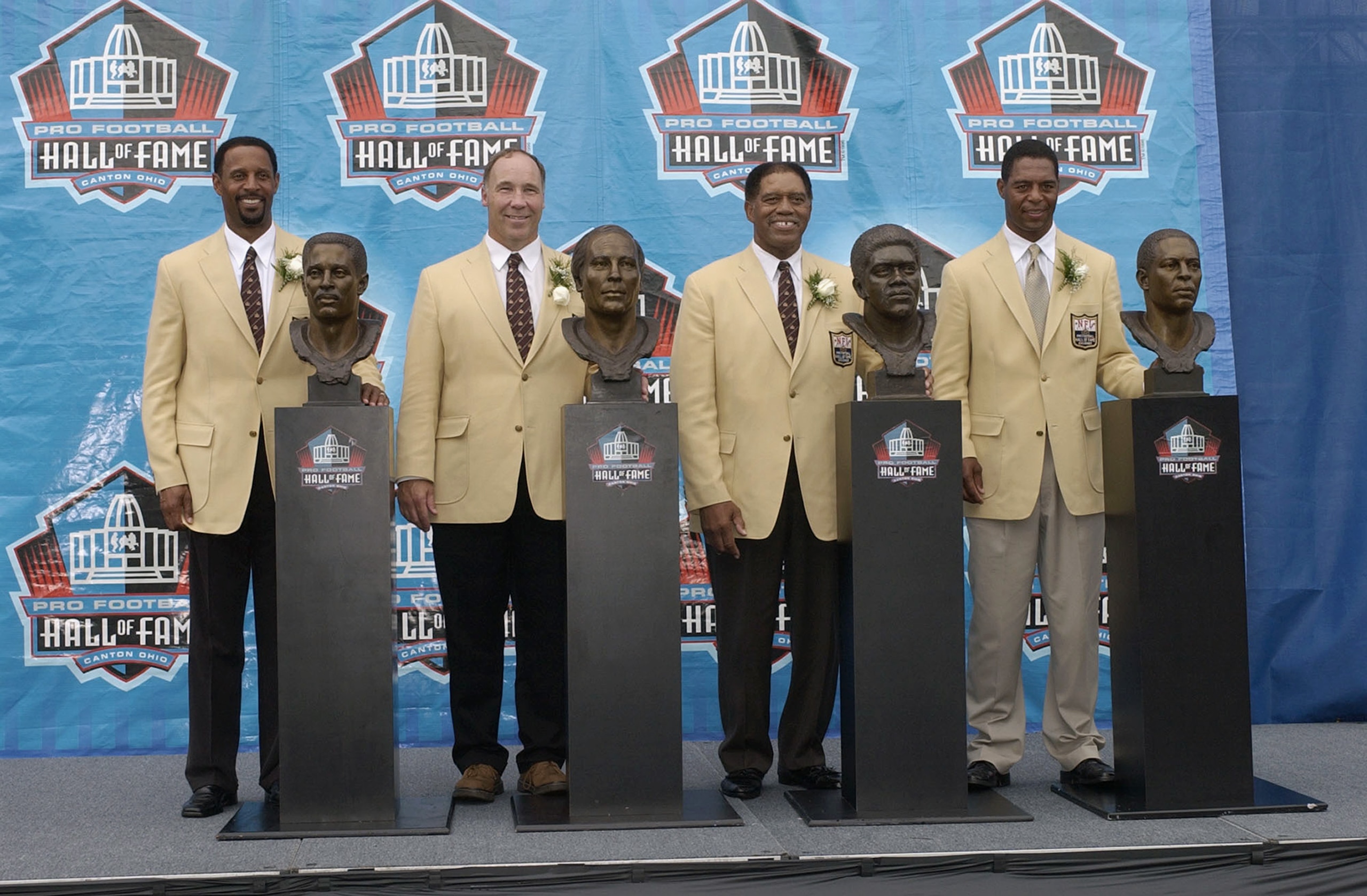
Canton is the Mecca of professional football. If the NFL had a capitol, it would be Canton, Ohio. It is home of the Pro Football Hall of Fame, which is easily the biggest historical hub in professional football.
It also serves as the final destination of the NFL's greatest players. Every gridiron legend dreams of being immortalized in a bust in Canton from the time they are born. The Hall of Fame provides a way for icons to gain recognition for what they have provided the game, and pay respects to what the game has provided them.
Canton is the ultimate goal for everyone who has ever put on shoulder pads. Fans who walk through the Hall of Fame are given the opportunity to look back on the players who made the NFL what it is today.
1: Lambeau Field
10 of 10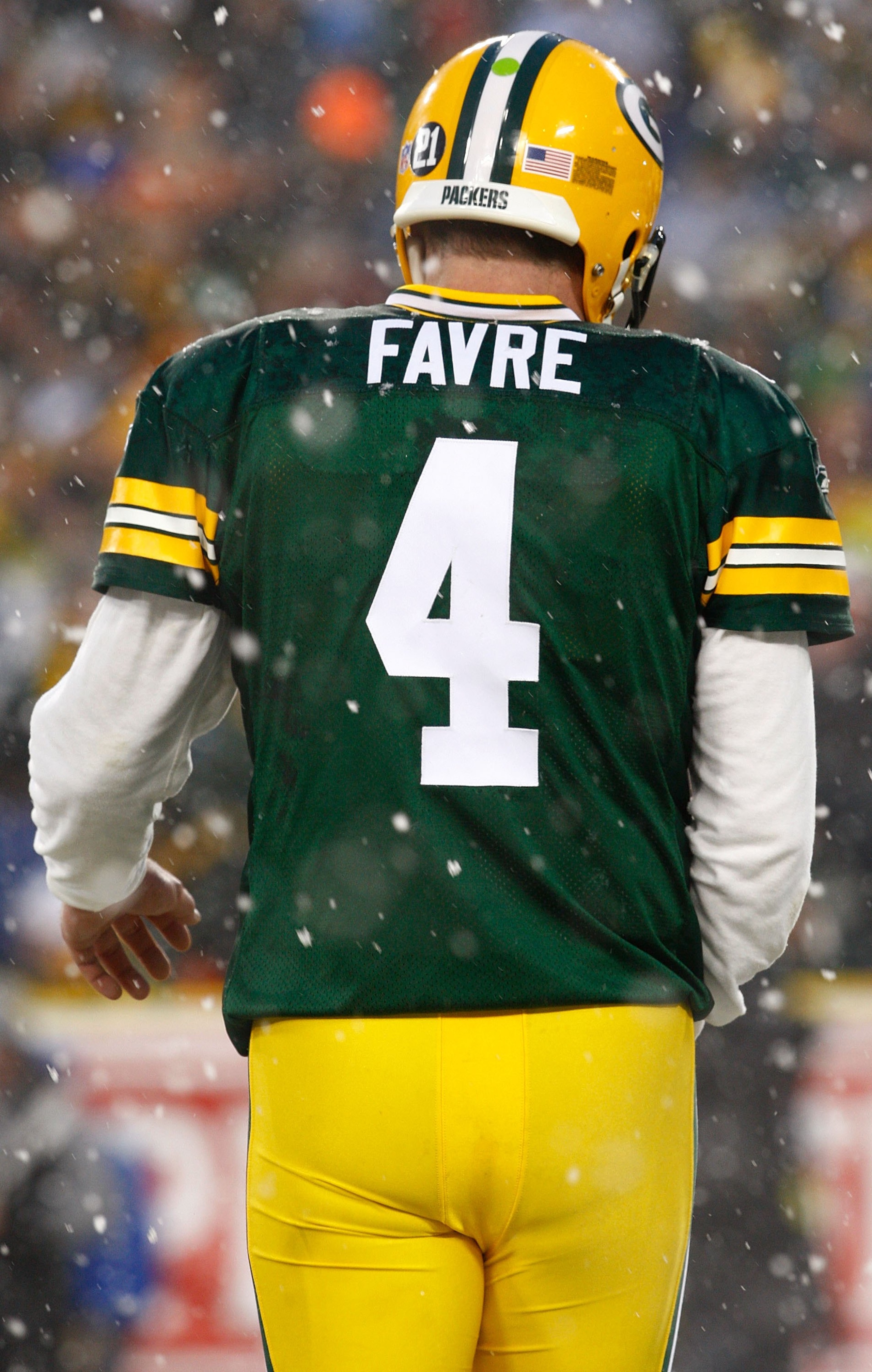
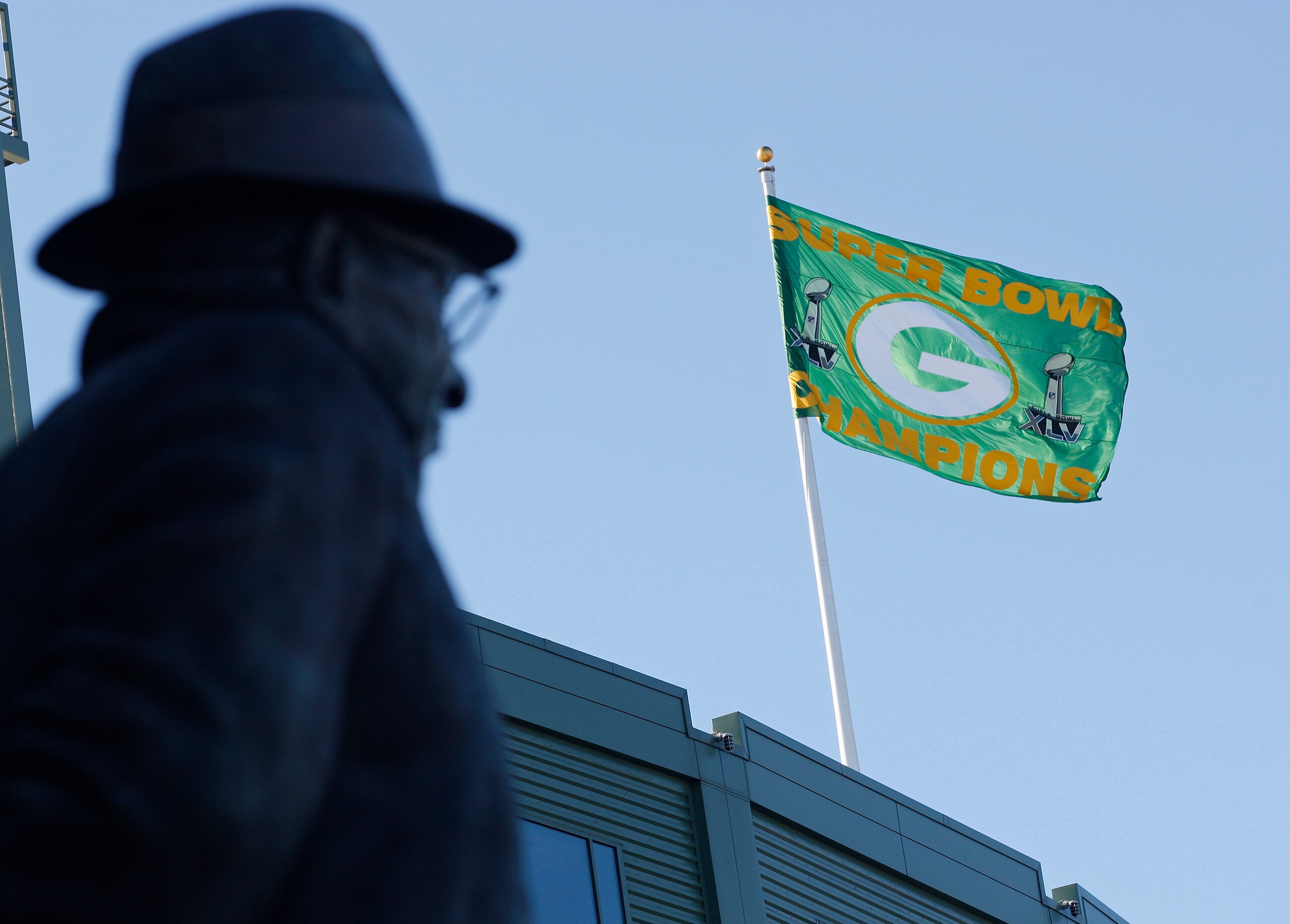
Lambeau Field. The frozen tundra. Lambeau surpasses even the pro football Hall of Fame in terms of historic importance.
When you think football history, the first name that comes to mind is probably Vince Lombardi. Lombardi commanded the Packers to the first two Super Bowls in history. Lambeau is home to the Lambeau leap and cheeseheads.
The stadium played host to the Ice Bowl—the -13 degree 1967 NFL Championship between the Packers and Cowboys. It has produced legends like Brett Favre, Bart Starr, and Ray Nitschke, among other heralded Hall of Famers.
There are many historic landmarks in the NFL, but no one word in pro football lore resonates like "Lambeau."

.jpg?w=2560 "LA Premiere of \"Chad Powers\"")