
NFL Labor Issues: Why Judge Doty's Decision Will Only Slow Down Negotiations
Judge Doty ruled on Tuesday night that the NFL owners would have to figure out a better way to spend their $4 billion television contract money, rather than just keeping it for themselves in the event of a lock out. The rather player friendly Judge Doty decided that the NFL owners would have to share the money with their revenue partners, the NFLPA, or not touch it altogether.
While the NFLPA proclaims victory and a major step forward in getting the owners to rethink a lockout and compromise with the players, the truth is that Judge Doty may have done more harm than good. Unless you are firmly in defense of the players and committed to seeing them get a just settlement, Doty’s decision might have made things slower.
Here’s a breakdown of the decision and why it’s impact might have created more problems than it solved.
10. What We Know
1 of 10
The issue with the ruling last night was the TV contracts the NFL has in place. In those contracts it states that in the event of a lockout the NFL still gets paid. The plan was for the owners to lock the players out and use that money to make scheduled payments for fees and expenses to go with owning a professional football team.
The NFLPA felt that, as revenue partners of the NFL, they were entitled to a portion of that money($4 billion). Judge Doty agreed. He ruled that the NFL would have to either freeze the money, or find a way to split it with the owners.
This, of course, bothered the owners not just for the ruling, but when considering the source. The owners have long seen Judge Doty as a very player friendly owner. He originally ruled for free agency and also ruled in favor of Michael Vick keeping his $20 million bonus from the Falcons after all his legal woes.
9. No Money For Payroll
2 of 10
This only enforces the owners opinion that the NFLPA has too much power and that the owners have too little power. This is the kind of thing that the owners should be rallying against.
The Owners have been asking for an additional $1 billion off the top of the revenue money for rising costs of owning and operating a football team. The Union has stood fast that the system is fair.
Judge Doty’s ruling just cut in to the owners ability to pay their operating costs in the event that they have to lock out to get more money for operating costs. This only stands to increase the tension between the players and the owners.
8. No Decertification?
3 of 10
The Union had planned all along to decertify. This would give them the ability to sue the NFL owners in a court of law and see if they can get a legal ruling to go in their favor for what they need.
Part of the reason that the Union was doing so was to force the issue. The thought was that they were going to be locked out while the owners were sitting on a big pile of cash. Now, that’s in jeopardy meaning the NFLPA may want to wait, figuring the owners will budge first.
What this could create is a staring contest. One side waiting for the other to blink. Meanwhile no one is getting football.

.jpg?w=2560 "Seahawks Chiefs Football")
7. What’s the Next Ruling?
4 of 10
The next step after the ruling is for the owners to appeal the judgment handed down. They will argue the point that all they did was negotiate lockout insurance as a shrewd business move.
However, if the decision Doty made holds up(and there is much reason to believe it will) the court will then have to determine what to do with that money.
What happens to that money will tell each side what the future holds if they end up in a lockout. So, until that decision is made both side can talk all they want but very little will get done. That money is now the key to how these negotiations continue. Judge Doty, whether the ruling was fair or not, muddled the picture.
6. War Chest: A Bad Thing?
5 of 10
The NFLPA will be anxiously waiting to find out if their will simply be an injunction to stop the owners from touching the $4 billion, or if there will be more money given to the NFLPA at least on a provisional basis.
If the courts order that the NFLPA get money for damages then there is reason to think the negotiations will go on for quite some time.
Part of the urgency by the NFLPA was knowing that they had very little money to get them through a strike. Now they may have themselves a sizable war chest. This means they may be willing to let things play out in hopes that it’s the owners who start sweating. That will only prolong the process.
5. Drawing a Line
6 of 10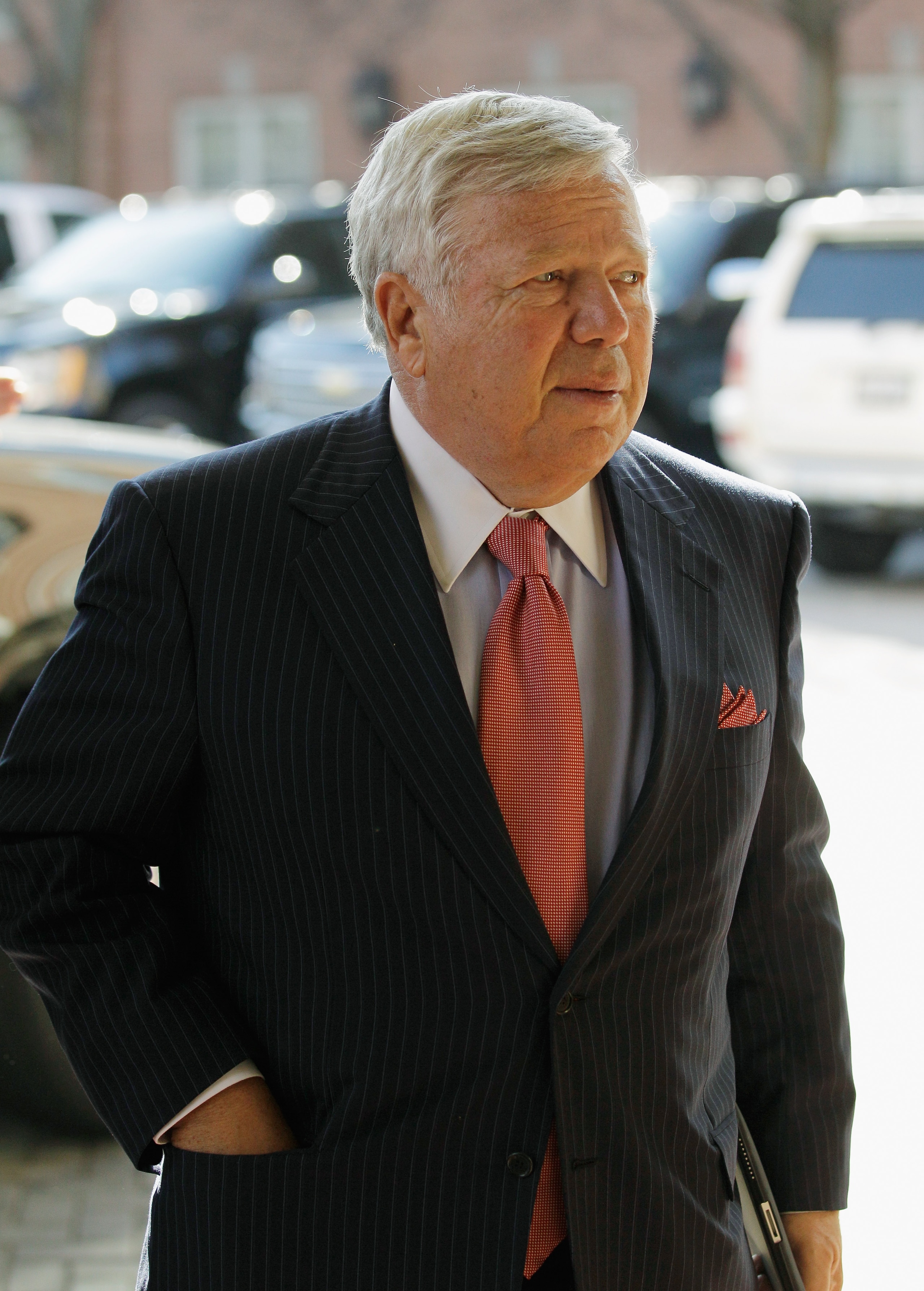
What this ruling has really done was make the owners look bad to the public. They agreed to go into partnership with the players. Then when they decided to change their agreement, they tried to keep the revenue both sides earned for themselves as a form of leverage.
It’s almost up to the owners to not give in quick following the ruling. This won’t be the last time a CBA gets negotiated. It’s important to not look like a group of owners who got caught and are trying to get a deal done now that there plan has been exposed publicly.
The owners need to take this further so that the public knows it was about the issues and not them trying to be greedy.
4. Still Far Apart
7 of 10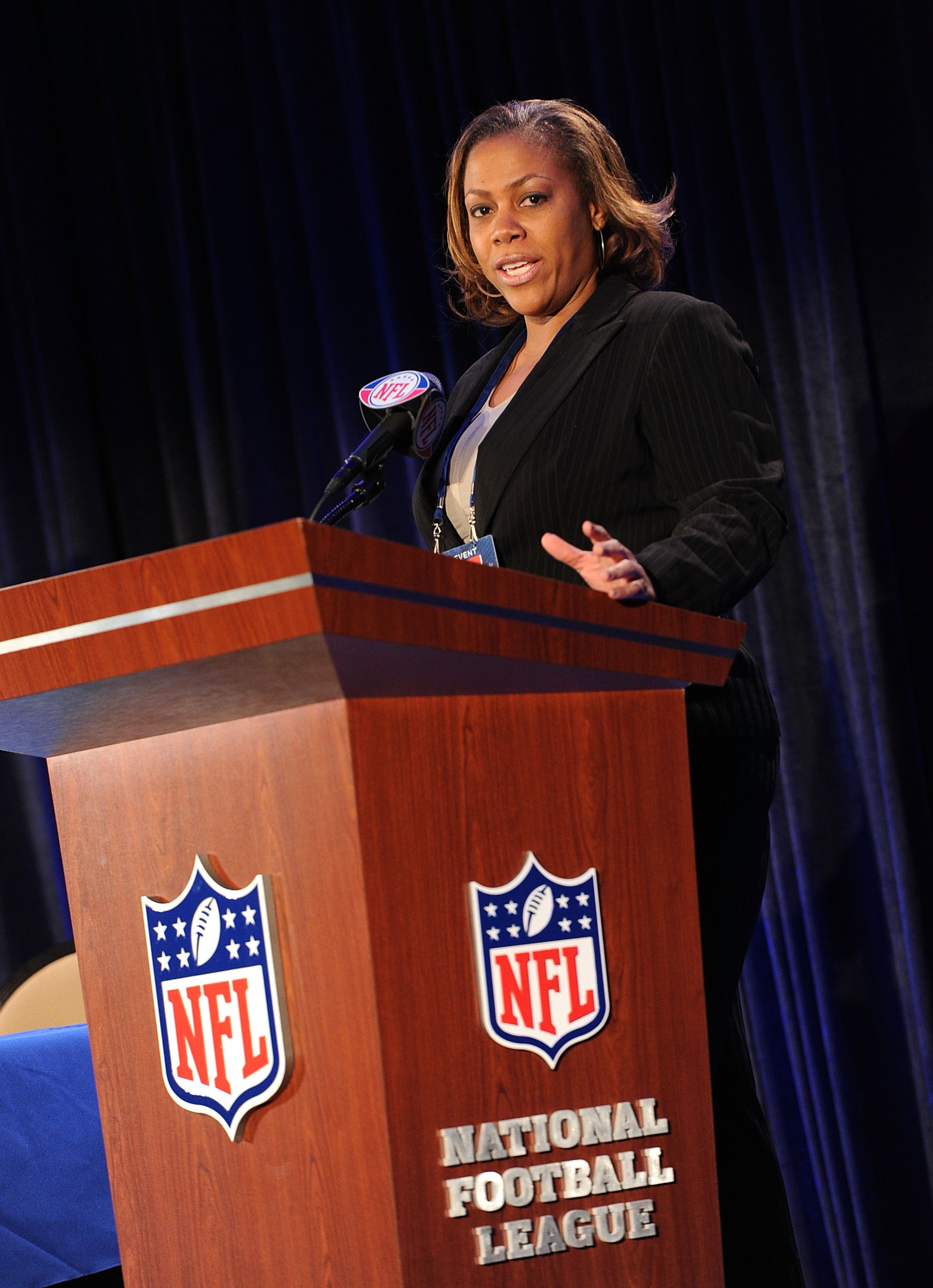
This ruling may have forced the hand of the owners a little sooner than they would have liked but it doesn’t put them anywhere close to a decision. All it does is get them onto a track where they are concerned about the ruling and who’s right on issues that don’t directly pertain to getting a new CBA done.
This only keeps the NFL and the Players Union from really focusing on issues that matter. Sure, there have been meetings with a mediator but this ruling was a leverage move by the NFLPA and it’s going to be countered by the owners. Once that begins they could be headed down a slippery slope of trying to gain the upper-hand when they should be concerned about making a decision.
3. The 18 Game Schedule
8 of 10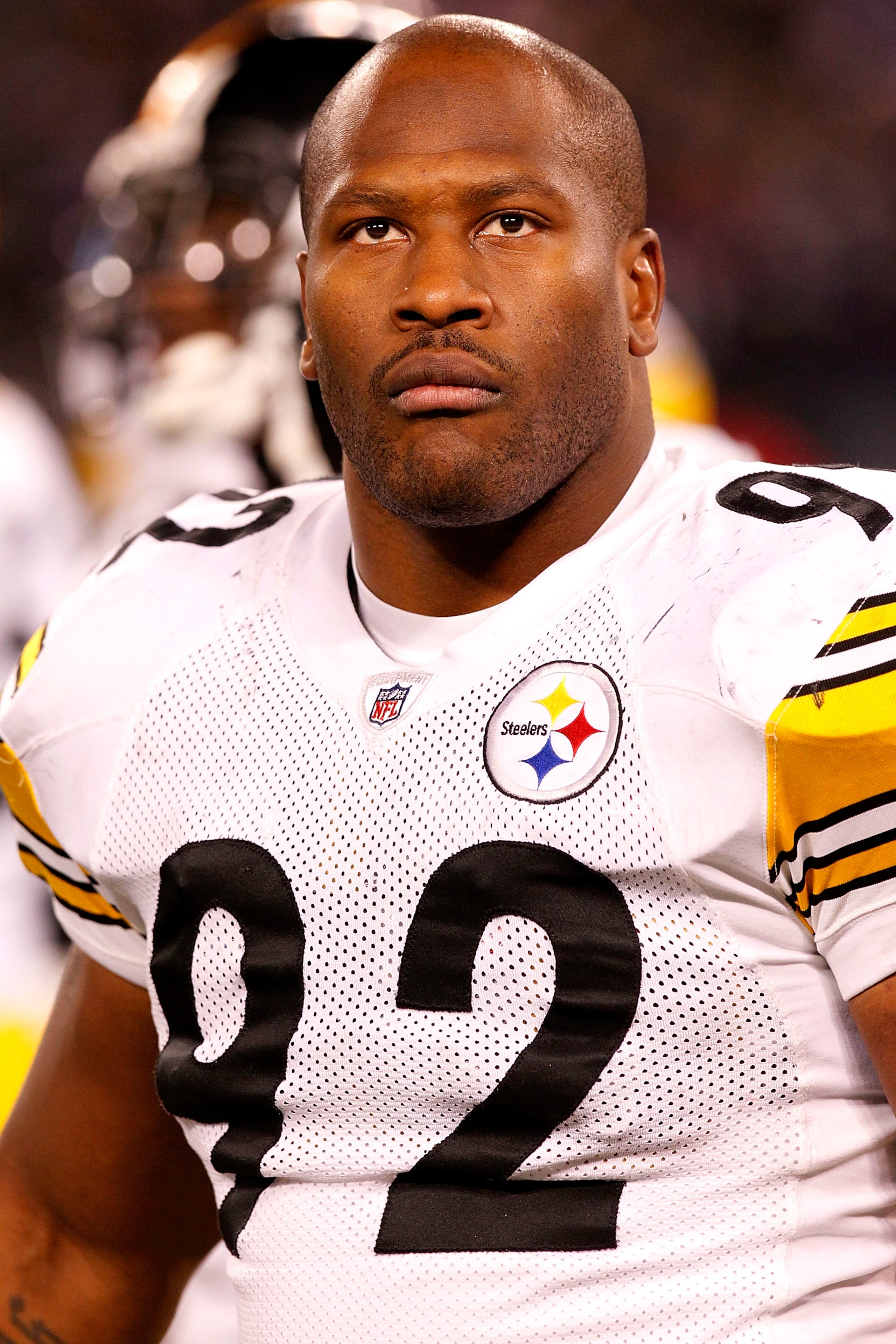
This seems to be the central issue between the owners and the NFLPA, once you get past the revenue sharing.
The owners are insistent on an 18 game schedule but don’t want to pay the players more considering they will reduce the preseason to two games. This makes it a total of 20 games. This means it would still be the same number of game checks.
The players are interested in more compensation considering they will have to play these games as opposed to the preseason that most starters barely participate in. They also would be interested in roster expansion which would increase the money the owners have to spend on payroll.
There are also issues with health care after retirement due to the fact that an 18 game schedule could shorten the number of years players play.
2. The Rookie Salary Cap
9 of 10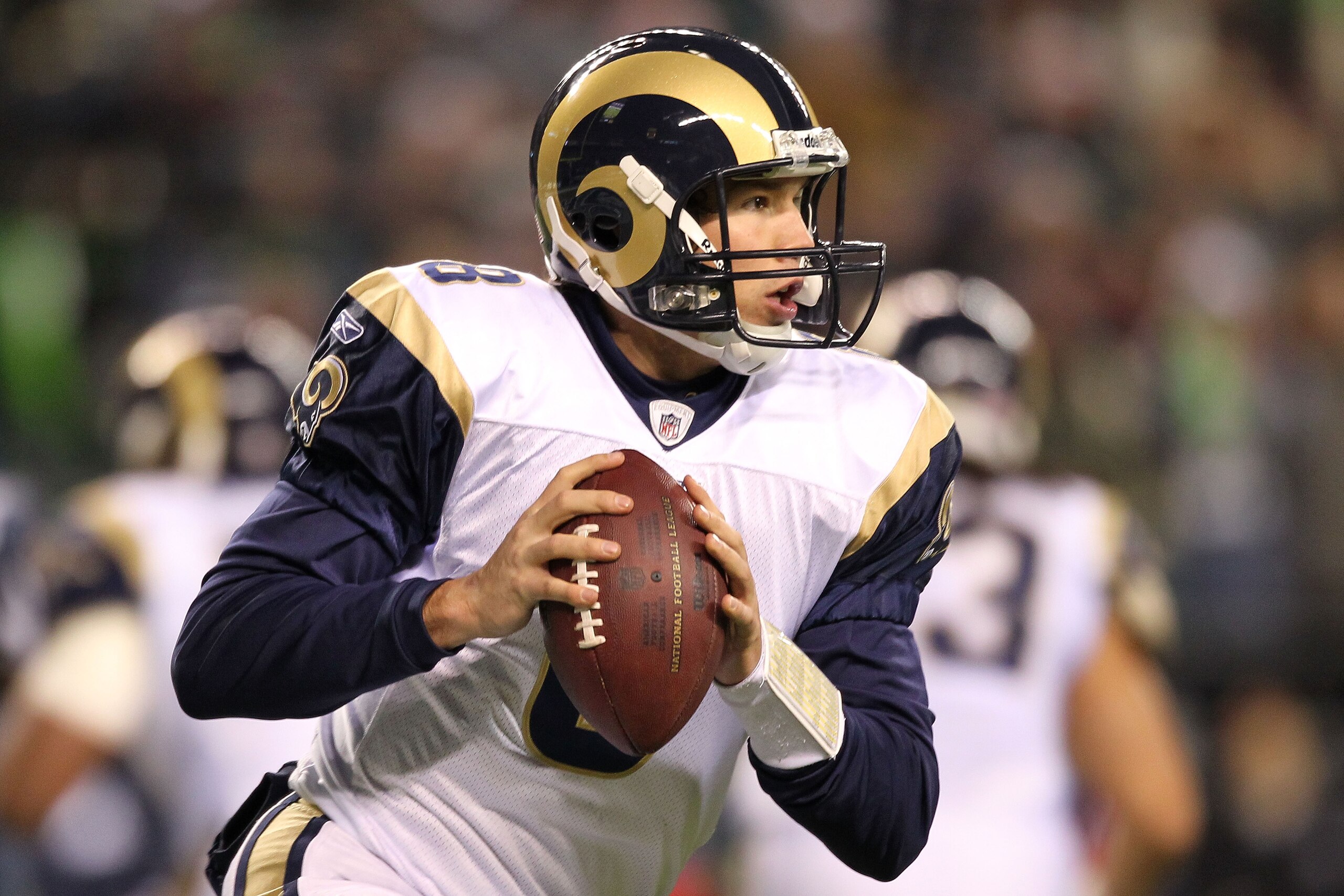
Both sides seem to agree that the rookies need to have a cap on the amount they get. The only problem is that neither side can agree on what to spend the savings on.
The owners think that it should be a savings for them and the money doesn’t have to be redistributed. The players tend to think the money should be divided between veteran players and retired players.
Of course all of this rookie money ties firmly into the restructuring of the revenue that owners have been clamoring for.
1. Where Does That Leave Them
10 of 10
The best case scenario for judge Doty’s ruling is that the NFL owners feel compelled to work harder on a resolution that all sides can be happy with. The hope is that they sit down and make it their goal to hash out an agreement that keeps football going while it’s at the height of it’s popularity.
The worst case scenario is that the NFLPA takes this ruling as a reason to become more entrenched in their own position and become far less flexible in their bargaining. The worry is that both sides start playing the leverage game until they have leveraged themselves out of the regular season and put a dent in football that they might have trouble recovering from.
The truth is that it’s not likely to be either. These best case/worst case scenarios usually meet somewhere in the middle. Let’s hope the NFLPA and the owners can do that same.



.jpg?w=2560 "Latest Peyton-Colts Rumors")