
2011 NFL Draft: Don't Pick a Running Back, at Least Early
Hoping your team gambles on a running back this April?
You should rather they hedge their bets and wait until Sunday to find a rusher. Late on Sunday.
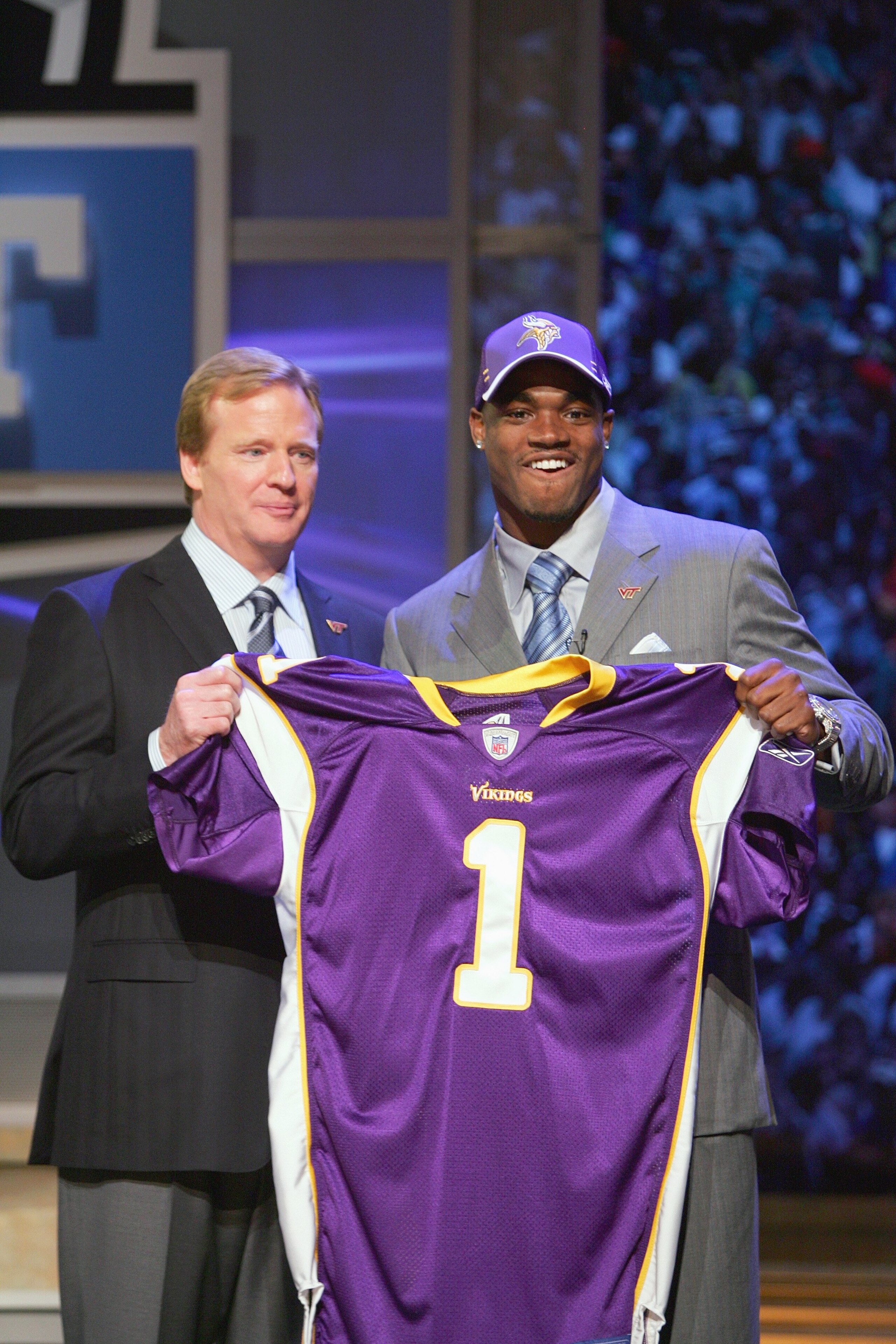
Yes, the first two rounds can produce amazing talent. I think the Vikings and Ravens both feel pretty happy about Adrian Peterson and Ray Rice respectively. However, quality running backs can be found in the seventh round, as undrafted free agents and even on the roster of the Sioux City Bandits!
Here are two reasons spending a high-value first-round pick on a running back is not a good investment, along with six examples where undrafted or seventh-round picks proved their worth in 2010.
Reason No. 1: Two-Back Sets
1 of 8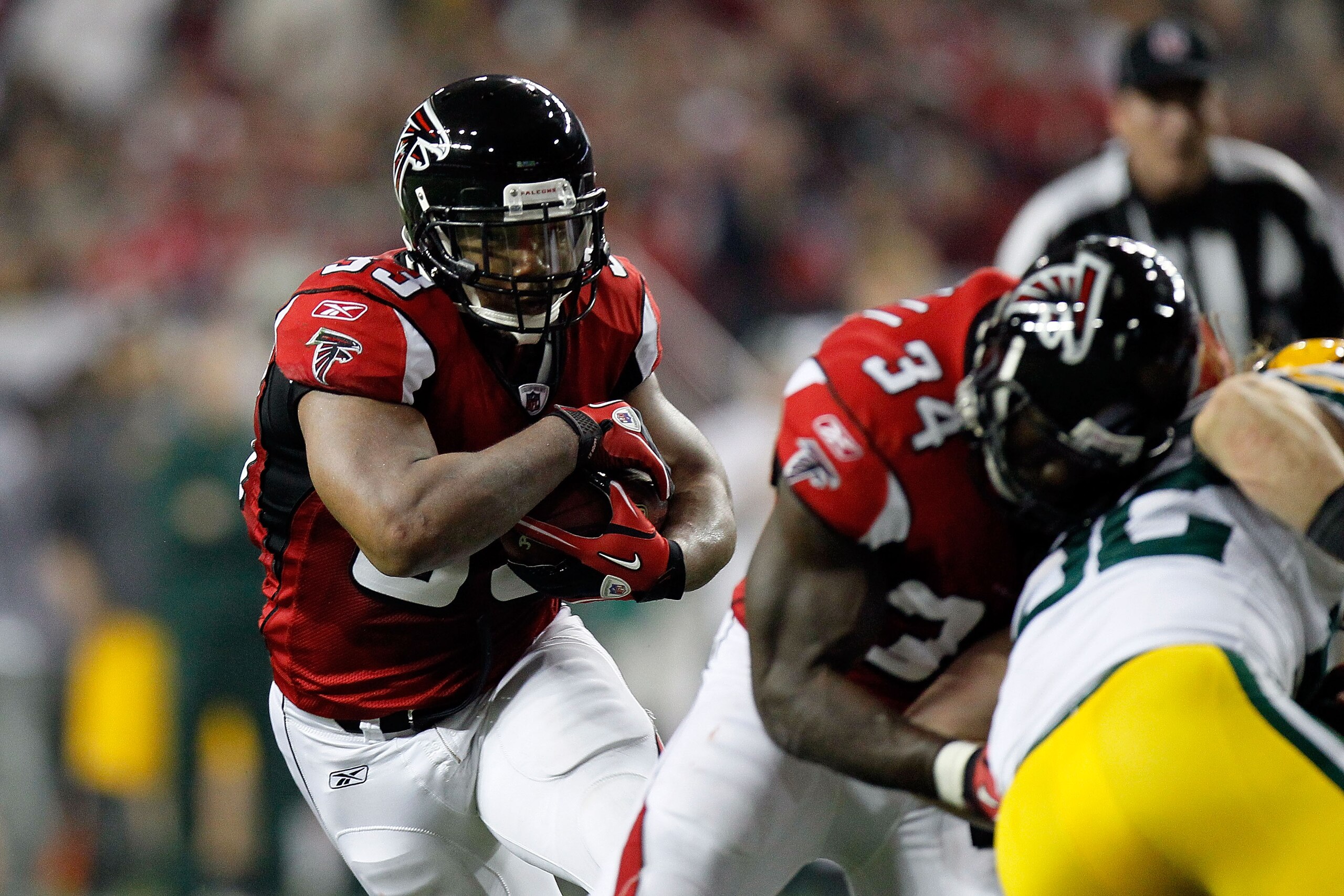
First and second-round picks are meant for starters: full-time and long-term starters.
Look at these numbers:
From 2007-2010, the average number of running backs with more than 300 carries: six.
Four years earlier (2003-2006), the average number of backs with 300-plus carries: 10.5.
With more offenses sharing the carries between running backs, would you rather your first-round running back spend Sundays tasting the Gatorade or taking the handoff?
Beware: The position your team selects may not give you enough financial "bang for your back."
Reason No. 2: Time Is Already Ticking
2 of 8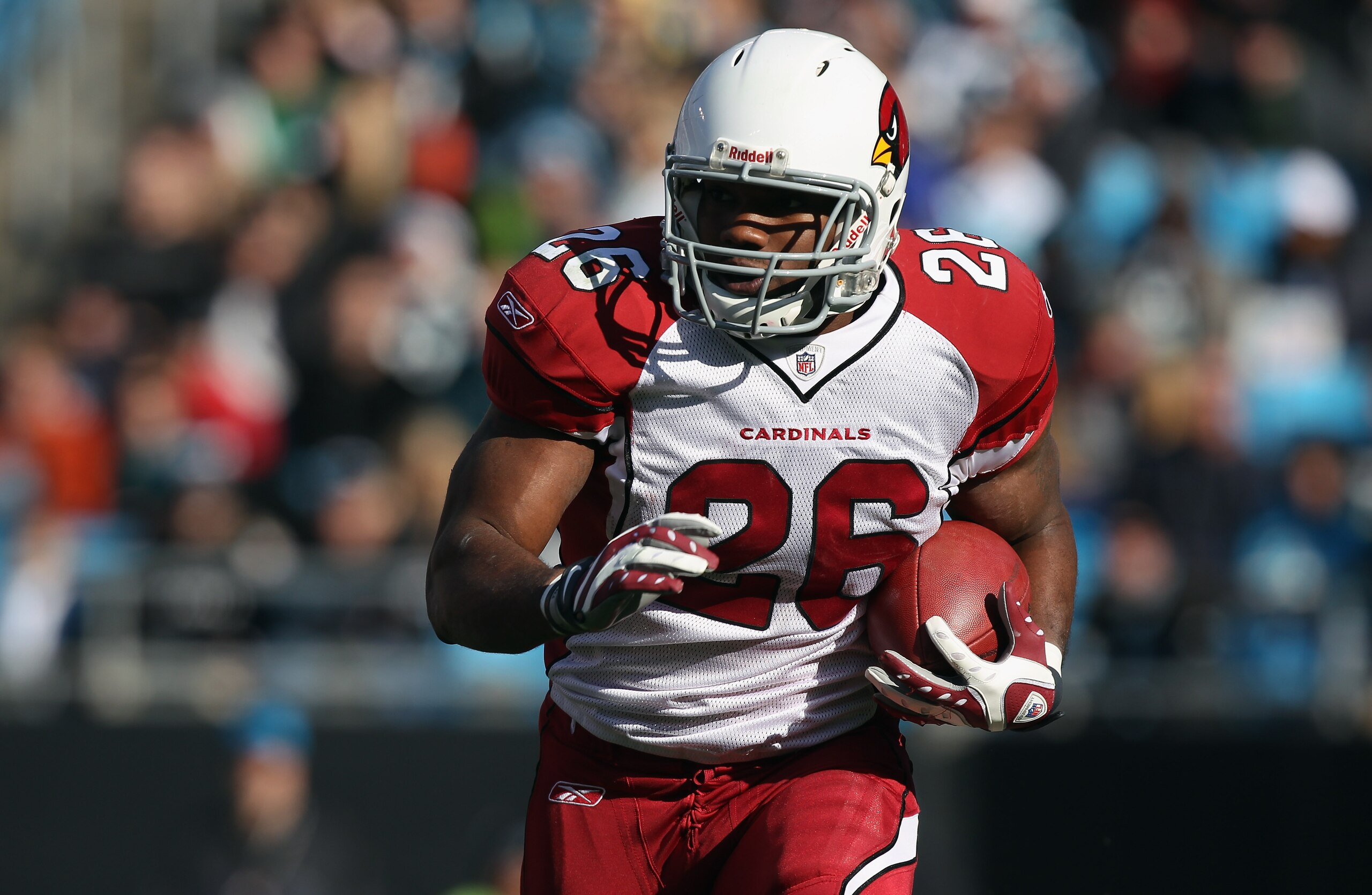
OK, we know the average length of an NFL career is 3.3 years. This means every player selected could be out of the league by their 25th birthday.
Running backs? Don’t blink—you may miss a player’s entire era.
By position, running backs have the shortest career, lasting less than 2.6 years. A high draft pick back may last a bit longer on the roster, with teams financially tied to the player with longer-term, large-dollar deals, but the physical punishment pushes a back out of the league quicker than any other type of player.
Remember, this is an investment. Long-term dividends pay off the best.
Example No. 1: Arian Foster—1,616 Yards
3 of 8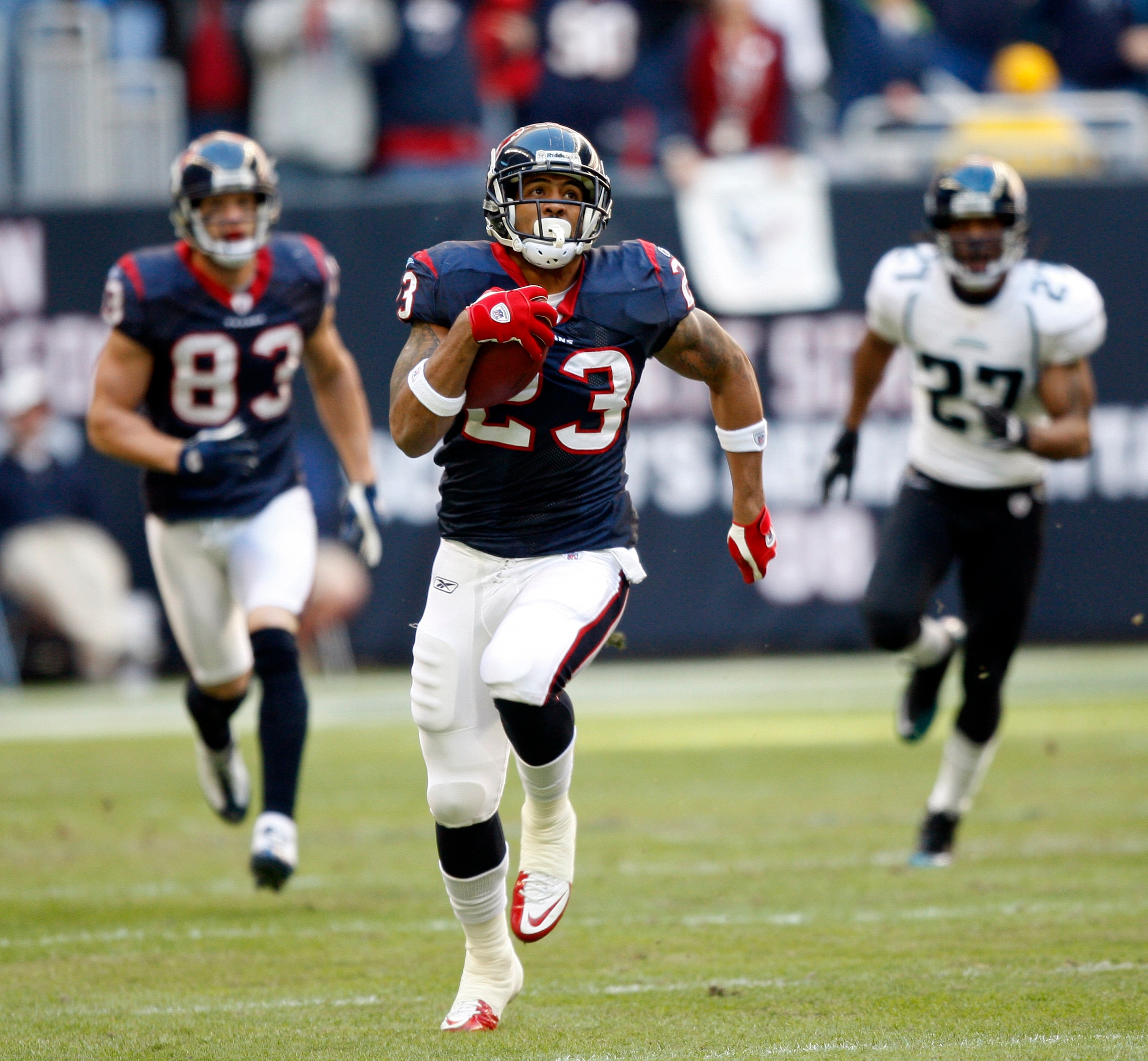
The league’s leading rusher in 2010 was a free agent whose phone did not ring until after the 2008 draft was over.
The former Tennessee Volunteer reached the end zone 16 times. Including Foster’s receiving duties, he accounted for 18 of Houston’s 44 touchdowns.

.jpg?w=2560 "Steelers Saints Football")
.jpg?w=2560 "Rams Raiders Football")
Example No. 2: Ahmad Bradshaw—1,235 Yards
4 of 8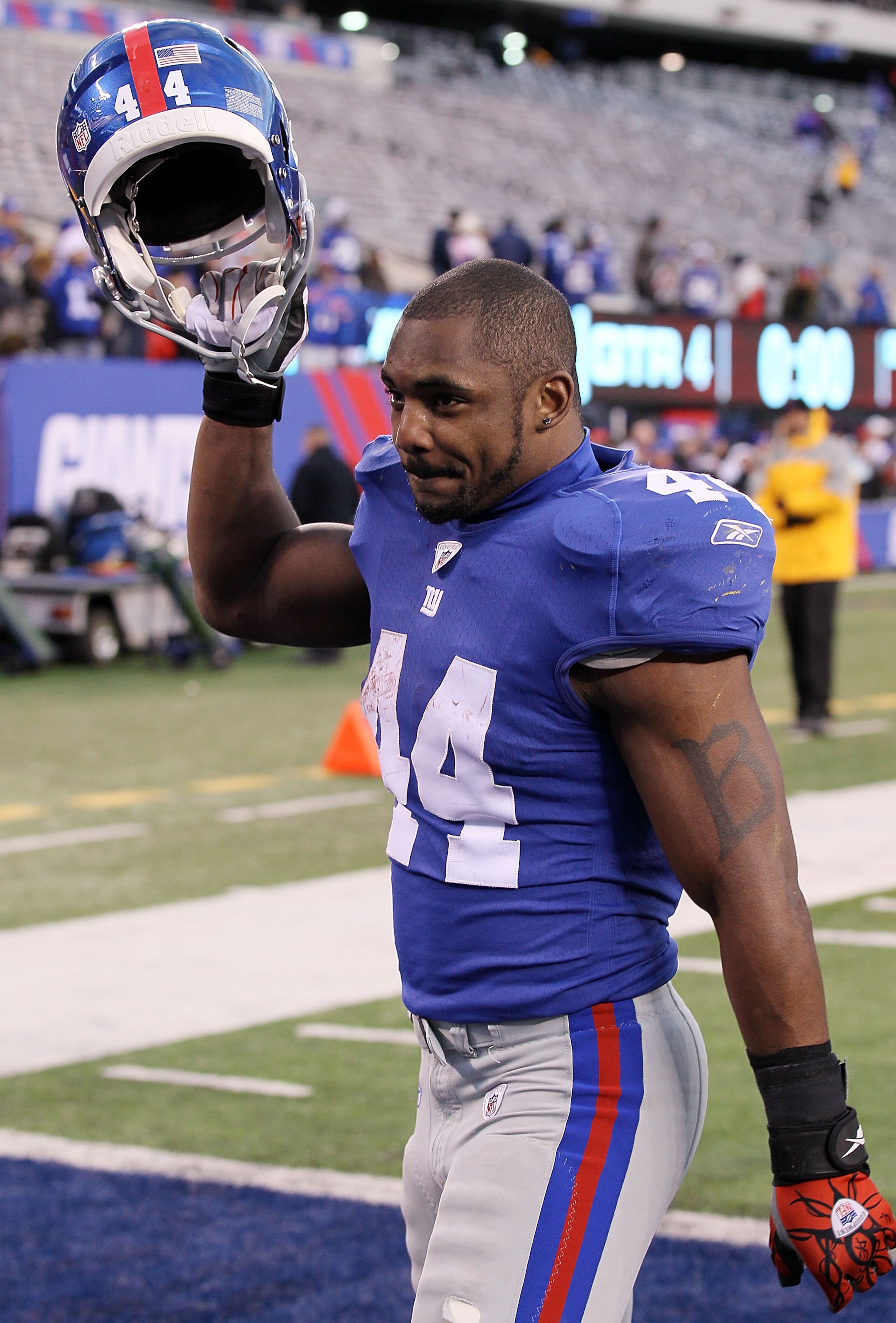
Part of a two-back set in New York with Brandon Jacobs, Bradshaw ended 2010 ranked ninth in rushing.
Listed at 198 pounds, splitting time allows Bradshaw to avoid excessive amounts of abuse. He cost the Giants a seventh-round selection in 2007. Not bad for someone who took 57 percent of his team’s carries.
Example No. 3: Peyton Hillis—1,177 Yards
5 of 8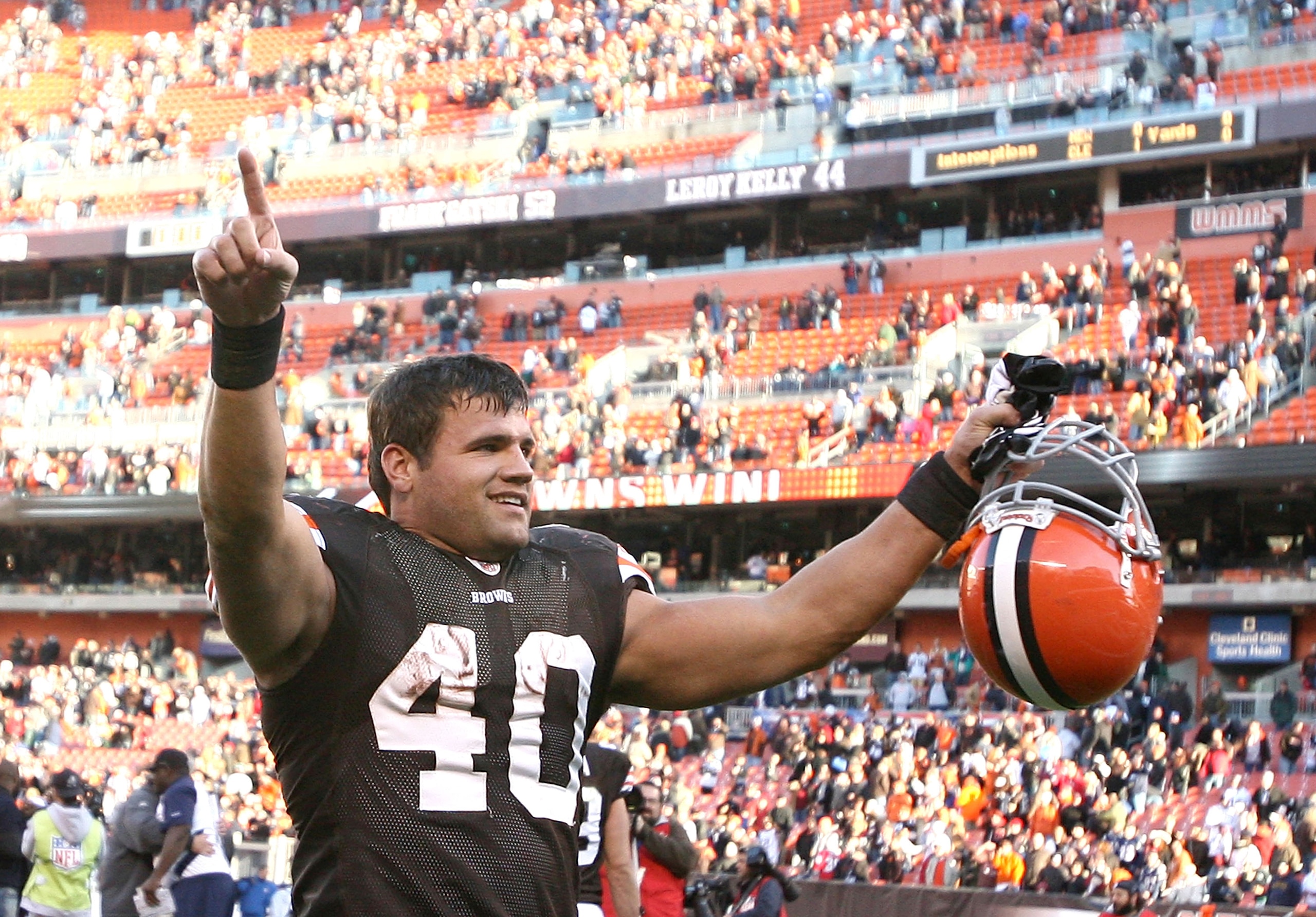
Cleveland’s surprise from 2010 may not make us immediately forget Peyton Manning or Sean Payton, but considering he did not take more than 10 carries in the Browns’ first two games, Hillis’ individual ground game was good enough to be 11th in the league.
A seventh-round selection by Denver in 2008, he was traded to Cleveland in a deal including Brady Quinn (ironically, a costly first-round selection).
Example No. 4: BenJarvus Green-Ellis—1,008 Yards
6 of 8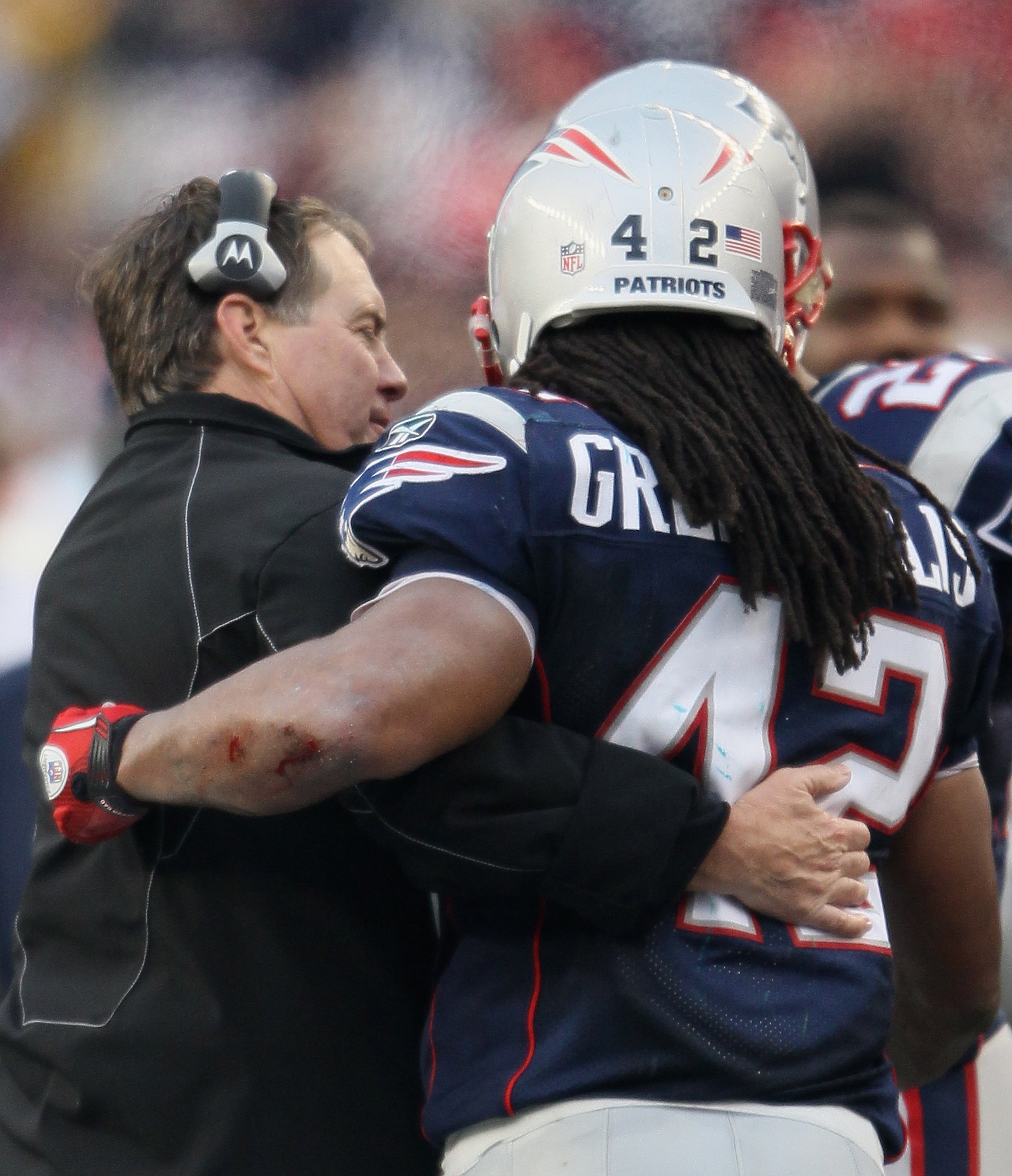
If a 1,000-yard rushing season still equates to a good season for running backs, the Patriots free agent needed just three seasons to put together a performance worth noting.
He’s already lasted in the league longer than the average running back, so the meager investment Bill Belichick made has already paid off, earning dividends of 13 touchdowns and 4.4 yards per carry.
Example No. 5: LeGarrette Blount—1,007 Yards
7 of 8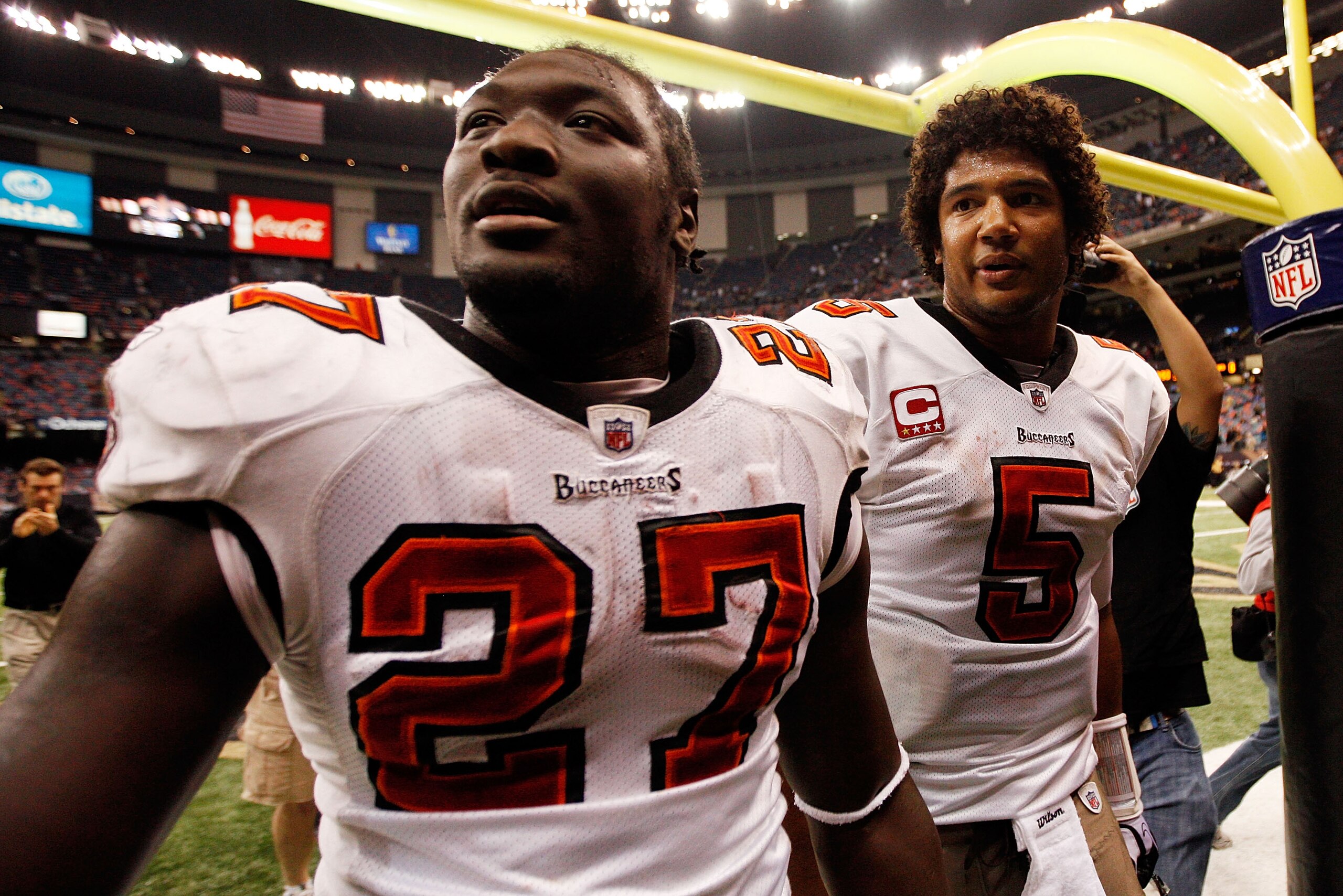
A poor 40-yard dash at the combine and a stupid right hook in college cost LeGarrette Blount dearly, but he became a low-risk bargain for two teams last season.
The Tennessee Titans had no financial or salary cap repercussions when they released the rookie free agent before the season began; he simply could not move up the depth chart with Chris Johnson fully entrenched in the backfield.
But the move proved profitable for Tampa Bay, who picked up Blount at no cost, inserting the former Oregon Duck into the majority of the offense in Week 7.
In the final 11 games, Blount averaged more than 90 yards a game, scoring six touchdowns.
Example No. 6: Fred Jackson—927 Yards
8 of 8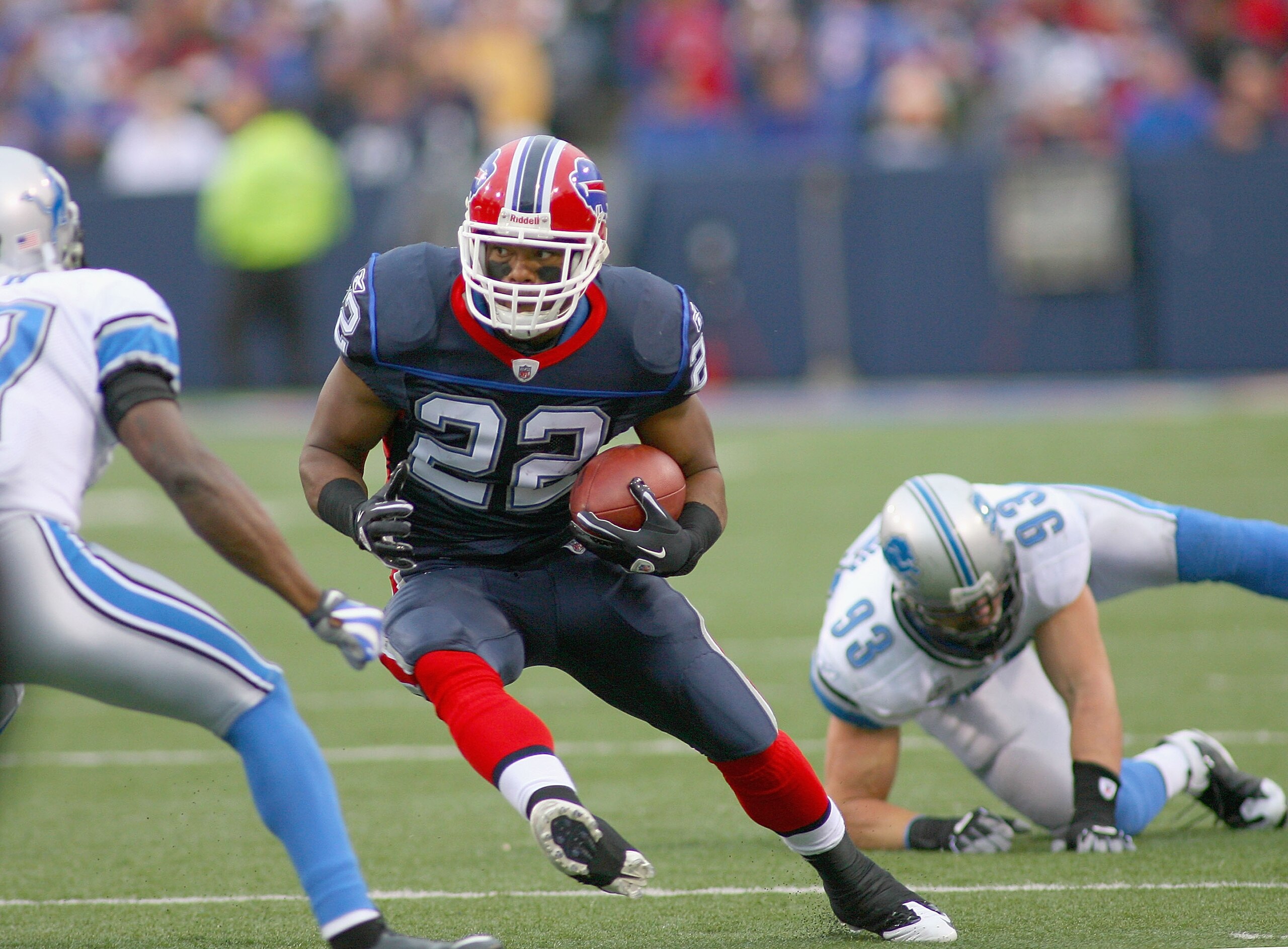
How does spending your winters outside in Buffalo sound to you?
After spending both 2004 and 2005 inside with the Sioux City Bandits of the United Indoor Football League, the winds swirling in Ralph Wilson Stadium feel great to Fred Jackson.
Signed to the Bills’ practice squad in 2006, Jackson finally cracked the active roster midway through the season and has played in every game for Buffalo during the last three years, averaging 4.4 yards a carry.
Averaging just less than 1,000 yards during the past two seasons, Jackson is another example of how finding a quality running back without spending a top draft pick...is a breeze.
.jpg?w=2560 "Chiefs Giants Football")
.jpg?w=2560 "Titans Ravens Football")
.jpg?w=2560 "🚨 Week 8 AP Top 25 Poll")

.jpg?w=2560 "Packers Safety Slams Refs 🤬")