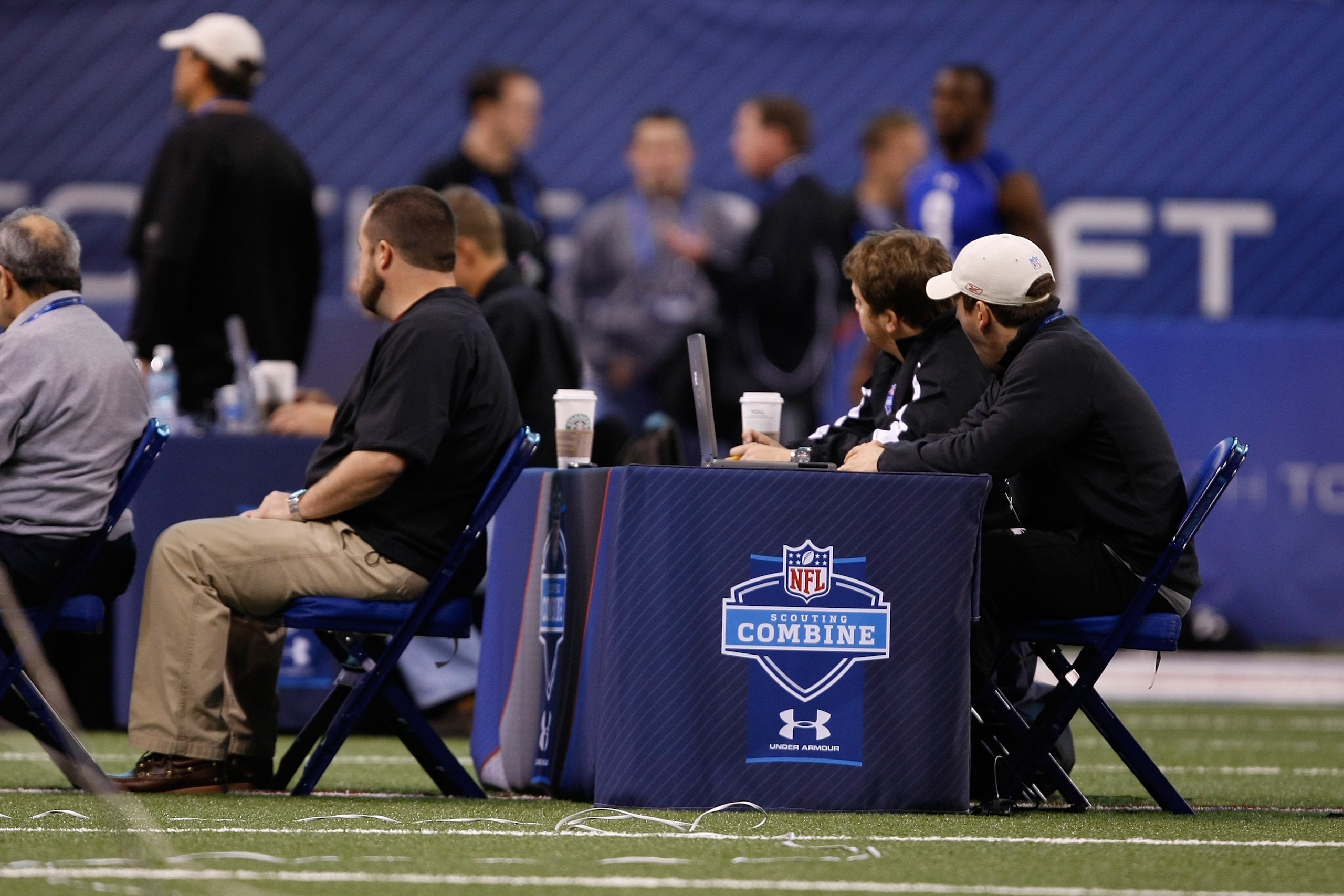

NFL Draft 2011: 10 Things To Look Forward At the NFL Combine
The 2011 NFL draft is only two months away. Considered to be the make or break moment for these kids, the NFL combine is treated very serious. Others will simply laugh at the combine because there always is a, "workout warrior," who shows great numbers and in result they get drafted way to high.
There is always someone who does a ridiculous amount of bench press reps or can jump out of the gym at the combine.
Thanks to NFL network you don't have to miss a beat of the combine as they air the week long event all day.
With that in mind what is their to look forward too with the combine starting in less than a week?
10.The Wonderlic Test
1 of 10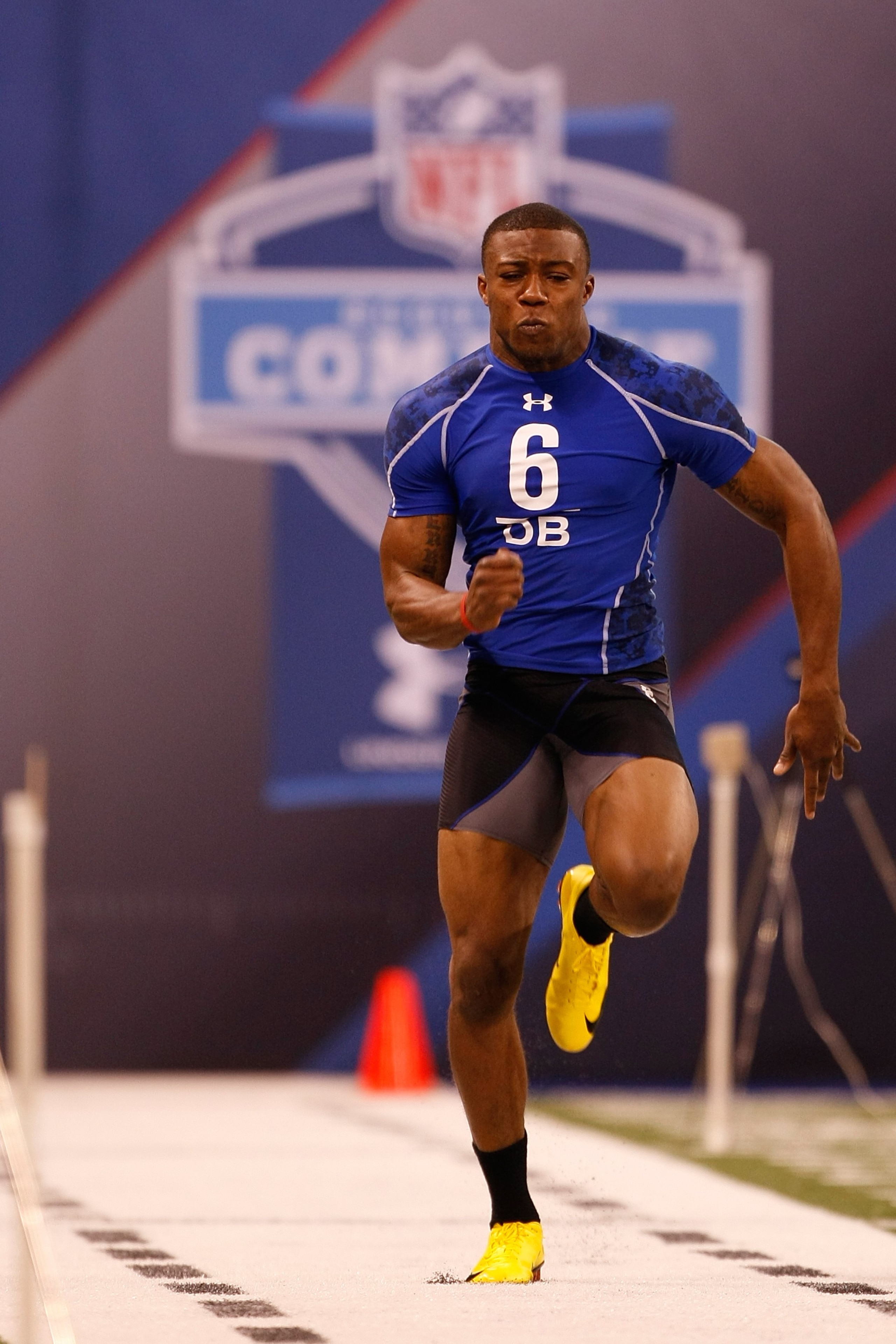
The twelve-minute, fifty-question test is used to assess the knowledge of the athlete.
You can look at a sample of the test right here provided by ESPN.
The test looks more like a shorter version of a standardized test, which in return has shown no correlation to an athletes performance or salary in the end.
Some of the best have failed miserably on the wonderlic, including Dan Marino who scored a 16 and Michael Vick scored a 20.
There has only been one man to score a perfect 50. Pat McInally of Harvard University who was drafted in 1975 as a punter by the Cincinnati Bengals. He made one pro bowl.
9.The Broad Jump
2 of 10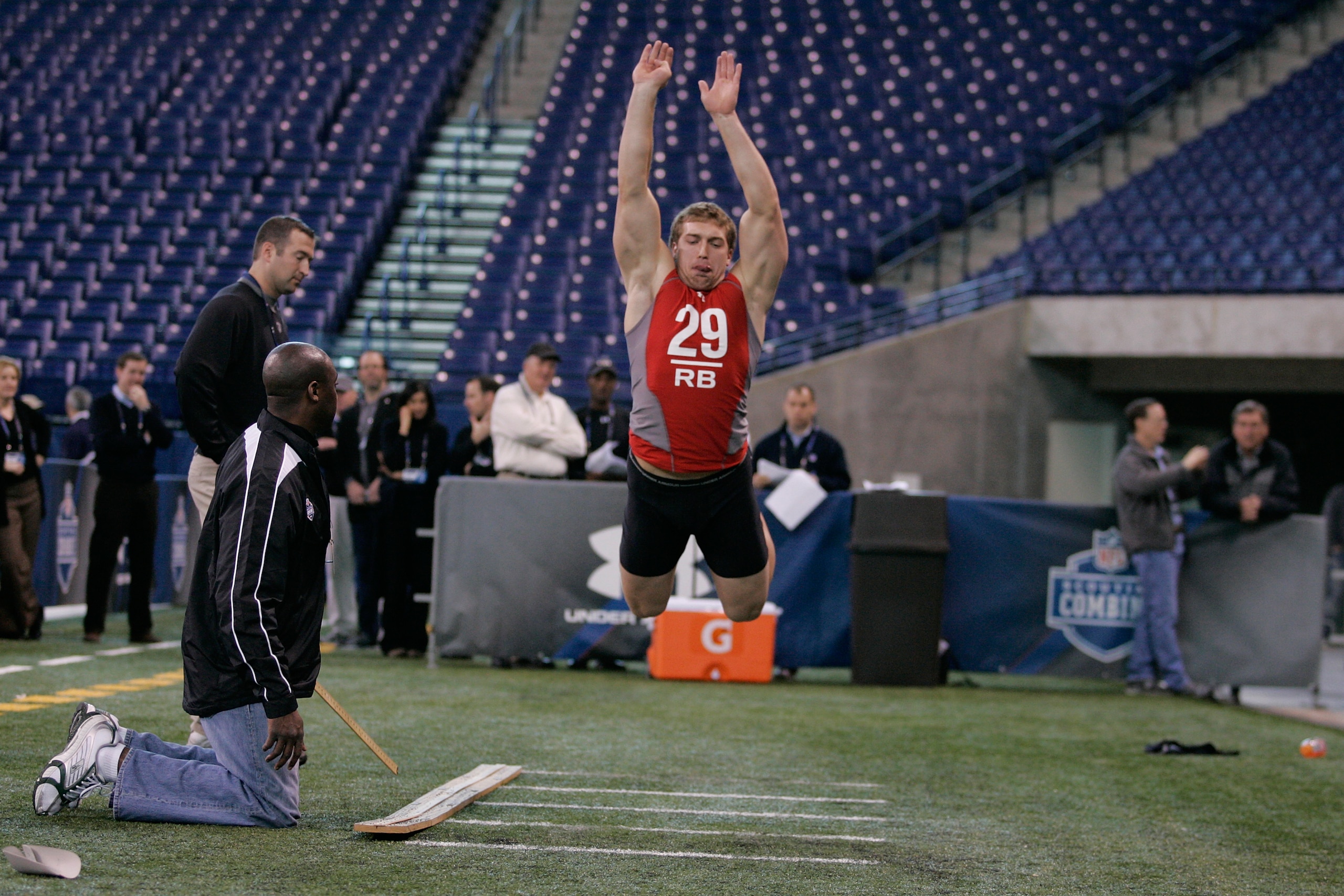
Everyone says this is simple, but think back to gym class in high school and you might remember it is tougher than it looks.
The purpose of this work out is to test an athlete's lower-body strength, explosion and balance.
They do this by having the athlete start out in an athletic and balanced stance, then he explodes jumping out as far a possible. The athlete then has to land balanced without moving.
2010 top performer: OLB, Dekoda Watson who bursted for 11 feet.
8. Shuttle Run
3 of 10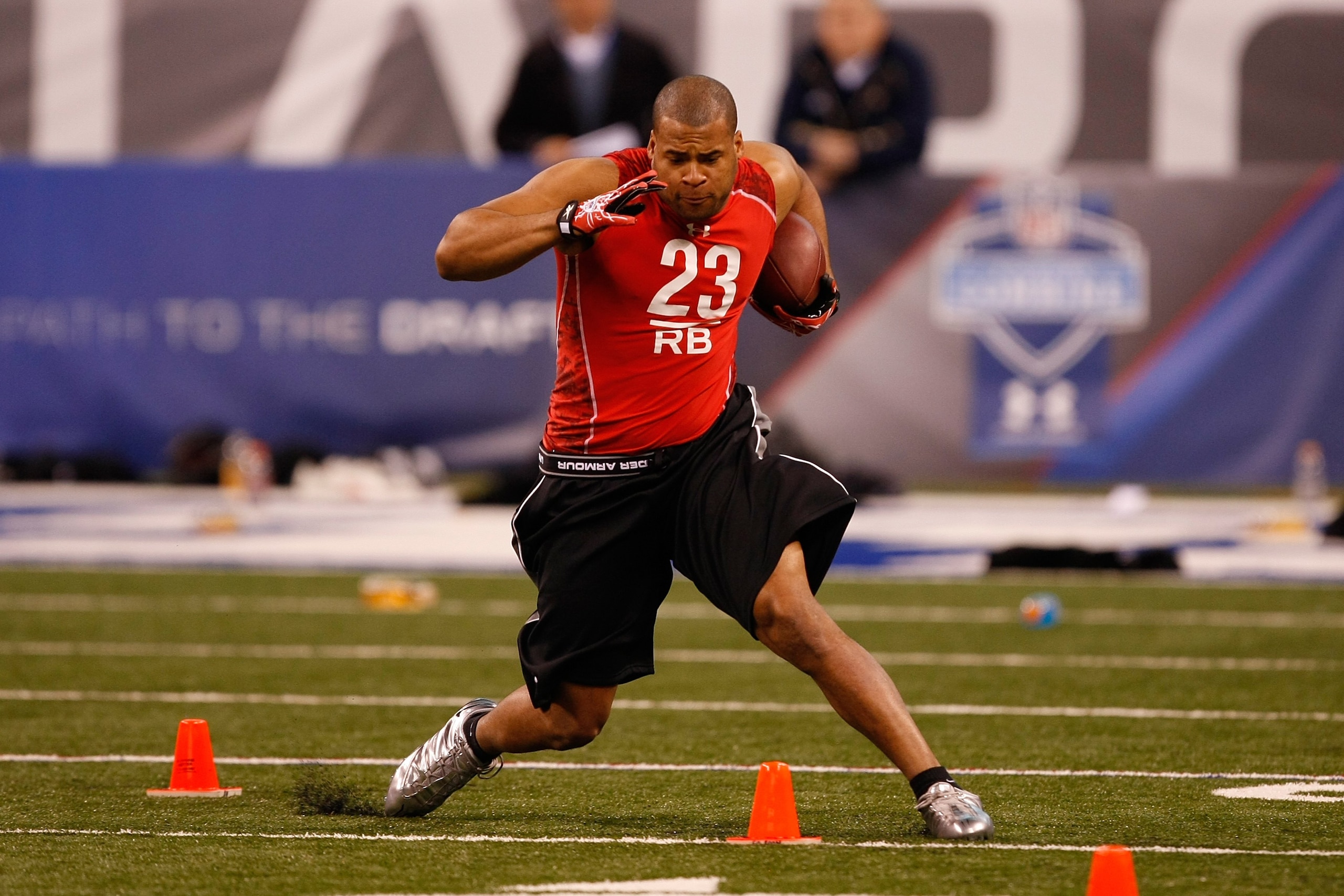
The 5-10-5 drill will test an athletes lateral quickness and explosion ability in a small area.
This drill takes great foot work and loose hips.
The athlete starts in the three-point stance.
When ready they fire off the line five yards to the right, touch the line and come back 10 yards to the left.
The left hand than has to the touch line, followed by a quick pivot coming back five yards sprinting through the starting point.
2010's top performer: CB, AJ Jefferson, who finished with a four second flat shuttle.
.jpg?w=2560 "Rams Raiders Football")

.jpg?w=2560 "Steelers Saints Football")
7.Vertical Jump
4 of 10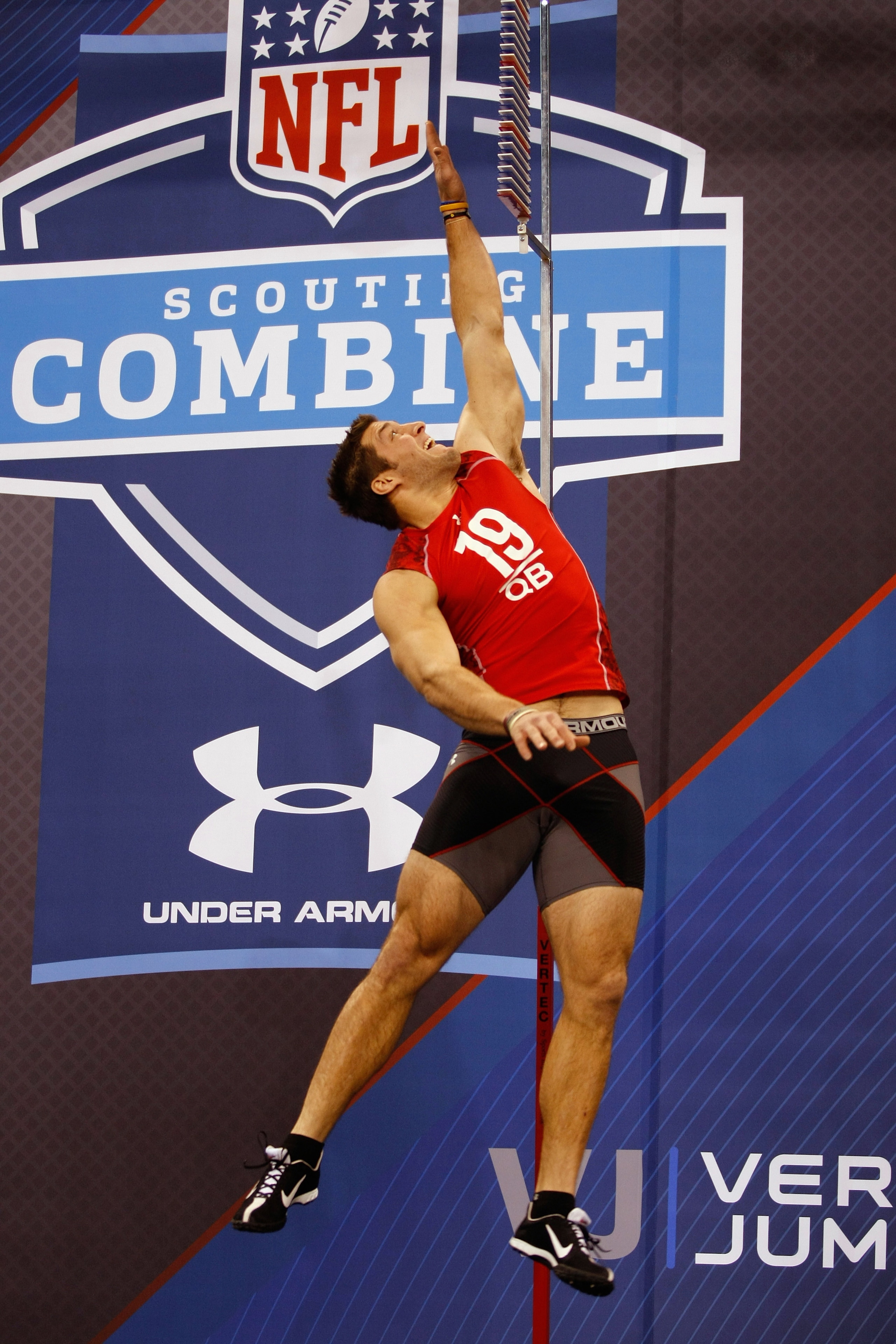
The vertical jump is pretty self-explanatory, the athlete jumps up as high as possible.
Testing the lower-body explosion and power of the athlete.
The athlete starts off flat-footed, measuring his reach an important part to the test. The difference between the athletes reach and the bar they touch is their vertical jump measurement.
Used to see how high the athlete can climb and snag the football.
2010's top performer: CB, AJ Jefferson. With a 44 inch vertical, equivalent to three-and-a-half-feet.
6.Three-Cone Drill
5 of 10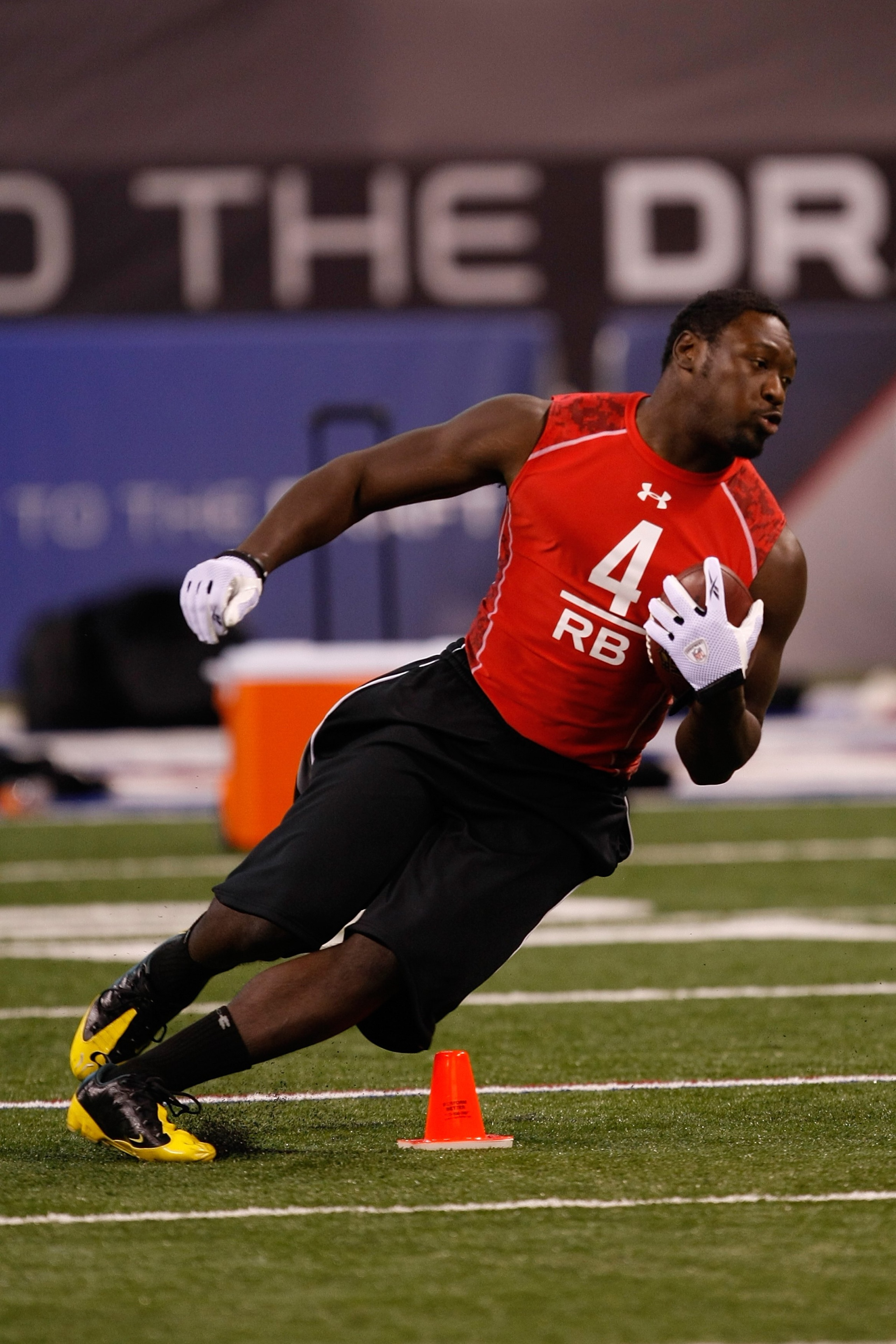
The three-cone drill is designed to test an athlete's capability to change directions at a fast pace.
Again it takes fast feet and quick hips to succeed well at this drill.
There are three cones in an L-shape.
The athlete starts from a starting line, exploding five yards to the first cone and back.
Second, they turn and run around the second cone, weave around the third cone(the top of the L), followed by changing directions, sprinting past the second cone to the starting point.
2010's top performer: WR, Scott Long. Performed the drill in 6.45 seconds.
5. Bench Press
6 of 10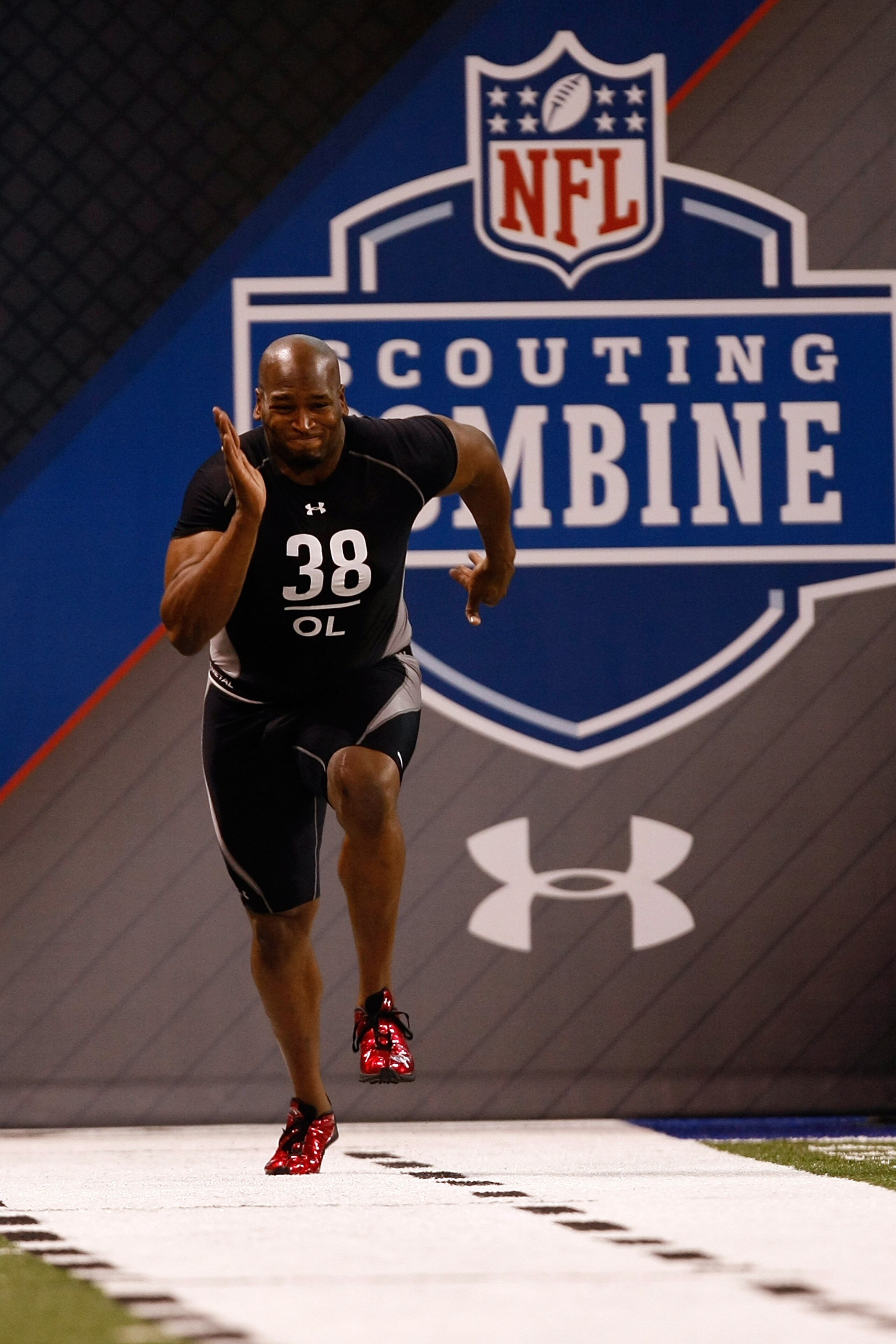
It's not a football move but you get the chance to see who is the strongest man at the combine.
Almost always the leaders of this event will be lineman from either side of the ball.
A test of strength and endurance, the athlete gives all they have, trying to bench press 225 pounds as many times as possible.
The result of this test gives NFL scouts an idea of how much time the athlete has spent in their college weight room.
2010's top performer: OG, Mitch Petrus, he amassed 45 reps.
4. Linebacker Drills
7 of 10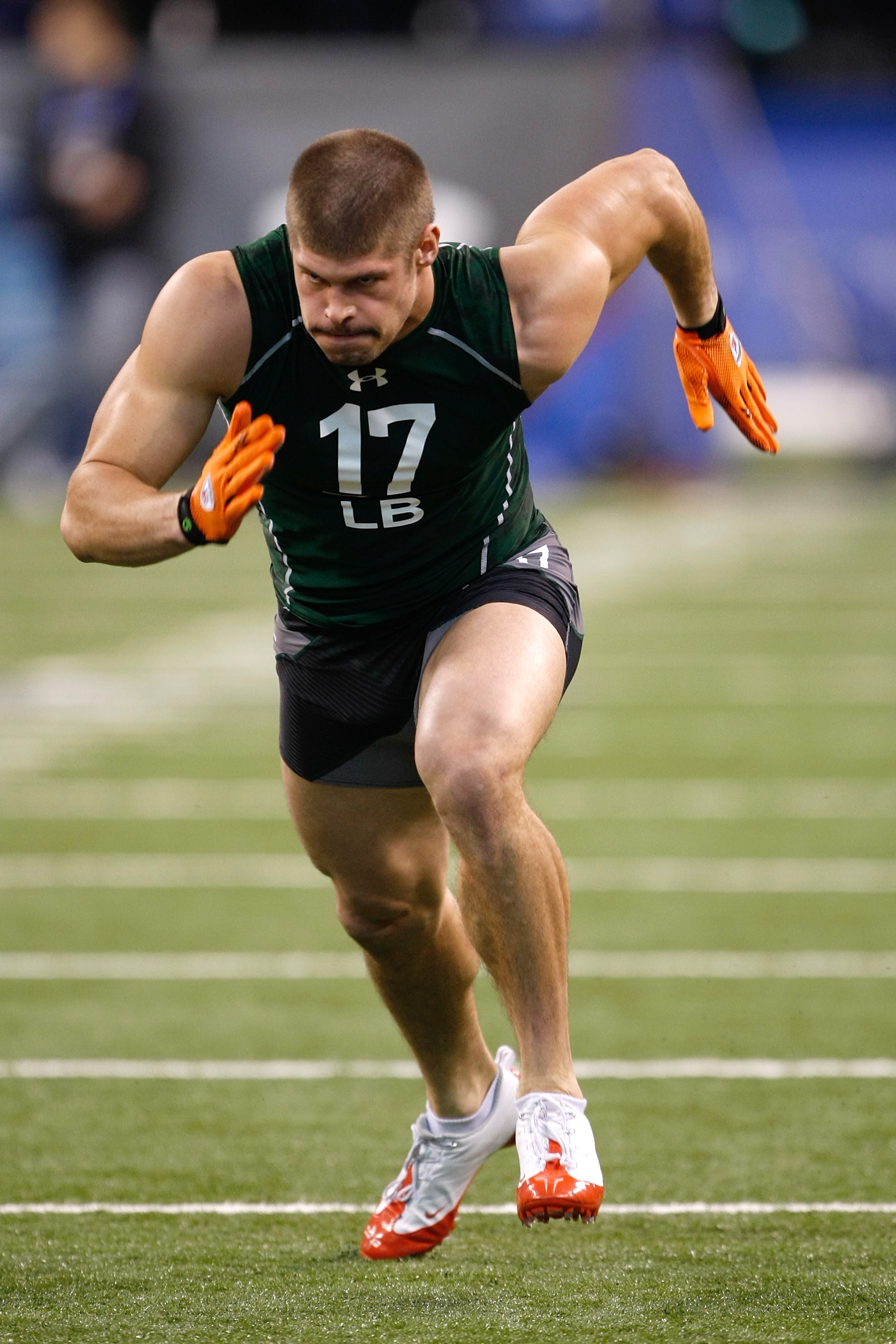
When looking at linebackers, coaches and scouts want to try and find that ideal three down backer. This means they want to find who can not only stop the run but who can play against the pass.
A great drill for this is the pass-drop-hip-rotation-drill.
The linebacker lines up in front of a coach with a ball.
The coach then will start them off with a back pedal of five yards, then giving a direction.
Whichever direction he goes they open their hips and explode followed by three more changes of directions.
Lastly they bring the linebacker home, throwing the ball at the linebacker for an interception.
This drill helps show an athletes ability to move fast in space and how quick they can close in on the ball.
3. Running Back Drills
8 of 10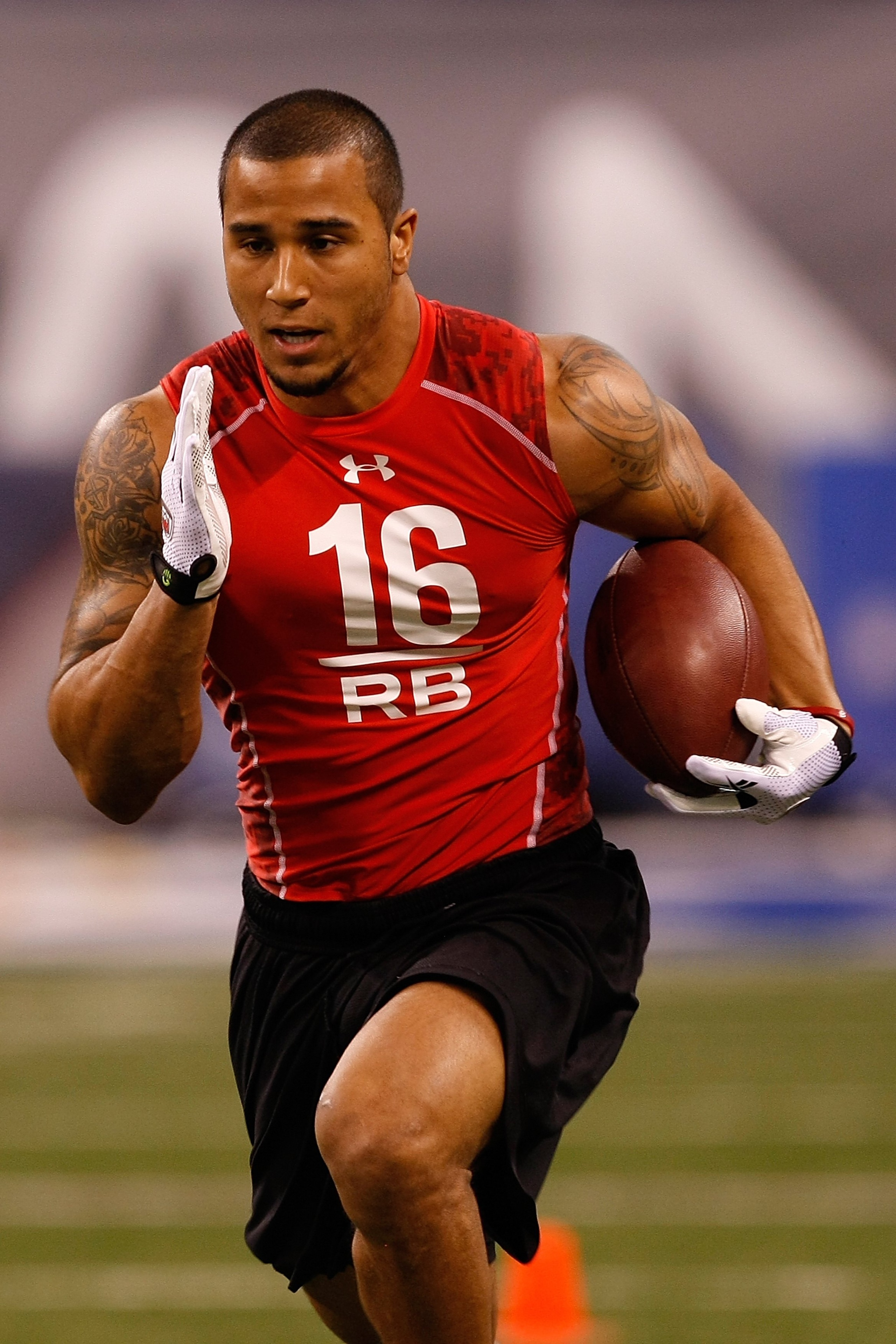
Coaches and scouts want to see how good a backs vision is and can make decisions and of course how quick their feet are.
The best drill for this is the called the off-tackle reaction drill.
The running back starts back in a two-point stance.
He starts by getting a hand-off, runs through some cones and accelerates as fast as possible over a series of bags.
At the end of the bags there is a coach holding a bag, whichever way the coach moves the bag the running back goes opposite.
This drill immulates the running back hitting the hole and trying to miss the tackler.
To do this the back has to be able to plant, pivot and turn up the field fast.
2. Quarterback Drills
9 of 10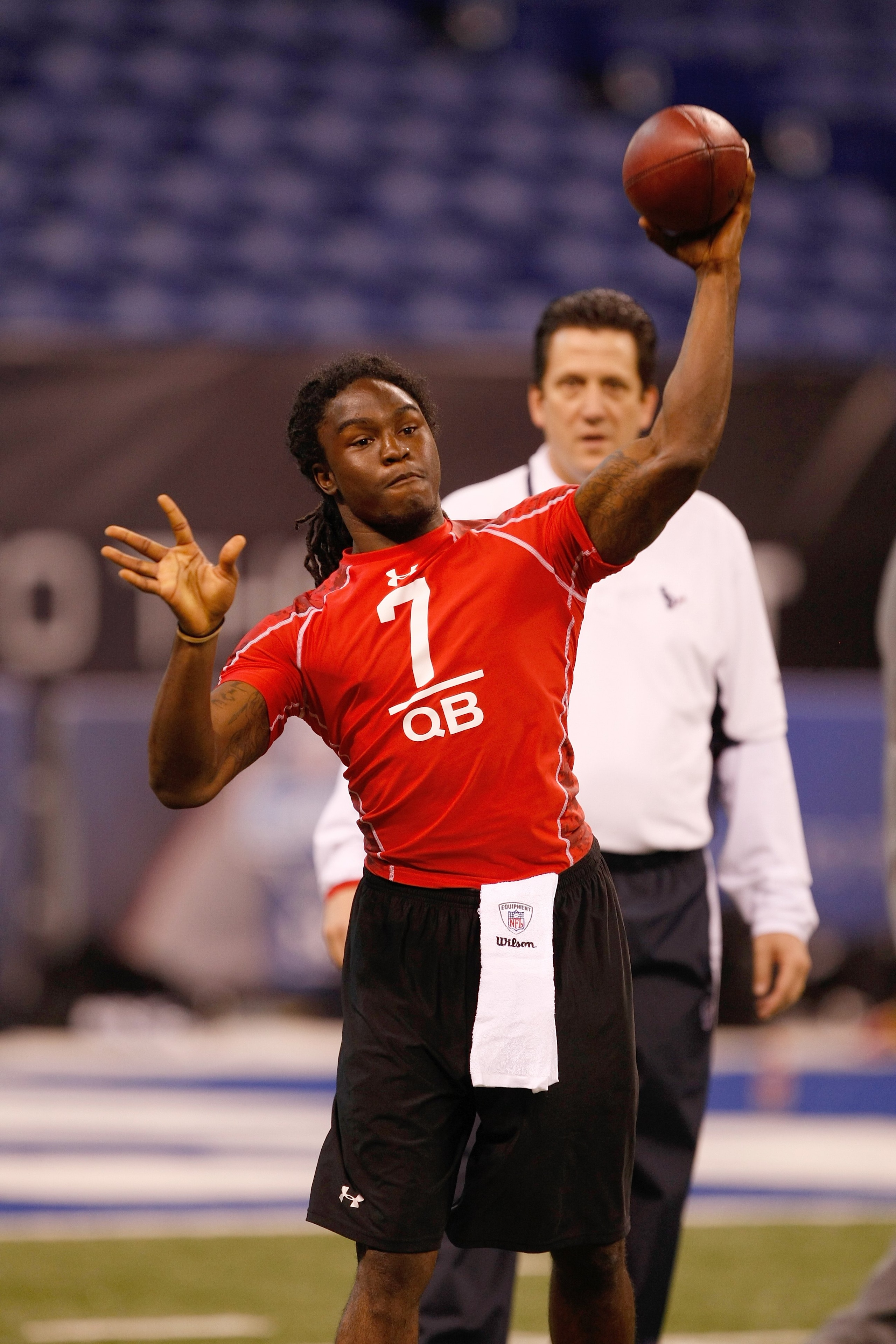
The NFL has become a pass first league, which means evaluating a quarterback depending on your team's needs can really make or break your draft and team's future.
What the scouts and coaches want to see most importantly is the quarterback's footwork. They do this by looking at the players three-step-drop, five-step-drop and seven-step-drop.
As they perform their drop backs the quarterback's go through the route tree. The quarterback will throw a slant, out, in, corner route and the go route or vertical route.
Simply put, these coaches want to see the ball come out these guys hands and how well they can come out under center.
Foot work is a big part of playing quarterback in the NFL.
When looking at the three-step drop they want to see how fast your feet can plant and throw the quick route.
The five-step-drop consists of three big steps followed by two small steps. The intermediate routes or ten yard routes depend on a quarterbacks five-step-drop.
Last but not least, the seven-step-drop. Footwork is critical on this drop as you have to be quick and set your feet, throwing the deep route.
Probably one of the most important things but overlooked by the average fan, is where does the quarterback hold the football.
Does he hold it down at his waist? Where it can easily be stripped by an ensuing defensive player, or does he protect the football holding it at chest height?
These will be all be evaluated in the up coming combine.
1. 40 Yard-Dash
10 of 10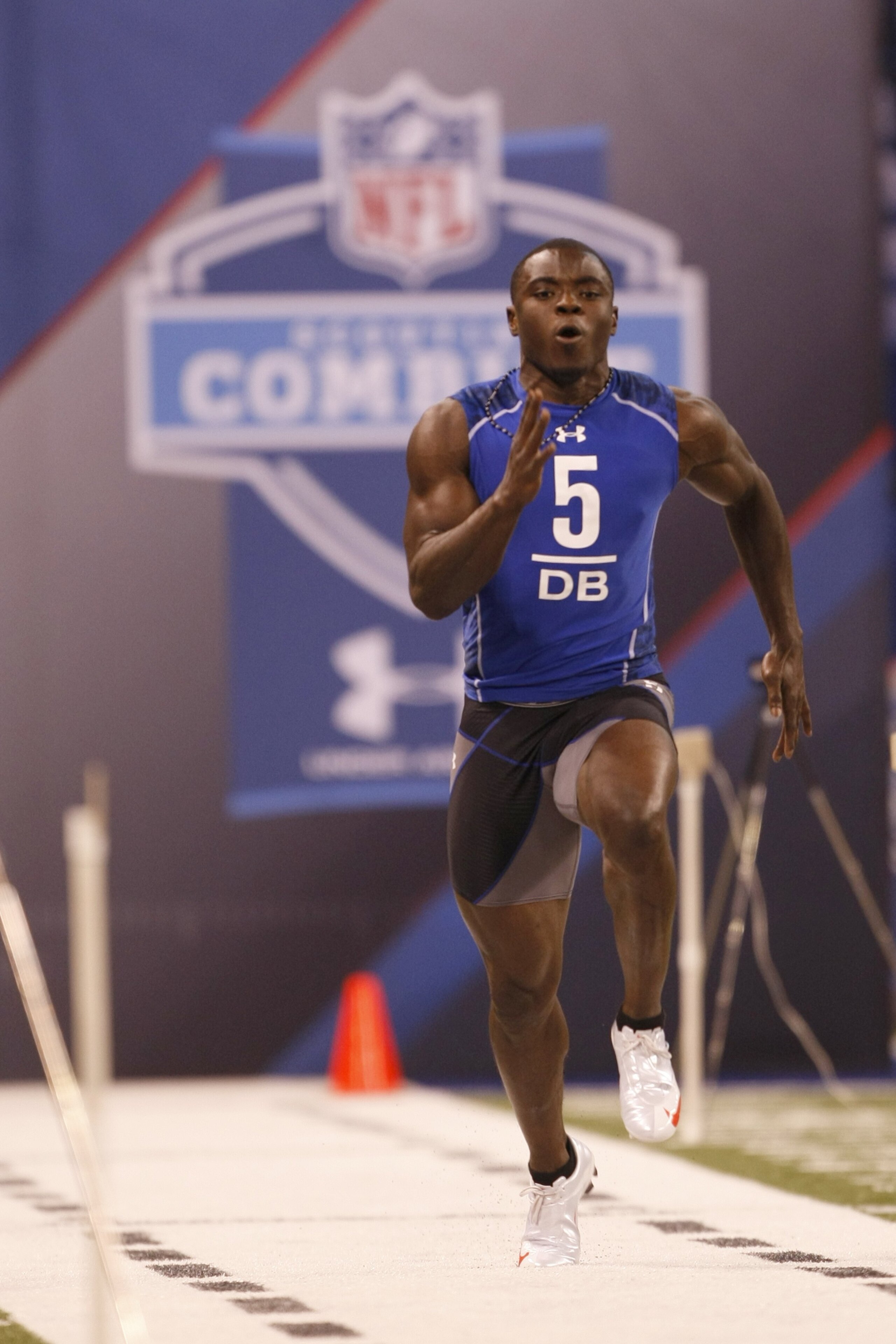
Everyone's favorite event at the combine by far.
This test is strictly about acceleration, explosion and speed.
Besides the overall time scouts like to see how fast does the athlete get off the line into their run. Acceleration can be more lethal than overall speed.
The athlete starts off at the starting line. On their own signal they explode from the line being timed at the 10, 20 and 40-yard intervals.
2010 top performer: Wide receiver Jacoby Ford. He ran a 4.28 only .04 seconds away from tying Chris Johnson's 2008 combine record of 4.24.
.jpg?w=2560 "Cowboys Packers Football")




.jpg?w=2560 "🚨 Week 8 AP Top 25 Poll")