
San Francisco 49ers During the Post Mariucci Era: The Dark Ages By the Bay
For the past eight seasons, being a 49ers fan has been tumultuous to say the least. For every good game the team plays, they get our hopes up, only to disappoint us with an equally memorable bad game. Since 2002, the team's longest winning streak was three games, back in 2006. Over the past three seasons, the team has done a decent job of building through the draft, yet only a few of the picks have blossomed, such as Patrick Willis, Joe Staley, Frank Gore and Vernon Davis. That isn't to say that the underachieving players won't ever turn the corner, but sometimes it goes beyond the players and even the coaches. The 49ers have been plagued by the poor management whose ineptitude has trickled down to tarnish one of the greatest franchises not only in football, but in all of sports.
In order to get a true grasp of what has gone wrong with the team, I will point out ten items that have gone awry in for the scarlet and gold. This team is on the right track to relevance, but certain things will have to change...and by change I mean for the better.
10. The Consistency Of Inconsistency
1 of 10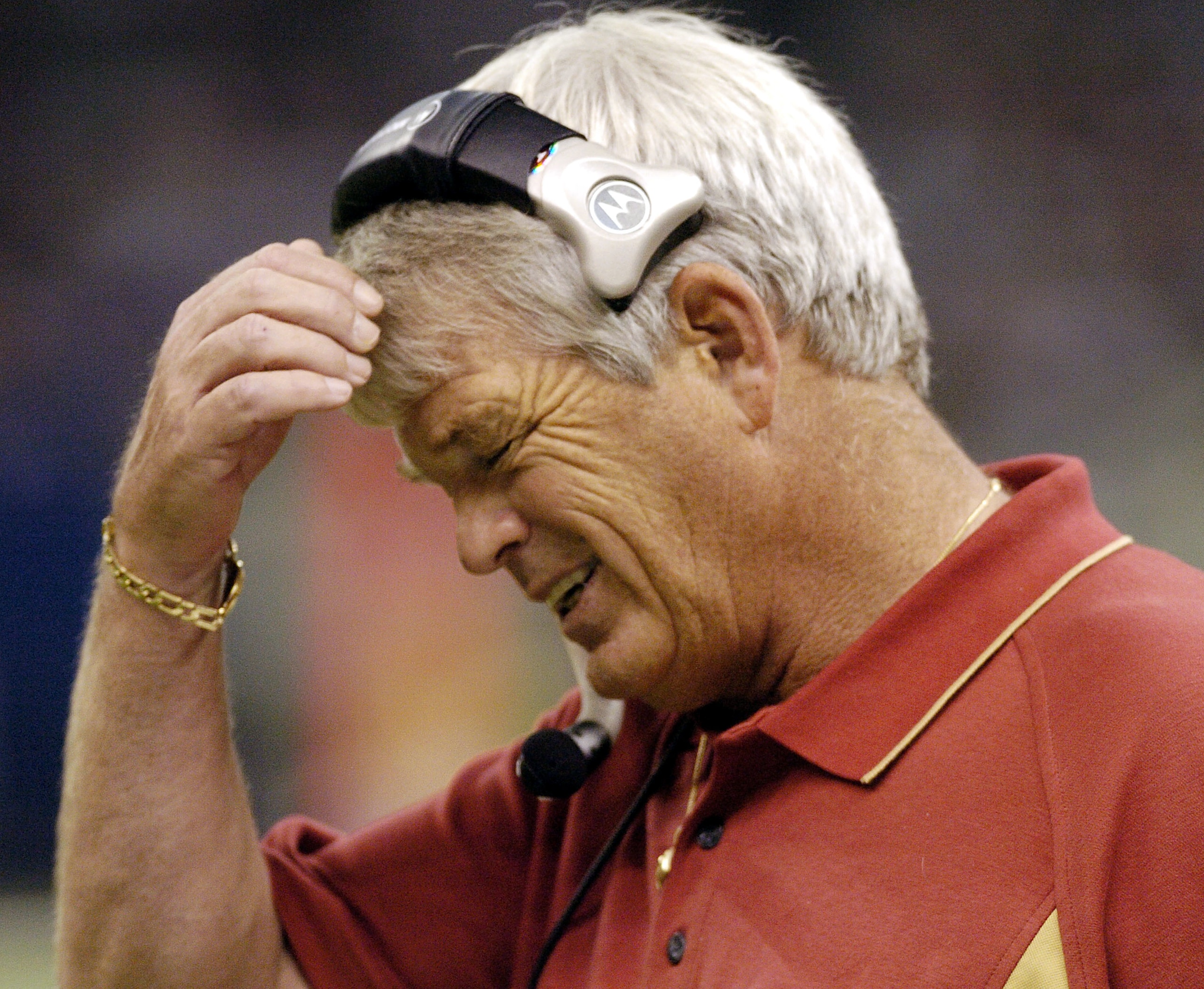
The first of many trepidations during the Dark Ages in San Fransico. The hiring of Dennis Erickson was a head scratcher to say the least. Management wanted to do awry with the very offense that put the 49ers on the map in the first place to replace it with Erisckson's vertical attack that he employed during his time as the head coach of the Seattle Seahawks. When he came on board in 2003, the team was just coming off of a devastating playoff defeat at the hands of the eventual Super Bowl Champion Buccaneers. The 49ers, from a talent standpoint, were still a very good team and the best in the NFC West, but Erickson's inability to lead the team and prepare them to play week in and week out was evident in the fact that the Niners didn't win their first road game until Week 17 against the Philadelphia Eagles. Good teams find ways to win on the road and the 49ers have been on a downward spiral in that category for years.
9. Failure To Retain Good Talent
2 of 10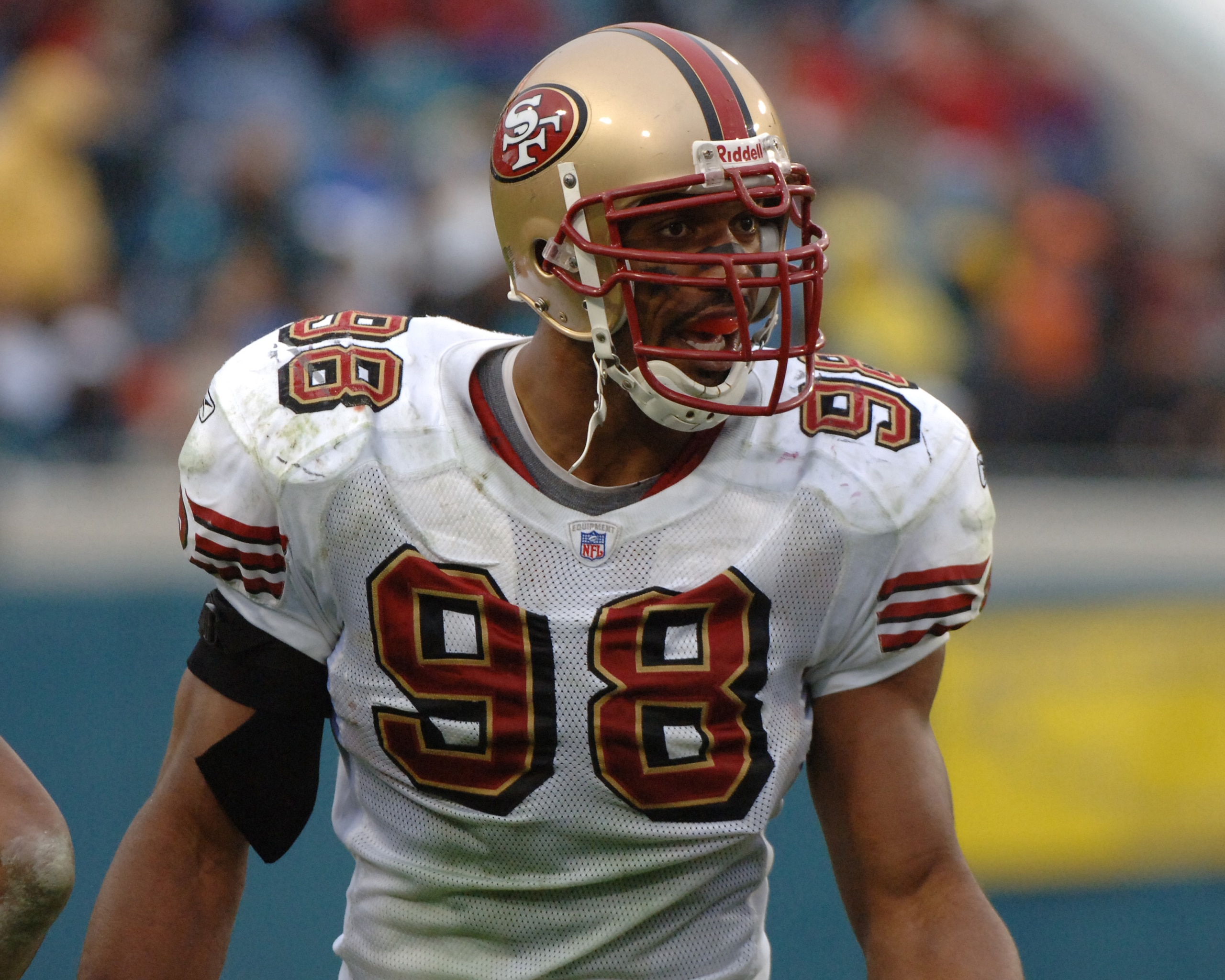
Although the 49ers have done a pretty good job acquiring talent via the draft, the team was known to have a reputation of being a disloyal franchise. From 2007 onward, the team has down a great job of extending the contracts of their best players, rewarding them with financial security as well as loyalty to the 49ers. Prior to 2007, however, many good players have been traded, released, or simply became free agents and the rate of that particular turnover was high.
Julian Peterson was one of the founding cornerstones of a young, aggressive defense during the early 2000's. When the team played well, he was a dominant player. When the team started to become irrelevant, he found himself being the only good player on a bad defense. In 2004, he ruptured his Achilles' tendon after four games. He rebounded well in 2005, but not in the way that new head coach Mike Nolan envisioned. Rather than resign Peterson and allow him to be one year removed from devastating injury, Nolan opted to let him walk. Peterson eventually signed with division rival, Seattle, and reinvigorated his career. Taking a chance on a injured player is nothing to take for granted from a management standpoint, but Peterson never wanted to leave San Francisco and had he remained there, he would have been with the best linebacker in the game today, Patrick Willis.
Other notable names such as Kevan Barlow (traded to the Jets), Brandon Lloyd (traded to the Redskins) and Justin Smiley (signed with the Dolphins) were just a few in a long line of players that were productive, but were stigmatized by the cloud hovering over the 49ers.
8. Poor Free Agent Acquisitions
3 of 10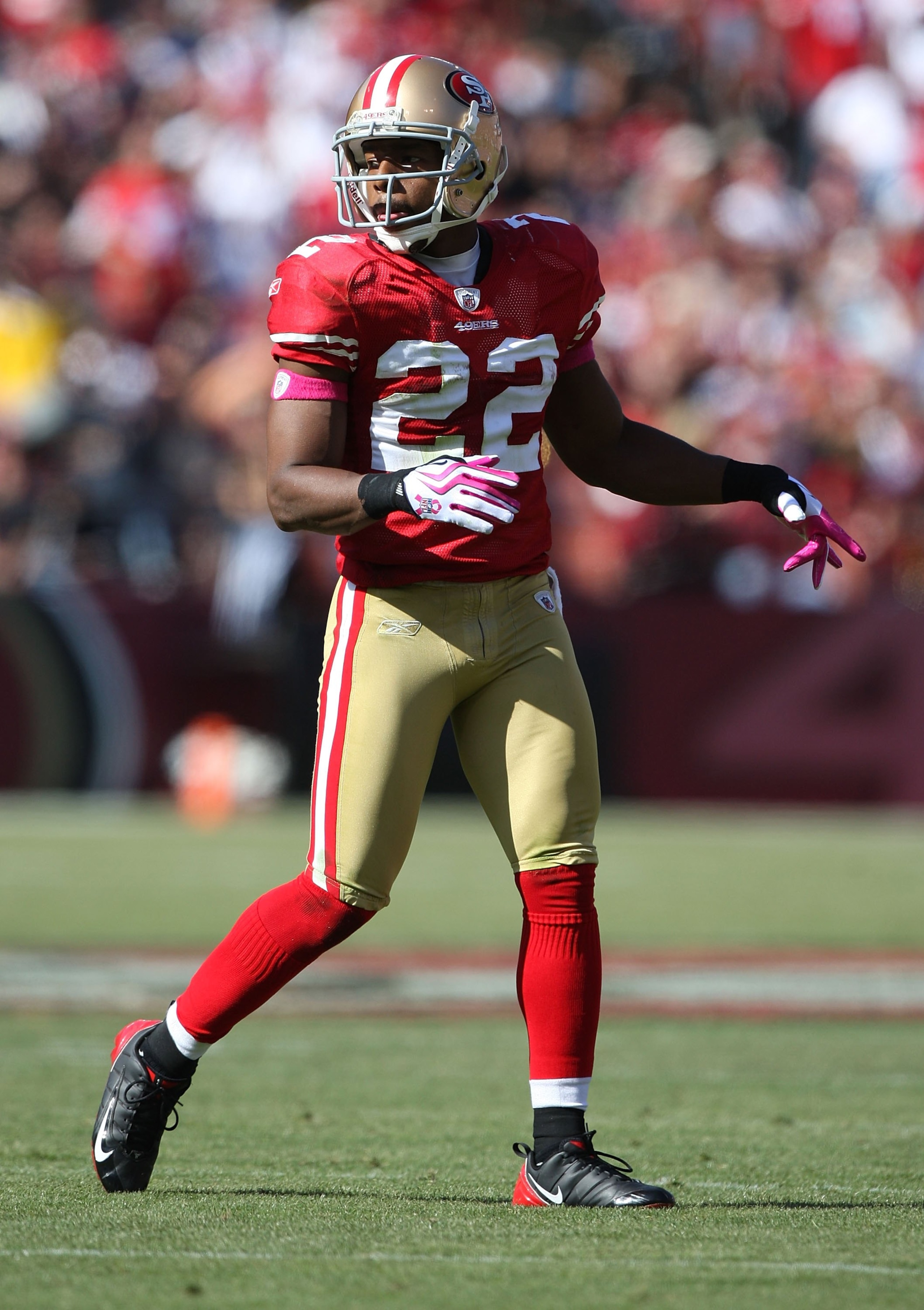
Picking up marquee free agents has not been a trend in San Fransisco for many years, but historically, when the team has picked up top name free agents, they have contributed to the team for their tenure there.
Back in 2007, Nate Clements was one of the most sought after free agents available. The 49ers desperately needed a corner who could match up with the plethora of talented receivers that were in the NFC West at the time. I had always believed that the team should have pursued a pass rusher like Adalius Thomas instead, but the Niners elected to go with Clements. Signing him was not as much an issue as much as making him the highest paid defensive player in the league. Although the certainty at the time was that Clements would likely not see the end of his contract, he surely has not played up to expectations. His diminishing physical abilities can no longer mask what has always been a weakness in his game: The Double Move.
Any cornerback that acknowledges themselves as one of the best at their position should always be a student of the game. Somewhere between signing the big contract and letting unknown wide receivers like Armanti Edwards have huge games against him, Clements forgot to keep studying, believing his physical skills to suffice. In this game, age is a player's biggest threat to their career. Now at 31 years old, Clements is no longer the player he once was and every opposing quarterback in the league loves to throw to his side of the field.
The free agency blunders don't stop with Clements. Antonio Bryant (2006), Johnny Morton (2004) and Curtis Conway (2004) were just really bad signings. None of those players helped to build the team for the long term and as a rebuilding team, that certainly was a bad move to make.

.jpg?w=2560 "Steelers Saints Football")
.jpg?w=2560 "Rams Raiders Football")
7. Turnover at Offensive Coordinator
4 of 10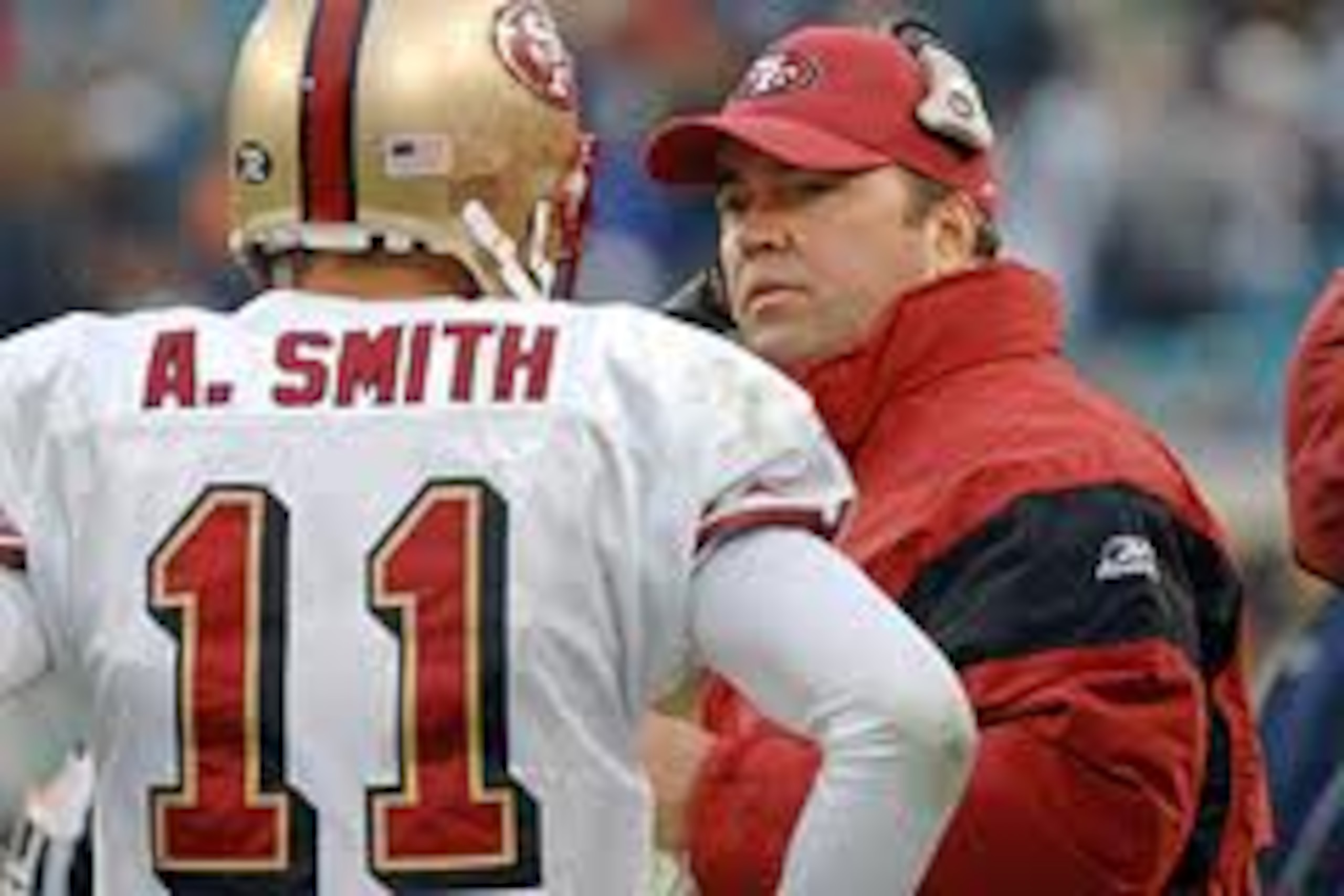
The failures of the 49ers to win games has fallen more on the offense's shoulders more than that of the defense. The high rate of turnover at offensive coordinator has the put the transmission of the team from neutral into reverse. With the first overall pick in the 2005 draft, the team selected Alex Smith and after six years, has been the punching bag of the Bay Area media. Not to admonish Smith of his part in the team's failures, but the blame should not go squarely on him.
When Mike McCarthy was the offensive coordinator in 2005, he did what he could to help move Alex Smith's career along. However, the team was far too devoid of talent and Smith failed to live up to the expectations of being the first pick in the draft. Then came along Norv Turner in 2006 who improved Smith considerably. But he too left for greener pastures. The forgettable Jeff Hostler was arguably the worst coordinator the team had, with Jimmy Raye a close second, but the bigger issue was the team's overall failure to provide the best situation for their young quarterback and now six years into his career, Alex Smith is still plagued by inconsistency.
6. Rolling With Nolan
5 of 10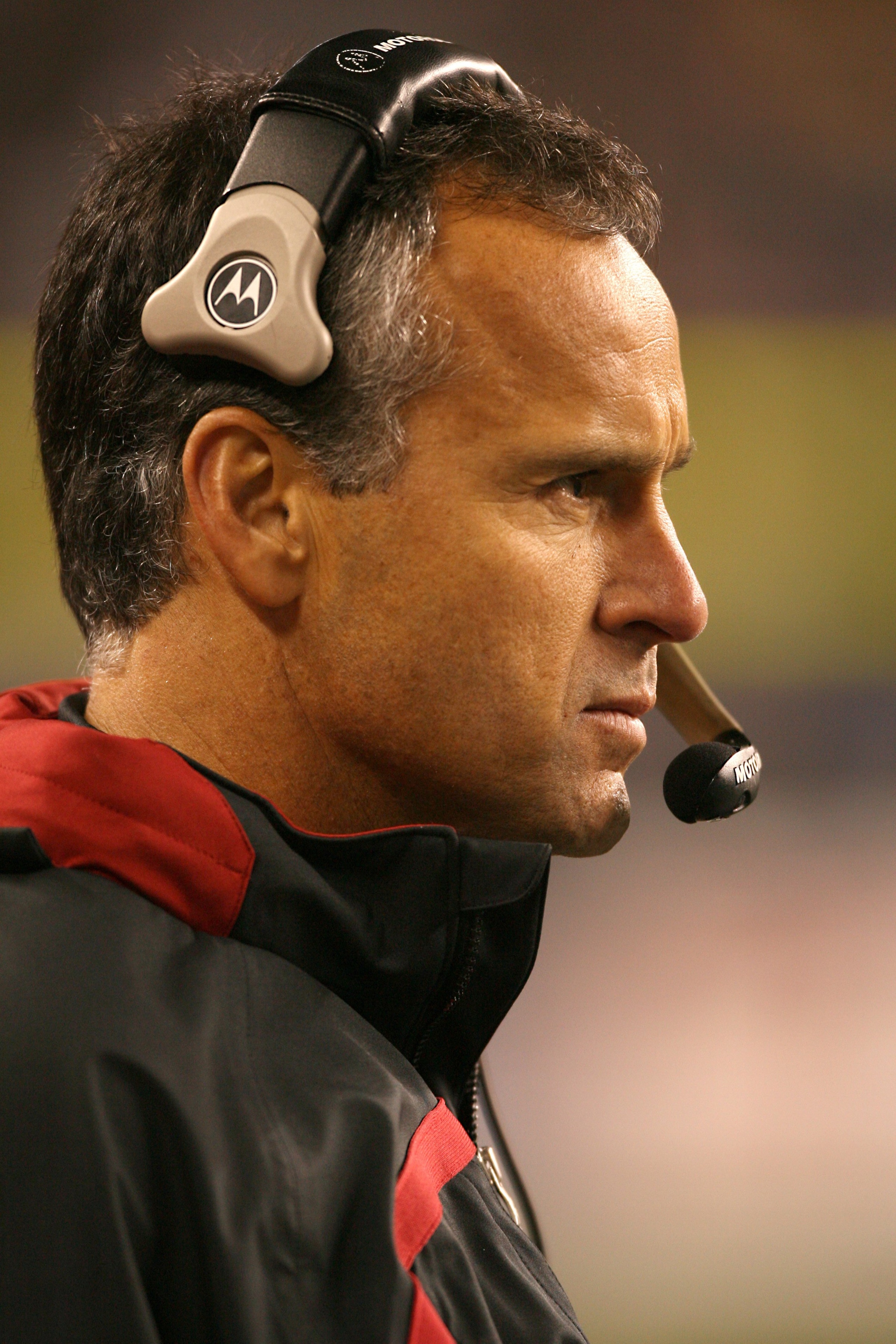
The signing of Mike Nolan as head coach of the 49ers in 2005 was taken as a sign that team was moving forward. Nolan was a successful defensive coordinator with the Baltimore Ravens prior to taking the head coaching job. His father, Dick, was head coach for the Niners and had a respectable career with the team. Nolan brought with him swagger that rejuvenated the fan base, which was the departure they needed from Erickson's run as coach, but once again the franchise made a poor decision that set them back.
Although Nolan had a great plan in place to turn the 49ers around, his failure to execute that plan was reflected by the team's inability to execute on the field. He garnered a reputation as a totalitarian coach and many of the players didn't believe in his system. When watching the film of the Niners, the team unquestionably plays hard throughout the game, but the team did not play smart, which ultimately falls on the coach. Nolan is better suited for coordinator rather than head man. Question a players toughness (Alex Smith) and throwing him under the bus in front of the team is a sure way to get added to this list, but his 18-37 head coaching record shows clearly that he was a bad move to start with.
5. Bad Coach, Worse Coach
6 of 10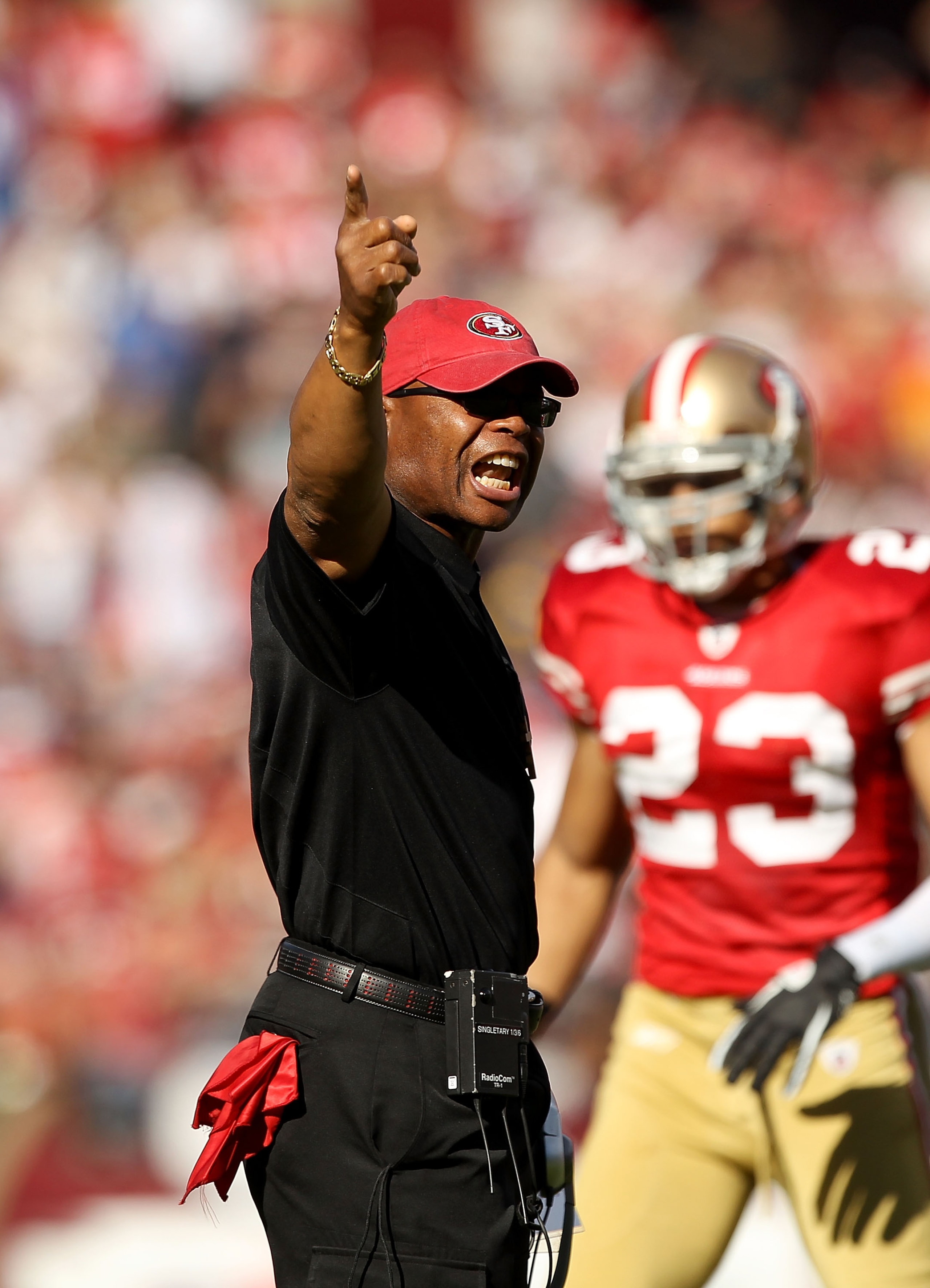
If hiring Mike Nolan wasn't bad enough, placing Mike Singletary as head coach had to be mind boggling. Singletary was a great player in his day and the passion that he had on the field as a player could be seen during his tenure as the head coach. However, it was this very same passion that eventually forced the players to tune him out. In 2009, the team played well enough to make the playoffs, but fell short in too many close games. One of the biggest issues facing the team under Nolan's watch was the high rate of turnovers by the offense. Singletary's 2009 team largely erased that trend and hoped to carry it more consistently.
In 2010, the team regressed in the category. The team committed eight turnovers in two prime time games against the Saints and Eagles, yet lost those games by a combined total of ten points. Eliminate turnovers, you give your team a better chance to win. But when your team fails to convert third downs consistently, that not only falls on the quarterback, but also the head coach. Singletary's unwillingness to deviate from his game plan put the team in a hole it couldn't dig itself out of. Hiring Jimmy Raye to run the offense was a bad move anyway you slice. Not being able to handle quarterbacks was a weakness he shared with Mike Nolan and he eventually shared Nolan's fate.
4. Scott McCloughan's Sudden Departure
7 of 10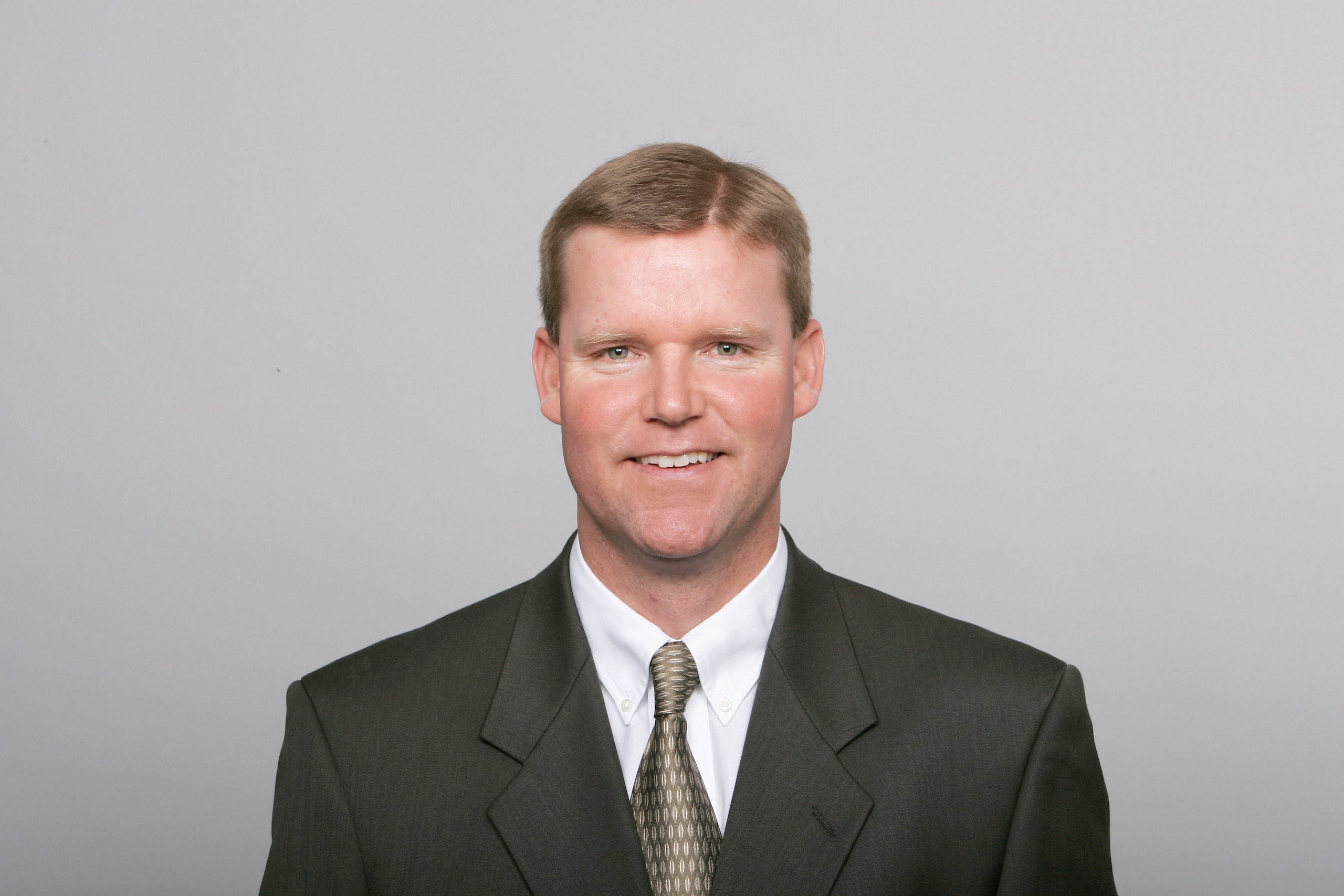
Scot McCloughan was certainly developing into a top GM in the NFL with the recent moves he had made in the drafts. But when he was suddenly relieved of his duties on March 18th, 2010, this signified a drastic step backward for the team.
Just a month before the draft, he leaves the team for "personal" reasons and is eventually released from his contract. Although the circumstances involving his departure are still unclear, it begs the question as to what went on behind closed doors during management meetings when the team wasn't around. McCloughan is a scout at heart, which made him an ideal GM and the 49ers made a huge mistake allowing him to leave.
3. Questionable Draft Selections
8 of 10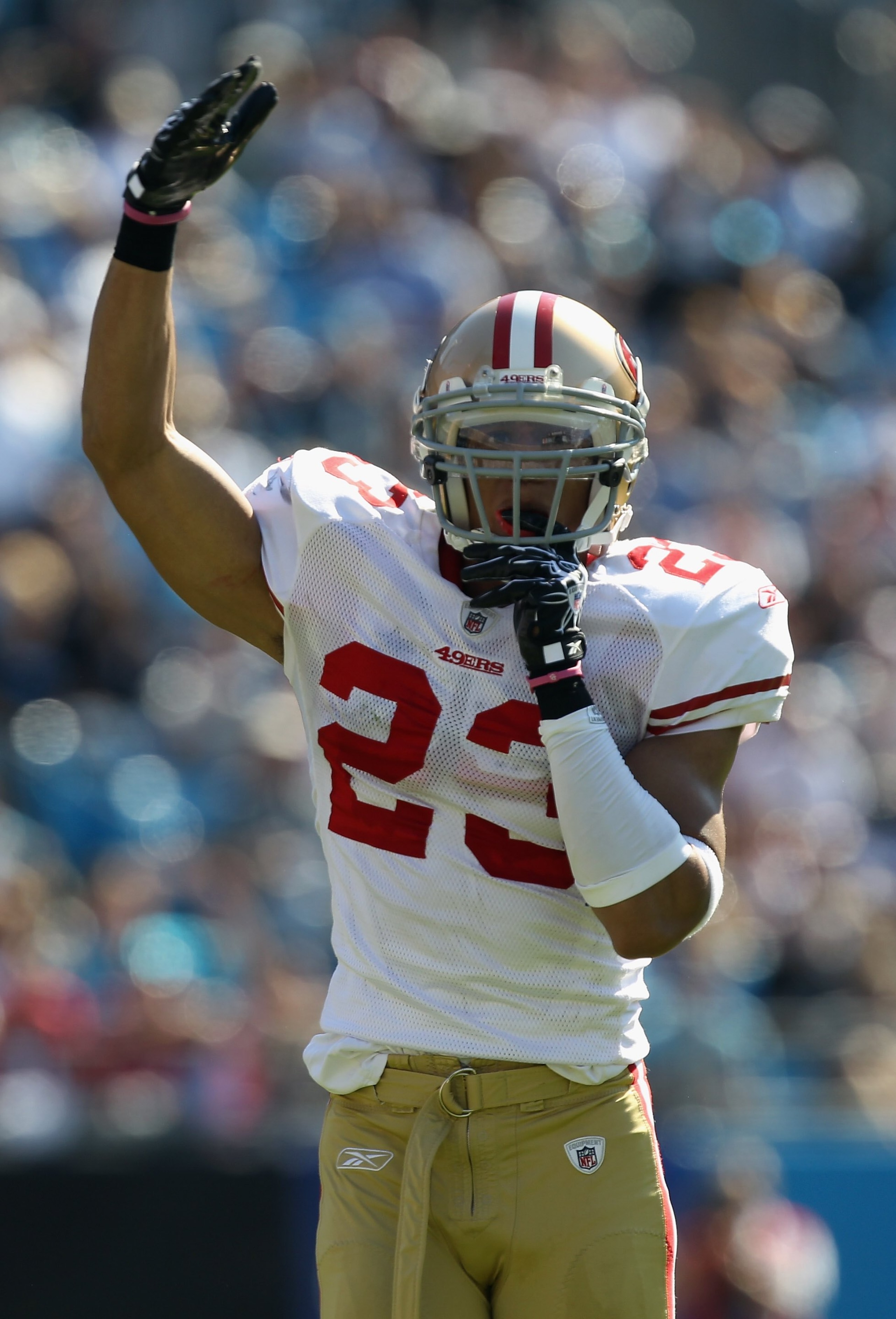
Like any team in the NFL, there are good drafts and then there are bad drafts. As of late, the Niners have drafted players who have become viable starters on both sides of the ball, but then there are some who the team might have reached for in the draft.
Taylor Mays is the most recent of the latter type of player. Drafted in the second round in 2010, he was projected to become a good starter in the NFL. Although I believe he will one day become that type of player, the second round was just way too high to reach for a player with such limited football I.Q.
Once Michael Lewis was replaced in the starting lineup by Mays, the play of the secondary tailed off as one would expect with a young safety, but at the pick where the Niners selected Mays, they could have gone with a pass rusher or even quarterback, as Colt McCoy was still on the board. In order for Mays to truly reach his potential, he will need to become more reliant on his knowledge of the game and not his athleticism.
The forgettable selection of Rashaun Woods in 2004 haunts Niners fans to this day. Diamonds in the rough are not easy to come by, but having an eye for talent should not be determined based on only measurables.
2. No Franchise Quarterback
9 of 10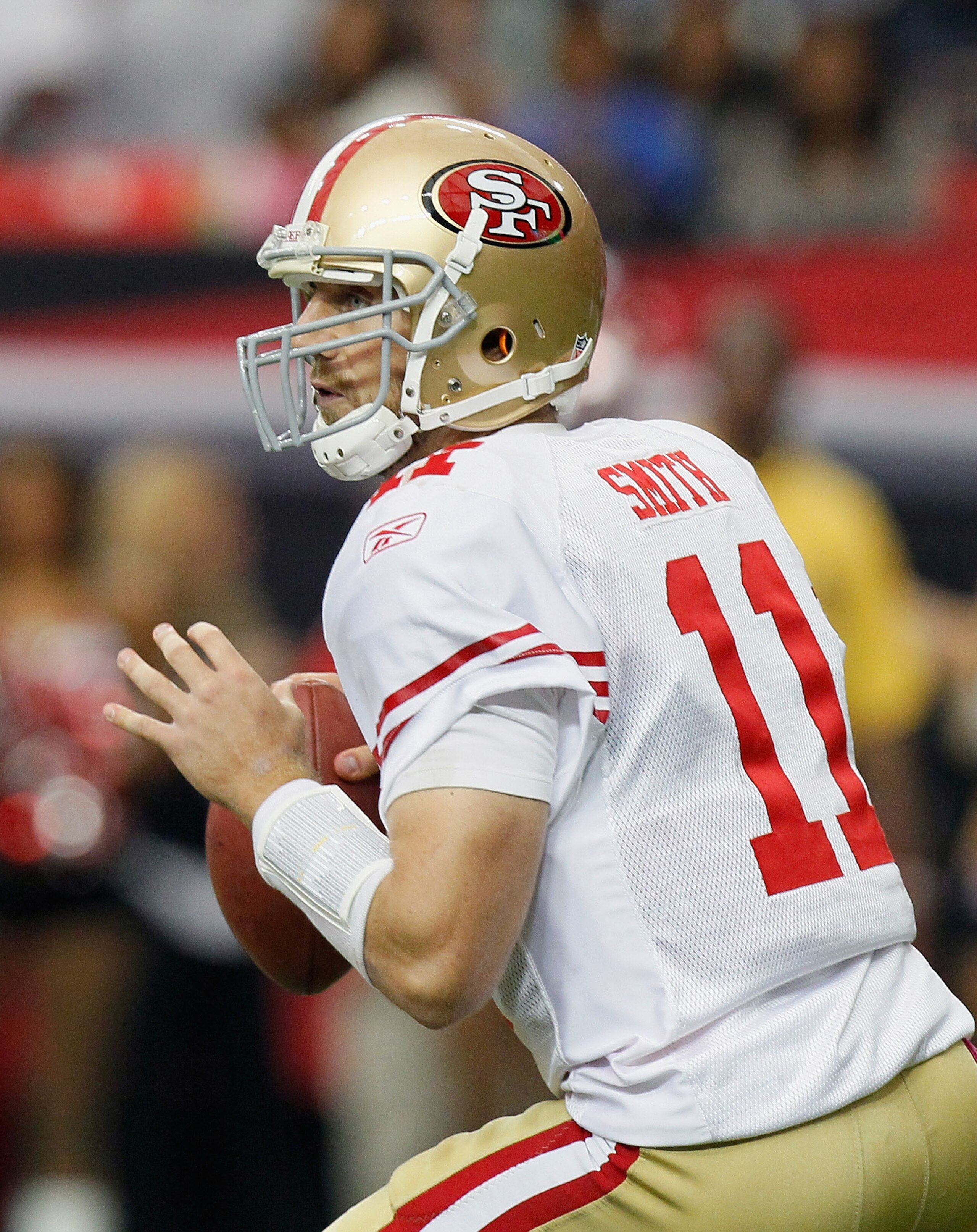
Now that The NFL has become a quarterback driven league, having a good quarterback is paramount to the team's success. After Jeff Garcia's departure following the 2003 season, the team has had several quarterbacks step in and remind the Niner Faithful how far the team has fallen from the days of glory.
Alex Smith has been given several chances to lead this team, but has failed to lie up to the expectations that came with his draft order. He has shown flashes of brilliance, only to top it off with a terrible decision that costs the team the game. It didn't help that for six of the 8 Dark Years in San Fransisco have been led by defensive mided, offensively inept coaches that know how to handle quarterbacks about as well as they can perform algebraic expressions in their heads.
Tim Rattay, Chris Weinke, David Carr, J.T. O' Sullivan, and Trent Dilfer are just a few of the signal callers that have failed miserably along with Alex. The most successful quarterback to play after Garcia was Shaun Hill, a player who went undrafted in 2002, who compiled a respectable 10-6 record as the starting quarterback. Even Troy Smith, who went 3-3 as a starter has plenty of upside and the team should consider resigning him. Nonetheless, the most important position on the field has been the most overlooked and it is time that the team address this matter while they still have the talent to win the weak NFC West.
1. Jed York
10 of 10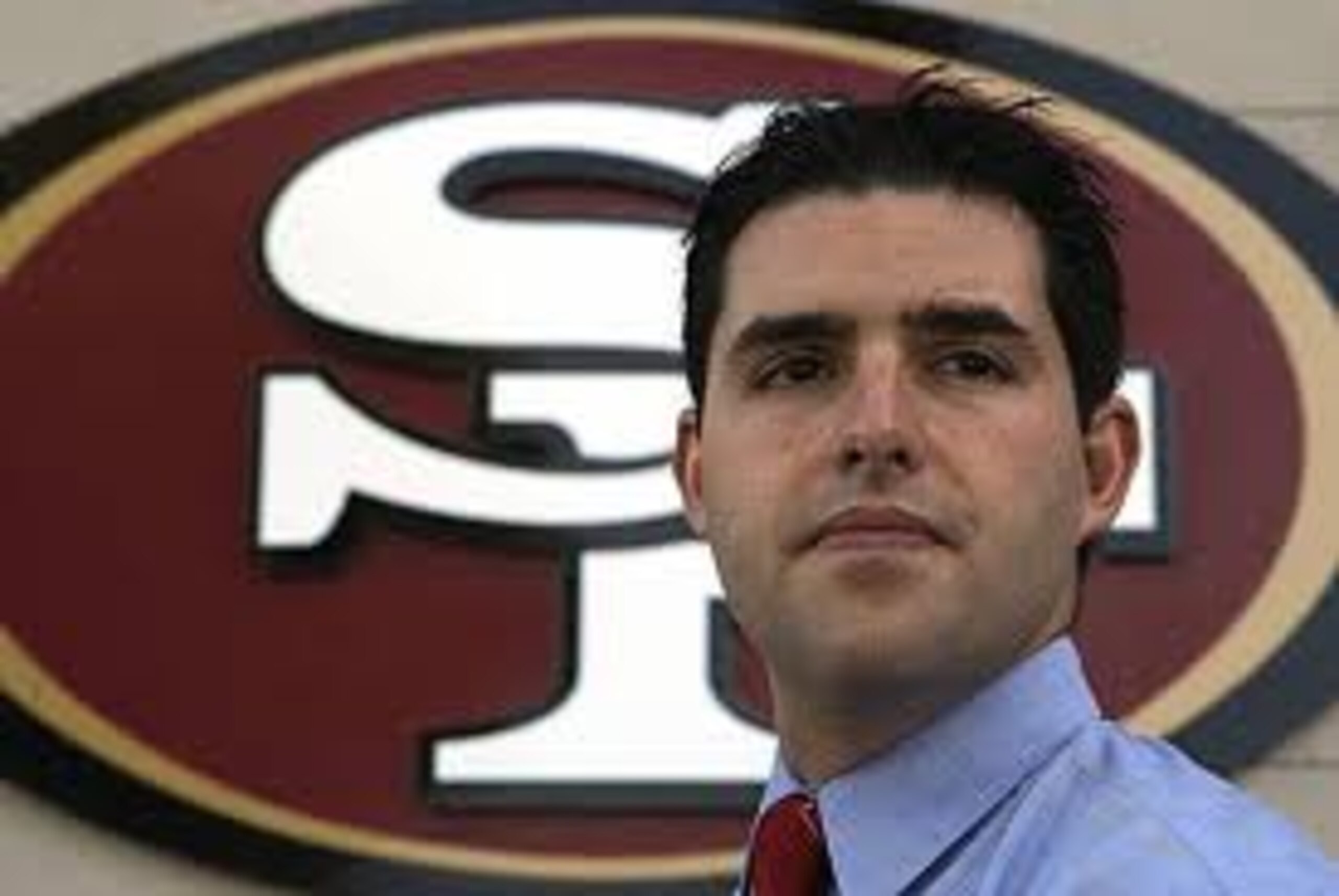
Although York's entry into the Niner Dark ages was fairly recent, much of the team's current plight falls on his shoulders. The biggest issues facing him are his age (29) and his tendency to relate to franchise issues the way a fan would and not in a professional matter. Much could be said of the latter issue about Cowboys owner and GM, Jerry Jones, but at least Jones has had years of experience to know about acquiring talent. But the problems facing the 49ers goes beyond player talent. York has to understand that his role as the Chief Executive of the team means he should make the best moves for the team going forward.
Hiring Singletary full-time was reckless move that was made from an emotional standpoint when the team went 5-4 over the last nine games of the 2008 season. However, the team is built better than the mediocrity that they have shown on the field and should easily amass 10-6 record with several wins on the road, but the hiring of poor coaches, and allowing too much turnover on the staff is an issue that only he can fix. But in order for him to accomplish that, he must accept more responsibility for his decisions and let current head coach, Jim Harbaugh do his job without interference.
.jpg?w=2560 "Cowboys Packers Football")
.jpg?w=2560 "Titans Ravens Football")

.jpg?w=2560 "🚨 Week 8 AP Top 25 Poll")


.jpg?w=2560 "Mahomes Told Teammate to Leave Meeting")