
2011 NFL Draft: The Best 1st-Round Pick In Every Team's History
2011 NFL Draft Filled With Potential Hall of Famers
The 2011 NFL Draft is not far off. The combine will be here soon, then the debate will get really intense.
Ten years from now, there will be a few teams who will mark this draft as the one that resurrected their franchise and such turnarounds usually start with the first round selections.
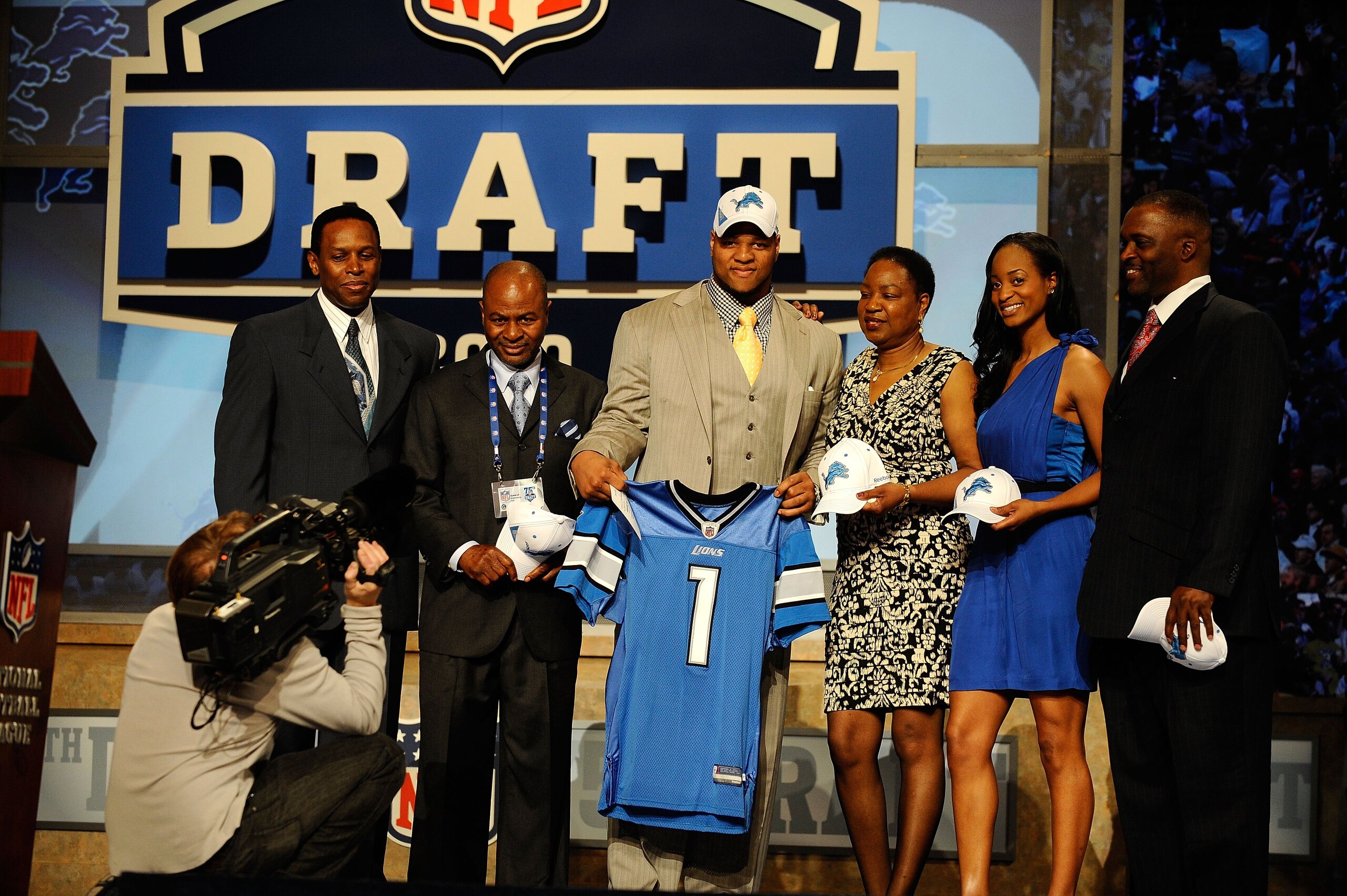
Take Ndamukong Suh, for example. If the Lions become a playoff team next season, the media will point to that selection as a main reason why.
Now it's too early to say Suh was one of the greatest first round selections in the franchise's history, but that got us thinking about which players, for all 32 teams, were the greatest.
To keep things simple we'll make the cutoff date the point of the NFL-AFL merger in 1970—no Joe Namath or O.J. Simpson!
No. 1: Carolina Panthers: Julius Peppers, DE, North Carolina
1 of 32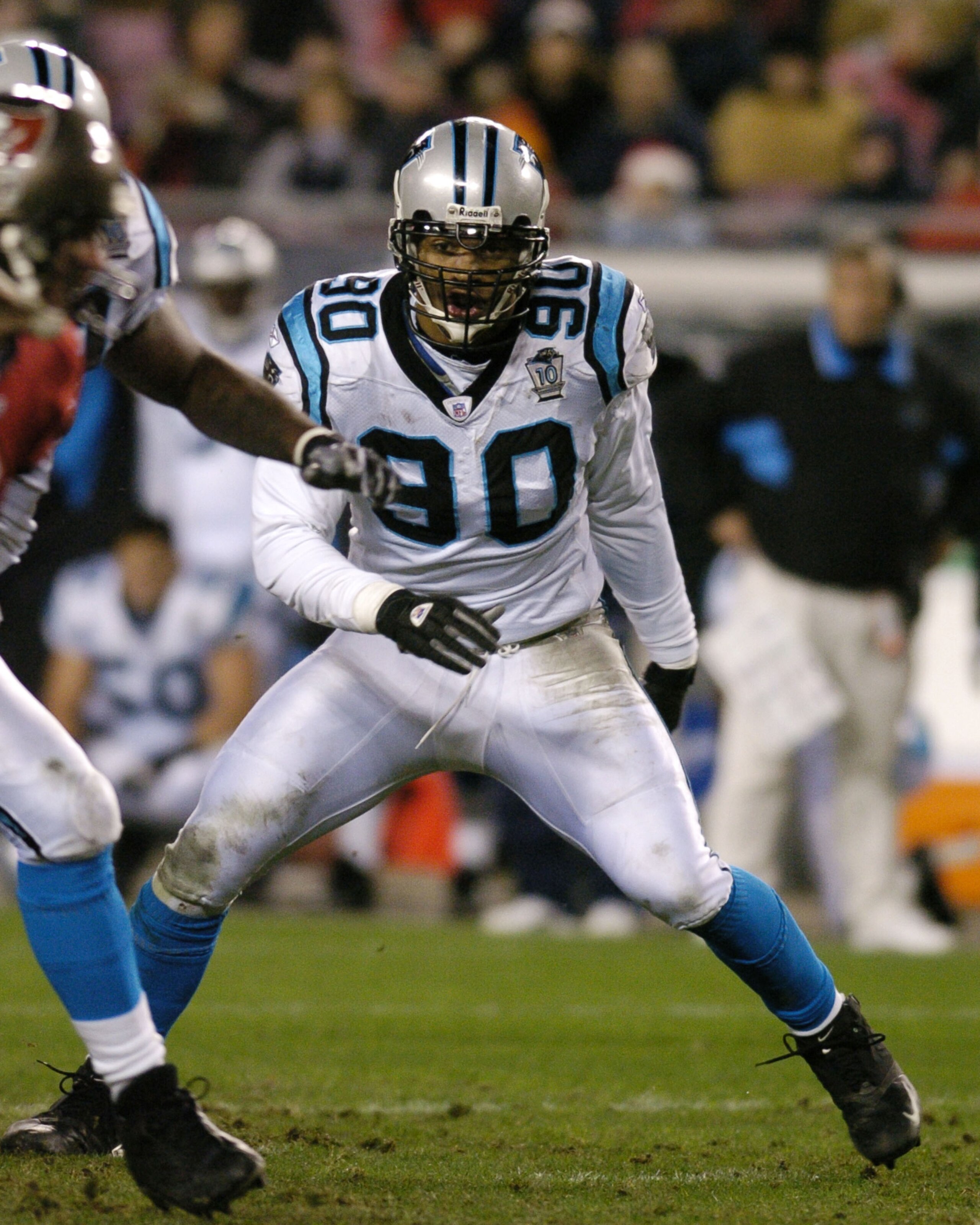
Selection: 2nd, 2002
Runner-Up: Jordan Gross, T, Utah (8th, 2003)
He never quite lived up to the Lawrence Taylor comparisons—at least for the Panthers. But Peppers was/is still one of the NFL's best defenders of the past decade.
The 2002 NFL Defensive Rookie of the Year is a five-time All-Pro and has recorded double-digit sacks in six of his eight seasons.
Although he left via free agency last year, he was still one of the most important players in the team's short history; he led the defense that came extremely close to winning Super Bowl XXXVIII.
Jordan Gross has been a rock solid tackle ever since that Super Bowl season, his rookie year. Another few Pro Bowl selections and he could overtake Peppers on this list.
No. 2: Denver Broncos: Steve Atwater, S, Arkansas
2 of 32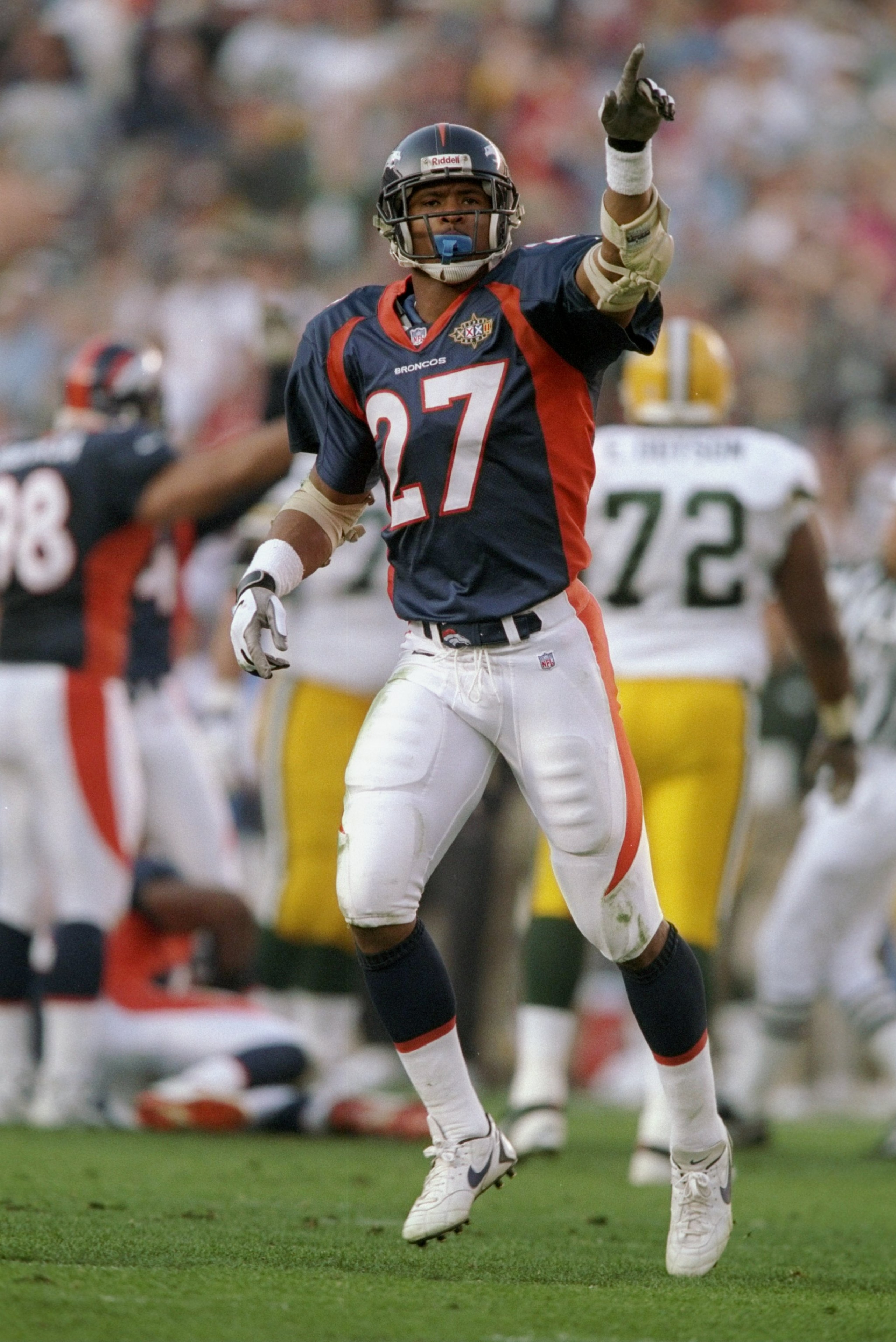
Selection: 20th, 1989
Runner-Up: Dennis Smith, S, USC (15th, 1981)
Ahhh, plenty of you thought we'd choose John Elway, didn't you? But No. 7 was a first round choice of the Colts, not the Broncos.
So for the best first round selection in Broncos history, we'll go with one of Elway's teammates. Atwater went to seven consecutive Pro Bowls and was the veteran leader of the team that won back-to-back Super Bowls.
As much as the tagline for the Super Bowl XXXII win was "This one's for John," part of it was also for Atwater, who had spent nearly a decade in the Mile High City.
No. 3: Buffalo Bills: Jim Kelly, QB, Miami (FL)
3 of 32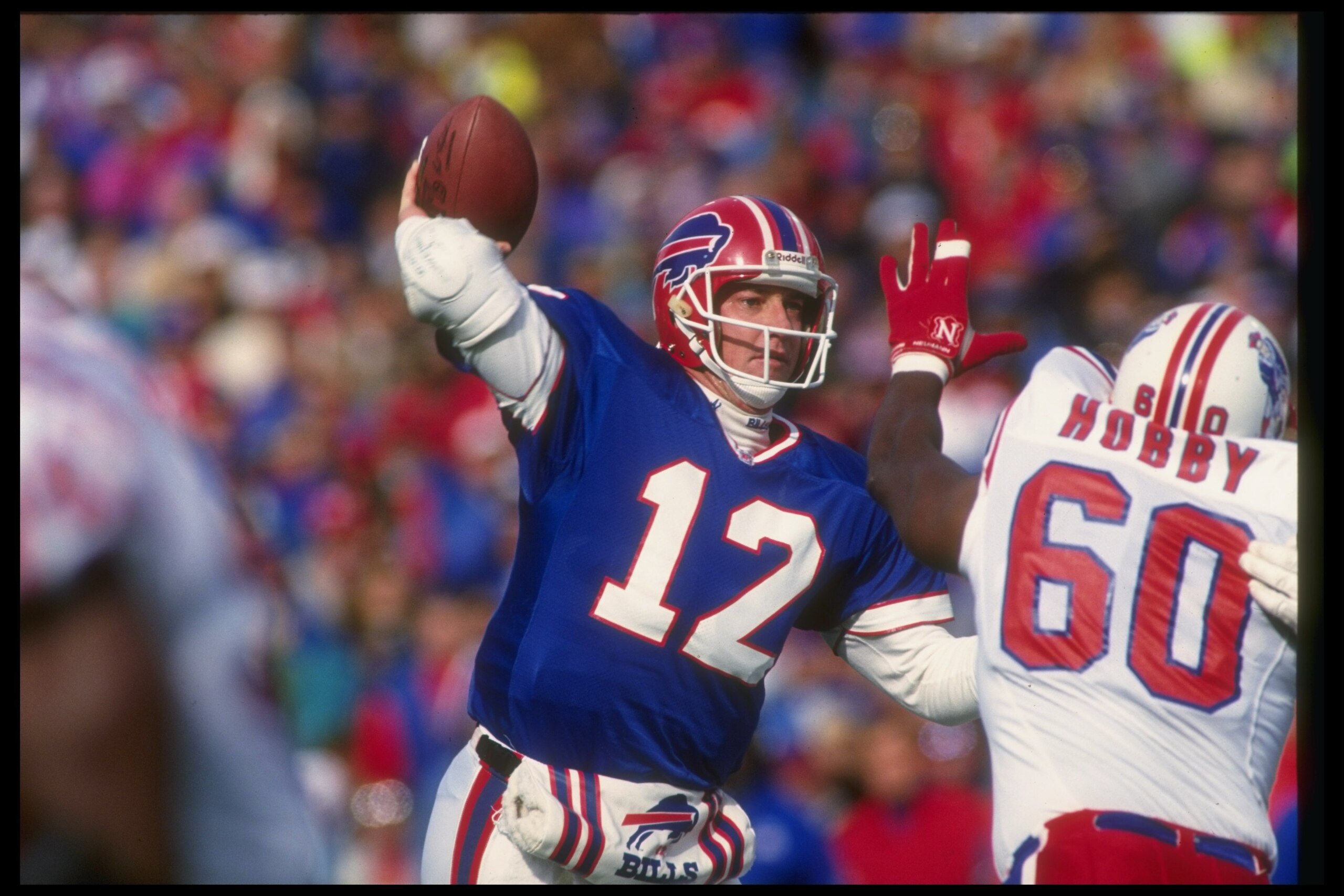
Selection: 14th, 1983
Runner-Up: Bruce Smith, DE, Virginia Tech (1st, 1985)
For the first few years, the Bills' selection of Kelly in 1983 looked like a colossal blunder. The Miami (FL) star spent the 1983-85 seasons in the USFL.
But by 1986 he was back in Western New York and within three years had the team in the AFC Championship Game.
There were many great stars on that Bills dynasty (including the runner-up on this list, Bruce Smith), but because Kelly called the plays and orchestrated the Bills' K-Gun offense, he was more valuable to his team than any other player in the NFL.

.jpg?w=2560 "Rams Eagles Football")
.jpg?w=2560 "Texans-Mixon Released Football")
No. 4: Cincinnati Bengals: Anthony Munoz, OT, USC
4 of 32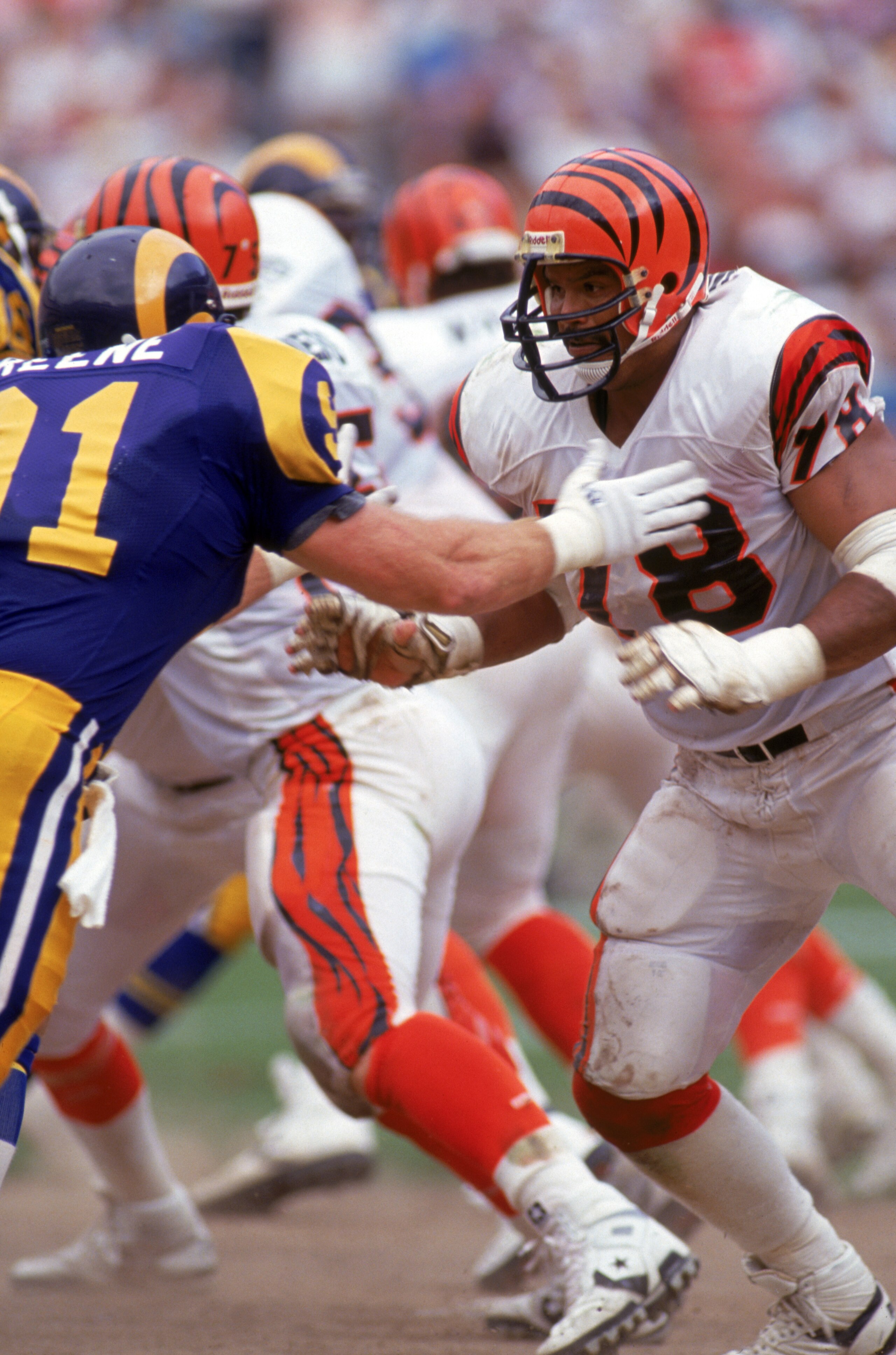
Selection: 3rd, 1980
Runner-Up: Carson Palmer, USC, QB (1st, 2003)
Arguably the greatest tackle in NFL history, Munoz was the premier player on the only two Bengals teams to reach the Super Bowl.
Munoz went to 11 consecutive Pro Bowls and was a nine-time All-Pro selection.
Carson Palmer does deserve some recognition on this list, however. Yes, he struggled mightily this season, but he has led Cincinnati to a pair of division titles, after a decade-and-a-half playoff drought.
And since the Bengals have recently struck-out twice on first round quarterbacks (Akili Smith, David Klingler), Palmer's been a huge success.
No. 5: Arizona/St. Louis Cardinals: Larry Fitzgerald, WR, Pitt
5 of 32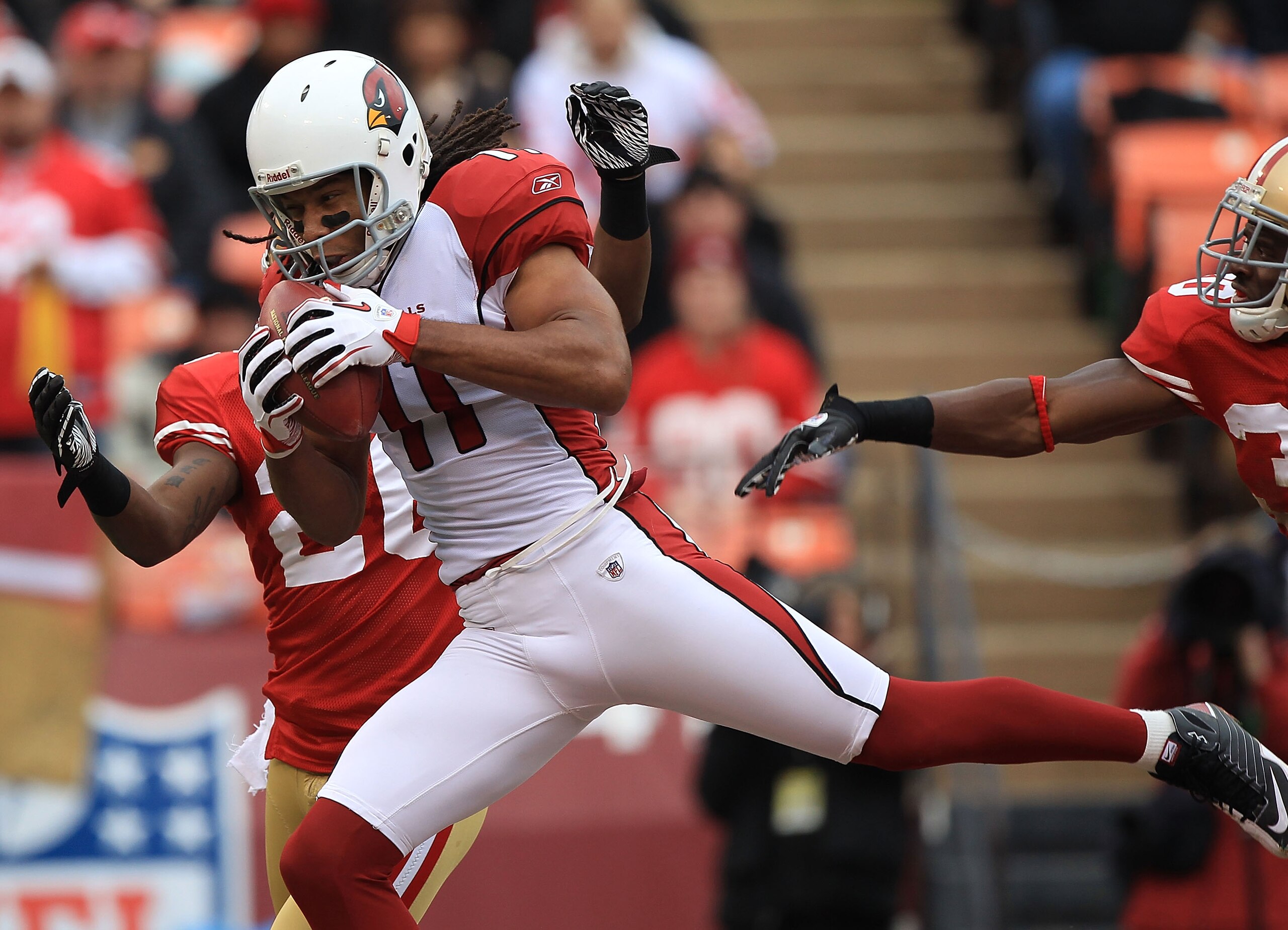
Selection: 3rd, 2004
Runner-Up: O.J. Anderson, RB, Miami (FL) (8th, 1979)
Assuming he stays in Arizona, Fitz will tear through all of the franchise's receiving records. But even if he doesn't, he's become one of the greatest Cardinals ever.
He's led the NFL in touchdown catches twice, posted a pair of 100-catch seasons and three 1,400-yard seasons.
But that's not nearly as impressive as what he did in the 2008 postseason—four games, four 100-yard efforts, 30 catches and seven of them for scores. That's Jerry Rice territory.
No. 6: Cleveland Browns: Ozzie Newsome, TE, Alabama
6 of 32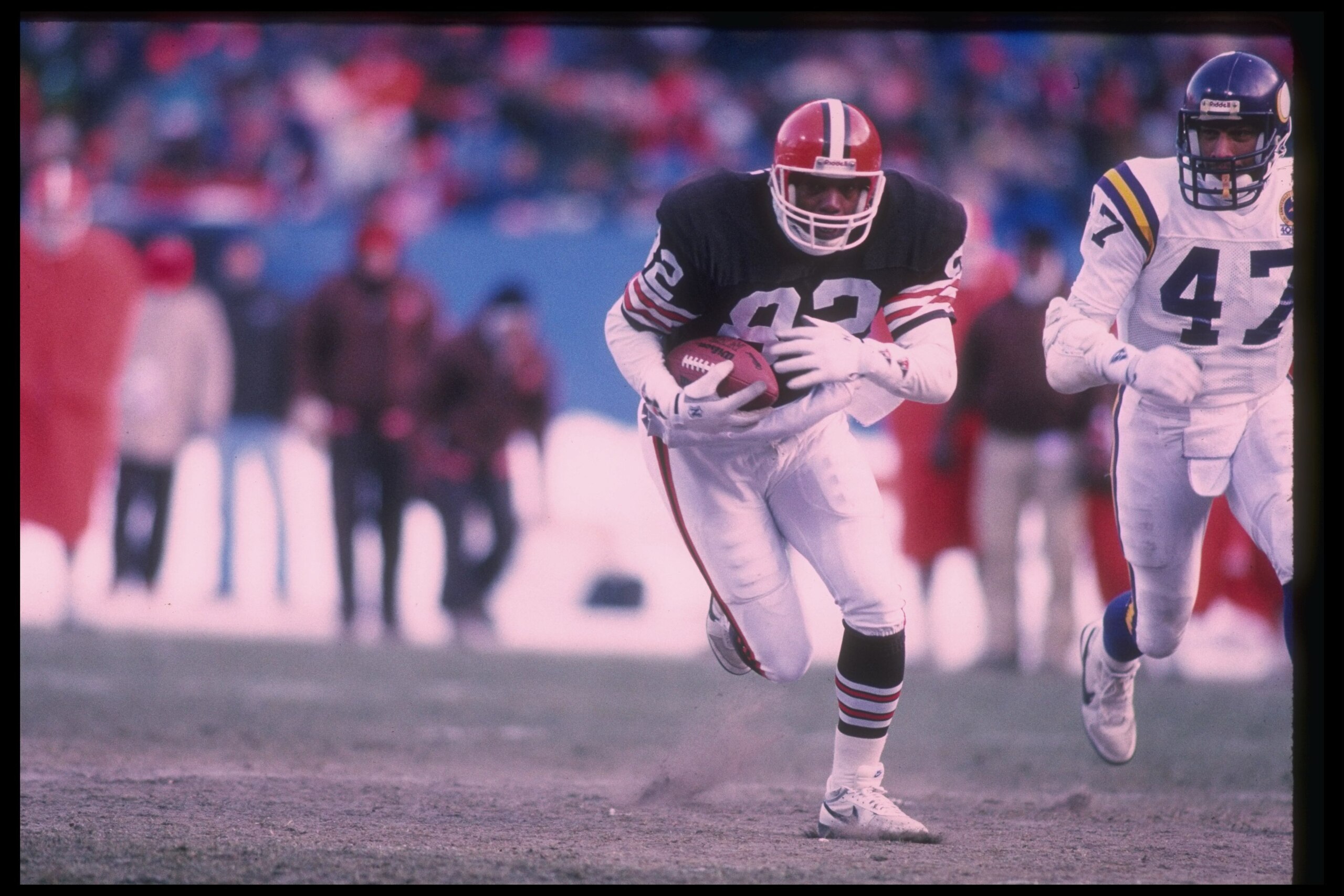
Selection: 23rd, 1978
Runner-Up: Joe Thomas, OT, Wisconsin (3rd, 2007)
Although he would eventually become the ultra-successful general manager of the Browns' hated rivals, Newsome is still a legend in Cleveland.
He's still the leading receiver in team history and was a three-time Pro Bowl selection.
And it may still be in the early stages of his career, but runner-up Joe Thomas has already panned out as a major success.
The Browns' first round picks have been notorious failures—Tim Couch, Courtney Brown, Gerard Warren, William Green, Brady Quinn, even Kellen Winslow and Braylon Edwards, whom they dealt after less than five seasons—so for Thomas to start all 64 games and be a four-time Pro Bowler is an undeniable success.
No. 7: San Francisco 49ers: Jerry Rice, WR, Missouri Valley State
7 of 32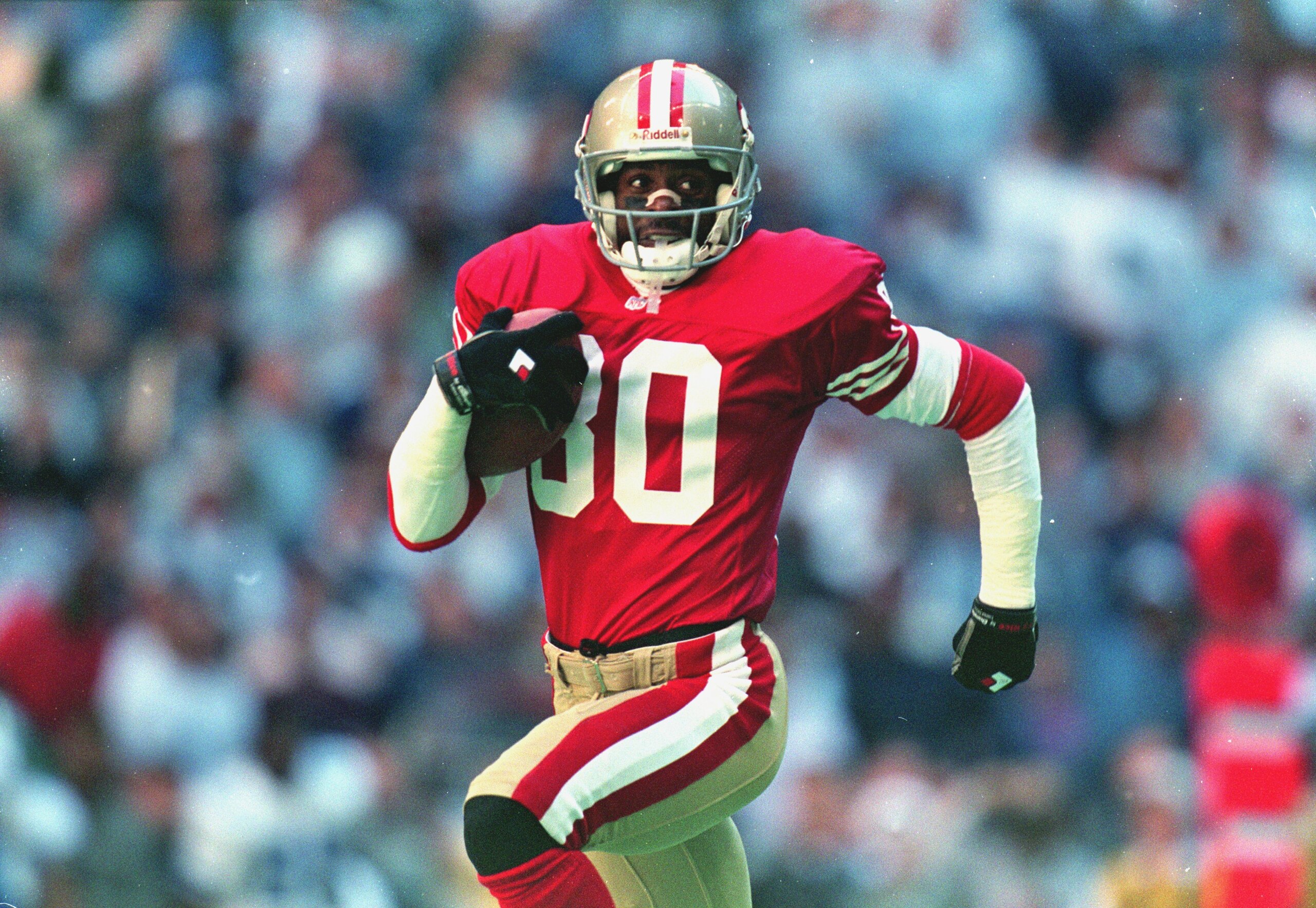
Selection: 16th, 1985
Runner-Up: Ronnie Lott, S, USC (8th, 1981)
No surprise here. Rice is the greatest wide receiver in NFL history and one of the greatest players ever to put on a helmet. And since he came out of tiny Mississippi Valley State, Bill Walsh's selection of Rice was even more remarkable.
Apart from Rice, Lott is without a doubt the next best choice. He was the most important player on a defense that won four Super Bowls.
The better question here would be, "Who is the third best first round pick in 49ers history?" Although Vernon Davis and Patrick Willis are decent options, we'll go with Bryant Young (7th, 1994), who was a four-time Pro Bowler and a rookie starter on the 49ers last Super Bowl championship team.
No. 8: Tennessee Titans/Houston Oilers: Steve McNair, QB, Alcorn State
8 of 32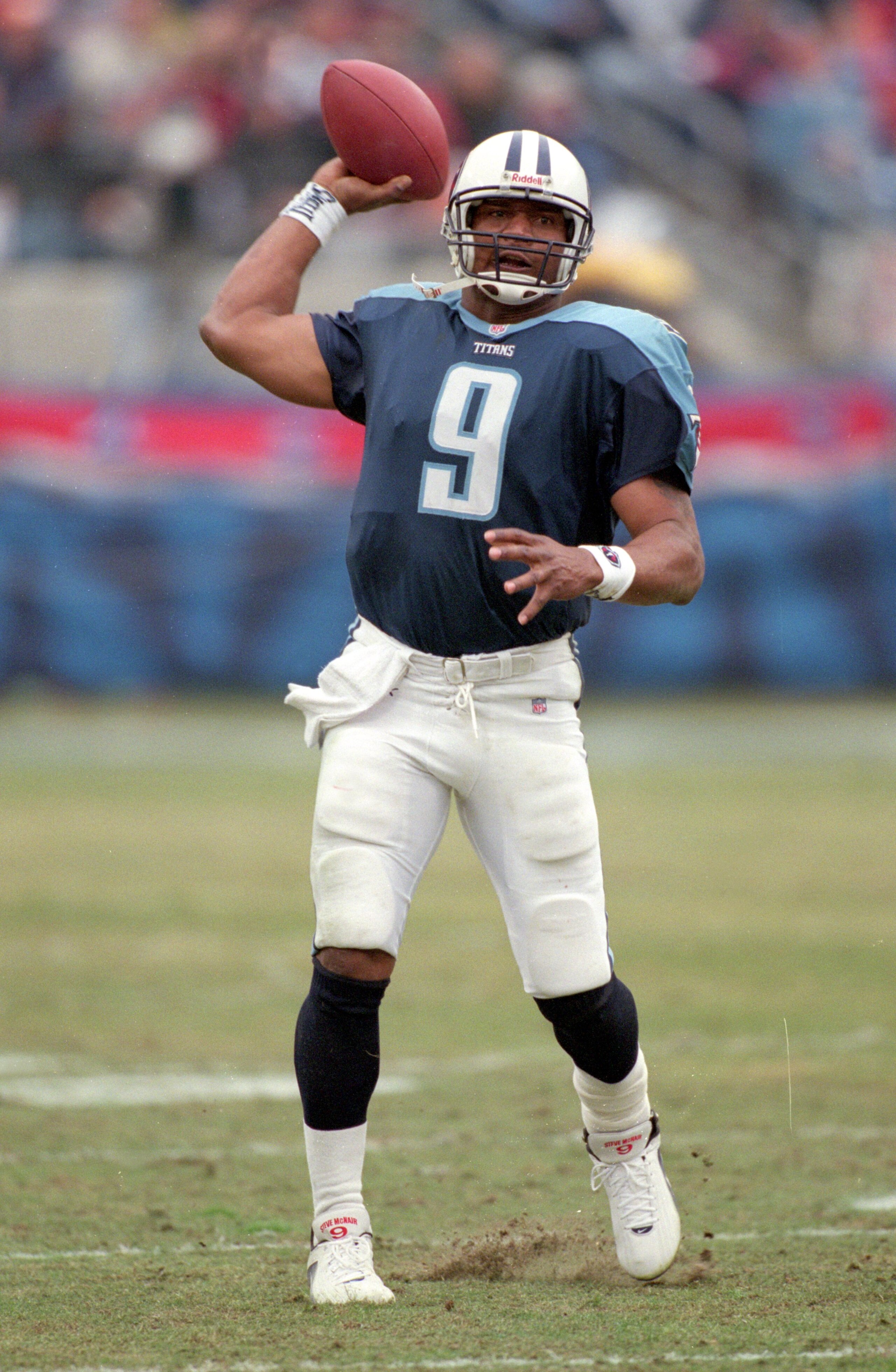
Selection: 3rd, 1995
Runner-Up: Earl Campbell, RB, Texas (1st, 1977)
Tough choice here. Campbell was better overall; for a few seasons in the late 1970's and early 1980's, he was arguably the best player in football. His running twice led the Oilers to the brink of a Super Bowl berth.
But McNair actually brought the franchise to the big game. He too won a (co)-MVP and was the reason the Titans came within one play of sending Super Bowl XXXIV to overtime.
There's something to be said about longevity, as well. While Campbell was a standout for half-a-dozen seasons, McNair was elite for a few years longer.
No. 9: Dallas Cowboys: Troy Aikman, QB, UCLA
9 of 32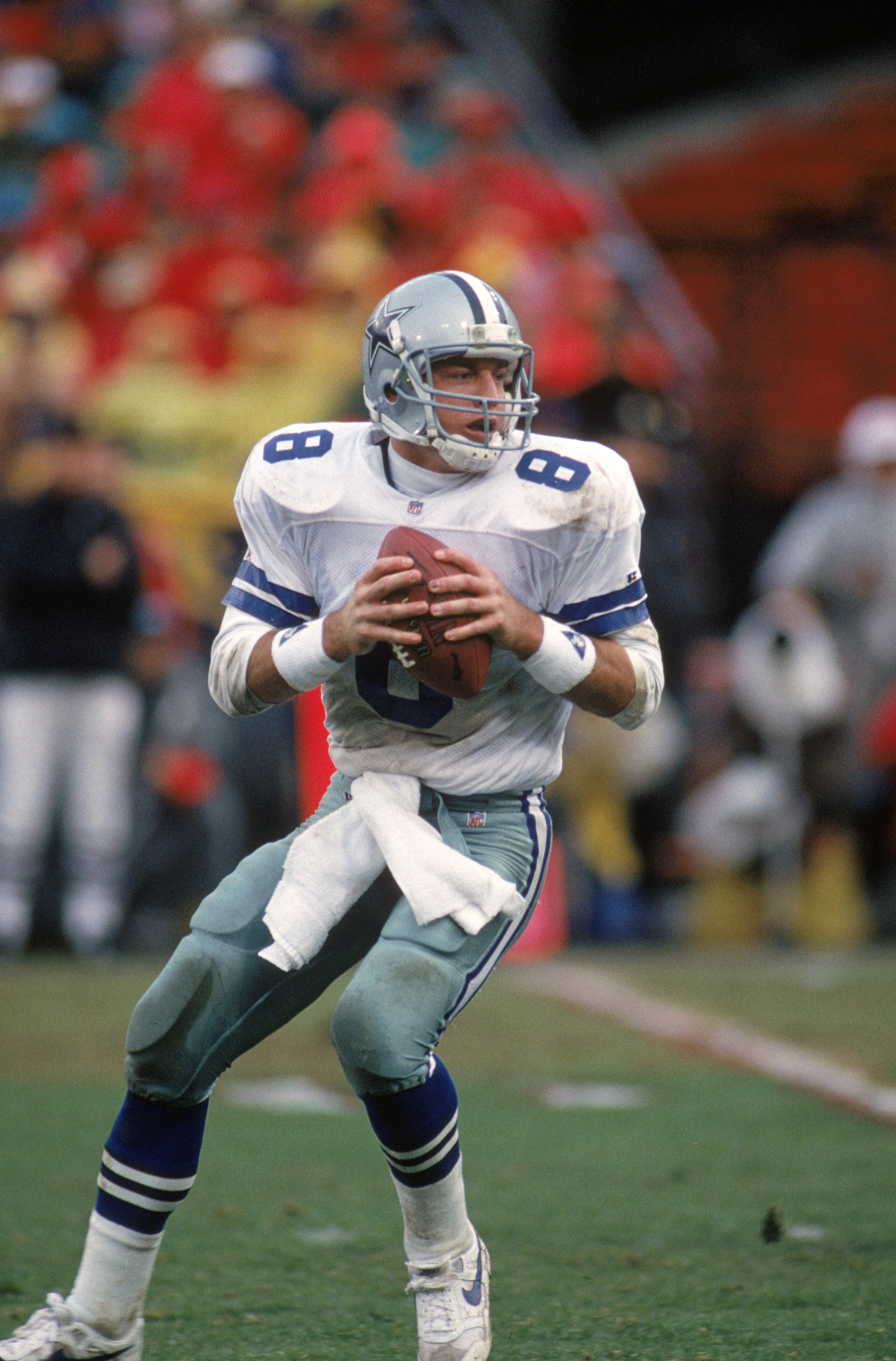
Selection: 1st, 1989
Runner-Up: Emmitt Smith, RB, Florida (17th, 1990)
Another tough choice since the Cowboys have such a rich history, especially with first round choices.
Tony Dorsett would be a great candidate, but because they Cowboys were already a Super Bowl contender before his arrival, we'll go with two of the stars for Dallas' second dynasty.
And as great as Smith was, the rebirth started with Aikman. He was a pro bowler the year they returned to the playoffs, won the MVP for the club's first Super Bowl victory, and was the first one to be enshrined in Canton.
He was also one of the most precise passers in NFL history.
No. 10: Washington Redskins: Darrell Green, CB, Texas A&M Kingsville
10 of 32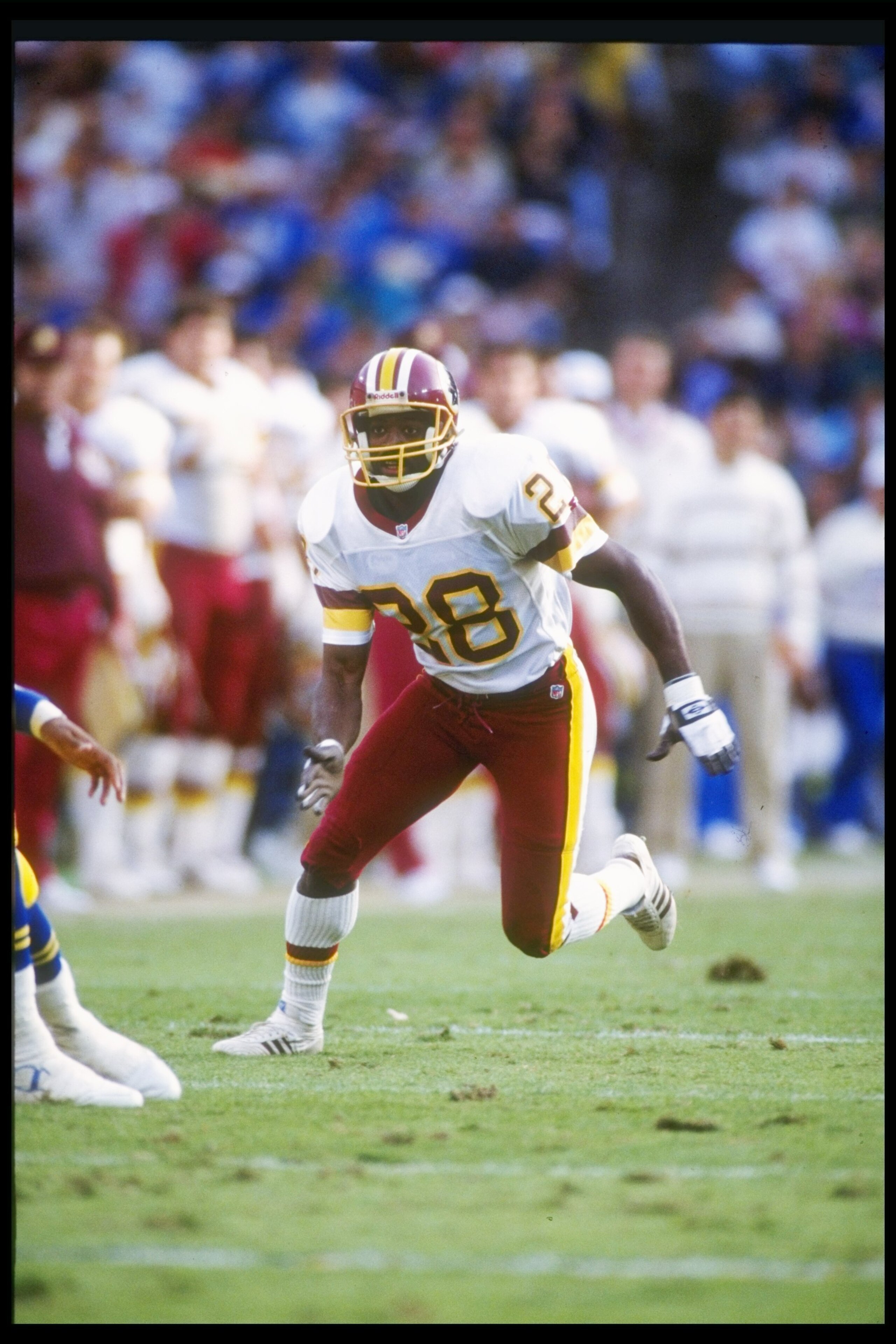
Selection: 28th, 1983
Runner-Up: Art Monk, WR, Syracuse (18th, 1980)
Thanks to George Allen's hatred of rookies, the Redskins of the early 1970s traded away most of their draft picks, and since Joe Gibbs did the same, Washington had only three first round choices from 1970-90.
Nevertheless, two of those picks were Hall of Famers.
Green went to seven pro bowls and, although used sparingly, an exceptional punt returner, while Monk would retire as the NFL's leading receiver.
We'll take Green over Monk for one reason: he spent 20 full seasons with the Redskins, tying the record for longevity with one team.
No. 11: Houston Texans: Andre Johnson, WR, Miami (FL)
11 of 32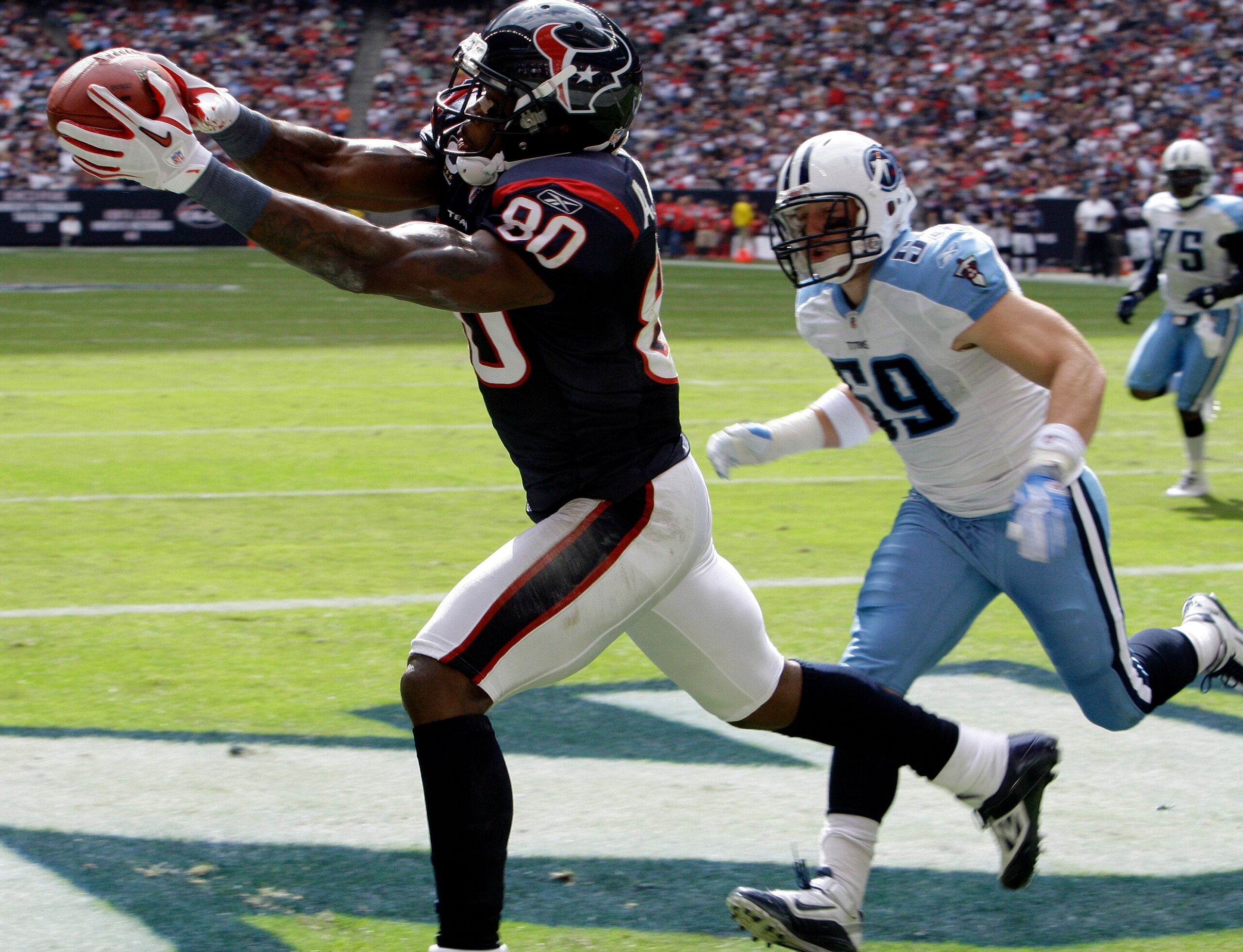
Selection: 3rd, 2003
Runner-Up: Mario Williams, DE, NC State (1st, 2006)
The shortest-tenured franchise on this list, there aren't many to choose from. That's why Mario Williams gets the runner-ups spot.
Nevertheless, Johnson would be on this list for at least a dozen franchises. He's led the NFL in receptions and receiving yards twice, been named to five pro bowls in eight seasons, and has an incredible overhand-right....just ask Cortland Finnegan.
No. 12: Minnesota Vikings: Adrian Peterson, RB, Oklahoma
12 of 32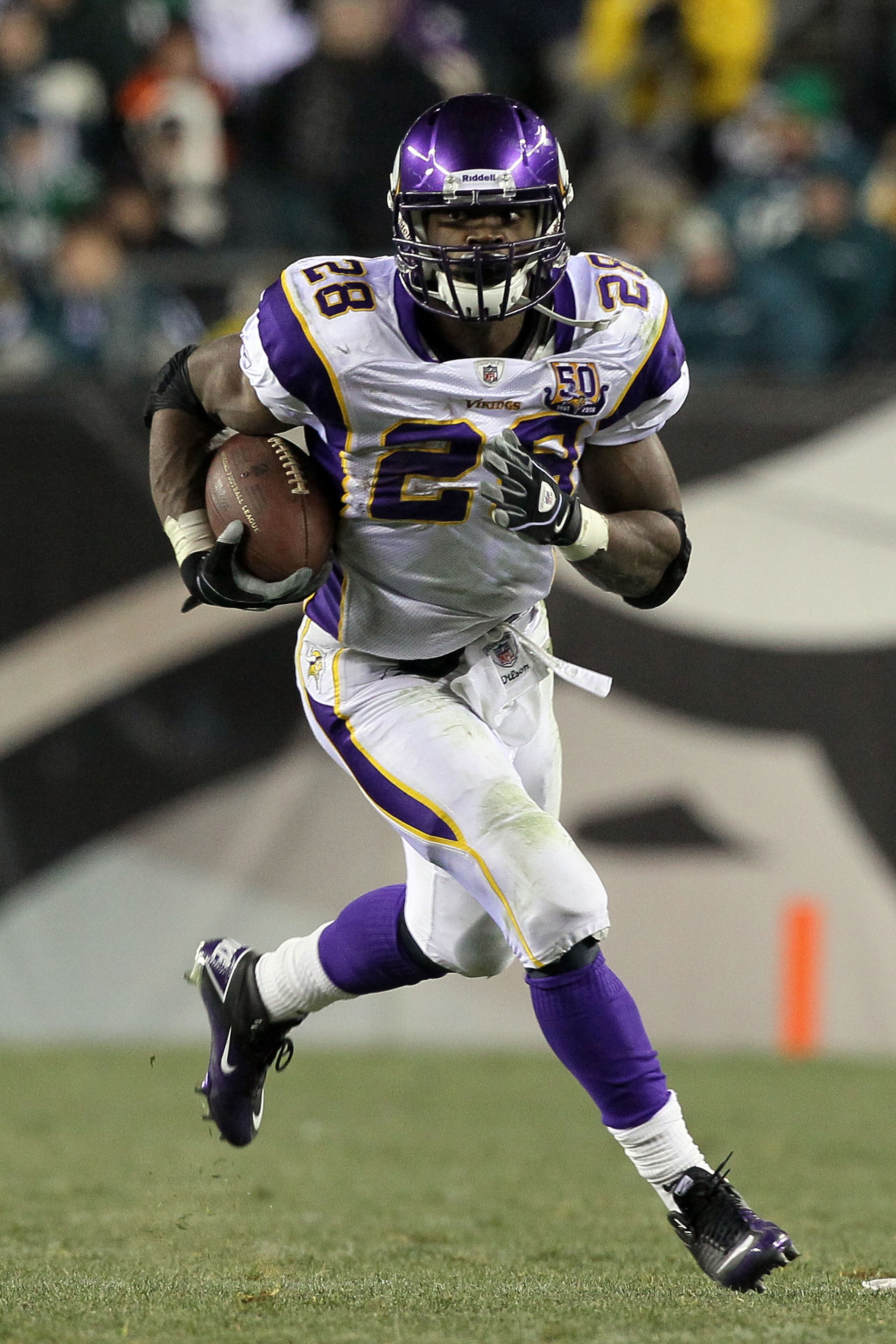
Selection: 7th, 2007
Runner-Up: Randall McDaniel, G, Arizona State (19th, 1988)
If he is eligible for this list (which he is) you cannot leave off the best running back in football, even though Peterson hasn't led the Vikings to a Super Bowl and was absolutely miserable last season.
But he's won a rushing title, posted double-digit rushing touchdowns in each of his four seasons and averages nearly 100 yards per game.
As far as the runner-up to Peterson, it's hard to keep Randy Moss off this list. But since McDaniel has already made the Hall of Fame and Moss is persona non grata in Minneapolis these days, he has to be third on our list.
No. 13: Detroit Lions: Barry Sanders, RB, Oklahoma State
13 of 32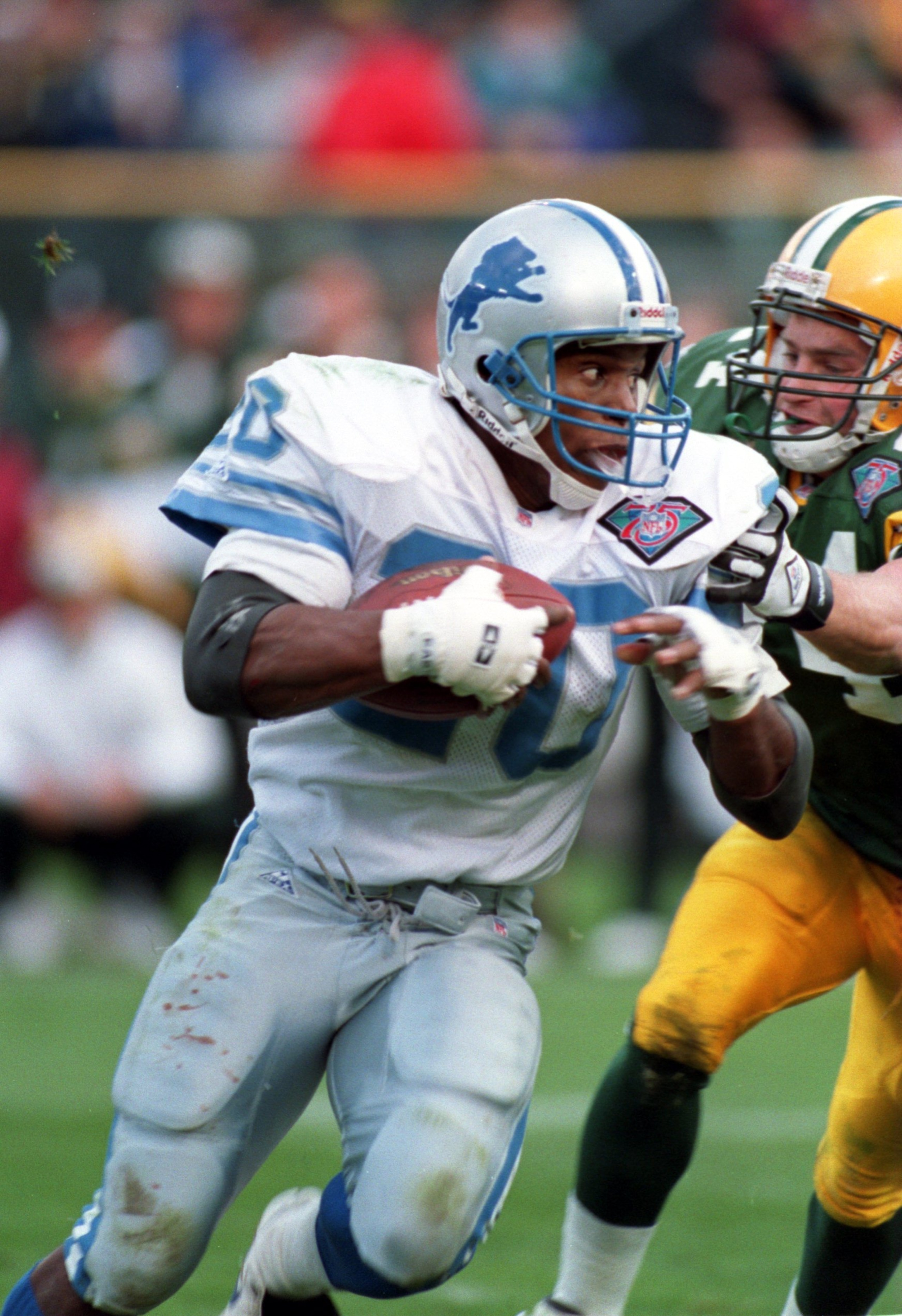
Selection: 3rd, 1989
Runner-Up: Calvin Johnson, WR, Georgia Tech (2nd, 2007)
Sanders is as much a no-brainer as Jerry Rice. He is by far the most important player in the Lions post-merger history: In a nine-year career, his worst rushing season was the 1,115-yard 1994. And by the time he was finished he averaged 99.8 yards per start.
Johnson is a tricky case: he's been incredible for three of his four seasons in the NFL has been an incredible talent: no matter what stupid things Al Davis says.
More to the point, because the Lions missed so badly on Charles Rodgers, Roy Williams, and Mike Williams, we have to give him special mention.
No. 14: Los Angeles/St. Louis Rams: Orlando Pace, OT, Ohio State
14 of 32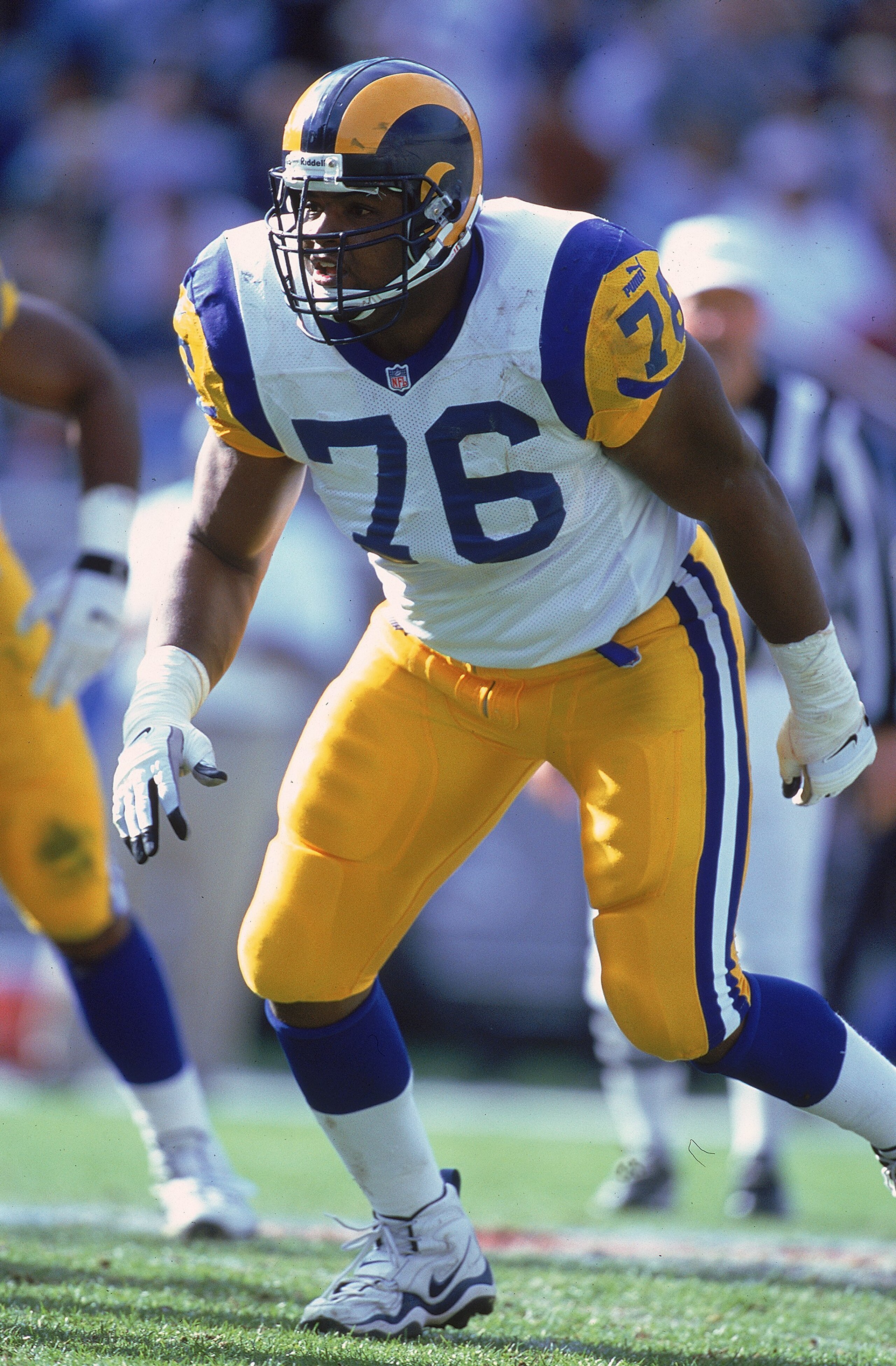
Selection: 1st, 1997
Runner-Up: Eric Dickerson, RB, SMU (2nd, 1983)
Within three seasons of selecting Pace, the Rams won the Super Bowl. That was no coincidence.
He was the best lineman of his generation, and a main reason why Kurt Warner and Marshall Faulk became Hall of Famers.
The Greatest Show on Turf wouldn't have been so great had Pace not opened holes on the ground, and kept Warner's blindside clear.
Dickerson's stay with the Rams franchise might have been short (less than five season) and left a sour taste in everyone's mouth, but it was unbelievable. He won three rushing titles, set the single-season record, and averaged 115 yards per game.
No. 15: Miami Dolphins: Dan Marino, QB, Pitt
15 of 32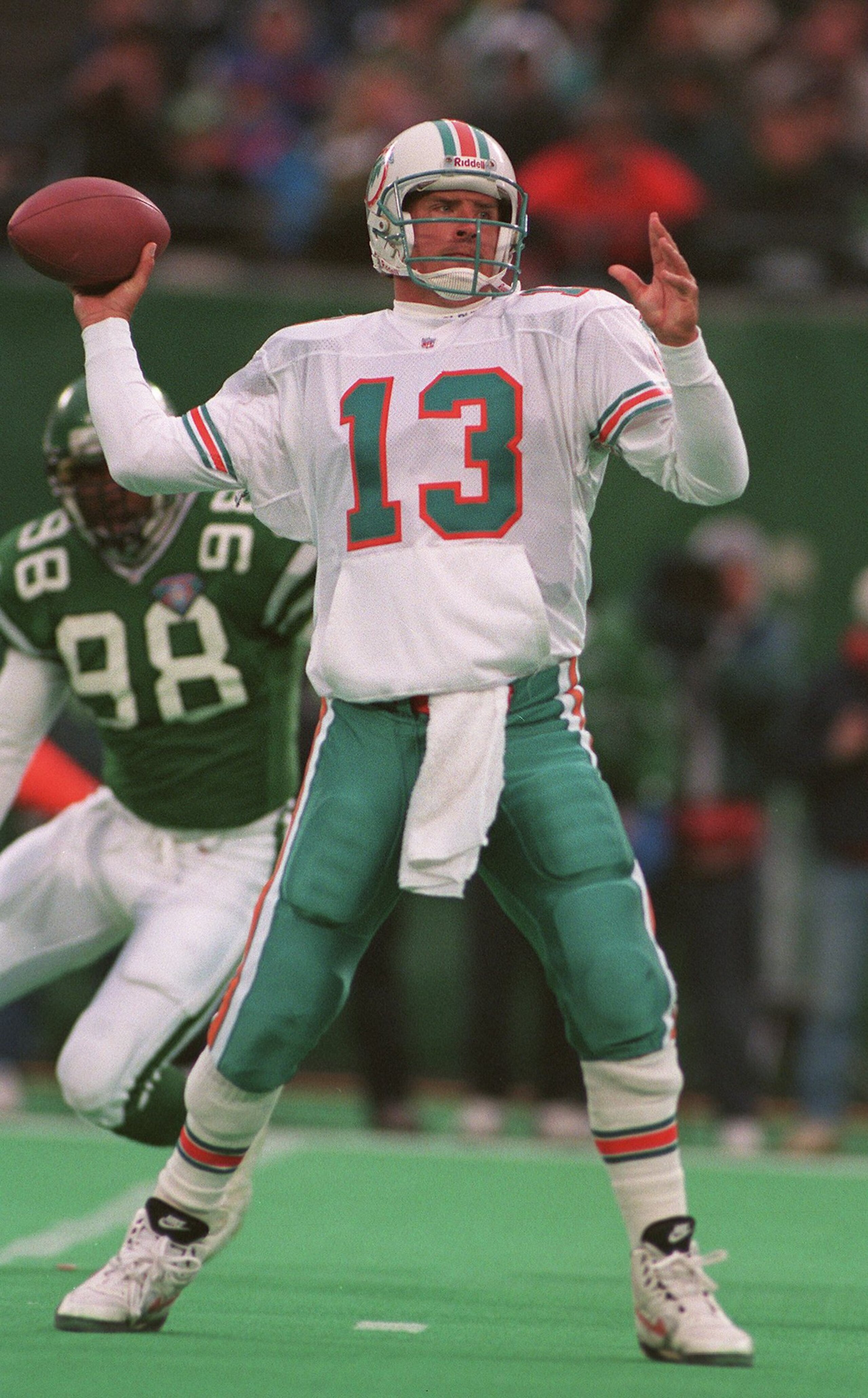
Selection: 27th, 1983
Runner-Up: Richmond Webb, OT, Texas A&M (9th, 1990)
People can knock Marino all they want for failing to lead Miami to a championship. But that shouldn't overshadow his achievements during 17 years in the NFL.
He re-wrote the record books, won a league MVP, and owned the quickest release in the game's history. It's remarkable that over two dozen teams passed on him, considering what he did for his hometown Pitt Panthers.
Although people don't lump him in with all-time greats like Anthony Munoz, Orlando Pace, and Jonathan Odgen, Richmond Webb was arguably the best tackle of his decade. He went to seven consecutive pro bowls and was selected to the All Pro team five times.
No. 16: Jacksonville Jaguars: Fred Taylor, RB, Florida
16 of 32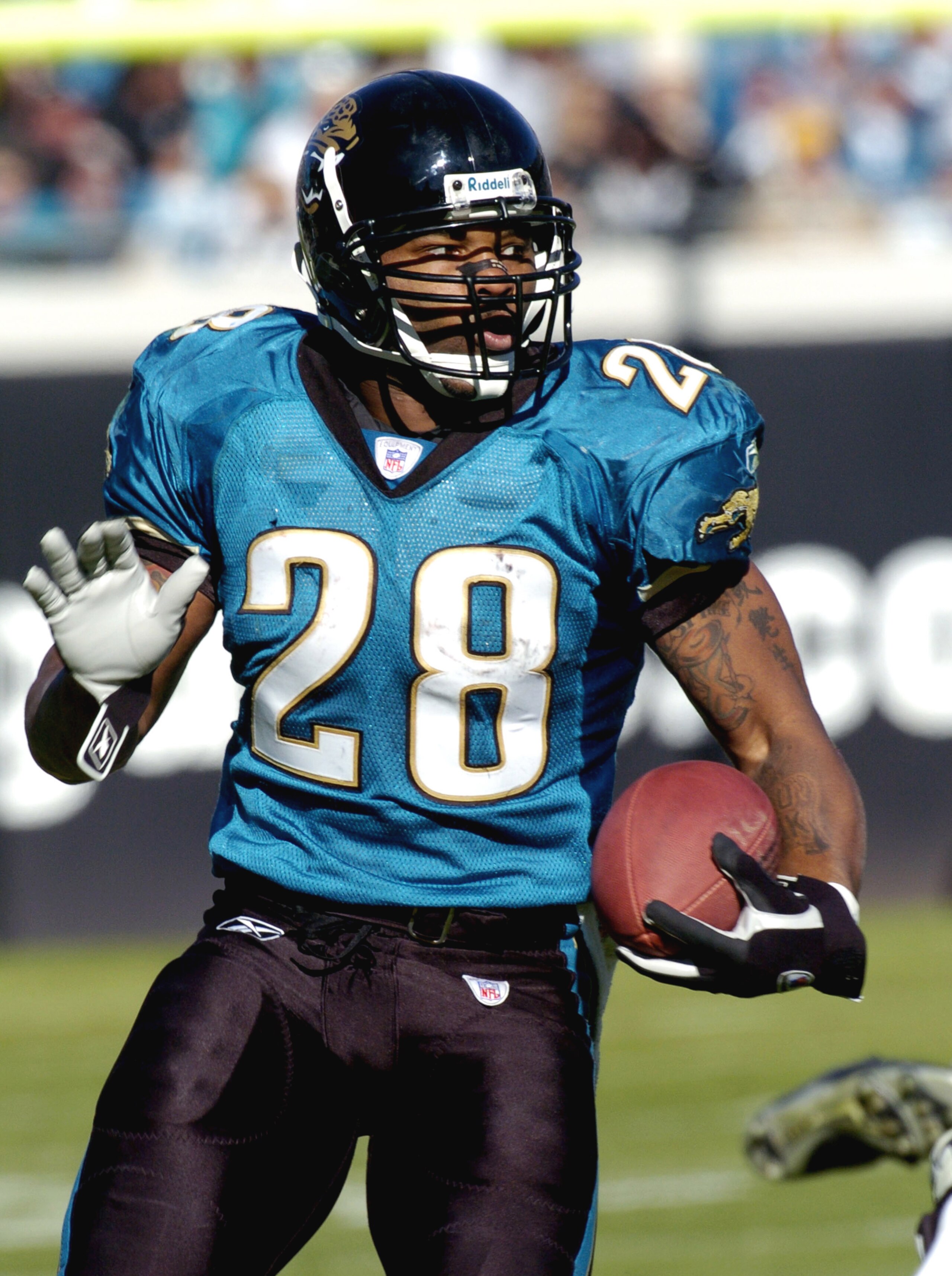
Selection: 9th, 1998
Runner-Up: Tony Boselli, OT, USC (2nd, 1995)
In 1996, the Jags got surprisingly far, the AFC Championship, with Natrone Means as their feature back. But they became a perennial Super Bowl threat with Taylor in the backfield.
Had he stayed healthy, who knows what Jacksonville might have achieved. As it stands, Taylor still rushed for 1,200 yards six times and finished his career in Jacksonville with over 15,000 yards from scrimmage.
Boselli's career was cut short by injuries, but for a time, he was the AFC's premier offensive lineman, earning three consecutive first team All Pro selections.
No. 17: Oakland/Los Angeles Raiders: Marcus Allen, RB, USC
17 of 32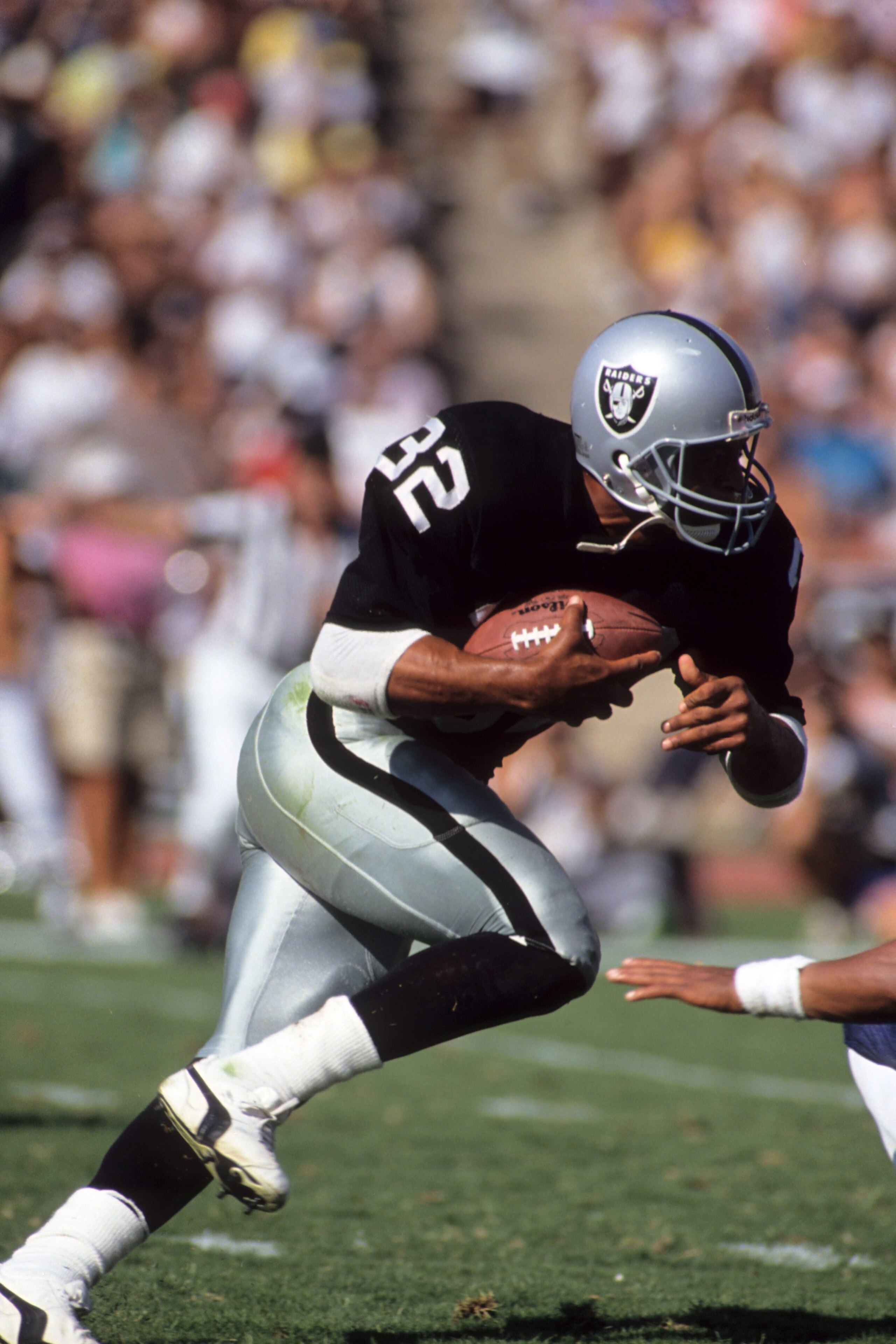
Selection: 10th, 1982
Runner-Up: Tim Brown, WR, Notre Dame (6th, 1988)
Like Eric Dickerson, Allen's great career in Los Angeles didn't end well. Still, he won an NFL MVP and went to five pro bowls in straight seasons.
Brown is a close second, considering he has more receiving yards than any other AFC player ever.
You really can't go wrong with either of these Heisman Trophy winners, but since Allen won the MVP of the team's last Super Bowl triumph, he gets top billing.
No. 18: San Diego Chargers: LaDainian Tomlinson, RB, TCU
18 of 32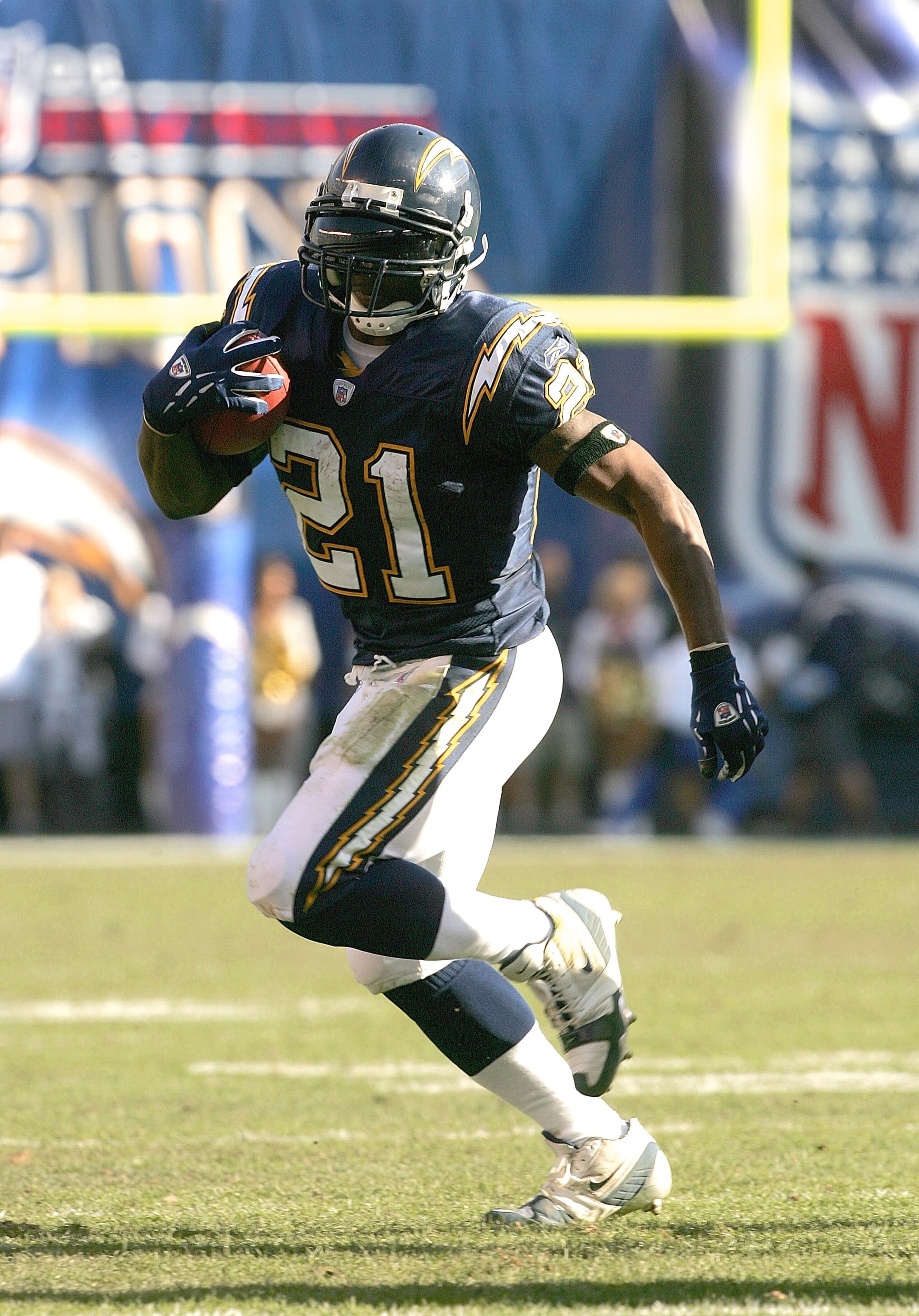
Selection: 5th, 2001
Runner-Up: Junior Seau, LB, USC (5th, 1990)
153 touchdowns and over 16,000 yards of offense during nine seasons in San Diego makes L.T. arguably the greatest Charger ever, even if he didn't take the team to a Super Bowl.
A decade before Tomlinson, Seau was the man in San Diego. He went to 12 straight pro bowls and was equally proficient as a pass rushers, run-stopper, and in coverage.
No. 19: New York Giants: Lawrence Taylor, LB, North Carolina
19 of 32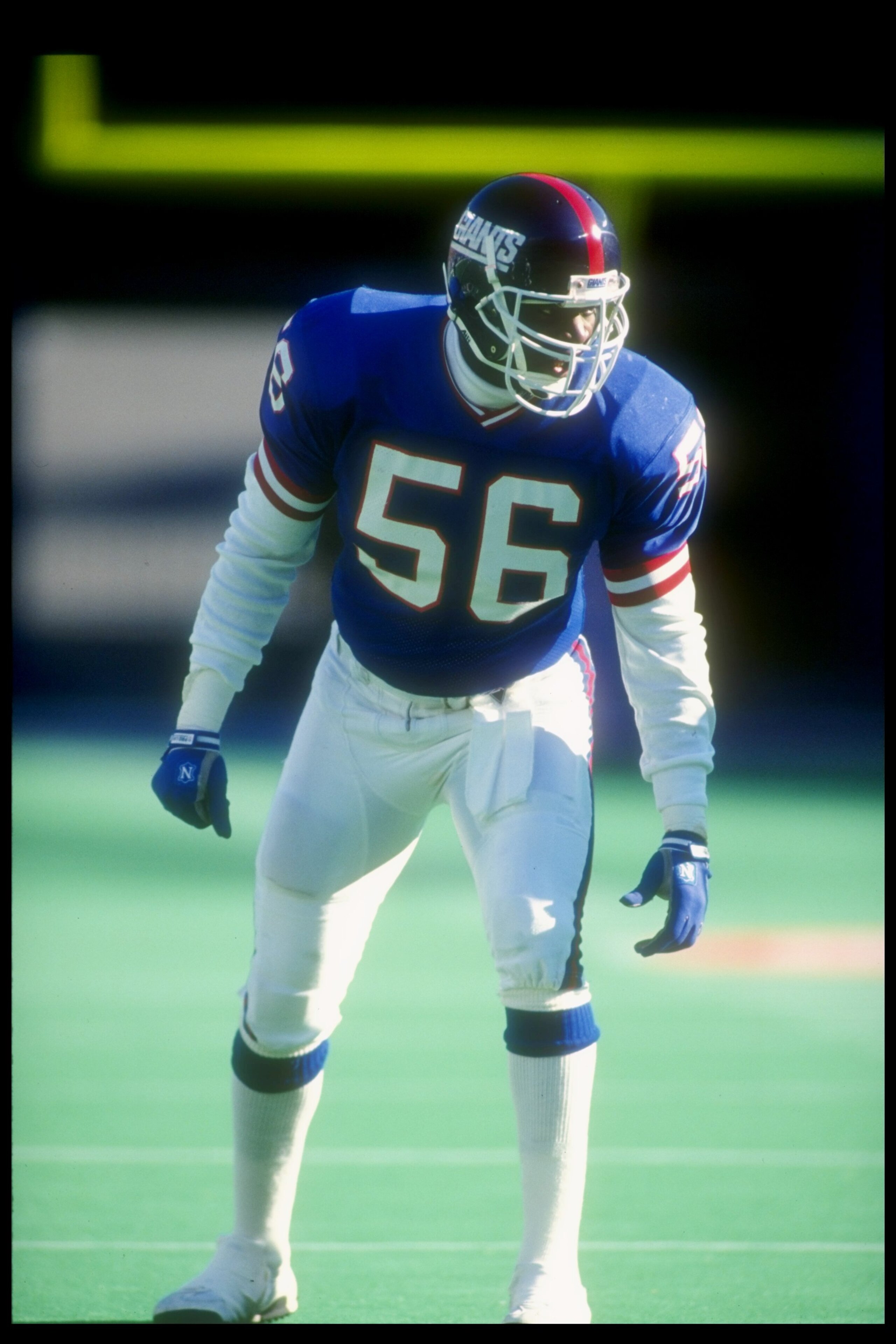
Selection: 2nd, 1981
Runner-Up: Phil Simms, QB, Morehead State (7th, 1979)
The greatest defensive player in NFL history naturally was the greatest draft choice in Giants history.
L.T. was a three-time NFL Defensive Player of the Year winner (including his rookie season), won the 1986 NFL MVP and was named to the All-Pro team each of his first nine seasons.
Taylor's friend and longtime teammate Phil Simms wasn't quite as dominant as a player and won't make the Hall of Fame anytime soon, however he was at the helm for most of the Giants 77 victories in the Bill Parcells era, including one Super Bowl championship.
No. 20: Tampa Bay Buccaneers: Derrick Brooks, LB, Florida State
20 of 32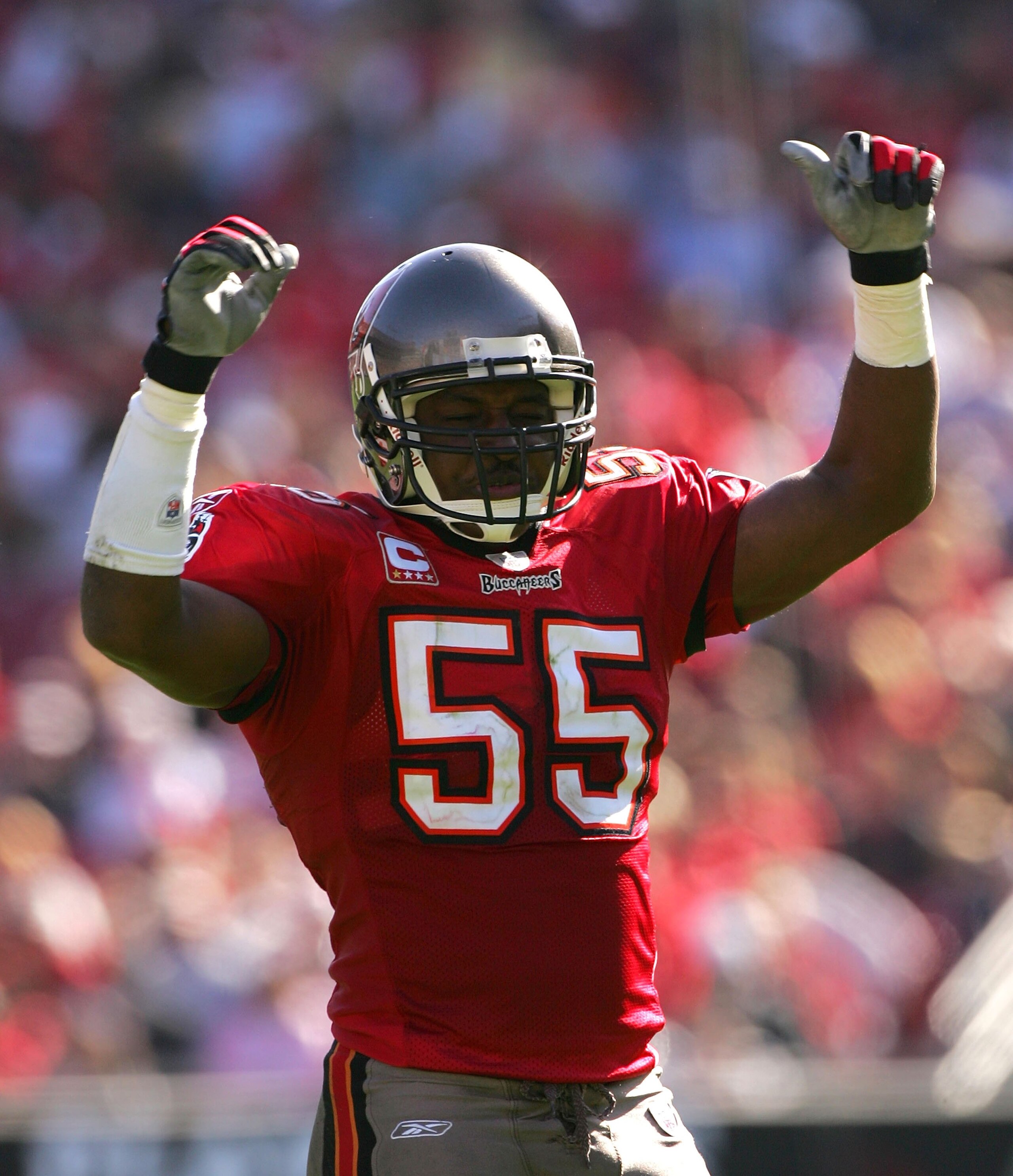
Selection: 28th, 1995
Runner-Up: Lee Roy Selmon, DE, Oklahoma (1st, 1976)
Tough choice between these two former NFL Defensive Players of the Year.
Selmon, the first player in Bucs history, went to six straight Pro Bowls and helped the Bucs reach the NFC title game less than three years removed from a 26-game losing streak.
But because Brooks, who went to 11 consecutive Pro Bowls, was the key defender in the Bucs' 2002 Super Bowl-winning season, his resume is slightly more impressive.
That Bucs defense was one of the greatest of all-time and set a model (the Tampa Two, which revolved around Brooks) that still dominates the NFL.
No. 21: Kansas City Chiefs: Derrick Thomas, LB, Alabama
21 of 32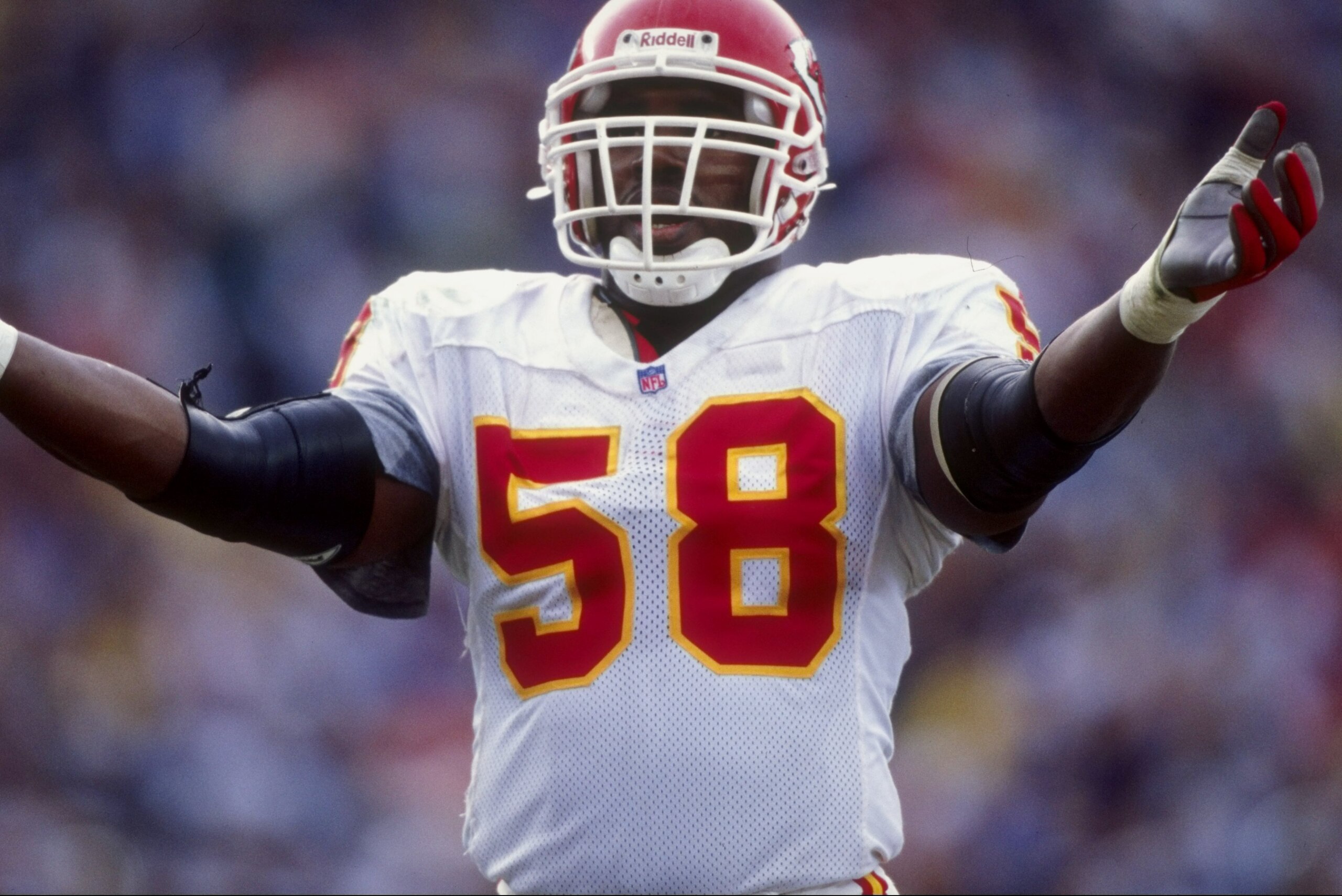
Selection: 4th, 1989
Runner-Up: Tony Gonzalez, TE, Cal (13th, 1997)
The heir apparent to Lawrence Taylor, Thomas was a nightmare for AFC quarterbacks—especially Seattle's Dave Krieg, whom he sacked seven times in one 1990 game.
Throughout the 1990's, Thomas earned six Pro Bowl selections, nabbed 116.5 sacks and forced 37 fumbles.
Tony Gonzalez, the club's all-time leading receiver and one of the greatest tight ends ever, takes a narrow second-place finish on this list for one reason—none of his Chiefs teams won even a single playoff game. At least Thomas won three.
No. 22: Baltimore/Indianapolis Colts: Peyton Manning, QB, Tennessee
22 of 32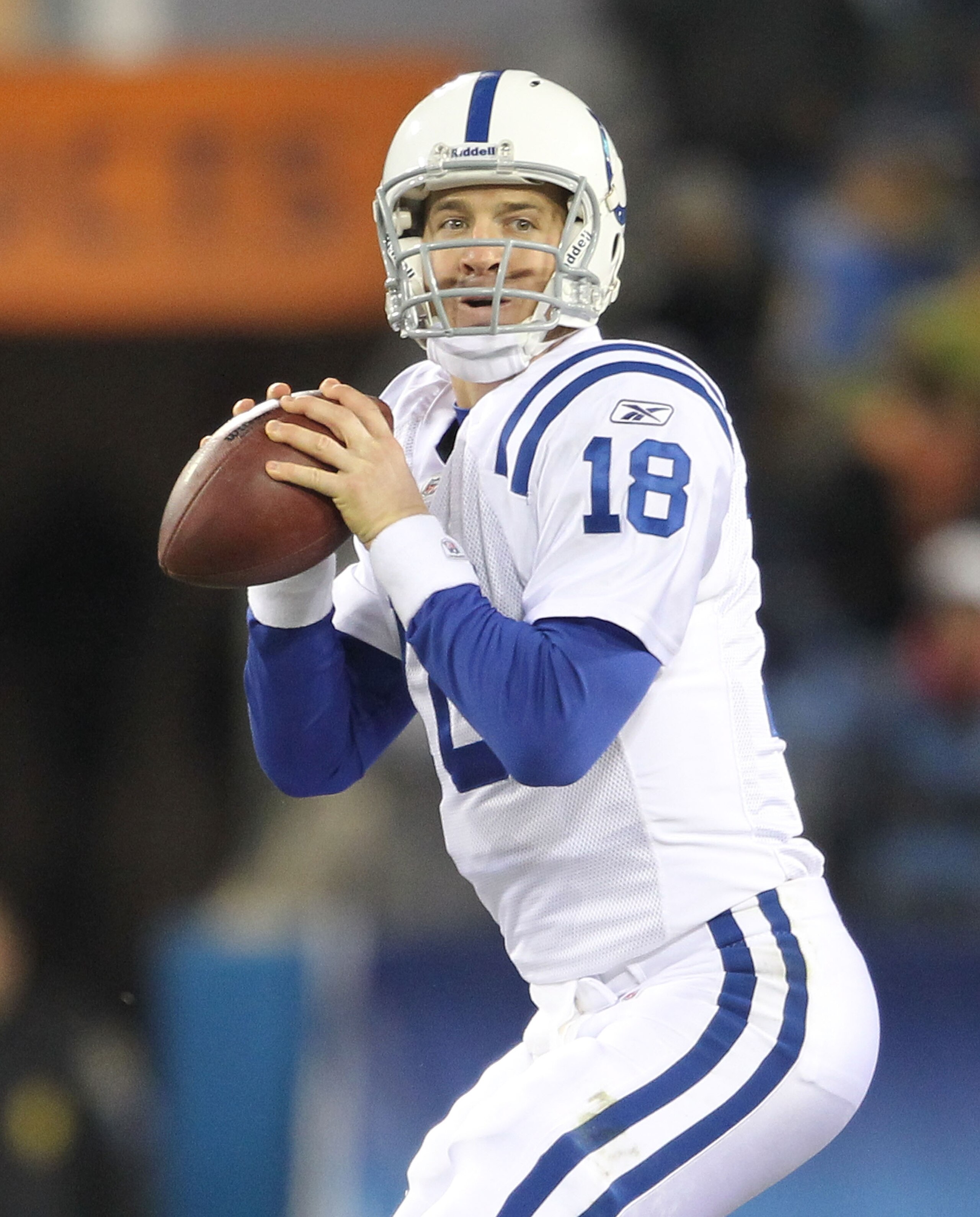
Selection: 1st, 1998
Runner-Up: Dwight Freeney, DE, Syracuse (11th, 2002)
Another easy choice here—Manning is the only man who could come close to challenging Johnny Unitas as the greatest Colt ever. Instead, it's the runner-up that is more difficult to select.
Freeney is a good fit. No matter how great Manning is, the Colts would not have reached two Super Bowls without the outstanding play of their speed rusher. He's recorded 95 sacks in nine seasons, been named to six Pro Bowls and was the 2005 Defensive Player of the Year.
After Trev Alberts, Steve Emtman, Quentin Coryatt and Cornelius Bennett, nabbing a great defensive player with a high draft pick like Freeney was even more rewarding.
No. 23: Philadelphia Eagles: Donovan McNabb, QB, Syracuse
23 of 32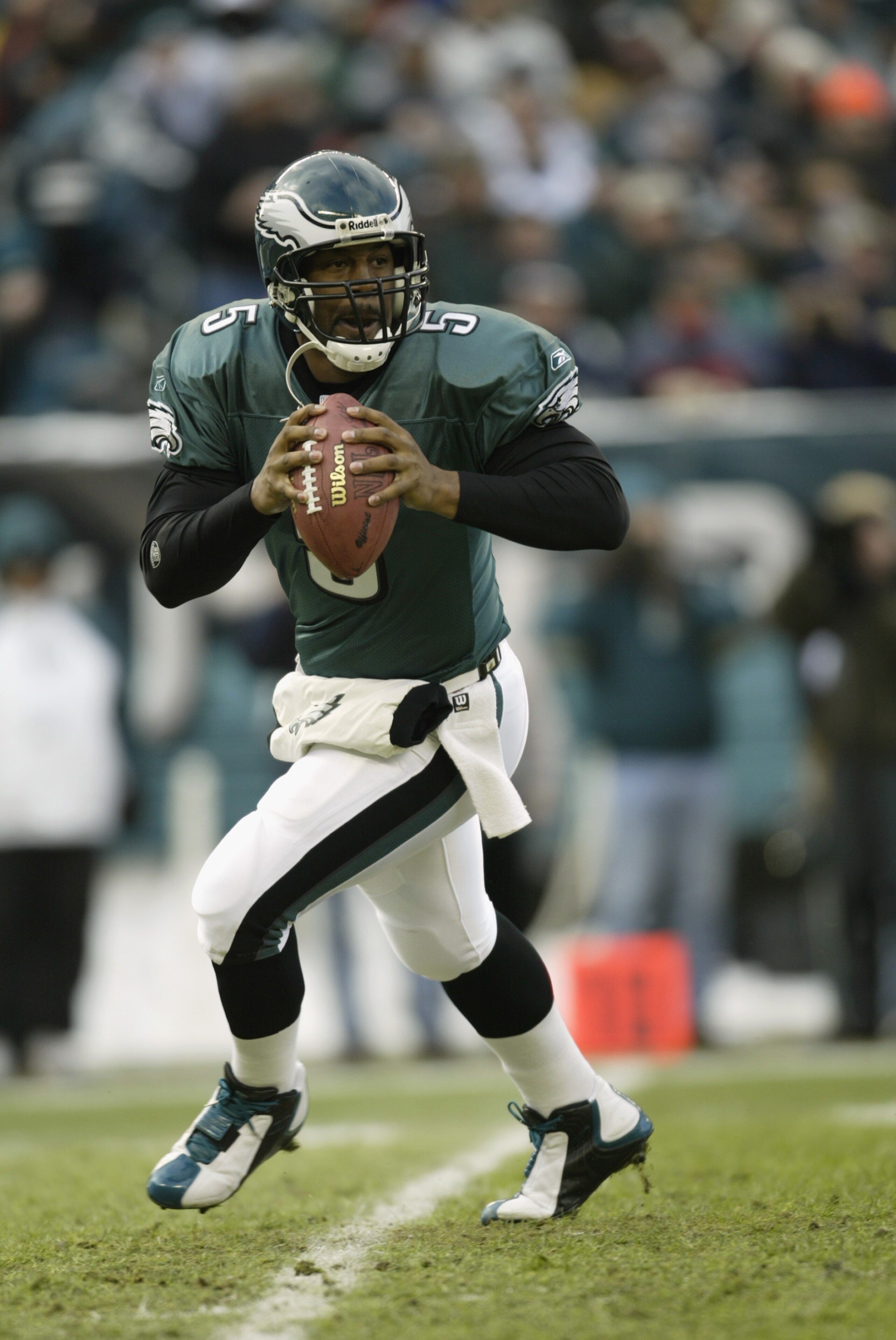
Selection: 2nd, 1999
Runner-Up: Jerome Brown, DT, Miami (FL) (9th, 1987)
McNabb never brought the Eagles a Super Bowl title, but four consecutive Conference Championship appearances was a remarkable achievement.
He owns all of the club's passing records, went to five consecutive Pro Bowls and posted a 92-49-1 record as a starter.
Brown's career was cut terribly short by his tragic death, but alongside Clyde Simmons and Reggie White, the Eagles of that period had one of the greatest defensive lines ever constructed.
No. 24: New Orleans Saints: Willie Roaf, OT, Louisiana Tech
24 of 32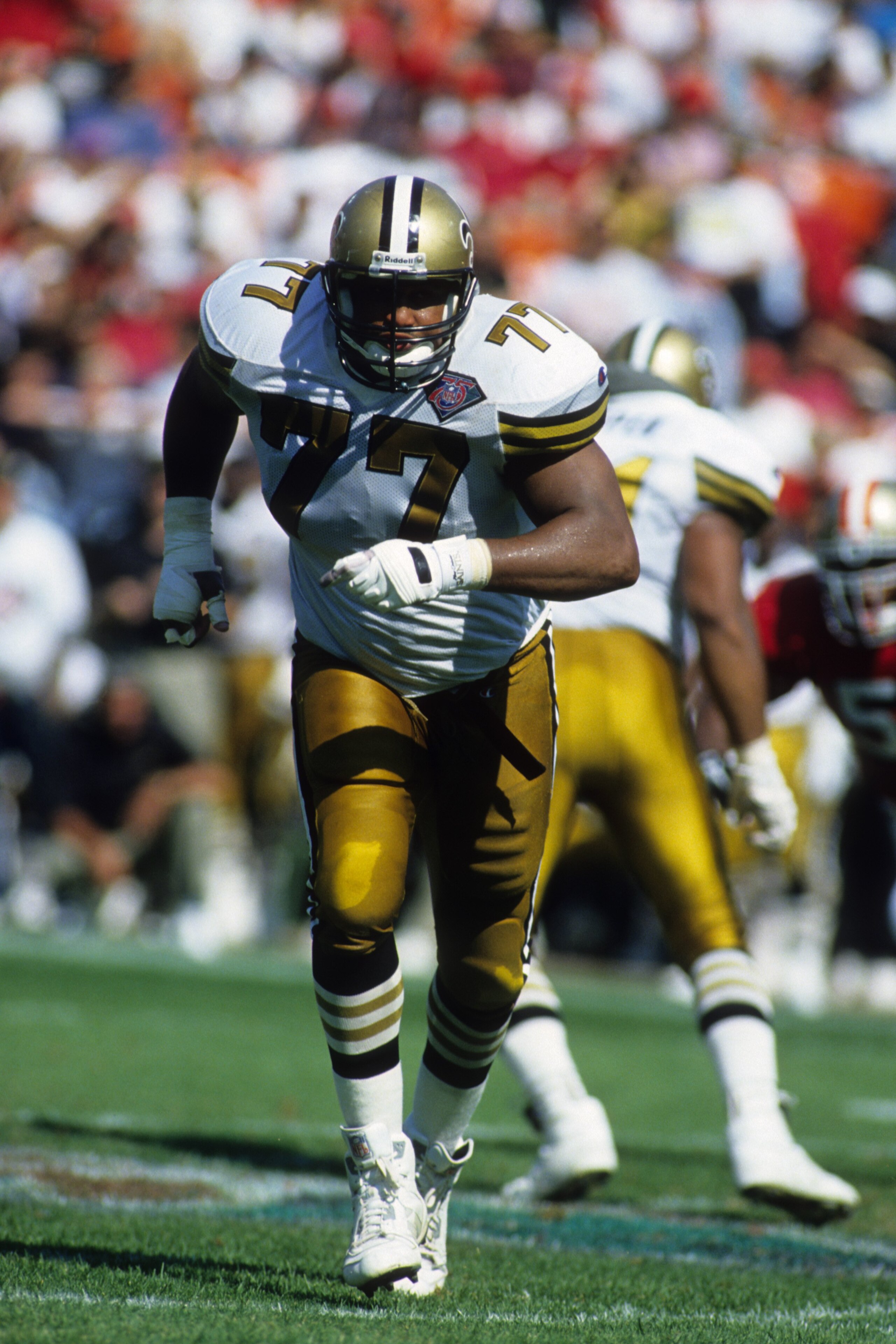
Selection: 8th, 1993
Runner-Up: Archie Manning, QB, Mississippi (2nd, 1971)
Sooner or later, Roaf will be inducted into the Pro Football Hall of Fame in Canton. He went to seven straight Pro Bowls for the Saints (and four more for the Chiefs) and was often the only player keeping the Saints respectable at times in the 1990's.
His legacy is not that different from Archie Manning's.
Throughout the 1970's, Manning was battered and surrounded by mediocre players but still earned a pair of Pro Bowl selections and became a hero in the Crescent City.
No. 25: Seattle Seahawks: Shaun Alexander, RB, Alabama
25 of 32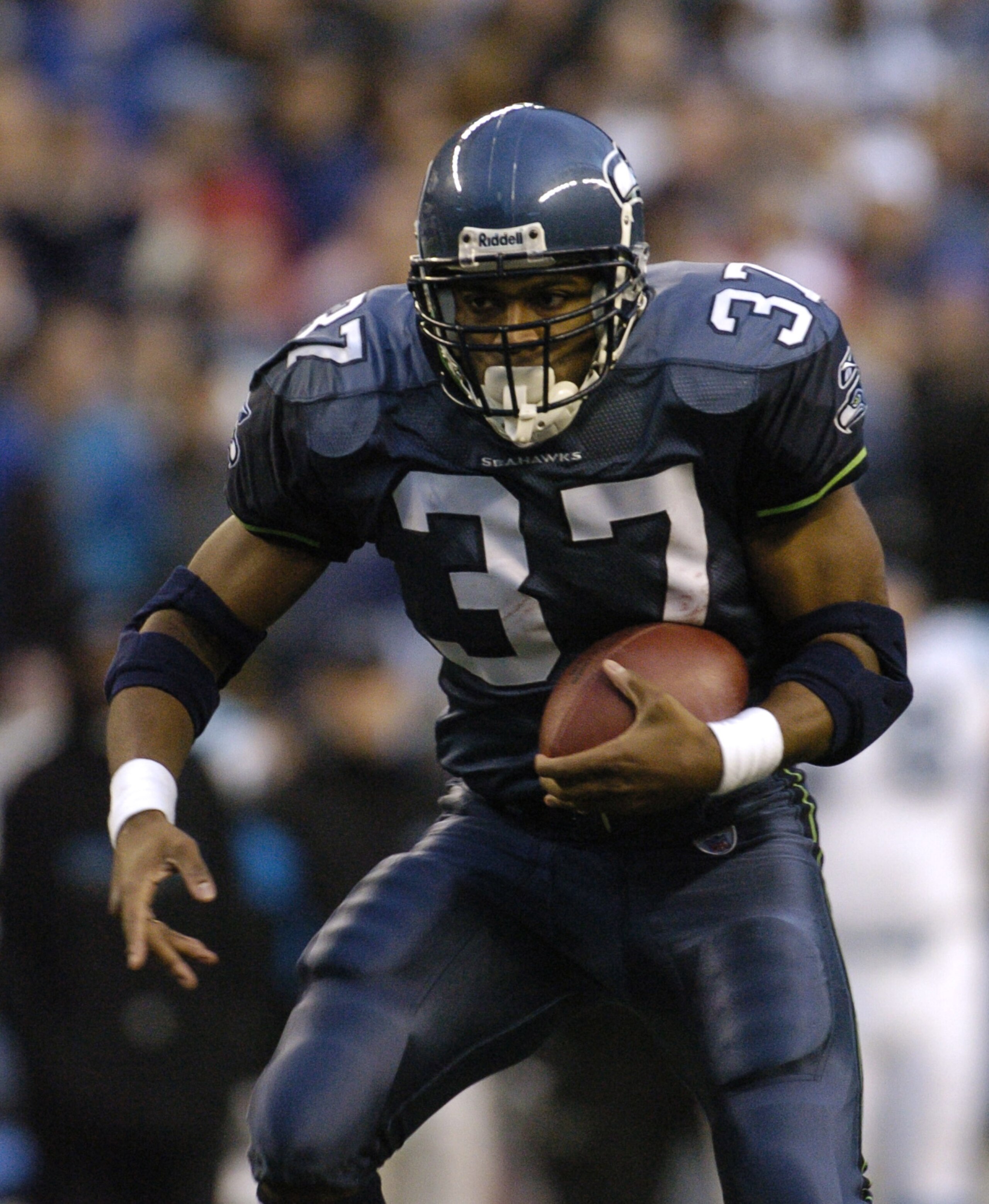
Selection: 19th, 2000
Runner-Up: Cortez Kennedy, DT, Miami (FL) (3rd, 1990)
Things fell apart quickly for Alexander not long after his MVP season in 2005. But for a five-year stretch he was the league's top back, rushing for 7,500 yards and 87 touchdowns.
More importantly, he was the driving force behind the only Seattle team to ever play in a Super Bowl.
Cortez Kennedy had an equally brilliant career, being named to eight Pro Bowls in nine seasons and winning the league's Defensive Player of the Year award in just his third year.
No. 26: Baltimore Ravens: Ray Lewis, LB, Miami (FL)
26 of 32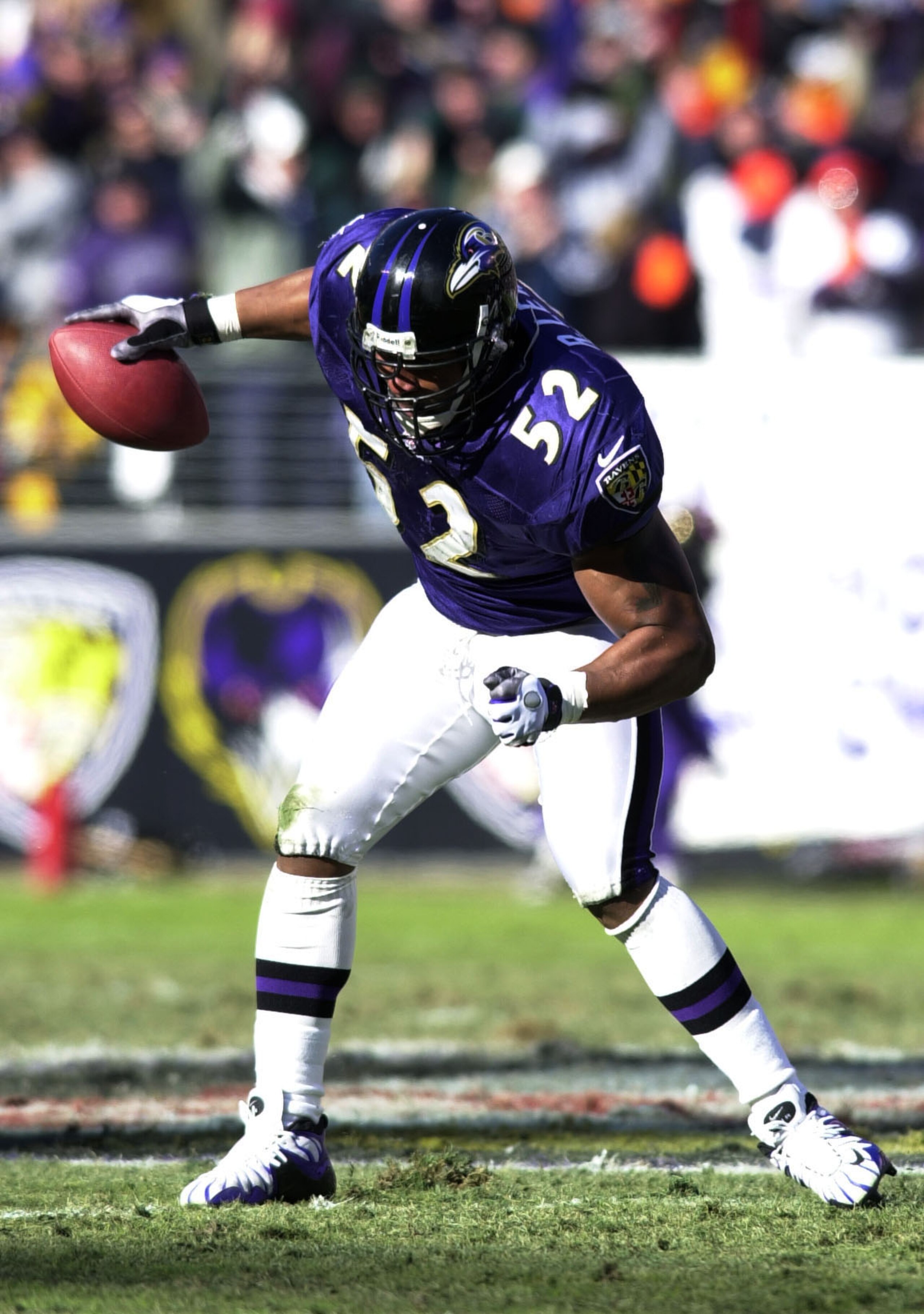
Selection: 26th, 1996
Runner-Up: Ed Reed, S, Miami (FL) (24th, 2002)
Without question the greatest defensive player of his generation, Lewis (who was the first-ever draft pick for the Ravens) was a steal as a late first round choice in 1996.
Besides his Super Bowl MVP, 12 Pro Bowl selections and 10 All-Pro selections, Lewis won the Defensive Player of the Year award twice in five seasons.
The only reason he didn't become a three-time winner—his teammate Ed Reed, who won the award in 2004.
No. 27: Atlanta Falcons: Deion Sanders, CB/KR, Florida State
27 of 32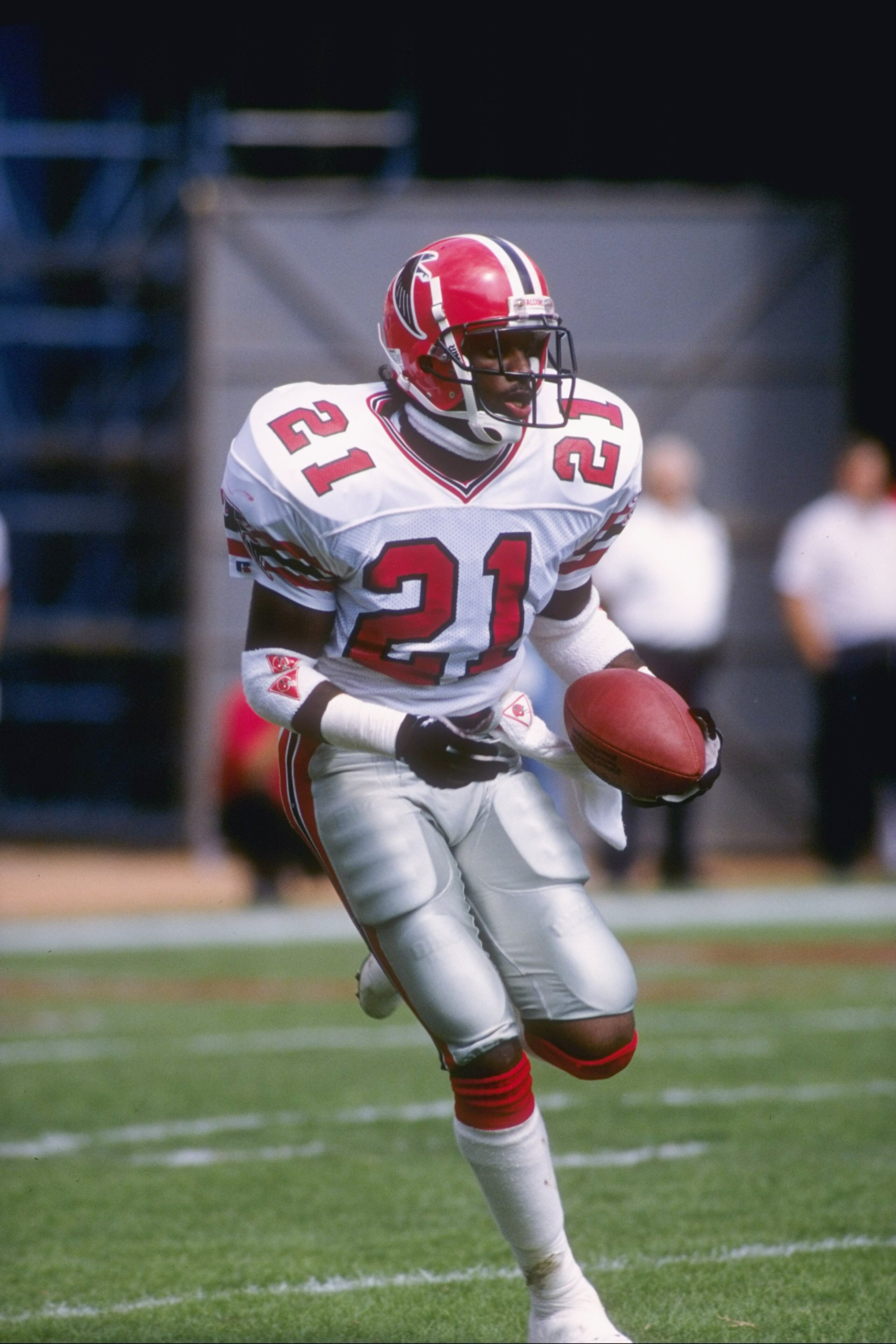
Selection: 26th, 1996
Runner-Up: Michael Vick, QB, Virginia Tech (1st, 2001)
Another tough choice here between Vick and Sanders. Both ended up having their finest seasons outside of Atlanta. Still, both had remarkable careers with the Falcons, even if they were short.
"Primetime" was not only the best cover corner of his generation, he was one of the greatest kick and punt returners of all-time. In five seasons he returned five kicks for scores and picked off 24 passes, three of which he returned for scores.
Vick never put up outstanding passing figures in his six years with the Falcons, but he did amass ridiculous rushing totals, won two NFC South titles and took the Falcons to the NFC title game in 2004.
No. 28: New England Patriots: John Hannah, OT, Alabama
28 of 32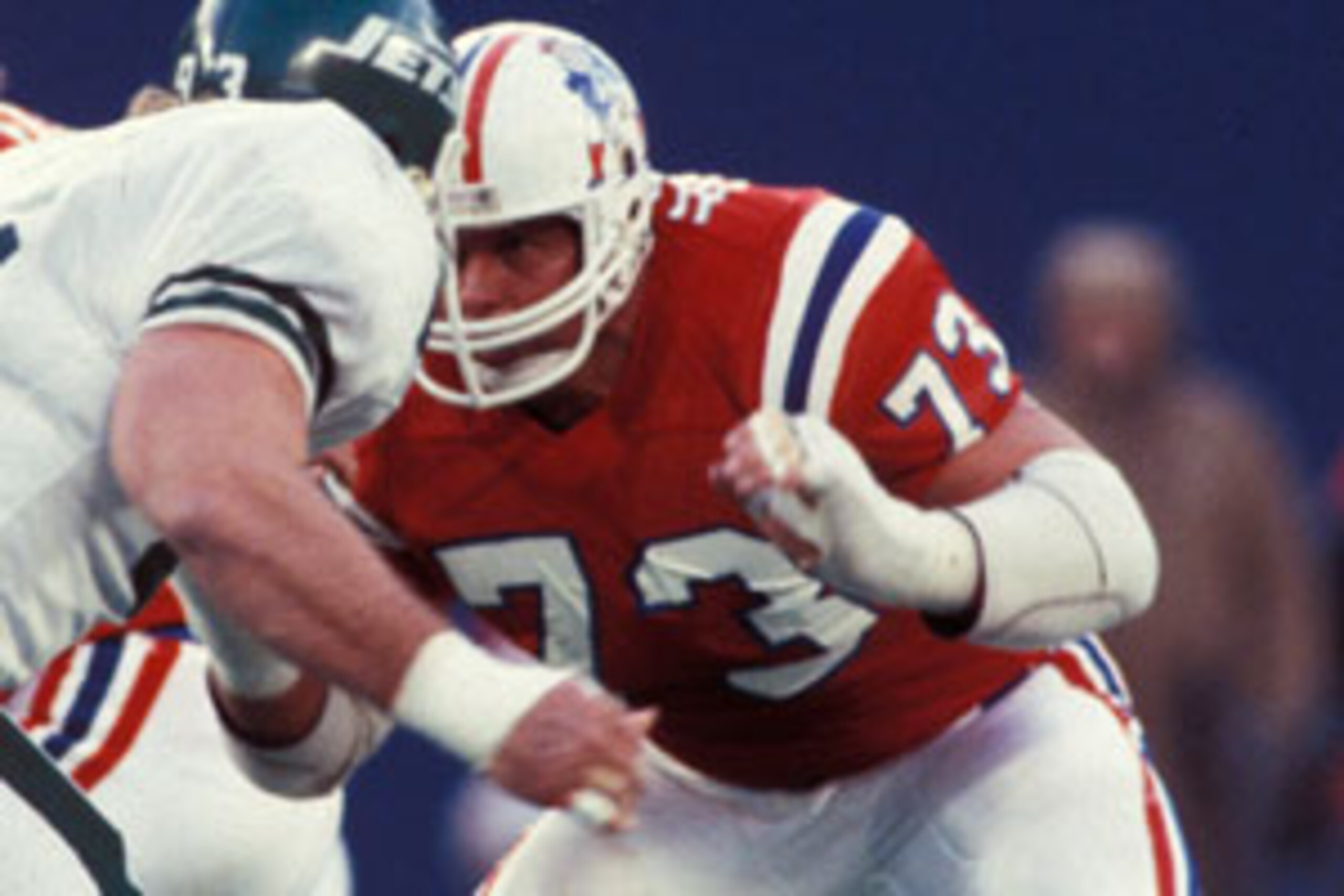
Selection: 4th, 1973
Runner-Up: Drew Bledsoe, QB, Washington State (1st, 1993)
Often forgotten during the era of the Steelers, Dolphins, Raiders and Cowboys' dominance in the 1970's, Hannah was arguably the finest guard in history.
From 1977-85, he was an All-Pro every year and was an All-Decade selection for both the 1970's and 1980's.
Although Bledsoe was oft-maligned in New England and completely overshadowed by his successor Tom Brady, he had a remarkable career. Behind his big arm the Pats went to a Super Bowl and reached the playoffs four times in a five-year stretch.
No. 29: Chicago Bears: Walter Payton, RB, Jackson State
29 of 32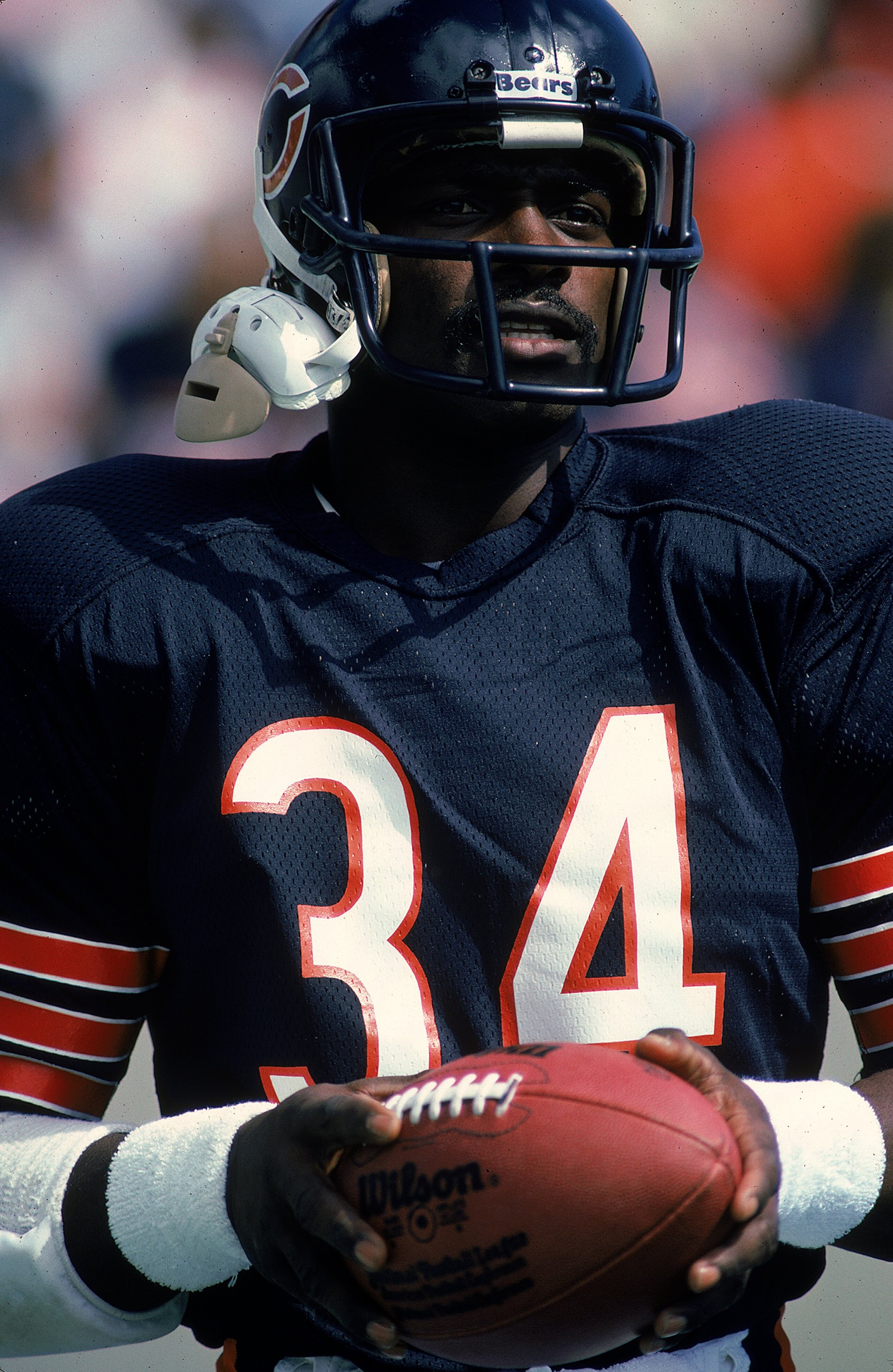
Selection: 4th, 1975
Runner-Up: Brian Urlacher, LB, New Mexico (9th, 2000)
"Sweetness" was a steal for the Bears, even though he went to unheralded Jackson State.
He only won the NFL rushing title once, but 10 times he carried the ball 300 or more times in a season and would retire as the all-time leader in rushing yards and touchdowns.
The runner-up spot was a close call. Payton's longtime teammate and fellow Hall of Famer Dan Hampton deserves recognition, but because he was on the same team as Richard Dent, Mike Singletary and Wilber Marshall, Urlacher gets the runner-up spot.
The seven-time Pro Bowler also has a Rookie of the Year award and a Defensive Player of the Year award.
No. 30: New York Jets: Al Toon, WR, Wisconsin
30 of 32
Selection: 10th, 1985
Runner-Up: Darrelle Revis, CB, Pitt (14th, 2007)
Lots of good choices for the Jets, but no real clear-cut ones.
Toon could have become the AFC's version of Jerry Rice had concussions not ruined his career. Still, after his rookie season, Toon was named to three straight All-Pro teams.
Revis has been just as good in an equally short time frame. Following his rookie season, Revis was named to three straight Pro Bowls and is the NFL's premier shutdown corner.
It's worth mentioning the names Jonathan Vilma, Keyshawn Johnson, John Abraham and Chad Pennington. But, unlike Toon or Revis, each achieved just as much—if not more—away from the Meadowlands.
No. 31: Pittsburgh Steelers: Terry Bradshaw, QB, Louisiana Tech
31 of 32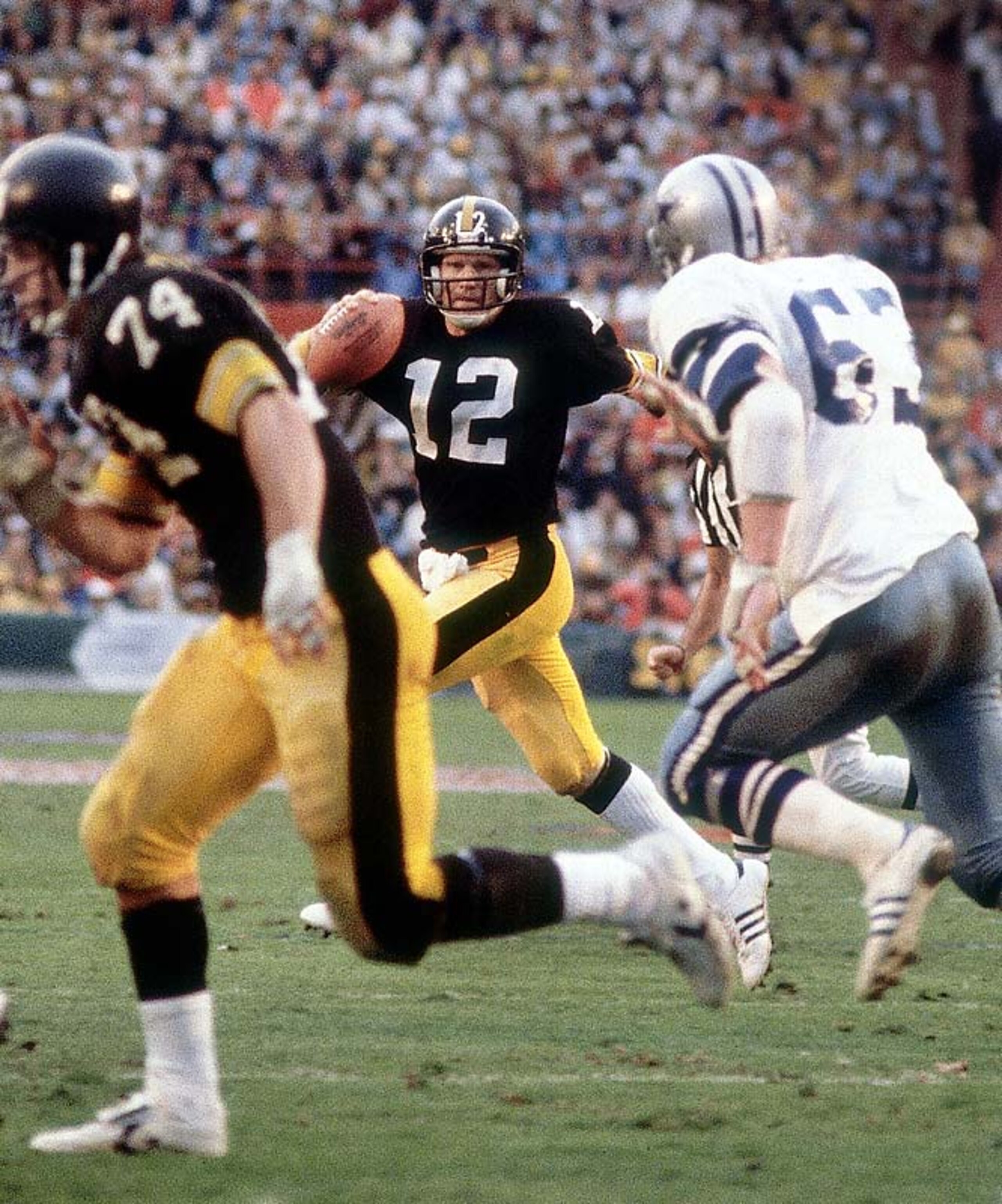
Selection: 1st, 1970
Runner-Up: Troy Polamalu, S, USC (16th, 2003)
Great first round choices are a huge reason why the Steelers have six Super Bowl titles, more than any other franchise—like Franco Harris, Lynn Swann, Alan Faneca, Ben Roethlisberger, Santonio Holmes and Heath Miller, just to name a few.
But Bradshaw is still the most decorated player in Steelers history. He's the only NFL MVP and the only Steeler with a pair of Super Bowl MVPs in addition to his four Super Bowl rings. And since he was as clutch as anyone in Super Bowl history (four fourth quarter touchdown passes), he gets the top billing.
The runner-up is just as difficult to choose. While Troy Polamalu has not played great in any of his Super Bowl appearances (the talk that he "disappeared" is overstating it), without their six-time Pro Bowler, they don't even get to the Super Bowl.
No. 32: Green Bay Packers: Aaron Rodgers, QB, Cal
32 of 32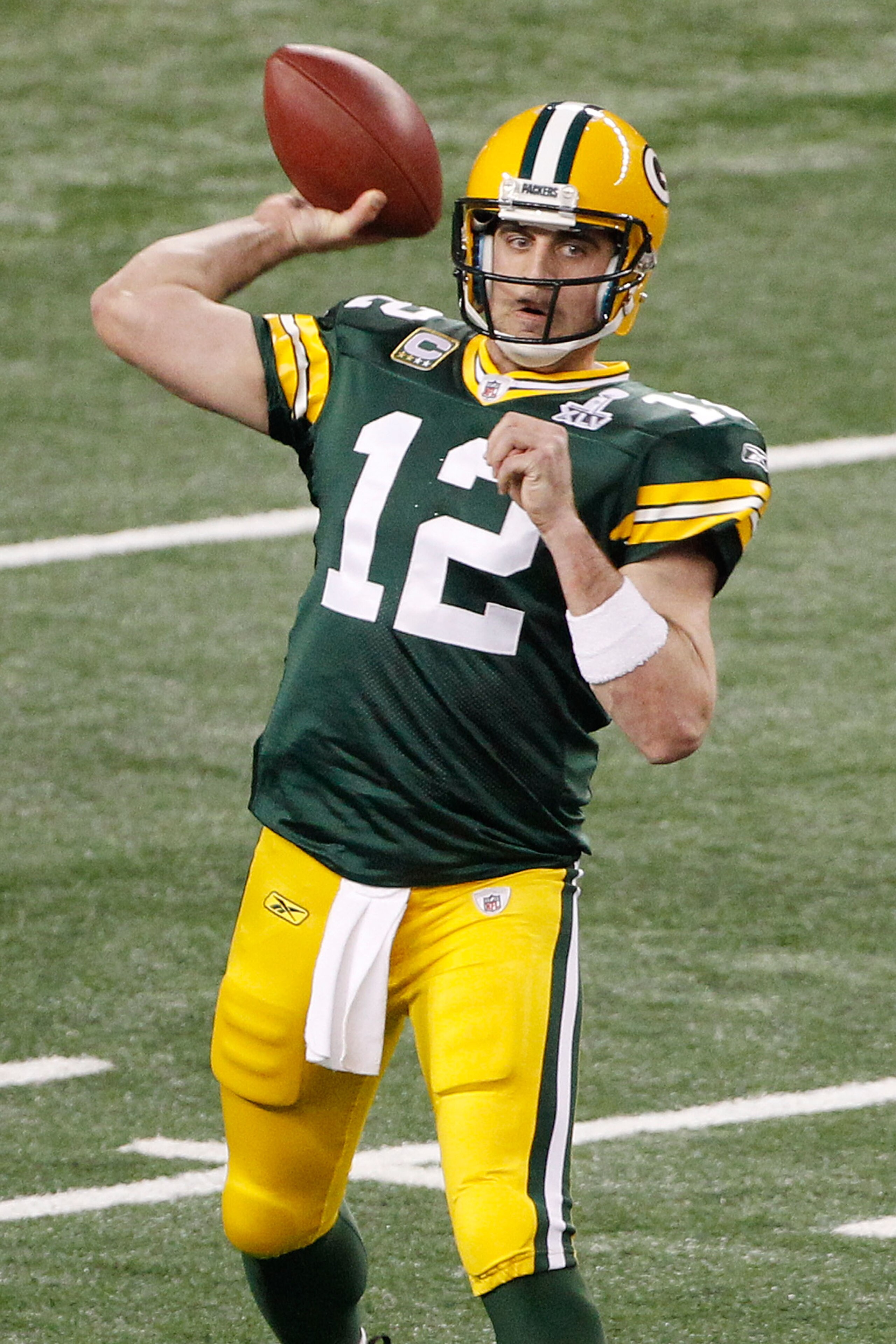
Selection: 24th, 2006
Runner-Up: James Lofton, WR, Stanford (6th, 1978)
It's not a display of short-term memory loss to say that Aaron Rodgers was the greatest first round selection the Packers have had since 1970.
Aside from the fact that many of their stars during the past four decades (Brett Favre, Reggie White, Charles Woodson) came from other teams, there haven't been that many great picks by the Pack.
Rodgers has averaged 29 touchdowns and over 4,000 yards passing the past three seasons, reached the playoffs twice and in case you didn't see it, won the Super Bowl last week, also claiming the game's MVP.
It's a close call to select a runner-up. Clay Matthews III is a good choice, but since Lofton still (barely) owns the franchise record for receiving yards and did so without an Aaron Rodgers or Brett Favre throwing to him, he earns the silver medal.
.jpg?w=2560 "Commanders Eagles Football")



.jpg?w=2560 "Mahomes' Wife Trolls Kubiak 💀")

.jpg?w=2560 "Grading WWE Raw 🔠")